
Last Updated: November 20th, 2026 by Matthew Brown
The playing area of baseball is so unique compared to any other sport in the world. When we learned about shapes in elementary school, none of them could prepare us for the dimensions of a random baseball stadium. The diamond is only a part of the entire playing surface that even has a name for its shape, but it's not even the actual shape of what we learned in school.
Don't lose this article. Enter your email below, and I'll send it to you right now. Plus, we'll send you other unbelievable stories from baseball's past.
Here, we celebrate the uniqueness of baseball and these stadiums that were gone too soon.
12. Tiger Stadium: Where the Smell of Hot Dogs Met the Roar of Detroit
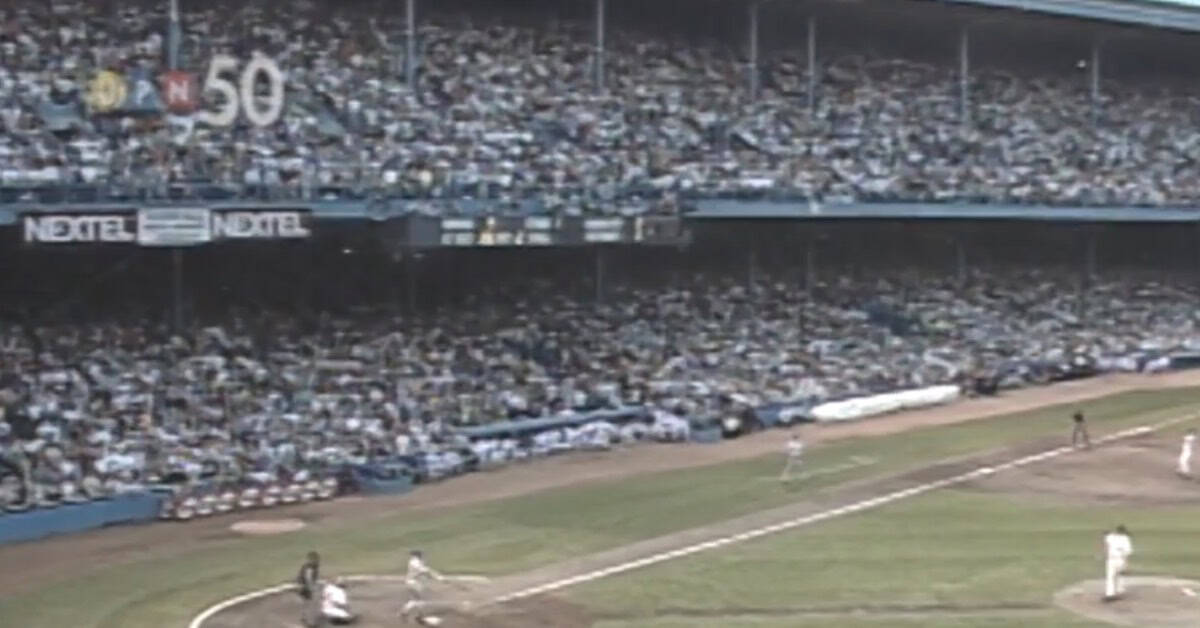
You will find that many of these stadiums would be outdated today, but still hold that massive amount of nostalgia for what it housed. This stadium was the home for the Detroit Tigers for so long that Ty Cobb was one of the legends that played in it. It also had the versatility to contain the Detroit Lions for 35 years.
When you talk about the rich history of Detroit sports, you have to include this classic venue.
11. Old Yankee Stadium: The House That Ruth—and Echoes—Built
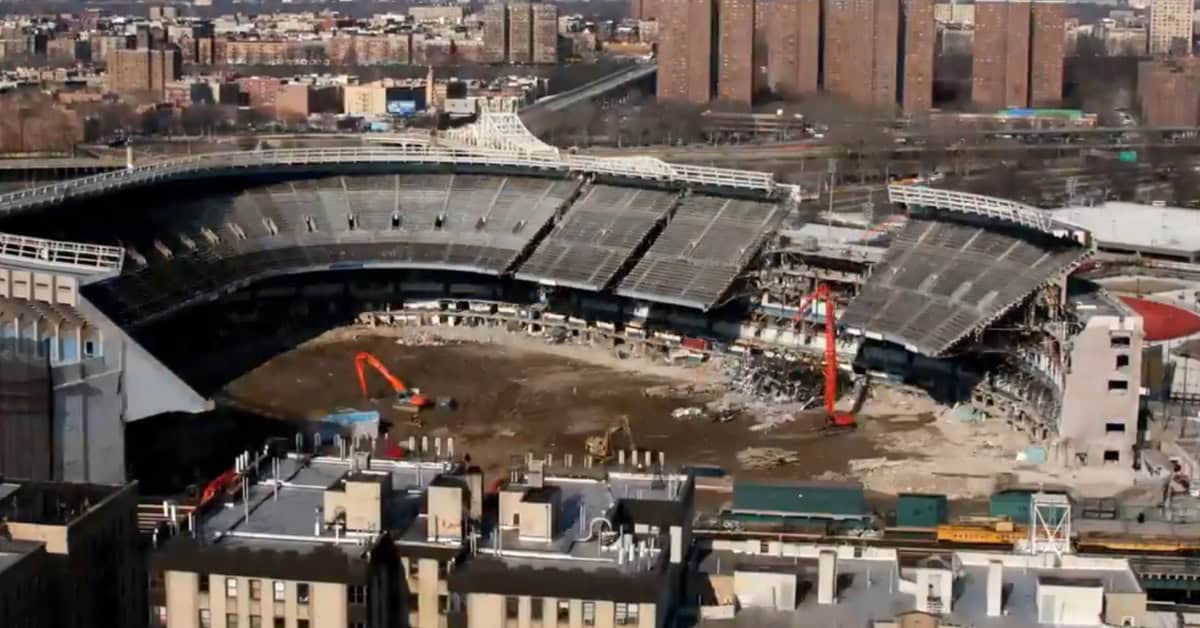
I am sad to say that I've never had the pleasure of experiencing a game at old Yankee Stadium. I visited the new one and got to see where the old one rests. I'd say that the House that Ruth Built is no longer a house, but it's still a home.
As the current Heritage Field, it gives future generations the opportunity to play this great game, with the dream of making it to the big leagues being represented right across the street by the new Yankee Stadium.
10. Comiskey Park: Home of Exploding Scoreboards and Secret Handshakes
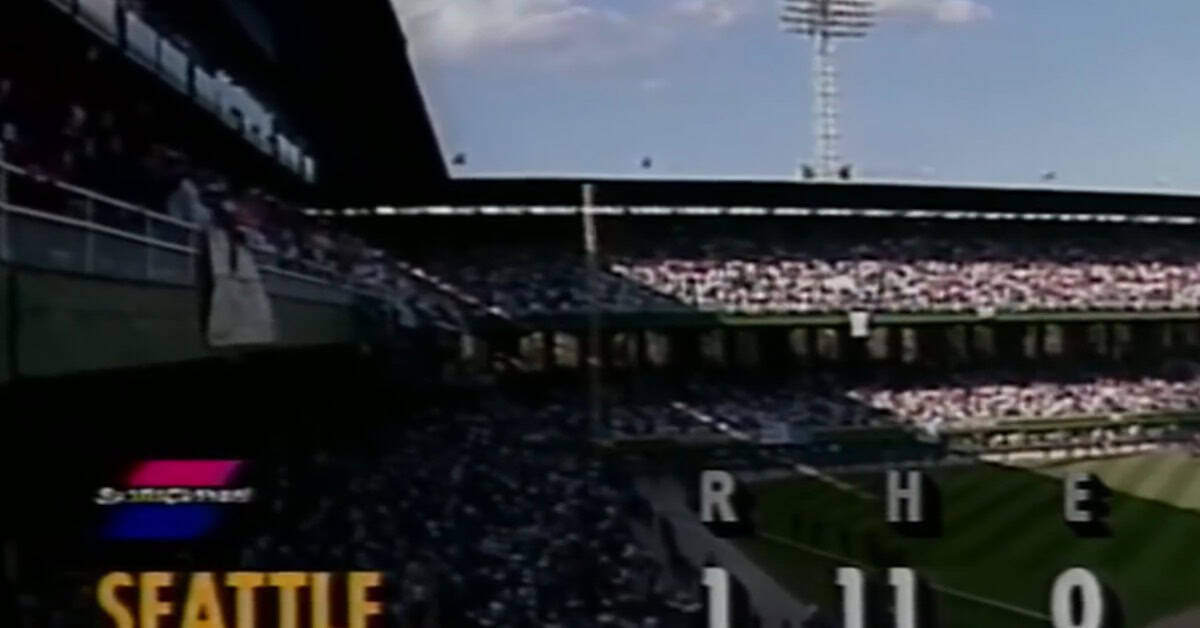
This is where charm comes into play. Comiskey Park was built with many gimmicks that actually revolutionized the way we look at ballparks. The "exploding" scoreboard with its pinwheels that would shoot fireworks for every home run made us all realize that a stadium can not just house the fun, but it can be the fun itself.
I actually do think there's a world where renovations could have kept this old park going since it was already used to modern innovations.
9. The Astrodome: Space-Age Wonder, Complete With Orange Seats
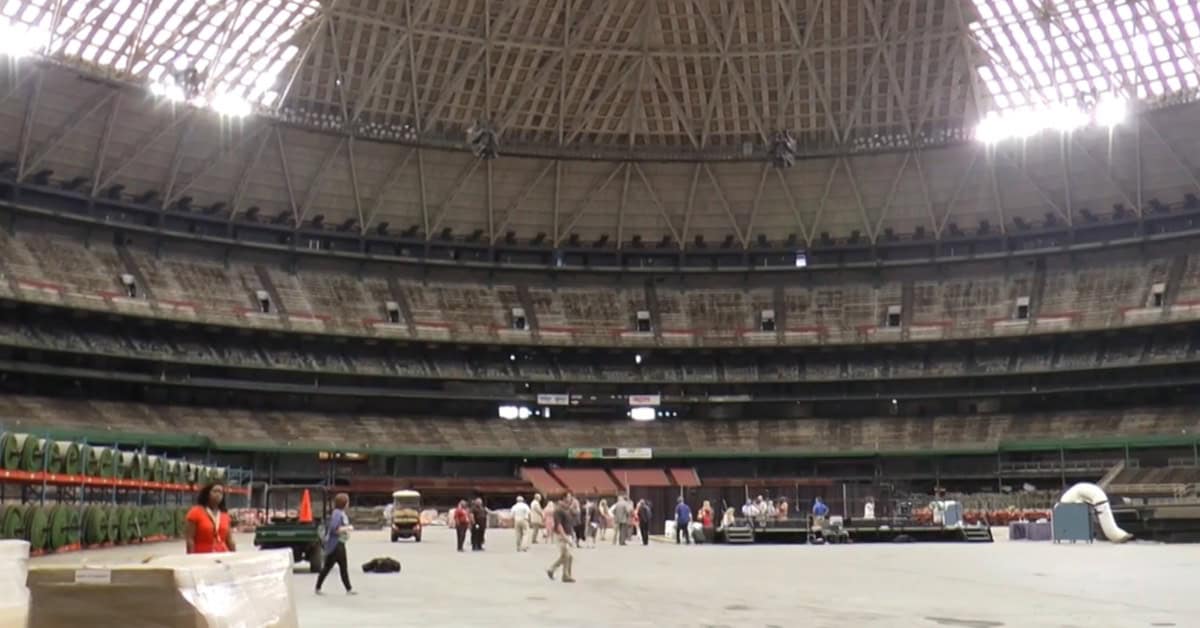
This was a pioneer for indoor stadiums to come. No matter what you think of domed fields with turf instead of grass, you have to admit that it's a unique innovation in the sport of baseball. When people from around the world come to an indoor stadium in the United States today, they marvel at the ability of modern engineering.
I don't think we truly get as far as we've gotten without the Astrodome.
8. Ebbets Field: Brooklyn’s Lost Heartbeat and the Best Egg Creams
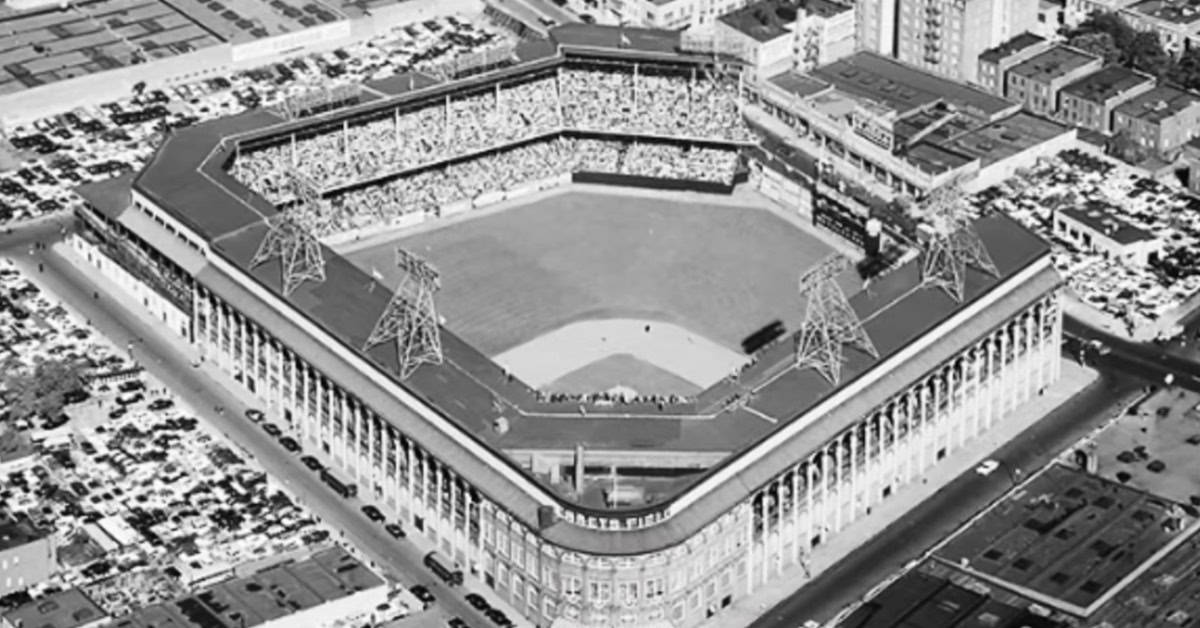
The Dodgers wouldn't have their name today if they didn't play at Ebbets Field. The frequent trolleys that would bring people in and around the area gave it a bustling feel to get to a game. It forced fans who were trying to rush to get inside the stadium to weave through those trolleys and be called trolley dodgers.
Hence, the local team picked up the name, and they now play in a place where there are no trolleys at all.
7. Candlestick Park: Where Giants Played and Fans Froze Together
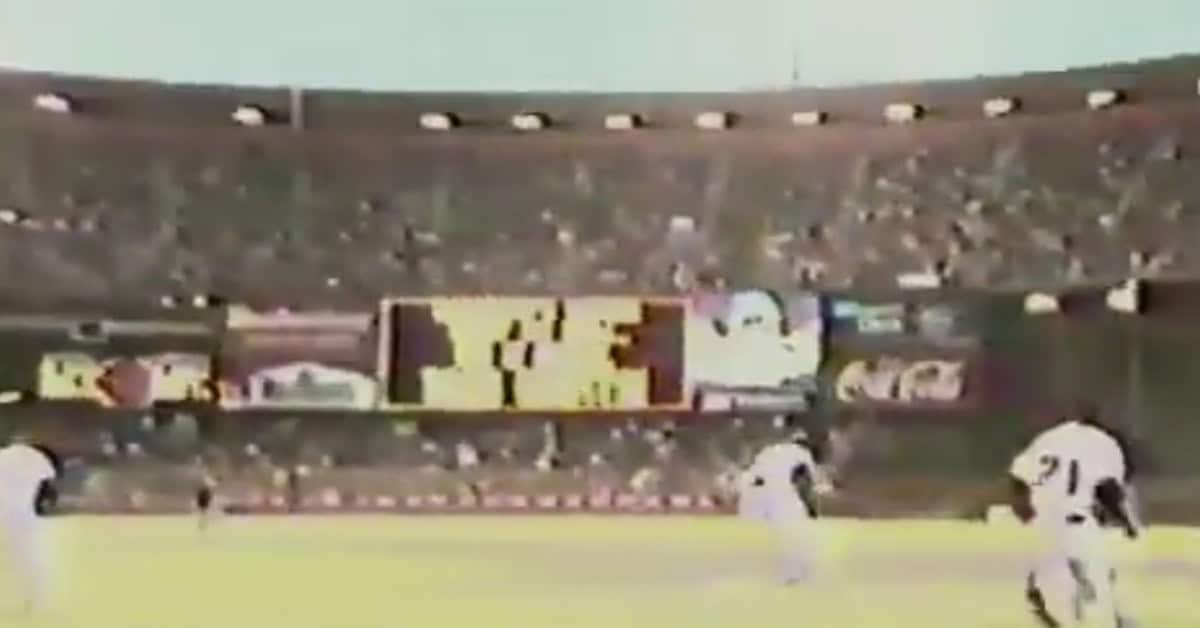
I'll be honest, I never really knew why Candlestick Park had such an allure. But when you consider the amount of history that it saw, it's pretty understandable. First of all, I think it was one of the better-looking hybrid stadiums, as it looked completely different as a baseball stadium than when it turned into a football stadium.
It even holds some history in music as the venue for the last full public concert by The Beatles. Naturally, its last-ever event it held was a Paul McCartney concert in 2014.
6. Shea Stadium: Planes Overhead, Beatles Below, Mets in the Middle
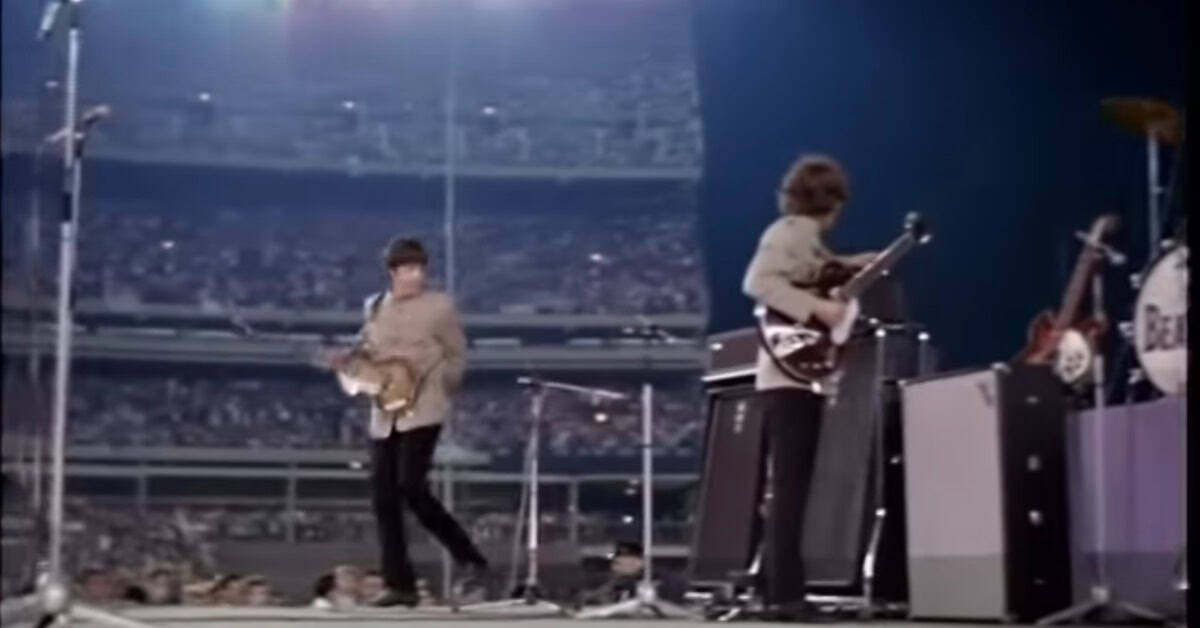
I would say I have been lucky enough to experience a game at Shea Stadium. Needless to say, I got caught up in what made it such a cool venue. There was such a distinct feel to the stadium that made me think that I was in a whole other city that still emulated the local New York area.
My luck was even greater that night as Mike Cameron ended up hitting a walk-off home run, which made the raising of the Home Run Apple that much more special.
5. Forbes Field: Where Mazeroski’s Homer Still Reverberates
I've got to say that I'm just jealous of the Pittsburgh Pirates. Their fans have been treated to some of the greatest venues that baseball has ever seen. This particular stadium got to experience one of the most legendary home runs in history, coming off the bat of Hall of Famer Bill Mazeroski, as they were able to knock off the Yankees in Game 7 of the 1960 World Series.
4. Municipal Stadium (Cleveland): Massive, Moody, and Forever Windy
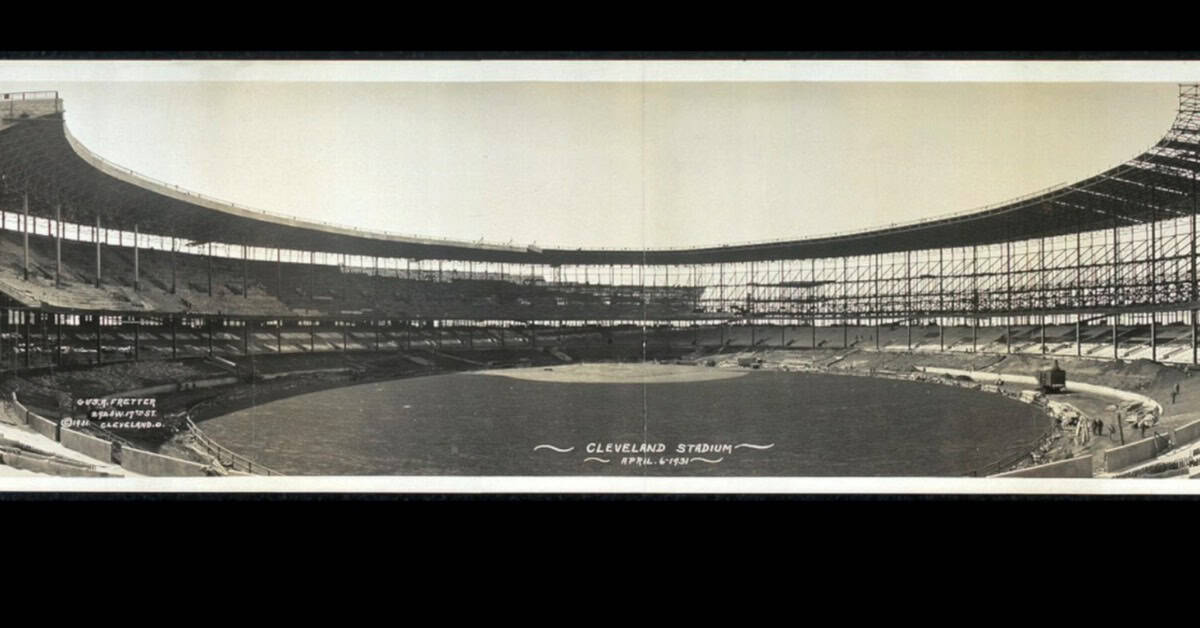
I feel like the major reason Cleveland wishes they still had this stadium to call home is because of a certain reason. The last time their baseball franchise won a World Series championship was back in 1948 in Municipal Stadium. I know it's been years, but I feel like there has to be at least a little superstition that's connected to it.
3. The Kingdome: Concrete Monstrosity with a Soft Spot for Fans
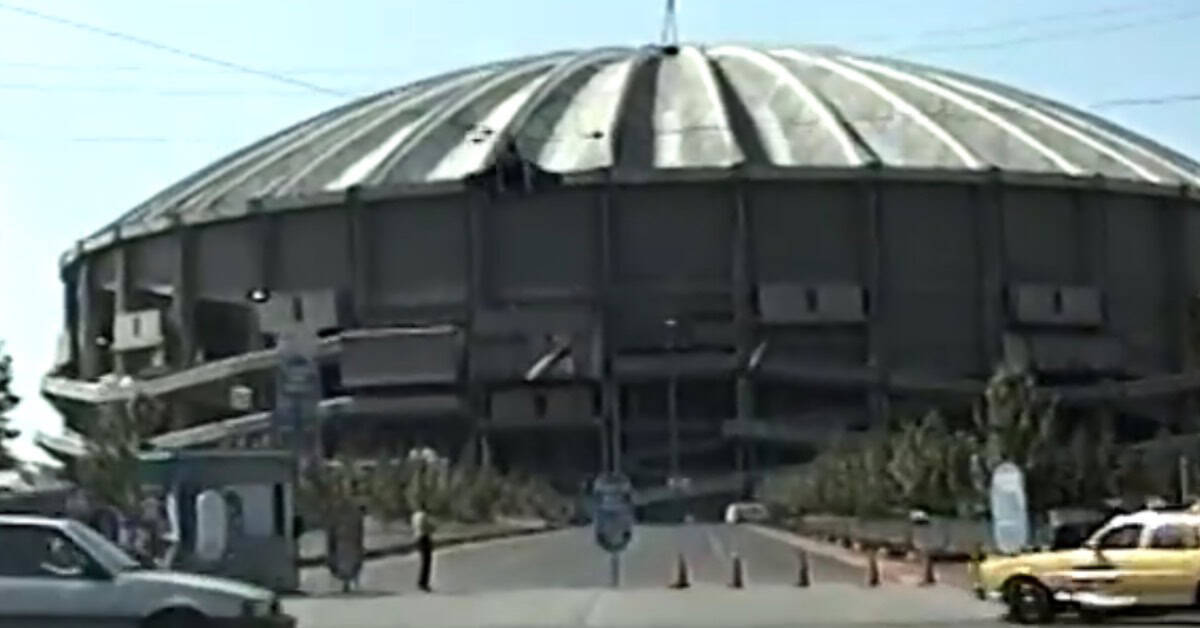
This place was the ultimate sports venue. It not only housed Ken Griffey Jr. and Randy Johnson, along with other Mariners legends, but it also housed Steve Largent and the Seattle Seahawks; it was the home of the great Jack Sikma and the Seattle SuperSonics. The sheer versatility of this stadium was astonishing, pivoting from a baseball diamond to a football field to the hardwood of a basketball court.
The uniqueness is missed.
2. Crosley Field: Crosley Burgers, Rain Delays, and the Incline
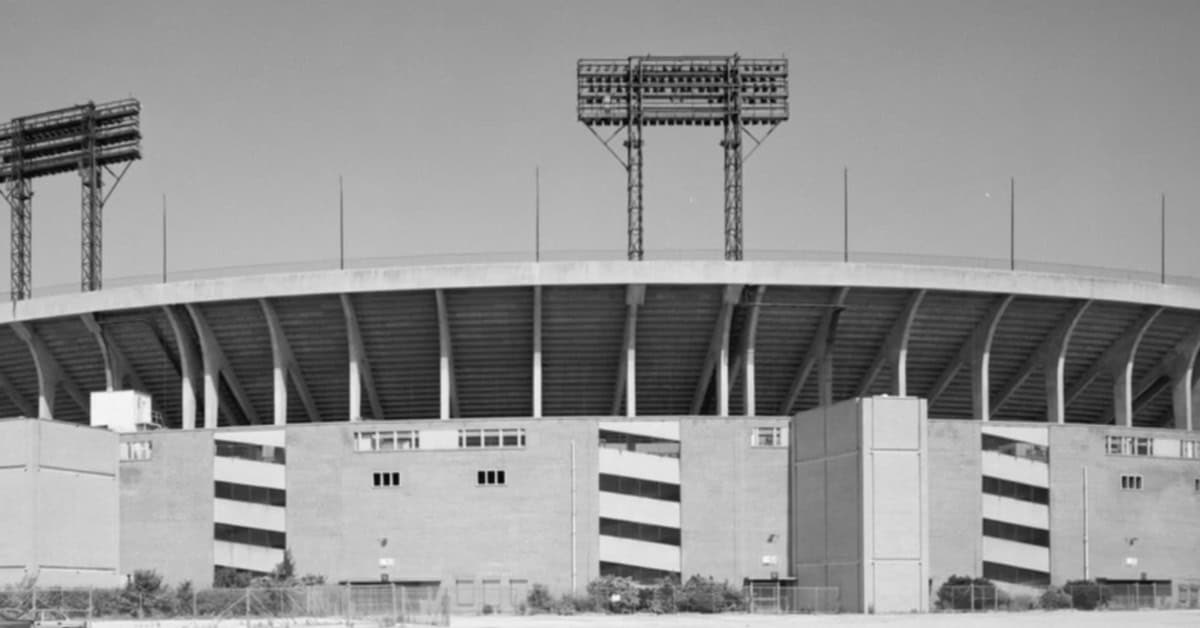
It's kind of sad that Crosley Field didn't get to experience the full force of the Big Red Machine. It just missed that. Still, it innovated in a way that helped to change baseball forever.
With President Franklin Delano Roosevelt in attendance, the first-ever MLB night game was played in 1935 as the Reds hosted the Phillies under the lights.
The success of that game gave the rest of baseball confidence to install lights at stadiums across the country.
1. Memorial Stadium (Baltimore): Crab Cakes, Orange Seats, and ‘Thank You, Fans!’
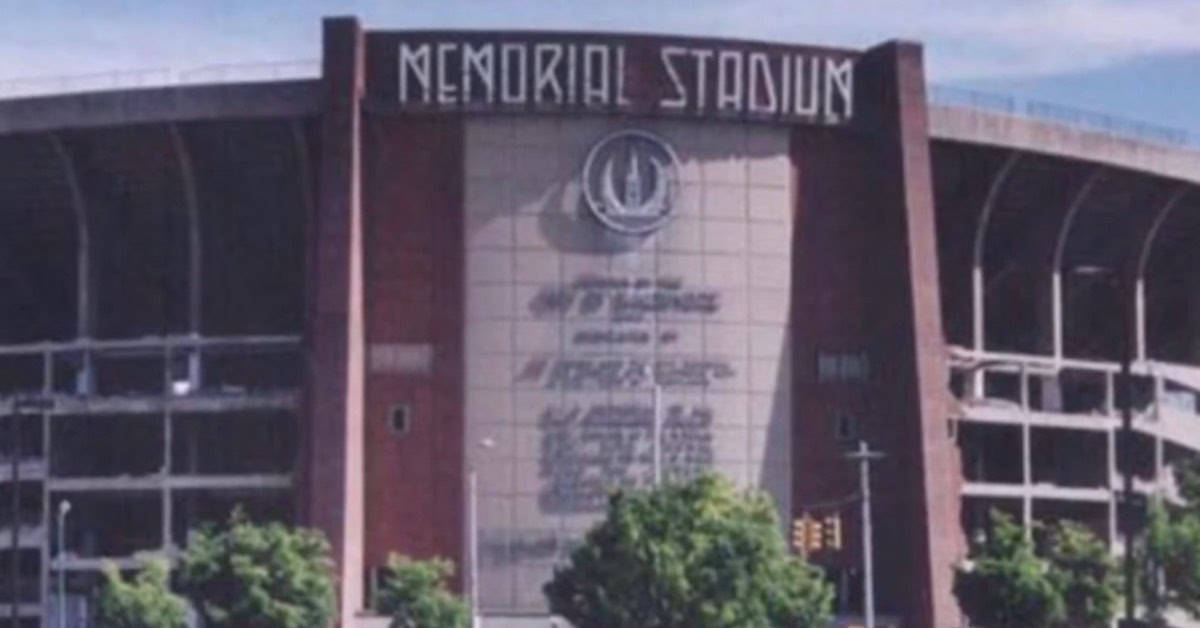
Probably the saddest part of Cal Ripken Jr.'s legendary streak was that the stadium he called home for a good amount of his career was not the stadium where he would finish the streak. Still, Baltimore Memorial Stadium saw a ton of history other than that. It was a pillar of a proud city and helped to foster its staunch sports culture for generations.