
Last Updated: September 4th, 2026 by Matthew Brown
Growing up, I wasn't in a state that had a Major League Baseball team. I had to choose my heroes. The New York Mets were one of those underdog franchises that I naturally gravitated towards. There's just something about the grit that they would play with and the mentality of trying your hardest because you know that people are underestimating you.
Don't lose this article. Enter your email below, and I'll send it to you right now. Plus, we'll send you other unbelievable stories from baseball's past.
To add to that, I also naturally gravitated towards the players who were really good but never were going to be honored in Cooperstown. They are the players who dedicated their lives to this great sport and never got the recognition they deserved. I want to give them that recognition here as some of the greatest Mets of all time. The only caveat is that none of these players are in the Hall of Fame.
20. Jon Matlack: The Forgotten ’70s Phenom
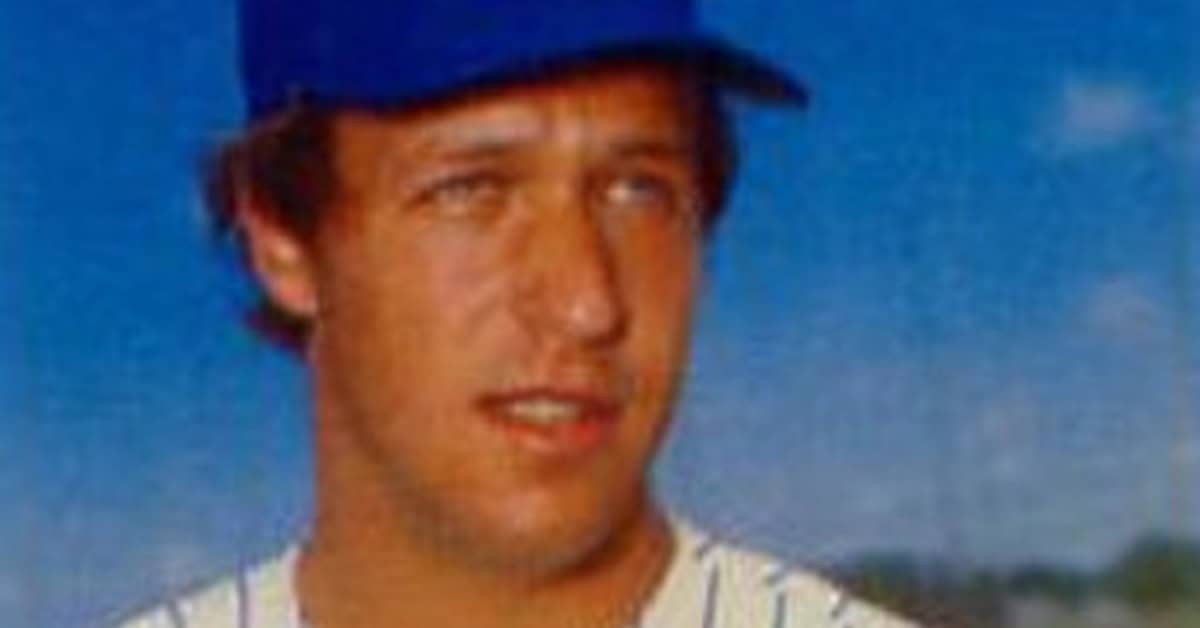
Jon Matlack has produced some of the most impressive pitching seasons in Mets history. It's just that the regular fan would never notice. He had a 2.41 ERA and led all of baseball with a 9.1 WAR in 1974. He also led the MLB with seven complete-game shutouts.
The reason you wouldn't know any of this if you weren't a Mets fan is that his record that year was an unbelievable 13-15. He just had no run support. We'll give him support by putting him on this list.
| Jon Matlack — Career | Total |
|---|---|
| W | 125 |
| L | 126 |
| ERA | 3.18 |
| G | 361 |
| IP | 2363.0 |
| SO | 1516 |
| WHIP | 1.23 |
| SV | 3 |
| All-Star selections | 3 |
| Rookie of the Year | 1 |
19. Cleon Jones: The Miracle Met Who Started It All
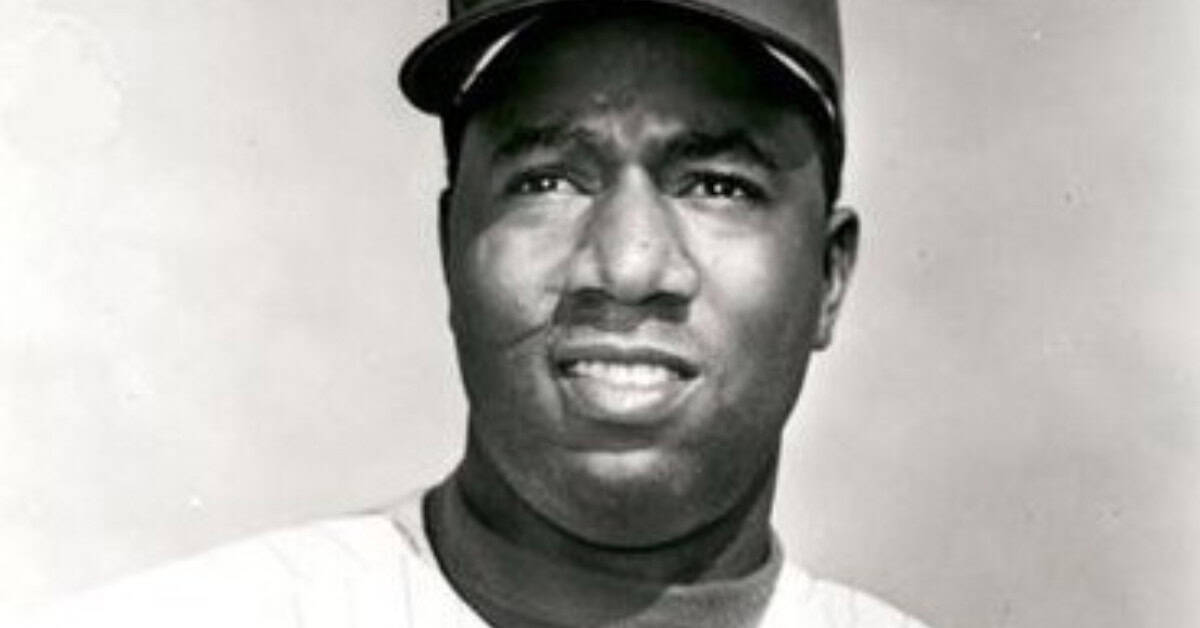
Baseball was just different back in 1969. Cleon Jones was an outfielder for the Mets who just found ways to contribute. He had a .340 batting average and earned his one and only All-Star selection.
Then, he helped lead the team to its miracle 1969 World Series championship. Jones is one of those players who prove that magic can be found within a player for a season. He had a solid career but never really reached the heights of 1969 again. Even so, his legacy shines brightly in New York.
| Cleon Jones — Career | Total |
|---|---|
| G | 1213 |
| AB | 4263 |
| H | 1196 |
| HR | 93 |
| RBI | 524 |
| SB | 91 |
| AVG | .281 |
| OBP | .339 |
| SLG | .404 |
| OPS | .743 |
| All-Star selections | 1 |
| World Series titles | 1 |
18. Sid Fernandez: El Sid’s Hawaiian Heat
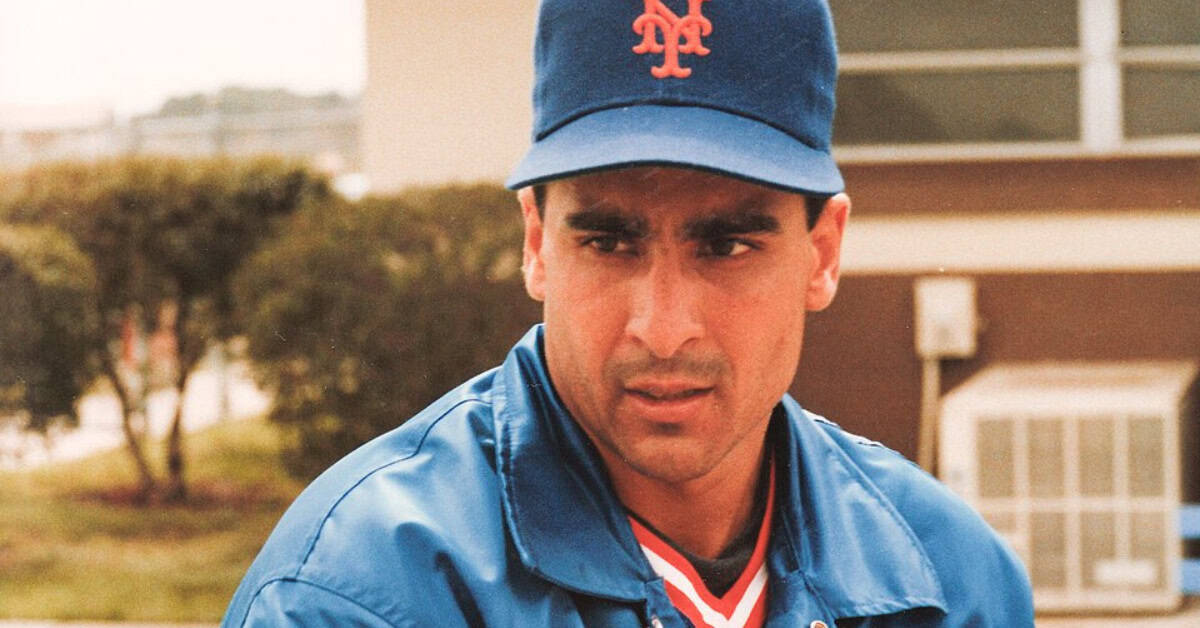
I didn't specify this before, but I am from the state of Hawaii. This pitcher brings me a lot of pride when I think about him. I know that there's going to be another pitcher on here who also has a Hawaii connection, but Sid Fernandez was just different.
He was so under the radar, but skilled, as he helped the 1986 Mets to their Game 7 World Series victory.
| Sid Fernandez — Career | Total |
|---|---|
| W | 114 |
| L | 96 |
| ERA | 3.36 |
| G | 307 |
| IP | 1866.2 |
| SO | 1743 |
| WHIP | 1.14 |
| SV | 1 |
| All-Star selections | 2 |
| World Series titles | 1 |
17. Lenny Dykstra: Nails Before The Rust
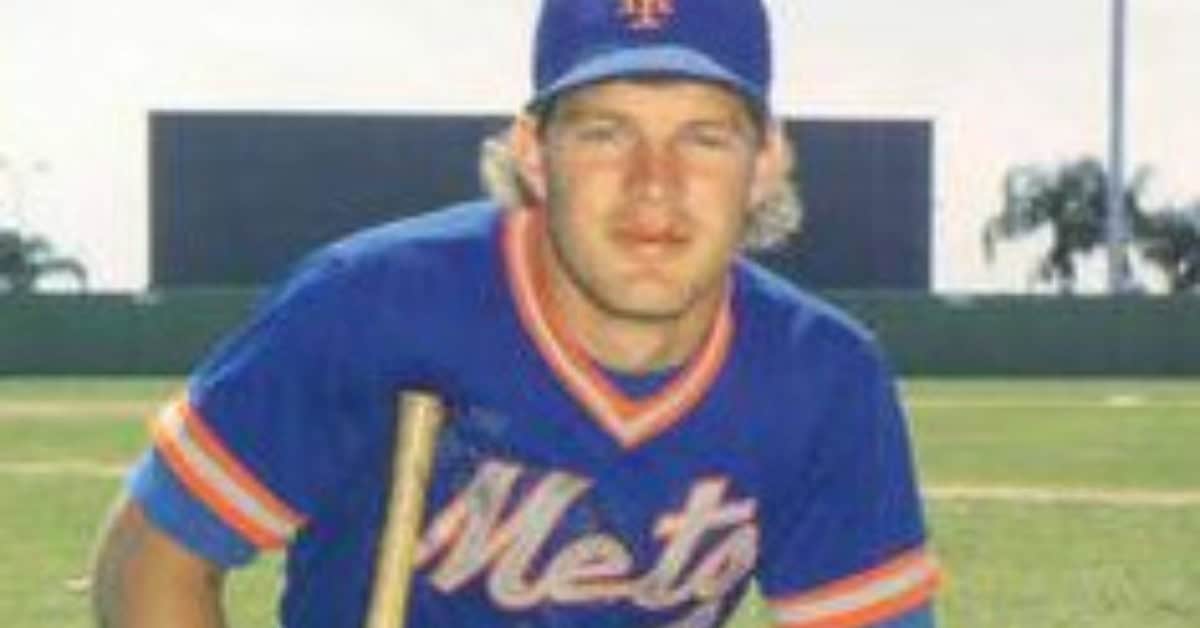
This list just keeps getting easier and easier. Lenny Dykstra is a no-brainer to add because the way he played made him a fan favorite. He was still a really good everyday contributor to the Mets organization in his short five-year stint. With a 115 OPS+ during his time in Queens, Nails made an impression on the fans with his all-out style of play that inspired many.
| Lenny Dykstra — Career | Total |
|---|---|
| G | 1278 |
| AB | 4559 |
| H | 1298 |
| HR | 81 |
| RBI | 404 |
| SB | 285 |
| AVG | .285 |
| OBP | .375 |
| SLG | .419 |
| OPS | .794 |
| All-Star selections | 3 |
| Silver Sluggers | 1 |
| World Series titles | 1 |
16. Mookie Wilson: More Than Just One Magic Grounder
It doesn't really matter that Mookie Wilson hit .276 in his 10 seasons with the Mets and amassed over 1,100 hits. It doesn't matter that he was one of their top speedsters, stealing 281 bases in Queens. It doesn't even matter that he hit a fine .269 with three steals in the 1986 World Series.
The only thing that matters to fans when thinking about Mookie Wilson is that one fateful ground ball that got behind the bag and through the legs of Bill Buckner.
| Mookie Wilson — Career | Total |
|---|---|
| G | 1403 |
| AB | 5094 |
| H | 1397 |
| HR | 67 |
| RBI | 438 |
| SB | 327 |
| AVG | .274 |
| OBP | .314 |
| SLG | .386 |
| OPS | .700 |
| World Series titles | 1 |
15. David Cone: Perfect In Pinstripes, Brilliant In Blue & Orange

Yes, many fans remember David Cone in pinstripes towards the end of his career. But we can't forget that some of his best work was done with the Mets. He had arguably his greatest season in 1988. He posted his lowest ERA at 2.22 while leading baseball in win percentage with a 20-3 record. He struck out 213 batters while starting under 30 games.
Even with fewer starts, he still was able to reach 231 innings pitched. Somehow, he only finished third in Cy Young voting that season.
| David Cone — Career | Total |
|---|---|
| W | 194 |
| L | 126 |
| ERA | 3.47 |
| G | 450 |
| IP | 2898.2 |
| SO | 2668 |
| WHIP | 1.26 |
| SV | 1 |
| Cy Young | 1 |
| All-Star selections | 5 |
| World Series titles | 5 |
14. Jesse Orosco: The Man Who Made Queens Jump
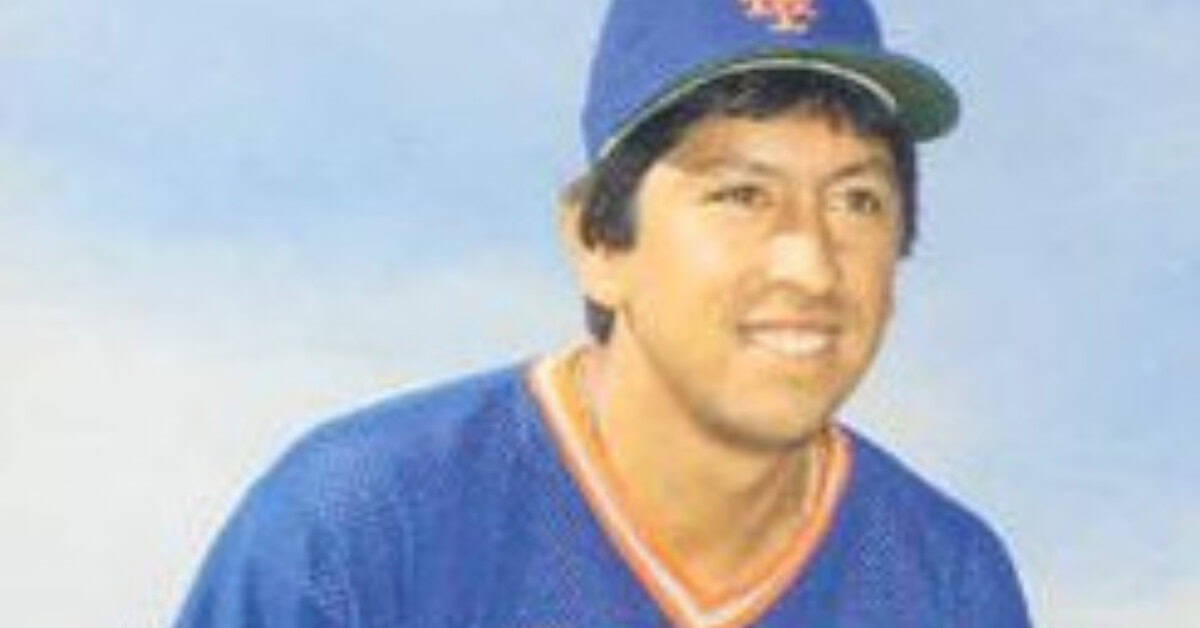
Longevity goes a long way with baseball fans, and there are many players in history that they can point to who played at a high level for a long time. However, I always like to point to Jesse Orosco as my example for this discussion. No pitcher has ever appeared in more games than Orosco. The lefty specialist actually found his biggest role in Queens, posting a 2.73 ERA over eight years and earning two All-Star selections.
| Jesse Orosco — Career | Total |
|---|---|
| W | 87 |
| L | 80 |
| ERA | 3.16 |
| G | 1252 |
| IP | 1295.1 |
| SO | 1179 |
| WHIP | 1.26 |
| SV | 144 |
| All-Star selections | 2 |
| World Series titles | 1 |
13. Al Leiter: The Hometown Hero Who Delivered
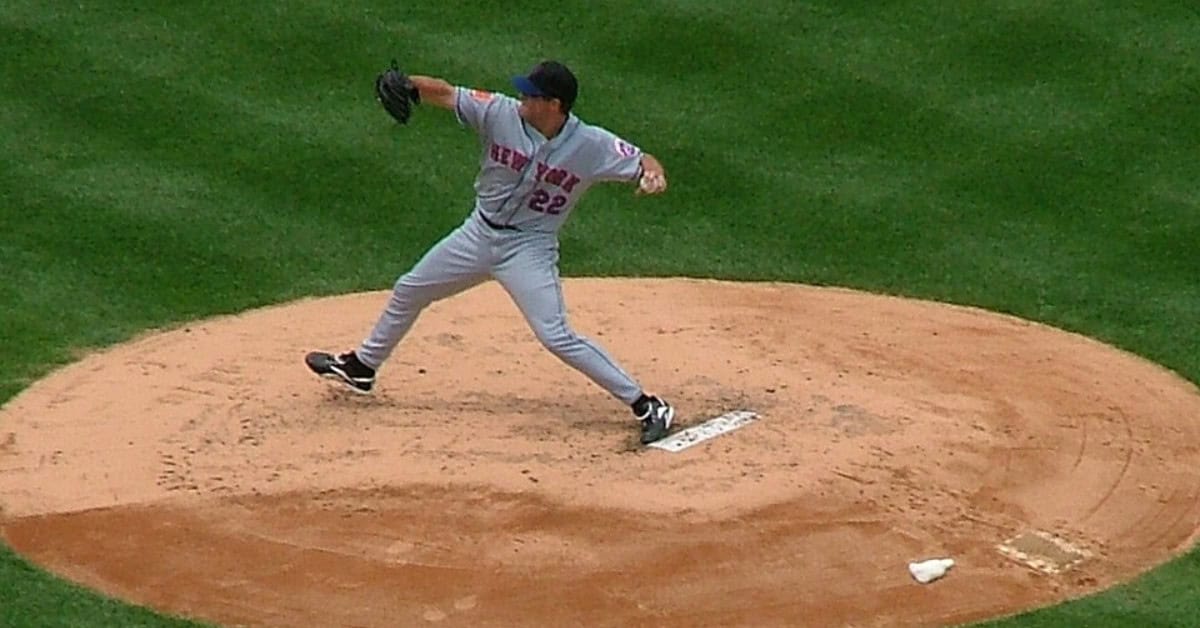
Al Leiter was on the back half of his career by the time he joined the Mets in 1998. But you could say he was performing at his best. As a pitcher with lower velocity, Leiter had to rely on his placement and wit to get batters out.
He quickly made himself comfortable, going 17-6 in his first season in Queens with a 2.47 ERA, receiving Cy Young votes. Then he earned an All-Star selection in 2000 at the age of 34, proving that some players just get better with age.
| Al Leiter — Career | Total |
|---|---|
| W | 162 |
| L | 132 |
| ERA | 3.80 |
| G | 419 |
| IP | 2391.0 |
| SO | 1974 |
| WHIP | 1.39 |
| SV | 2 |
| All-Star selections | 2 |
| World Series titles | 2 |
12. Edgardo Alfonzo: Fonzie’s Forgotten Excellence
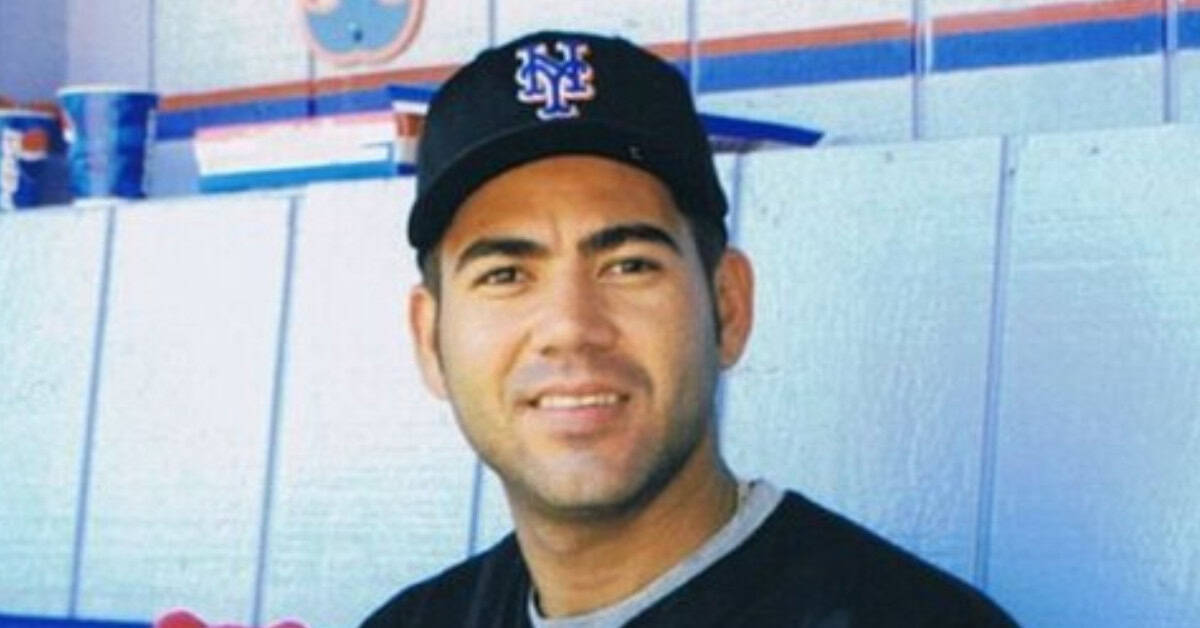
Some baseball careers seem to go on forever. That's not the case for Edgardo Alfonzo. He played for 12 years in the MLB, with eight of them as a Met. Those were easily his best years, as he was able to earn an All-Star selection in 2000 when the Mets were making a lot of noise in baseball.
He hit .324 that year and provided a lot of offense as a second baseman, which added even more value to a team that had World Series hopes on its mind.
| Edgardo Alfonzo — Career | Total |
|---|---|
| G | 1506 |
| AB | 5385 |
| H | 1532 |
| HR | 146 |
| RBI | 744 |
| SB | 53 |
| AVG | .284 |
| OBP | .357 |
| SLG | .425 |
| OPS | .782 |
| All-Star selections | 1 |
| Silver Sluggers | 1 |
11. Carlos Delgado: The Silent Slugger
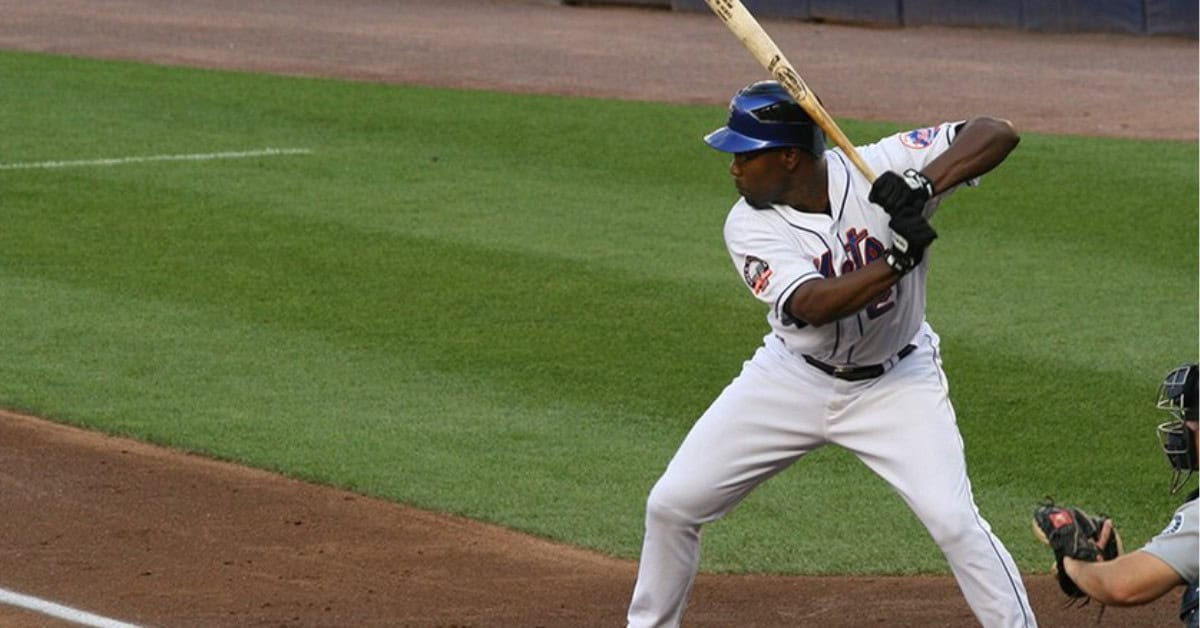
For 13 years, Carlos Delgado was one of the premier power hitters in baseball as he carried the Toronto Blue Jays for 12 of those seasons. Then he had a one-year stint in Florida before coming to New York to end his career. In just four years, Delgado hit 104 home runs, brought in 339 RBI, and had a 122 OPS+.
He also still had to play the field because the National League did not have a designated hitter at the time, so this was a first baseman who was showing that he could still go in the late stages of his career.
| Carlos Delgado — Career | Total |
|---|---|
| G | 2035 |
| AB | 7283 |
| H | 2038 |
| HR | 473 |
| RBI | 1512 |
| SB | 14 |
| AVG | .280 |
| OBP | .383 |
| SLG | .546 |
| OPS | .929 |
| All-Star selections | 2 |
| Silver Sluggers | 3 |
10. Ron Darling: More Than Just A Pretty Face In The Booth
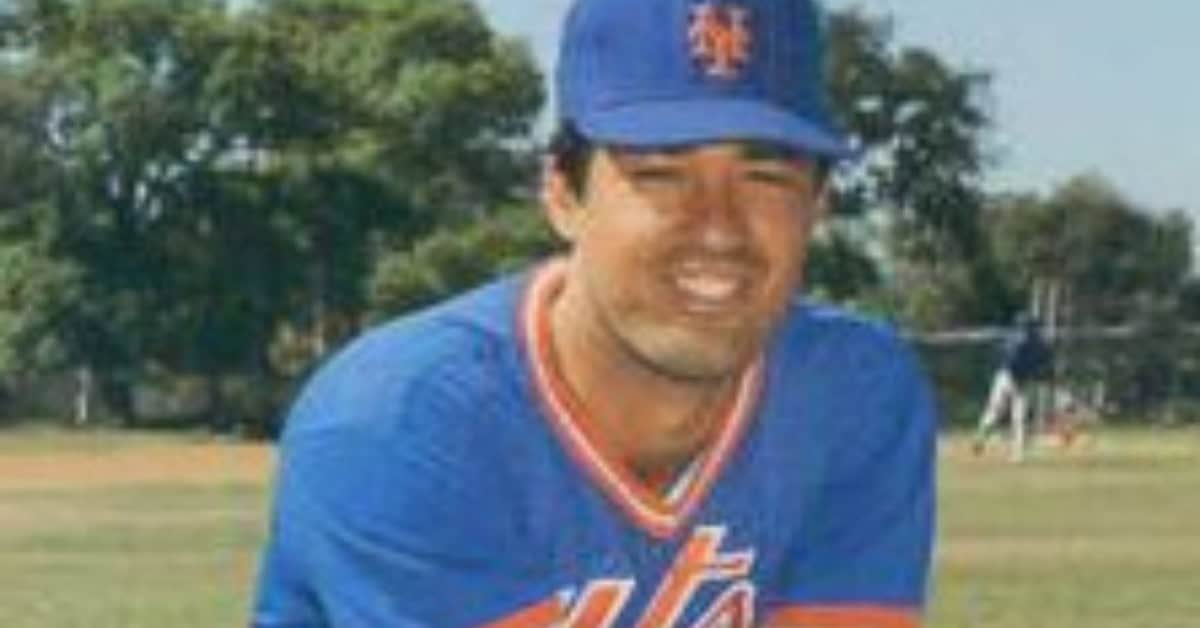
Remember when I talked about Sid Fernandez and his connection to Hawaii. Ron Darling is also a Mets legend who has a connection to Hawaii. He was born there before moving to Massachusetts when he was young. So I have slightly less pride when watching him than I do Fernandez, but still, the connection is there, and he is one of my personal favorite Mets.
| Ron Darling — Career | Total |
|---|---|
| W | 136 |
| L | 116 |
| ERA | 3.87 |
| G | 382 |
| IP | 2360.1 |
| SO | 1590 |
| WHIP | 1.33 |
| SV | 0 |
| All-Star selections | 1 |
| Gold Gloves | 1 |
| World Series titles | 1 |
9. Howard Johnson: The Original Three-True-Outcomes King
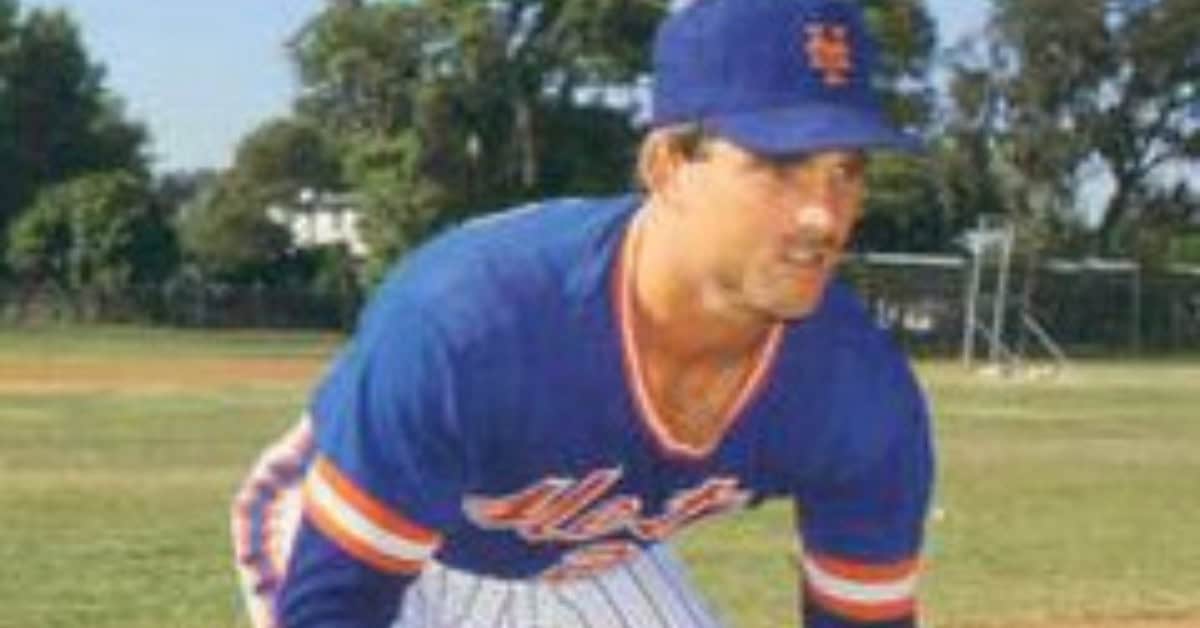
There are few Mets in history who have swung for the fences quite like Howard Johnson. 192 of his 228 career home runs came in his nine years with the Mets. He built up a 124 OPS+, which is close to a Hall of Fame level. His two All-Star selections and Silver Sluggers prove that he was well respected in Queens and around the baseball world.
| Howard Johnson — Career | Total |
|---|---|
| G | 1531 |
| AB | 4940 |
| H | 1229 |
| HR | 228 |
| RBI | 760 |
| SB | 231 |
| AVG | .249 |
| OBP | .340 |
| SLG | .446 |
| OPS | .786 |
| All-Star selections | 2 |
| Silver Sluggers | 2 |
| World Series titles | 2 |
8. John Franco: Brooklyn’s Own Closer
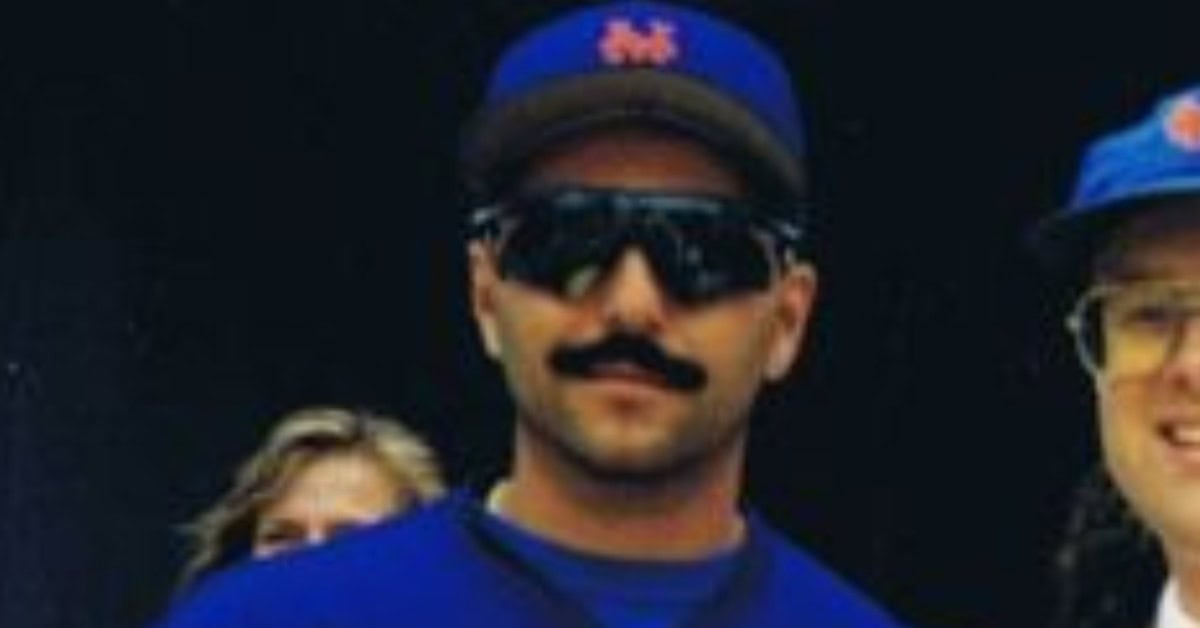
This may be the most underrated left-handed pitcher in history. John Franco was not just one of those lefties who came in for one batter and left. He was the main man out of the bullpen for the Mets for 14 years. He earned 424 saves in his career and had a career ERA of 2.89.
He led the league in saves three times and was a part of changing the way we thought about left-handed bullpen arms. It just puzzles me how he is not in the Hall of Fame.
| John Franco — Career | Total |
|---|---|
| W | 90 |
| L | 87 |
| ERA | 2.89 |
| G | 1119 |
| IP | 1245.2 |
| SO | 975 |
| WHIP | 1.33 |
| SV | 424 |
| All-Star selections | 4 |
7. Jerry Koosman: The Other Ace of ’69
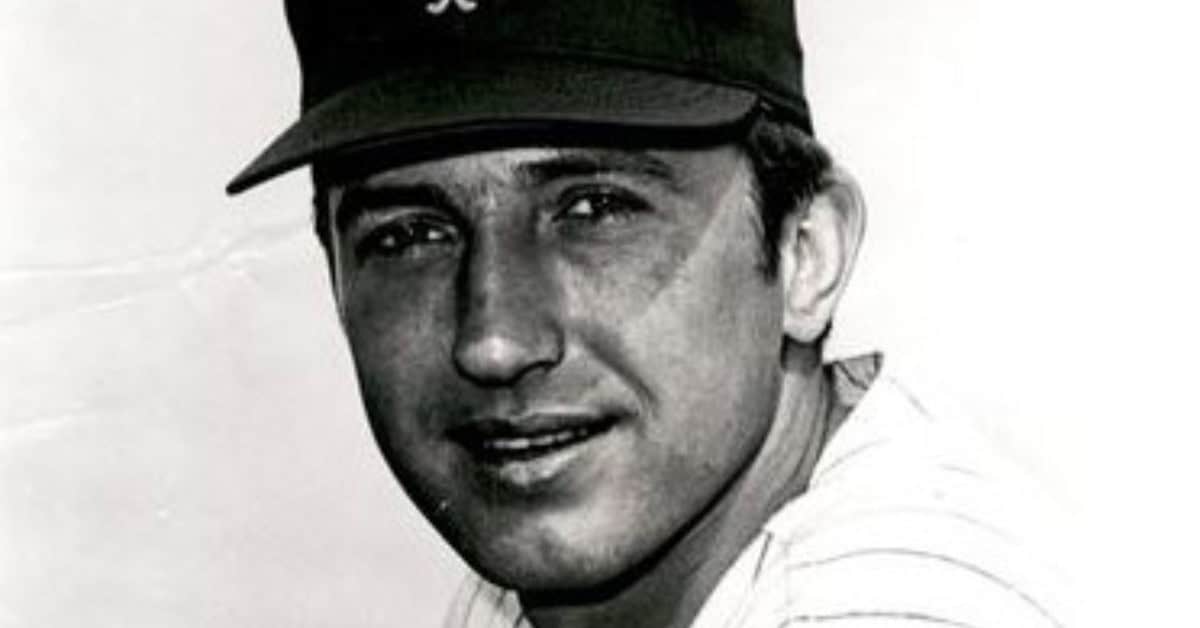
There were many players who made the 1969 Mets fun to watch, and the young upstart in Jerry Koosman was one of them. He went 17-9 that year with a 2.28 ERA and dominated with six complete-game shutouts.
That only followed a standout rookie season where he went 19-12 with a 2.08 ERA and 7 shutouts. Somehow he didn't win the Rookie of the Year in 1968, but he at least got All-Star recognition in both of those seasons.
| Jerry Koosman — Career | Total |
|---|---|
| W | 222 |
| L | 209 |
| ERA | 3.36 |
| G | 612 |
| IP | 3839.1 |
| SO | 2556 |
| WHIP | 1.26 |
| SV | 17 |
| All-Star selections | 2 |
| World Series titles | 1 |
6. Darryl Strawberry: The Straw That Could Have Stirred Cooperstown

I know there are about eight years in the back half of his career where injuries slowed him down. But we don't have to worry about that. We're talking about the first eight years of a great career, as Daryl Strawberry was one of the main attractions at Shea Stadium.
He belted 252 home runs as a Met, building up a 145 OPS+. That only strengthens his case that many fans will say he was a Hall of Fame player when he was in Queens.
| Darryl Strawberry — Career | Total |
|---|---|
| G | 1583 |
| AB | 5418 |
| H | 1401 |
| HR | 335 |
| RBI | 1000 |
| SB | 221 |
| AVG | .259 |
| OBP | .357 |
| SLG | .505 |
| OPS | .862 |
| All-Star selections | 8 |
| Silver Sluggers | 2 |
| World Series titles | 3 |
| Rookie of the Year | 1 |
5. Doc Gooden: When Baseball’s Doctor Had All The Right Prescriptions
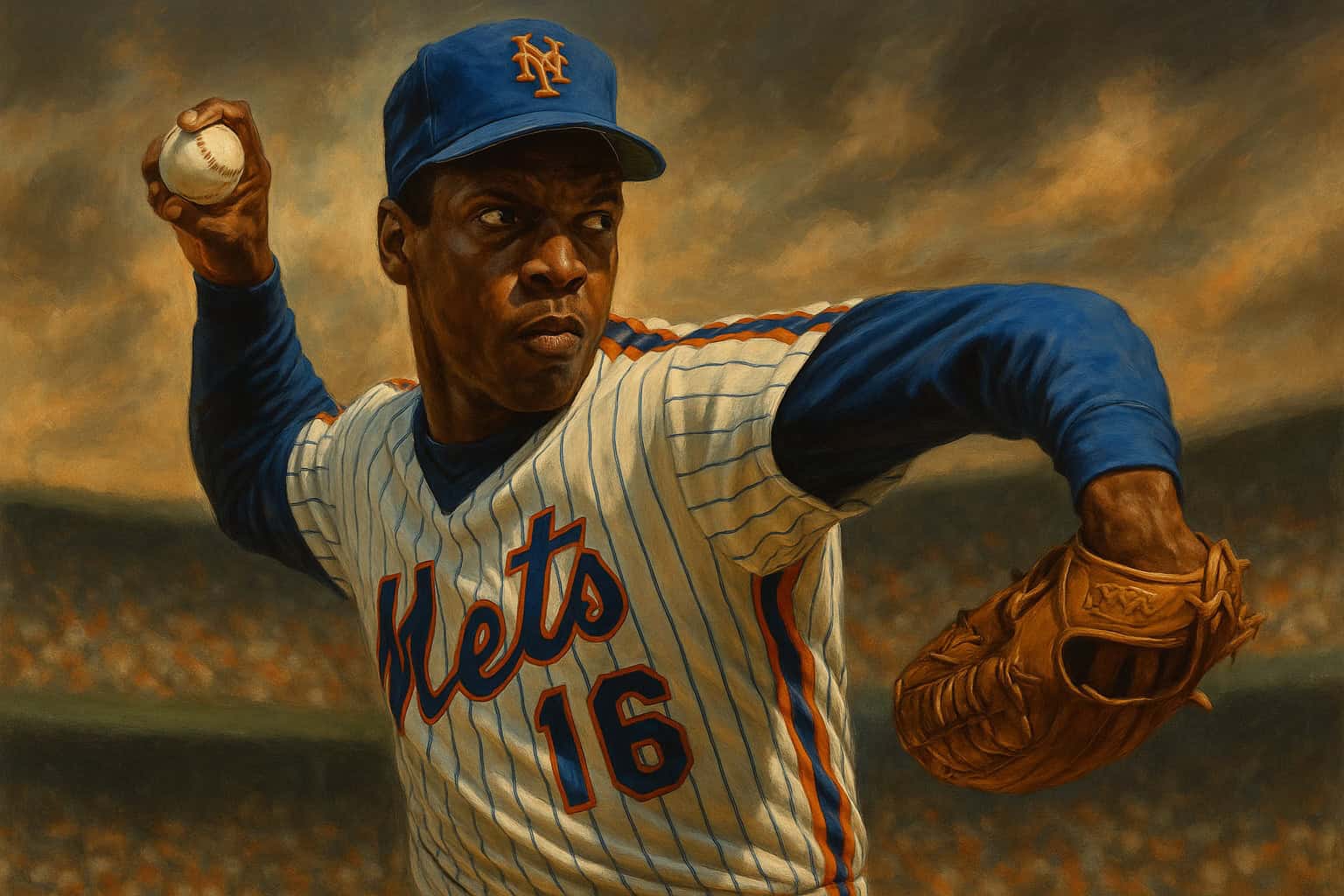
We now go to Daryl's good friend and great teammate, Dwight Gooden. Gooden was legendary in 1985. We all know of his 1.53 ERA and 16 complete games with 268 strikeouts that won the Cy Young Award in a landslide.
He wasn't quite able to keep that up for his entire time in Queens, but there really is no reason to talk him up more. Gooden was just a dominant pitcher. There is no doubt about that. I would be in support of those Mets fans who would put him up against any ace in the history of baseball to see who would win a game.
| Dwight Gooden — Career | Total |
|---|---|
| W | 194 |
| L | 112 |
| ERA | 3.51 |
| G | 430 |
| IP | 2800.2 |
| SO | 2293 |
| WHIP | 1.26 |
| SV | 3 |
| Cy Young | 1 |
| All-Star selections | 4 |
| Silver Sluggers | 1 |
| World Series titles | 1 |
| Rookie of the Year | 1 |
4. Carlos Beltrán: The Switch-Hitting Sensation That Time Forgot
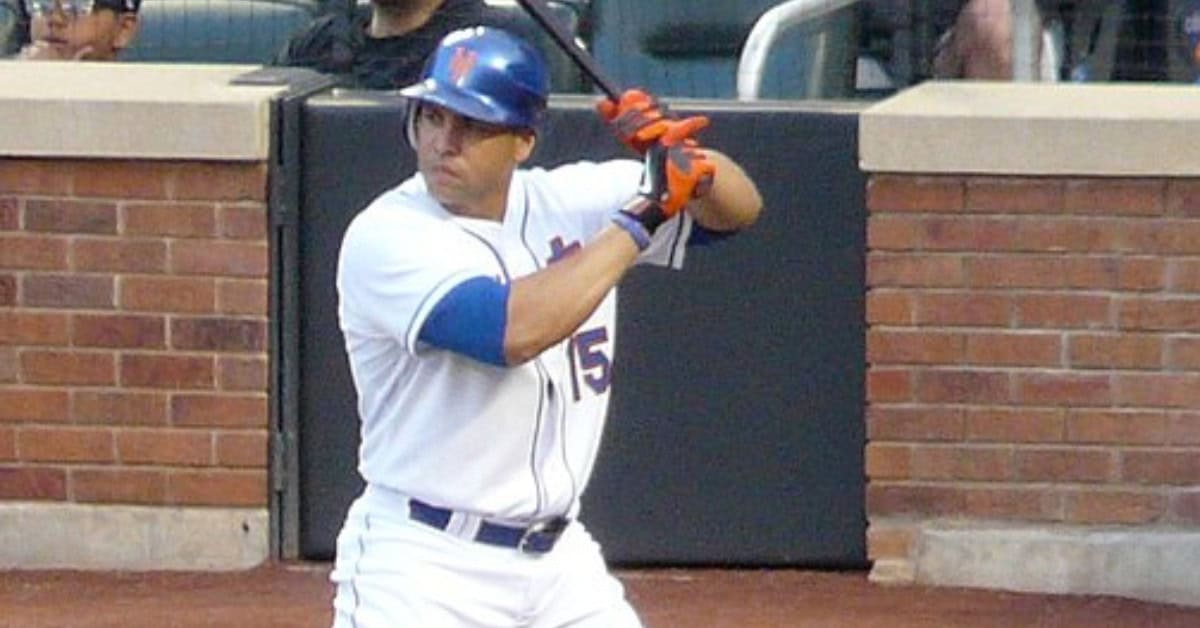
Carlos Beltrán saw a lot of success with a lot of teams. That's how good he was. However, his longest, most sustained stretch of excellence came with the Mets. He built up a 129 OPS+ in seven years, which is Hall of Fame worthy.
He also racked up five All-Star selections with three Gold Gloves and two Silver Sluggers. In Queens, he was at the peak of his powers, and he delivered with the bat and with the glove.
3. José Reyes: The Spark That Electrified Queens
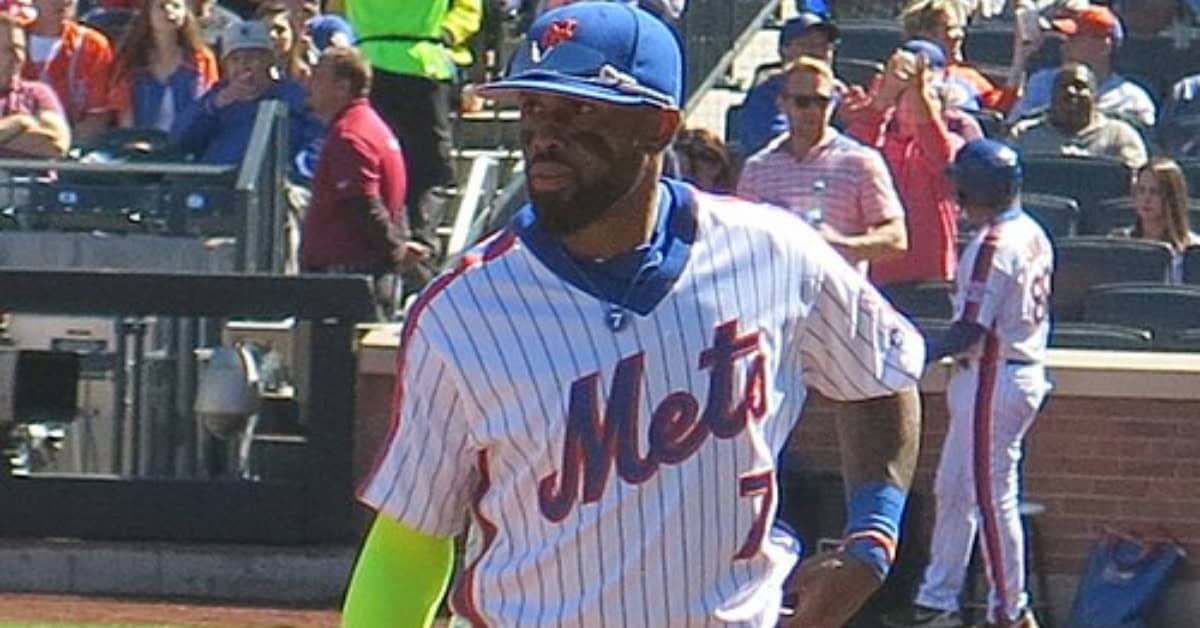
There were so many great shortstops in the 2000s that Jose Reyes kind of gets forgotten. He electrified Shea Stadium and Citi Field with his speed as he led the league in stolen bases for three years and in triples for four years.
He even led the league in hits in 2008, as he was just one of the premier leadoff hitters in all of baseball.
| José Reyes — Career | Total |
|---|---|
| G | 1877 |
| AB | 7552 |
| H | 2138 |
| HR | 145 |
| RBI | 719 |
| SB | 517 |
| AVG | .283 |
| OBP | .334 |
| SLG | .427 |
| OPS | .761 |
| All-Star selections | 4 |
| Silver Sluggers | 1 |
2. David Wright: Captain America’s Citi Field Dreams
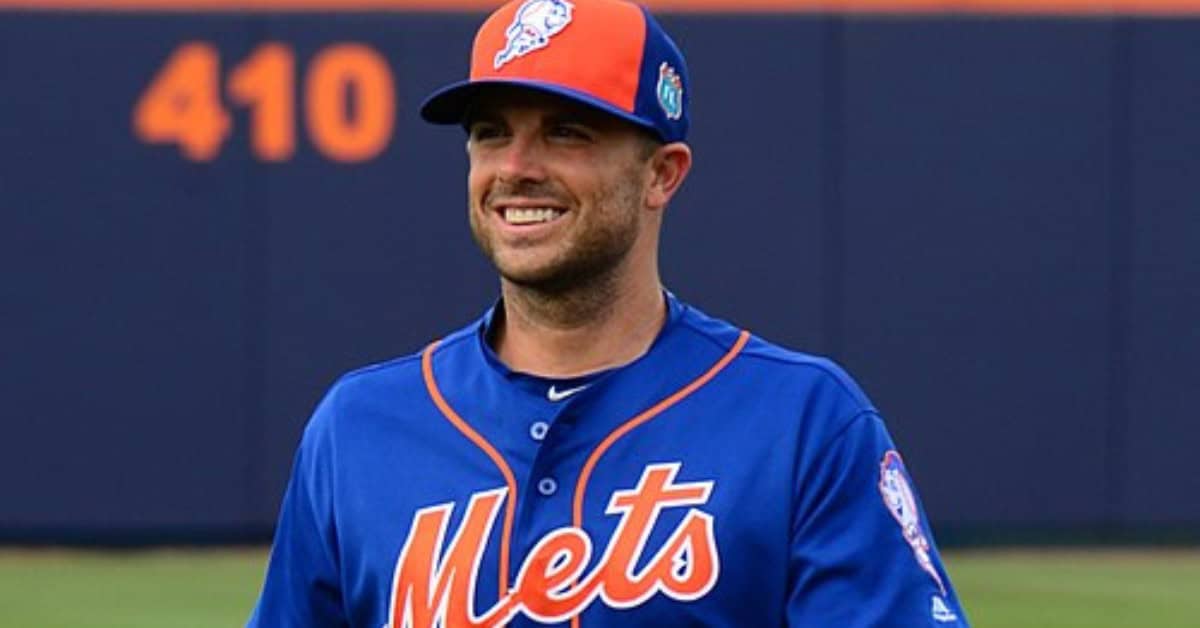
It really says something about a player's image and perception across the sport when his nickname is Captain America. The thing is, David Wright really was like Captain America for the New York Mets during his 14-year career. Unfortunately, it couldn't go longer due to spinal stenosis, but he certainly made the most of it.
Wright earned seven All-Star selections with two Gold Gloves and two Silver Sluggers while earning a very high 133 OPS+. I would argue that there are some players in the Hall of Fame right now who have less impressive careers than David Wright.
| David Wright — Career | Total |
|---|---|
| G | 1585 |
| AB | 5998 |
| H | 1777 |
| HR | 242 |
| RBI | 970 |
| SB | 196 |
| AVG | .296 |
| OBP | .376 |
| SLG | .491 |
| OPS | .867 |
| All-Star selections | 7 |
| Gold Gloves | 2 |
| Silver Sluggers | 2 |
1. Keith Hernandez: The Gold Glove Guru Who Changed First Base Forever
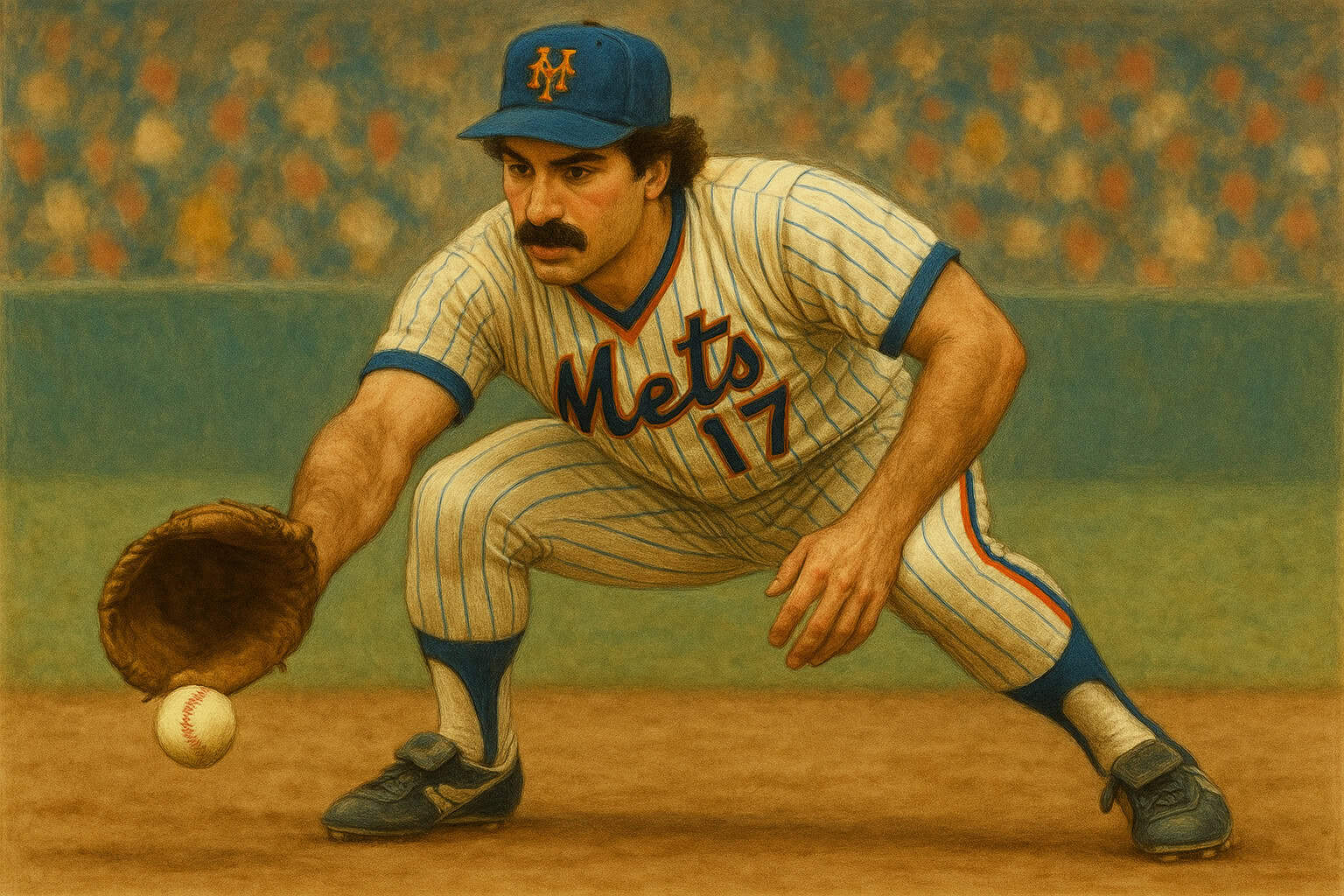
There are some baseball cards that you'll look at with the entire career on the back of it and just assume that they are already in the Hall of Fame. If I hadn't known already, I would take a look at the back of Keith Hernandez's baseball card and say that he is a Hall of Famer.
Yet he is not. 11 Gold Gloves, five All-Star selections, two Silver Sluggers, a batting title, and an MVP. He has over 2,100 hits and a 128 OPS+ for his career. All of those add up to not just a borderline Hall of Famer, but a typical Hall of Famer. It is a shame that he is not in there right now.
| Keith Hernandez — Career | Total |
|---|---|
| G | 2088 |
| AB | 7370 |
| H | 2182 |
| HR | 162 |
| RBI | 1071 |
| SB | 98 |
| AVG | .296 |
| OBP | .384 |
| SLG | .436 |
| OPS | .820 |
| MVP | 1 |
| All-Star selections | 5 |
| Gold Gloves | 11 |
| Silver Sluggers | 2 |
| World Series titles | 2 |