

Last Updated: June 17th, 2026 by Michael Schatz
Hall of Fame pitcher Jim Bunning’s career was filled with remarkable achievements and record-breaking performances. From his perfect game to his elite strikeout numbers, here are the 10 most impressive statistics that define his legendary career in Major League Baseball.
Don't lose this article. Enter your email below, and I'll send it to you right now. Plus, we'll send you other unbelievable stories from baseball's past.
Perfect Game Pioneer: A Father’s Day Masterpiece
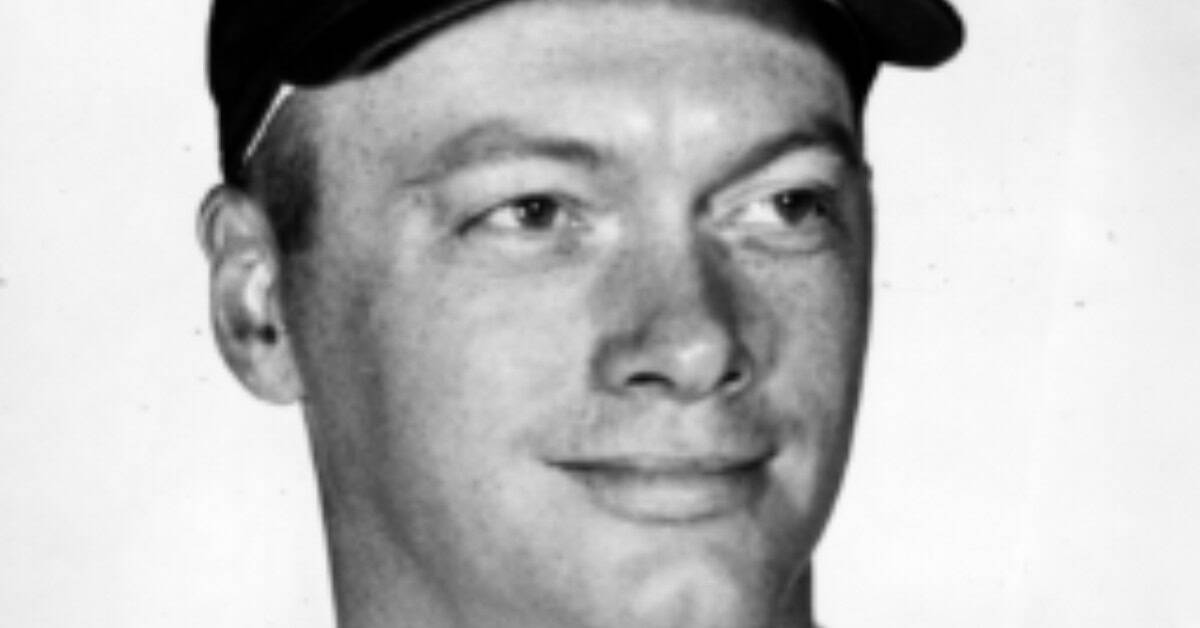
On June 21, 1964, Jim Bunning made baseball history by pitching the seventh perfect game in MLB history against the New York Mets. As the first National League pitcher in the modern era to achieve this feat, Bunning struck out 10 batters in a commanding 6-0 victory at Shea Stadium. This performance made him the first pitcher to throw no-hitters in both leagues.
Elite 100/1000 Club Member
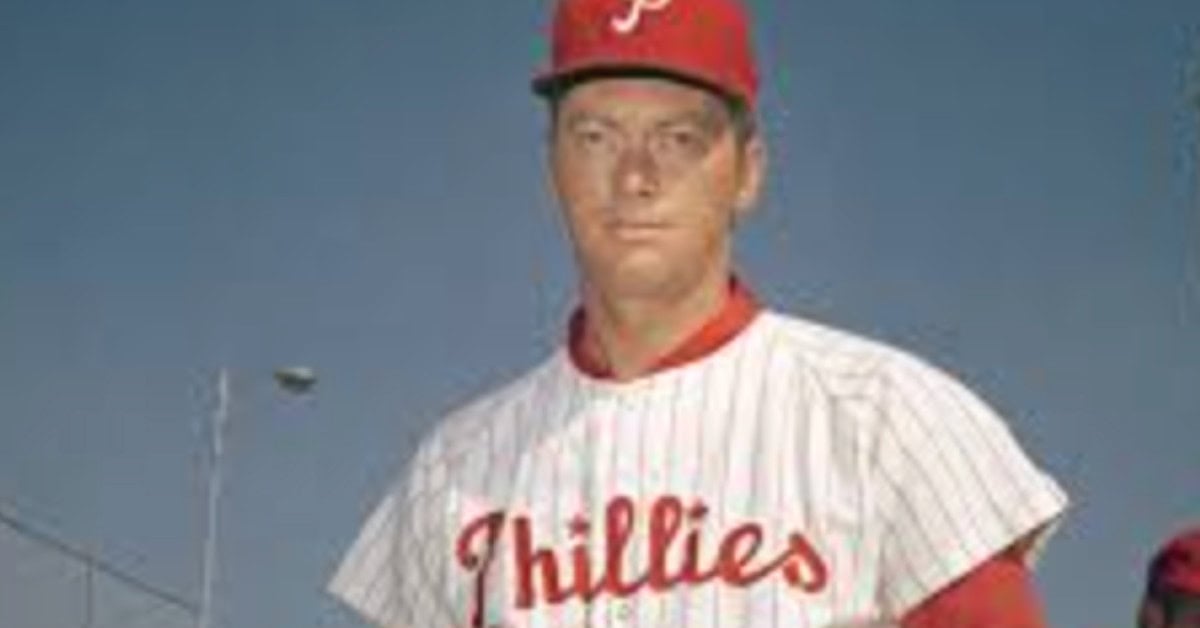
Following in the footsteps of the legendary Cy Young, Bunning became just the second pitcher in MLB history to achieve both 100 wins and 1,000 strikeouts in both the American and National Leagues. This remarkable accomplishment showcased his ability to dominate hitters across both leagues during his 17-year career.
Strikeout King of His Era
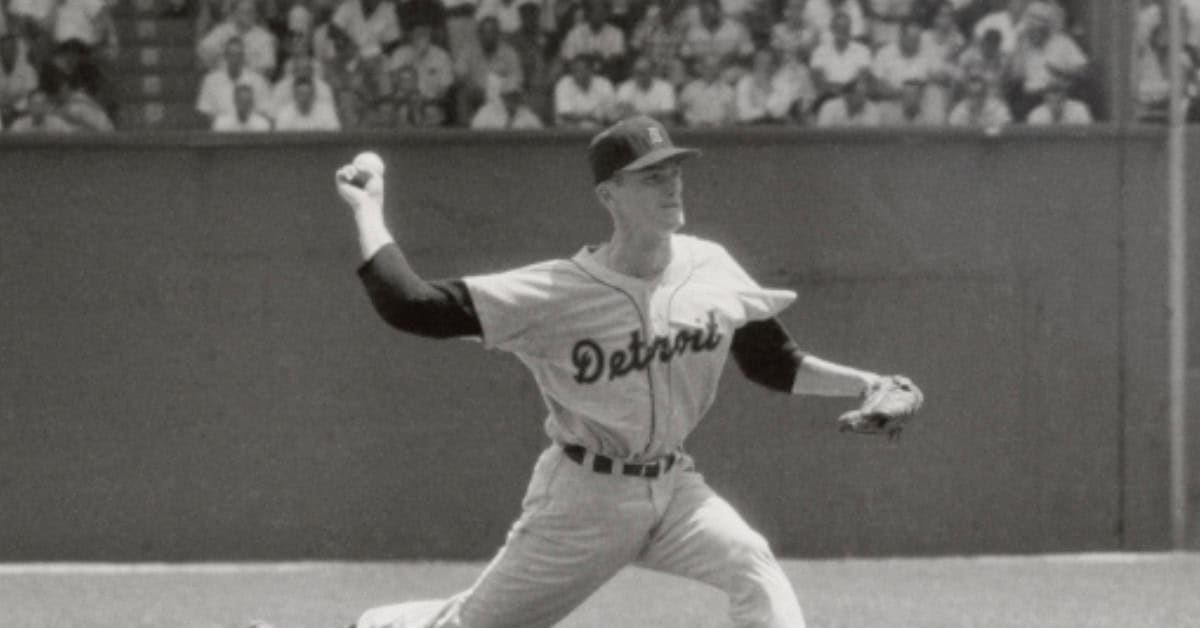
When Bunning hung up his cleats in 1971, his 2,855 career strikeouts stood as the second-highest total in MLB history, trailing only Walter Johnson. His dominance was evident as he led his league in strikeouts three separate times (1959, 1960, 1967) and completed an impressive 187 games throughout his career.
Nine-Time All-Star Selection
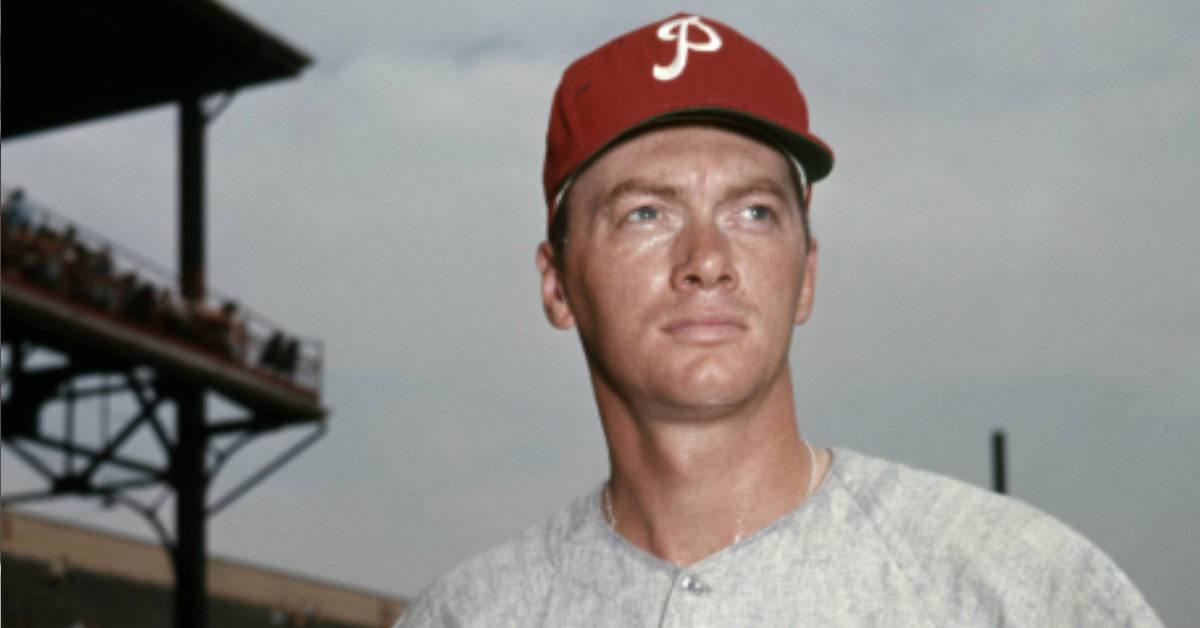
Bunning’s excellence earned him nine All-Star selections between 1957 and 1968, representing both leagues. His prowess on the mound led to him being chosen as the starting pitcher for the All-Star Game in both 1961 and 1962, a prestigious honor that highlighted his status as one of baseball’s elite pitchers.
Innings Pitched Warrior
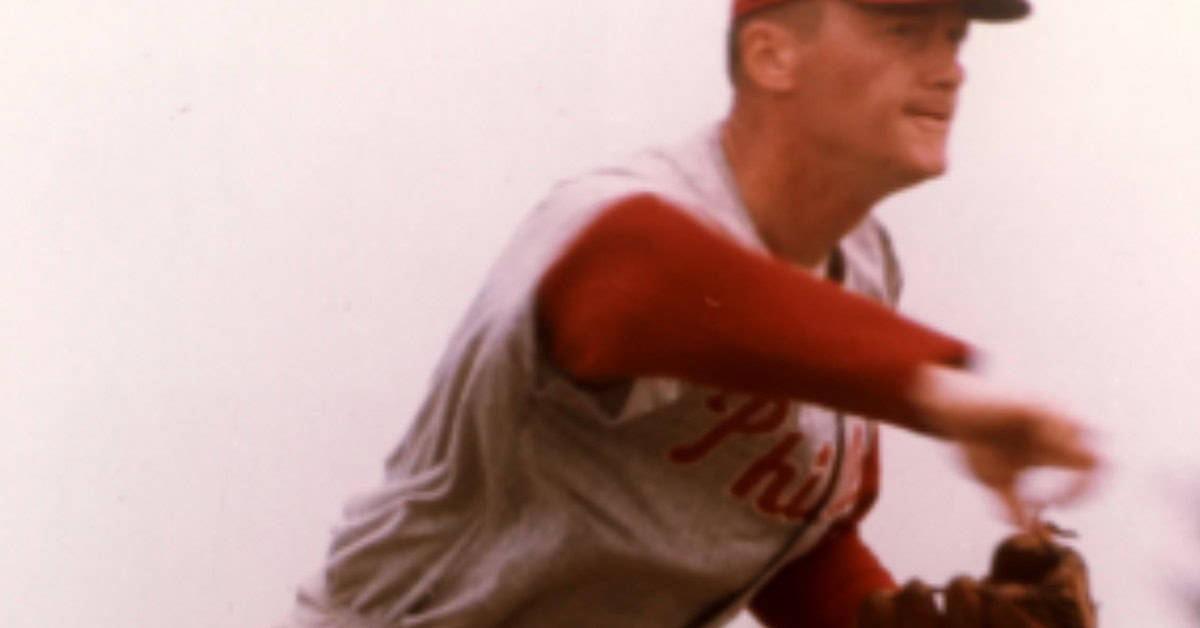
Throughout his illustrious career, Bunning demonstrated remarkable durability by pitching 3,760.1 innings across 591 games. His endurance was highlighted by leading his league in innings pitched twice (1957, 1967), and consistently starting 30 or more games for eleven straight seasons from 1957-1967.
Career Victory Achievement
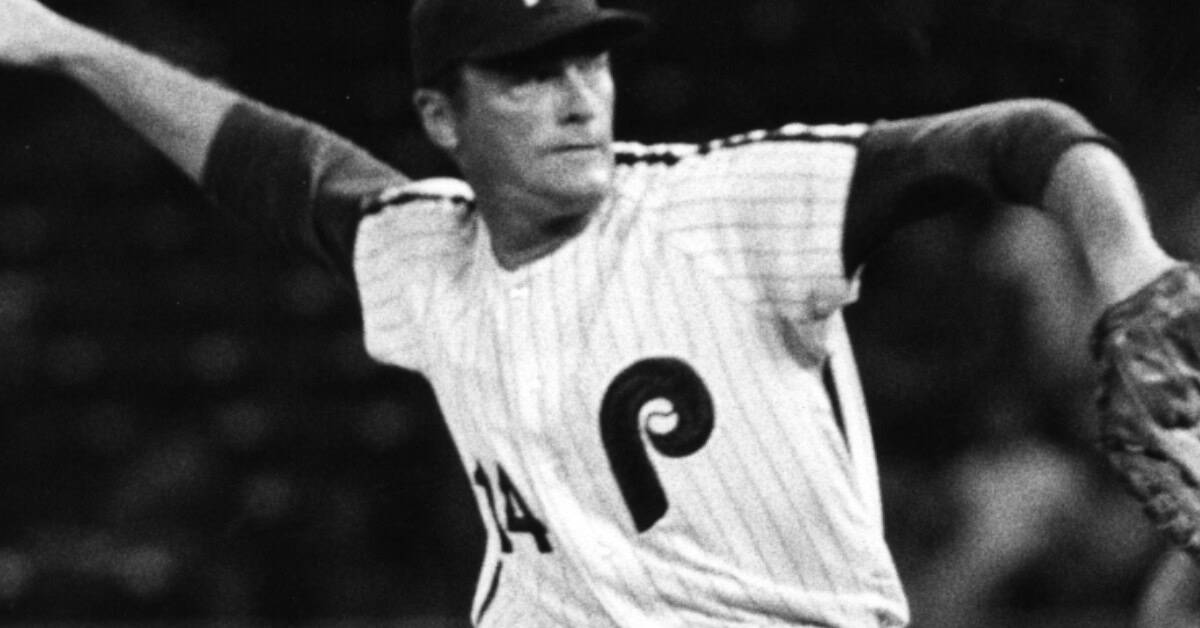
Bunning’s career record of 224-184 with a 3.27 ERA showcases his consistency and excellence. His standout season came in 1957 with Detroit, posting a 20-8 record and 2.69 ERA, leading the American League in both wins and innings pitched while establishing himself as one of the game’s premier pitchers.
Strikeout Rate Dominance
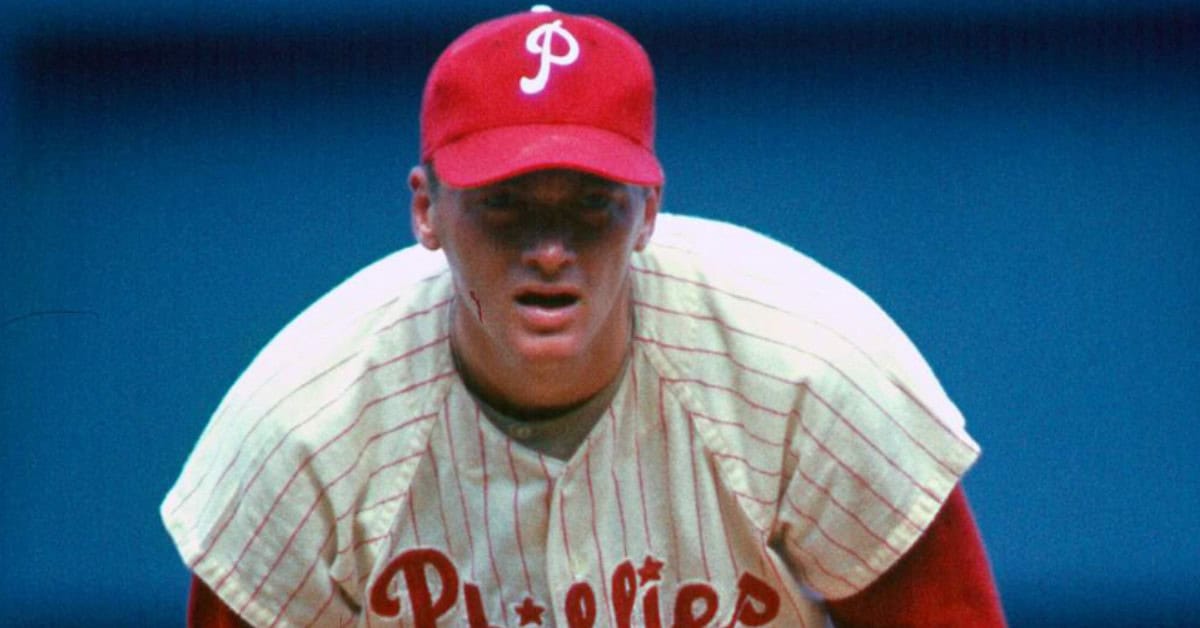
In both 1959 and 1960, Bunning showcased his dominance by leading the American League in strikeouts per nine innings, recording impressive rates of 8.6 and 8.3 respectively. These achievements solidified his reputation as one of the most formidable power pitchers of his generation.
No-Hit Brilliance
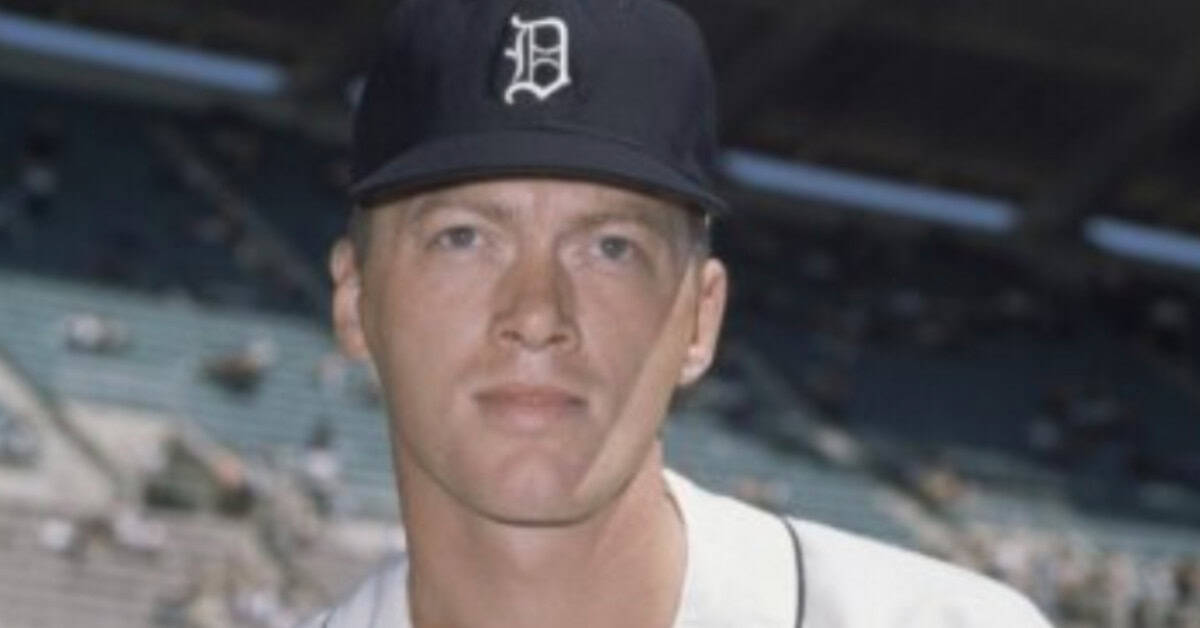
Before his perfect game, Bunning threw a no-hitter against the Boston Red Sox on July 20, 1958, while pitching for Detroit. This achievement, capped by retiring Ted Williams for the final out, made him the first pitcher since Cy Young to throw no-hitters in both leagues.
Opening Day Excellence
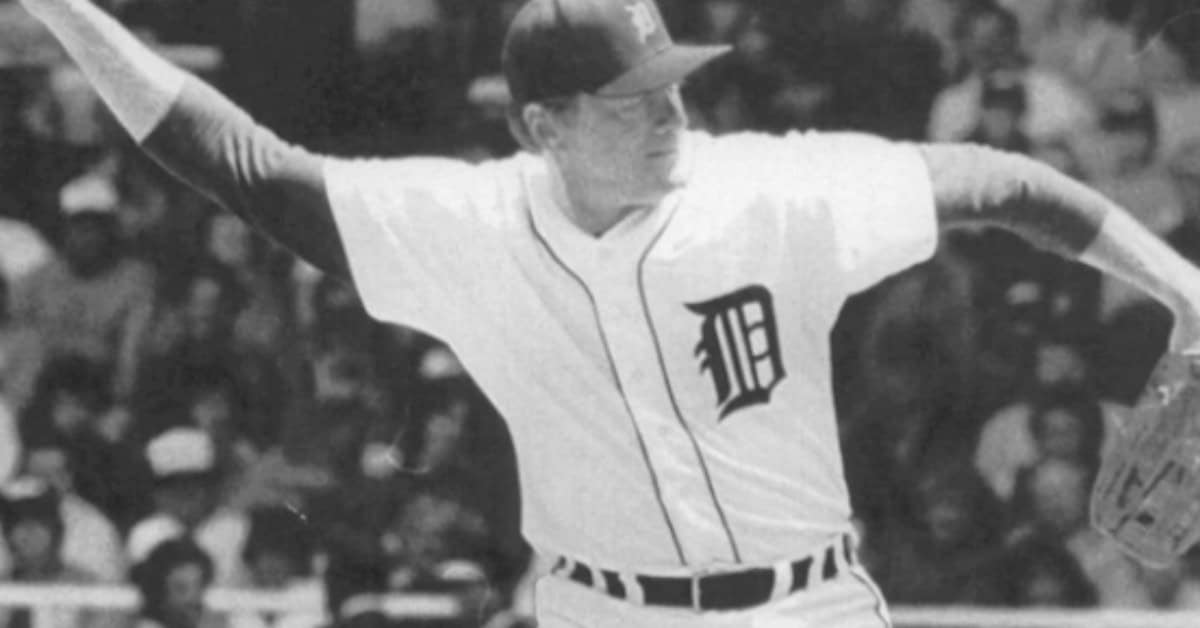
Bunning’s status as an ace pitcher was confirmed by his six Opening Day starts (1957, 1959-1962, 1964). He holds the unique distinction of being selected as the Opening Day starter for both the Tigers and Phillies, demonstrating his value as a top-tier pitcher across both leagues.
Hall of Fame Career Numbers
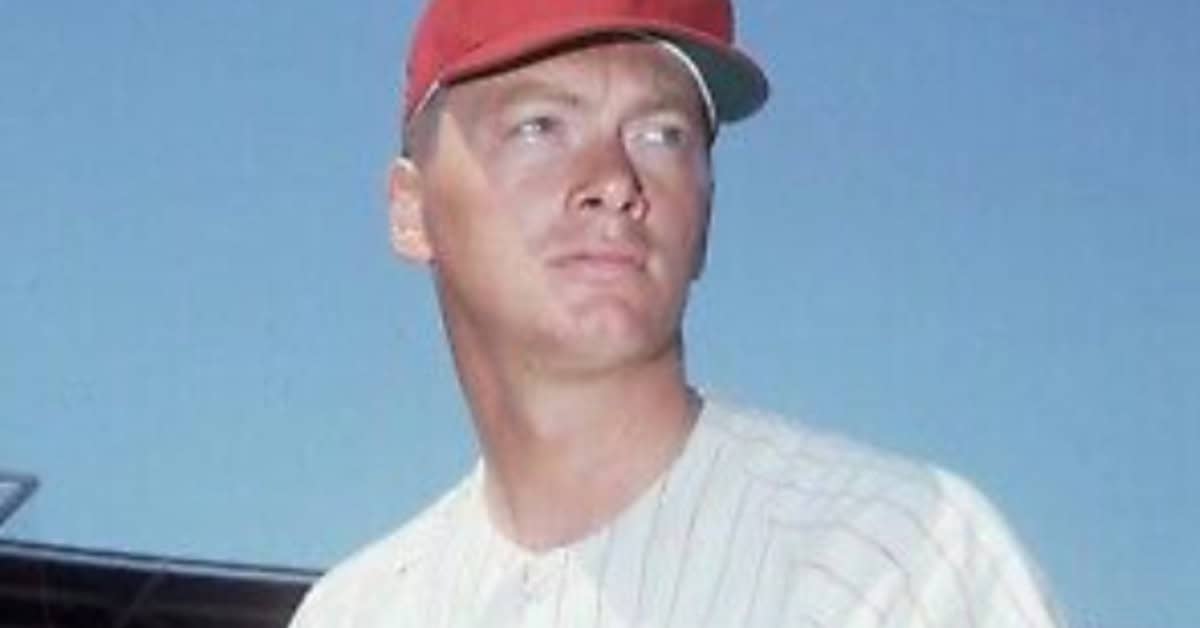
Bunning’s career statistics paint the picture of a true baseball legend: 3.27 ERA, 224 wins, 2,855 strikeouts, and 40 shutouts. His career WAR of 59.4 ranks among the top 200 players all-time, culminating in his well-deserved Hall of Fame induction in 1996.