


Last Updated: June 17th, 2026 by Matthew Brown
Before artificial turf and designated hitters changed the game forever, Willie Mays shared dugouts with legends who played baseball the way it was meant to be played—with dirt under their fingernails and fire in their bellies. These twenty teammates didn’t just witness the Say Hey Kid’s greatness—they helped create the golden era of Giants and Mets baseball when every catch looked impossible and every swing carried the promise of magic.
Don't lose this article. Enter your email below, and I'll send it to you right now. Plus, we'll send you other unbelievable stories from baseball's past.
Juan Marichal’s High Leg Kick and Dominican Dandy Style
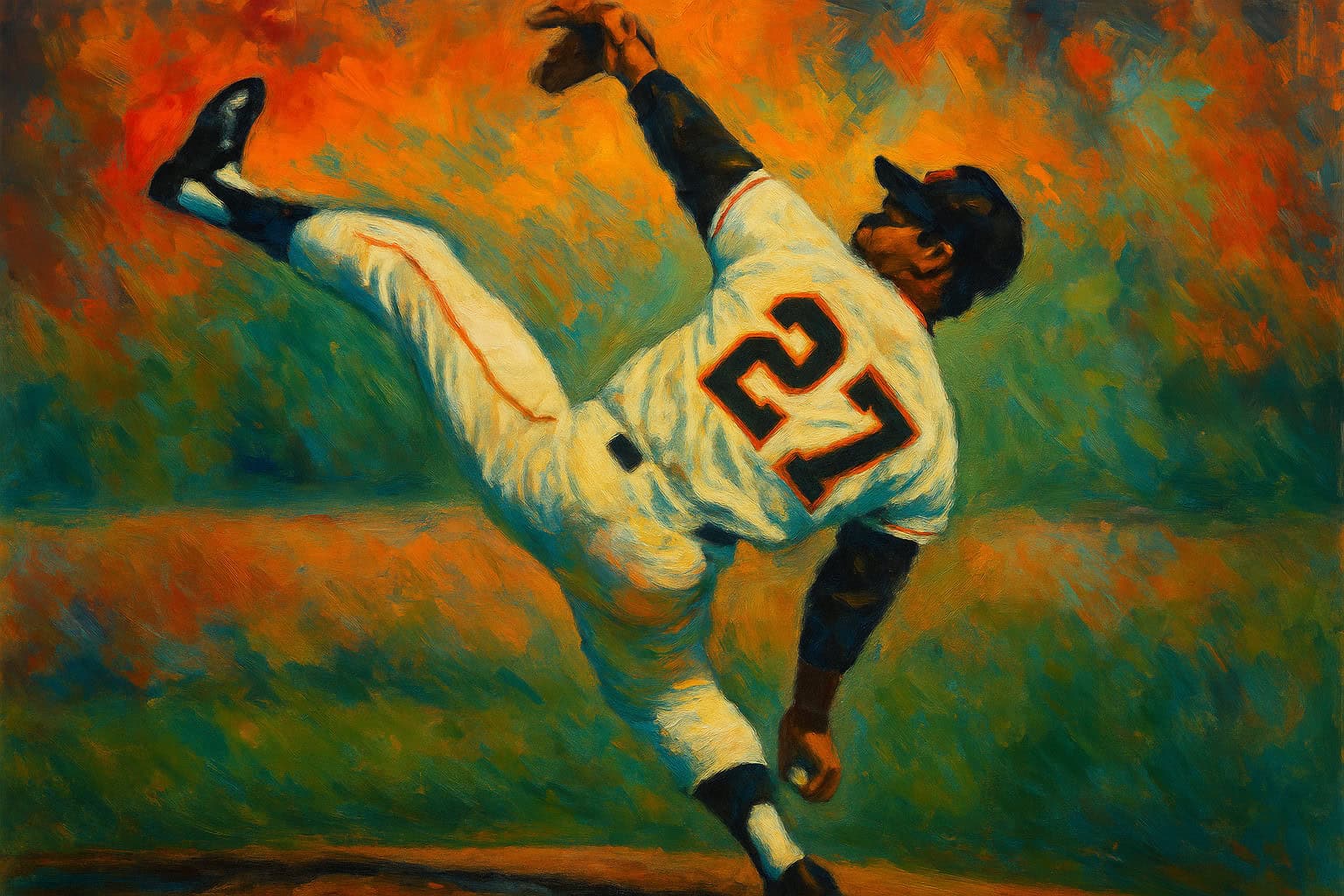
Juan Marichal’s distinctive high leg kick and pinpoint control made him one of the most dominant pitchers of his generation, while his elegant style earned him the nickname “The Dominican Dandy.” The right-hander’s ability to hit any corner of the strike zone with multiple pitches gave Mays and the Giants offense the confidence that came with knowing they had an ace on the mound. Marichal’s combination of artistry and effectiveness created a perfect partnership with Mays—the pitcher’s precision complementing the center fielder’s flair in a way that made Giants baseball must-see entertainment throughout the 1960s.
Monte Irvin’s Veteran Leadership and Negro League Wisdom
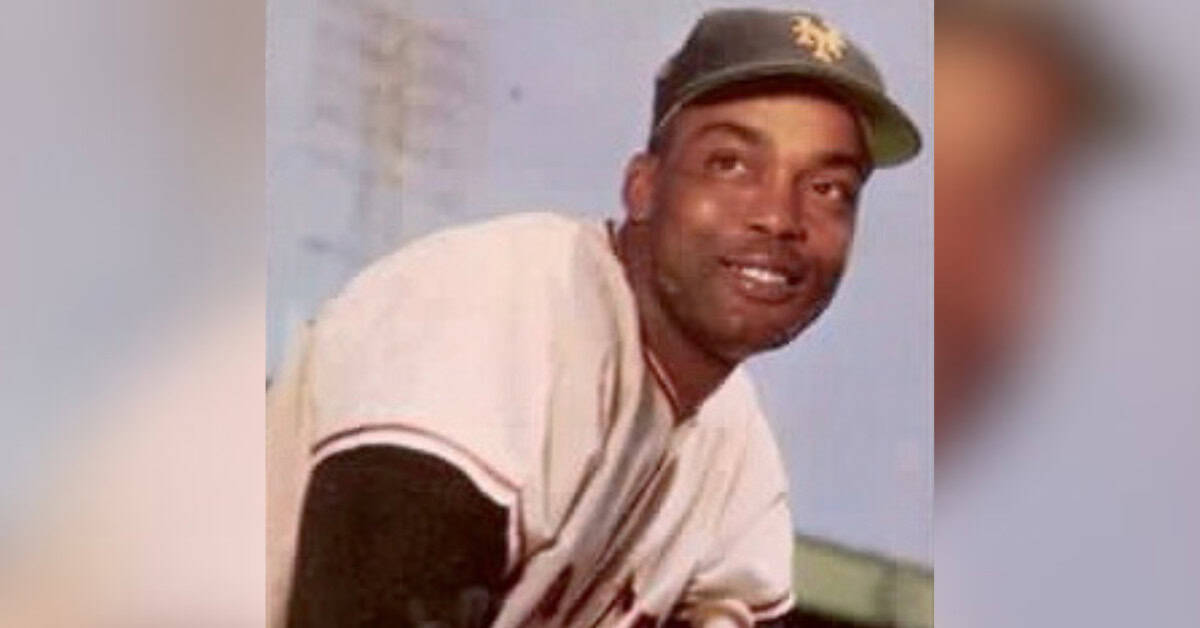
Monte Irvin served as Willie Mays’ first mentor in the major leagues, bringing the wisdom of Negro League baseball and the dignity of a trailblazer to the young center fielder’s development. The Alabama native had already established himself as one of baseball’s premier talents when Mays arrived in 1951, and his patient guidance helped the rookie navigate the pressures of playing in New York. Irvin’s combination of power hitting and veteran savvy provided the perfect example for Mays of how to carry himself as both a superstar and a gentleman, lessons that would serve the Say Hey Kid throughout his legendary career.
Orlando Cepeda’s Sweet Swing and Baby Bull Nickname
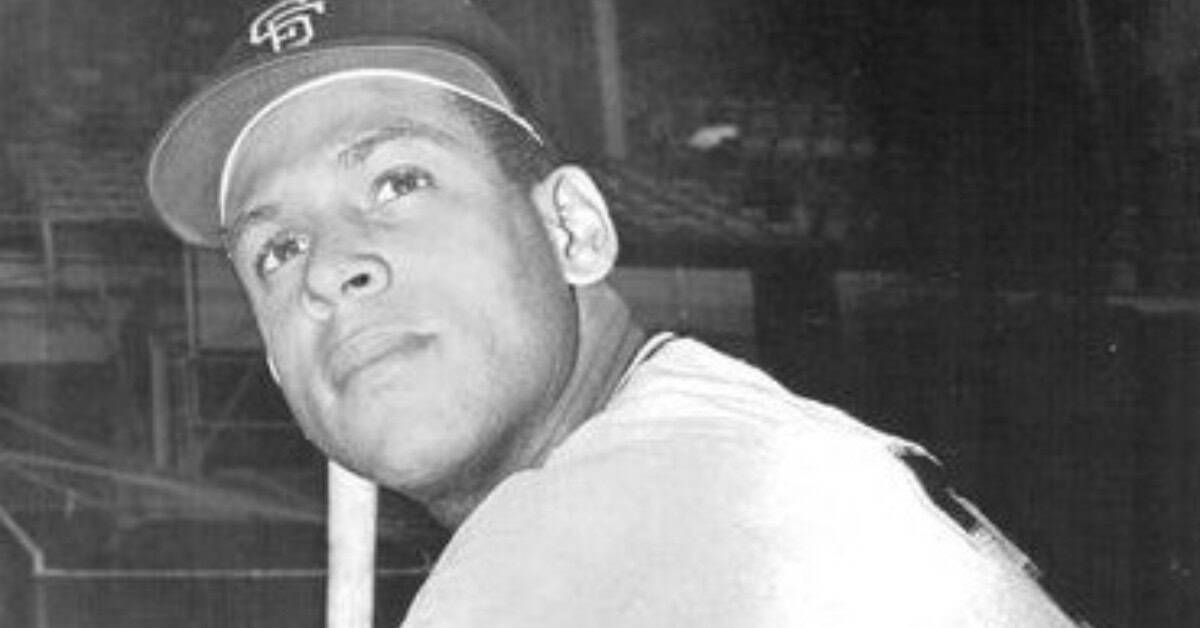
Orlando Cepeda brought Puerto Rican flair and devastating power to first base, earning the nickname “Baby Bull” for his aggressive approach at the plate and infectious enthusiasm for the game. The San Juan native’s smooth swing and clutch hitting made him the perfect complement to Mays’ all-around excellence, creating a dynamic duo that terrorized National League pitching throughout the late 1950s and early 1960s. Cepeda’s Latin passion and Mays’ joyful approach to baseball created a clubhouse atmosphere where winning felt inevitable and every game was a celebration of the sport they both loved.
Johnny Antonelli’s Southpaw Excellence and World Series Hero
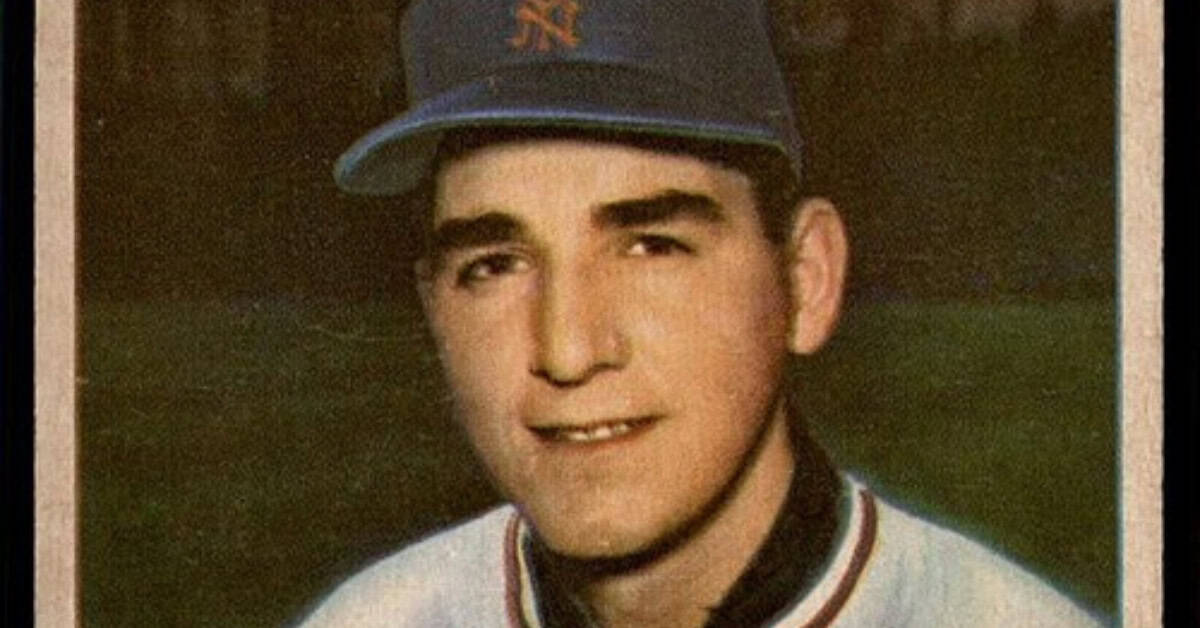
Johnny Antonelli’s crafty left arm and clutch pitching helped anchor the Giants’ rotation during their 1954 World Series championship, providing Willie Mays with the kind of ace support that championship teams require. The Rochester native’s ability to change speeds and hit spots made him nearly unhittable when he was on, while his competitive fire matched perfectly with Mays’ intensity and desire to win. Antonelli’s performance during the Giants’ sweep of the heavily favored Cleveland Indians showed Mays what October magic looked like, setting the standard for clutch performance that would inspire the center fielder throughout his own legendary postseason career.
Gaylord Perry’s Spitball Shenanigans and Hall of Fame Deception
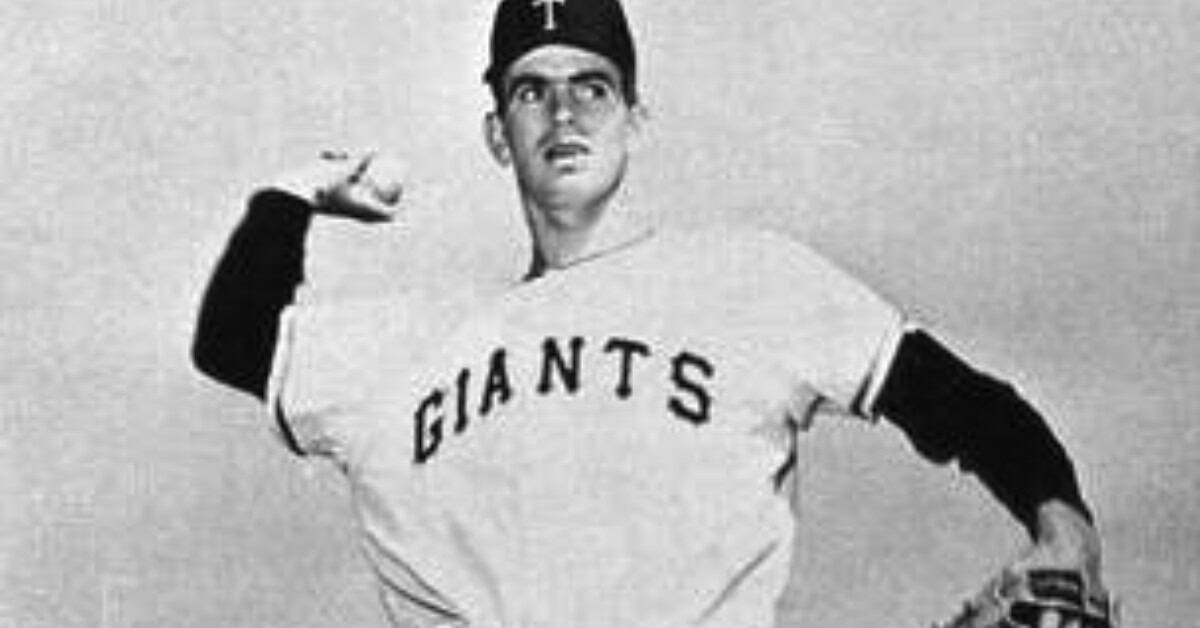
Gaylord Perry turned the art of deception into a Hall of Fame career, keeping hitters guessing whether his next pitch would be a legitimate fastball or one of his legendary spitballs. The North Carolina native’s elaborate pre-pitch routine of touching his cap, jersey, and glove drove opposing batters to distraction while providing endless entertainment for teammates like Mays, who appreciated the psychological warfare. Perry’s ability to win games through guile and gamesmanship showed Mays that baseball success came in many forms, proving that sometimes the smartest player on the field was more valuable than the most talented.
Bobby Bonds’ Speed and Power Before His Son Made It Famous
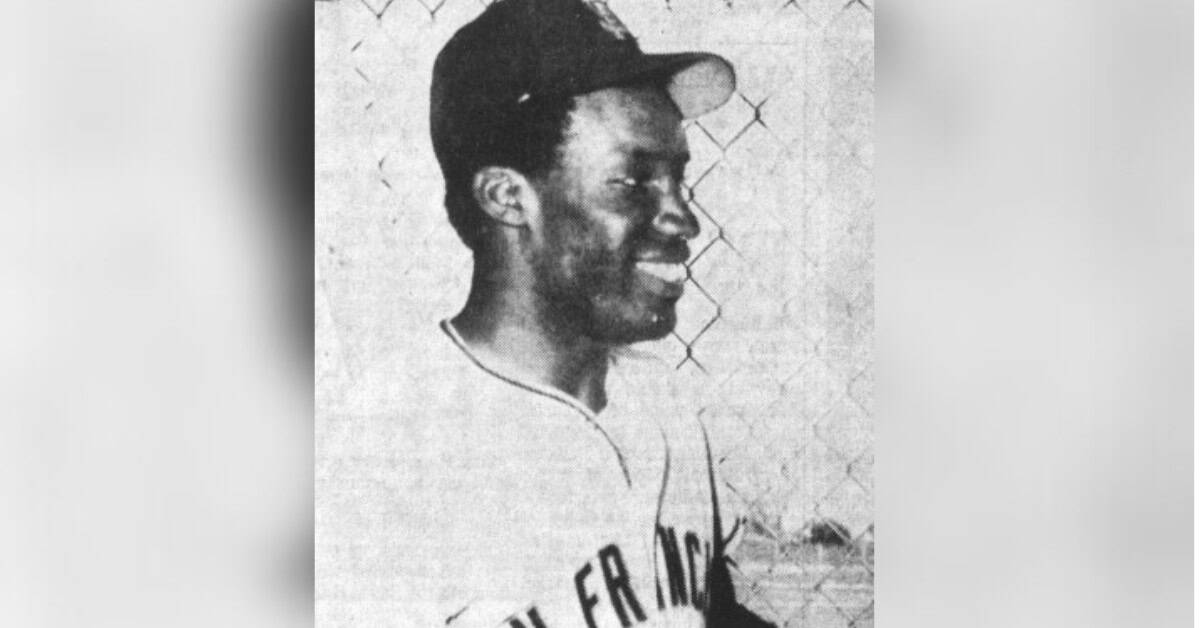
Bobby Bonds brought a rare combination of power and speed to the Giants outfield, creating the 30-30 club with his ability to hit home runs and steal bases with equal effectiveness. The California native’s athletic ability and competitive fire reminded Mays of his own younger self, while his willingness to learn from the veteran center fielder created a mentor-student relationship that benefited both players. Bonds’ emergence as a superstar in his own right validated Mays’ belief that the next generation of Giants players could carry on the franchise’s tradition of excellence, even as the Say Hey Kid’s own career began winding down.
The Alou Brothers’ Dominican Dynasty and Outfield Excellence
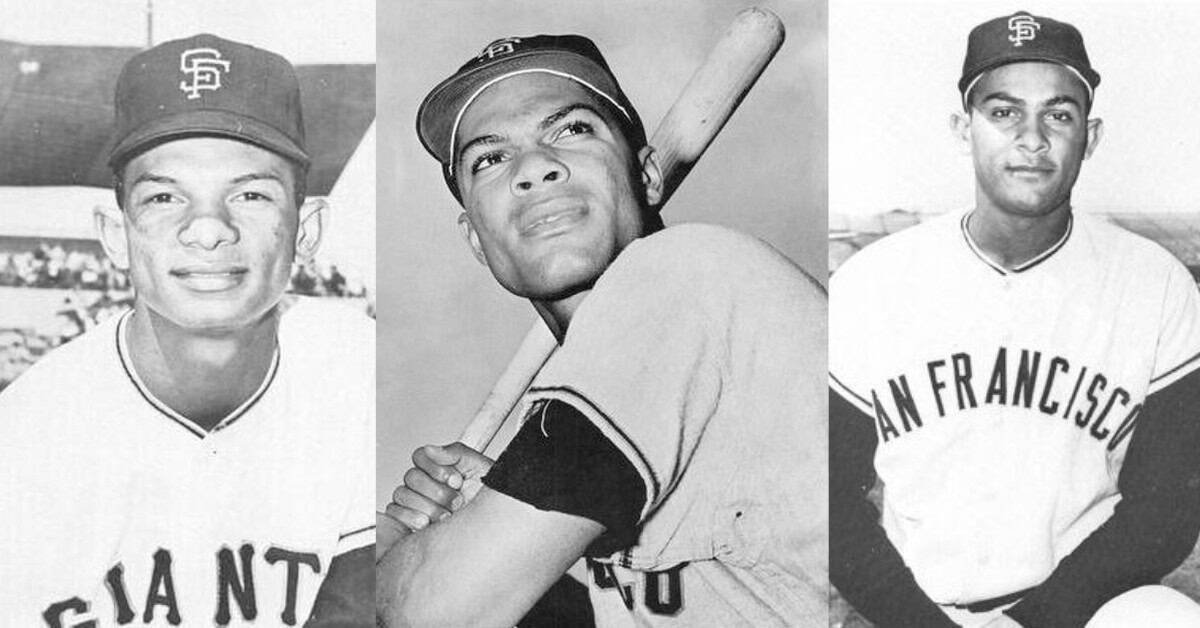
Felipe, Matty, and Jesus Alou brought Dominican flair and exceptional hitting ability to the Giants, with all three brothers playing alongside Willie Mays at various points during the 1960s. The Alou family’s combination of contact hitting, speed, and baseball intelligence made them perfect complements to Mays’ all-around excellence, while their Latin heritage helped create the international flavor that defined Giants baseball. The sight of multiple Alou brothers patrolling the outfield with Mays created some of the most talented defensive alignments in baseball history, proving that sometimes the best teammates come in family packages.
Jim Ray Hart’s Clutch Hitting and Third Base Reliability
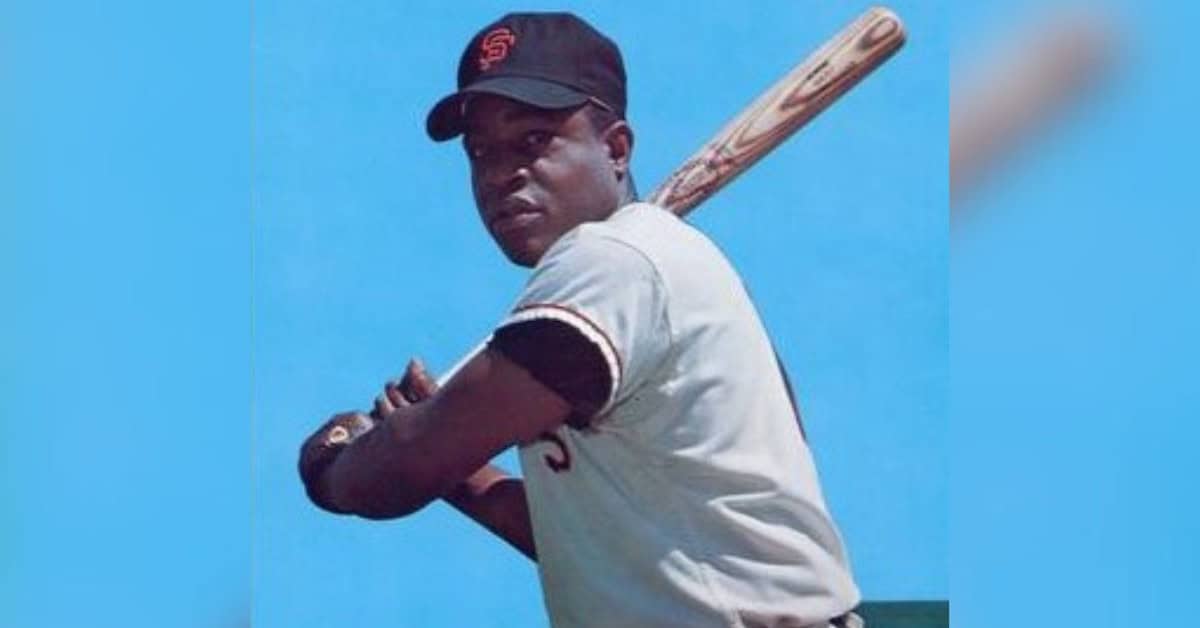
Jim Ray Hart anchored third base with steady defense and provided clutch hitting that perfectly complemented Willie Mays’ offensive fireworks throughout the mid-1960s. The North Carolina native’s ability to drive in runs and come through in pressure situations made him one of the most reliable players in the Giants’ lineup, while his quiet leadership style provided a calming presence in a clubhouse full of superstars. Hart’s consistent production and professional approach showed Mays the value of having teammates who could be counted on day after day, season after season, regardless of the circumstances.
Tito Fuentes’ Flashy Fielding and Second Base Showmanship
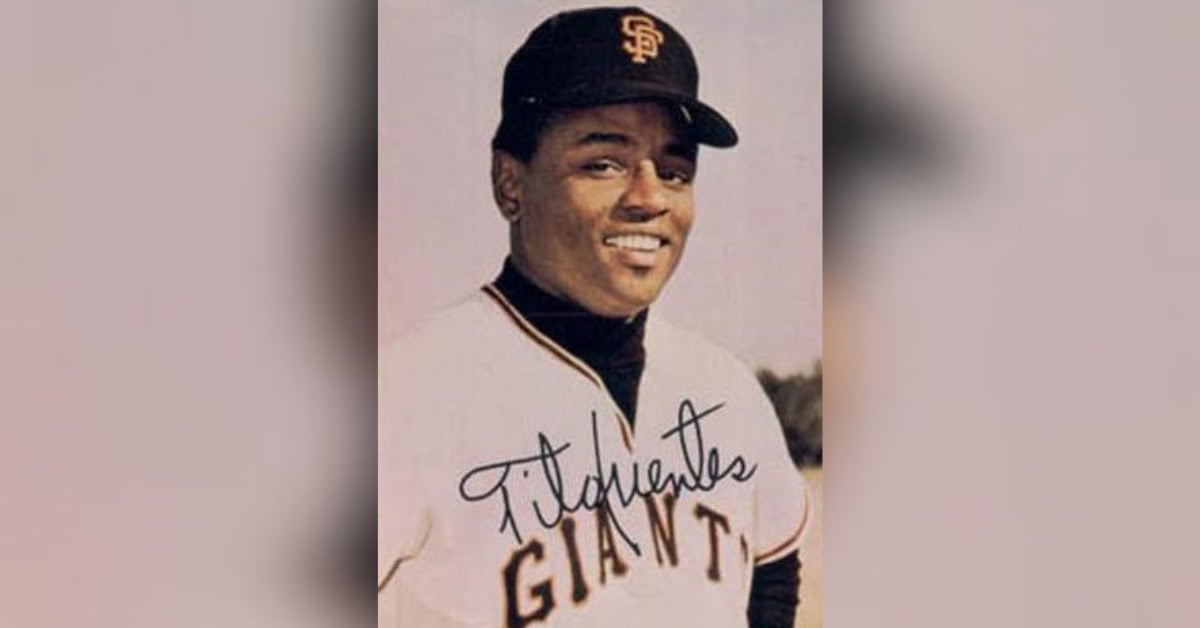
Tito Fuentes brought Cuban flair and acrobatic fielding to second base, turning routine double plays into works of art while providing the kind of defensive showmanship that made Giants games entertaining even when the offense struggled. The Havana native’s quick hands and flashy style created perfect chemistry with Mays’ own flair for the dramatic, proving that baseball could be both effective and entertaining. Fuentes’ ability to make difficult plays look easy while maintaining his infectious enthusiasm reminded Mays why he had fallen in love with baseball in the first place—it was supposed to be fun.
Red Schoendienst’s Switch-Hitting Excellence and Cardinal Legacy
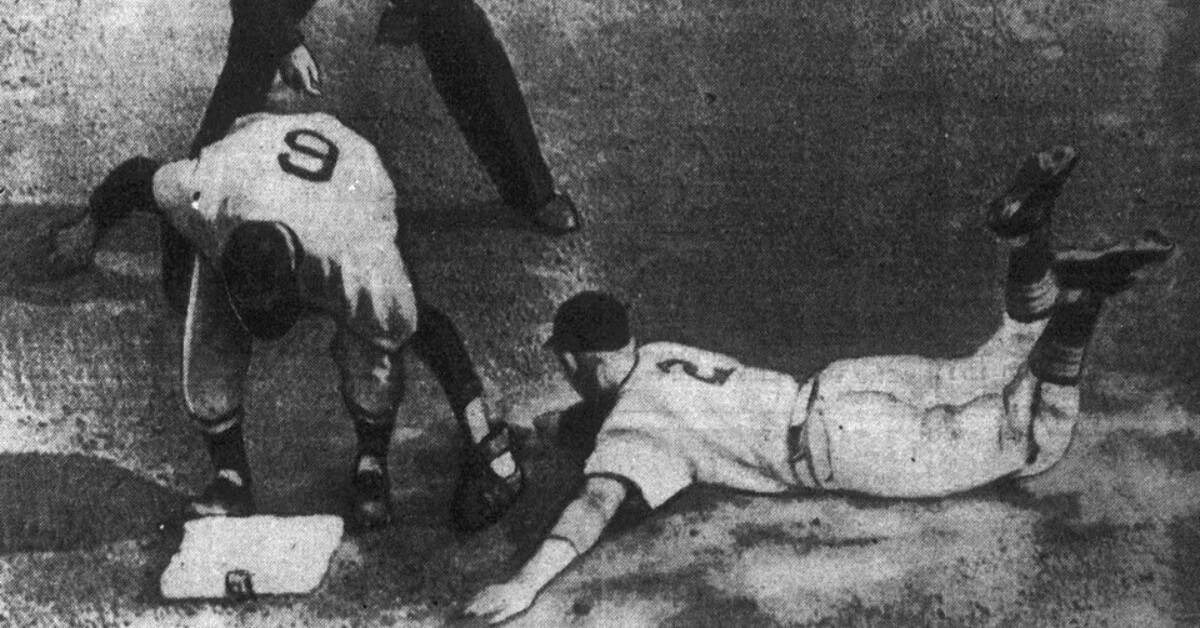
Red Schoendienst brought decades of baseball wisdom and switch-hitting expertise to the Giants, providing veteran leadership that helped during a down year. The Illinois native’s Hall of Fame career and championship pedigree gave him instant credibility in the clubhouse, while his patient approach to hitting and the game provided valuable lessons for younger players. Schoendienst’s presence reminded Mays that baseball greatness came in many forms, and that sometimes the most valuable contribution was simply showing others how to play the game the right way.
Chris Speier’s Steady Shortstop Play and Championship Heart
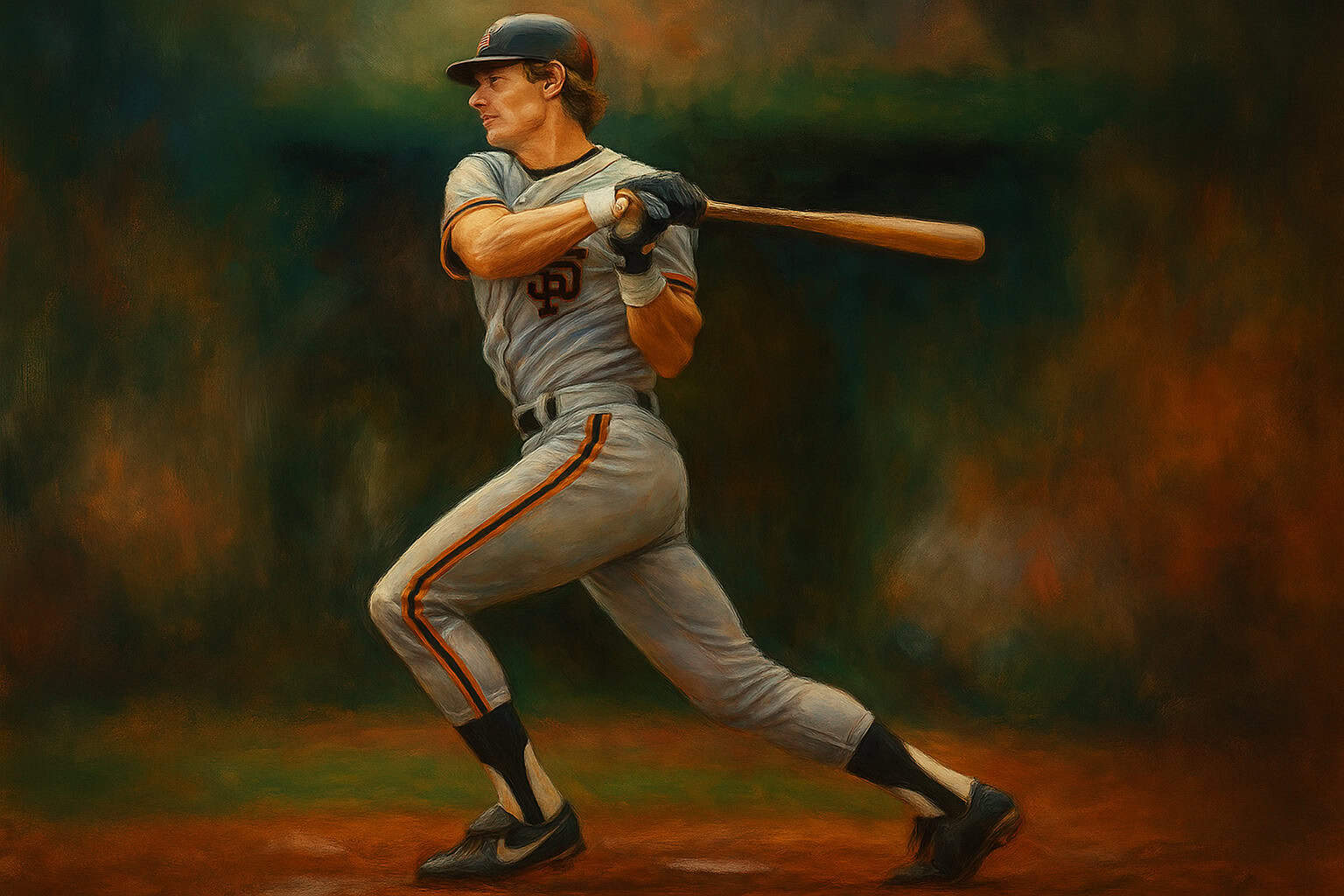
Chris Speier provided rock-solid defense at shortstop and clutch hitting that helped anchor the Giants’ infield during the later years of Willie Mays’ career. The Illinois native’s steady glove work and baseball intelligence made him the perfect double-play partner for second basemen, while his ability to come through in pressure situations earned the respect of veterans like Mays. Speier’s professional approach and championship mentality showed the aging superstar that the Giants franchise would be in good hands with the next generation of players, providing confidence that the team’s winning tradition would continue.
Hank Thompson’s Pioneering Spirit and Third Base Power
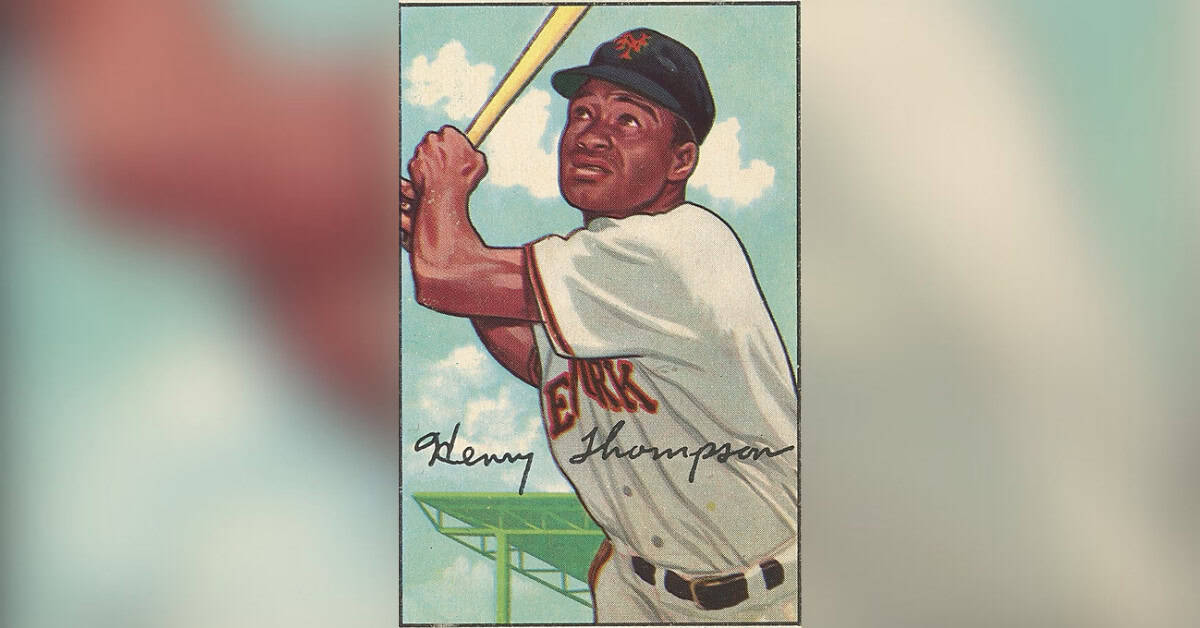
Hank Thompson blazed trails as one of the first Black players to integrate the Giants, bringing power hitting and defensive versatility to third base while serving as a role model for young Willie Mays. The Oklahoma native’s ability to play multiple positions and deliver clutch hits made him invaluable to the Giants’ success in the early 1950s, while his quiet dignity and professional approach showed Mays how to handle the pressures of breaking barriers. Thompson’s pioneering spirit and baseball excellence provided the foundation for the Giants’ commitment to diversity and talent that would define the franchise for generations.
Yogi Berra’s Catcher’s Wisdom and Yogi-isms

Yogi Berra’s brief tenure as Willie Mays’ teammate with the Mets was a meeting of baseball royalty, bringing two of the game’s most iconic figures together in the same clubhouse. The legendary catcher’s unparalleled baseball IQ and championship experience provided a veteran presence that commanded instant respect, while his famously quotable “Yogi-isms” brought a lighthearted wisdom that only he could deliver. Berra’s ability to analyze the game from behind the plate gave Mays a unique perspective, proving that sometimes the greatest insights come from the most unexpected phrases, and that it ain’t over ’til it’s over.
Masanori Murakami’s Japanese Trailblazing and Relief Ace
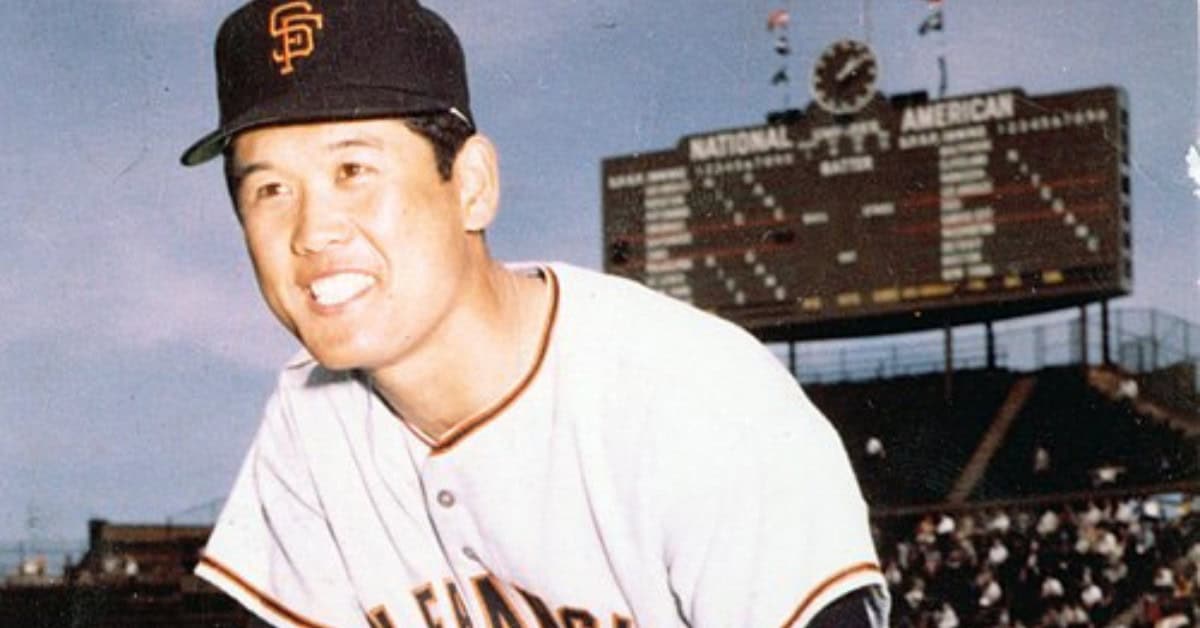
Masanori Murakami made history as the first Japanese player in Major League Baseball, bringing devastating relief pitching and cultural bridge-building to the Giants during the mid-1960s. The left-hander’s slider and competitive spirit made him one of the most effective relievers in the National League, while his pioneering presence showed Willie Mays and his teammates that baseball truly was becoming an international game. Murakami’s success and professionalism helped pave the way for future generations of Japanese players, proving that talent and dedication transcended cultural boundaries.
Harvey Kuenn’s Line Drive Machine and Batting Title Magic
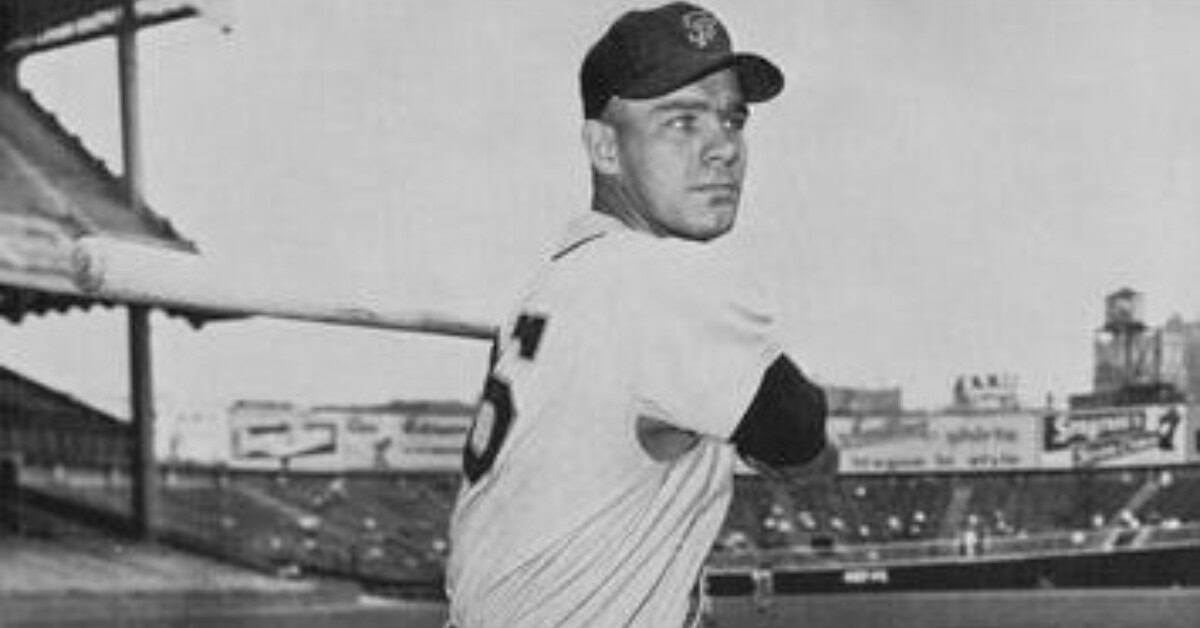
Harvey Kuenn brought pure hitting ability and batting title credentials to the Giants, providing Willie Mays with a teammate who understood the art of making consistent contact and driving in runs. The Wisconsin native’s line drive stroke and patient approach at the plate made him one of the most reliable hitters of his generation, while his professional demeanor and work ethic set an example for younger players. Kuenn’s ability to hit for average and get on base ahead of Mays in the lineup created countless opportunities for the center fielder to drive in runs and showcase his own offensive brilliance.
Tom Seaver’s Tom Terrific Fastball and Mets Ace Glory

Tom Seaver’s devastating fastball and competitive perfectionism provided Willie Mays with a front-row seat to witness one of the greatest pitchers in baseball history during his time with the Mets. The California native’s “drop and drive” delivery and pinpoint control made him the ace of the Miracle Mets, while his intensity and preparation showed Mays what the next generation of baseball excellence looked like. Seaver’s combination of raw talent and intellectual approach to pitching reminded the aging center fielder that greatness came in many forms, and that the game would be in good hands with players who combined ability with dedication.
Sal Maglie’s Barber Nickname and Intimidating Fastball
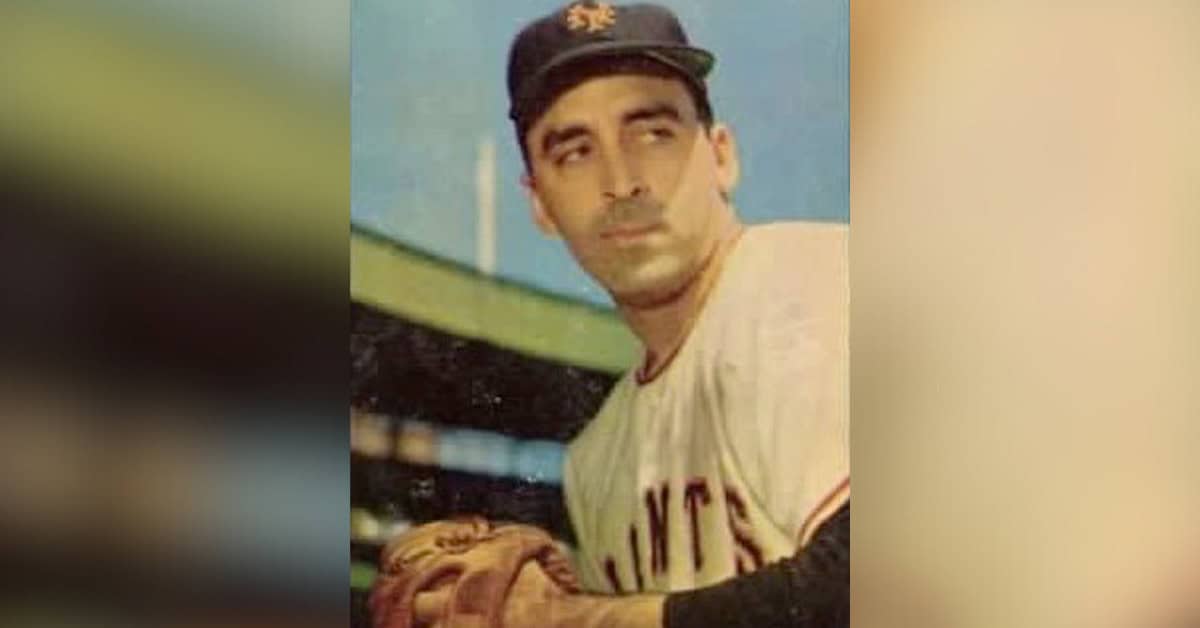
Sal Maglie earned his “Barber” nickname by giving opposing hitters close shaves with inside fastballs, bringing old-school intimidation and clutch pitching to Willie Mays’ early Giants teams. The New York native’s ability to pitch inside and challenge hitters made him one of the most feared pitchers in the National League, while his competitive fire and veteran savvy provided valuable lessons for younger teammates. Maglie’s approach to pitching showed Mays that baseball was as much about mental warfare as physical ability, and that sometimes the most effective weapon was simply the threat of what might come next.
Hoyt Wilhelm’s Knuckleball Magic and Relief Pitching Pioneer
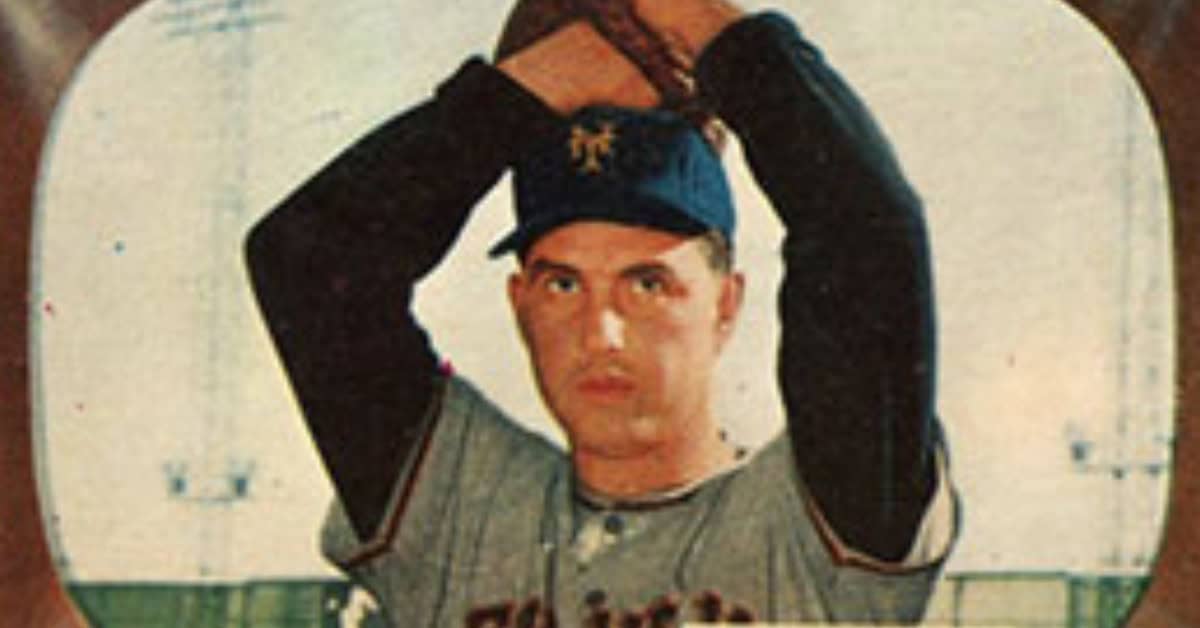
Hoyt Wilhelm’s dancing knuckleball and pioneering relief work revolutionized how teams used pitchers, while providing Willie Mays with a teammate who proved that unique talents could create Hall of Fame careers. The North Carolina native’s ability to throw his signature pitch for strikes consistently made him nearly unhittable in short relief appearances, while his longevity and effectiveness helped establish the closer role in modern baseball. Wilhelm’s success with an unconventional pitch reminded Mays that baseball greatness came in many forms, and that sometimes the most effective approach was simply being different from everyone else.
Alvin Dark’s Fiery Managing and Shortstop Leadership
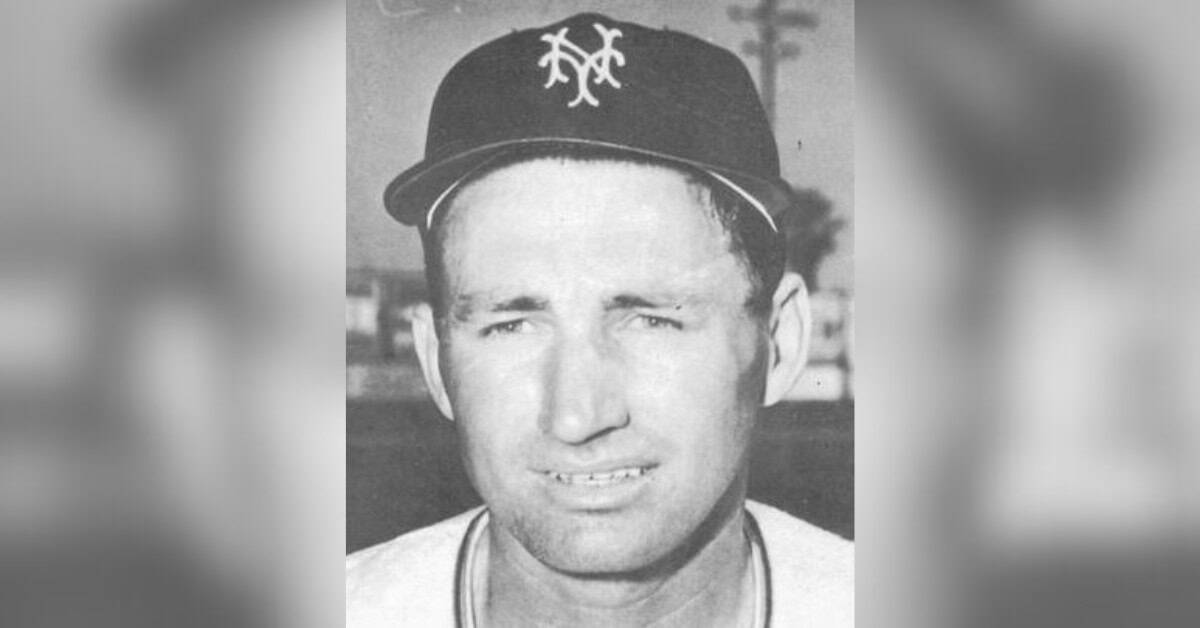
Alvin Dark brought fiery intensity and championship experience to his roles as both Willie Mays’ teammate and manager, creating a unique relationship that spanned the center fielder’s early and middle career years. The Louisiana native’s competitive fire and baseball intelligence made him a natural leader, whether he was turning double plays at shortstop or making strategic decisions from the dugout. Dark’s ability to understand Mays’ unique talents and put him in a position to succeed showed the superstar what effective leadership looked like, lessons that would serve the Say Hey Kid well as he became a veteran presence himself.
Willie McCovey’s Tape-Measure Home Runs That Cleared Everything
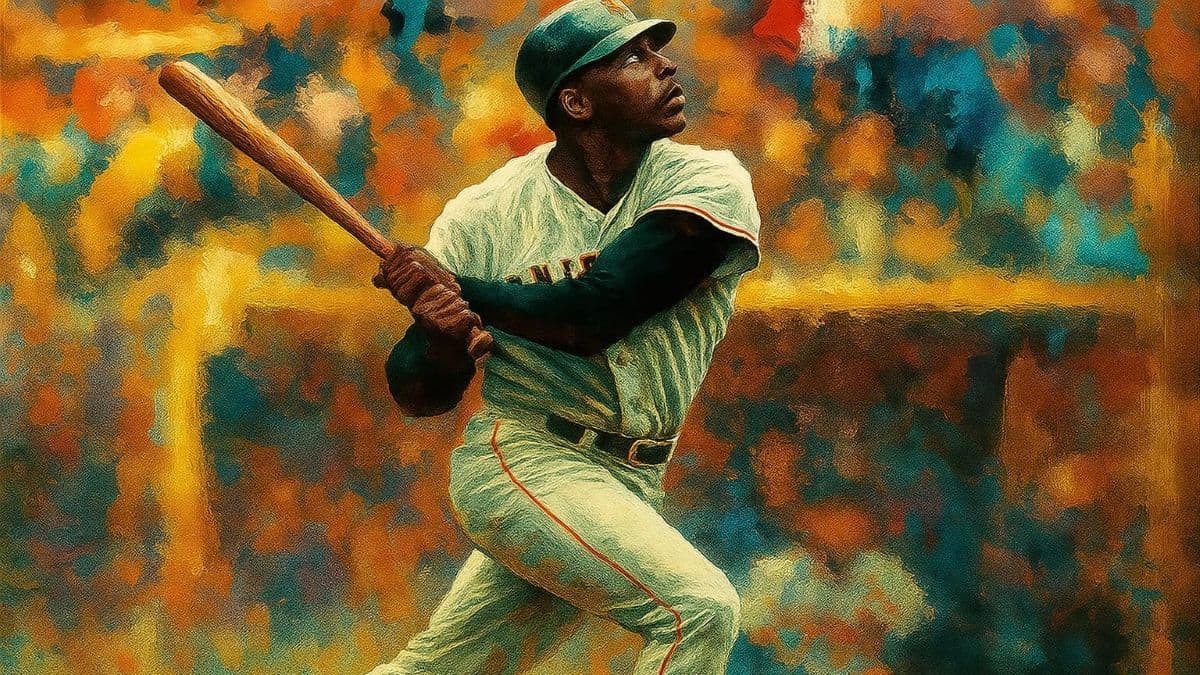
Willie McCovey’s towering home runs and gentle giant personality created the perfect partnership with Willie Mays, as the two Willies combined to form one of the most devastating offensive duos in baseball history. The Alabama native’s left-handed power stroke and ability to drive balls completely out of ballparks provided the perfect complement to Mays’ all-around excellence, while his quiet leadership and professional approach made him an ideal teammate for the superstar center fielder. McCovey’s presence in the lineup gave Mays better pitches to hit and created a dynamic that terrorized National League pitching for over a decade, proving that sometimes the best teammates are the ones who make everyone around them better simply by being themselves.