

Last Updated: June 17th, 2026 by Matthew Brown
Baseball memories have a funny way of playing tricks on us. The crack of the bat, the roar of the crowd, and those magical moments at the ballpark sometimes overshadow what the cold, hard numbers tell us. As we dust off old scorecards and apply modern analytics to yesterday’s heroes, we’re finding that some of our most cherished baseball icons might not have been quite as dominant as we remember.
Don't lose this article. Enter your email below, and I'll send it to you right now. Plus, we'll send you other unbelievable stories from baseball's past.
Roger Maris: The Record That Never Should Have Been
The 61 home runs Maris hit in 1961 have been highly regarded for many years. However, beyond that magical season, Maris never hit more than 39 home runs in any other year and finished with a modest career average of .260. His career WAR of 38.3 places him alongside good-but-not-great players like Boog Powell and Gil Hodges. One spectacular season turned a solid player into a legend.
Jim Rice: Hall of Fame Journey Questioned by Metrics
Rice terrorized pitchers at Fenway, but his road numbers tell a different story. Away from the Green Monster, he hit just .277 with significantly less power. Modern analytics suggest Rice’s feared reputation outpaced his actual production, with a career WAR (47.7) that falls well below typical Hall of Fame standards.
Jack Morris: Game 7 Magic vs. Career Reality
That 10-inning shutout in Game 7 of the ’91 Series was pure magic, but Morris’s career 3.90 ERA would be the highest of any Hall of Famer. His reputation as a big-game pitcher overshadowed a career where he led the league in wild pitches three times and earned runs twice.
Bruce Sutter: When Saves Meant More Than They Should

Sutter’s split-finger fastball revolutionized relief pitching, but his numbers don’t quite justify his mythical status. With just 1,042 career innings pitched and a 2.83 ERA in an era when relief pitchers routinely posted sub-2.50 ERAs, modern metrics suggest he was more of an innovator than a dominator.
Don Mattingly: Yankee Fame Outshined the Numbers
Donnie Baseball’s peak was brilliant but brief. Back problems cut short what could have been a Hall of Fame career, leaving him with just 2,153 hits and 222 home runs. His career WAR of 42.4 sits well below Cooperstown standards, despite the pinstriped mythology surrounding his name.
Joe Carter: More Than Just One Historic Homer
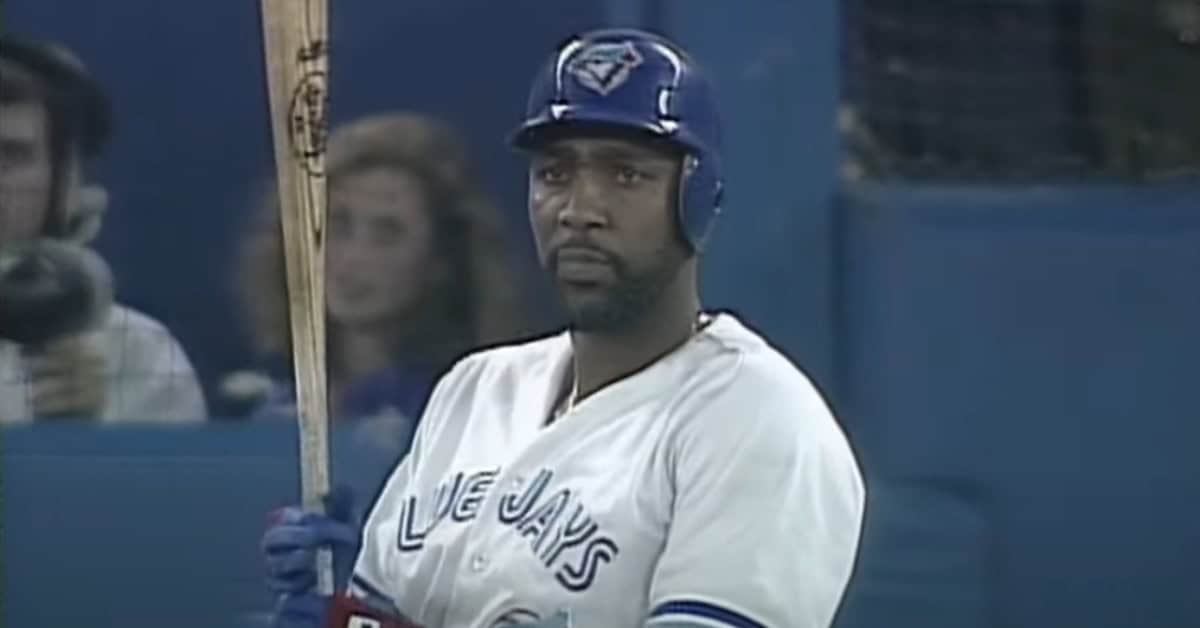
That World Series walk-off homer became baseball immortality, but Carter’s career .259 batting average and .306 on-base percentage tell a different tale. Despite 396 career home runs, his overall offensive contribution was surprisingly below many other power hitters when adjusted for his era and ballparks. A 105 career OPS+ more suggests that he was slightly above the average player.
Catfish Hunter: The Contract Was Better Than the Curve

Baseball’s first big free agent made headlines with his contract, but his 3.26 ERA during a pitcher-friendly era wasn’t exceptional. His career WAR of 36.6 ranks below many non-Hall of Famers, suggesting that his pioneering role in free agency overshadowed his actual performance.
Steve Garvey: Baseball’s Golden Boy Wasn’t All Gold
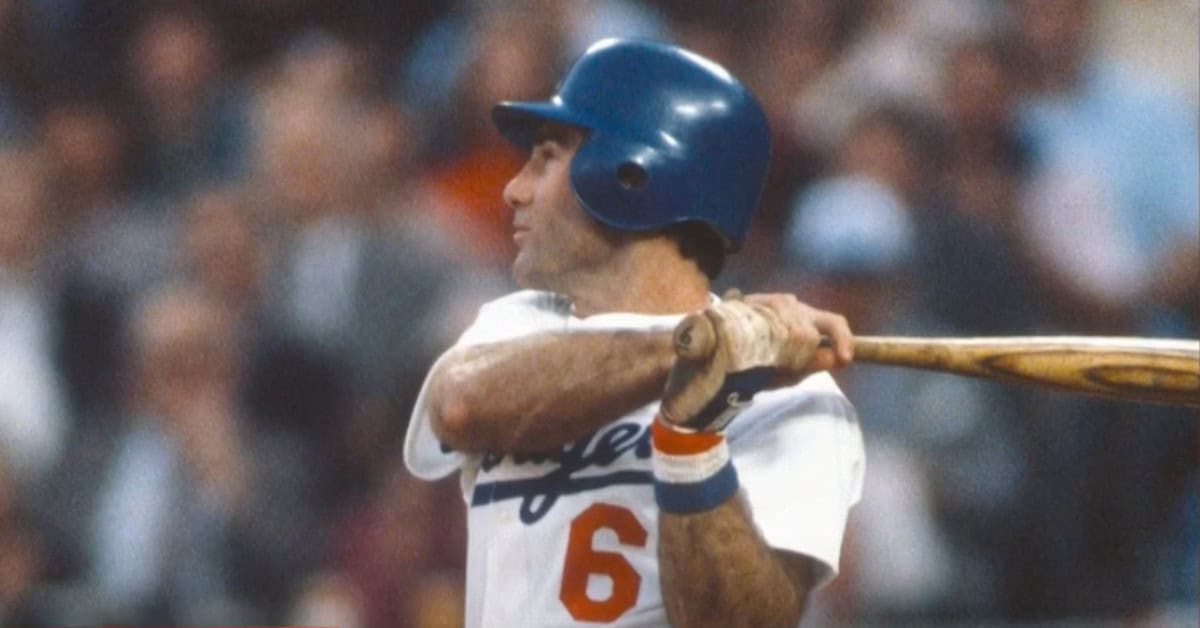
The poster boy of 1970s baseball never walked enough (career .329 OBP) or hit for enough power (272 home runs) to justify his superstar status. His durability was legendary, but advanced metrics suggest his 37.7 career WAR better reflects a good player than an all-time great.
Lou Brock: When Stolen Bases Masked Other Flaws
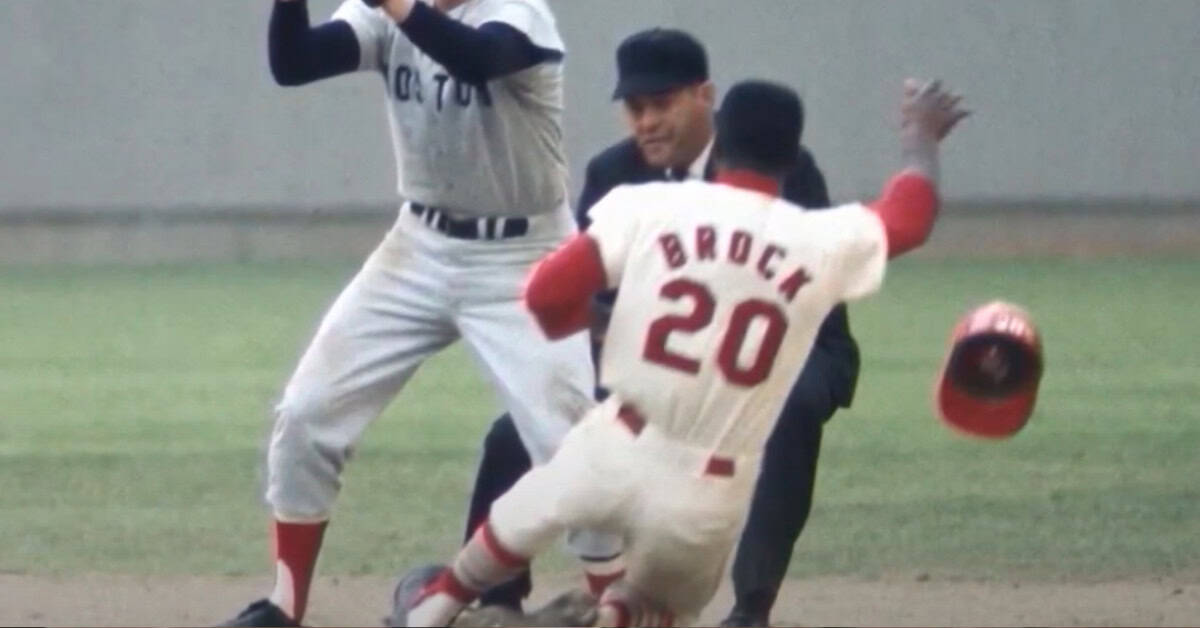
While Brock’s 938 stolen bases dazzled fans, his career .343 on-base percentage and below-average defense paint a more complex picture. Modern analysis suggests many of his stolen bases cost his team runs, making his 45.2 WAR surprisingly low for a Hall of Famer.
Pete Rose: When Stats Take a Back Seat to Hype
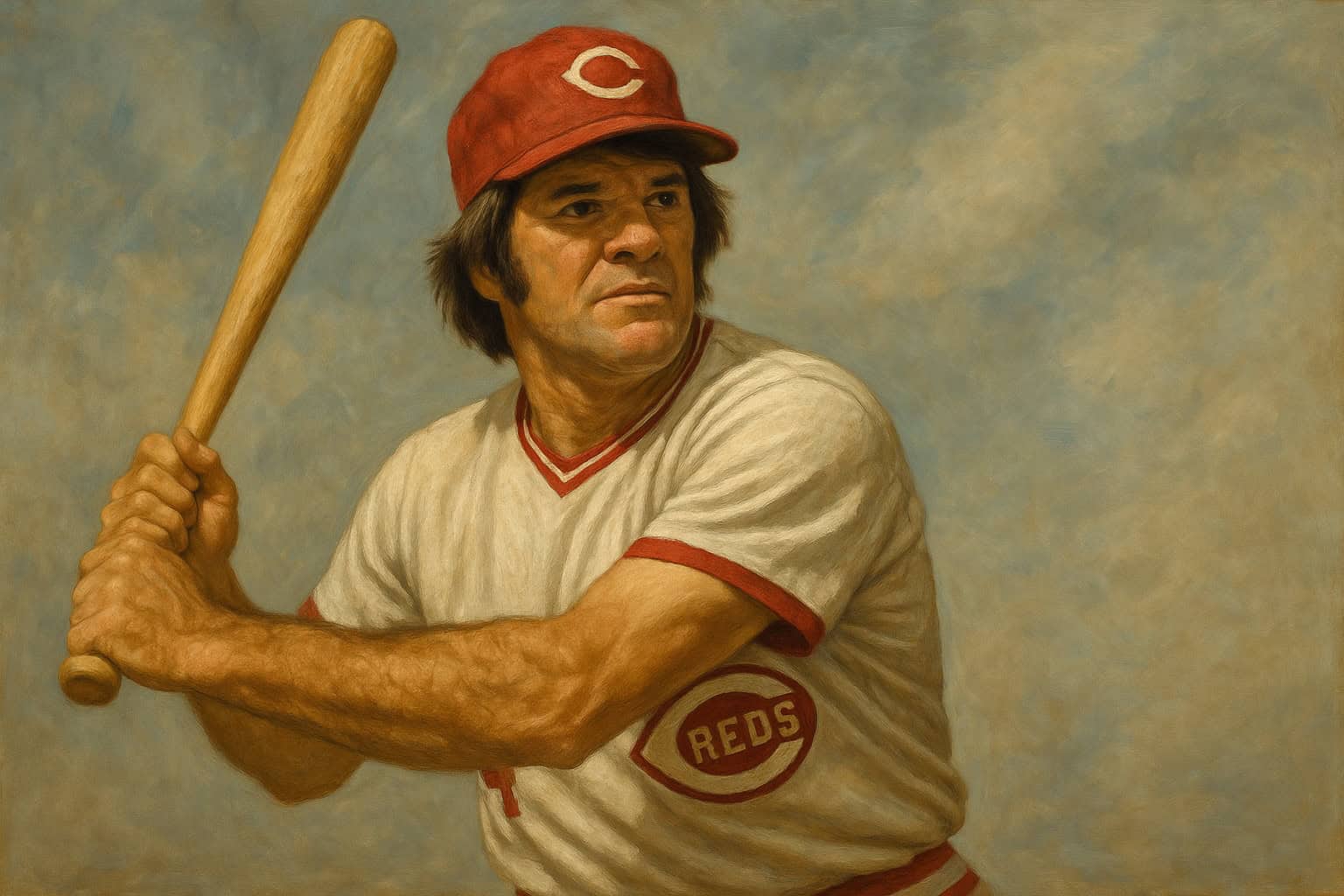
Yes, 4,256 hits is extraordinary, but Rose’s career slugging percentage of .409 and OPS+ of 118 suggest he was more of a compiler than a crusher. His longevity padded his totals while his peak years, impressive as they were, never reached the heights of contemporaries like Joe Morgan or Mike Schmidt. Both had at least 3 years earning 8.5 WAR or more. Rose never had a WAR more than 8.3.