

Last Updated: June 17th, 2026 by Michael Schatz
Take a nostalgic journey through baseball’s golden era as we explore the greatest shortstops of the 1960s. From defensive wizards to base-stealing phenoms, these players defined an era and set standards that would influence the position for decades to come.
Don't lose this article. Enter your email below, and I'll send it to you right now. Plus, we'll send you other unbelievable stories from baseball's past.
1. Luis Aparicio: The Defensive Mastermind
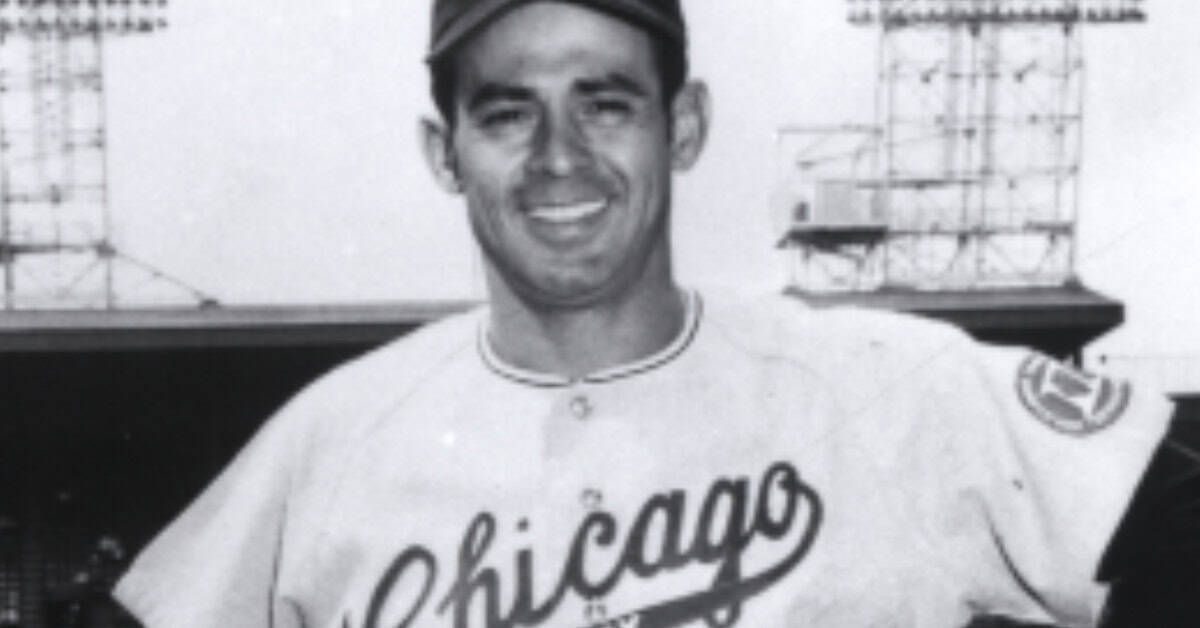
Luis Aparicio revolutionized the shortstop position in the 1960s, earning nine Gold Gloves and making 10 All-Star appearances. His .972 fielding percentage and dominance in stolen bases (leading the AL from 1960-1964) made him the prototype for modern shortstops. His combination of speed and defensive prowess averaged 56 stolen bases per season in the early ’60s, establishing him as one of baseball’s most dynamic players.
2. Maury Wills: The Base-Stealing Revolutionary
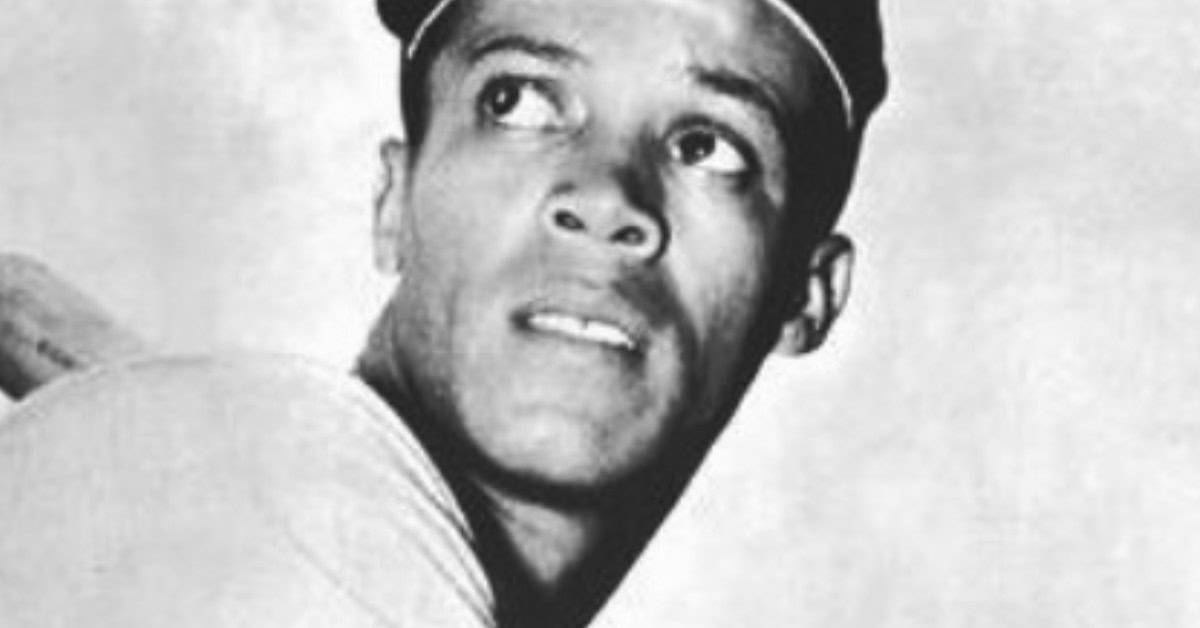
The 1962 NL MVP Maury Wills changed baseball forever with his unprecedented 104 stolen bases in a single season. A seven-time All-Star and two-time Gold Glove winner, Wills maintained a solid .281 batting average while revolutionizing the leadoff position. His peak years (1962-1965) saw him average an astounding 86 stolen bases per season, transforming how teams approached speed as an offensive weapon.
3. Jim Fregosi: The Complete Package

Jim Fregosi emerged as the decade’s most complete shortstop, earning six All-Star selections while playing for the Angels. His standout 1964 season showcased his all-around ability with a .277 average, 18 home runs, and 72 RBIs. Fregosi’s defensive excellence and consistent offensive production made him a cornerstone of the Angels’ infield throughout the 1960s.
4. Rico Petrocelli: The Power-Hitting Pioneer
Rico Petrocelli redefined power hitting for shortstops with his remarkable 1969 season, blasting 40 home runs with 97 RBIs. His outstanding .991 fielding percentage that year led all AL shortstops, while his contributions helped drive the Red Sox to their “Impossible Dream” pennant in 1967. Petrocelli’s combination of power and defense set new standards for the position.
5. Bert Campaneris: The Versatile Speedster
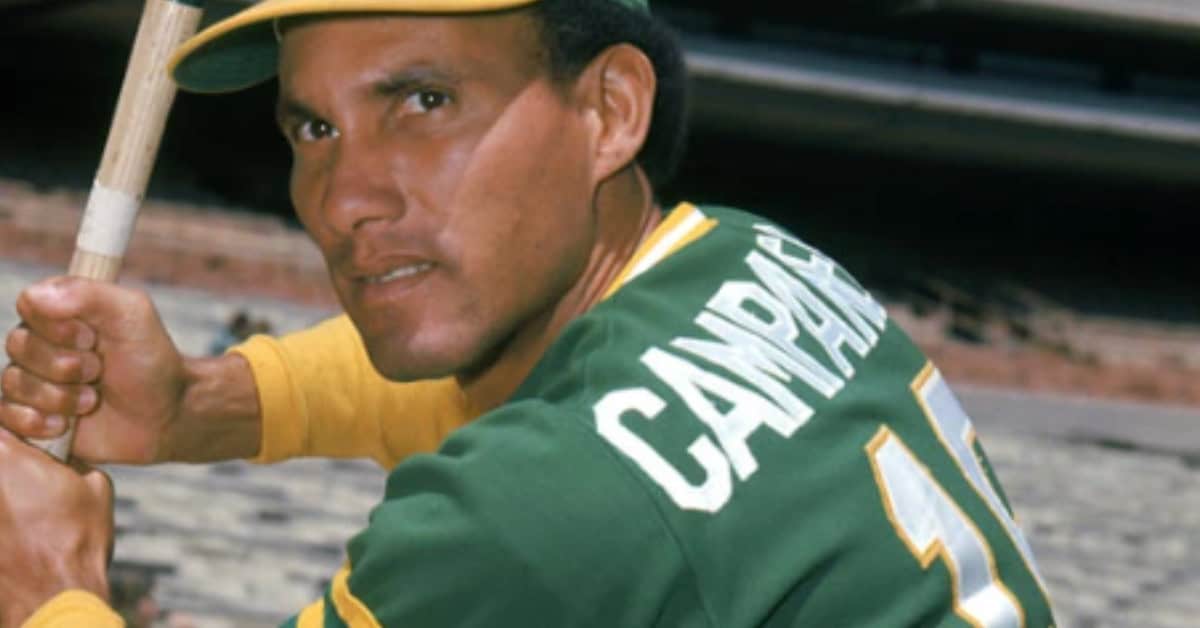
“Campy” dominated the basepaths, leading the AL in stolen bases six times during the 1960s. His versatility peaked in 1965 when he famously played all nine positions in a single game. Maintaining a .264 batting average while stealing 81 bases in 1968 alone, Campaneris exemplified the exciting, speed-oriented baseball of the era.
6. Dick McAuliffe: The Power-Hitting Defender
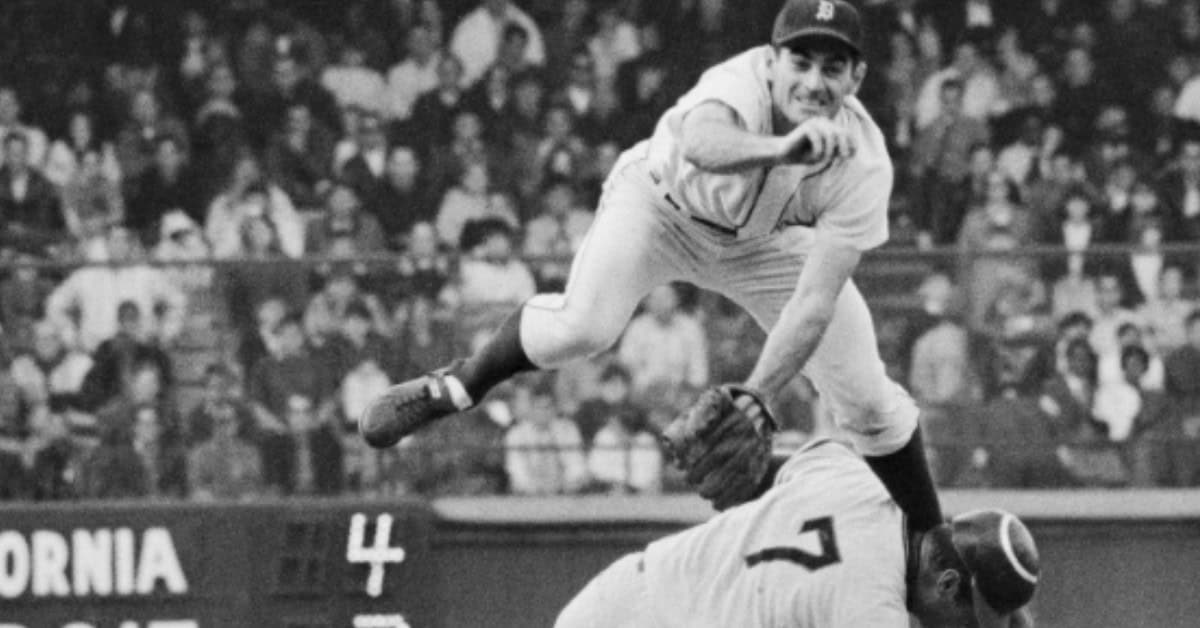
A three-time All-Star, McAuliffe combined unusual power for a shortstop with stellar defense. His 23 home runs in 1964 demonstrated his offensive capability, while maintaining a .247 batting average throughout the decade. McAuliffe’s contributions were crucial to the Tigers’ 1968 World Series championship run.
7. Roy McMillan: The Defensive Specialist
A three-time Gold Glove winner, McMillan set the defensive standard for shortstops in the early 1960s. Despite modest offensive numbers (.242 career average), his exceptional fielding skills and mentorship of younger players made him invaluable. McMillan’s influence on defensive positioning and technique continues to impact the game today.
8. Leo Cardenas: The Reliable All-Star
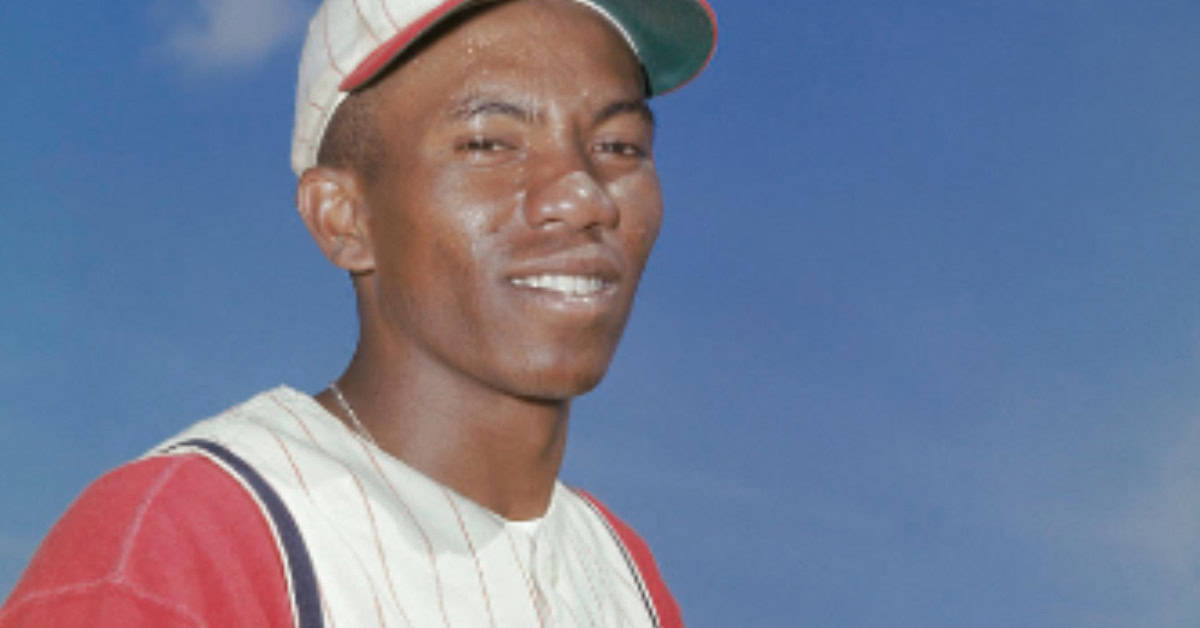
A five-time All-Star during the 1960s, Cardenas combined a strong arm with consistent offensive production. His best season came in 1966, hitting .294 with 20 home runs. Known for his durability and reliability, Cardenas maintained a .267 average throughout the decade while providing steady defense for the Reds.
9. Don Kessinger: The Double Play Master
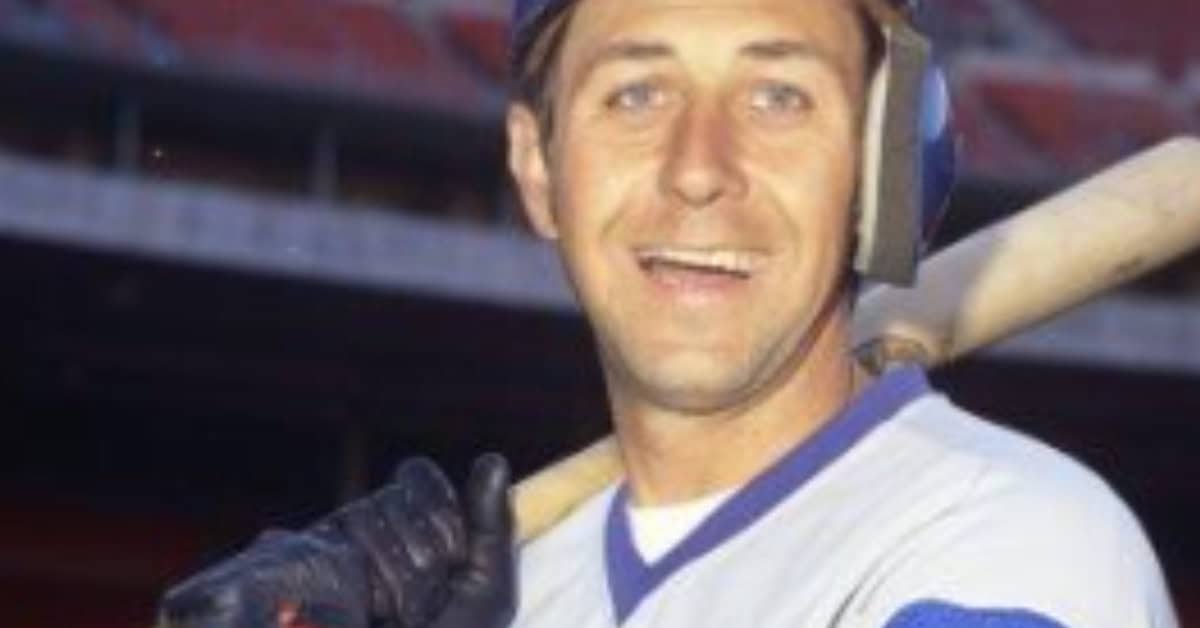
A six-time All-Star, Kessinger earned his reputation through smooth fielding and exceptional double-play ability. Leading NL shortstops in fielding percentage multiple times, he dominated double-play statistics, leading the league four times in the 1960s. His defensive prowess made him a cornerstone of the Cubs’ infield.
10. Zoilo Versalles: The MVP Shortstop
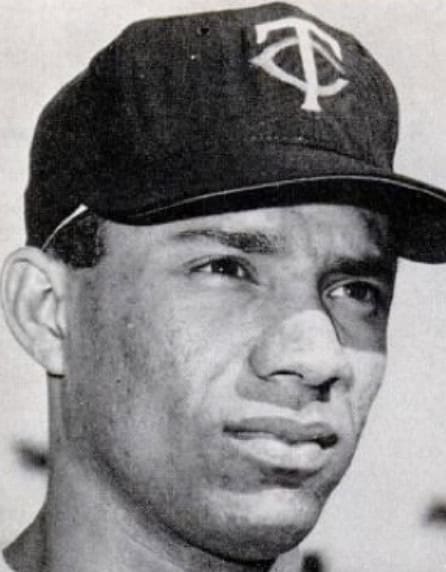
The 1965 AL MVP had a career-defining season, leading the Twins to the pennant with a .273 average, 19 home runs, and 77 RBIs. That year, he led the league in doubles (45), triples (12), and runs scored (126). Though his career peaked early, Versalles’ MVP season ranks among the finest performances by a shortstop in the 1960s.
11. Eddie Brinkman: The Defensive Anchor
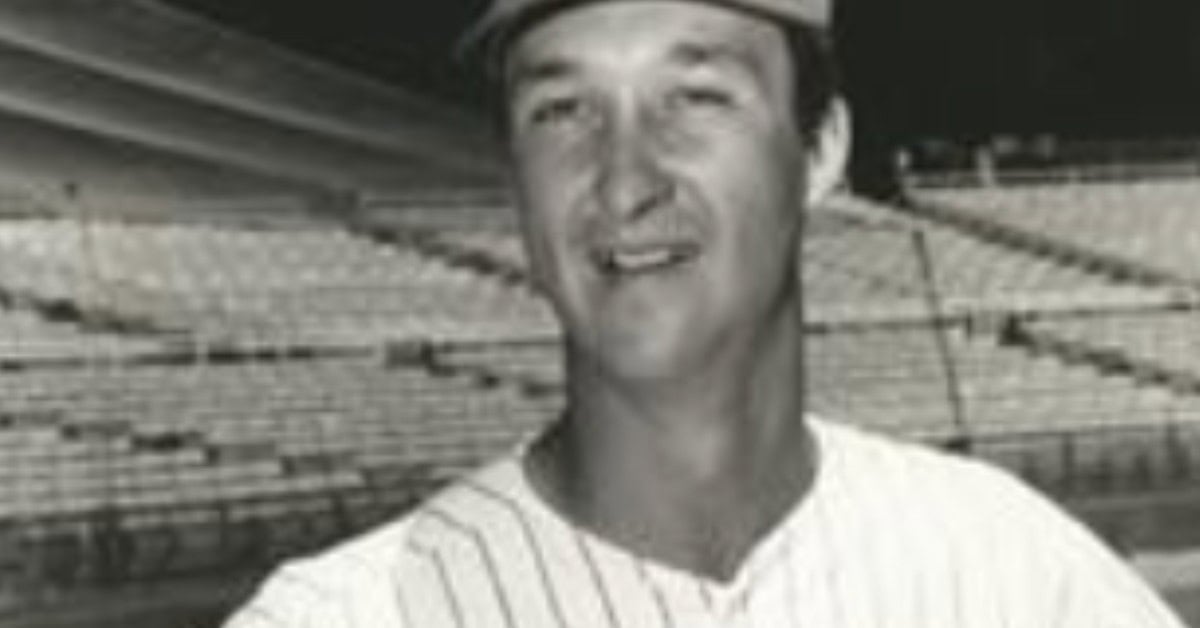
Though his offensive numbers were modest, Brinkman’s defensive excellence made him one of the most reliable shortstops of the 1960s. His sure-handed play and consistency in the field made him an invaluable member of the Washington Senators’ infield, setting standards for defensive reliability at the position.