
Last Updated: June 17th, 2026 by Matthew Brown
Before WAR, launch angles, and exit velocity, MVP voting was as much about story as statistics. Some of baseball’s most fascinating tales belong to MVP winners whose plaques gather dust in Cooperstown – or never made it there at all. Here are ten forgotten MVPs whose stories deserve to be remembered.
Don't lose this article. Enter your email below, and I'll send it to you right now. Plus, we'll send you other unbelievable stories from baseball's past.
Zoilo Versalles: The Cuban Comet Who Lit Up Minnesota’s Only MVP Season
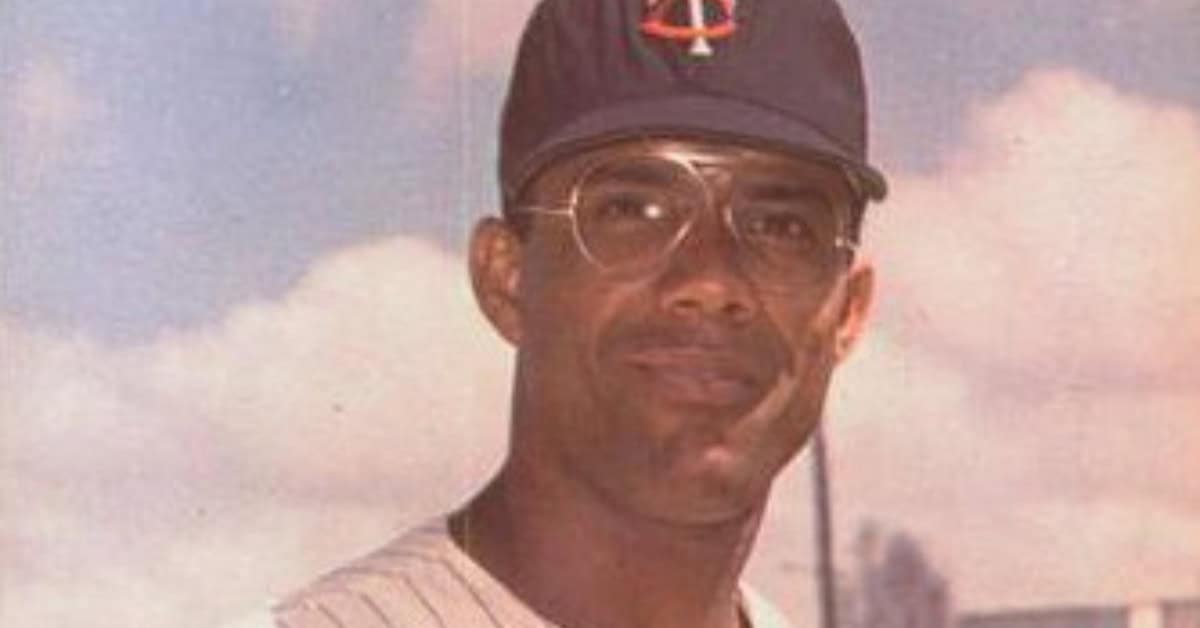
In 1965, this Cuban shortstop made Metropolitan Stadium his personal playground, leading the league in doubles, triples, and total bases. The first Latin American MVP in MLB history, Versalles combined spectacular defense with unexpected power, carrying the Twins to their first pennant. His star burned bright but briefly – by 1968, back problems had dimmed his extraordinary talents.
Hal Newhouser: The World War II Hero Who Stayed Dominant in Peacetime
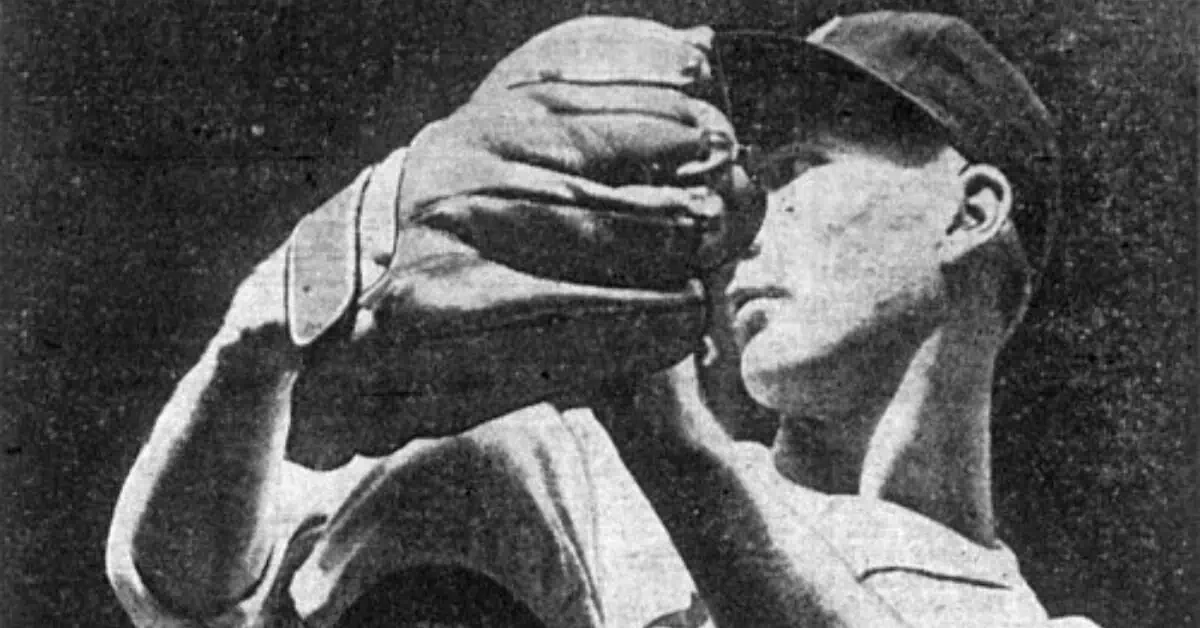
Critics dismissed Prince Hal’s back-to-back MVPs in 1944-45 as wartime flukes. Then the stars came home from war, and Newhouser finished second in MVP voting in 1946, proving his dominance was no accident. The Detroit lefty became baseball’s first $100,000 pitcher, but his greatest victory was silencing those who doubted his wartime achievements.
Don Newcombe: The First Player to Win MVP, Cy Young, and Rookie of the Year
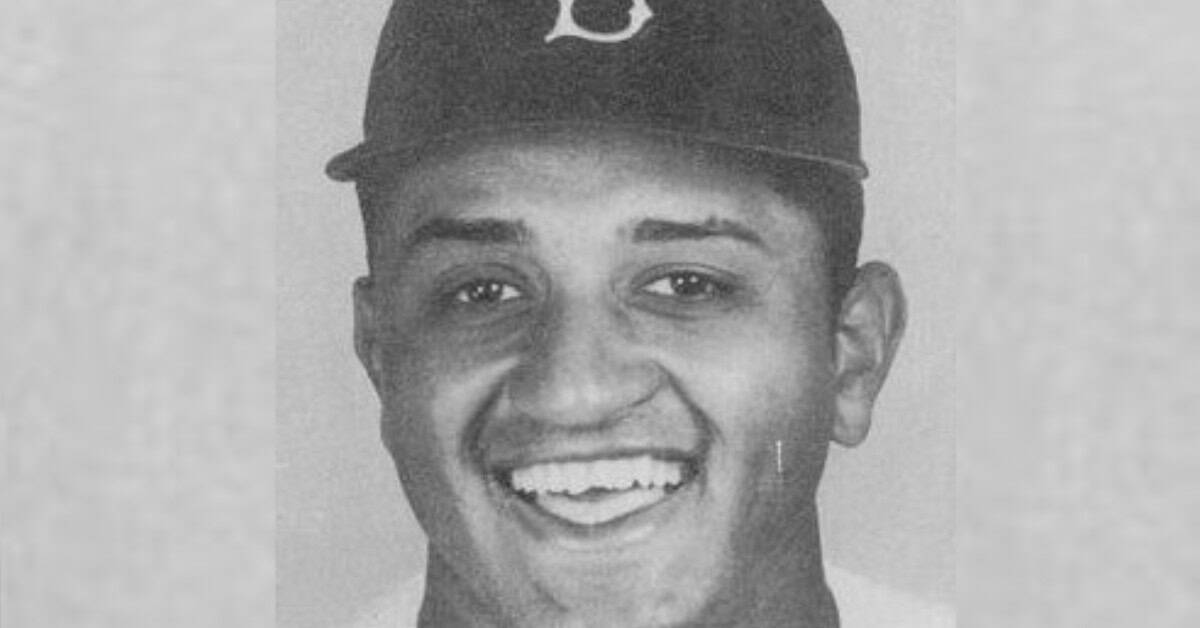
Before Justin Verlander, there was Big Newk. In 1956, this Brooklyn Dodgers ace became the first player to win the MVP, Cy Young, and Rookie of the Year awards in his career. Newcombe’s 27-7 record that season wasn’t just about numbers – it was about breaking barriers and setting standards that would stand for decades.
Dick Groat: When a Basketball Star Became Baseball’s Best (1960)

Before Bo knew baseball, Dick Groat was a two-sport pioneer. A former NBA first-round pick, Groat led the Pirates to the 1960 World Series while winning the batting title and MVP. His .325 average that year proved that basketball’s loss was definitely baseball’s gain.
Bobby Shantz: The 5’6″ Giant Who Dominated the AL in ’52
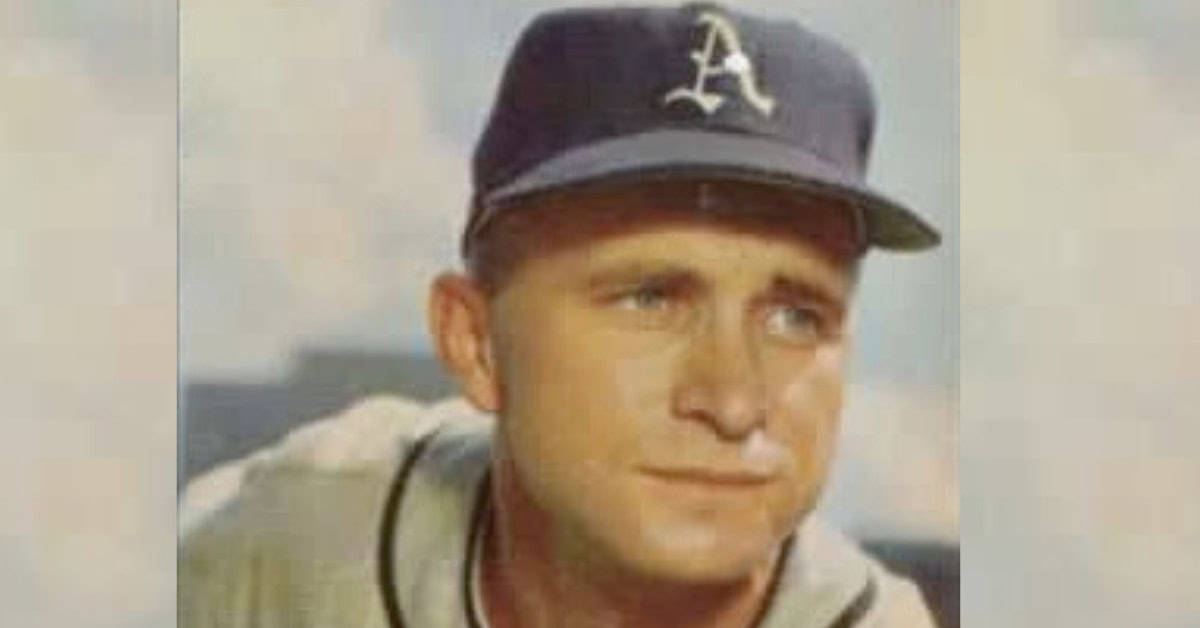
Standing at just 5’6″, Shantz towered over the American League in 1952. The diminutive Philadelphia A’s lefty won 24 games with a 2.48 ERA, proving that in baseball, heart matters more than height. His MVP season remains one of the greatest performances by one of the smallest players in MLB history.
Dolph Camilli: The Dodgers’ First MVP Who Time Forgot
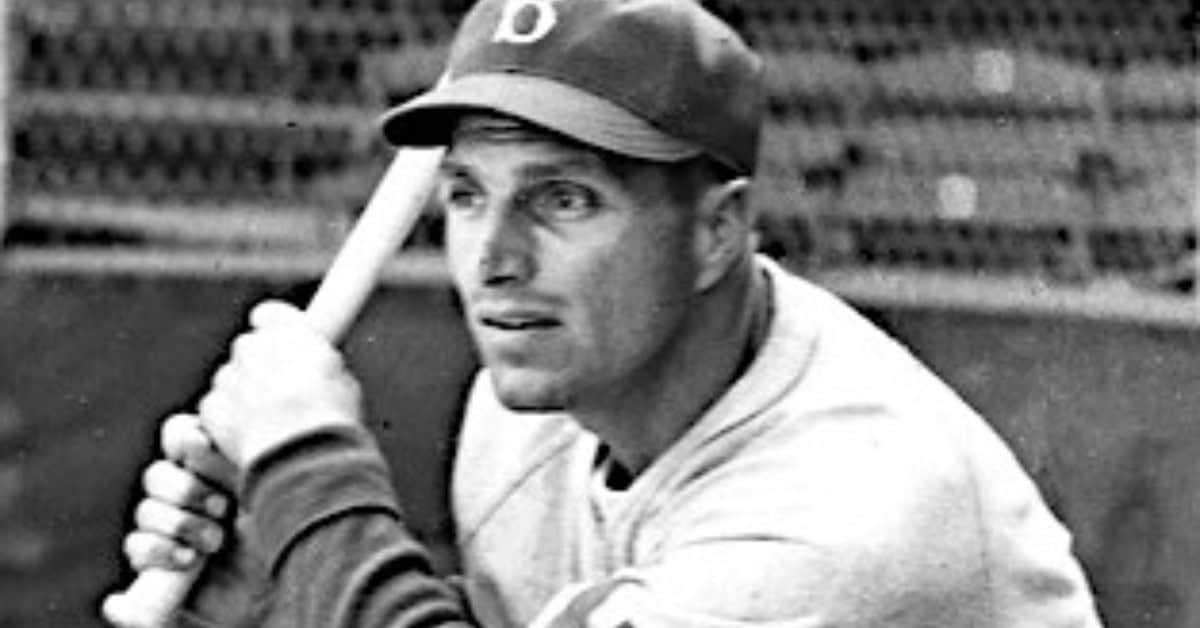
Before Jackie Robinson, before Duke Snider, there was Dolph Camilli. His 1941 MVP season for Brooklyn featured 34 homers and 120 RBIs, but more importantly, he gave the Dodgers their first taste of what a champion looked like. In an era of DiMaggio and Williams, Camilli showed Brooklyn could produce stars, too.
Jim Konstanty: The Reliever Who Changed How Baseball Uses Bullpens
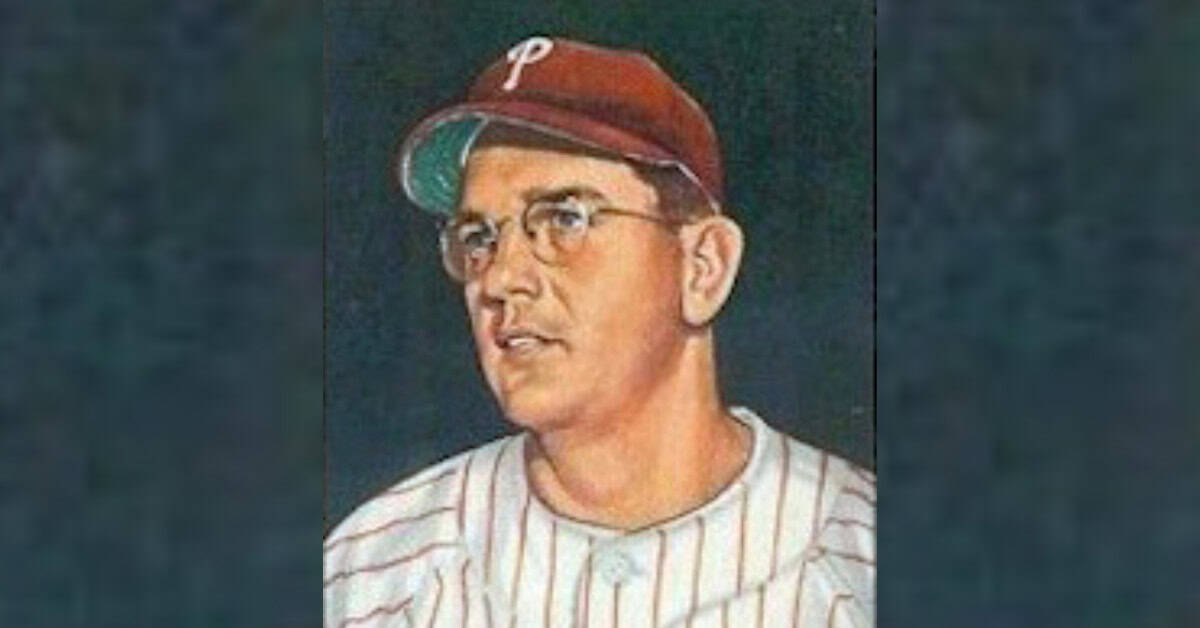
The 1950 National League MVP never started a game that season until the World Series. Konstanty appeared in 74 games, all in relief, revolutionizing how teams thought about bullpen usage. His MVP award legitimized relief pitching as a crucial part of baseball strategy.
Jackie Jensen: The Golden Boy Who Walked Away at His Peak
The 1958 AL MVP was a Hollywood story cut short. Jensen’s fear of flying eventually forced him to retire in his prime, but not before he proved himself one of baseball’s most complete players. His 122 RBIs led the league in his MVP season, making his early retirement even more poignant.
Spud Chandler: The Yankees’ Only Pitching MVP You Never Heard Of
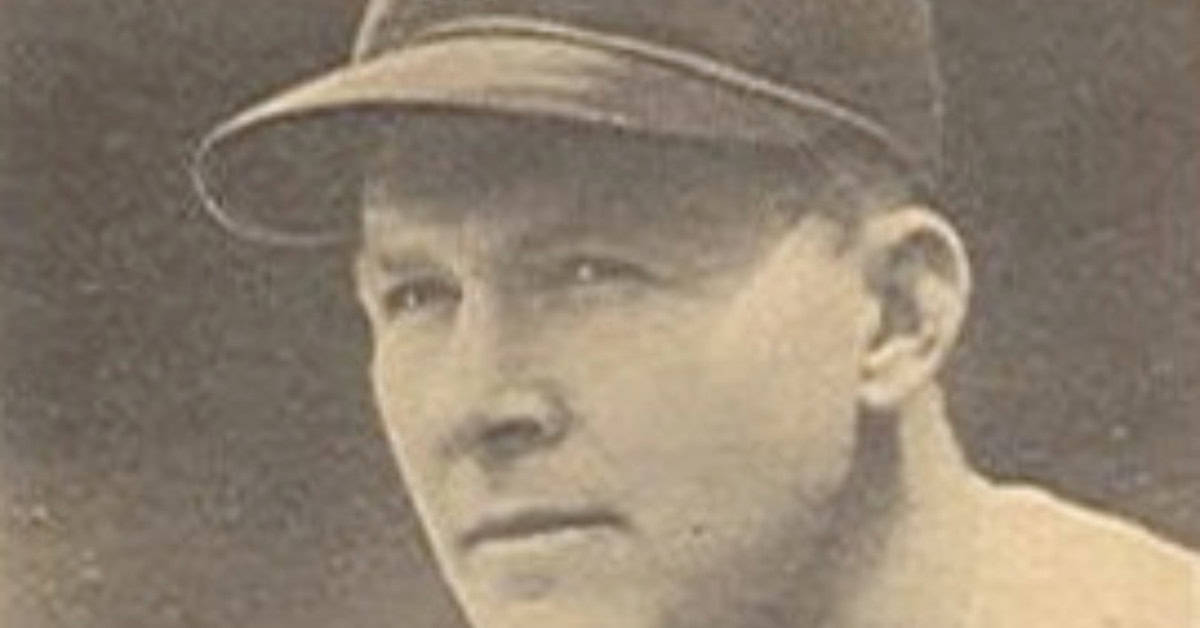
In 1943, this Georgia native posted a microscopic 1.64 ERA while winning 20 games, becoming the only Yankees pitcher to win MVP. Chandler’s dominance came during wartime, but his .717 career winning percentage remains the highest ever for a pitcher with at least 100 wins.
Keith Hernandez: The Shared MVP That Changed How We Value Defense
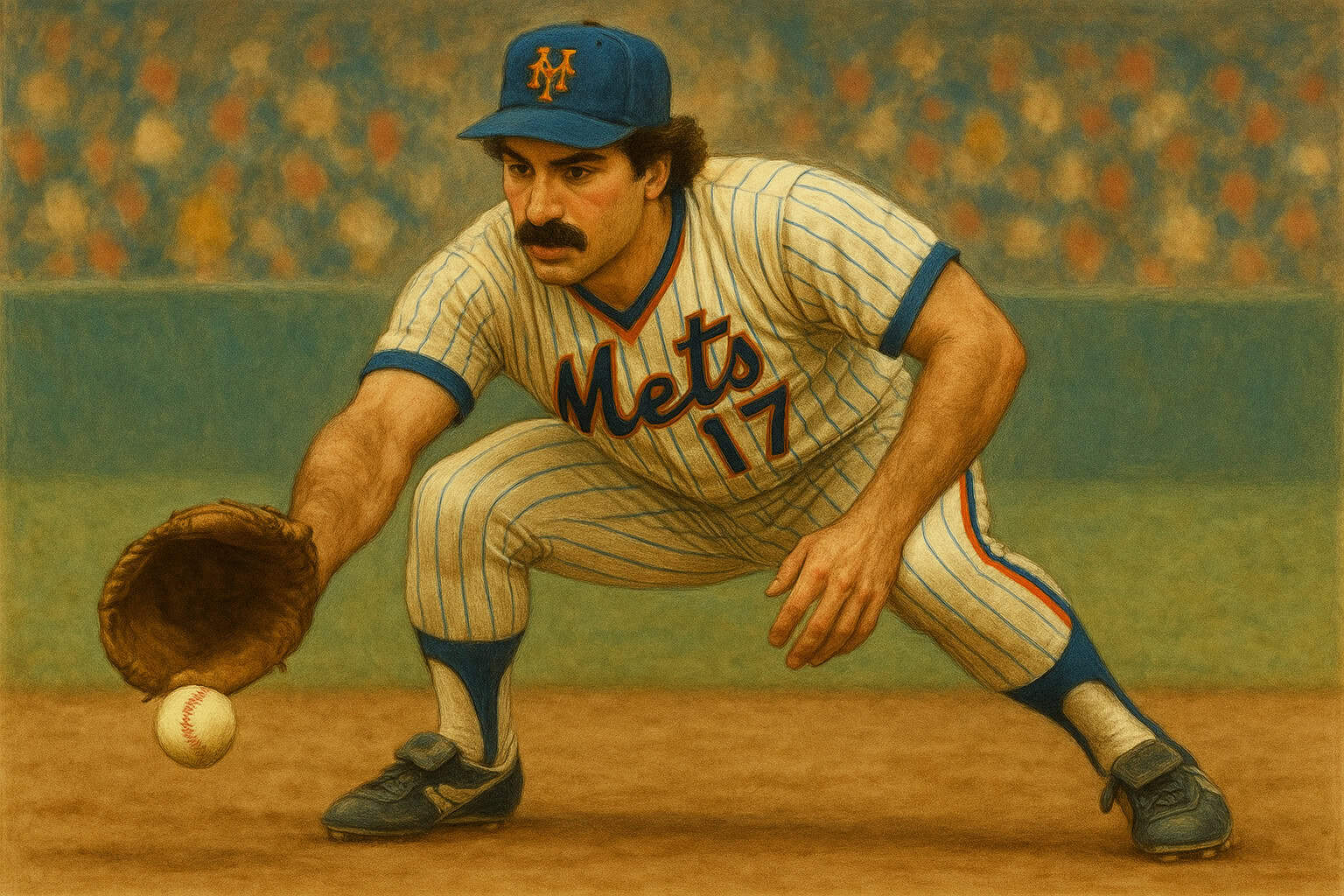
When Hernandez shared the 1979 NL MVP with Willie Stargell, it marked the first time voters truly recognized defensive excellence at first base. His revolutionary fielding and .344 batting average proved that first basemen could be more than just sluggers. Every smooth-fielding first baseman today owes a debt to Mex.