


Last Updated: June 17th, 2026 by Michael Griffin
Many people who grew up during the 1980s often wax nostalgic about this decade. They rave about the music, the movies, TV shows, and fashion (“eh” to that one). While some might view the ’50s as the golden era in baseball, others argue it was the ’80s.
Don't lose this article. Enter your email below, and I'll send it to you right now. Plus, we'll send you other unbelievable stories from baseball's past.
To them, it represented the sweet spot between tradition and modernity—before corporate luxury boxes took over and when a ballgame still felt like a ballgame. Pull up a seat as we revisit an era when artificial turf was cutting-edge, but the game itself was purely authentic.
When Complete Games Were a Badge of Honor
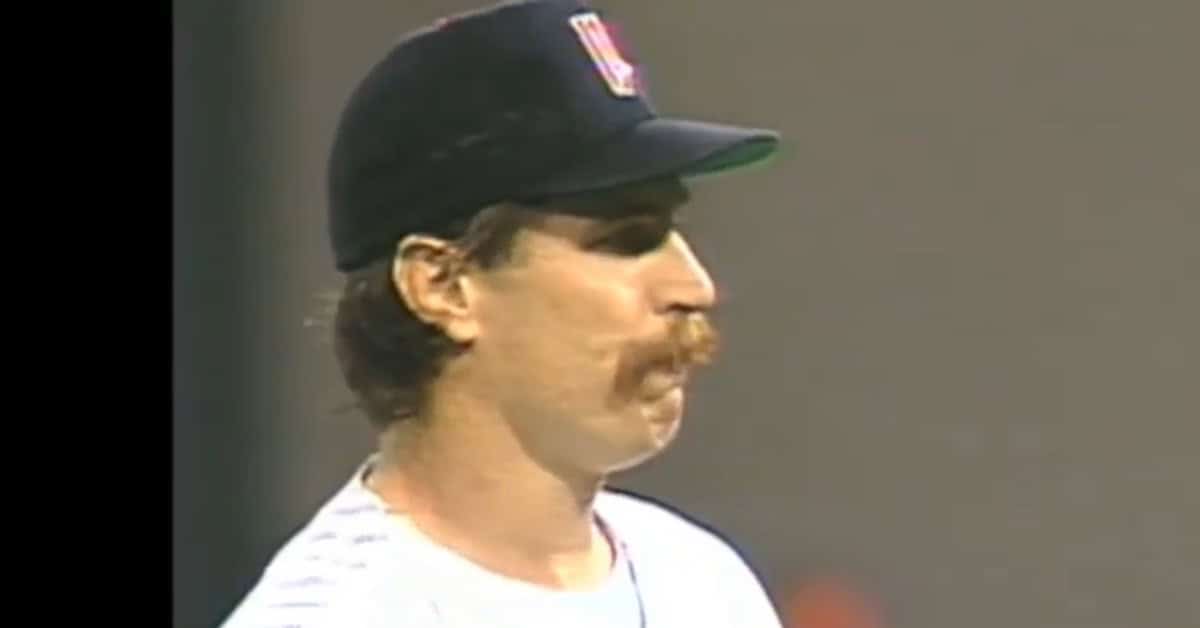
In 1985, an astounding 161 pitchers threw at least one complete game. The concept of a “quality start” would have been laughable – you either finished what you started or you failed. Workhorses like Jack Morris and Fernando Valenzuela regularly went the distance, and getting pulled before the ninth inning was seen as a personal affront. While some starting pitchers today do get to congratulate the catcher at the end, most of them are looking at the bullpen by the sixth or seventh.
Pitchers Actually Had to Hit (And Some Were Good)

Before the designated hitter invaded the National League, pitchers took pride in their batting practice. Rick Rhoden was so good with the bat that the Yankees actually used him as a DH in 1988. Steve Carlton (pictured) could swing the bat. Pitchers knew how to bunt, move runners over, and occasionally drive one into the gap – it was part of their job description. They just looked ridiculous wriggling into a jacket on a 95-degree day to “keep their arm warm.”
Base Stealing Was an Art Form, Not a Stat

Rickey Henderson, Vince Coleman, and Tim Raines turned base stealing into high drama. This wasn’t about launch angles or exit velocity but pure speed, instinct, and the psychological warfare between runner and pitcher. When Henderson took his lead off first, entire stadiums held their breath. This could become more of a strategy again with larger bases and players like Elly De La Cruz and Chandler Simpson being able to run at warp speed.
The Real Meaning of “Warning Track Power”
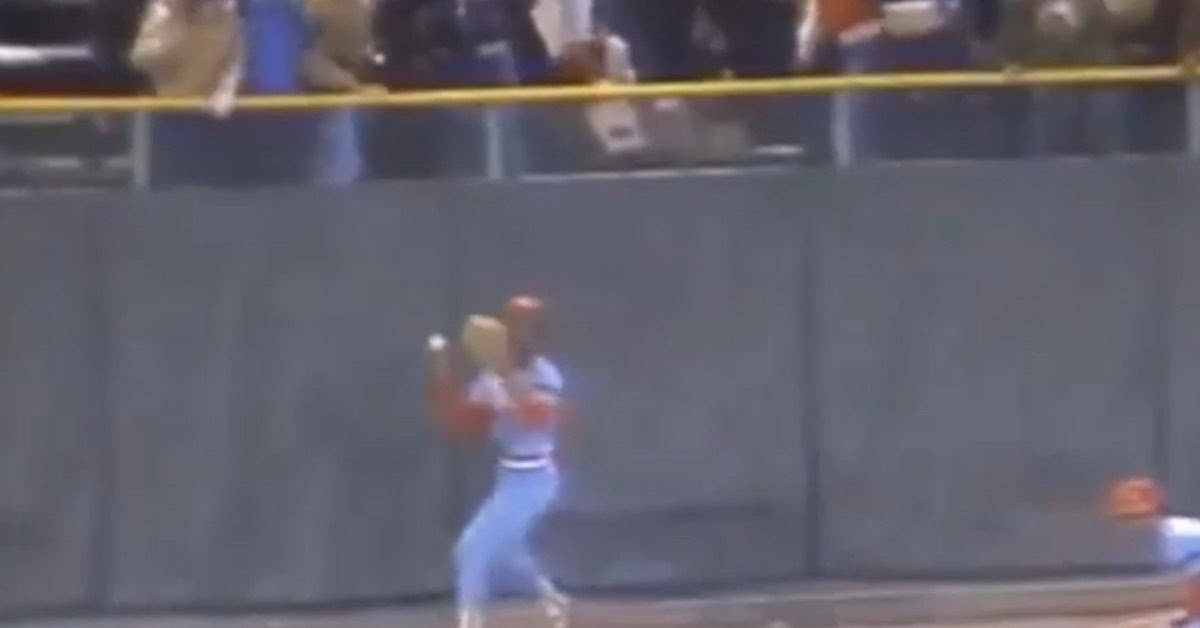
Before juiced balls and bulked-up sluggers, a 400-foot fly ball was a genuine achievement. Outfielders played honest depths, and the warning track was where many a mighty blast went to die. When someone hit 30 home runs in a season, it actually meant something.
Before Steroids Changed the Game Forever

Players looked like regular athletes – some lean, some stocky, but all natural. When Andre Dawson launched 49 homers in 1987, it was through pure talent and hard work. Bo Jackson looked like a work of art. The record books still meant something, and 61 home runs seemed like an unbreakable mark.
When Switch-Hitting Was a Prized Skill

Switch-hitters were baseball’s chess masters, forcing pitchers to abandon their preferred breaking balls. Eddie Murray and Willie Wilson didn’t just switch-hit – they mastered the art from both sides, making every pitching change a strategic nightmare for managers.
The Glory Days of the Hit-and-Run
Small ball was king; no play exemplified it better than the hit-and-run. Teams manufactured runs through perfectly timed plays that required coordination, skill, and guts. It wasn’t just about waiting for the three-run homer but executing when it mattered most. Whitey Herzog’s Cardinals teams epitomized that mindset.
When Pitchers Threw 150+ Pitches Without Drama

Pitch counts were for wimps. Nolan Ryan would regularly throw deep into games with pitch counts that would give today’s analytics departments heart attacks. Starting pitchers were conditioned to go the distance, and they did – game after game, season after season.
Infielders Turned Double Plays Without Replay Reviews

The neighborhood play was an art form, not a video review opportunity. Middle infielders had their styles of turning two, and nobody spent five minutes analyzing freeze frames. The ump made the call, and the game moved on – simple as that.
When Pinch Hitters Were Actual Specialists

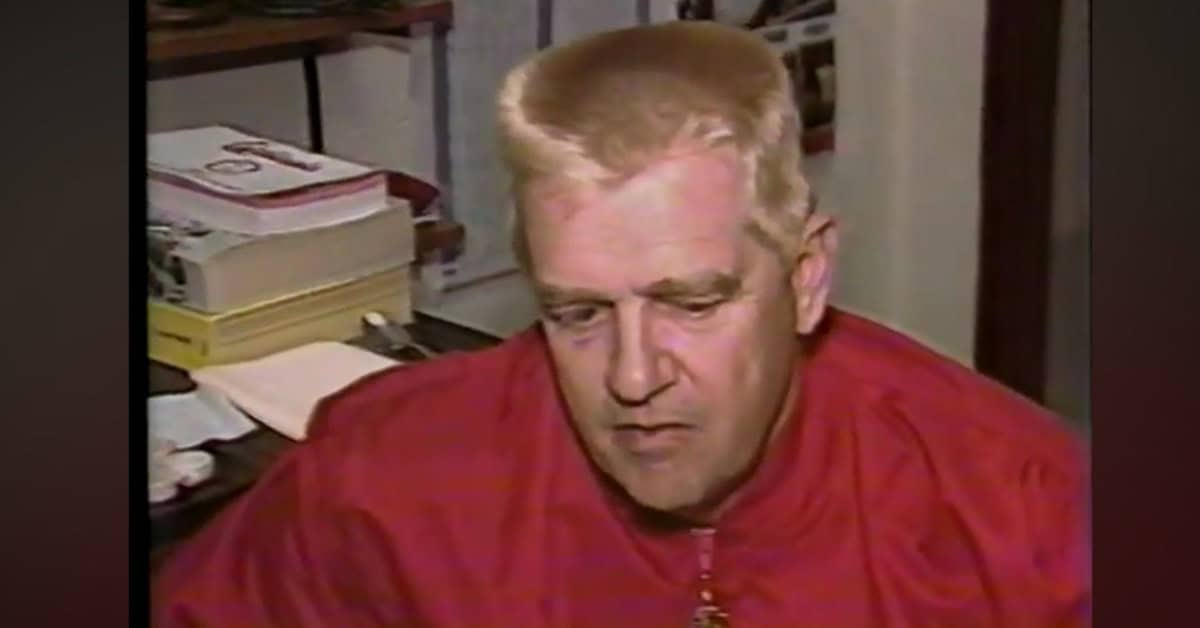
Guys like Manny Mota, Rusty Staub (pictured), and Gates Brown made careers out of coming off the bench cold and delivering in the clutch. These weren’t just regular players getting a day off – they were specialists who mastered the art of the one-at-bat appearance.
The Lost Art of the Suicide Squeeze
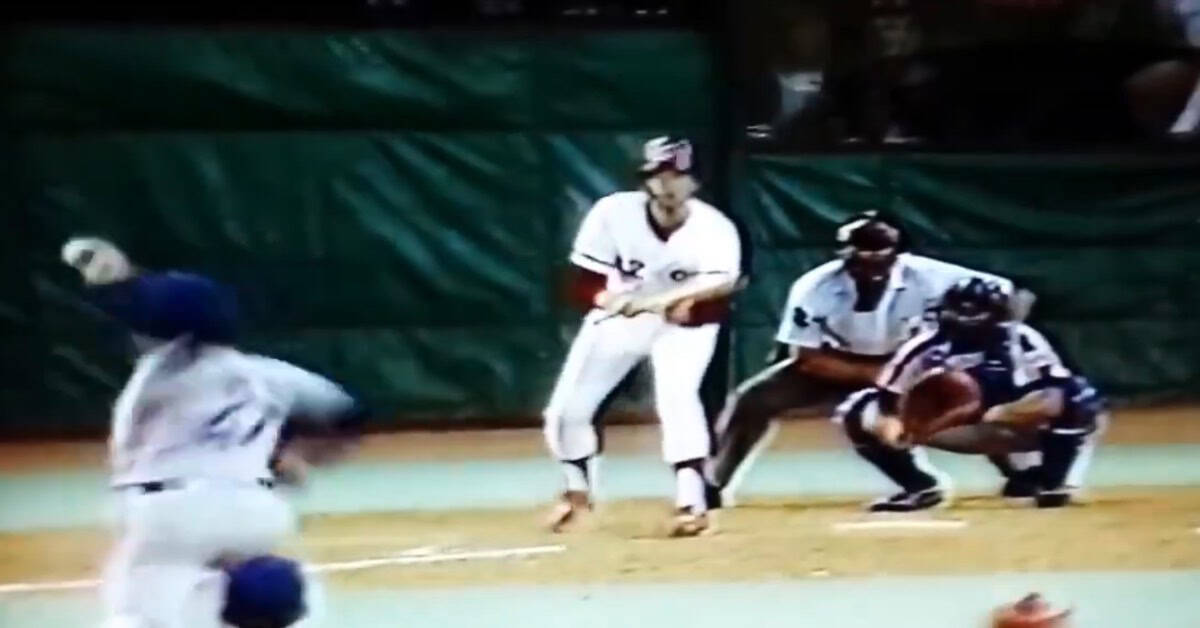
Nothing said “trust your teammate” like breaking for home before the pitch was thrown. The suicide squeeze was baseball’s ultimate high-wire act – a play that required perfect timing, nerves of steel, and absolute faith in your batter. When it worked, it was poetry in motion. Now, many baserunners stay put at third, hoping to either get driven in by a hit or a sacrifice fly.