
Last Updated: June 17th, 2026 by Matthew Brown
Every ballpark tells a story, but some features become legends in their own right. From walls that turned doubles into singles to hills that made center fielders look like mountain climbers, these architectural quirks didn’t just change how the game was played—they became characters in baseball’s ongoing drama.
Don't lose this article. Enter your email below, and I'll send it to you right now. Plus, we'll send you other unbelievable stories from baseball's past.
Fenway’s Green Monster: Baseball’s Great Green Wall
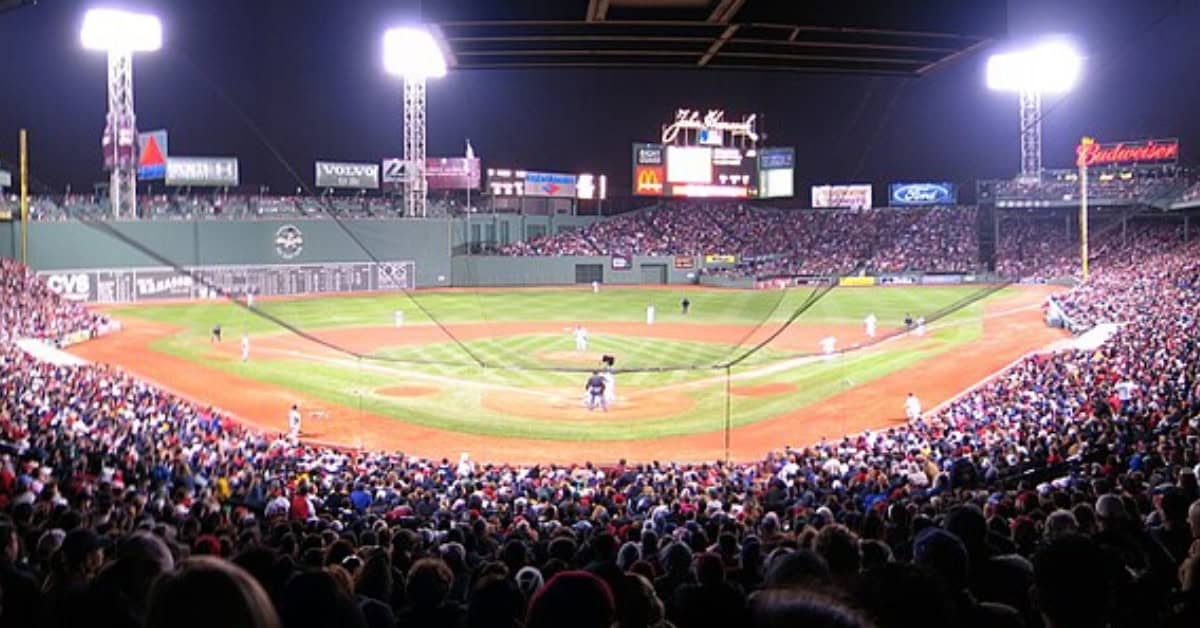
Standing 37 feet 2 inches tall, the Green Monster has been turning line drives into singles since 1934. What began as a practical solution to prevent freeloaders on Lansdowne Street became baseball’s most iconic wall, complete with a manually operated scoreboard that still uses numbers changed by hand from behind the wall.
Wrigley’s Ivy: When Outfields Grew Gardens
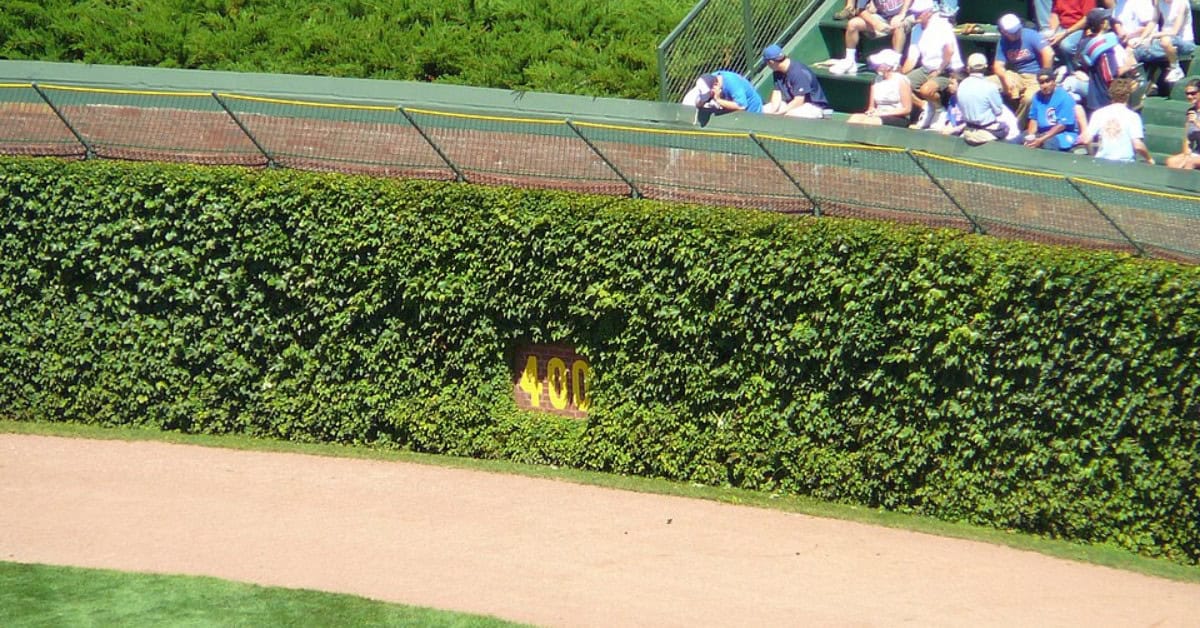
Planted in 1937, Wrigley’s Boston ivy turns the outfield wall into a living, breathing entity that changes with the seasons. Ground rules state that if a ball gets stuck in the ivy, it’s a ground-rule double—but only if the outfielder raises his hands. Otherwise, it’s fair game to go vine diving.
Death Valley: Yankee Stadium’s Left-Center Graveyard
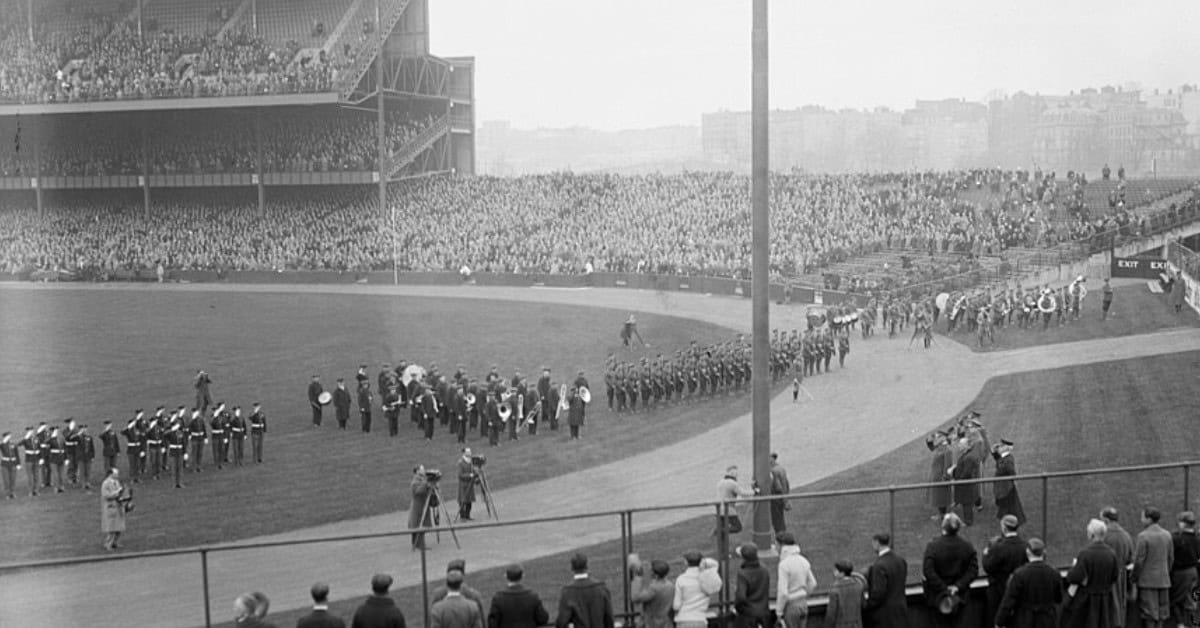
Before 1976, left-center field in the original Yankee Stadium stretched to 457 feet—so far that even Mickey Mantle couldn’t conquer it consistently. This expanse of green earned the nickname “Death Valley,” where would-be home runs went to die and center fielders needed a compass to play the position.
Tal’s Hill: Houston’s Mountain in Center Field
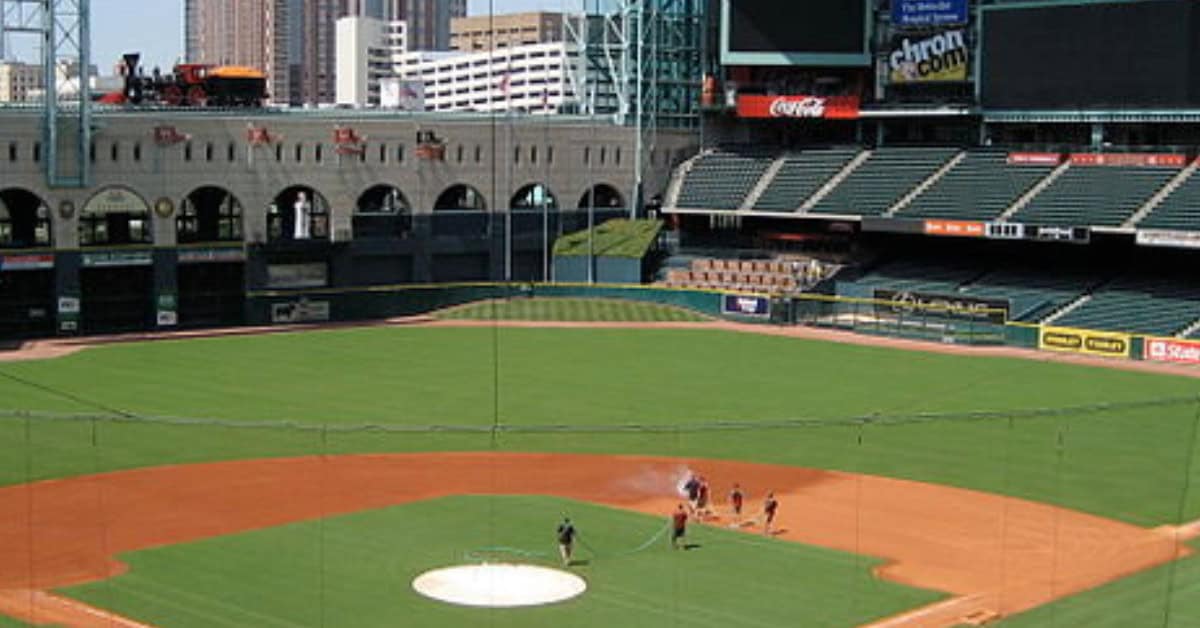
Until 2016, Minute Maid Park featured a 90-foot-wide hill with a 30-degree incline in center field, complete with a flagpole in play. Named after former team president Tal Smith, this quirky feature turned routine fly balls into adventure sports, creating some of baseball’s most spectacular catches.
The Warehouse: Camden Yards’ Brick Backdrop
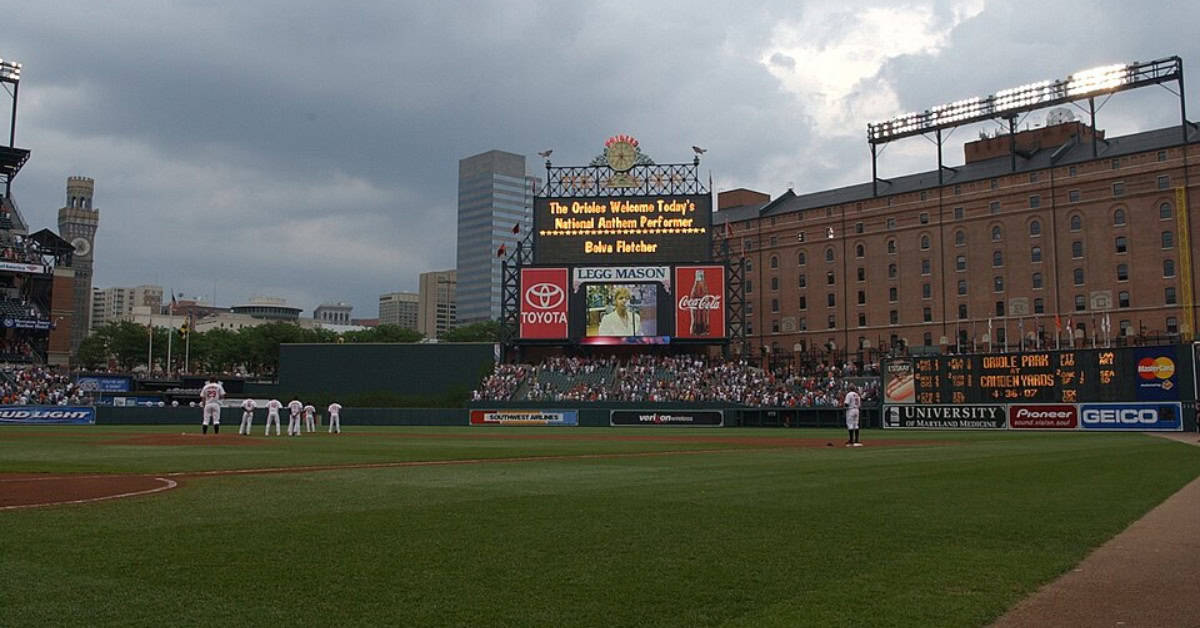
The B&O Warehouse stands 439 feet from home plate, a red-brick giant that’s never been hit during a regular-season game. Only Ken Griffey Jr., during the 1993 Home Run Derby, has managed to tag it—a feat commemorated by a small plaque that reminds us some records are meant to stand forever.
McCovey Cove: San Francisco’s Splash Zone
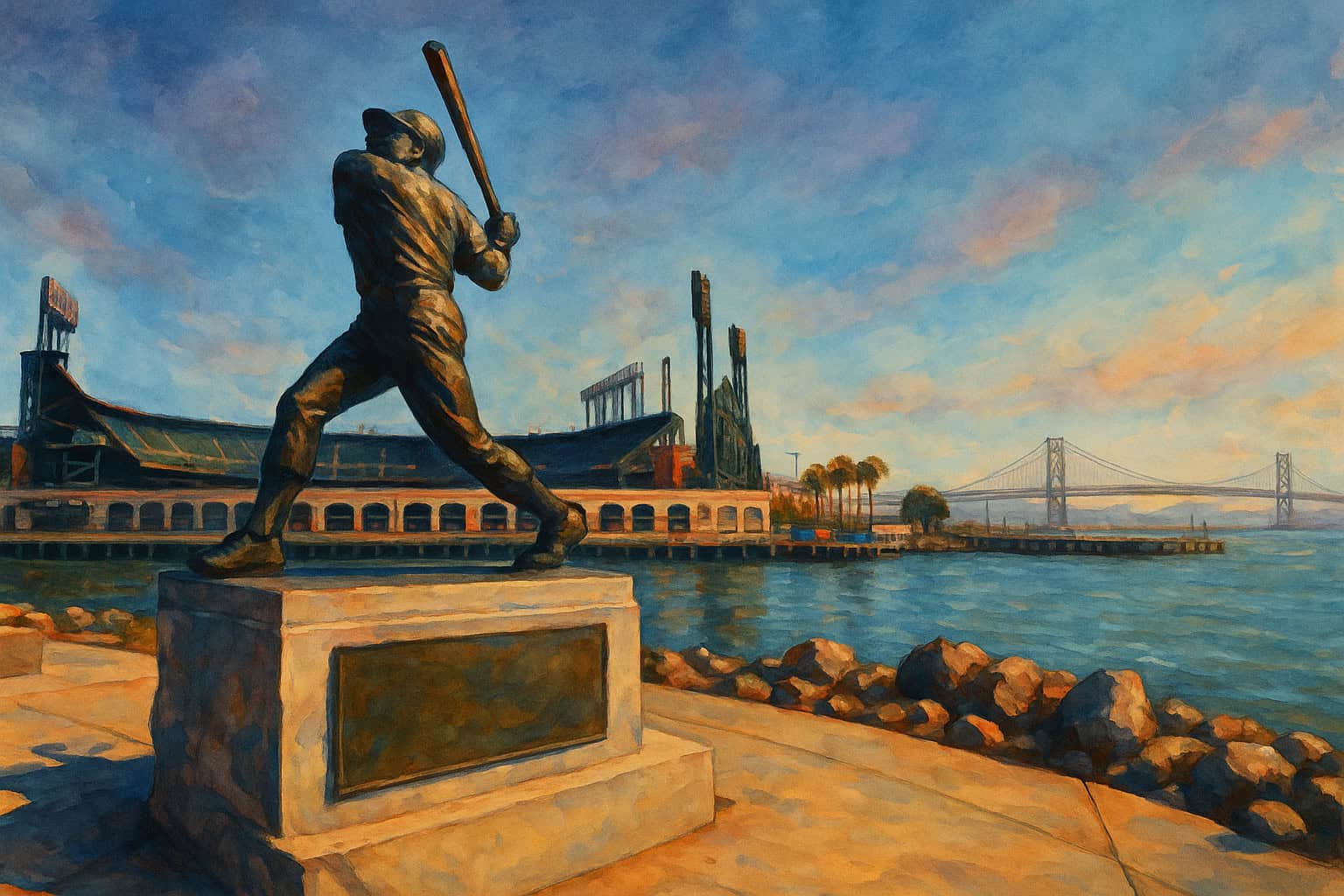
Named after Giants legend Willie McCovey, this slice of San Francisco Bay beyond right field has become baseball’s most famous fishing spot. Kayakers paddle for position, hoping to snag a “Splash Hit”—a feat accomplished only 92 times since the park opened, with Barry Bonds accounting for 35 of them.
The Crosley Field Terrace: Cincinnati’s Sloping Outfield
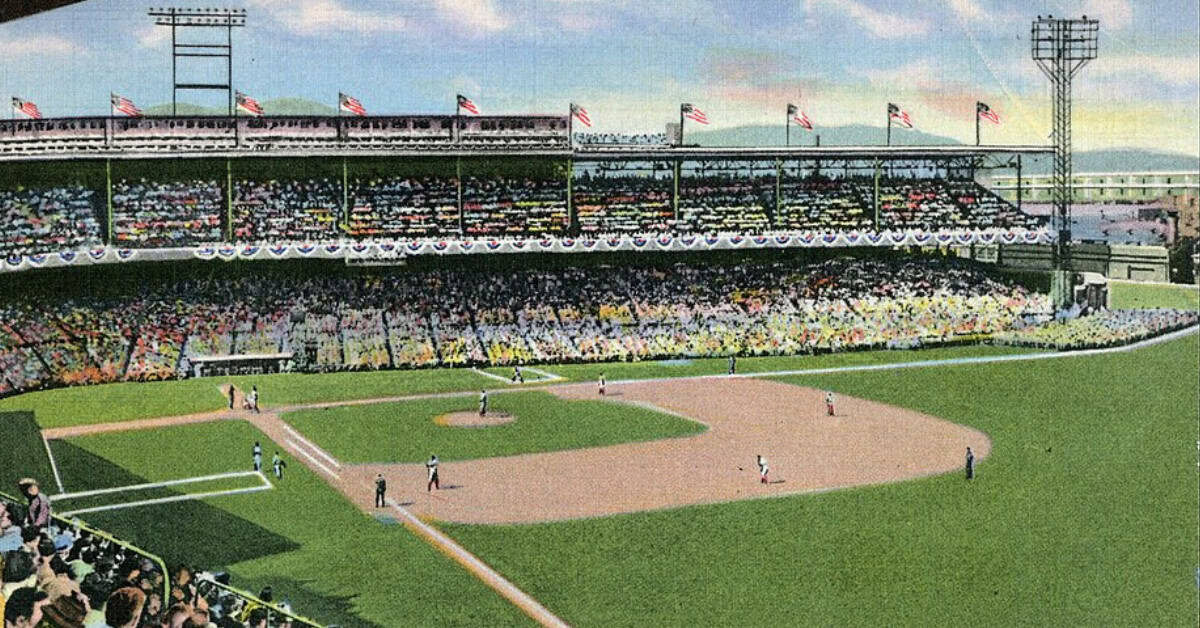
From 1912 to 1970, Crosley Field featured a unique 15-degree upward slope in left field, creating baseball’s most challenging terrain. Outfielders had to play uphill while tracking fly balls, leading visiting players to claim they needed mountain climbing gear instead of baseball cleats.
Tiger Stadium’s Right Field Overhang: The Deck That Ate Homers
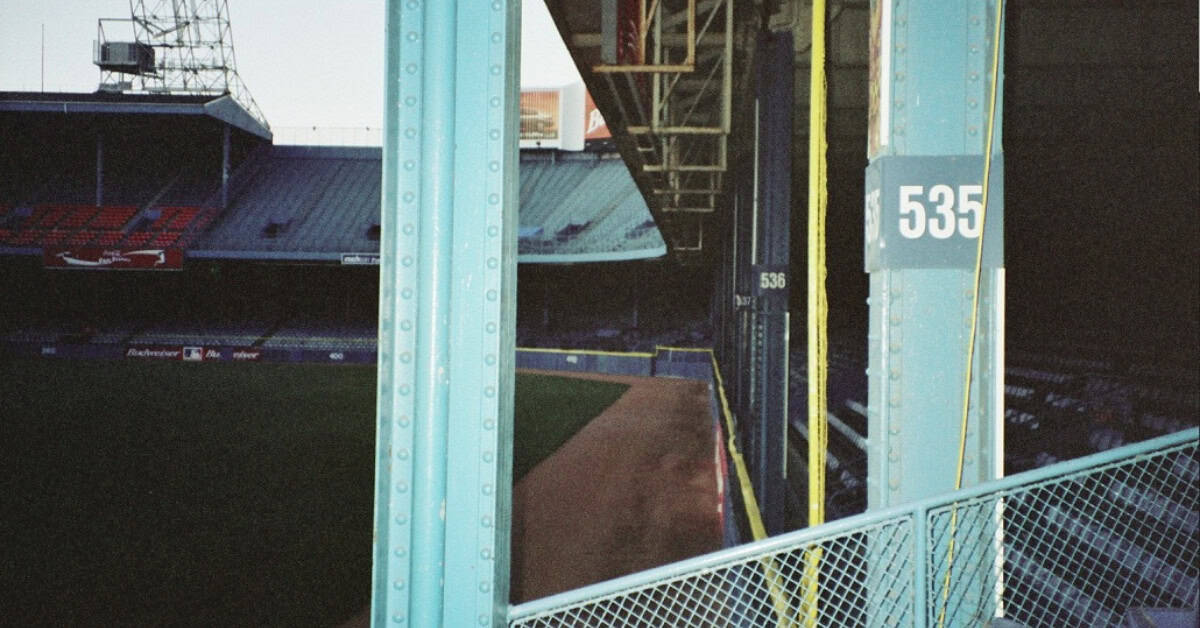
The upper deck in right field hung 10 feet over the playing field, turning routine fly balls into home runs and giving right fielders migraines. Sluggers learned to aim for this overhang, while visiting managers argued it was like playing in someone’s living room.
The Polo Grounds’ Horseshoe: 483 Feet to Dead Center
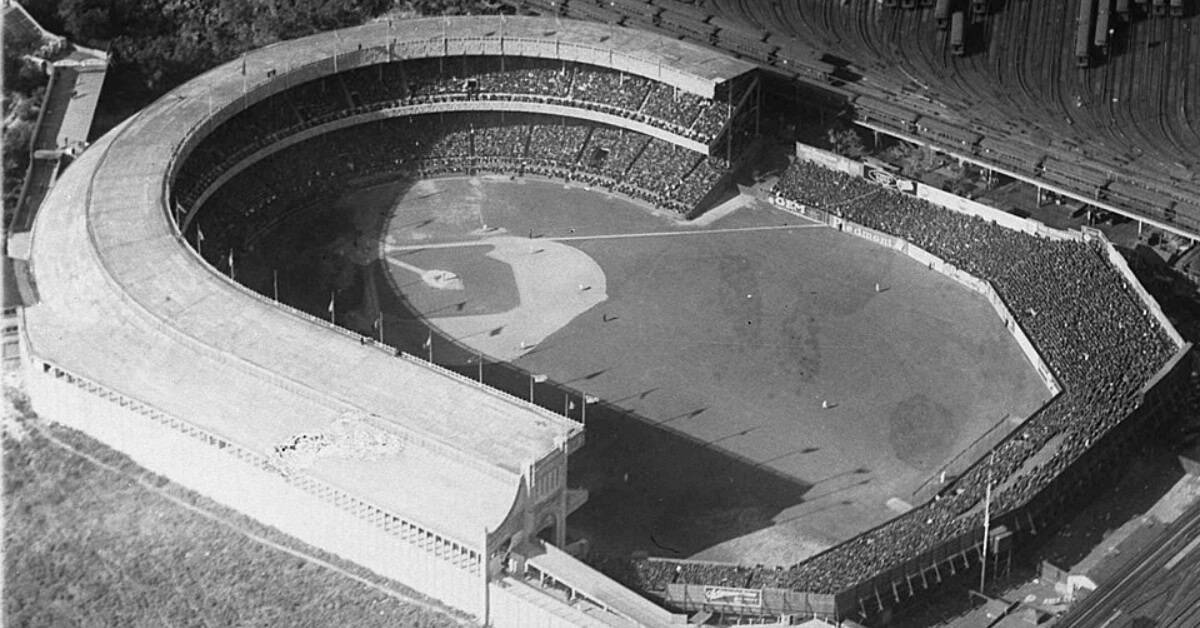
The Polo Grounds’ bizarre dimensions—279 feet down the lines but 483 feet to center—created baseball’s most peculiar playing field. A home run could be a pop-up or a 500-foot blast, depending on which direction the ball flew, leading to some of the game’s most memorable catches and shortest home runs.
The Astrodome’s Scoreboard: Judge Hofheinz’s Light Show
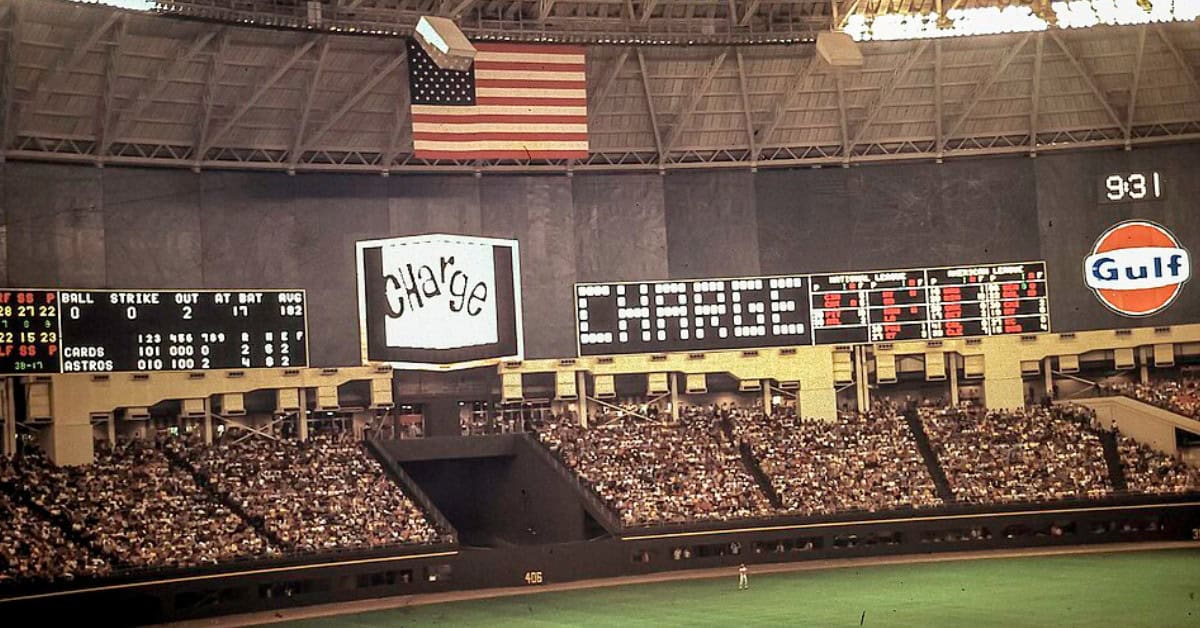
The “Eighth Wonder of the World” featured a 474-foot-long scoreboard that shot off animated cowboys, snorting bulls, and galloping horses after Astros home runs. This electronic extravaganza made every Houston homer feel like a Texas-sized celebration, complete with six-shooters and fireworks.
Comiskey’s Exploding Scoreboard: The Original Fireworks Display

Bill Veeck’s pinwheel scoreboard, installed in 1960, revolutionized baseball celebrations with its fireworks and sound effects. Every White Sox home run triggered a spectacular light and sound show that made opposing pitchers wish they’d called in sick that day.
Forbes Field’s Ivy-Covered Walls: Before Wrigley Had The Idea
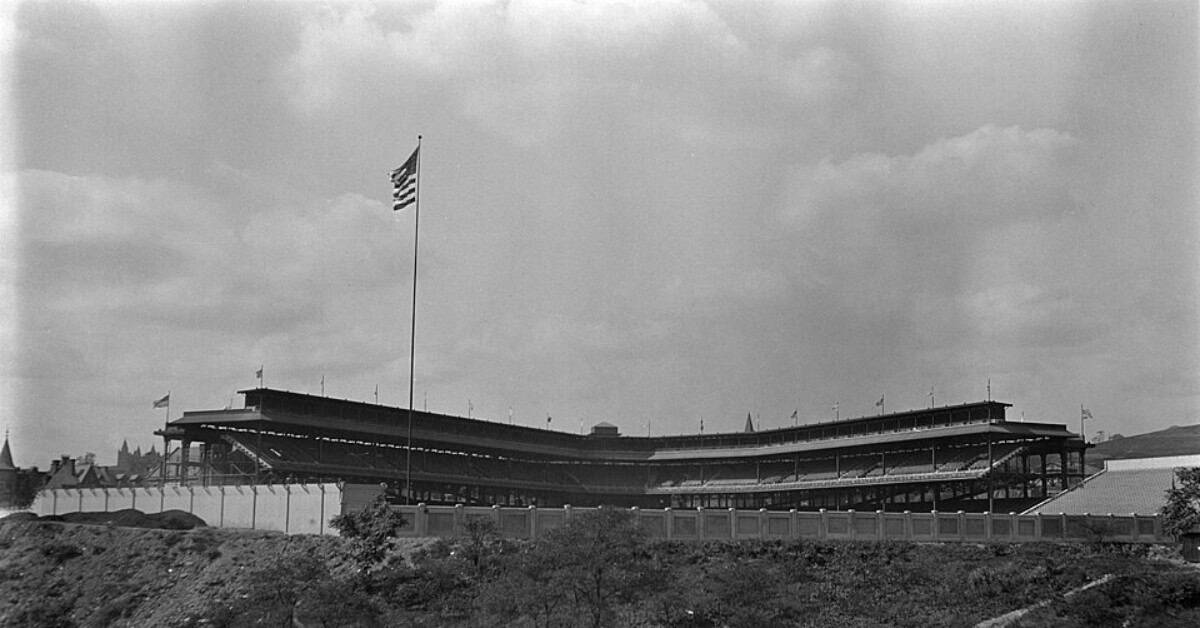
Pittsburgh’s Forbes Field actually beat Wrigley to the ivy-covered wall concept, with vines planted in 1909, 28 years before Chicago caught on. The walls also featured phone booths for the bullpen, letting relievers call in for takeout during extra-inning games.
The Kingdome’s Concrete Ceiling: Where Fly Balls Disappeared
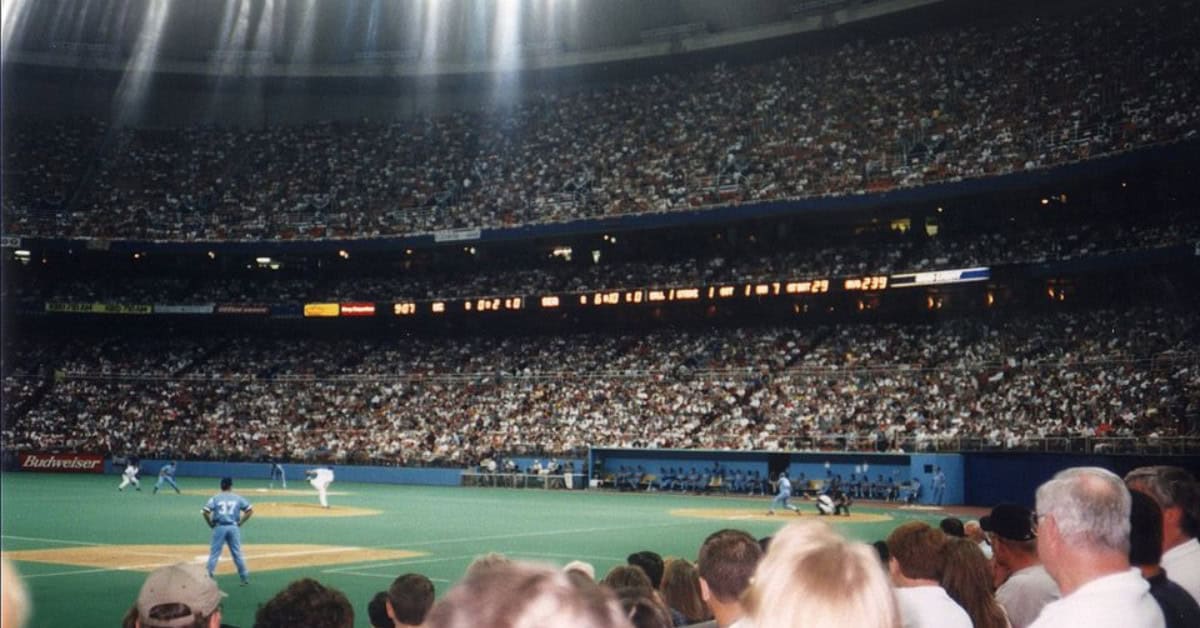
Seattle’s concrete cavern featured speakers, pipes, and rafters that turned routine pop-ups into adventures in geometry. Players needed a degree in physics to track fly balls against the gray ceiling, leading to some of baseball’s most comical lost-in-flight moments.
Olympic Stadium’s Tower: Montreal’s Tilted Giant
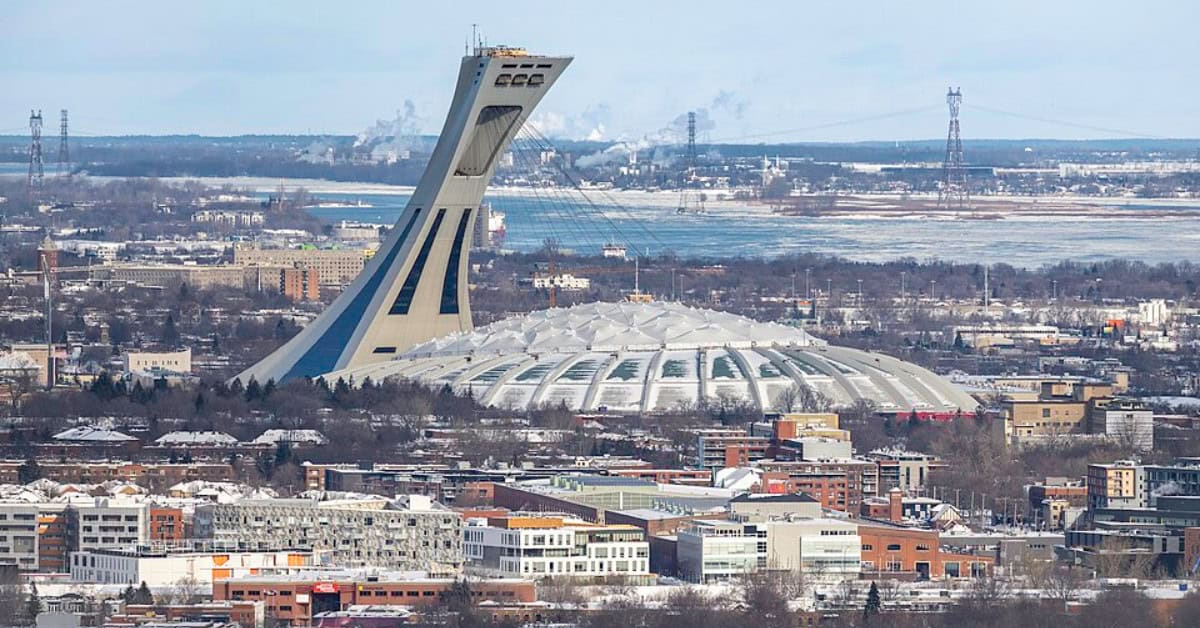
The world’s tallest inclined structure loomed over Olympic Stadium like a space-age sundial. When it worked, the retractable roof was a marvel; when it didn’t, the Expos played under conditions that made baseball in Montreal feel like performance art.
The Baker Bowl’s Right Field: The Original Short Porch
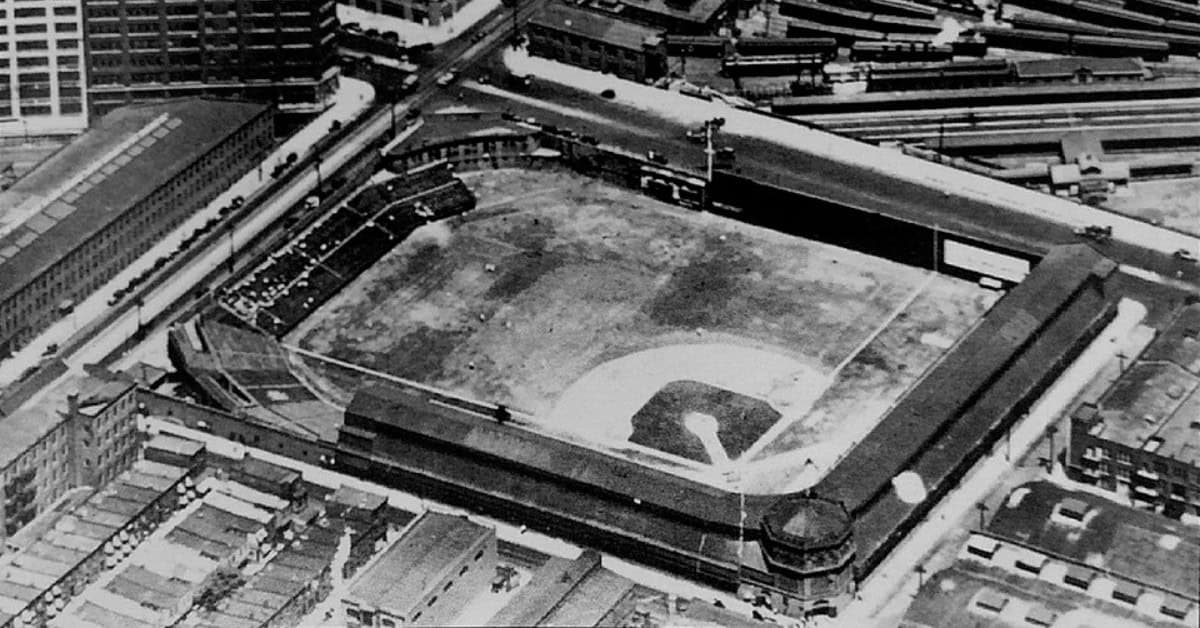
Philadelphia’s Baker Bowl featured a right field wall just 280 feet from home plate, but it stood 60 feet high and was covered in tin. This metallic monster turned routine fly balls into pinball games, complete with the sound effects of balls pinging off its surface.