

Last Updated: June 17th, 2026 by Matthew Brown
Baseball may be steeped in tradition, but the game we love has been constantly evolving. From technological breakthroughs to rule changes that sparked heated debates at every bar and barbershop, these innovations transformed America’s pastime—sometimes for better, sometimes for worse, but always memorably.
Don't lose this article. Enter your email below, and I'll send it to you right now. Plus, we'll send you other unbelievable stories from baseball's past.
The Designated Hitter (1973): When Pitchers Lost Their Bats

When Ron Blomberg stepped to the plate as baseball’s first DH in 1973, purists cried foul while American League fans celebrated the end of watching pitchers flail away. The DH rule split baseball into two philosophical camps. It sparked arguments that continue five decades later, proving that not all progress is universally welcomed, though it’s widely enforced as the DH has expanded to the National League.
Night Baseball (1935): When the Game Lit Up America

On May 24, 1935, President Roosevelt pressed a button in Washington that turned on the lights at Cincinnati’s Crosley Field, and baseball entered the modern age. Night games allowed working fans to attend, transformed the sport’s economics, and created a magical atmosphere where the crack of the bat echoed through warm summer evenings.
Astroturf (1966): The Carpet That Changed Everything
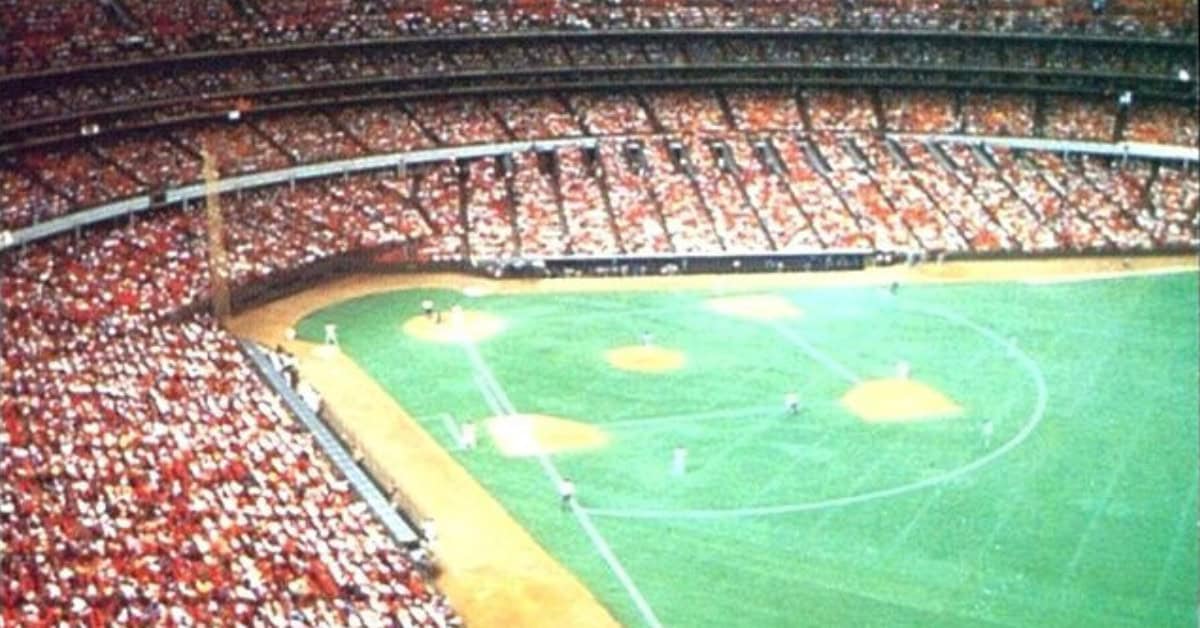
When the Astrodome’s grass died from lack of sunlight, necessity birthed the invention of artificial turf. The green carpet changed the game’s speed, created wicked bounces, and gave a generation of players carpet burns. Some loved it, some hated it, but nobody could ignore how it transformed the game’s strategy.
The Batting Helmet (1956): Safety Finally Comes First

After decades of batters facing 90-mph fastballs with nothing but cloth caps, the Pirates made helmets mandatory in 1956. The innovation wasn’t immediately popular—some players thought they looked silly—but it saved countless careers and lives, proving that sometimes the best changes are the ones that keep players in the game.
Instant Replay (2008): When Umpires Got Help
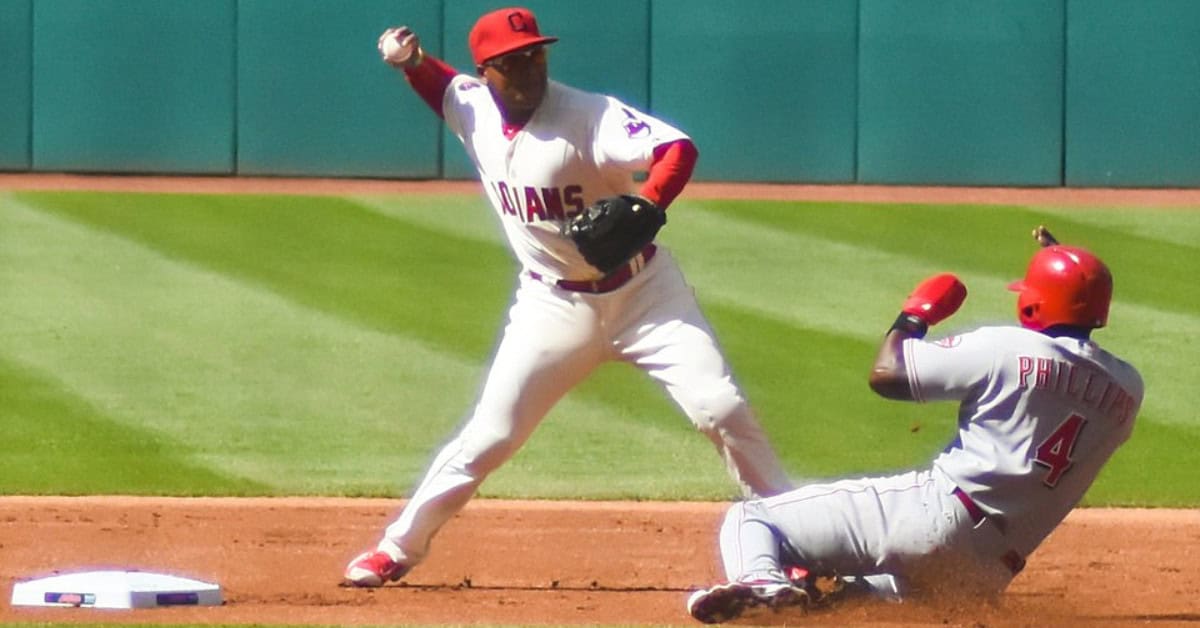
The human element of umpiring was sacred for over a century until technology finally won out. While some miss the classic manager-umpire arguments, replay has prevented countless wrong calls from deciding games. Now, if we could just speed up those review times…
The Radar Gun (1974): When Speed Became Science
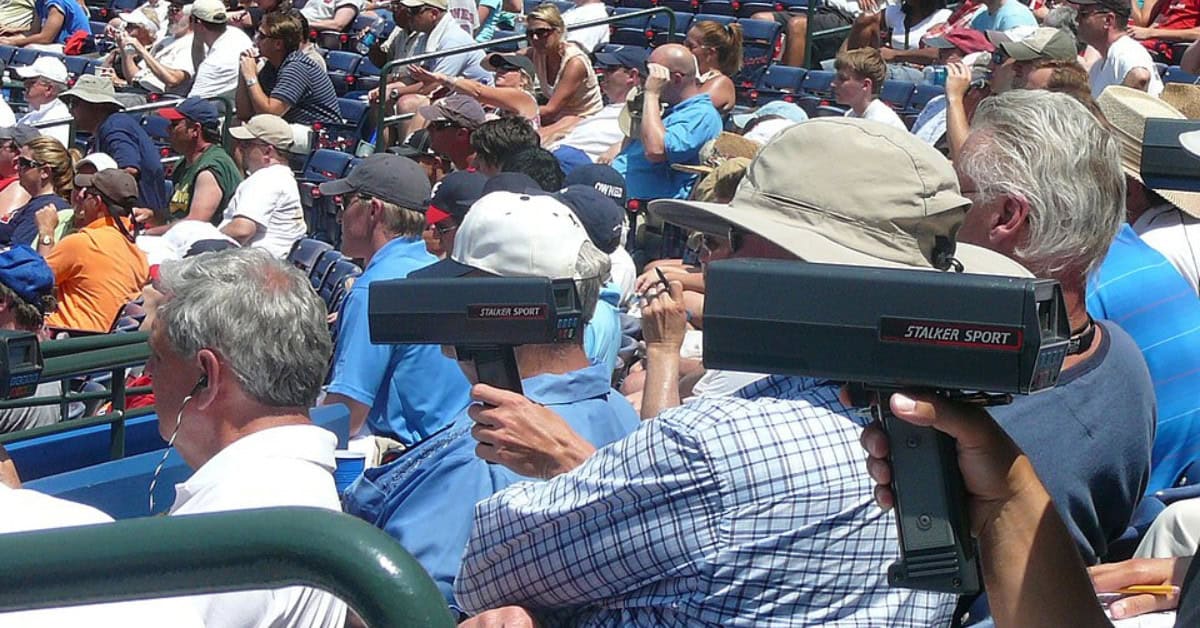
Danny Litwhiler introduced radar guns to baseball, turning “bringing the heat” from folklore into fact. Suddenly, Nolan Ryan’s fastball wasn’t just scary—it was scientifically proven to be 100.9 mph. The radar gun transformed scouting, training, and fan engagement, making velocity a new obsession.
Free Agency (1975): Baseball’s Economic Revolution

When Andy Messersmith and Dave McNally challenged the reserve clause, they changed baseball forever. Free agency transformed players from property into partners, created the hot stove league, and made the business of baseball as interesting as the game itself.
The Warning Track (1949): Life-Saving Real Estate
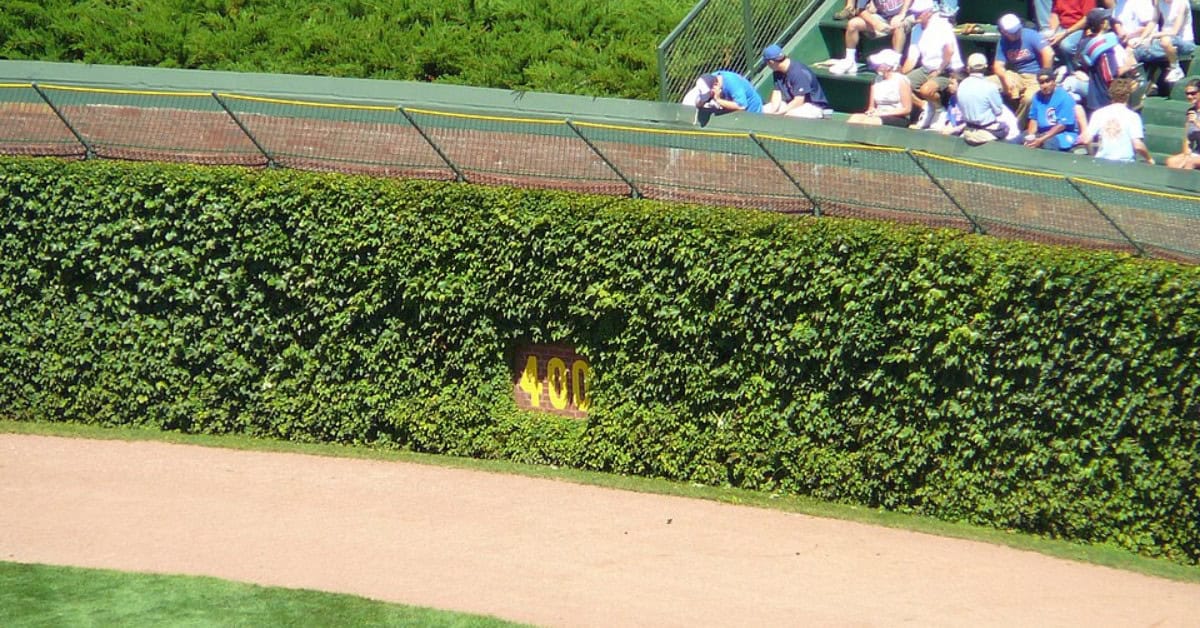
Baseball added this simple but brilliant innovation after Pete Reiser nearly killed himself running into walls. The warning track saved countless outfielders from concussions while adding drama to every deep fly ball—that moment when fielders feel the crunch under their feet and must decide: wall or ball?
The Bullpen Car (1950): Relief Pitching Goes Hollywood
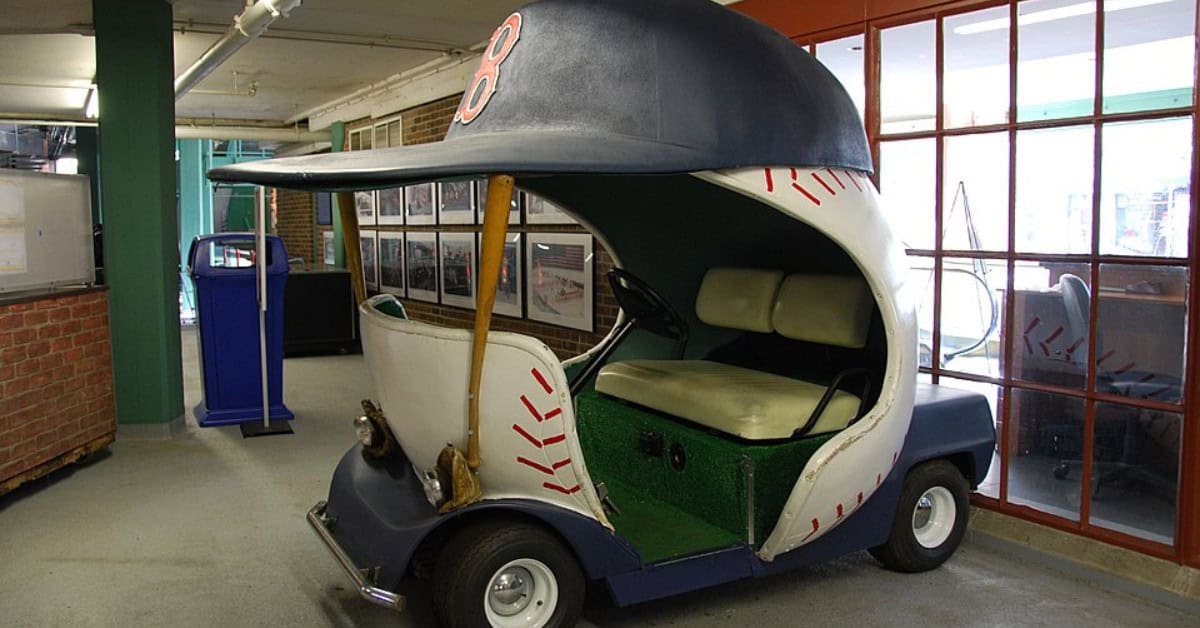
The Cleveland Indians introduced baseball’s first bullpen car, turning the relief pitcher’s entrance into a theater. From golf carts to Datsun 280Zs, these vehicles added showbiz flair to pitching changes before jogging in from the bullpen became the norm. Now they’re making a comeback, proving that everything old becomes new again.
The Electronic Scoreboard (1960): When Stats Got Flashy

Bill Veeck’s “exploding” scoreboard at Comiskey Park revolutionized how fans experienced the game. Suddenly, home runs weren’t just celebrated with cheers—they triggered fireworks, music, and light shows. Today’s massive HD screens trace their ancestry to Veeck’s innovative thinking.
Pine Tar Rules (1983): The George Brett Effect

After George Brett’s infamous pine tar home run and subsequent explosion of fury, baseball had to rethink its equipment rules. The resulting changes proved that the most important innovations sometimes come from controversy, leading to clearer, more sensible regulations.
The Pitch Clock (2023): Hurrying Up America’s Pastime
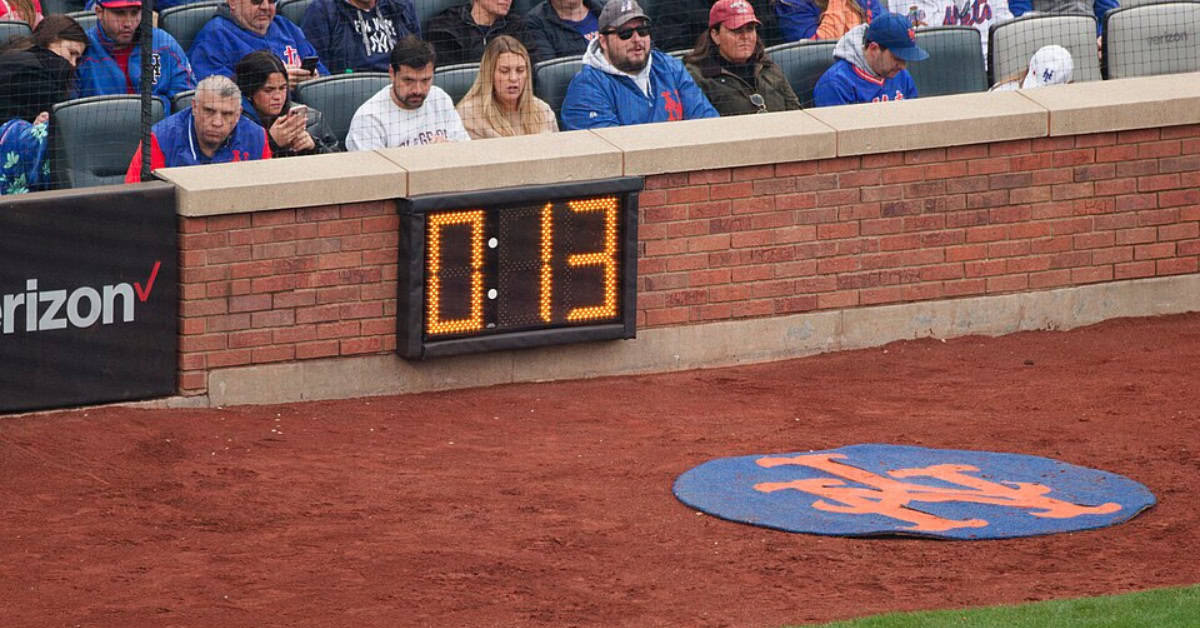
Baseball’s newest revolution put Father Time on the scoreboard. The pitch clock shortened games by nearly 30 minutes, proving that even a game resistant to change can adapt to modern attention spans. Old-timers might grumble, but even they admit the games move better now.
Retractable Roofs (1989): Weather-Proofing Baseball
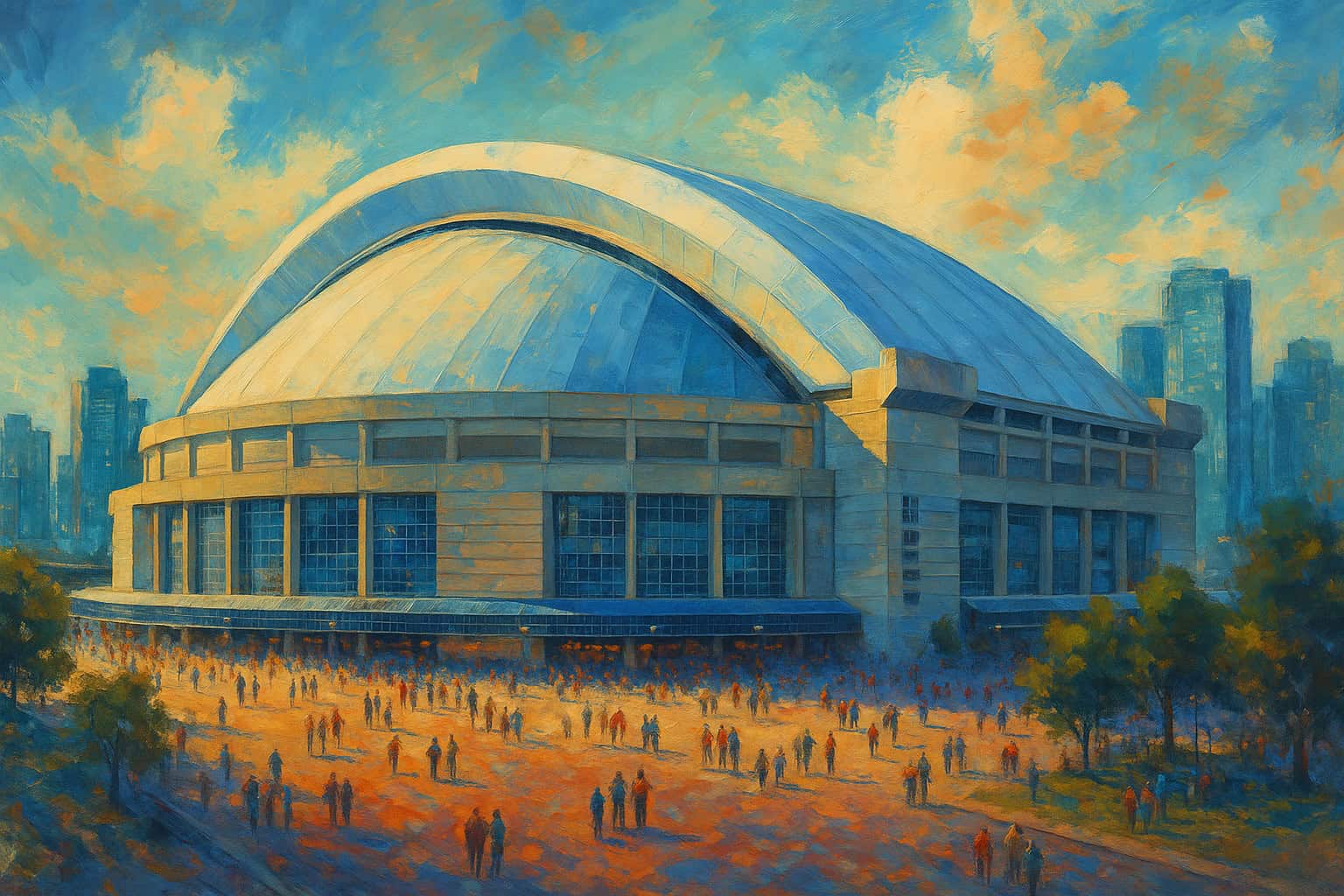
When Toronto’s SkyDome (now Rogers Centre) opened, it changed how we thought about baseball weather. No more rainouts or doubleheaders—just guaranteed baseball, rain or shine. The innovation spread across the league, though some still argue that baseball without weather isn’t really baseball.
Baseball Glove Evolution: From Bare Hands to Web Gems
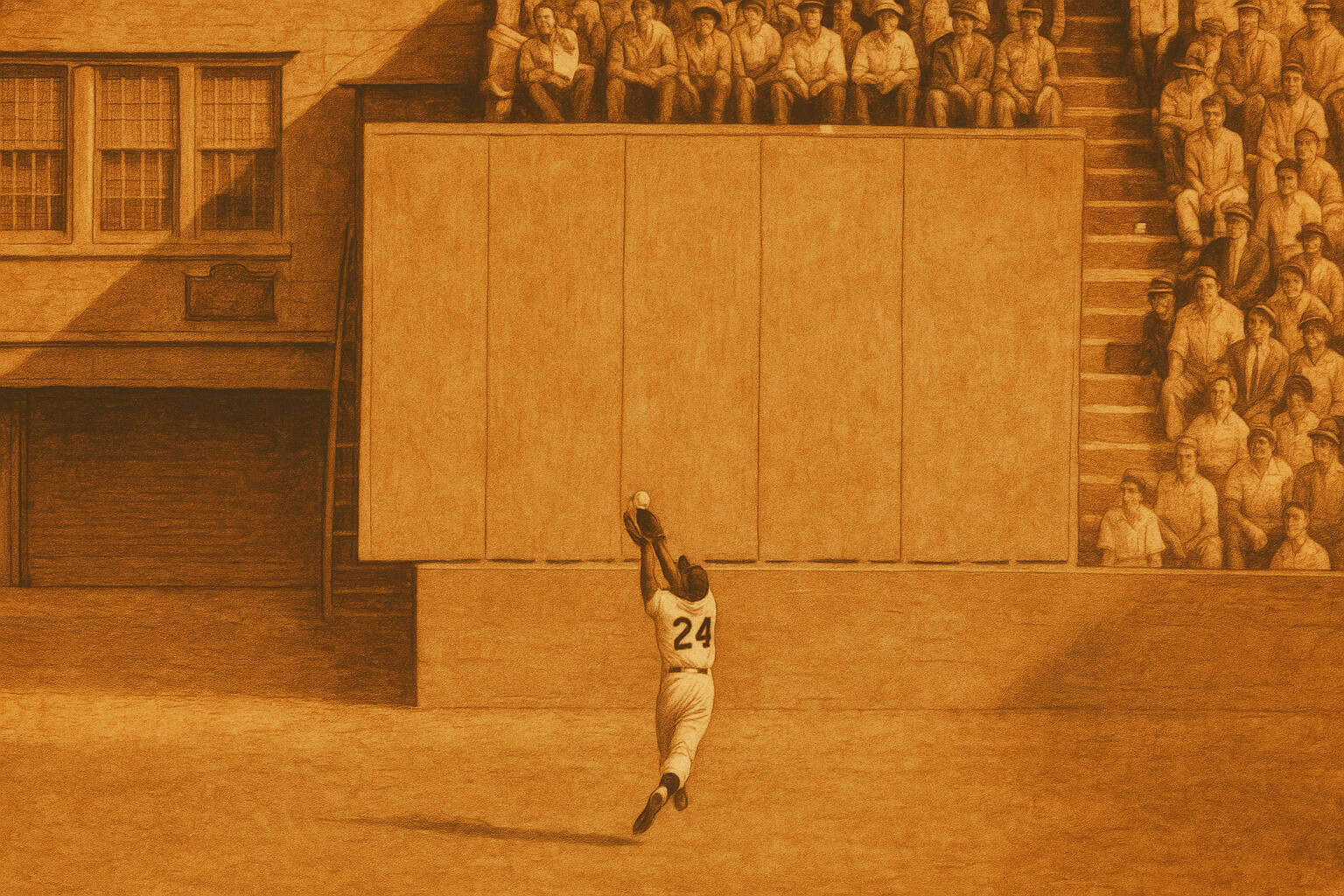
The evolution of baseball gloves mirrors the game’s progress, from fingerless gloves to today’s specialized mitts. Modern gloves make impossible plays routine, though old-timers still tell tales of players who caught line drives with bare hands—and lived to tell about it.