

Last Updated: June 17th, 2026 by Jeffrey Christo
Baseball isn’t just a game—it’s the soundtrack of summer evenings, the smell of hot dogs wafting through neighborhood streets, and generations of families sharing the same bleacher seats. When teams pack up and leave, they take more than just their uniforms. They leave behind empty stadiums and broken hearts. Here are the most gut-wrenching franchise departures that changed America’s pastime forever.
Don't lose this article. Enter your email below, and I'll send it to you right now. Plus, we'll send you other unbelievable stories from baseball's past.
Brooklyn’s Heart Broke When the Dodgers Fled to LA (1957)

When the Dodgers left Brooklyn, they didn’t just take a baseball team—they ripped out the borough’s soul. Ebbets Field was where Jackie Robinson broke the color barrier, where the “Boys of Summer” became legends, and where working-class Brooklyn found its identity. Even today, senior Brooklynites speak of “dem bums” with a catch in their throat, remembering the betrayal that sent their beloved team west.
Montreal Lost More Than the Expos—It Lost Summer Nights (2004)

The Expos weren’t just Montreal’s team—they were proof that baseball could thrive north of the border. From Gary Carter’s smile to Vladimir Guerrero’s free-swinging magic, the ‘Spos gave French Canada its own flavor of baseball culture. The final “Au revoir” at Olympic Stadium silenced more than just the crowd; it muted a unique baseball experiment that had lasted 35 remarkable years.
The Seattle Pilots’ One-Season Wonder (1969)
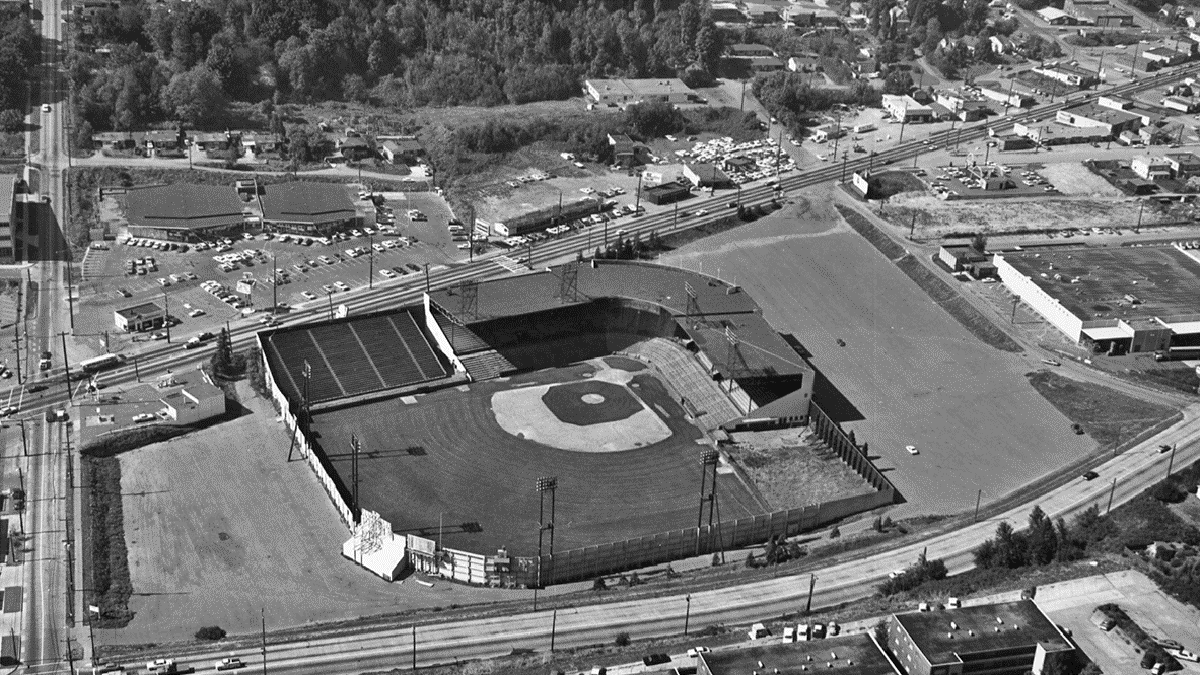
Like a shooting star, the Seattle Pilots blazed briefly before vanishing into the night. For one magical summer, Sick’s Stadium hosted major league ball, with its charmingly jury-rigged bleachers and plumbing that couldn’t handle a capacity crowd. The team’s swift departure for Milwaukee left Seattle with nothing but memories and a bestselling book—Jim Bouton’s “Ball Four.”
When the Athletics Left Philadelphia’s Shibe Park Empty (1954)
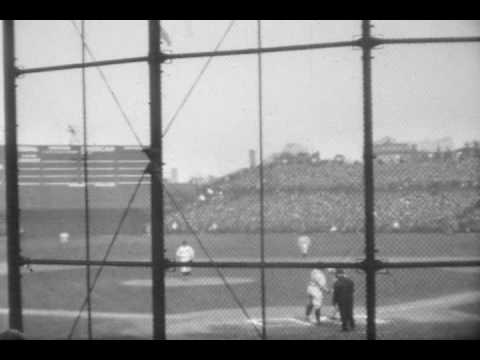
Philadelphia’s first baseball palace, Shibe Park, lost its original tenants when Connie Mack’s Athletics departed for Kansas City. The A’s had given the city five World Series titles and countless memories since 1901. Their departure left the Phillies as Philly’s sole team, ending the city’s unique distinction of having two teams playing in the same ballpark.
The Giants Break Manhattan’s Baseball Spirit (1957)

The Polo Grounds’ horseshoe shape hosted more than just baseball—it cradled Manhattan’s sporting soul. When the Giants left for San Francisco, they took with them Bobby Thomson’s “Shot Heard ‘Round the World” and Willie Mays’ over-the-shoulder catch. The empty stadium in Coogan’s Bluff stood as a hollow reminder of upper Manhattan’s lost baseball heritage.
Milwaukee’s Beloved Braves Head South (1965)

Milwaukee embraced the Braves like no city had embraced a team before, setting attendance records and creating the famous “Spahn and Sain and pray for rain” chant. Their departure to Atlanta left County Stadium eerily quiet and a generation of Wisconsin fans wondering what they did wrong. Even a World Series title couldn’t keep them from chasing southern prosperity.
Washington Senators Leave —Twice (1971)
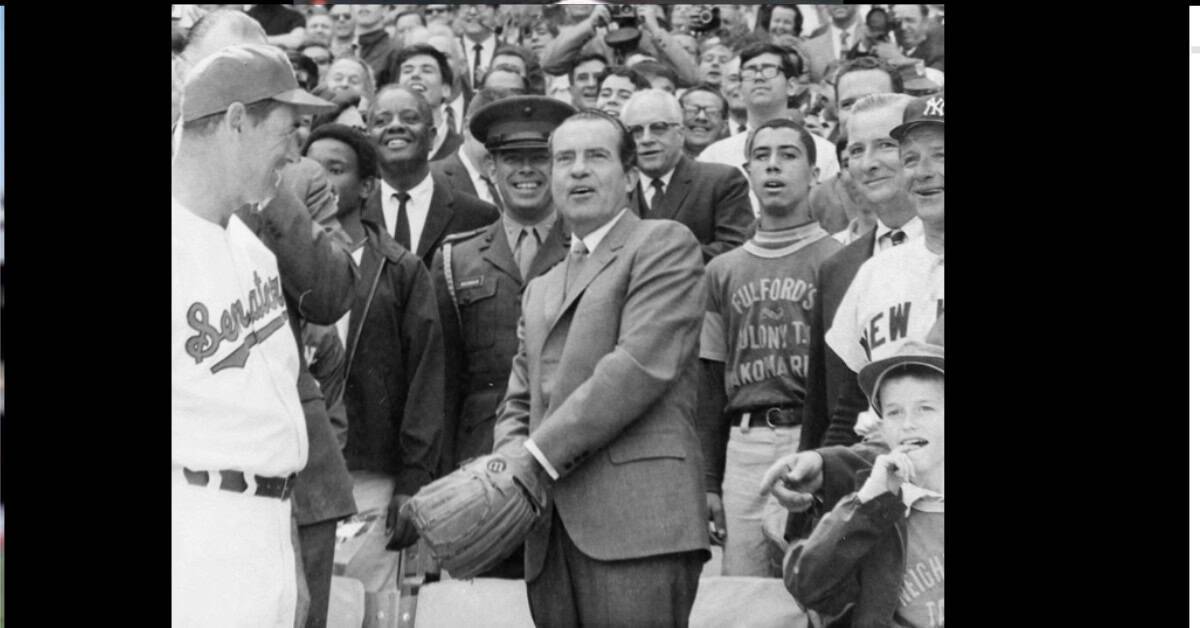
Lightning struck twice in the nation’s capital when they lost not one, but two teams named the Senators. The second departure in 1971 was particularly bitter, with fans storming the field during the final game at RFK Stadium. They ripped up the turf and stole bases—literally—leaving the capital without baseball until the Nationals arrived decades later.
St. Louis Browns’ Bittersweet Baltimore Move (1953)

The St. Louis Browns were known more for their losing than their winning, but they were St. Louis’s team. Sharing Sportsman’s Park with the Cardinals, the Browns gave the city its unique two-team identity. Their transformation into the Baltimore Orioles left St. Louis with just one team, but countless stories of lovable losers who tried their best.
The Athletics’ Endless Journey Part II: KC to Oakland to Vegas (1968-2025)

The A’s again! This later part of the Athletics’ nomadic journey tells a story of baseball’s changing economics. From Kansas City’s Municipal Stadium to Oakland’s concrete coliseum, and soon to the neon lights of Las Vegas, the A’s keep breaking hearts. Oakland fans still remember the Bash Brothers era and Moneyball magic, making this latest departure feel like history painfully repeating itself. The empty concrete crater of Oakland Coliseum will soon join America’s collection of abandoned baseball cathedrals.