
Last Updated: June 17th, 2026 by Matthew Brown
Remember when going to the ballpark meant more than just watching the game? When every crack of the bat echoed through real grass, and the seventh-inning stretch felt like a Norman Rockwell painting come to life? Baseball has changed more than just its rules—it’s lost some of the quirky, charming traditions that made America’s Pastime feel like home. Let’s take a nostalgic trip around the bases of baseball’s departed traditions.
Don't lose this article. Enter your email below, and I'll send it to you right now. Plus, we'll send you other unbelievable stories from baseball's past.
Doubleheaders That Were Actually Planned
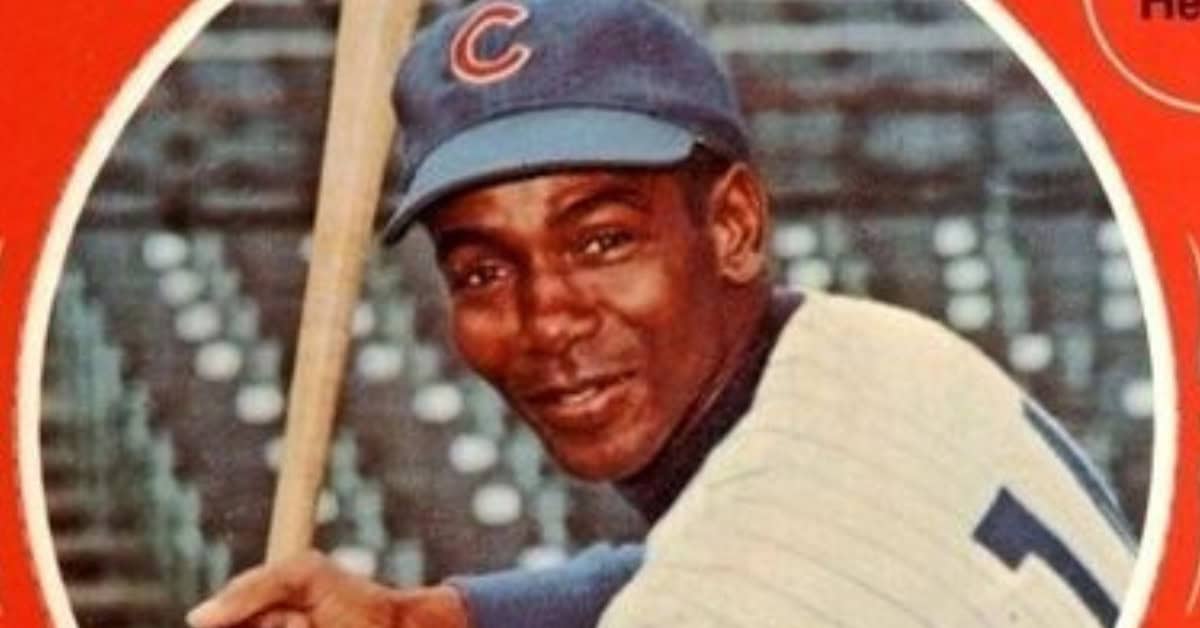
Two games for the price of one wasn’t just a happy accident—it was circled on the calendar months in advance. Sunday doubleheaders were baseball’s version of an all-you-can-eat buffet, with fans settling in for a full day of action. The smell of hot dogs would linger from the first pitch at 1 PM until the final out under the lights.
The Art of the Complete Game

Before pitch counts and specialized relievers, starting pitchers were expected to finish what they started. The sight of a manager walking to the mound in the ninth inning would draw boos from fans who knew their ace had enough left in the tank. Those dust-covered uniforms and sweat-stained caps told the story of nine innings of grit.
When Batting Helmets Had No Ear Flaps
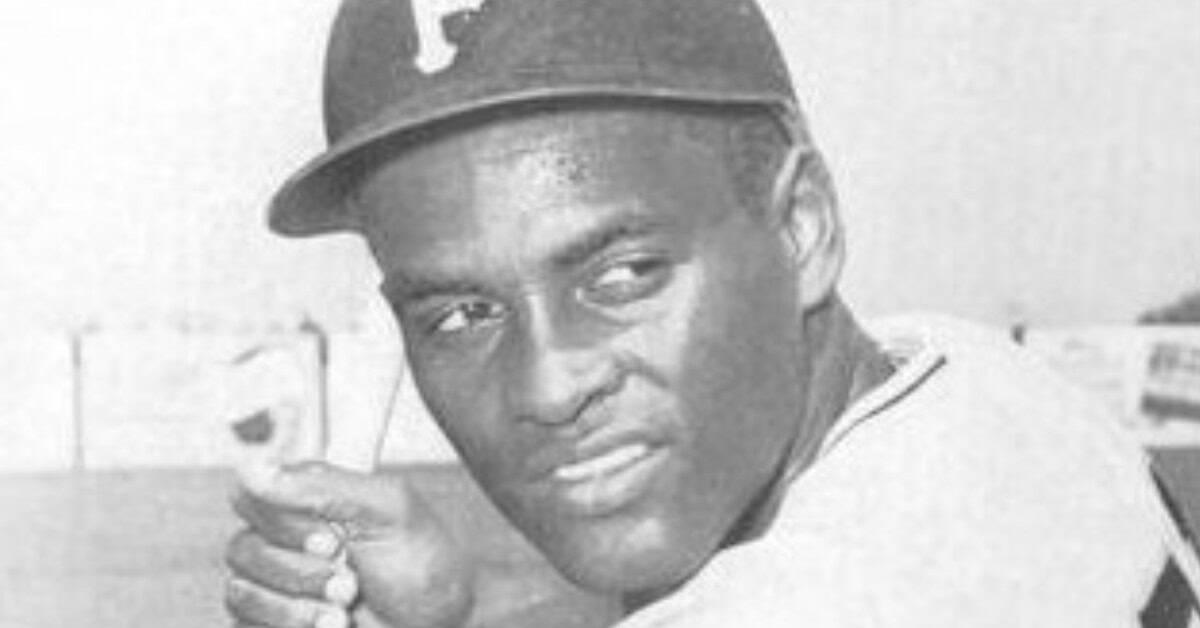
Those symmetrical helmets were more than just equipment—they were a part of progress in player safety. Eventually, one flap would be added to protect the ear that faced the mound. Switch hitters had to keep two different helmets handy, and every player looked like they were ready to take flight with that single ear flap catching the stadium breeze.
Keeping Score With Pencil and Paper
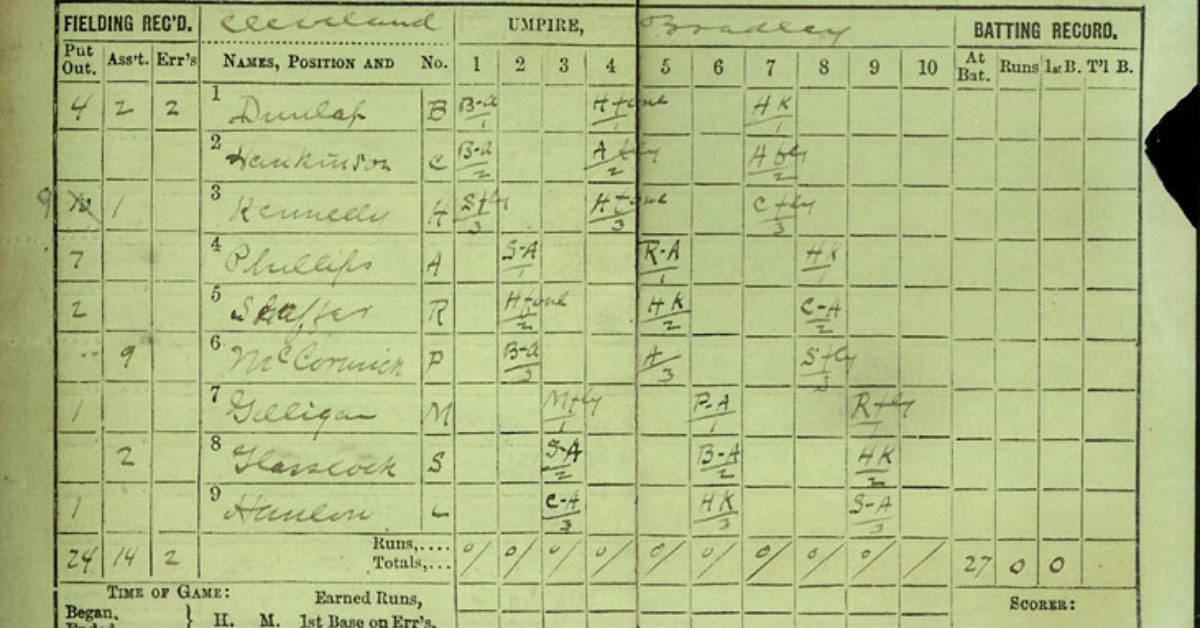
Before smartphones and instant stats, fans were their own statisticians, armed with nothing but a pencil and a scorecard. Those mysterious hieroglyphics of backward K’s and diamond-shaped notes told the story of every at-bat, creating a personal souvenir more precious than any program.
Vendors Tossing Peanuts Like Missiles
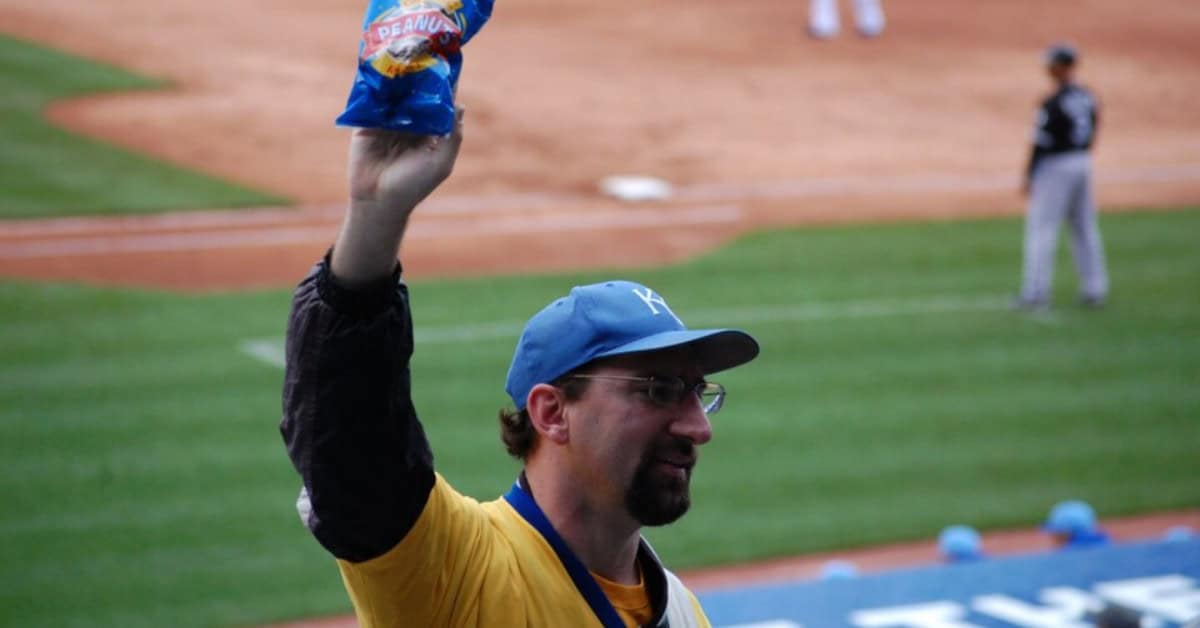
The crack of the bat was often followed by the whoosh of flying peanut bags, launched with sniper-like precision by vendors who were part athlete, part entertainer. Catching your bag of peanuts was as much a part of the game as catching a foul ball, and the vendor’s cry of “Peanuts!” echoed through the stands like a baseball battle cry.
The Sacred Ritual of Baseball Card Flipping
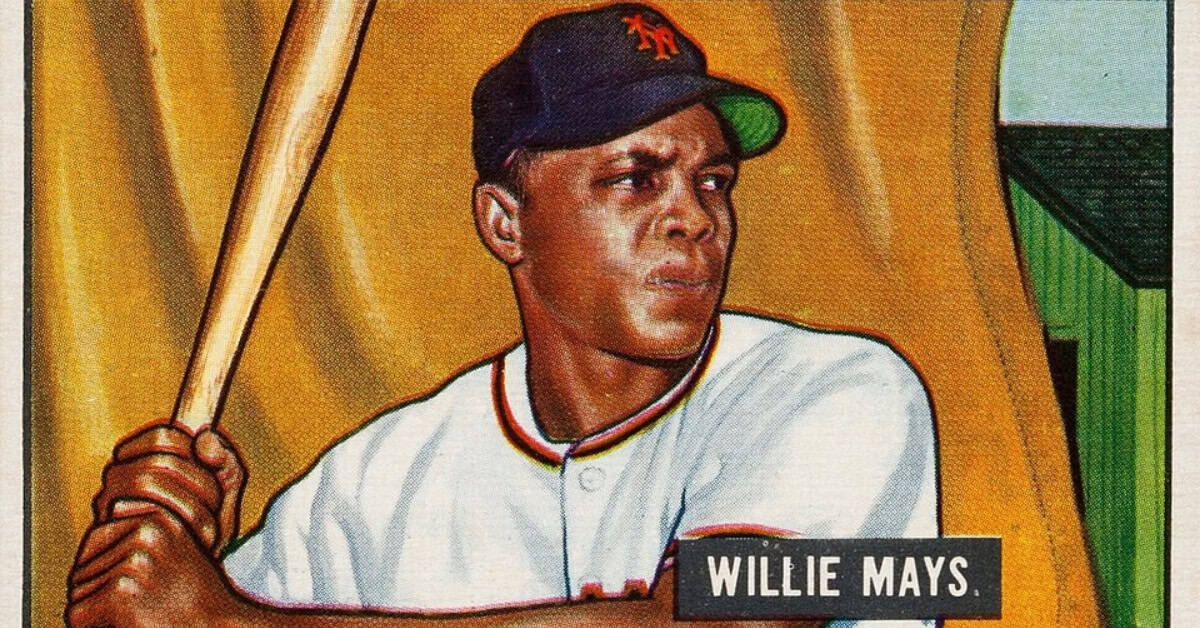
Before Pokemon and video games, kids gathered on stoops and sidewalks to flip their precious cardboard treasures. The gentle arc of a Willie Mays or Mickey Mantle card spinning through the air could make or break a young fan’s collection. The sweet smell of stale bubble gum wafted from freshly opened packs, and every kid knew exactly how to prop cards against the wall for maximum winning potential.
When Pitchers Actually Hit (And Bunted)
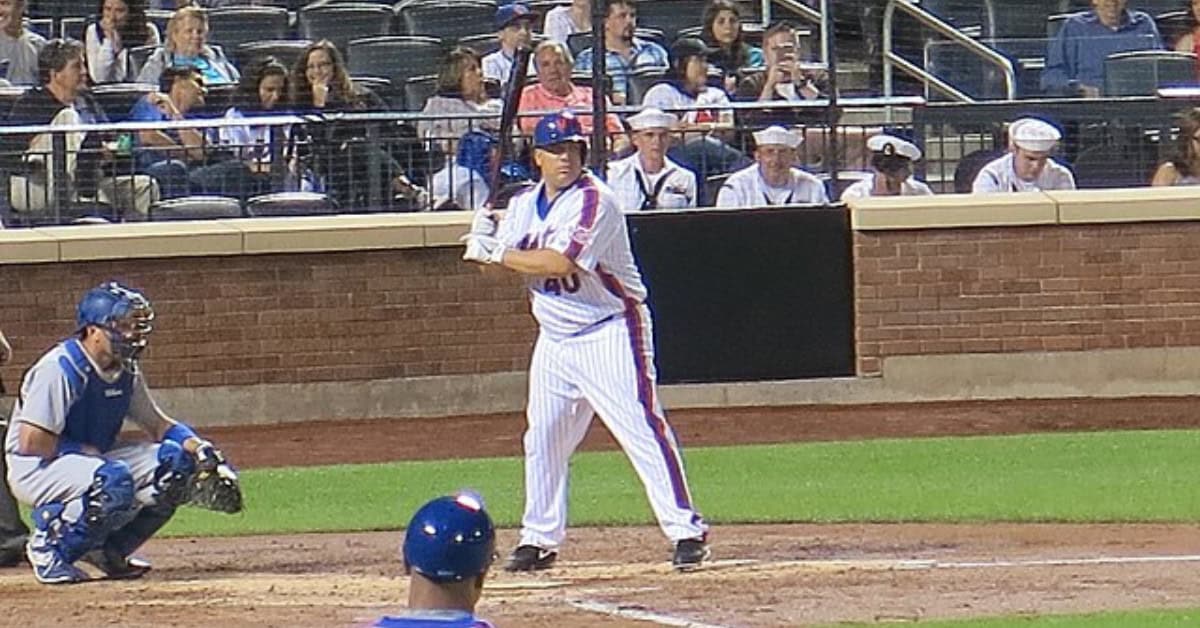
Before the universal DH, pitchers weren’t just throwers—they were complete ballplayers who took pride in their sacrifice bunts and occasional hits. The crowd would rise in anticipation when a pitcher helped his own cause, and even a well-executed bunt could bring fans to their feet. Those batting practice sessions where pitchers practiced their bunting are now as extinct as spitballs.
Bringing Your Transistor Radio to the Game
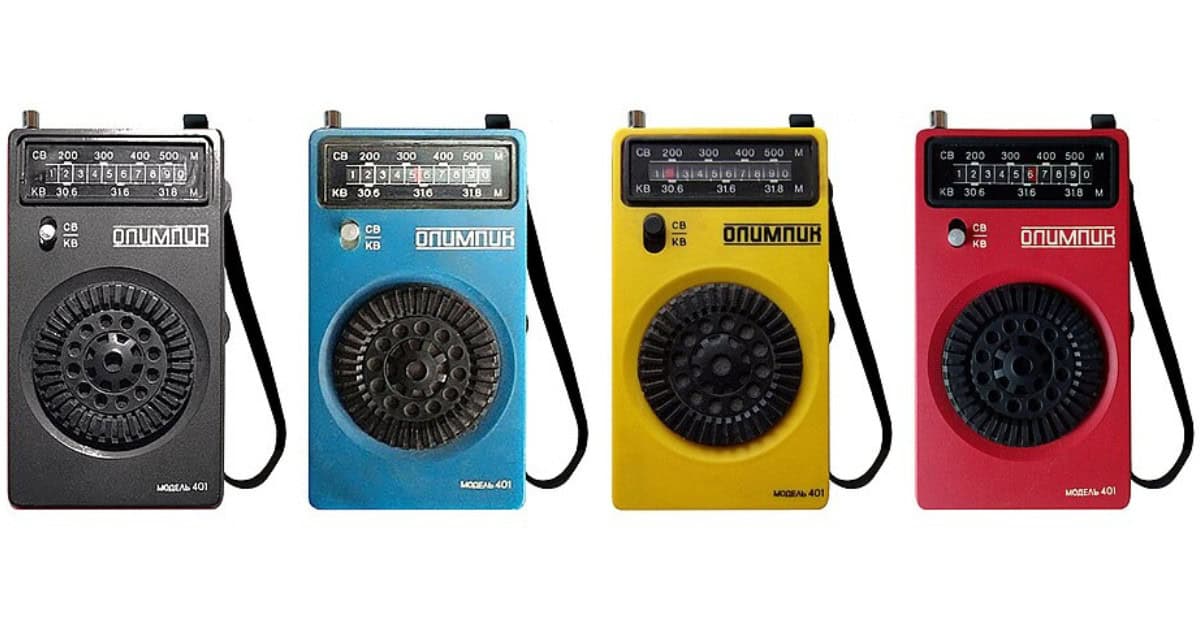
The gentle crackle of radio static mixed with the voice of your favorite announcer was the perfect soundtrack to a day at the ballpark. Fans would press tiny speakers to their ears, getting instant replay and commentary before JumboTrons existed. Every section had at least one fan who became the unofficial play-by-play relay station for nearby seats.
The Bullpen Car’s Majestic Entrance
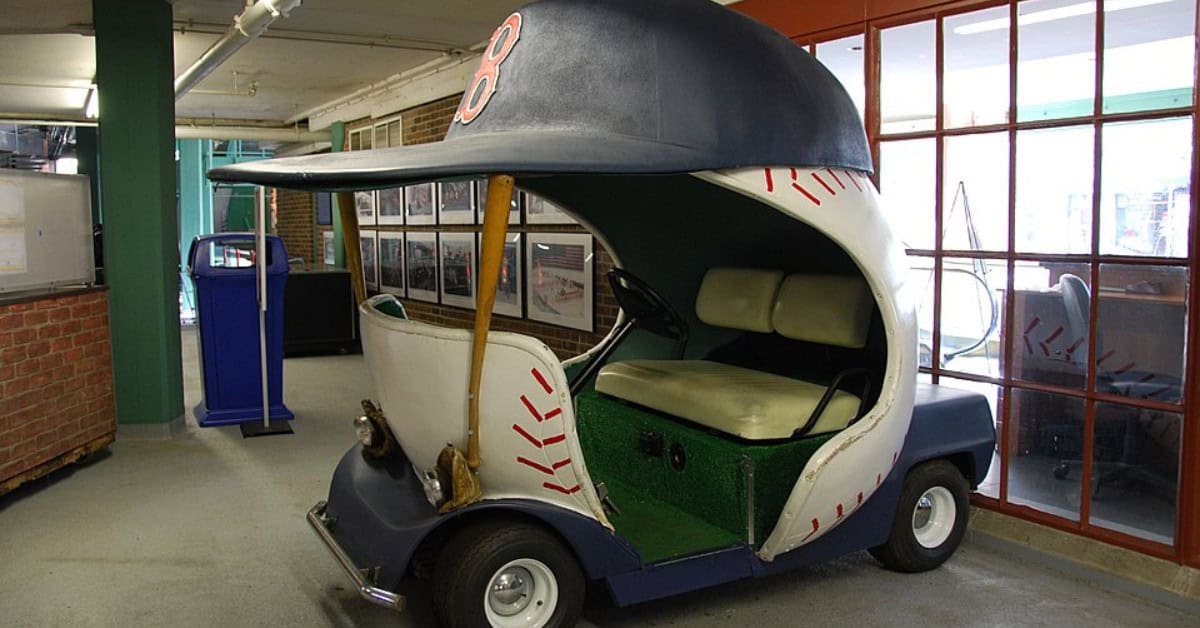
Those glorified golf carts with giant baseball caps on top were baseball’s answer to the chariot. Relief pitchers would emerge from the bullpen in these mechanical chariots, part ceremony and part carnival ride. The sight of a grown man squeezed into these tiny vehicles somehow made the tension of a pitching change a little lighter.
When Stadiums Had Real Grass (And Real Dirt)
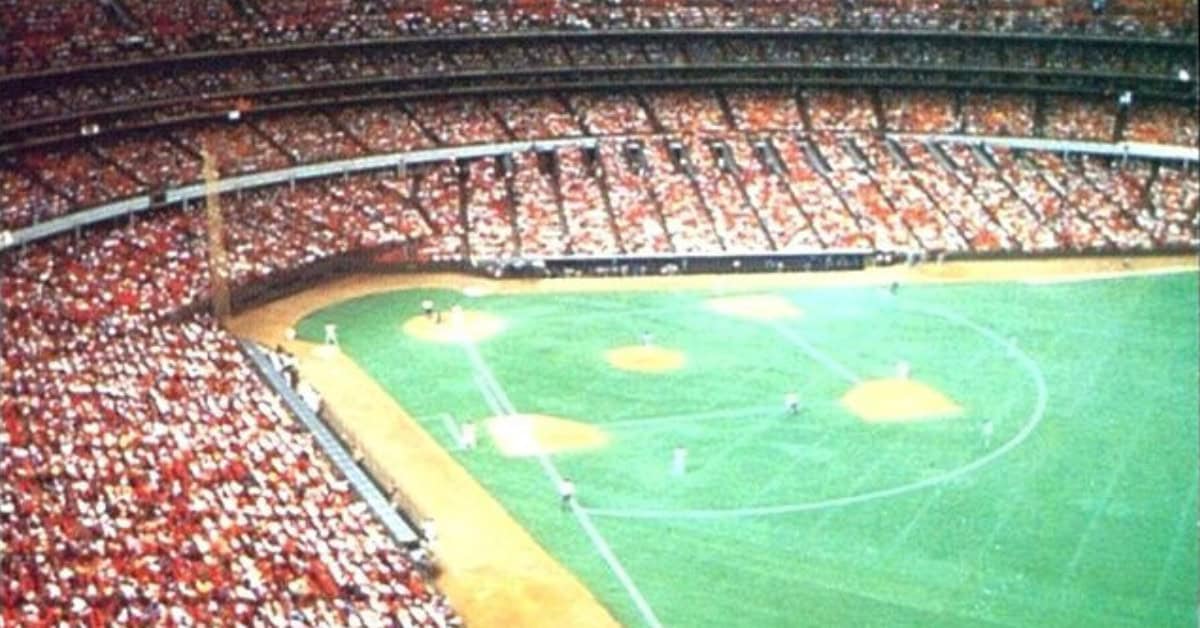
Before artificial turf took over, groundskeepers were artists who painted with grass and clay. The smell of freshly cut grass and the sight of perfectly manicured patterns in the outfield were as much a part of the game as the chalk lines. Players would return to the dugout with real dirt stains that told the story of their hustle.
Collecting Autographs Before Security Barriers
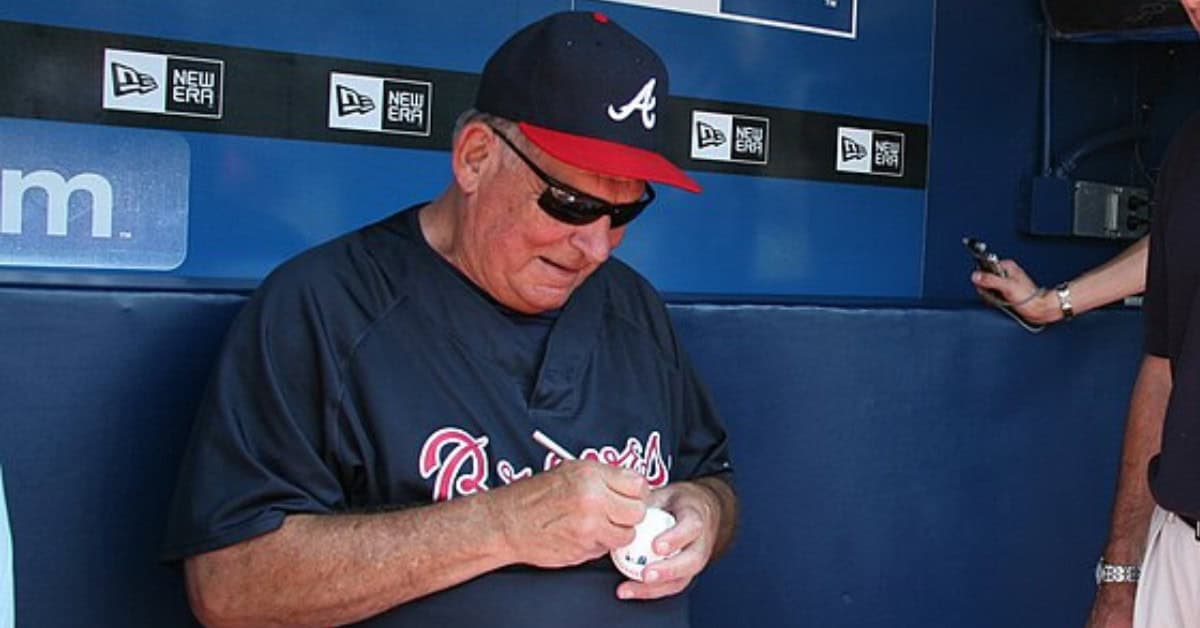
Kids could lean over dugouts with their prized balls and cards, hoping to catch a player’s eye before the game. There were no VIP passes or special access needed—just the courage to ask and the patience to wait. Every signature had a story, and players would often chat with young fans while signing.
The Mystique of Upper Deck Home Runs

Before launch angles and exit velocities, an upper deck shot was baseball’s ultimate show of power. Fans in those highest seats felt like they were part of an exclusive club, waiting for those rare moonshots that would reach their stratospheric perch. The sound of a ball hitting those empty upper deck seats would echo through the stadium like thunder.
Those Impossible-to-Read Manual Scoreboards
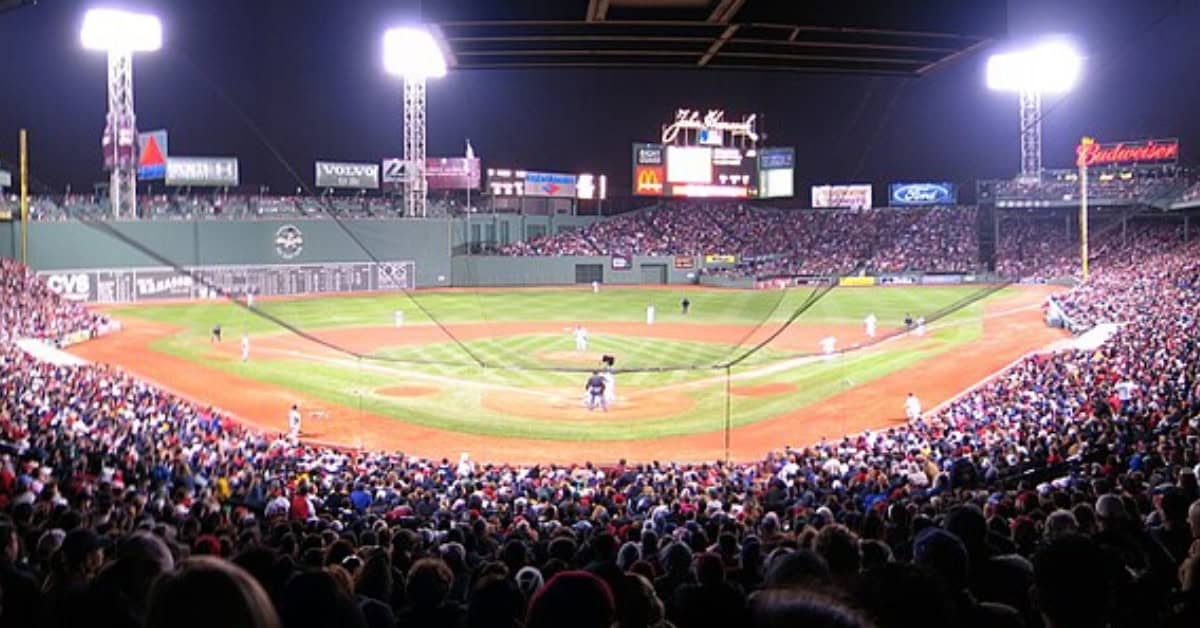
Behind those giant green walls, scoreboard operators performed their own ballet, climbing ladders and sliding numbers into place. Every out-of-town score was a message from another ballpark, arriving through some mysterious baseball telegraph. The satisfying clank of metal numbers being changed was part of baseball’s percussion section.
When Rain Delays Meant Watching the Tarp Crew Dance
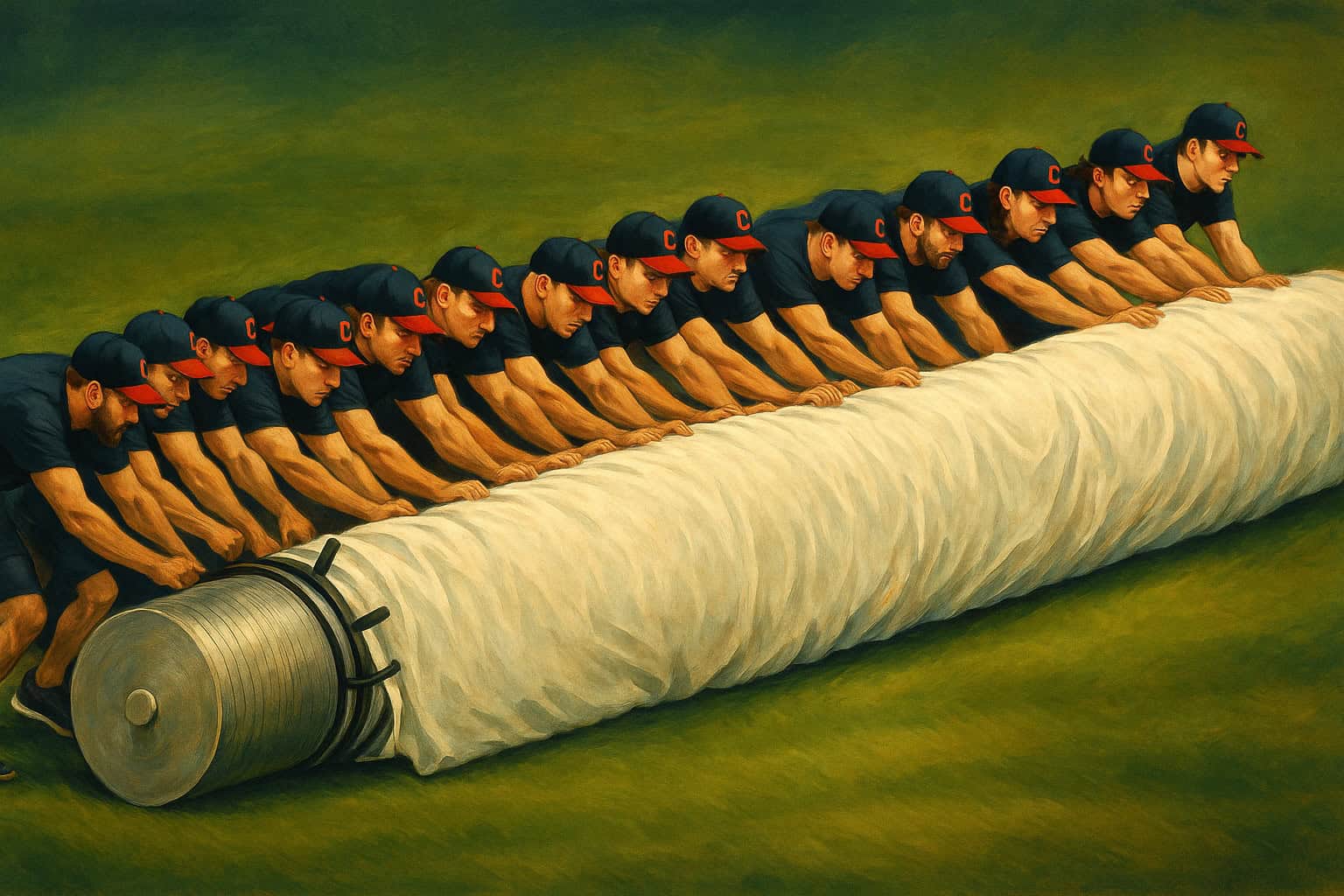
Rain delays transformed into impromptu entertainment as grounds crews turned tarp-pulling into performance art. Crew members would slide across the slick surface, drawing cheers from patient fans waiting out the weather. It was baseball’s version of synchronized swimming, performed on a canvas of waterproof vinyl.