
Last Updated: June 17th, 2026 by Michael Schatz
Journey back to baseball’s golden age as we explore the 20 legendary MLB stars who defined the 1940s. From record-breaking achievements to wartime service and triumphant returns, these players shaped America’s pastime during one of its most transformative decades.
Don't lose this article. Enter your email below, and I'll send it to you right now. Plus, we'll send you other unbelievable stories from baseball's past.
Ted Williams: The Last .400 Hitter
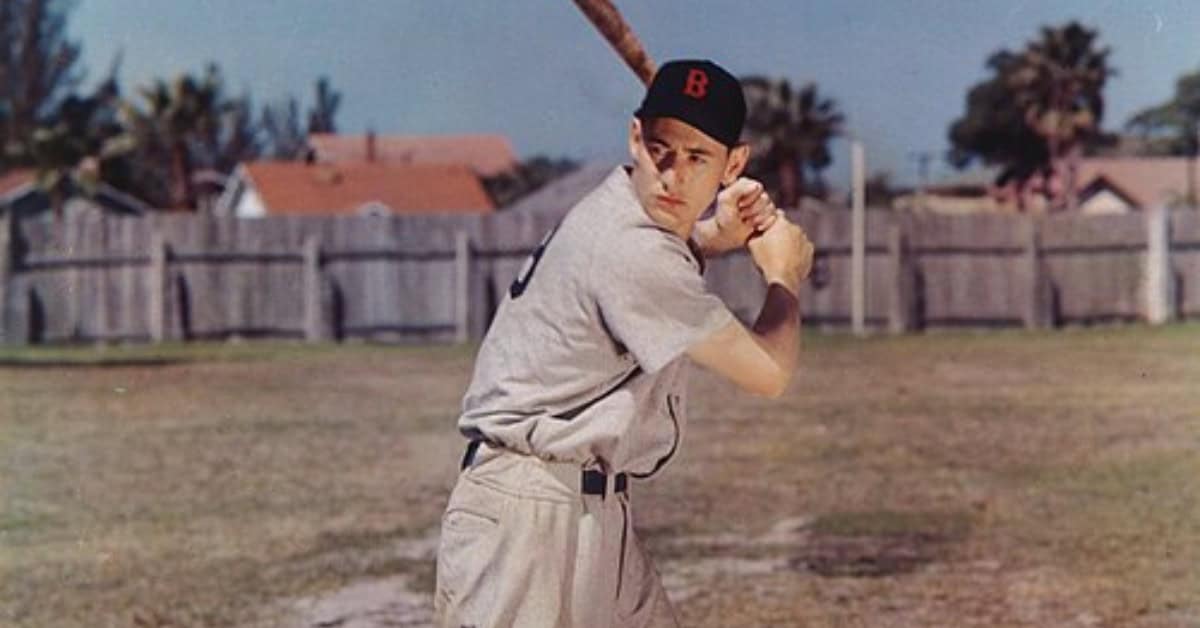
The “Splendid Splinter” dominated baseball despite missing three seasons serving as a Marine Corps pilot in World War II. Williams achieved the impossible in 1941, hitting .406 – a feat unmatched since. He claimed two Triple Crowns (1942, 1947), led the AL in batting six times, and won the 1946 AL MVP award. His incredible .553 on-base percentage in 1941 remains an MLB record.
Stan Musial: The Man Who Could Do It All

Stan “The Man” Musial dominated the 1940s with remarkable consistency. Despite missing 1945 for military service, he won three NL MVP awards (1943, 1946, 1948) and led the Cardinals to four pennants and three World Series victories. His phenomenal 1948 season saw him lead the league with a .376 batting average, 39 home runs, and 131 RBIs.
Joe DiMaggio: The Yankee Clipper’s Streak
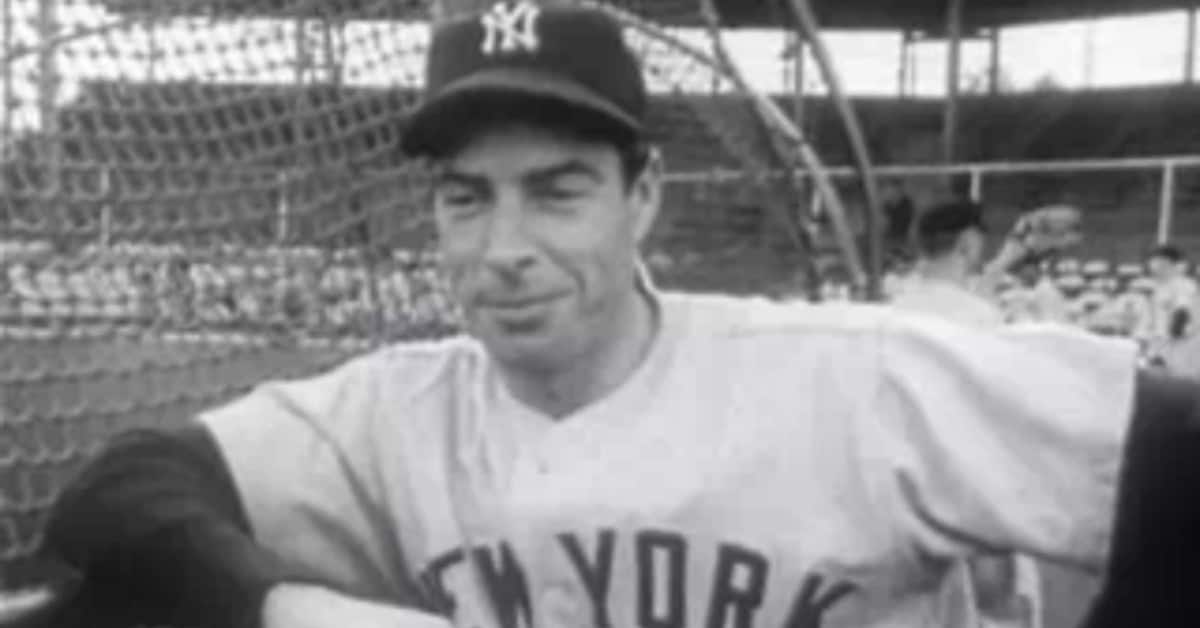
The “Yankee Clipper” set his legendary 56-game hitting streak in 1941 and won two AL MVP awards. Despite missing three years serving in World War II, DiMaggio led the Yankees to four World Series titles in the decade. His 1947 MVP season proved his enduring excellence with a .315 average and 97 RBIs.
Bob Feller: Rapid Robert’s Return
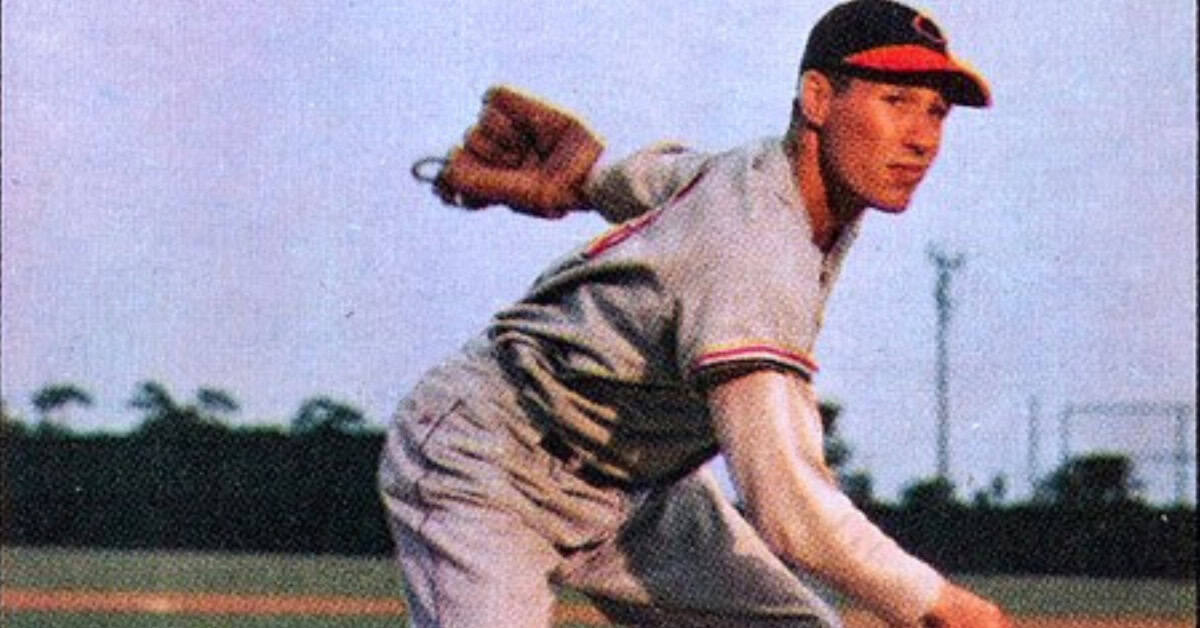
“Rapid Robert” lost four prime years to military service but still dominated the decade. He threw his second no-hitter in 1946, led the AL in strikeouts seven times, and won 20+ games six times. His 1940 season showcased his brilliance with a 27-11 record, 2.61 ERA, and 261 strikeouts.
Hal Newhouser: Prince Hal’s Dominance
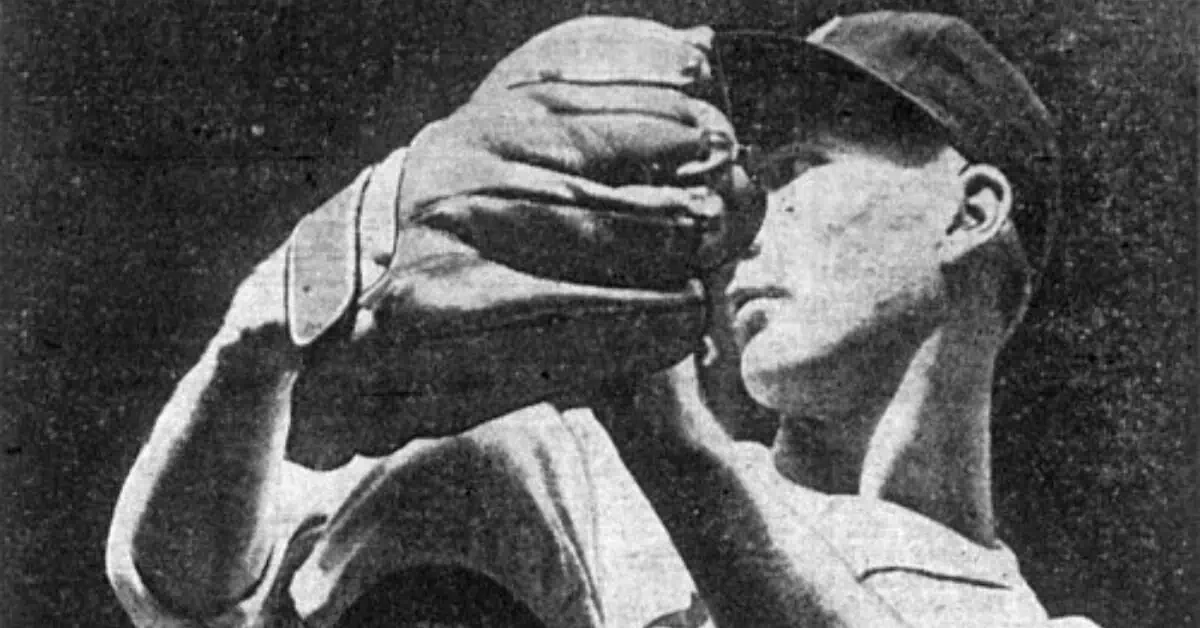
“Prince Hal” became the decade’s most dominant pitcher, winning consecutive MVP awards (1944-1945) and leading Detroit to the 1945 World Series title. He won the pitching Triple Crown in 1945 with a 25-9 record, 1.81 ERA, and 212 strikeouts, proving his excellence extended beyond wartime competition.
Johnny Mize: The Big Cat’s Power

“The Big Cat” dominated as one of the era’s premier sluggers. Despite missing three years to military service, he led the NL in home runs four times. His remarkable 1947 season with the Giants saw him hit .302 with 51 home runs and 138 RBIs, showcasing his exceptional power hitting abilities.
Phil Rizzuto: The Spark Plug Shortstop
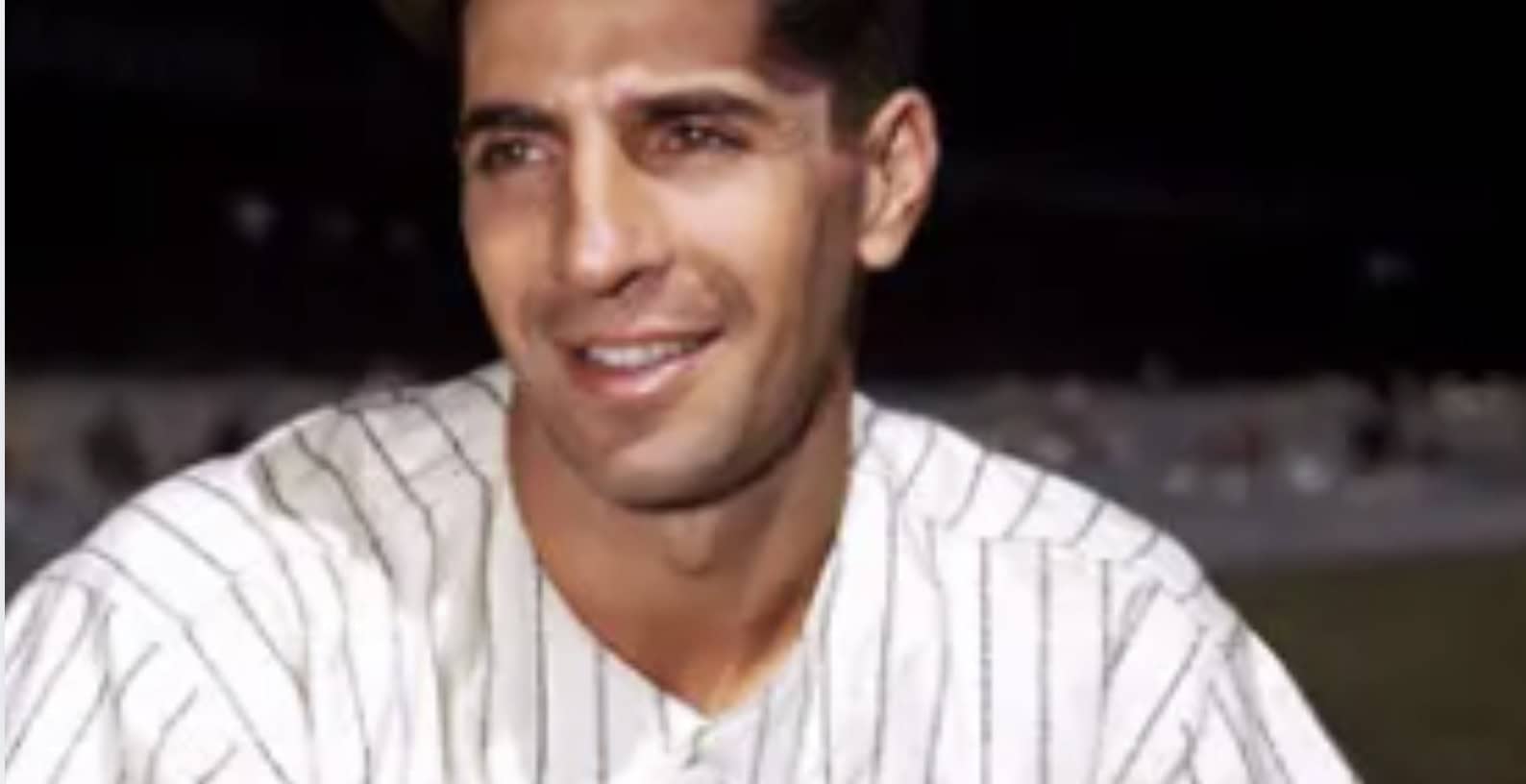
“Scooter” defined defensive excellence at shortstop during the 1940s. After returning from military service, he became the Yankees’ catalyst, helping them win five World Series titles. His combination of defensive prowess and clutch hitting made him an essential part of the Yankees’ dynasty.
Enos Slaughter: Country’s Mad Dash
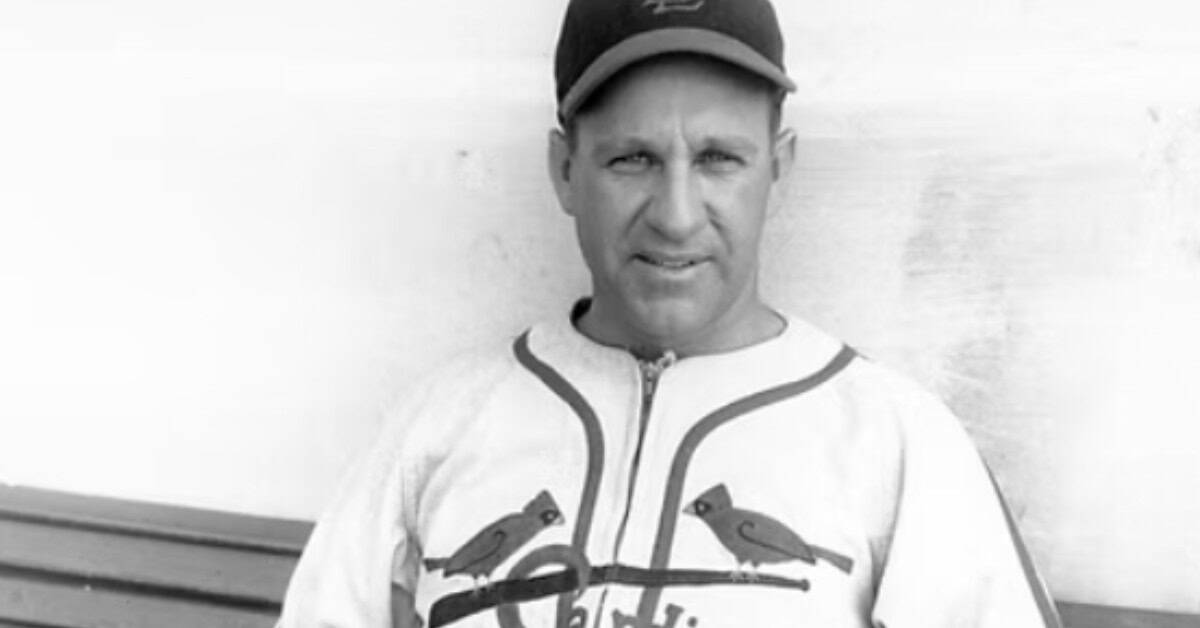
“Country” Slaughter’s famous “Mad Dash” in the 1946 World Series highlighted his decade of excellence. He hit over .300 six times in the 1940s, led the NL in triples twice, and was crucial to the Cardinals’ three World Series appearances despite missing three years to military service.
Bob Elliott: The Forgotten MVP
The 1947 NL MVP excelled both at third base and at the plate. With the Braves, he drove in 100+ runs four times during the decade and earned seven All-Star selections. His combination of power and defense made him one of the era’s most complete players.
Lou Boudreau: Player-Manager Champion
Boudreau led Cleveland to the 1948 World Series title as player-manager while winning the AL MVP with a .355 batting average. His innovative defensive strategies, including the “Boudreau Shift” against Ted Williams, demonstrated his baseball genius both on and off the field.
Ralph Kiner: Home Run King

Starting his career in 1946, Kiner led the NL in home runs in each of his first seven seasons. His incredible power display from 1947-1949 produced 51, 40, and 54 home runs respectively, bringing excitement back to post-war baseball with his tremendous power hitting ability.
Warren Spahn: The Winningest Lefty

After serving in World War II, Spahn emerged as one of baseball’s premier left-handed pitchers. He began his remarkable streak of thirteen 20-win seasons in 1947, launching a career that would make him the winningest left-handed pitcher in MLB history.
Pee Wee Reese: The Little Colonel
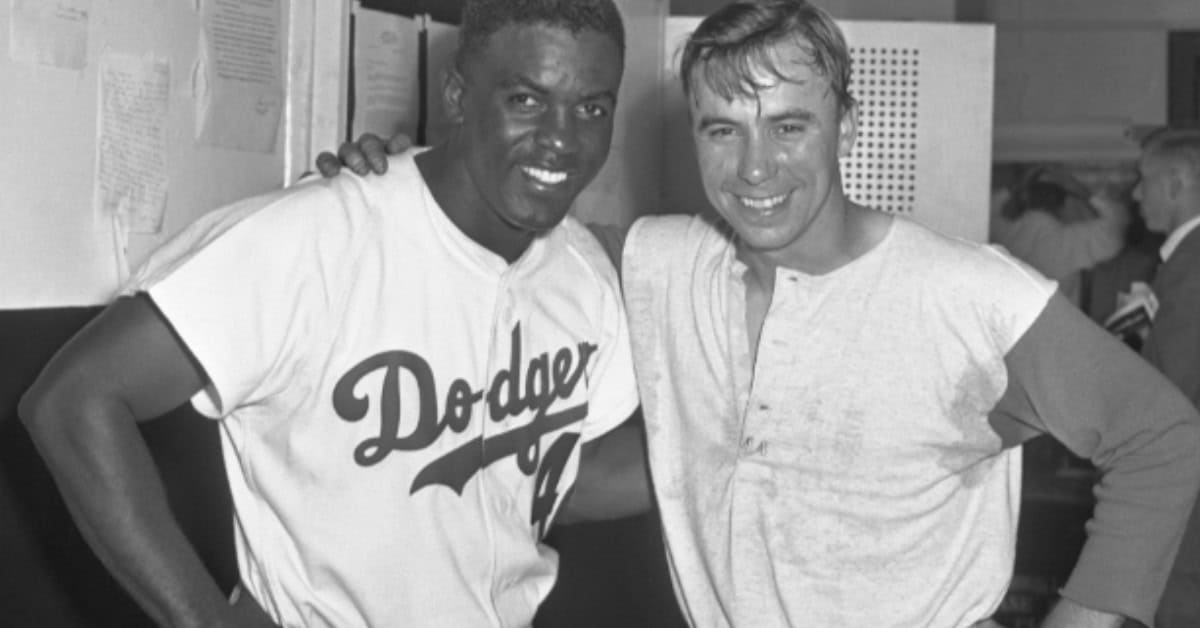
The “Little Colonel” anchored the Dodgers’ infield throughout the decade despite missing three years to military service. His leadership and steady play helped Brooklyn win two pennants in the late 1940s, establishing him as one of the era’s premier shortstops.
Tommy Henrich: Old Reliable
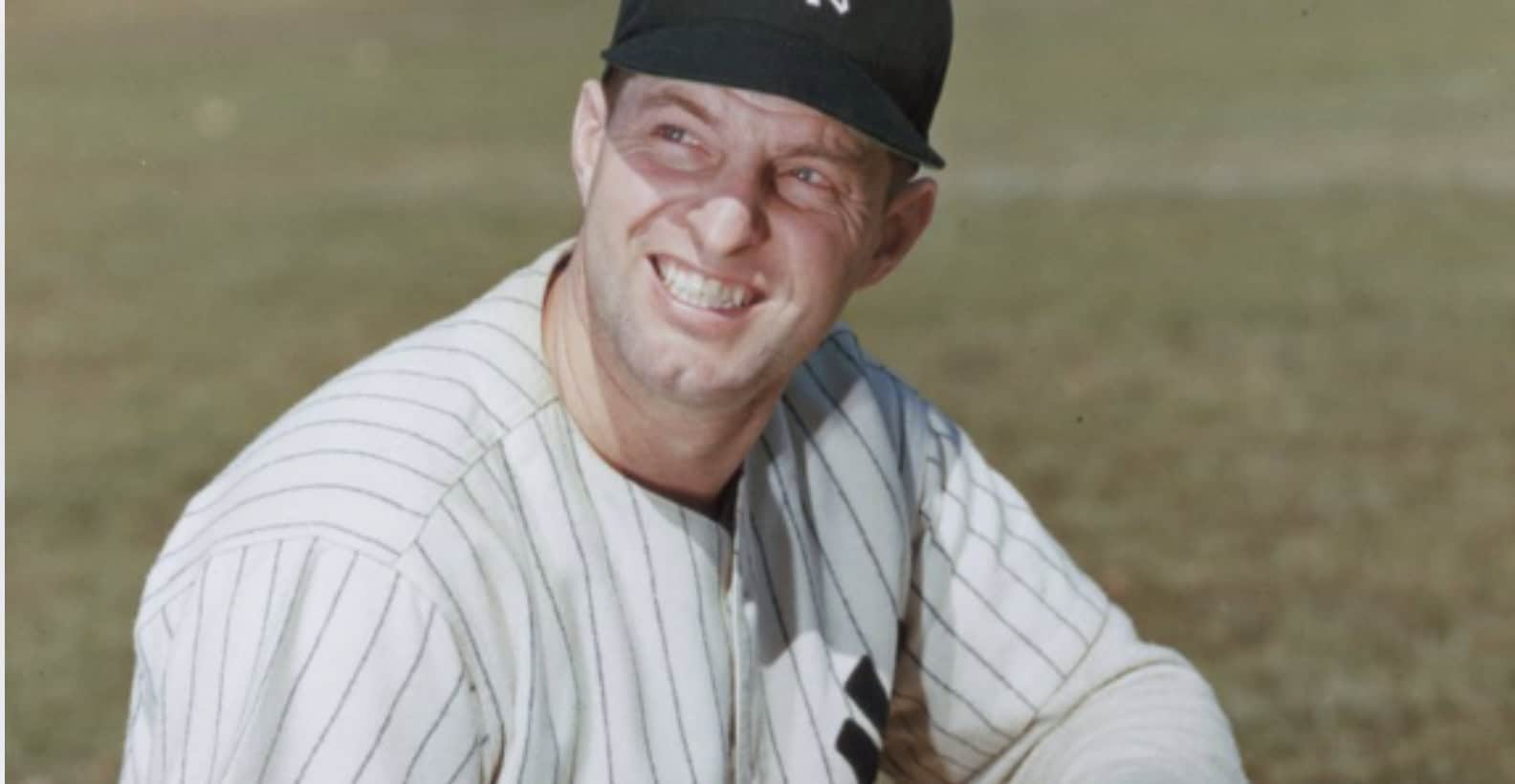
“Old Reliable” earned his nickname through clutch hitting and consistent play. He hit the first walk-off home run in World Series history (1949) and was instrumental in the Yankees’ success despite missing three years to military service, proving himself as one of baseball’s most dependable players.
Walker Cooper: The Power-Hitting Catcher
One of the decade’s premier catchers, Cooper was an eight-time All-Star who excelled both offensively and defensively. His outstanding 1947 season with the Giants, hitting .305 with 35 home runs, demonstrated his rare combination of catching skills and power hitting ability.
Marty Marion: Mr. Shortstop
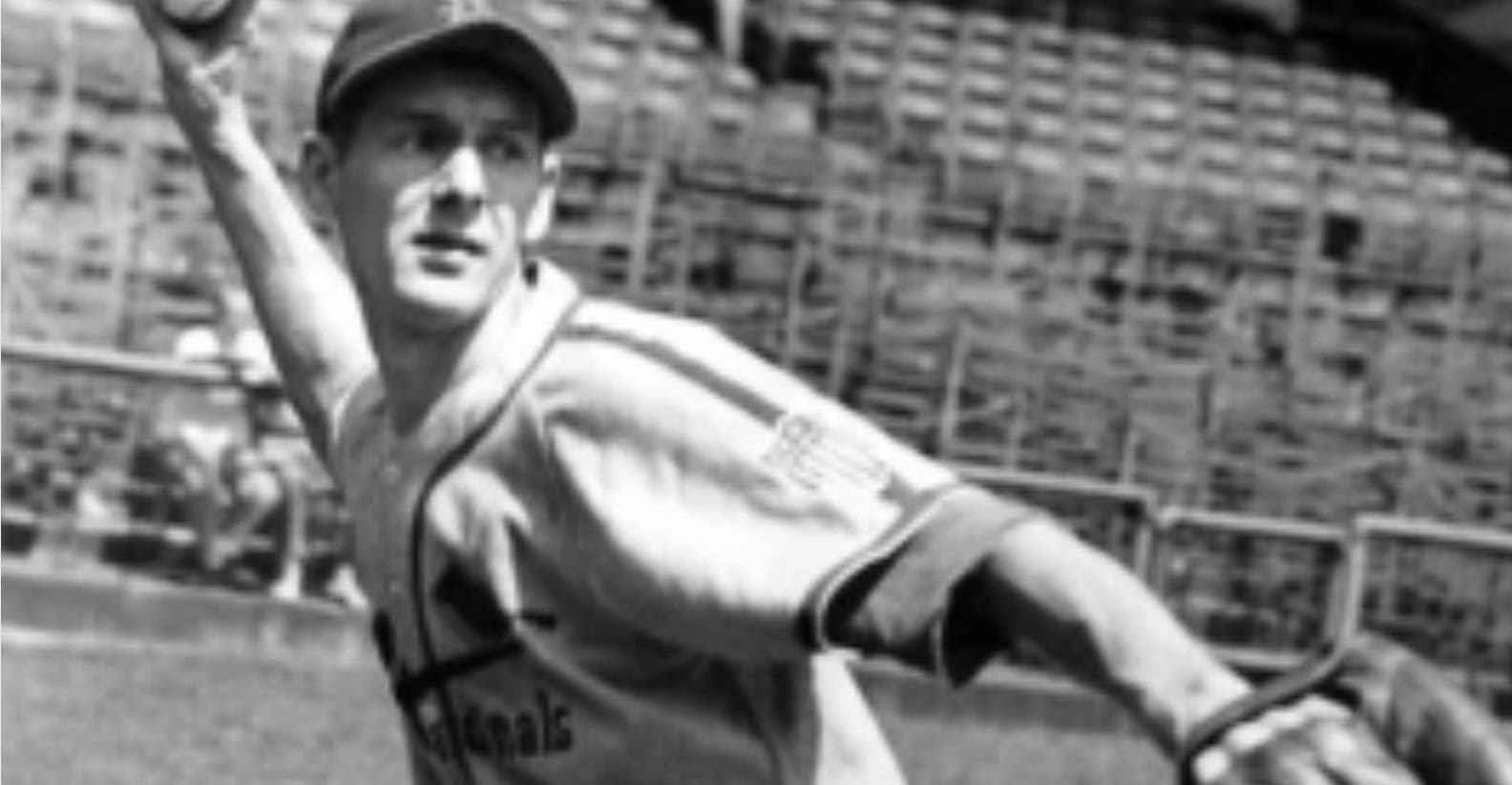
“Mr. Shortstop” won the 1944 NL MVP award and was considered the league’s best defensive shortstop of the decade. His steady play helped the Cardinals win four pennants and three World Series titles in the 1940s, establishing a new standard for defensive excellence.
Mickey Vernon: The Smooth-Fielding First Baseman
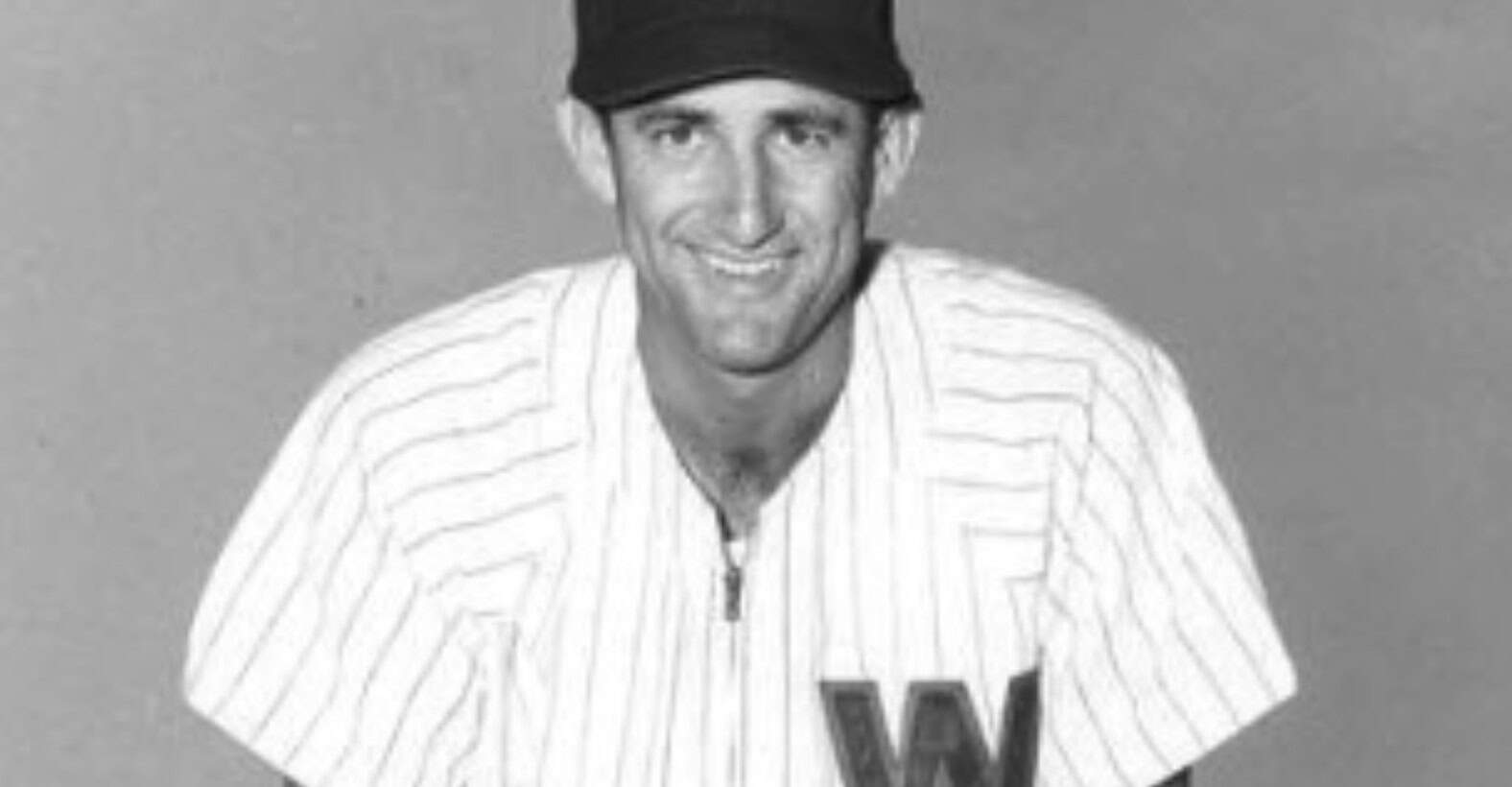
Vernon captured two batting titles (1946, 1953) and was renowned for his consistent hitting and excellent defense. His .353 batting average in 1946 marked his triumphant return from military service, showcasing his enduring talent and dedication to the game.
Dom DiMaggio: The Little Professor
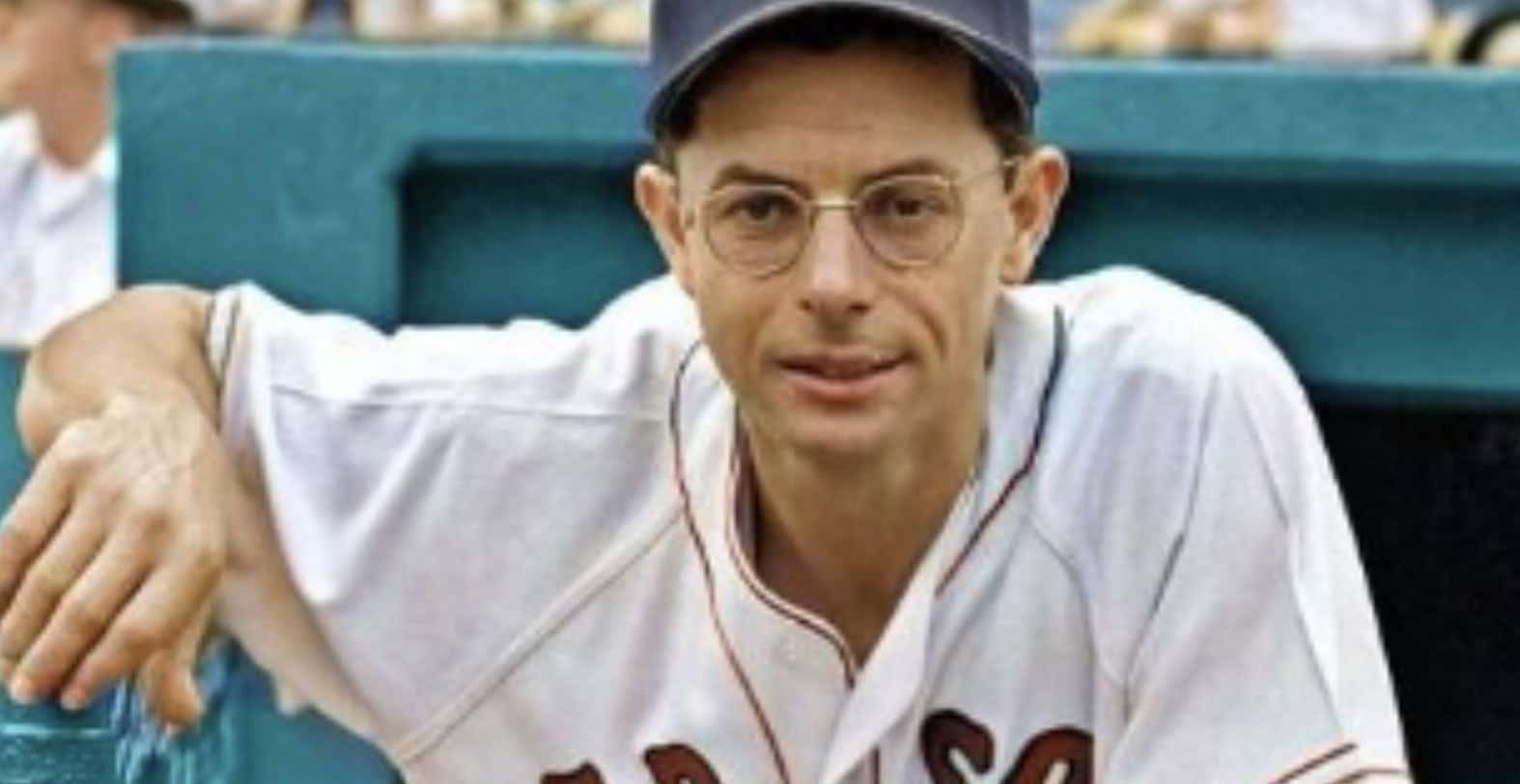
“The Little Professor” emerged from his famous brother’s shadow to become a star in his own right. He led the AL in runs scored twice and earned seven All-Star selections while playing outstanding defense in center field for the Red Sox, proving himself one of baseball’s most complete players.
Eddie Stanky: The Brat’s On-Base Excellence
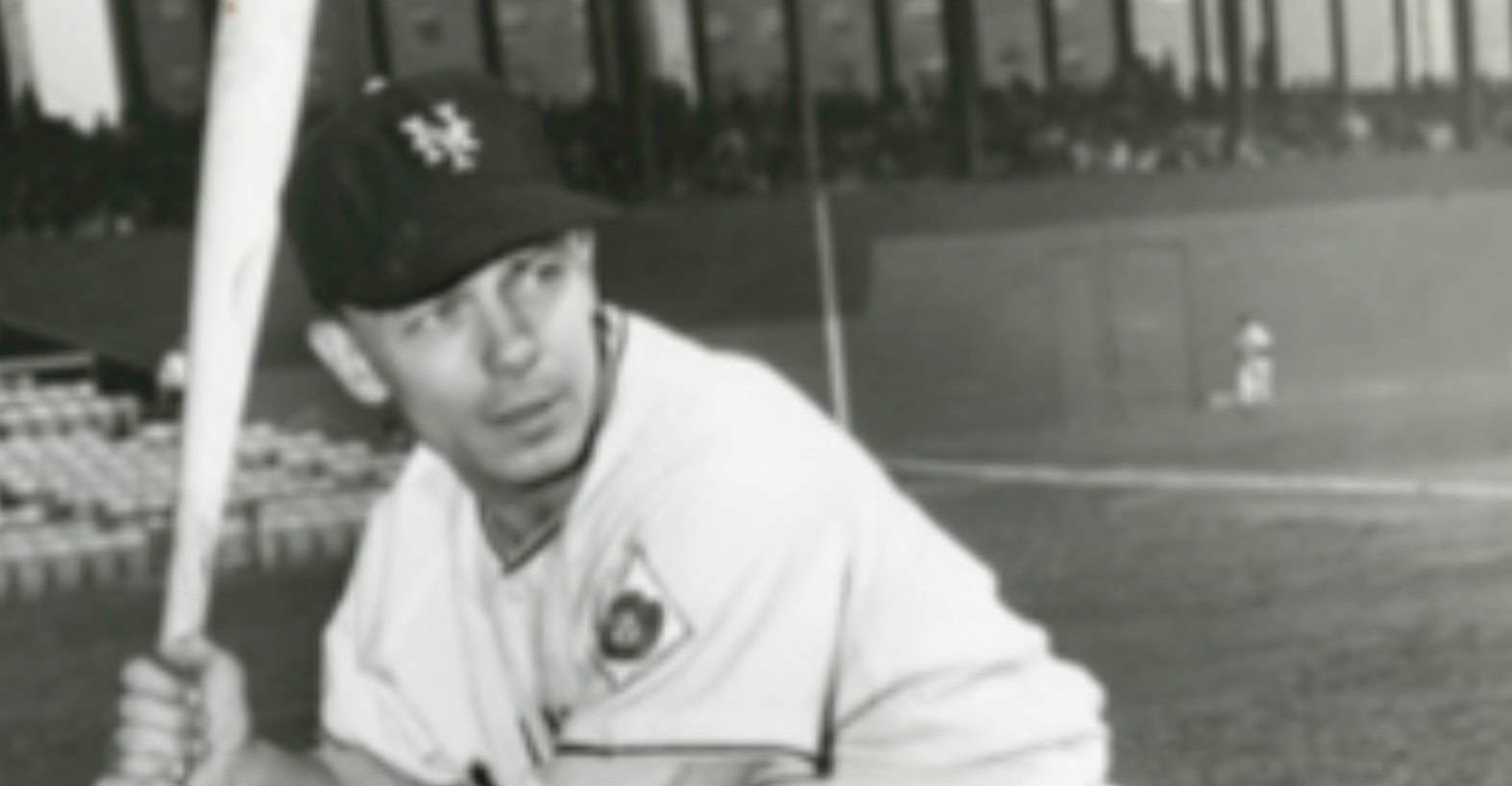
“The Brat” was known for his exceptional on-base skills and defensive prowess at second base. He led the NL in walks three times during the decade and was a catalyst for the 1947 Brooklyn Dodgers pennant winners. His aggressive style and ability to get on base made him one of the era’s most valuable table-setters.
Johnny Pesky: The Hit Machine
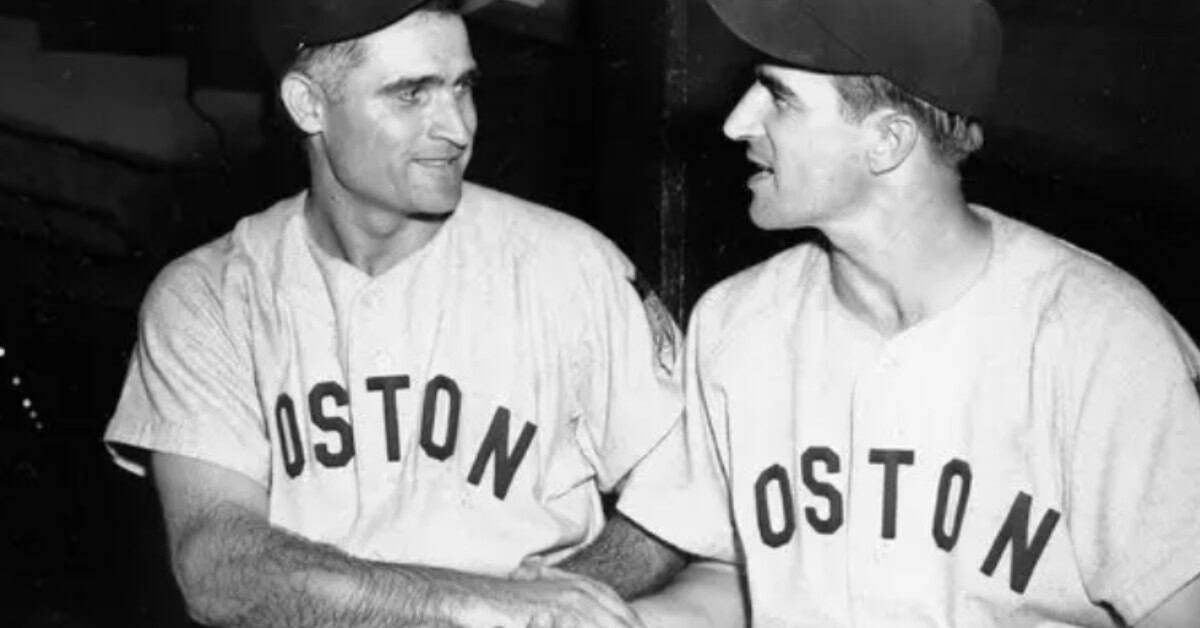
Despite missing three years to military service, Pesky was one of the decade’s best contact hitters. He led the AL in hits three straight years (1942, 1946, 1947) and was a key member of the Red Sox’s 1946 pennant-winning team. His consistent batting and reliable defense made him an integral part of Boston’s success.