

Last Updated: June 17th, 2026 by Michael Schatz
While baseball fans often remember the superstar catchers like Johnny Bench and Yogi Berra, many exceptional backstops have been forgotten with time. Here are 10 incredible MLB catchers whose achievements deserve to be remembered, from World Series heroes to defensive innovators.
Don't lose this article. Enter your email below, and I'll send it to you right now. Plus, we'll send you other unbelievable stories from baseball's past.
Gene Tenace: The On-Base Machine (1969-1983)

Gene Tenace revolutionized the catcher position with his exceptional plate discipline, posting a remarkable .388 career OBP. Despite never making an All-Star team, he won four World Series rings and hit four home runs in the 1972 World Series for Oakland. His combination of power (201 home runs) and patience (1,060 walks) made him one of baseball’s most underappreciated stars.
Ted Simmons: The Hall of Fame’s Late Bloomer (1968-1988)

Finally inducted into Cooperstown in 2020, Ted Simmons was criminally overlooked during his era. His 2,472 hits rank second all-time among catchers, and his 483 doubles are the most ever at the position. An eight-time All-Star, Simmons combined durability with excellence, posting a career .285 average and driving in 1,389 runs while competing in the era of Johnny Bench.
Bill Freehan: Detroit’s Defensive Dynamo (1961-1976)

The backbone of the 1968 World Series champion Tigers, Bill Freehan earned 11 All-Star selections and five Gold Gloves. His defensive excellence led AL catchers in fielding percentage seven times, while his offensive contributions included 200 home runs. Freehan’s complete game helped define an era of Tigers baseball that modern fans have largely forgotten.
Thurman Munson: The Captain Cut Short (1969-1979)
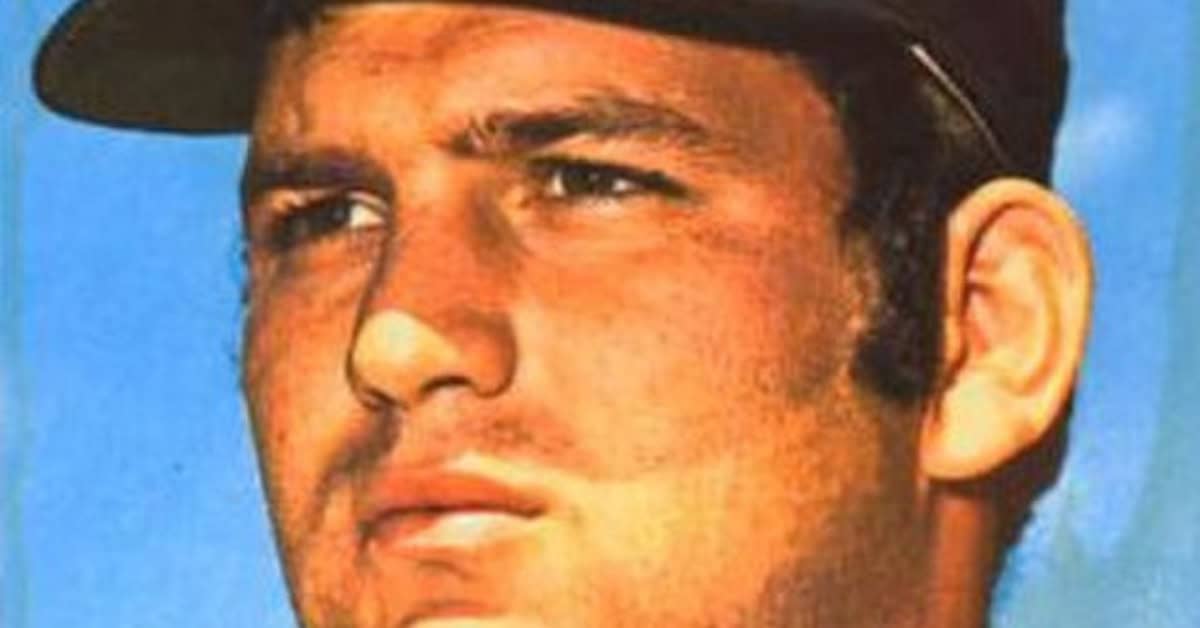
The 1976 AL MVP’s career was tragically cut short, but Thurman Munson’s impact was immense. With a .292 career average, seven All-Star selections, and three Gold Gloves, he led the Yankees to three straight pennants and two World Series titles. His combination of leadership, defensive excellence, and clutch hitting made him the complete package behind the plate.
Lance Parrish: The Power-Hitting Backstop (1977-1995)

An eight-time All-Star and six-time Silver Slugger winner, Lance Parrish dominated the 1980s with both power and defense. His 324 career home runs rank among the top 10 all-time for catchers, while his three Gold Gloves proved his defensive worth. As a key member of the 1984 World Series champion Tigers, Parrish’s legacy deserves greater recognition.
Jim Sundberg: The Defensive Pioneer (1974-1989)

Jim Sundberg revolutionized catching with his one-knee style, earning six consecutive Gold Gloves from 1976-1981. He caught more games than any other catcher in the 1980s and maintained a remarkable .993 career fielding percentage. His three All-Star selections and innovative defensive techniques influenced generations of catchers that followed.
Tony Peña: The Innovative Defender (1980-1997)

Tony Peña’s unique catching stance and defensive innovations earned him five All-Star selections and four Gold Gloves. His 1,950 games caught rank ninth all-time, and his throwing accuracy became legendary. During his 18-year career, Peña’s .260 batting average and defensive excellence made him one of the most reliable catchers of his era.
Darrell Porter: The Comeback Champion (1971-1987)
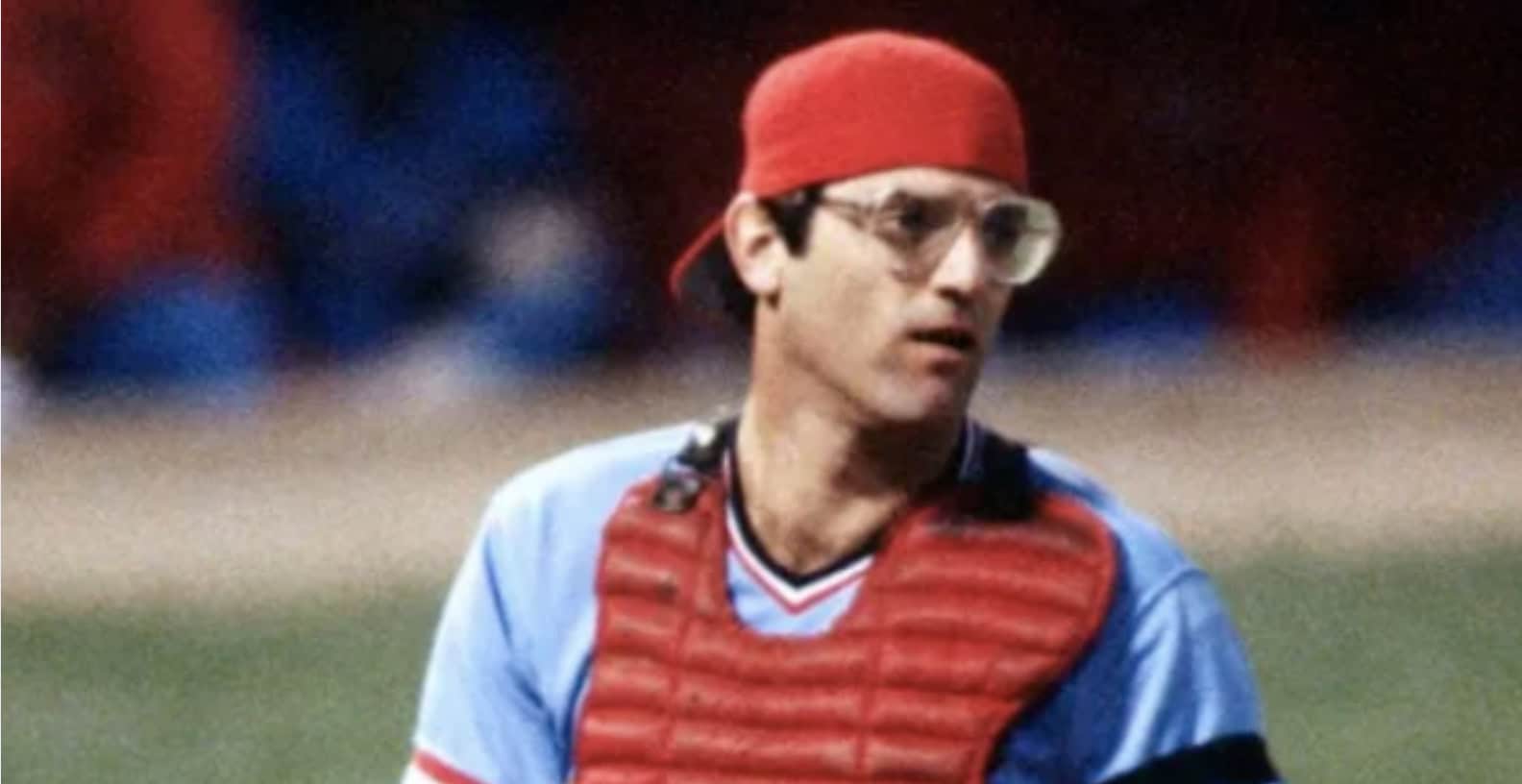
The 1982 World Series MVP overcame personal demons to become one of the era’s most complete catchers. A four-time All-Star, Porter combined excellent defense with power hitting, finishing with 188 home runs and a .354 career OBP. His triumph over addiction while maintaining elite performance makes his career even more remarkable.
Ron Hassey: The Perfect Game Specialist (1978-1991)
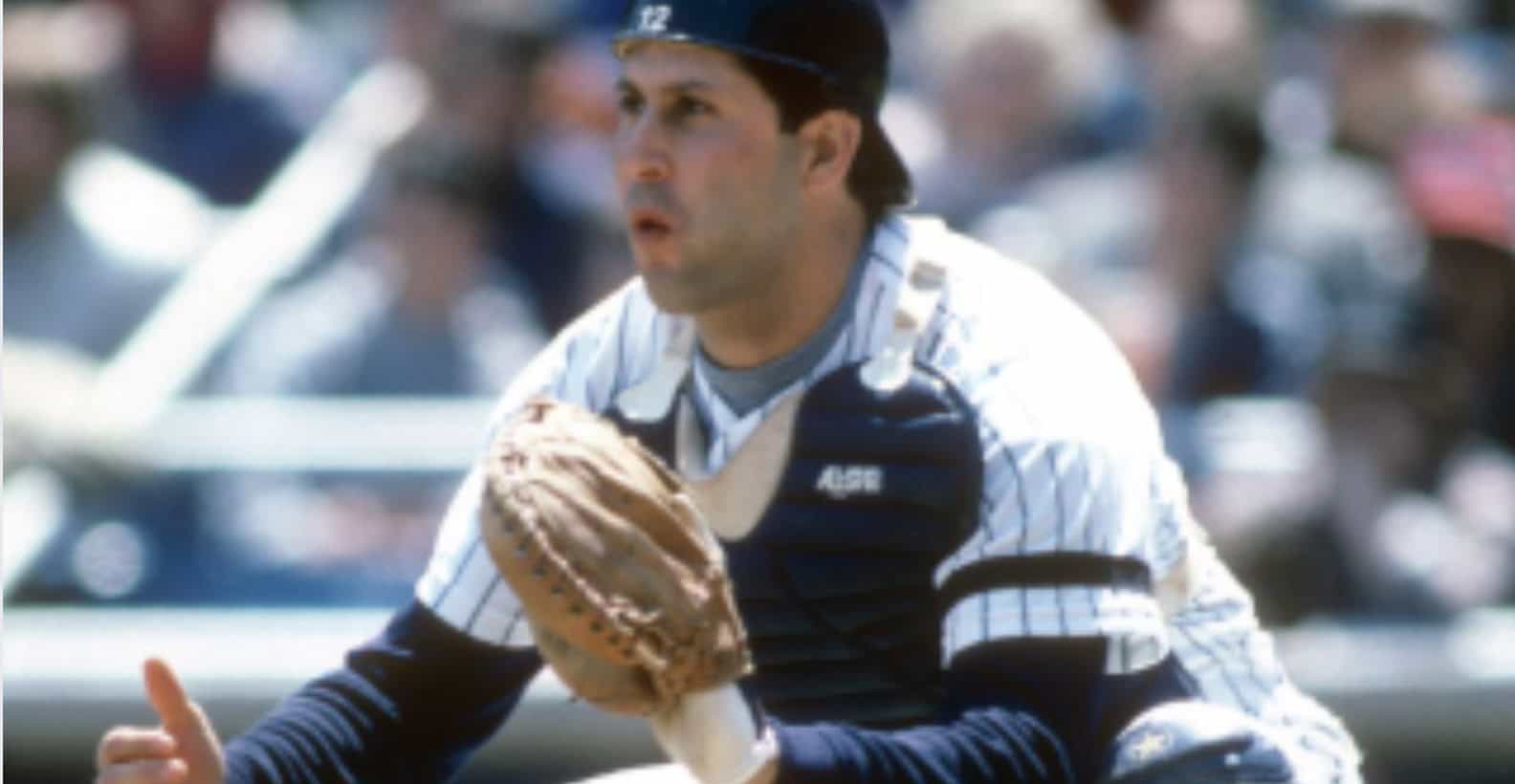
The only catcher in MLB history to catch two perfect games, Ron Hassey achieved this feat with Len Barker (1981) and Dennis Martinez (1991). A career .266 hitter, Hassey excelled at handling pitchers and contributed to multiple playoff teams, including the 1989 World Series champion Oakland A’s. His unique place in baseball history deserves greater recognition.