

Last Updated: June 17th, 2026 by Matthew Brown
Baseball isn’t just a game of inches—it’s a game of moments that changed everything. From boardroom battles to on-field revelations, these watershed events didn’t just alter America’s pastime; they transformed American culture itself. Let’s revisit the pivotal plays and decisions that made baseball what it is today, for better or worse.
Don't lose this article. Enter your email below, and I'll send it to you right now. Plus, we'll send you other unbelievable stories from baseball's past.
1947: Jackie Robinson Steps Onto Ebbets Field and America Changes Forever
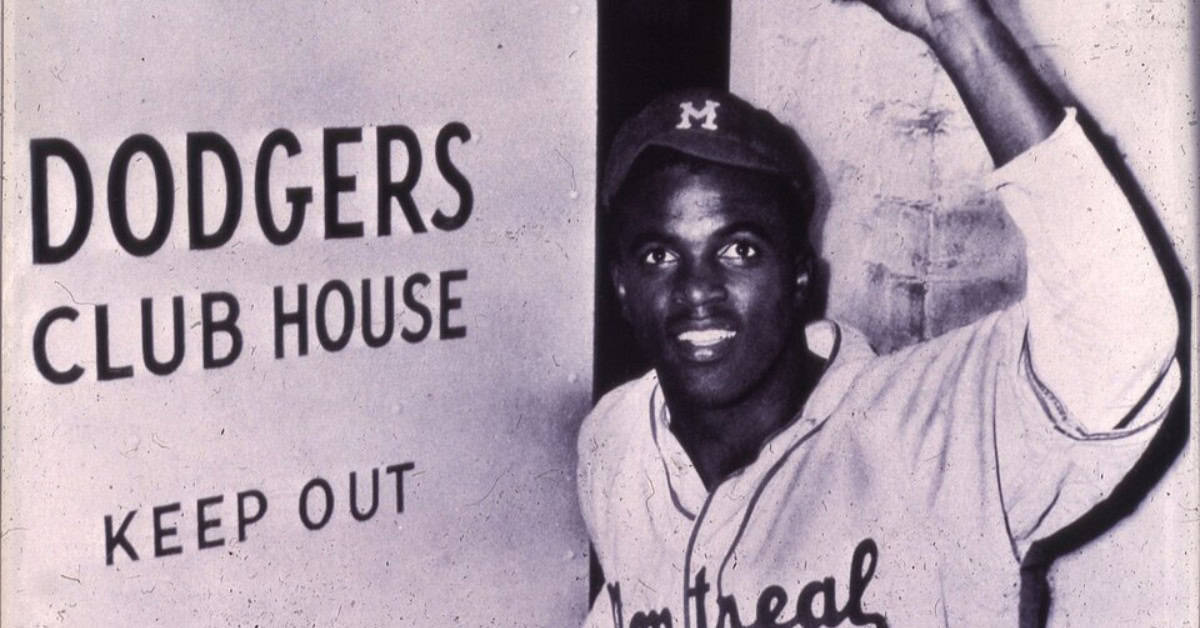
On April 15, 1947, a simple groundball to shortstop became a seismic shift in American history. Jackie Robinson’s first steps onto Ebbets Field didn’t just integrate baseball—they sparked a social revolution that echoed far beyond the diamond. While the box score that day showed Robinson going hitless in three at-bats, it couldn’t record the sound of barriers shattering or measure the weight of a nation’s conscience starting to shift.
1973: The American League Introduces the DH (And Pitchers Breathe Easy)
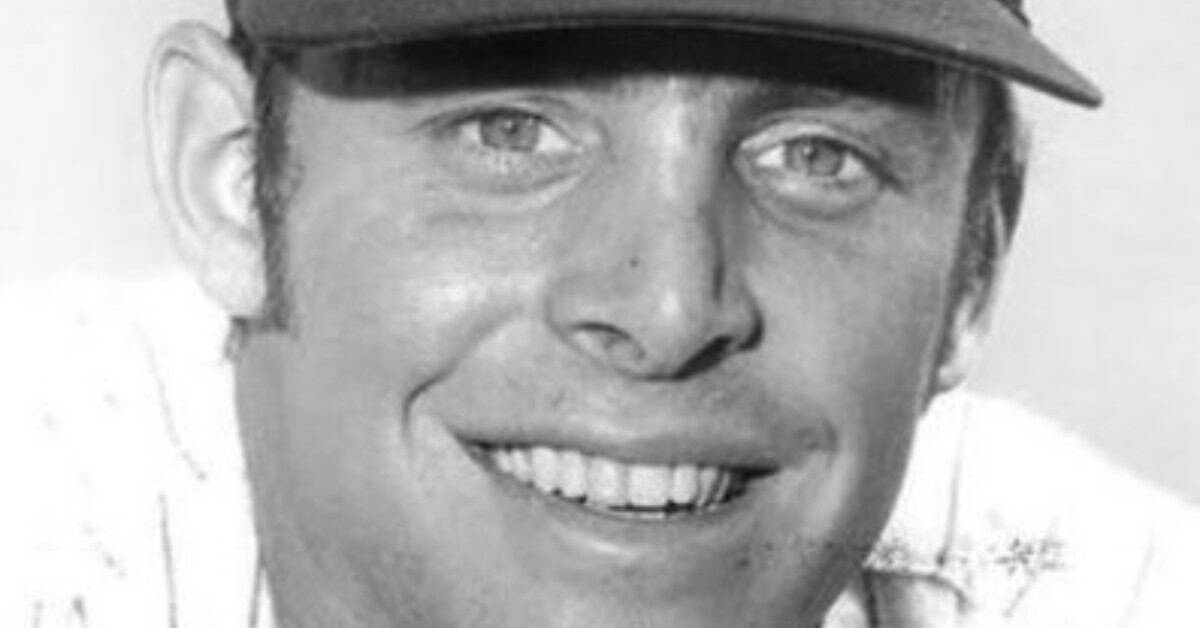
When Ron Blomberg stepped to the plate as baseball’s first designated hitter, purists clutched their scorecards in horror while American League pitchers silently celebrated. This radical rule change split baseball into two philosophical camps and sparked arguments that still rage in sports bars today. The DH turned the AL into a slugger’s paradise, while the NL held onto tradition like a well-worn glove.
1976: Free Agency Arrives (And Owner’s Checkbooks Start Trembling)
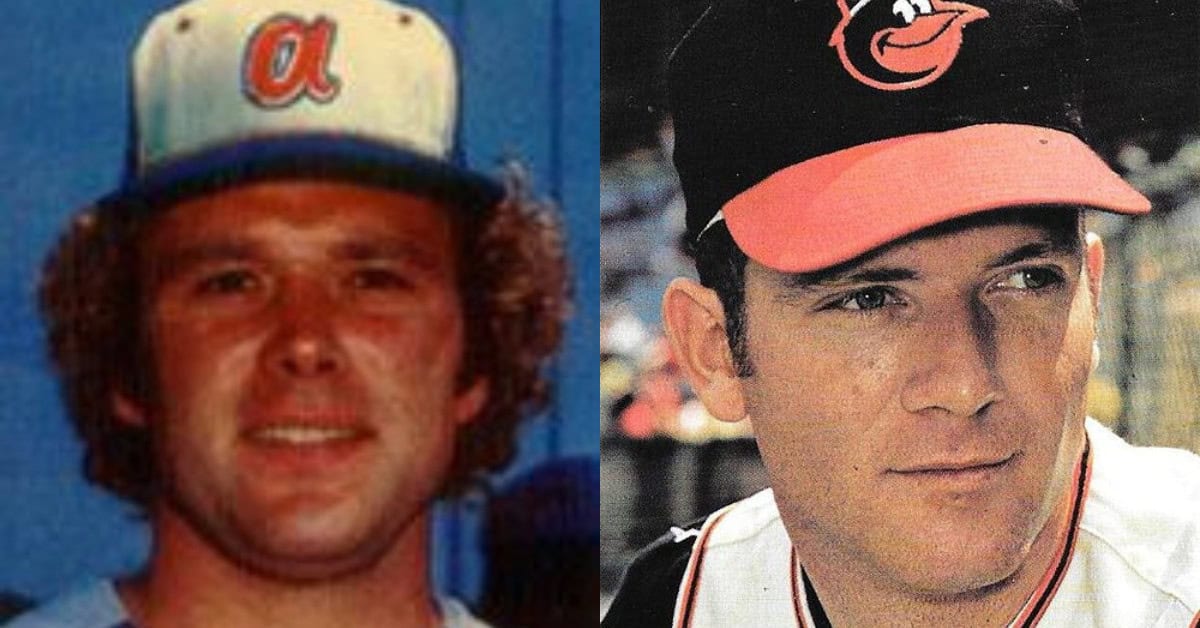
When Andy Messersmith and Dave McNally won their arbitration cases, baseball’s reserve clause crumbled like an old stadium. Suddenly, players could sell their services to the highest bidder, turning the Hot Stove League into a high-stakes poker game. The era of players being bound to one team for life came to an end, and the modern era of mega-contracts and winter bidding wars began.
1974: Hank Aaron’s 715th Homer Rewrites the Record Books

On a cool April night in Atlanta, Hank Aaron’s swing didn’t just send a ball over the fence—it sent Babe Ruth’s most hallowed record into history. Despite death threats and hate mail, Aaron persevered with quiet dignity, breaking baseball’s most prestigious record while breaking down lingering racial barriers. That home run trot around the bases became a victory lap for civil rights and human dignity.
1960: When Baseball Finally Got Serious About Expansion
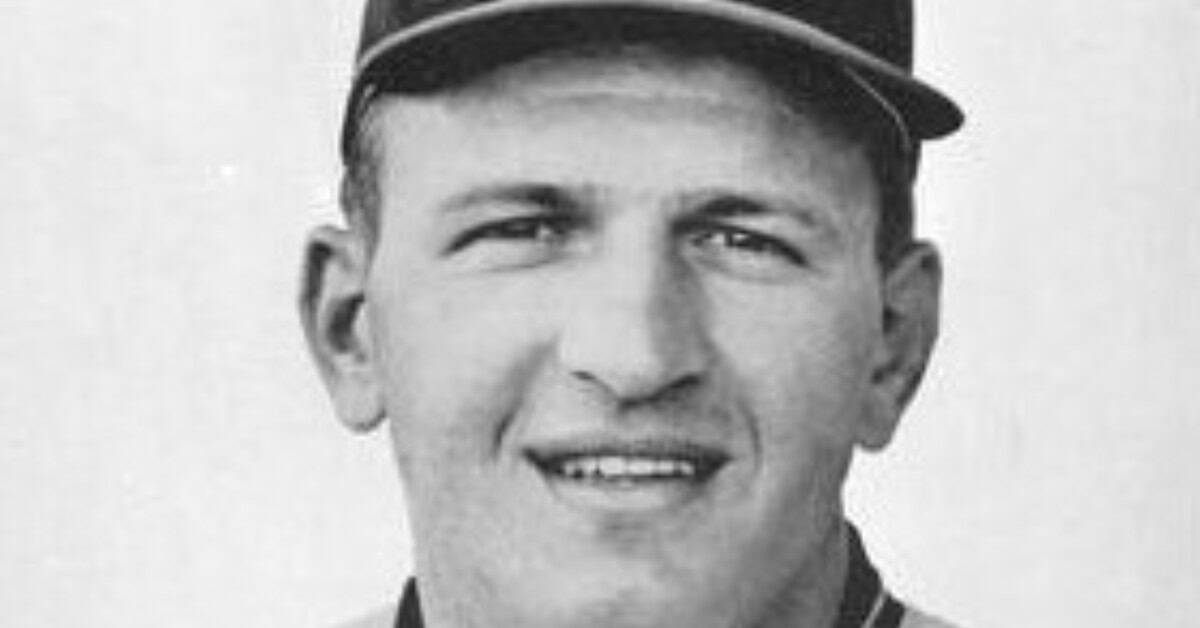
The Continental League threat forced baseball to grow up and grow out, expanding beyond its original eight-team leagues. This watershed moment transformed baseball from a regional curiosity into a truly national pastime. The addition of new teams meant more jobs for players, more games for fans, and the birth of the expansion draft, with Eli Grba becoming the first overall pick in 1961.
1977: The Birth of Night Baseball’s Golden Age

When ABC picked up Monday Night Baseball to compete with NBC’s Saturday Game of the Week, America’s viewing habits changed forever. Suddenly, prime-time baseball became appointment television, with Bob Uecker’s voice narrating summer evenings across the nation. The marriage of baseball and prime-time TV created a new generation of fans who experienced the game through the crackle of television static and the glow of stadium lights.
1972: Curt Flood’s Supreme Court Case Changes Everything

When Curt Flood refused to be traded like “a piece of property,” he sacrificed his career to challenge baseball’s reserve clause. Though he lost his Supreme Court case, his brave stand laid the groundwork for free agency and players’ rights, as arbitration was introduced three years later. Flood’s famous question—”Can they treat a man like cattle?”—forced baseball to confront its medieval labor practices.
1969: The Lowered Mound That Saved Baseball’s Offensive Soul
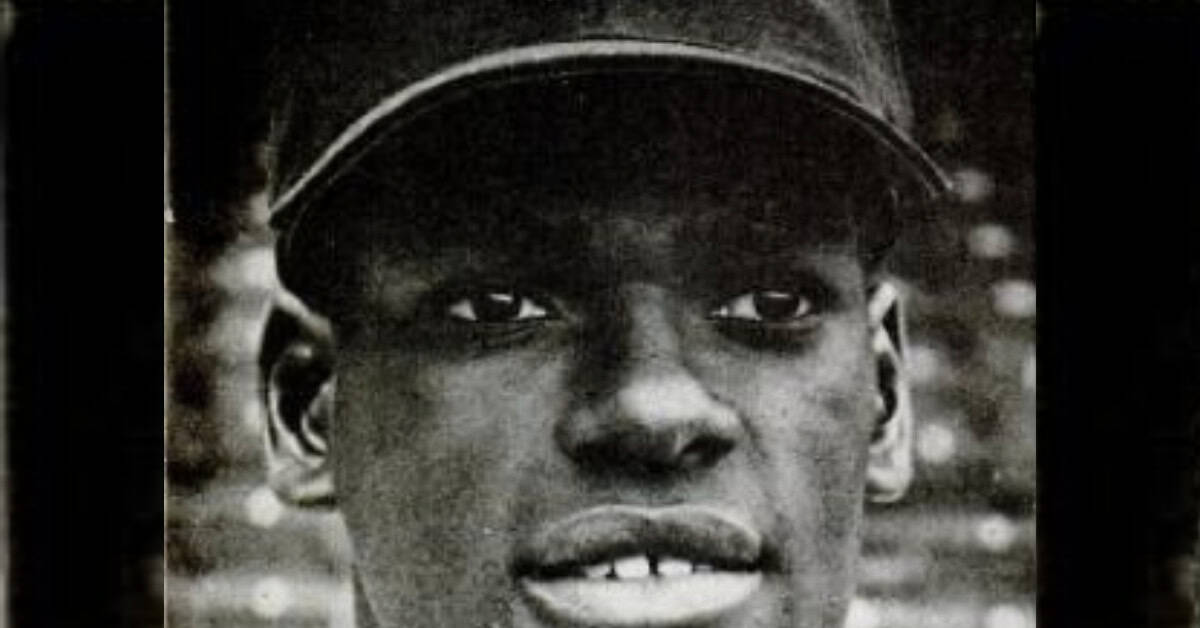
After the “Year of the Pitcher” in 1968, baseball literally brought pitchers down to earth by lowering the mound from 15 to 10 inches. This simple change transformed baseball from a pitcher’s paradise back into a hitter’s game. Bob Gibson’s otherworldly 1.12 ERA became the last gasp of an era when pitchers towered over hitters like gods on a mountain.
1994: The Strike That Nearly Killed America’s Pastime
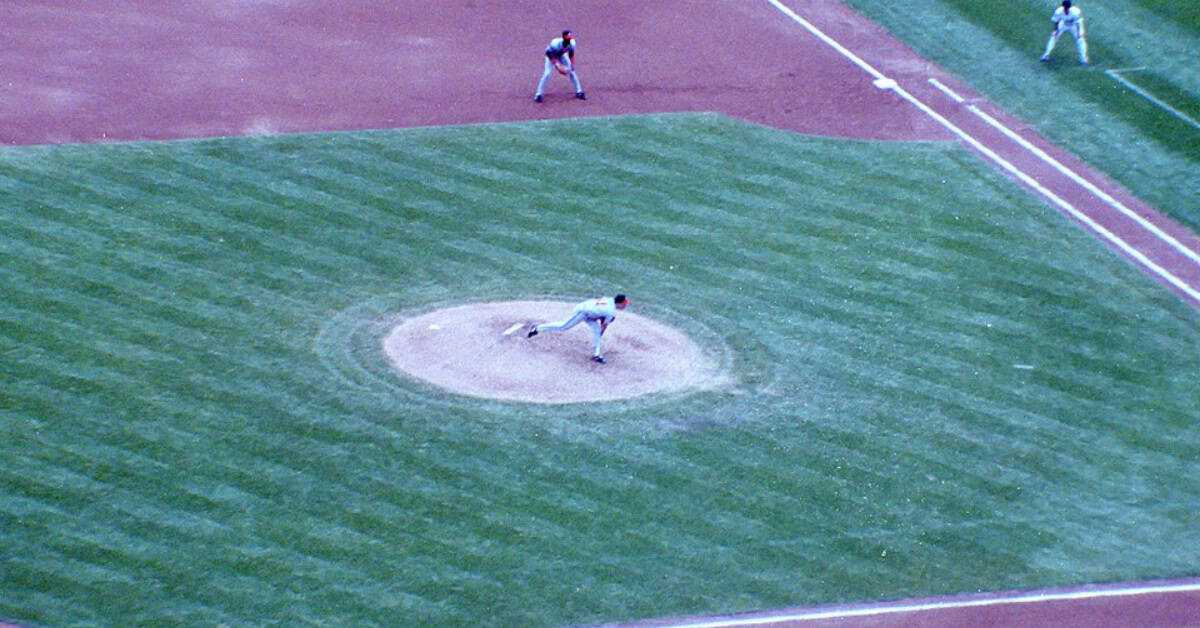
When players walked out in August 1994, they didn’t just cancel a season—they nearly canceled baseball’s place in America’s heart. The first cancelled World Series since 1904 left fans feeling betrayed and ballparks empty. The game would need home run chases, Iron Men, and pharmaceutical enhancement to win back the public’s trust.
1953: The Braves Move to Milwaukee (And the Exodus Begins)
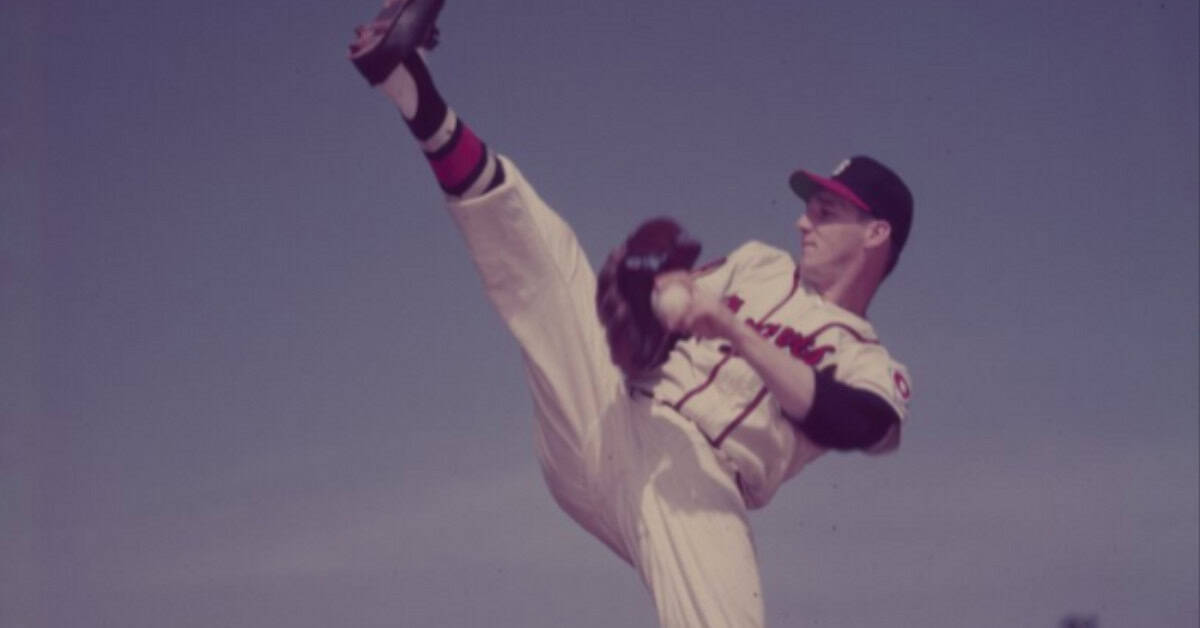
When the Braves abandoned Boston for Milwaukee, they shattered the illusion that major league teams belonged to their cities. This first franchise relocation of the modern era opened the floodgates for teams to chase greener pastures and newer stadiums. The move proved that in baseball, as in life, money talks and loyalty walks—usually straight to a new city with better tax incentives.