
Last Updated: June 17th, 2026 by Matthew Brown
Before launch angles and spin rates, there was pure baseball magic. Back when pitchers relied more on deception than data, certain breaking balls didn’t just fool hitters—they haunted their dreams. These weren’t just pitches; they were physics-defying works of art that made even the most confident sluggers question their life choices. Let’s revisit the most devastating curveballs that turned baseball’s greatest hitters into mere mortals.
Don't lose this article. Enter your email below, and I'll send it to you right now. Plus, we'll send you other unbelievable stories from baseball's past.
1963: Sandy Koufax’s Curve Made Willie Mays Ask for a Day Off
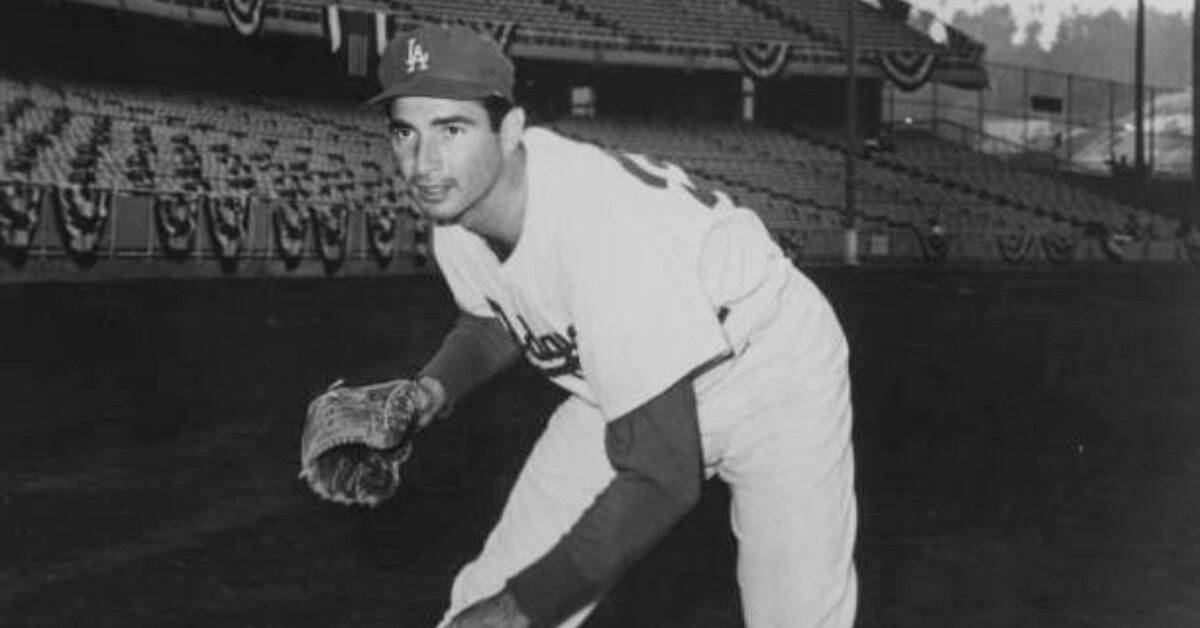
When Willie Mays, the Say Hey Kid himself, supposedly asked for a “rest day” before facing Koufax, you knew this wasn’t just another curveball. Sandy’s hook started at a batter’s head and ended at their feet, moving so late that hitters were often bailing out while the ball crossed for a strike.
1971: Bert Blyleven’s “Jack Benny” Curve Dropped Like an Elevator
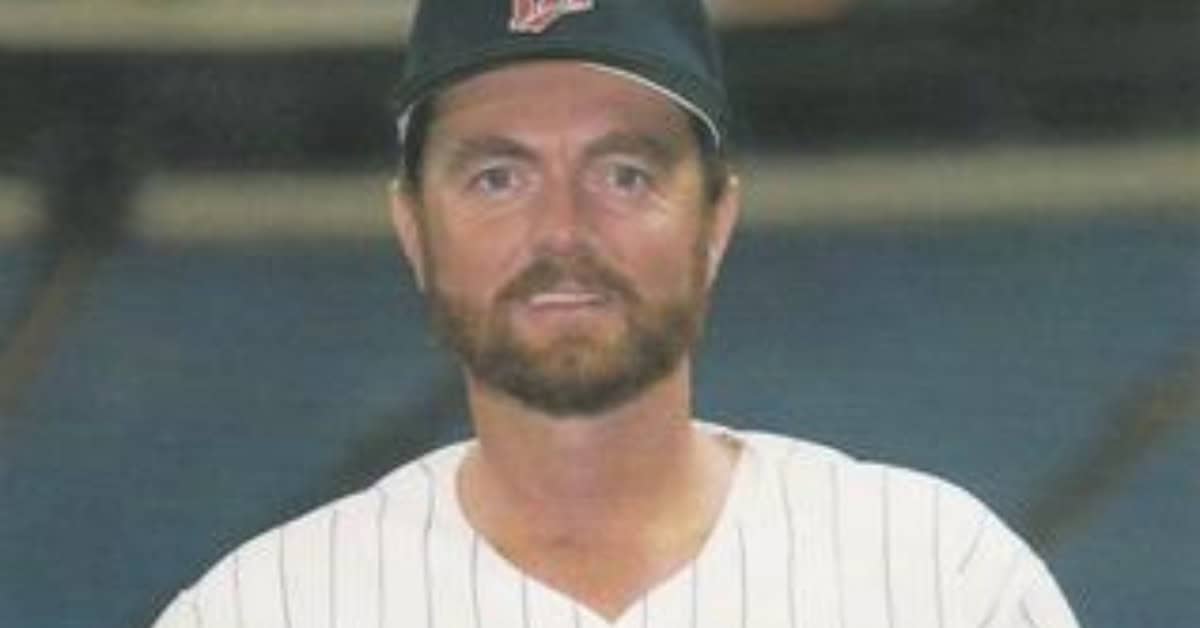
Nicknamed after the comedian’s perpetual age of 39, Blyleven’s curve was pure vaudeville entertainment. The pitch would start at eye level, then plummet like it hit an invisible trapdoor, often dropping a full 18 inches.
1955: Camilo Pascual’s “Cuban Delight” Fooled Ted Williams Three Times
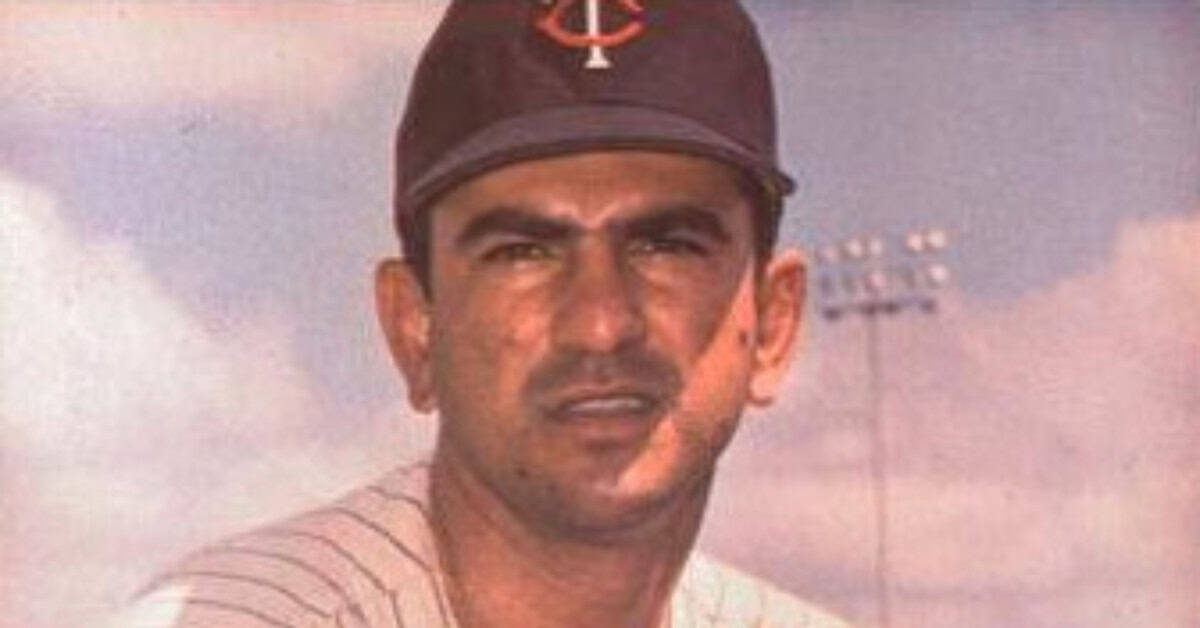
When Ted Williams, arguably the greatest hitter ever, strikes out three times against the same pitch, you know it’s special. Pascual’s curve had such a sharp break that Williams later admitted he could see the spin but still couldn’t hit it. The “Cuban Delight” moved like a butterfly with hiccups, starting high and outside before diving low and in.
1978: When Nolan Ryan’s Curve Made Reggie Jackson Spin Like a Top
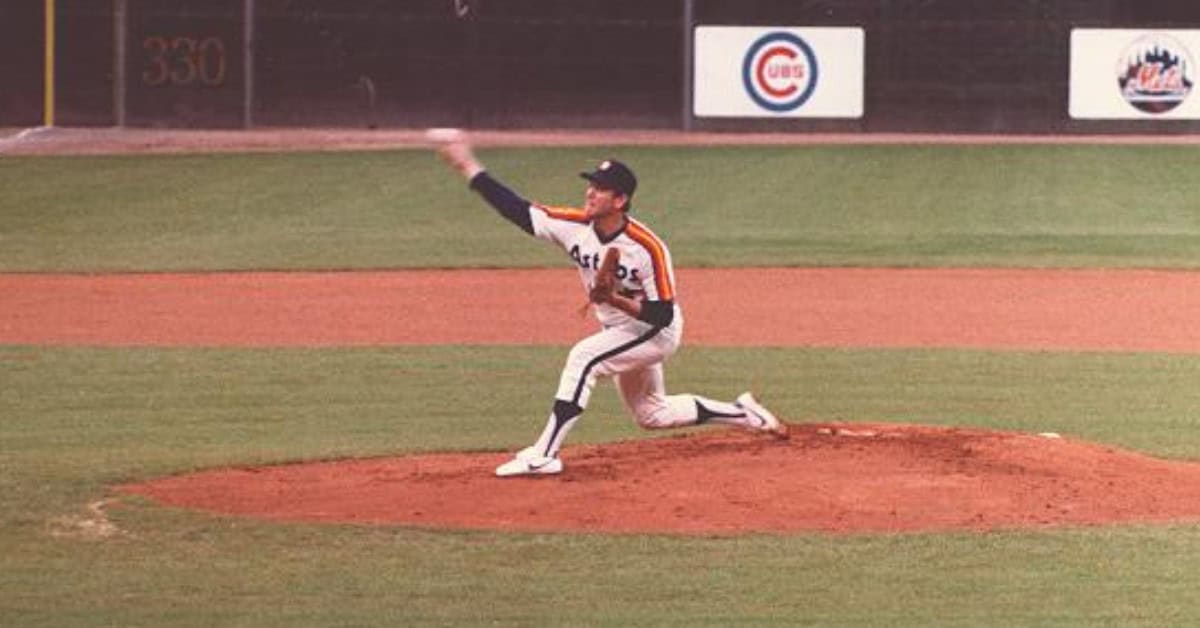
Everyone knew about Ryan’s fastball, but his curve was the pitch that truly terrorized hitters. After a steady diet of 100-mph heat, Ryan’s breaking ball would have sluggers corkscrewing themselves into the ground.
1967: Bob Gibson’s “Yakker” That Made Hitters Born Again Religious
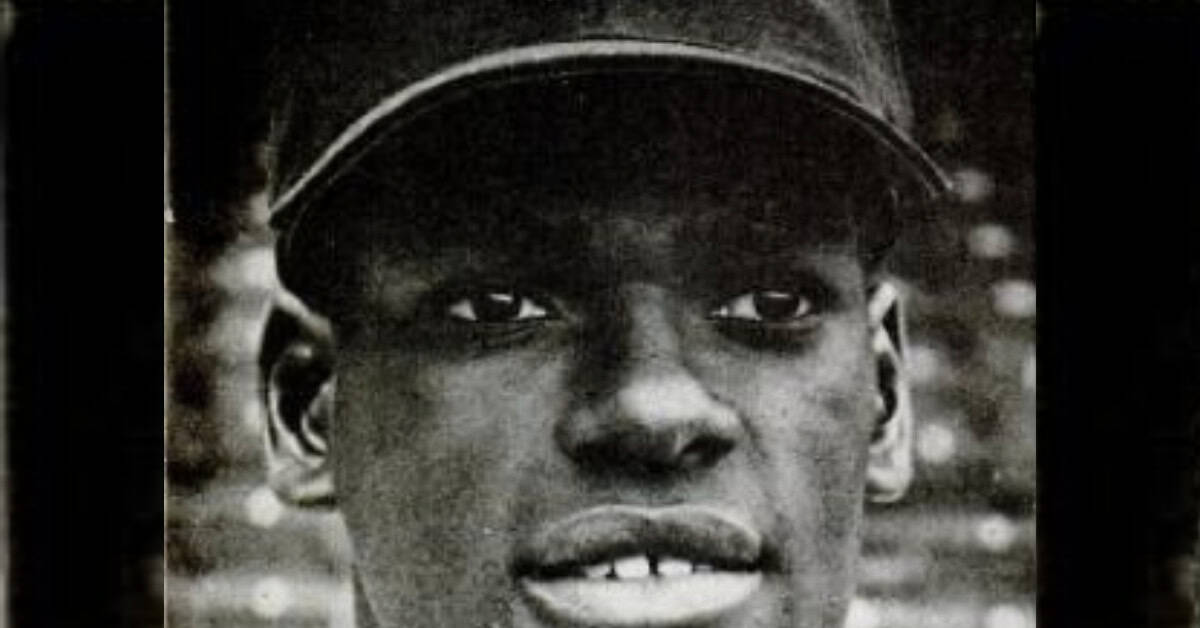
Gibson’s curve didn’t just break bats—it broke spirits. Thrown with the same intimidating intensity as his fastball, his “yakker” would have batters jumping back from pitches that crossed the heart of the plate.
1984: Dwight Gooden’s “Lord Charles” Had Veterans Questioning Physics
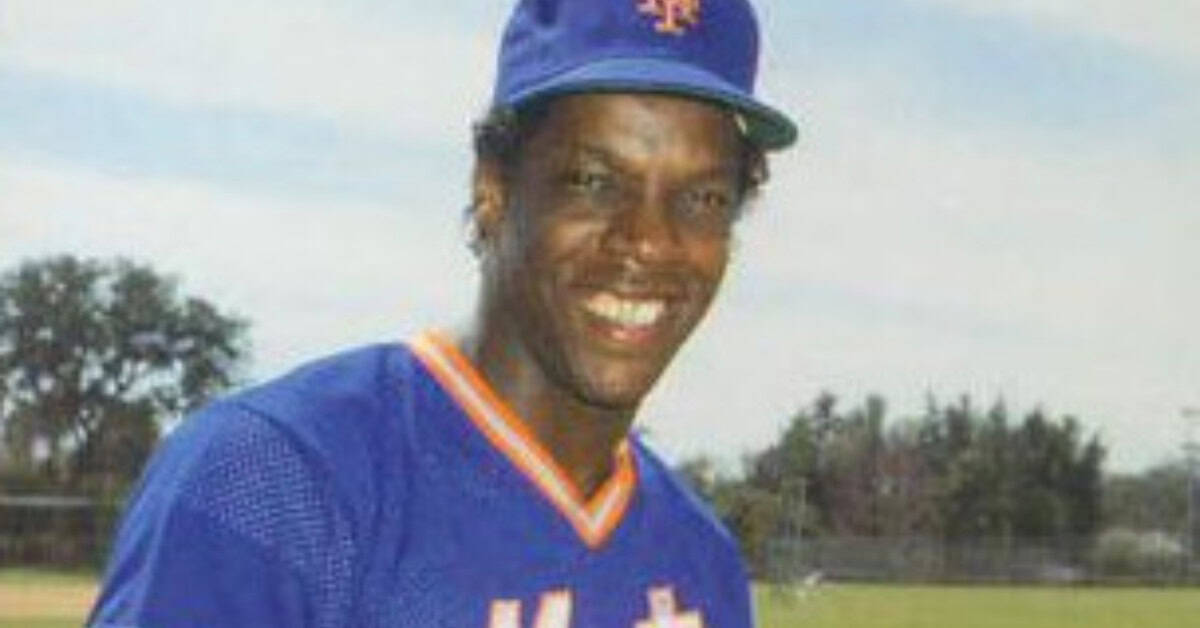
At age 19, Doc Gooden’s curveball was already being called “Lord Charles” (an upgrade from the common “Uncle Charlie” nickname for curves). The pitch would start behind right-handed batters and somehow find the outside corner, leading Keith Hernandez to joke that Gooden was “pitching with a Wiffle ball.”
1973: Rich Gossage’s Power Curve Made Sluggers Flinch at Fastballs
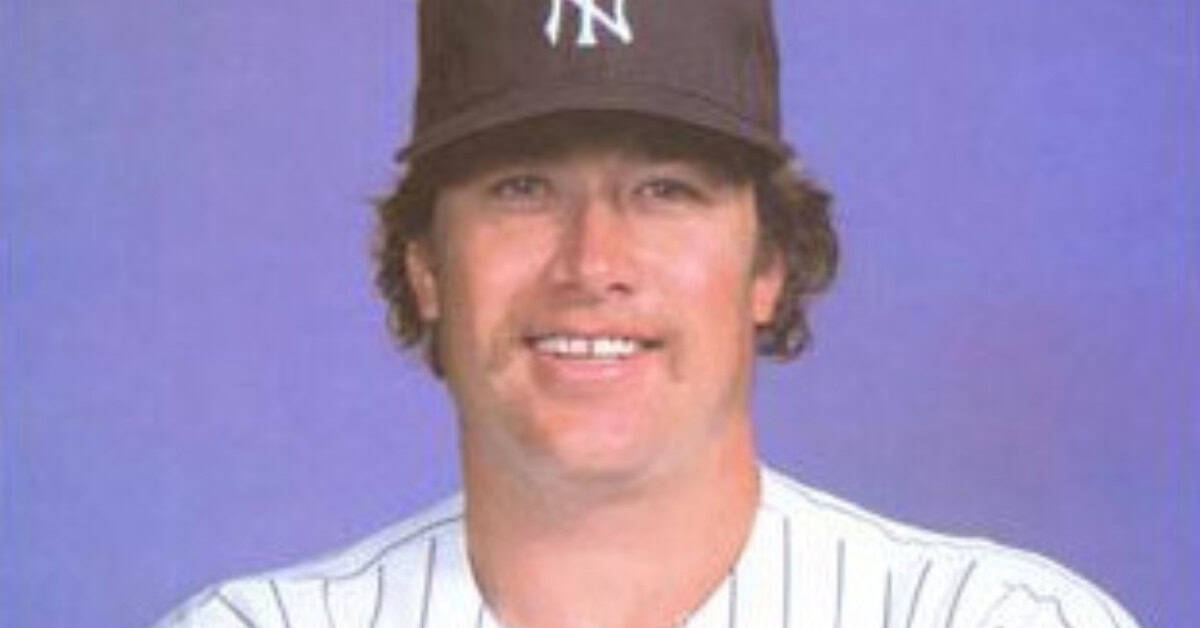
The Goose’s breaking ball was as intimidating as his mustache. Thrown at nearly fastball speed, it would break so late that batters were already committed to their swing before the bottom dropped out.
1969: Mike Cuellar’s “Spanish Archer” That Defied Gravity Itself
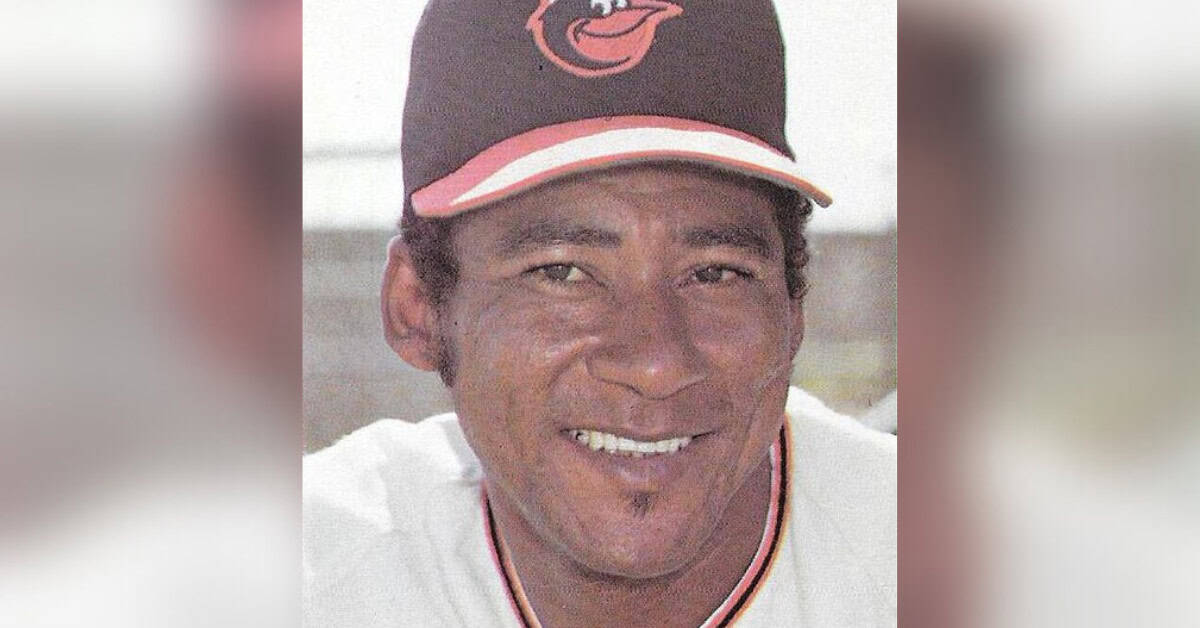
Cuellar’s signature curve seemed to pause mid-flight before taking a sharp left turn. The “Spanish Archer” was as baffling as any at the time. Even Earl Weaver admitted he had no idea how Cuellar threw it.
1982: Steve Carlton’s Slider-Curve That Nobody Could Define

Lefty’s breaking ball was so unique that hitters couldn’t agree on what it was. Some called it a slider, others a curve, but everyone called it unhittable. The pitch would break two different ways, leading Carlton to 23 wins and his fourth Cy Young Award.
1988: When Orel Hershiser’s Curve Created a Scoreless Streak
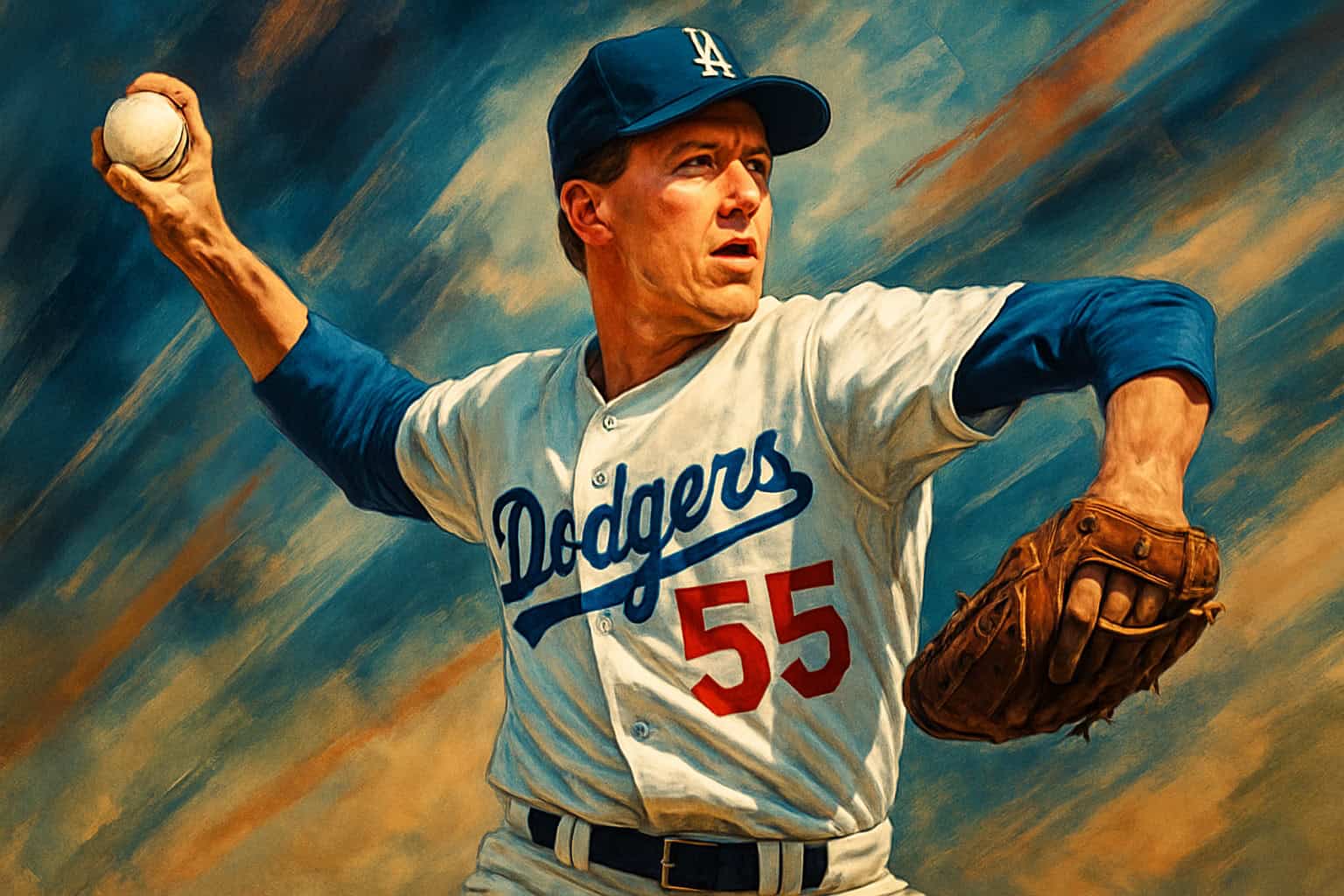
The Bulldog’s curve was so deceptive that batters would often walk away laughing after striking out. During his record-breaking scoreless innings streak, Hershiser’s breaking ball became almost mythical.