


Last Updated: June 17th, 2026 by Michael Schatz
Don't lose this article. Enter your email below, and I'll send it to you right now. Plus, we'll send you other unbelievable stories from baseball's past.
1968 wasn’t just another baseball season – it was the year pitchers dominated the game like never before or since. The numbers were so staggering that MLB was forced to lower the pitcher’s mound the following year. From Bob Gibson’s untouchable performances to Denny McLain’s 31-win season, here are the most jaw-dropping statistics that prove why 1968 truly was “The Year of the Pitcher.”
Bob Gibson’s Otherworldly 1.12 ERA: A Record That Still Stands

Bob Gibson’s 1.12 ERA in 1968 remains the lowest single-season ERA in baseball’s modern era. Over 304⅔ innings pitched, Gibson allowed just 38 earned runs, threw 13 shutouts, and completed 28 of his 34 starts. Even more remarkably, in June and July, he pitched five consecutive shutouts and allowed only two runs in 92 innings – an ERA of 0.20.
Denny McLain’s 31 Wins: The Last of the 30-Game Winners
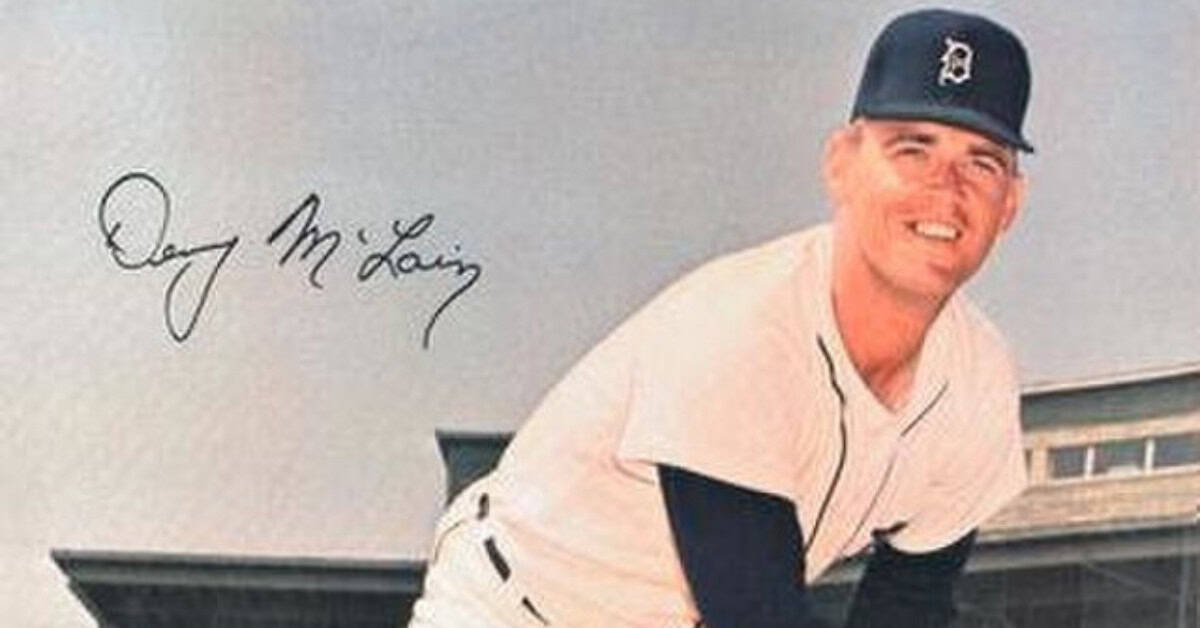
Detroit’s Denny McLain achieved something we’ll likely never see again: 31 wins in a single season. The last pitcher to win 30 games, McLain started 41 games, completed 28 of them, and pitched an astounding 336 innings. His 31-6 record helped lead the Tigers to a World Series championship and earned him both the AL MVP and Cy Young Award.
A Mind-Boggling 339 Total Shutouts: Nearly One Per Day

The 1968 season saw an incredible 339 shutouts across both leagues – nearly one per day of the season. To put this in perspective, the entire 2023 MLB season saw just 129 shutouts. The combination of higher mounds, bigger strike zones, and dominant pitchers created a perfect storm for offensive futility.
League-Wide ERA of 2.98: The Only Sub-3.00 Season Ever

For the first and only time in MLB history, the combined ERA of all pitchers in both leagues finished below 3.00. The National League posted a 2.99 ERA, while the American League finished at 2.98. This unprecedented pitching dominance led to a collective batting average of just .237, the lowest since 1908.
Don Drysdale’s 58⅔ Consecutive Scoreless Innings
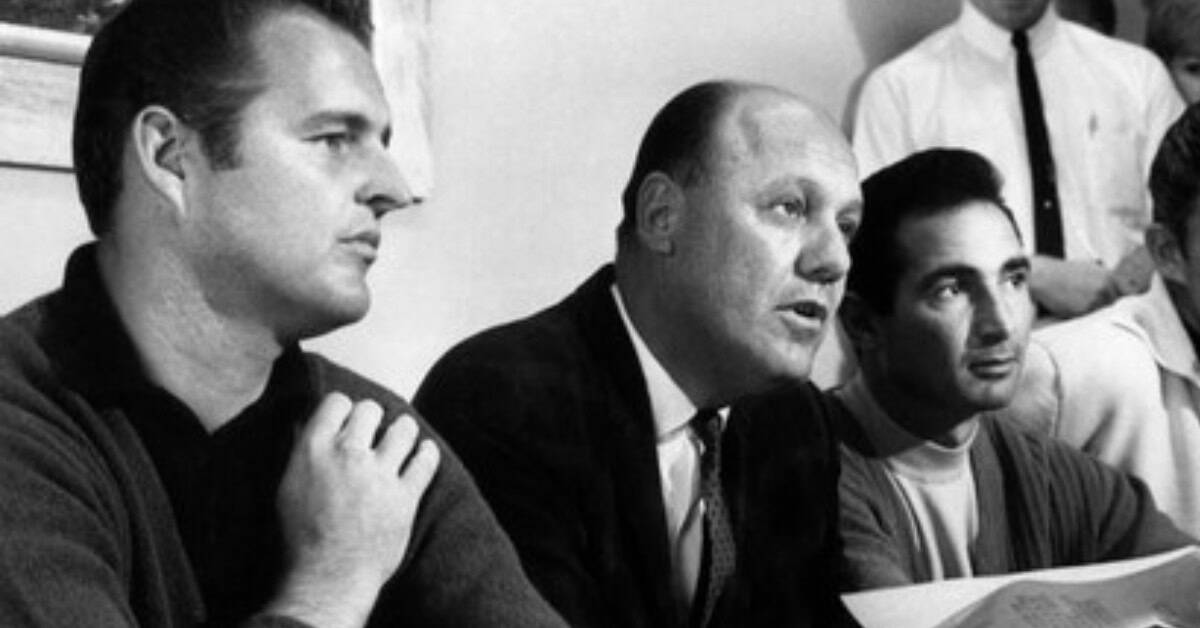
Dodgers ace Don Drysdale set what was then a major league record with 58⅔ consecutive scoreless innings. During this stretch, he threw six straight shutouts, breaking Walter Johnson’s previous record of 55⅔ innings set in 1913. The streak finally ended on June 8 when Tony Taylor scored an unearned run for the Phillies.
Luis Tiant’s Microscopic 1.60 ERA (And Still Only Fourth Best!)

Cleveland’s Luis Tiant posted an incredible 1.60 ERA over 258⅓ innings, yet amazingly finished only fourth in the American League. He led the league with 9.22 strikeouts per nine innings and allowed just 5.3 hits per nine, the lowest in American League history at that point.
A Record Seven No-Hitters in a Single Season
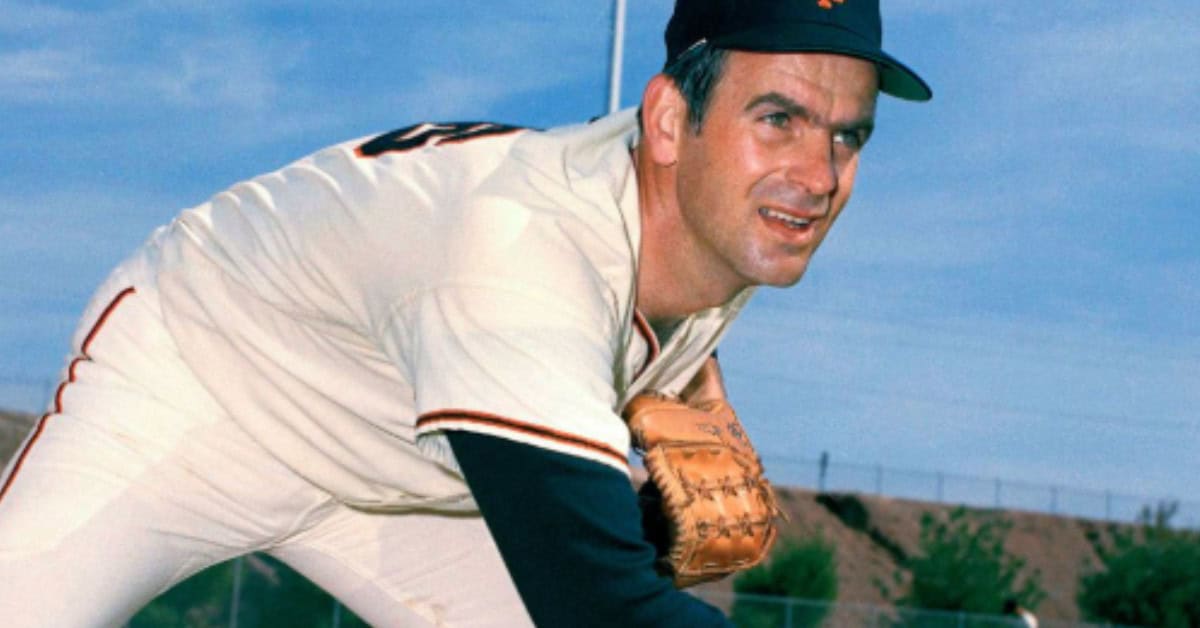
The 1968 season witnessed seven no-hitters, tying the record for most in a single season. This included Catfish Hunter’s perfect game for Oakland against Minnesota, the first perfect game in the American League since 1922. The season’s final no-hitter came from Ray Washburn, just one day after Gaylord Perry had thrown one against him.
Complete Games Galore: 1,098 Distance-Going Performances

In an era before specialized relievers, starting pitchers completed 1,098 games in 1968. To put this in perspective, there were just 36 complete games in the entire 2023 MLB season. Pitchers regularly threw 250-300 innings, with some surpassing 300 innings – a workload that would be unthinkable today.
Bob Gibson’s 13 Shutouts: Pure Dominance
Gibson’s 13 shutouts in 1968 represent the most in a single season since 1916. During one stretch, he threw five consecutive shutouts and had a streak of 47⅔ scoreless innings. In the World Series that year, he set a record with 17 strikeouts in Game 1 against Detroit.
The Year Baseball Changed the Rules: Lowering the Mound

The pitching dominance of 1968 was so extreme that MLB took dramatic action, lowering the pitcher’s mound from 15 inches to 10 inches for the 1969 season. The strike zone was also reduced, and these changes helped usher in a new era of offensive baseball. The 1968 season remains a testament to perhaps the greatest collection of pitching performances in baseball history.