

Last Updated: June 17th, 2026 by Michael Schatz
The 1940s were a golden era for first basemen in baseball, featuring a remarkable blend of power hitters, defensive specialists, and war heroes who shaped America’s pastime during a pivotal decade. From those who served their country to those who kept the home crowds cheering, these sixteen first basemen left an indelible mark on the game. Join us as we celebrate these legendary players who defined their positions during baseball’s greatest generation.
Don't lose this article. Enter your email below, and I'll send it to you right now. Plus, we'll send you other unbelievable stories from baseball's past.
1. Johnny Mize: The Big Cat’s Remarkable Return

Known as “The Big Cat” for his smooth fielding style, Johnny Mize dominated the 1940s with his powerful left-handed swing. Despite missing three prime years (1943-45) serving in World War II, he returned to baseball with a vengeance, blasting 51 home runs in 1947 for the Giants. His remarkable .312 career batting average and three home run titles during the decade cemented his legacy as one of the era’s most feared sluggers.
2. Hank Greenberg: From War Hero to Baseball Legend
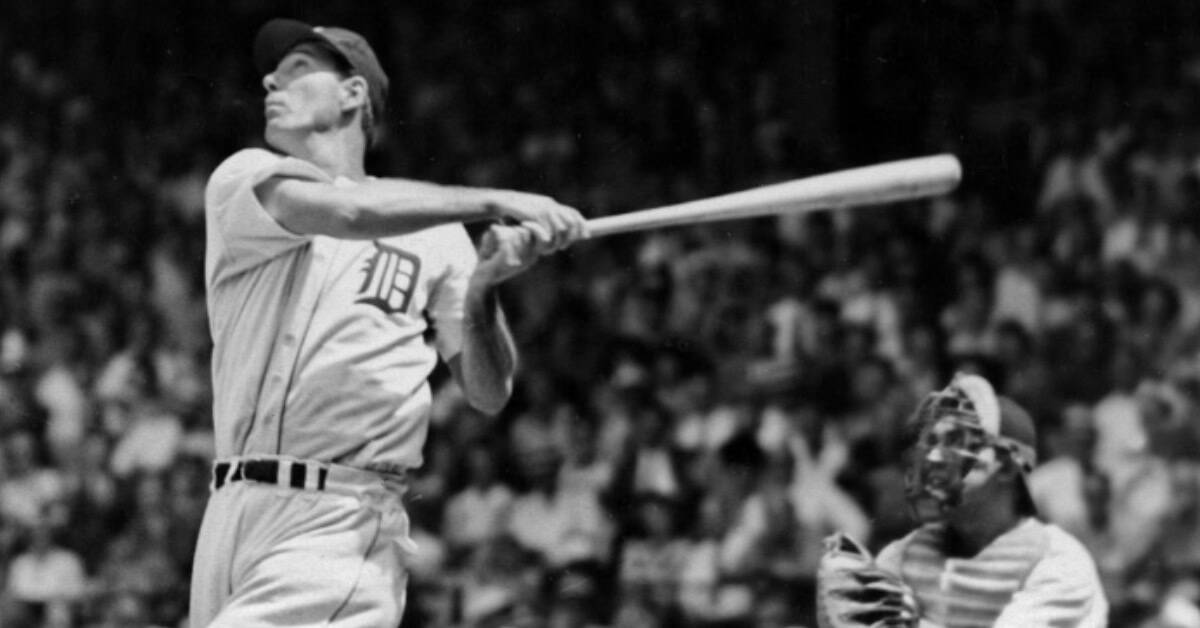
Greenberg’s story epitomizes the greatest generation, serving nearly five years in the military during his prime playing days. Upon his return in mid-1945, he dramatically homered in his first game back and led the Tigers to a World Series championship. In 1946, his final full season with Detroit, he led the American League with 44 home runs and 127 RBIs, proving his warrior spirit extended beyond the battlefield.
3. Frank McCormick: Cincinnati’s Defensive Wizard

The 1940 National League MVP, McCormick was the cornerstone of Cincinnati’s championship team that year. His exceptional .995 fielding percentage set a standard for defensive excellence, while his consistent batting earned him eight consecutive All-Star selections. McCormick led the league in hits twice during the decade and was renowned for his durability, playing in 652 consecutive games.
4. Phil Cavarretta: Chicago’s Hometown Hero

A Chicago native who won the 1945 MVP award while leading the Cubs to the World Series, Cavarretta epitomized consistency throughout the decade. His .355 batting average in 1945 led the National League, and his steady presence helped anchor the Cubs’ infield for over 20 years. The three-time All-Star remained a fan favorite in the Windy City throughout his career.
5. Mickey Vernon: The Sweet-Swinging Senator
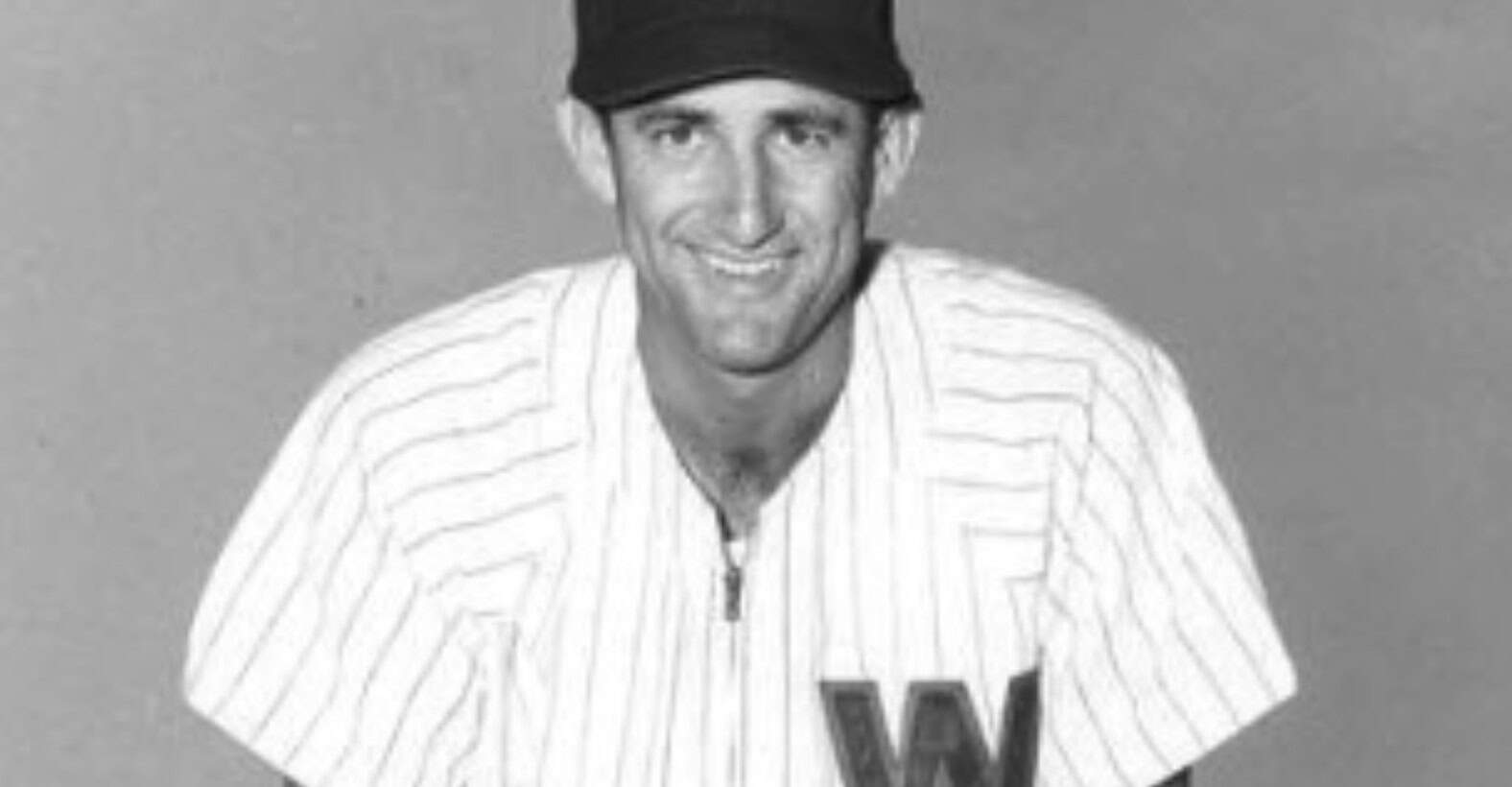
Vernon’s smooth left-handed swing helped him capture the 1946 American League batting title with a .353 average. His defensive prowess at first base was equally impressive, as he led AL first basemen in fielding percentage multiple times. Despite losing two years to military service, Vernon returned to become one of the most consistent hitters of the era.
6. Rudy York: Detroit’s Power-Hitting Pioneer
York’s powerful bat made him one of the decade’s most feared sluggers, leading the American League with 34 home runs in 1943. His remarkable 1940 season saw him drive in 134 runs while batting .316, helping Detroit reach the World Series. York’s consistency at the plate produced seven seasons of 20+ home runs during the 1940s.
7. Joe Kuhel: The Underrated White Sox Star

Kuhel’s steady presence anchored the White Sox infield throughout the early 1940s. His exceptional fielding skills and reliable bat made him a valuable asset, particularly during the 1943 season when he hit .313 and led all AL first basemen in fielding percentage. Known for his durability, Kuhel played in over 140 games six times during the decade.
8. Dolph Camilli: Brooklyn’s Beloved Slugger

The 1941 National League MVP, Camilli was the heart of Brooklyn’s lineup early in the decade. His powerful left-handed swing produced 34 home runs and 120 RBIs during that championship season. Despite playing in the shadow of larger markets, Camilli’s consistent power and excellent fielding made him one of the era’s premier first basemen.
9. Nick Etten: The Yankee Bridge Builder
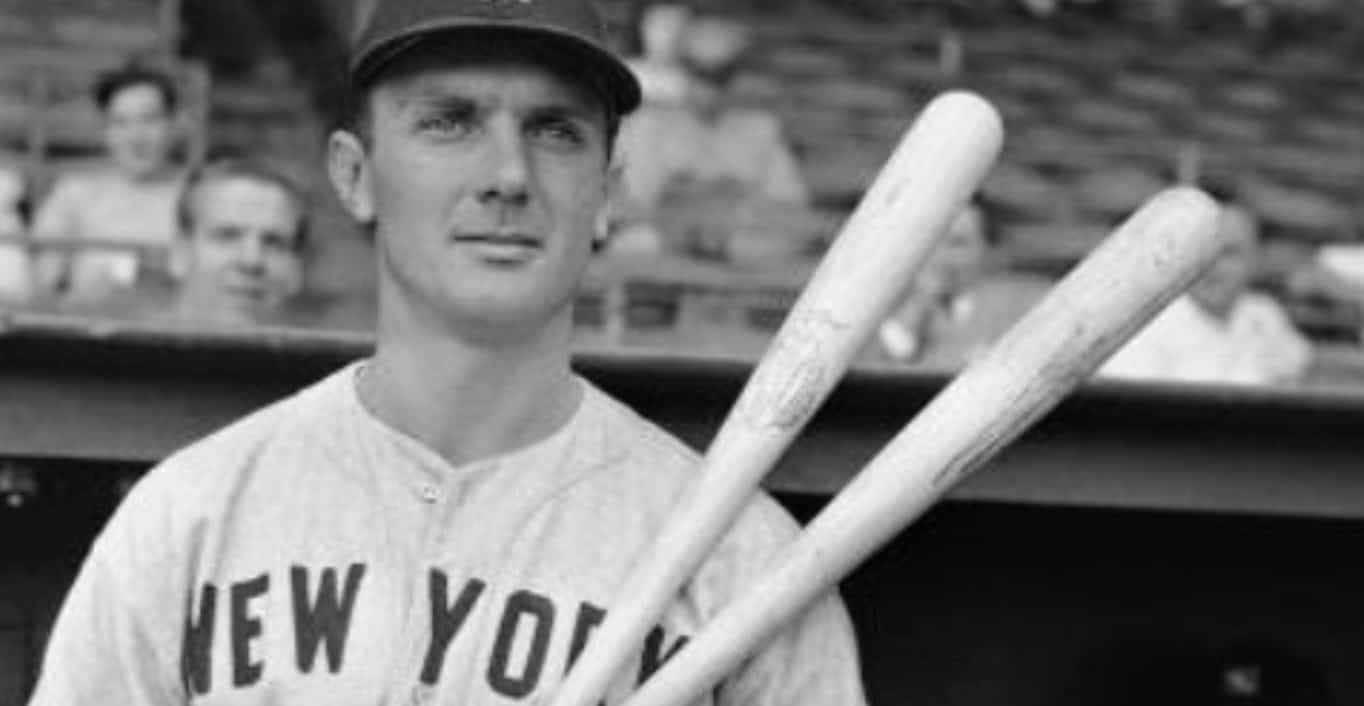
Etten provided stability at first base for the Yankees during the war years, leading the American League with 22 home runs in 1944. His steady bat and reliable glove helped maintain the Yankees’ high standards during a challenging period. Etten’s .285 career average with New York demonstrated his consistency at the plate.
10. Les Fleming: Cleveland’s Steady Hand
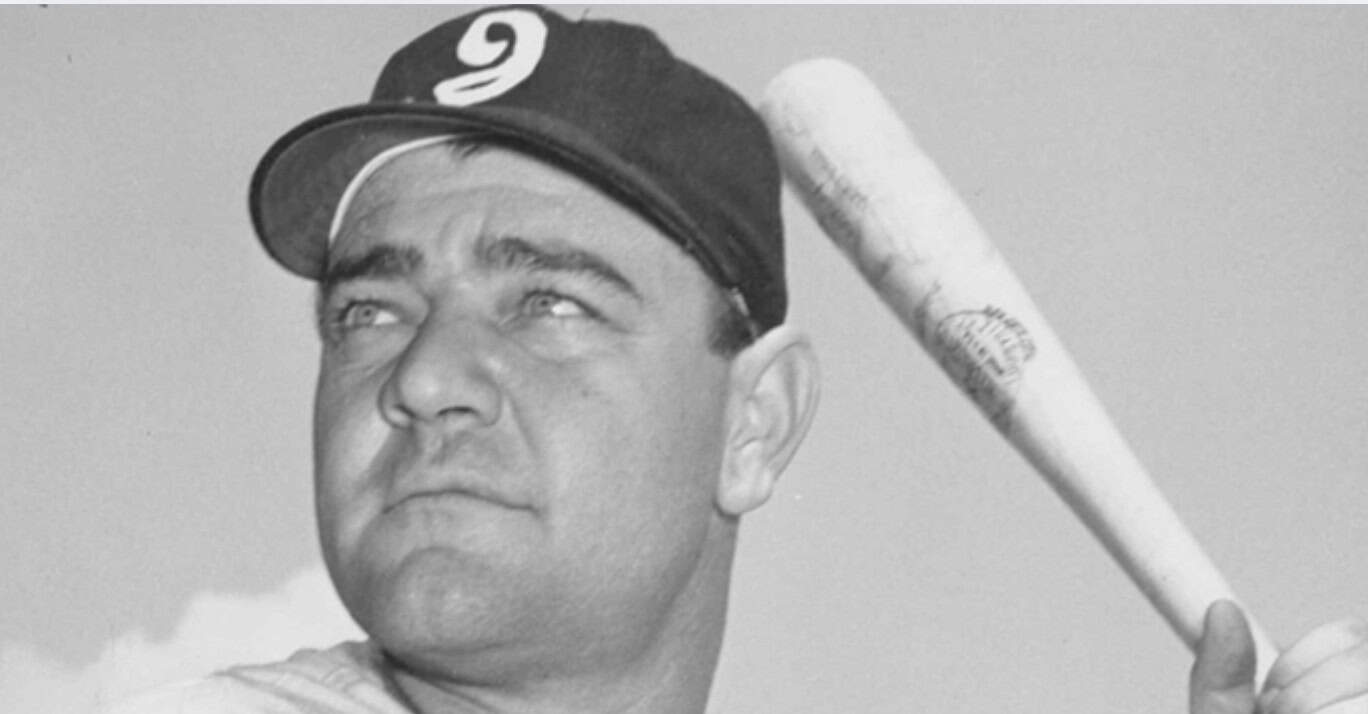
Fleming’s remarkable 1942 season saw him hit .292 while playing exceptional defense for Cleveland. His steady presence at first base helped stabilize the Indians’ infield during the early 1940s. Though his career was interrupted by military service, Fleming’s contributions to Cleveland’s success were significant.
11. Dick Siebert: The Athletic’s Anchor
Siebert’s defensive excellence and consistent hitting made him a valuable asset for the Athletics throughout the 1940s. His best season came in 1941 when he hit .334 and established himself as one of the American League’s top first basemen. Known for his quick reflexes and smooth fielding style, Siebert helped revolutionize first base defense.
12. Johnny Hopp: A Cardinal Turned Brave

Hopp’s versatility made him invaluable to both the Cardinals and Braves during the 1940s. His .288 career batting average and excellent defense contributed to multiple pennant-winning teams. A key member of the Cardinals’ 1942 World Series championship team, Hopp later helped the Braves compete in the National League.
13. Babe Young: The Giants’ Giant
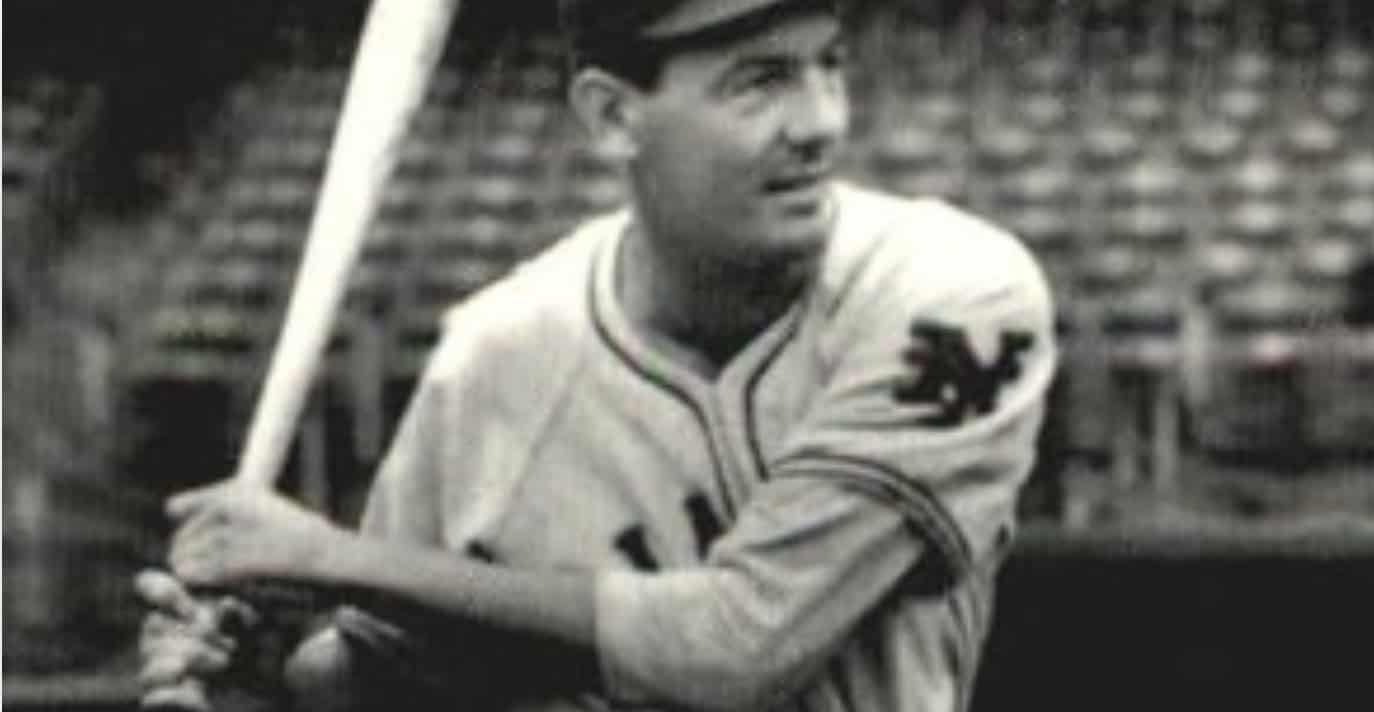
Young’s power hitting made him a fan favorite at the Polo Grounds, where he regularly launched home runs into the short right-field porch. His breakthrough 1941 season saw him drive in 103 runs while hitting .278. Despite military service interrupting his career, Young remained a productive player throughout the decade.
14. Earl Torgeson: Boston’s Bright Spot

Torgeson emerged as one of the decade’s most promising young first basemen, combining power with exceptional speed for his position. His rookie season in 1947 saw him hit .281 with 16 home runs, establishing himself as a cornerstone of the Braves’ future. His aggressive baserunning and solid defense made him a complete player.
15. Chuck Stevens: The Browns’ Best
Stevens provided solid defense and timely hitting for the St. Louis Browns during their most competitive years. His steady presence helped the Browns capture their only American League pennant in 1944. Known for his excellent fielding and clutch hitting, Stevens was a key contributor to the Browns’ success.
16. Ed Levy: The Phillies’ Power Source

Levy’s powerful bat provided much-needed offense for the struggling Phillies in the early 1940s. His best season came in 1942 when he hit .276 with solid power numbers. Despite playing for a challenging team, Levy’s consistent performance and reliable defense made him a valuable player.