
Last Updated: June 17th, 2026 by Matthew Brown
Baseball’s record books are filled with numbers that tell only part of the story. Before million-dollar contracts and year-round training, America’s pastime was a different game entirely. Here’s a fascinating look at how the conditions of early baseball created statistical oddities that modern fans might find hard to believe.
Don't lose this article. Enter your email below, and I'll send it to you right now. Plus, we'll send you other unbelievable stories from baseball's past.
The Day Job League: When Players Worked Mills All Winter

Before 1950, many players spent their offseasons working regular jobs to make ends meet. By spring training, these hurlers were often still shaking off months of factory work or farming, giving early-season hitters a distinct advantage. As time passed and fame grew, offseason jobs could even include acting, as with Jackie Robinson’s 1950 starring role in The Jackie Robinson Story.
Baseball’s Forgotten Asterisk: The Eight-Team League Advantage
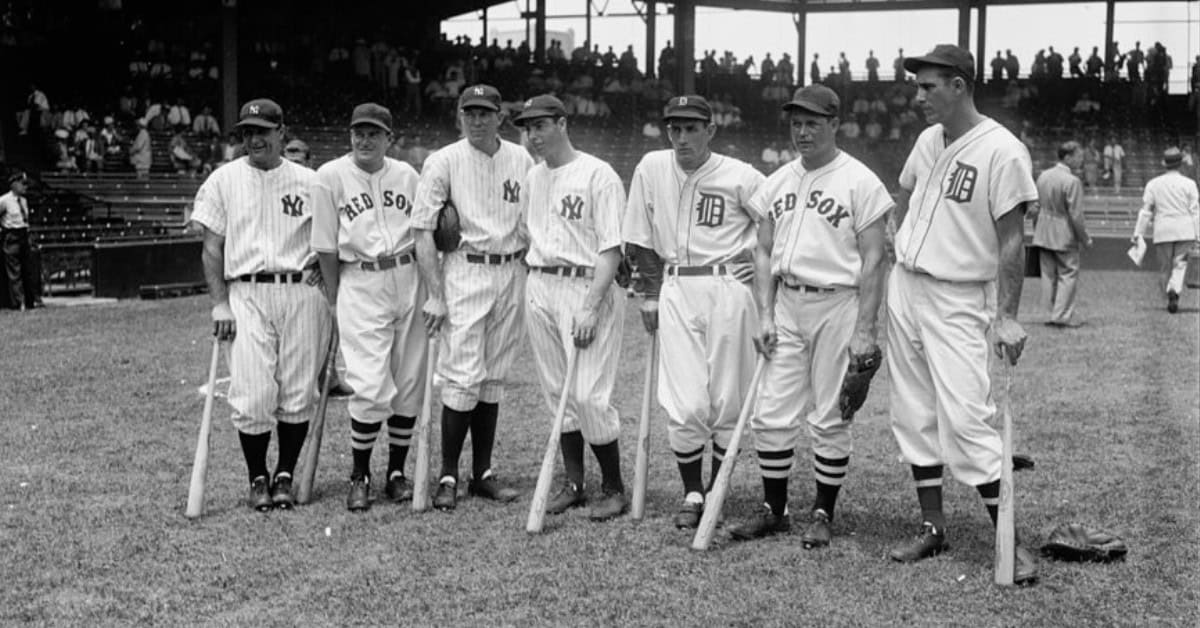
With just eight teams in each league before 1961, players faced the same pitchers over and over again. By season’s end, some batters would face their favorite pitcher up to 40 times—imagine facing your batting practice pitcher in actual games. This familiarity led to some eye-popping numbers that modern players, who now face 14 other teams, can only dream about.
Before Night Games: The Afternoon Batting Average Boost
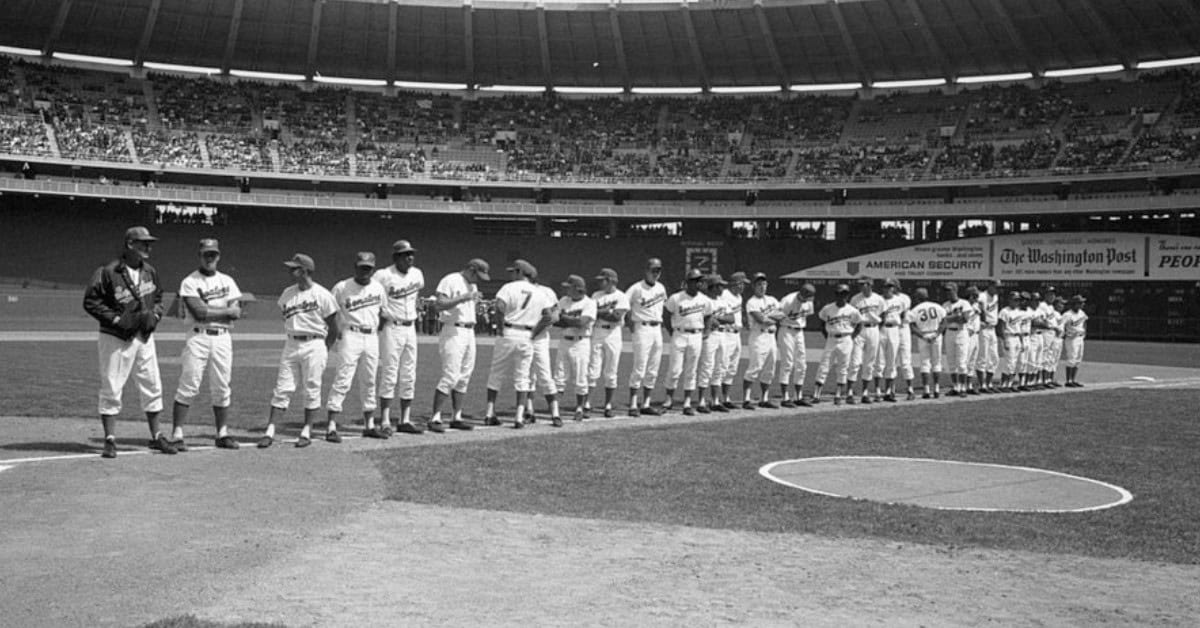
Until the 1940s, nearly every game was played under the natural sun, when human vision is at its peak. There was no adjusting to shadows, no twilight difficulties, and no artificial lighting tricks. Batters could see the ball coming in crystal clear, day after day, leading to consistently higher batting averages in an era before night baseball became standard.
The Part-Time Pitcher Era: When Starters Had No Relief
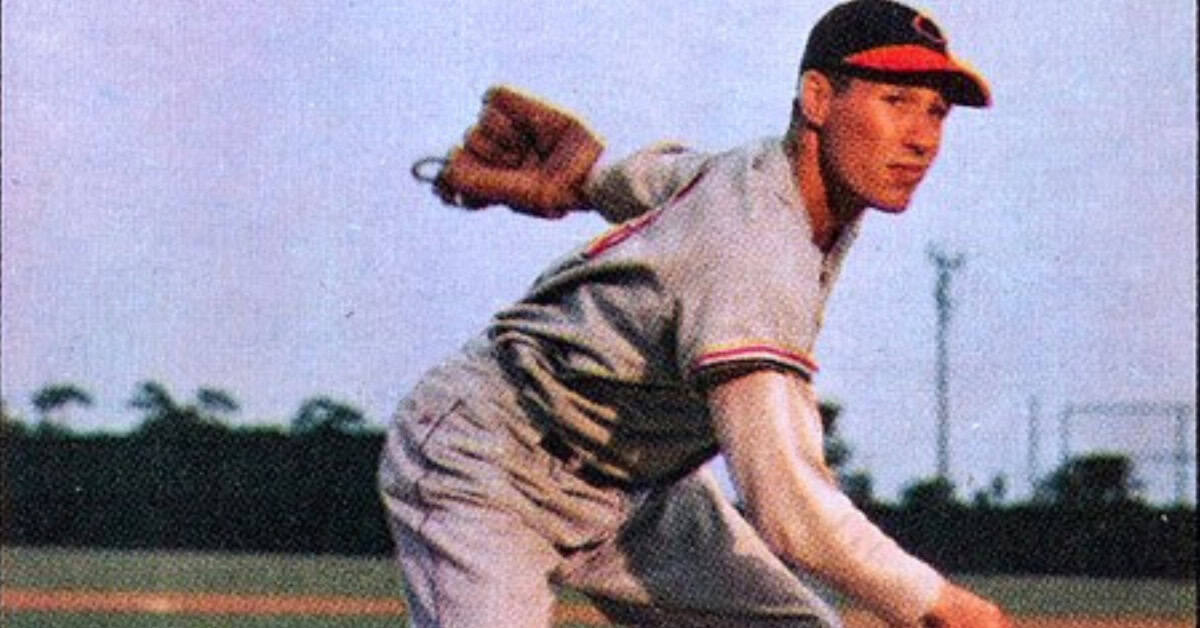
Before specialized relievers became common in the 1960s, starters were expected to finish what they started. By the eighth inning, exhausted pitchers were serving up meatballs to fresh batters. Late-inning stats from this era often look like batting practice numbers, with tired arms trying to gut out complete games.
The Dead Ball Boost: When Home Fields Were Pastures
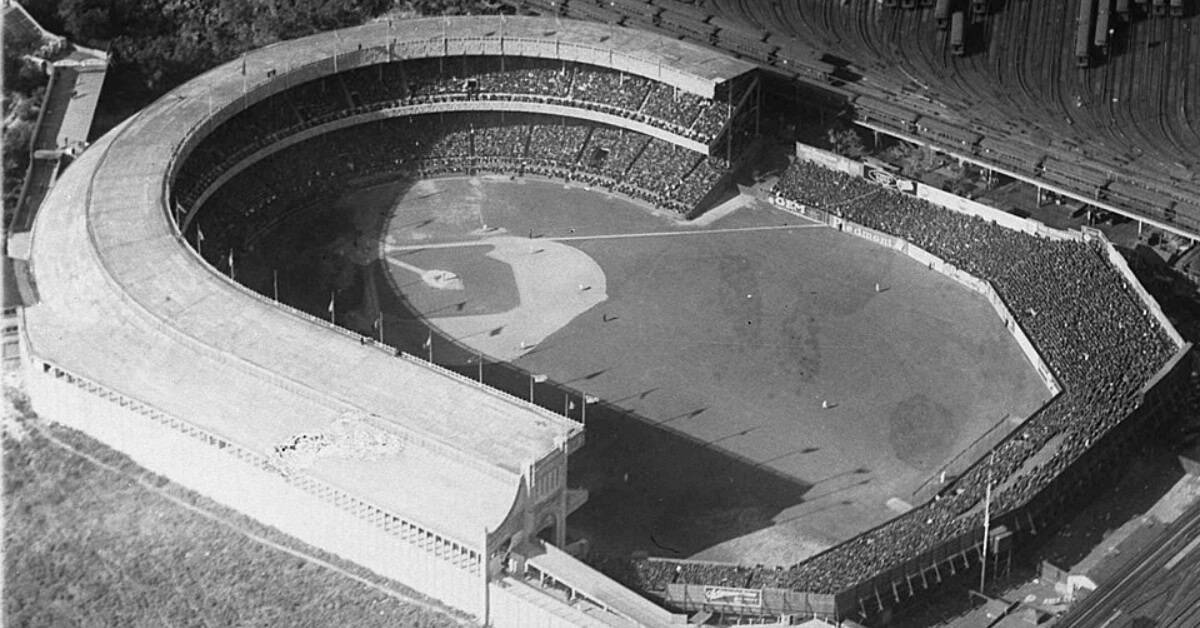
Early ballparks were built to fit whatever land was available, creating some bizarre playing fields. Left fields that were 250 feet, right fields that stretched to 500 feet—players could tailor their hitting style to their home park’s quirks. Some batting champions essentially crafted their swings for their home field’s peculiar dimensions.
When Double Headers Doubled Your Stats
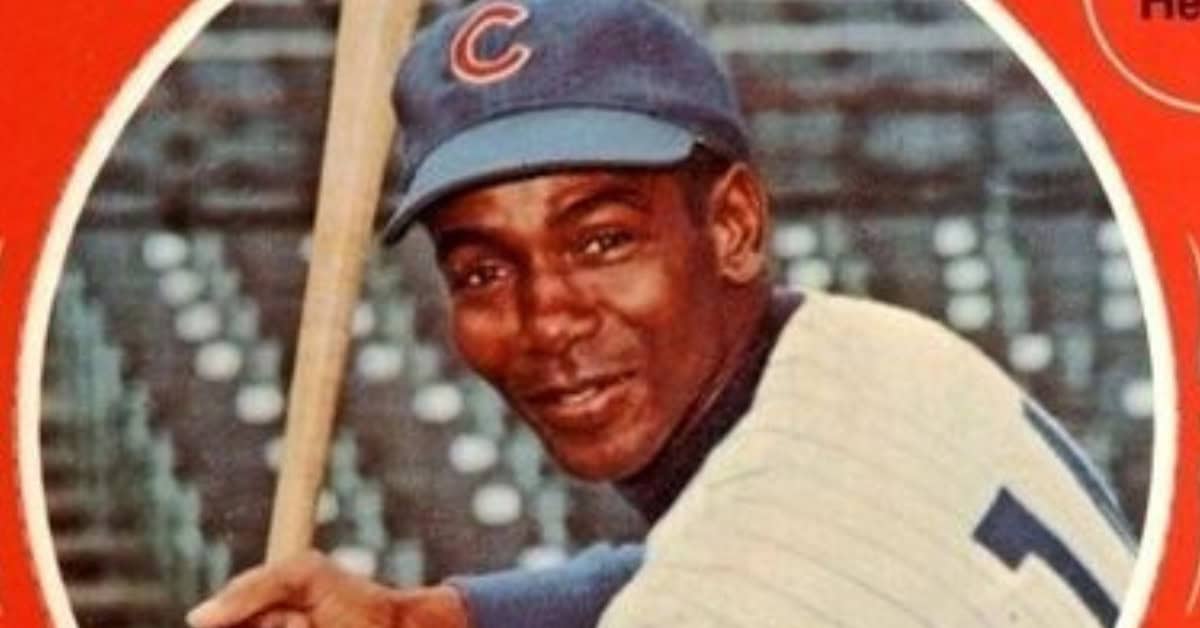
Double headers weren’t just occasional events—they were scheduled attractions, sometimes happening three or four times a week. Players could rack up eight or nine at-bats in a single day against increasingly tired pitching staffs. The second games of these marathons often produced batting lines that looked more like bowling scores.
The Wartime Wonder Years: 1942-1945’s Missing Stars
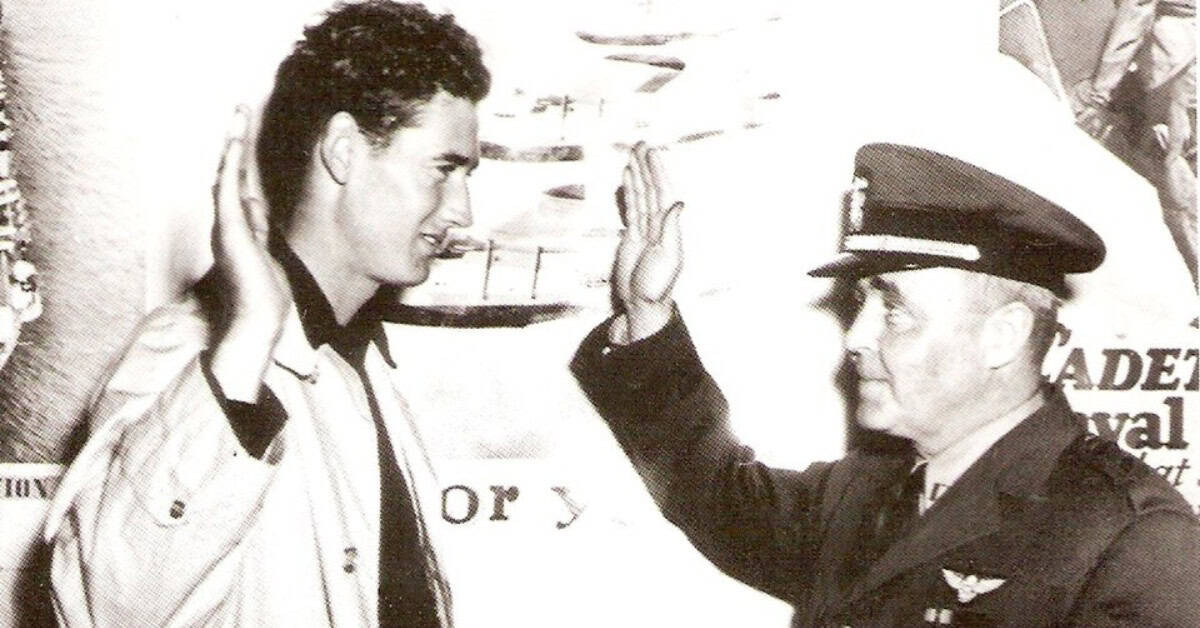
When many stars left for military service during World War II, replacement players got their chance to shine. The talent pool was so thin that a one-armed outfielder made the majors, and pitchers well past their prime returned to the mound. Some of the most unusual statistics in baseball history came from these years, when the game just had to go on.
Before Cross-Country Travel: The Home Field Really Mattered
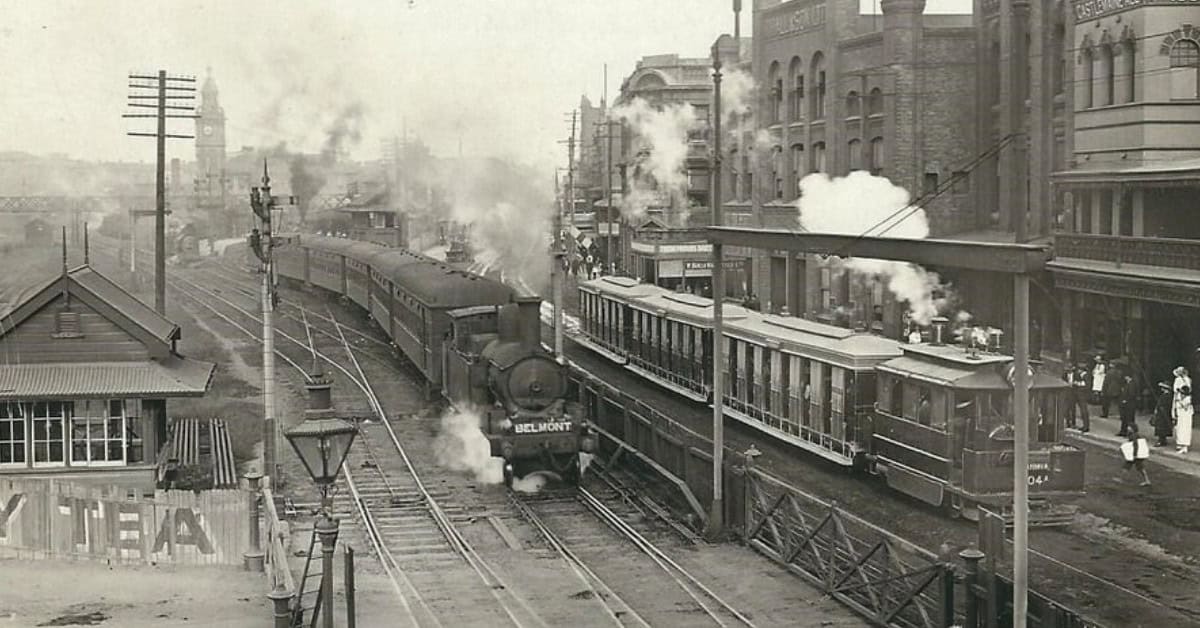
Teams traveled by train and often played the same opponent for weeks at a time. Home teams could win 70% of their games simply because visitors were exhausted from long rail journeys. Some players became specialists at certain parks, building Hall of Fame careers by mastering the unique characteristics of their home field, while visitors struggled to adjust.
The Spitball Sanctuary: When 17 Pitchers Were Legally Exempt
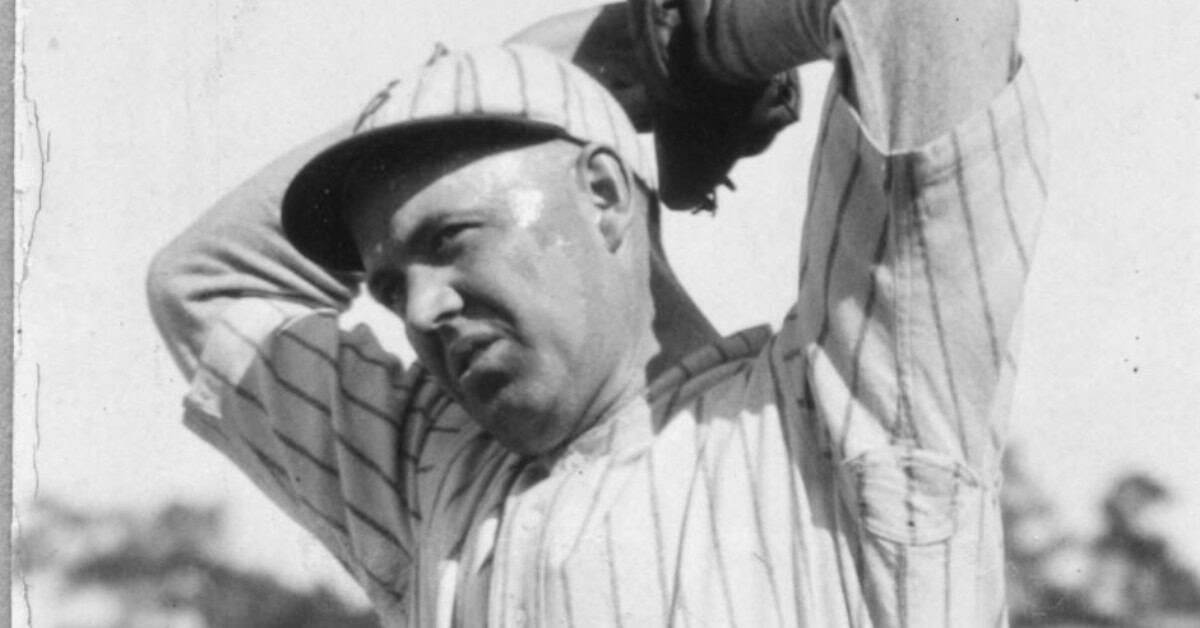
In 1920, baseball banned the spitball—except for 17 specific pitchers who were allowed to keep throwing it until they retired. These “grandfather clause” hurlers had a legal advantage no other pitcher in history would ever enjoy again. Imagine facing Burleigh Grimes, the last legal spitballer, in 1934 while every other pitcher had to play by different rules. Some batters faced legal spitballs while others didn’t, creating one of baseball’s strangest statistical asterisks.
The Expansion Draft Feast: When Stars Fattened Up Against New Teams
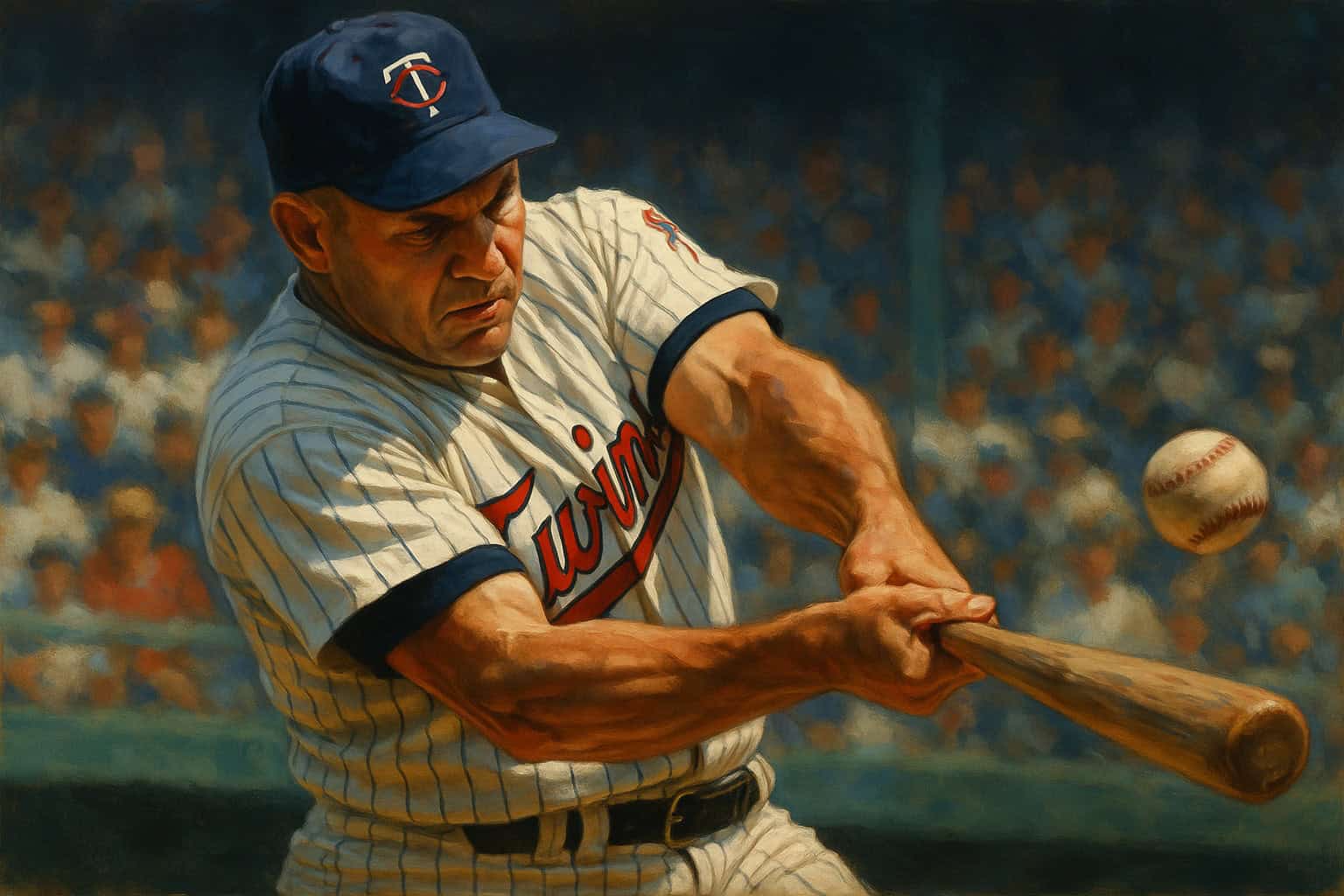
The 1960s expansion era was a statistical buffet for established stars. When eight new teams joined the majors between 1961 and 1969, they fielded pitching staffs filled with career minor leaguers and raw rookies. Veteran hitters feasted on this diluted talent pool, leading to some of the most inflated numbers of the modern era. It’s no coincidence that batting averages soared just as teams like the Mets and Pilots were learning harsh big-league lessons.