

Last Updated: June 17th, 2026 by Michael Schatz
The 2000s marked a remarkable period in baseball history where the catching position saw an incredible blend of offensive firepower and defensive excellence. From Iron Man backstops to switch-hitting phenoms, these masked warriors defined an era. Join us as we celebrate the 20 greatest catchers who made the 2000s a golden age behind the dish.
Don't lose this article. Enter your email below, and I'll send it to you right now. Plus, we'll send you other unbelievable stories from baseball's past.
1. Ivan Rodriguez: The Last of the Gunslinger Catchers

“Pudge” Rodriguez dominated the 2000s with his cannon arm and clutch hitting, leading the Florida Marlins to a World Series victory in 2003. His 13 Gold Gloves and career .296 batting average made him the complete package, while his legendary 46% caught-stealing rate struck fear into even the fastest baserunners. In 2017, Rodriguez rightfully earned his place in Cooperstown, cementing his legacy as one of the greatest defensive catchers in baseball history.
2. Joe Mauer: Minnesota’s Golden Boy Behind the Plate

The hometown hero revolutionized the catching position with his unprecedented batting prowess, becoming the only American League catcher to win three batting titles. Mauer’s sweet left-handed swing and .306 career average made him the face of the Twins franchise, while his 2009 MVP season (.365 BA, 28 HR, 96 RBI) stands as one of the greatest offensive seasons ever by a catcher.
3. Jorge Posada: The Yankees’ Switch-Hitting Warrior

A cornerstone of the Yankees’ dynasty, Posada’s switch-hitting power and leadership helped secure four World Series rings. His 275 career home runs and .848 OPS rank among the best for catchers in the modern era, while his fierce competitive spirit embodied the Yankees’ winning culture. A five-time All-Star, Posada’s consistency at the plate made him one of the most reliable offensive catchers of his generation.
4. Yadier Molina: St. Louis’ Defensive Maestro
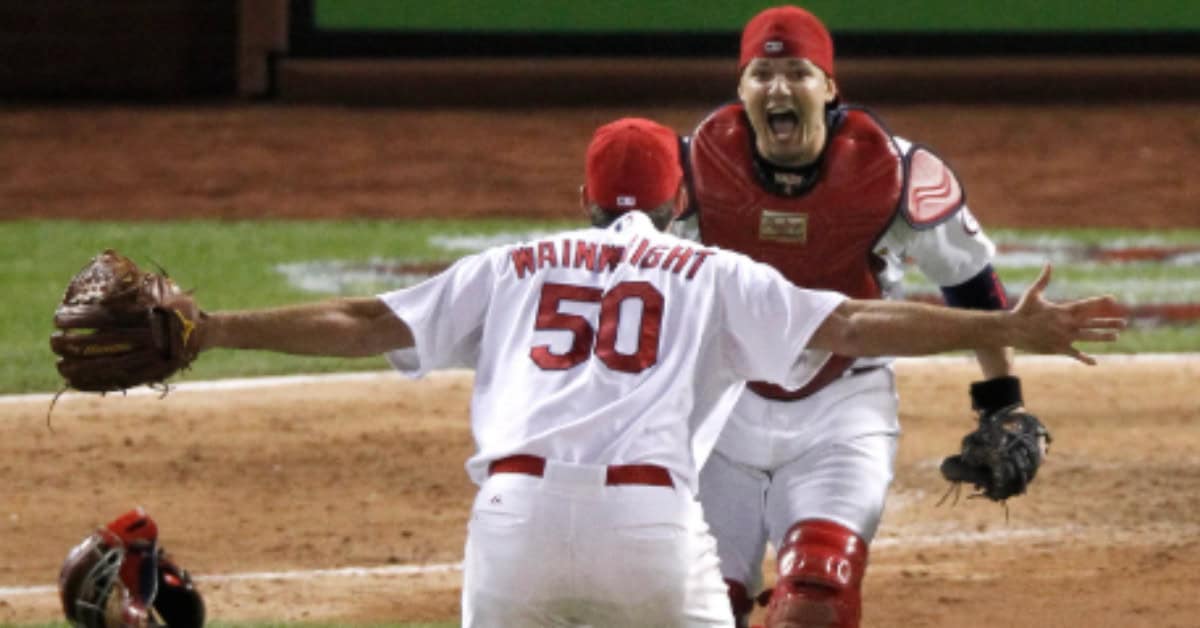
The defensive wizard redefined excellence behind the plate with his game-calling expertise and rifle arm. Molina’s nine Gold Gloves and 40% career caught-stealing percentage tell only part of the story – his ability to handle pitching staffs and control the running game made him the most feared defensive catcher of his era. His leadership guided the Cardinals to two World Series titles and established him as the heart and soul of St. Louis baseball.
5. Brian McCann: Atlanta’s Seven-Time All-Star
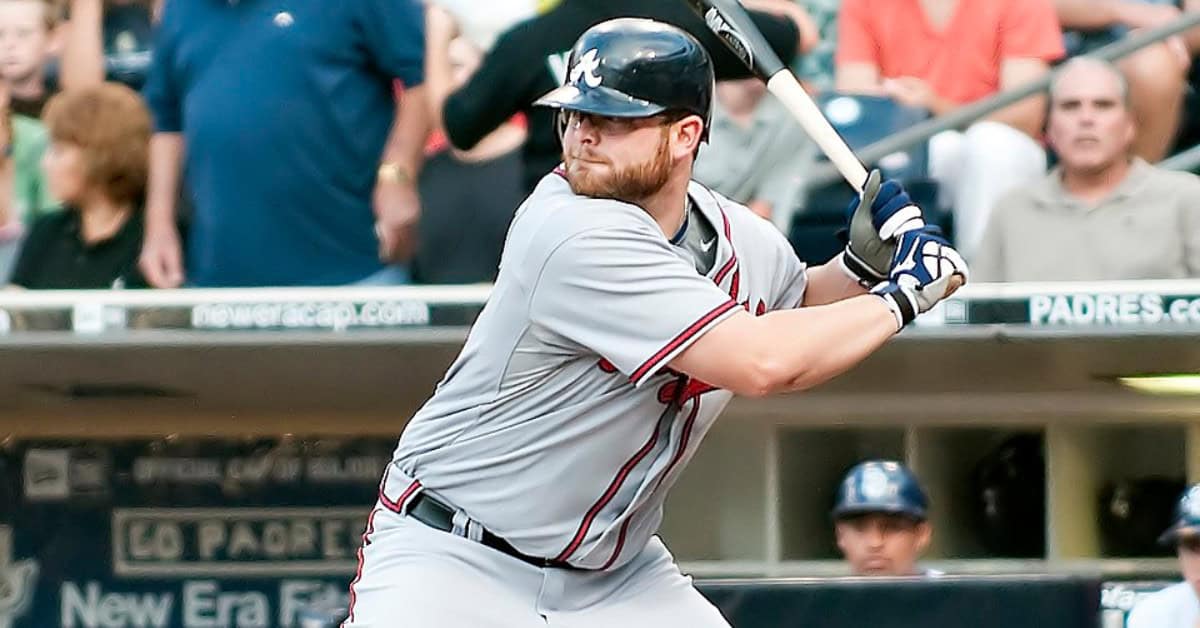
McCann burst onto the scene in 2005 and quickly became one of baseball’s premier offensive catchers. His left-handed power stroke produced seven straight seasons of 20+ home runs for the Braves, while his game-calling abilities earned him the trust of Atlanta’s stellar pitching staff. A seven-time All-Star and six-time Silver Slugger winner, McCann’s consistency made him the standard for offensive catchers in the National League.
6. Victor Martinez: The Versatile Venezuelan Virtuoso
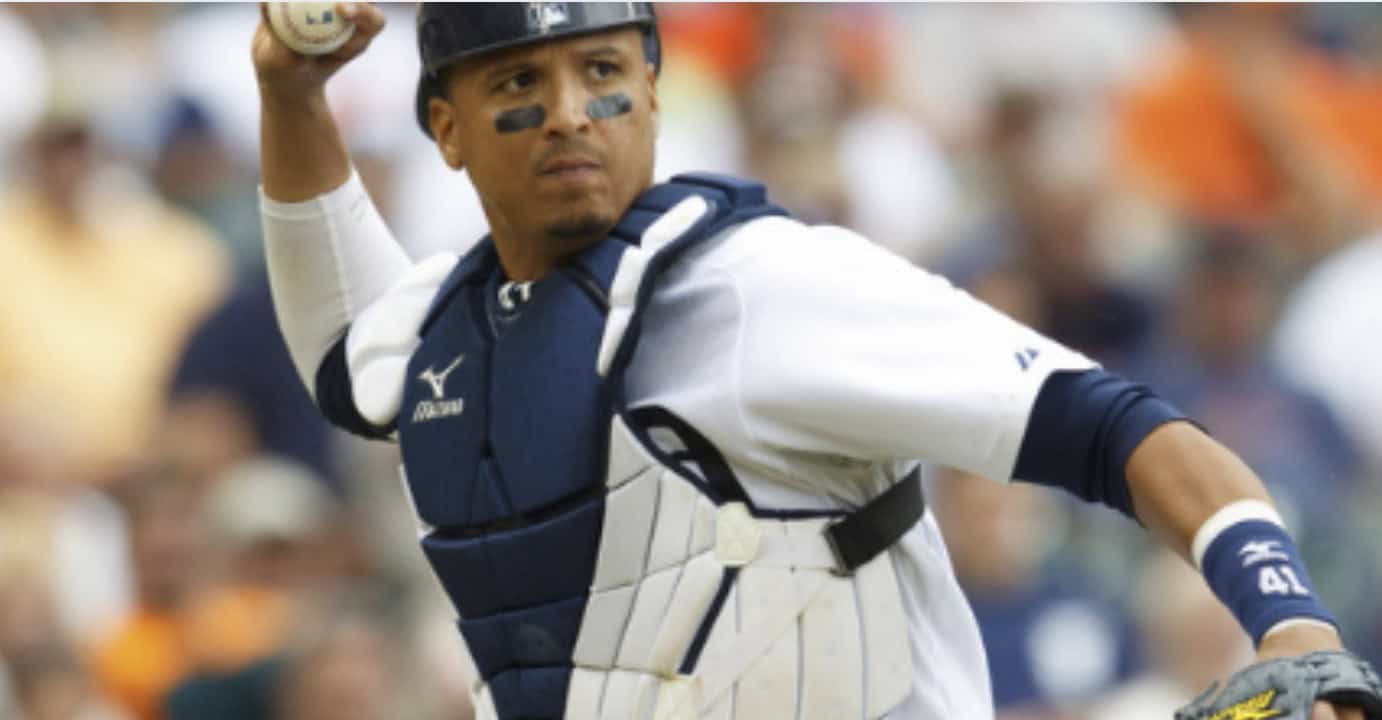
V-Mart’s switch-hitting prowess and versatility made him a unique weapon in the 2000s. His .303 career average and five All-Star selections showcased his exceptional hitting ability, while his flexibility to play first base extended his career. Martinez’s 2014 season (.335, 32 HR, 103 RBI) demonstrated his elite hitting skills even in the latter stages of his career.
7. Buster Posey: San Francisco’s Perfect Poster Boy

The cornerstone of the Giants’ dynasty, Posey’s arrival in 2010 coincided with San Francisco’s rise to prominence. His 2012 MVP season (.336 BA, 24 HR, 103 RBI) and three World Series titles established him as the premier catcher of the early 2010s. Posey’s combination of offensive excellence and defensive leadership made him the complete package behind the plate.
8. Russell Martin: Canada’s Catching Crown Jewel
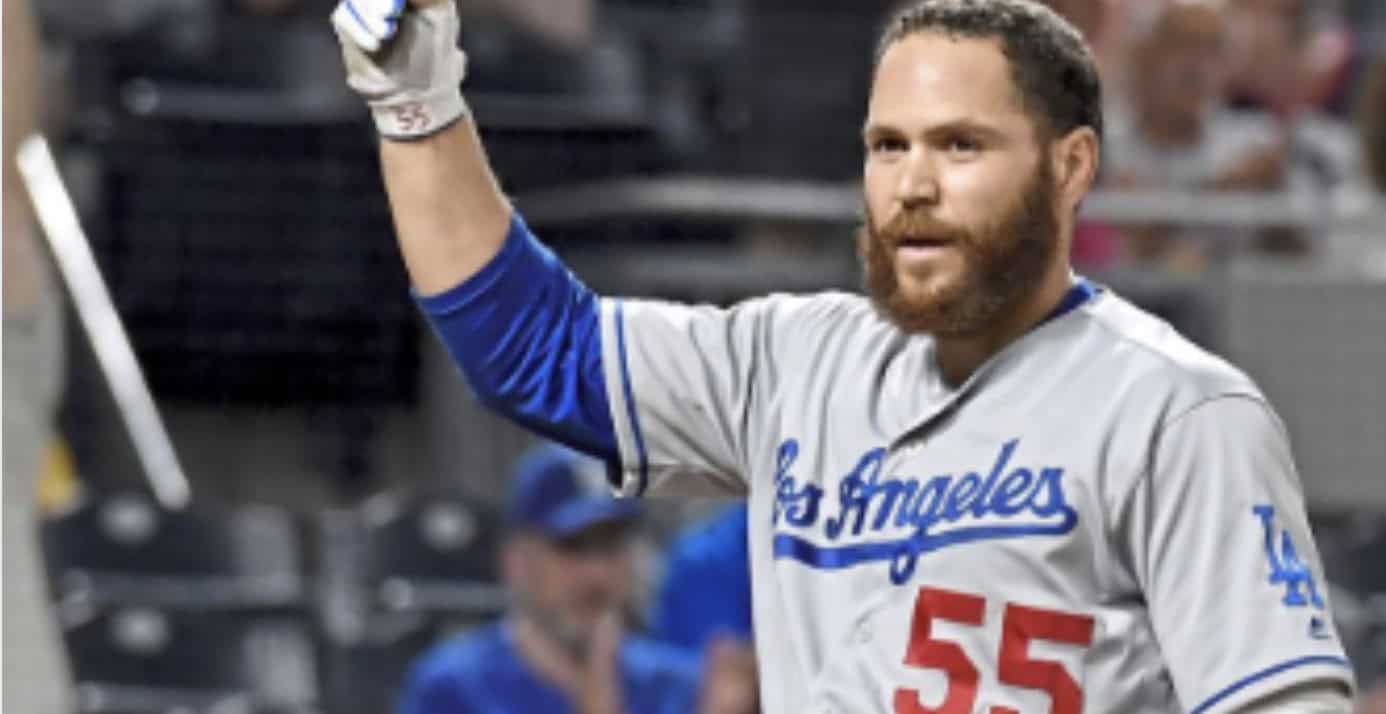
Martin’s defensive excellence and leadership skills made him one of the most sought-after catchers of his era. His ability to handle pitching staffs and control the running game earned him a Gold Glove and four All-Star selections. Martin’s impact on the Pirates’ resurgence and the Blue Jays’ playoff runs demonstrated his value beyond the statistics.
9. Mike Piazza: The Sunset Years of a Legend
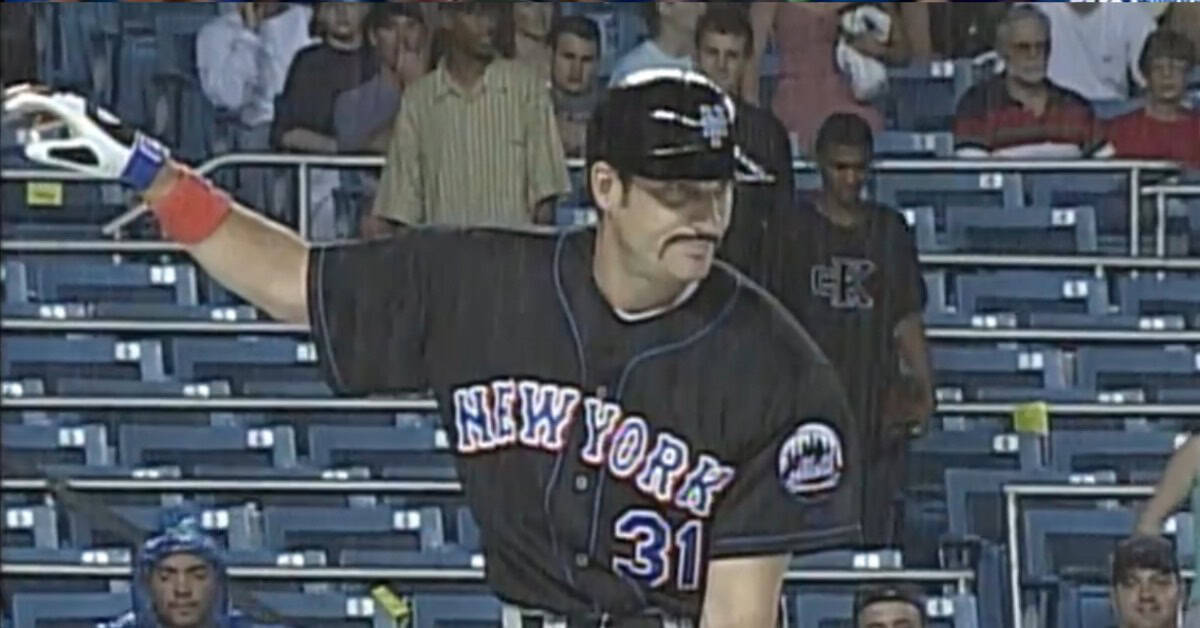
Though his prime came in the 1990s, Piazza remained an offensive force in the 2000s with the Mets. His .308 career average and 427 home runs set the standard for offensive catchers, while his leadership helped guide the Mets to the 2000 World Series. Even in his later years, Piazza’s presence in the lineup struck fear into opposing pitchers.
10. Jason Varitek: Boston’s Captain Behind the Dish

The heart and soul of Boston’s curse-breaking 2004 team, Varitek’s game-calling and leadership were instrumental in the Red Sox’s success. His ability to handle pitchers and control games earned him the captain’s “C” on his chest. Varitek caught an MLB-record four no-hitters while providing clutch hitting in Boston’s biggest moments.
11. Salvador Perez: Kansas City’s Ironman
Emerging late in the decade, Perez quickly established himself as one of baseball’s most durable and reliable catchers. His leadership during the Royals’ World Series runs in 2014 and 2015 showcased his ability to handle a pitching staff, while his cannon arm and five Gold Gloves demonstrated his defensive excellence.
12. Miguel Montero: The Diamondbacks’ Hidden Gem
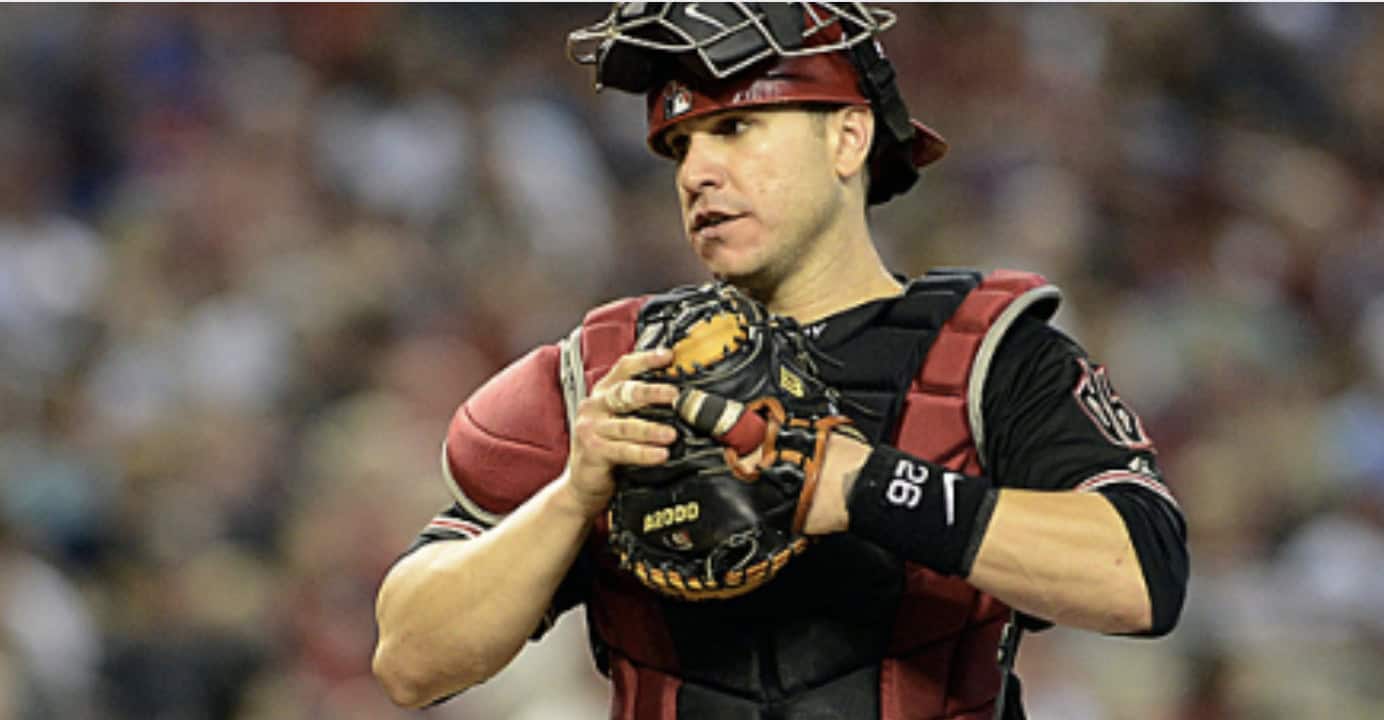
Often overlooked in the National League, Montero’s consistent production and excellent game-calling made him a valuable asset for the Diamondbacks. His left-handed power and ability to handle pitching staffs earned him two All-Star selections. Montero’s game-winning RBI in Game 7 of the 2016 World Series highlighted his clutch abilities.
13. A.J. Pierzynski: Baseball’s Favorite Antagonist

Love him or hate him, Pierzynski’s durability and offensive consistency made him one of the decade’s most reliable catchers. His leadership during the White Sox’s 2005 World Series run and .280 career average proved his worth beyond his controversial reputation. Pierzynski’s ironman streak of 1,000+ games caught showcased his remarkable durability.
14. Carlos Ruiz: Chooch’s Philadelphia Story
The beloved “Chooch” was the backbone of the Phillies’ dominant pitching staffs during their late 2000s run. His handling of Roy Halladay’s perfect game and playoff no-hitter highlighted his exceptional game-calling abilities. Ruiz’s clutch hitting in the 2008 World Series run cemented his place in Philadelphia baseball history.
15. Jason Kendall: Pittsburgh’s Tough-as-Nails Backstop
Kendall’s durability and consistent contact hitting made him a reliable presence behind the plate throughout the 2000s. His .288 career average and ability to handle pitching staffs made him valuable to multiple franchises. Kendall’s 2,025 games caught ranks sixth all-time, demonstrating his exceptional longevity.
16. Bengie Molina: The First of the Catching Dynasty
The eldest of the famous Molina brothers, Bengie’s defensive excellence and clutch hitting made him a valuable asset for multiple contenders. His Gold Glove defense and handling of the Angels’ 2002 World Series championship staff highlighted his skills. Molina’s unique achievement of hitting for the cycle showed his unexpected offensive capabilities.
17. J.T. Realmuto: The Athletic Evolution
Emerging late in the decade, Realmuto revolutionized the position with his unprecedented athleticism. His combination of power, speed, and defensive excellence made him baseball’s most complete catcher. Realmuto’s pop times and caught-stealing percentages set new standards for catching defense.
18. Ramon Hernandez: The Reliable Receiver
Hernandez’s steady presence behind the plate made him a valuable asset for multiple teams throughout the 2000s. His game-calling abilities and clutch hitting, including the walk-off bunt in the 2003 ALDS, demonstrated his all-around value. Hernandez’s handling of the Athletics’ “Big Three” pitching staff showcased his ability to work with elite arms.
19. Paul Lo Duca: The Dodgers’ Unlikely Star
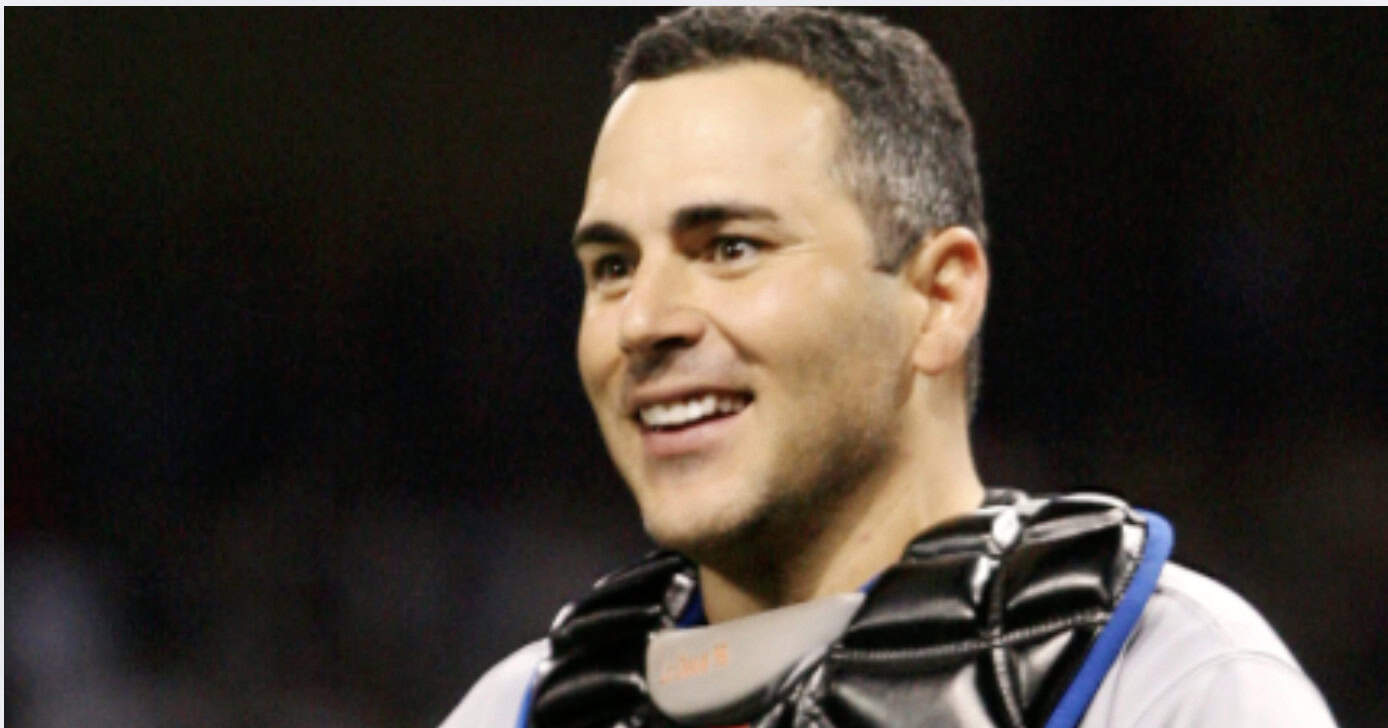
A late bloomer who became a four-time All-Star, Lo Duca’s contact hitting and game management made him valuable to both the Dodgers and Mets. His .286 career average and ability to handle pitching staffs made him one of the decade’s most reliable catchers. Lo Duca’s leadership during the Mets’ 2006 playoff run highlighted his impact on winning teams.
20. Gerald Laird: The Defensive Specialist
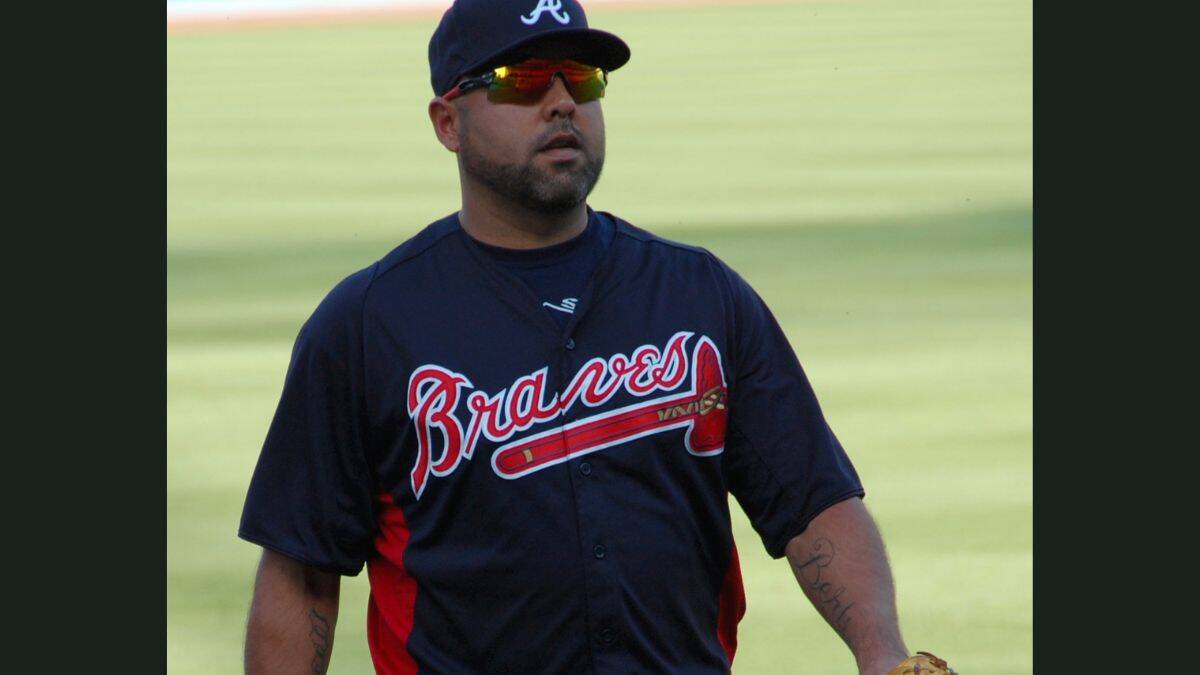
While never an offensive powerhouse, Laird’s defensive excellence and handling of pitching staffs made him a valuable backup and part-time starter throughout the decade. His 38% career caught-stealing percentage and ability to call a game earned him regular playing time on multiple contending teams. Laird’s contributions to the Tigers’ playoff runs demonstrated his value to winning teams.