

Last Updated: June 17th, 2026 by Matthew Brown
Before analytics turned baseball into a spreadsheet symphony, the game was played with heart, grit, and the kind of raw talent that made entire cities fall in love with summer afternoons. This list will include legends from the franchises that are currently in the AL Central—even if the players didn’t play during the division’s existence. These are some of the icons who have shaped how fans have viewed AL Central teams throughout time.
Don't lose this article. Enter your email below, and I'll send it to you right now. Plus, we'll send you other unbelievable stories from baseball's past.
Rod Carew’s Artistry That Turned Hitting Into High-Level Craftsmanship

Carew didn’t just hit baseballs—he painted masterpieces with his bat, turning each at-bat into a lesson in precision and patience that made .300 look as automatic as breathing. His stance was poetry in motion, a carefully choreographed dance that resulted in seven batting titles and a hitting clinic that lasted two decades. When Rod stepped into the box, you weren’t just watching baseball—you were witnessing an artist at work, creating beauty from the simple act of making contact.
Hank Greenberg’s Courage That Broke Barriers Before Jackie Robinson
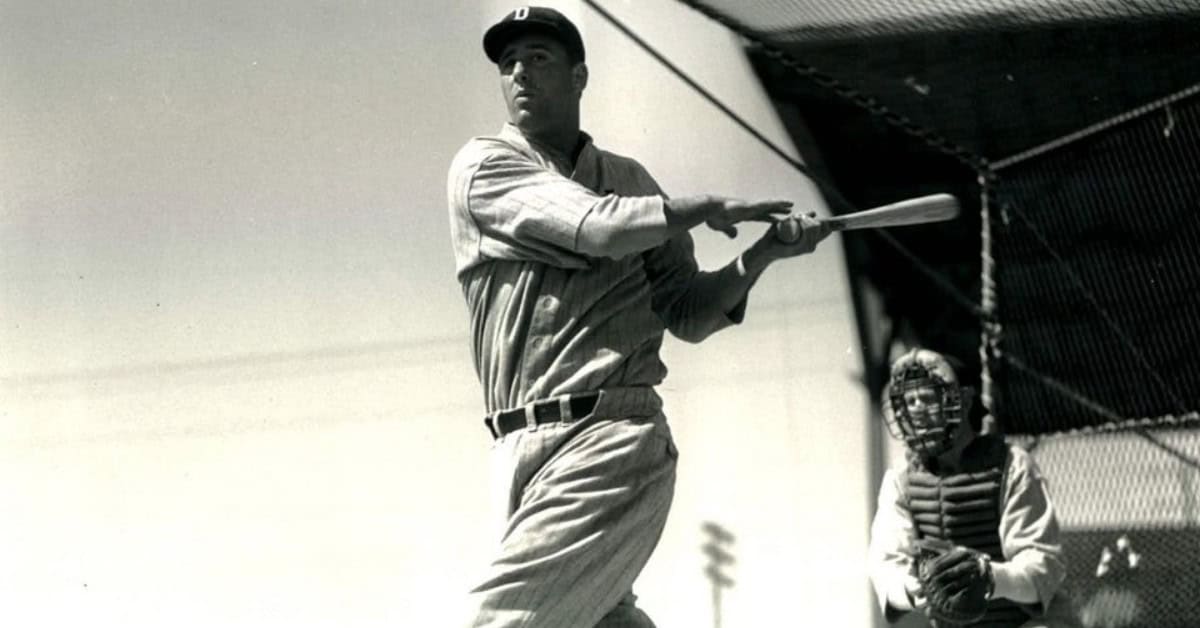
Hammerin’ Hank faced antisemitic taunts and death threats with the kind of quiet dignity that made his home runs speak louder than any comeback ever could. Greenberg’s courage in the 1930s and 40s was a significant influence for minority players facing prejudice, proving that talent and character could overcome hatred and ignorance. When he chose to sit out Yom Kippur during a pennant race, he showed America that principles mattered more than pennants, making him a hero both in and out of uniform.
Kirby Puckett’s Joy That Turned Baseball Into Pure Fun Again
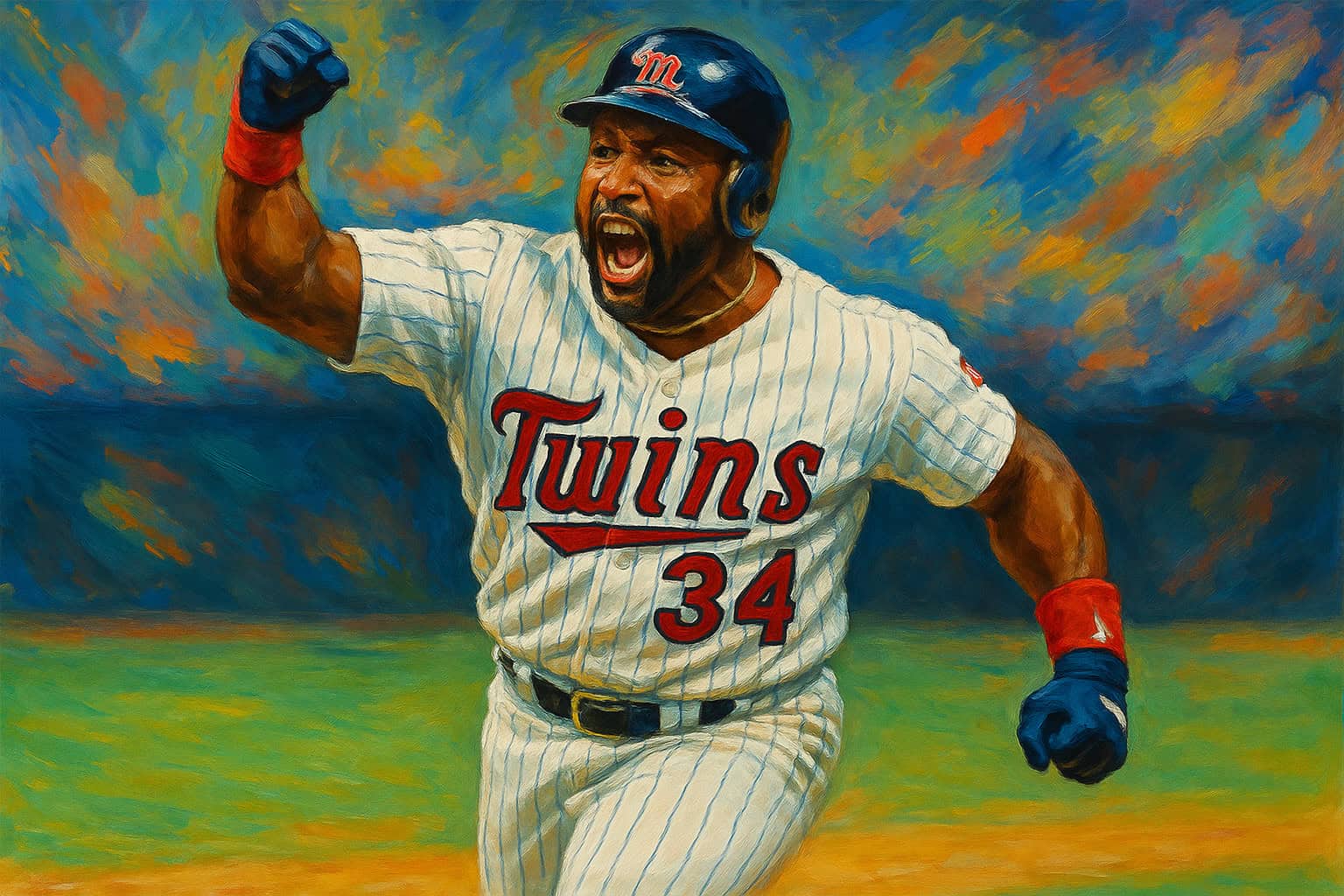
Puckett’s infectious smile and childlike enthusiasm reminded everyone why they fell in love with baseball in the first place, turning the sterile Metrodome into a house of pure joy. His leap into the Plexiglas wall to rob Ron Gant of a home run in Game 6 of the 1991 World Series wasn’t just a great catch—it was a moment of athletic poetry that made grown men believe in magic again. When Kirby played, baseball felt less like a business and more like the neighborhood pickup game you never wanted to end.
Bob Feller’s Patriotism That Proved Heroes Exist On and Off the Field
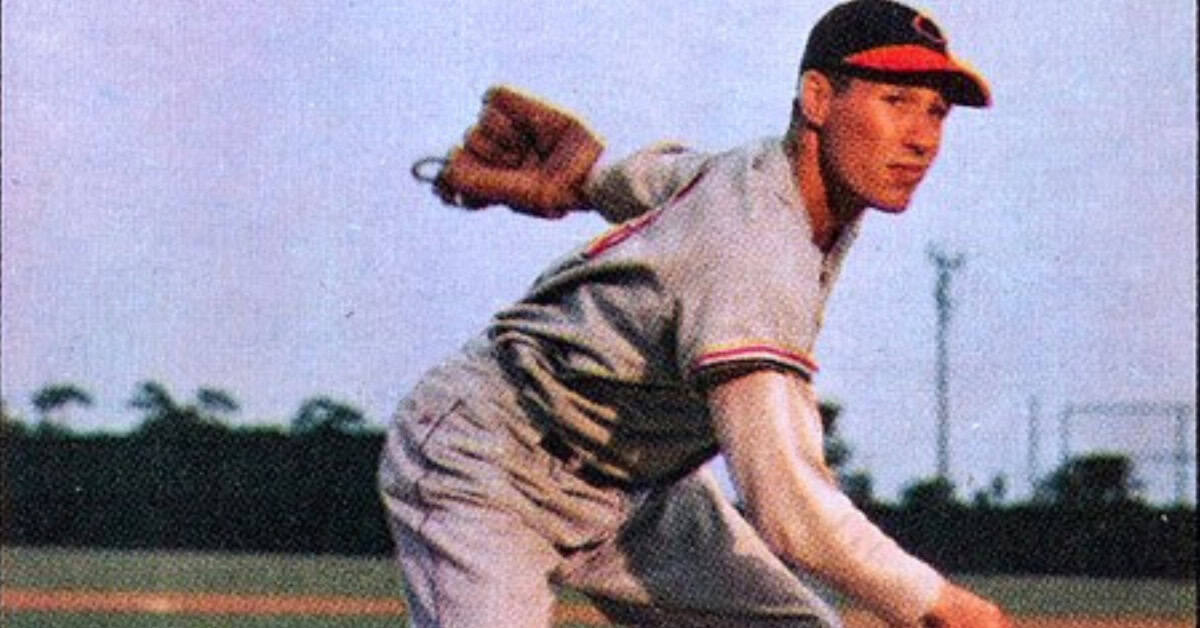
Rapid Robert’s decision to enlist in the Navy after Pearl Harbor cost him four prime seasons but earned him something more valuable than statistics—the respect of an entire nation. Feller’s fastball was legendary, but his sacrifice was heroic, proving that some things matter more than personal glory and Hall of Fame numbers. When he returned from World War II, he continued to showcase his incredible talent, including throwing a no-hitter in his first full season back in 1946. It felt like America itself was announcing that heroes come in all forms, whether wearing pinstripes or Navy blues.
George Brett’s Passion That Made Every At-Bat Feel Like Life or Death

Brett’s pine tar explosion at Yankee Stadium wasn’t just a tantrum—it was pure, unfiltered passion for the game spilling over in the most human way possible, showing that even superstars care deeply about every single at-bat. His pursuit of .400 in 1980 captivated the nation like a real-life Rocky story, with every swing carrying the weight of baseball history and Kansas City’s championship dreams. When George played, you could feel his intensity radiating through the television screen, reminding everyone that baseball was supposed to matter this much.
Jim Thome’s Class That Showed How Superstars Should Act
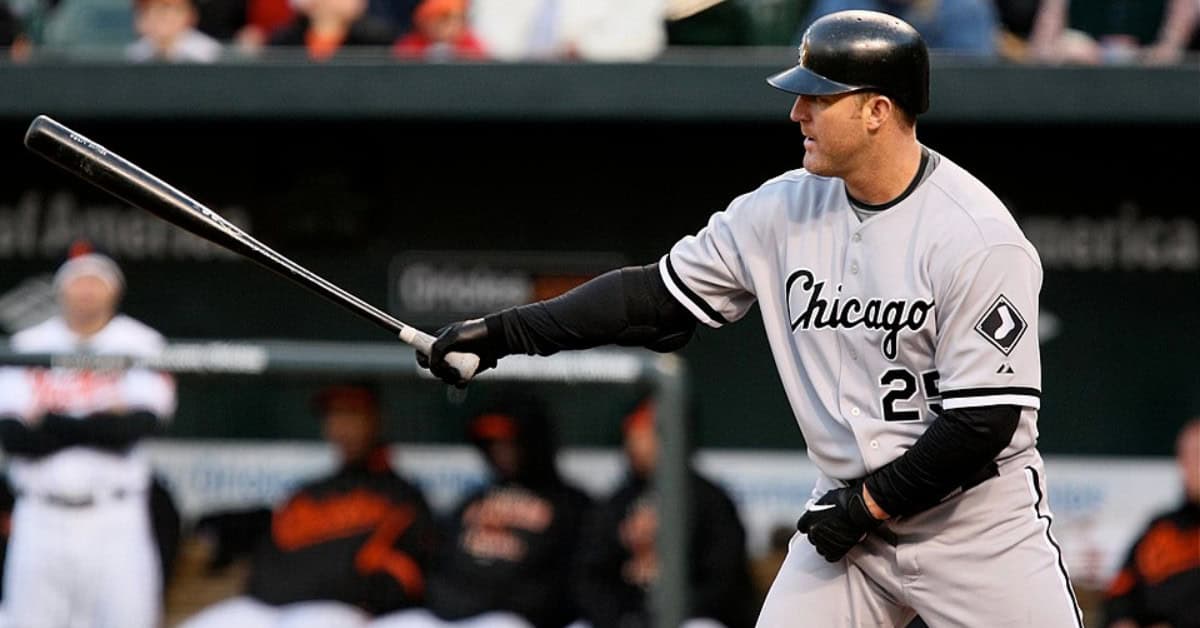
Thome’s humble home run trots and genuine appreciation for every fan interaction proved that you could launch 600+ home runs without launching your ego into orbit. His quiet leadership and unwavering professionalism made him the kind of player parents pointed to when teaching their kids how champions should behave. When Jim connected for one of his mammoth blasts, he’d circle the bases like he was grateful for the privilege, not entitled to the applause.
Minnie Minoso’s Trailblazing That Opened Doors for Future Generations
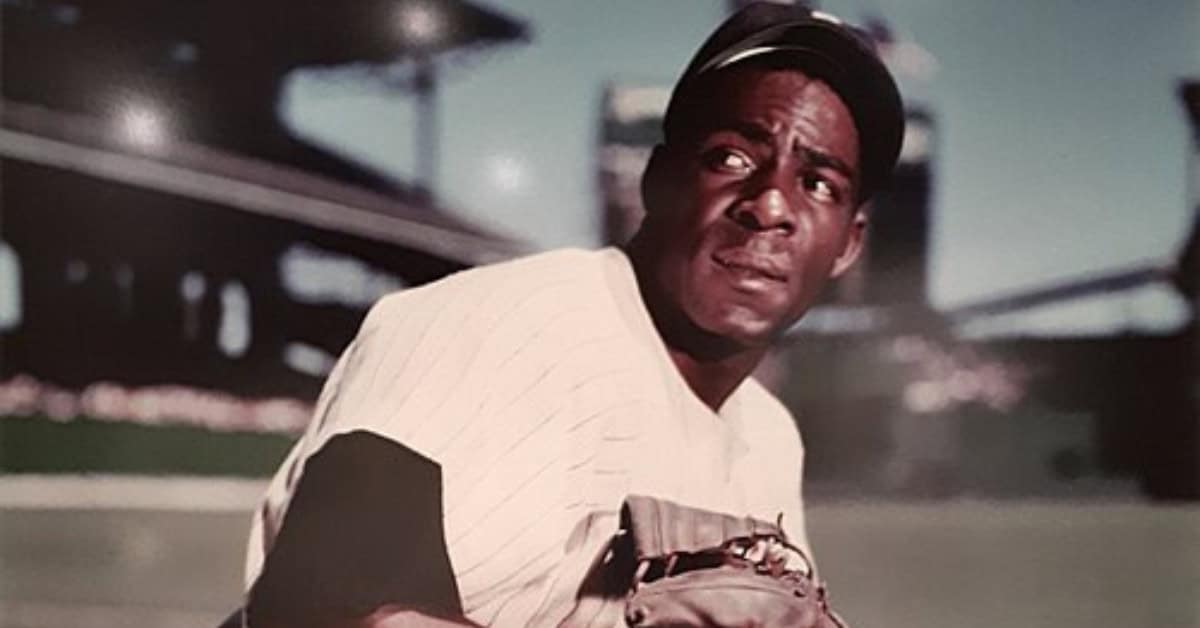
The Cuban Comet’s arrival in Chicago broke barriers with style and substance, proving that talent and charisma could overcome prejudice and was a trailblazer for many Latino players who followed. Minoso’s fearless approach to the plate and infectious personality made him a beloved figure on the South Side, where he showed an entire community that dreams could come true in America. His willingness to get hit by pitches wasn’t masochism—it was courage, the kind that comes from knowing you’re playing for more than just yourself.
Al Kaline’s Loyalty That Defined What One-Team Careers Look Like
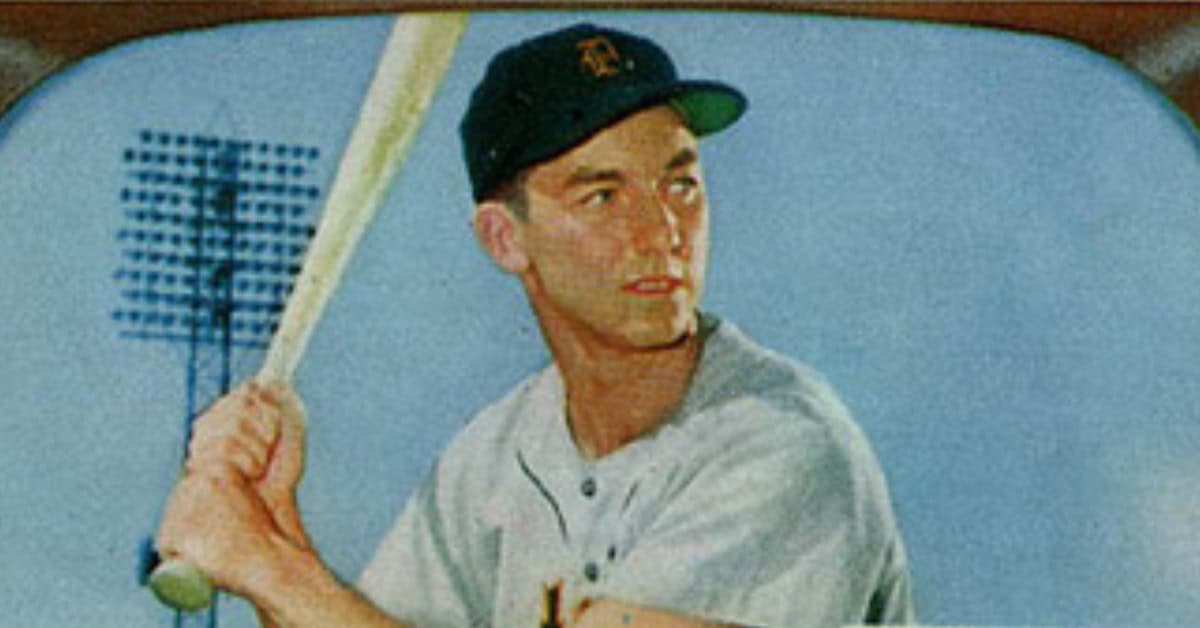
Mr. Tiger’s 22-year commitment to Detroit proved that loyalty and excellence could coexist beautifully, creating a bond between player and city that free agency would later make much rarer. Kaline’s sweet swing and steady presence in right field made him the kind of player you could set your watch by, reliable as sunrise and twice as beautiful. When Al finally got his World Series ring in 1968, it felt like the entire city of Detroit was celebrating with their favorite son.
Bert Blyleven’s Longevity That Showed Consistency Beats Flash
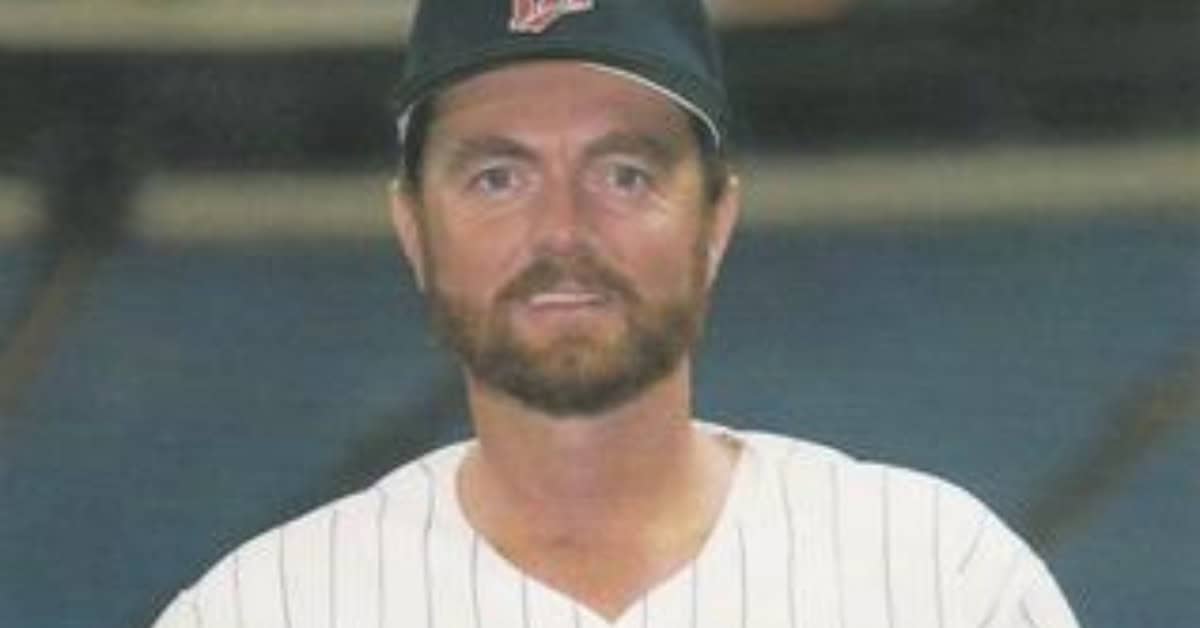
Blyleven’s curveball was a thing of beauty that fooled hitters for 22 seasons, proving that craftsmanship and persistence could outlast raw talent and media hype. His 287 wins and 3,701 strikeouts were accumulated the hard way—one batter at a time, one season at a time, with the kind of steady excellence that builds Hall of Fame careers. When Bert finally got his Cooperstown call, it felt like justice served cold, just like his devastating curve.
Frank Thomas’s Big Hurt Era That Made Chicago Baseball Must-See TV
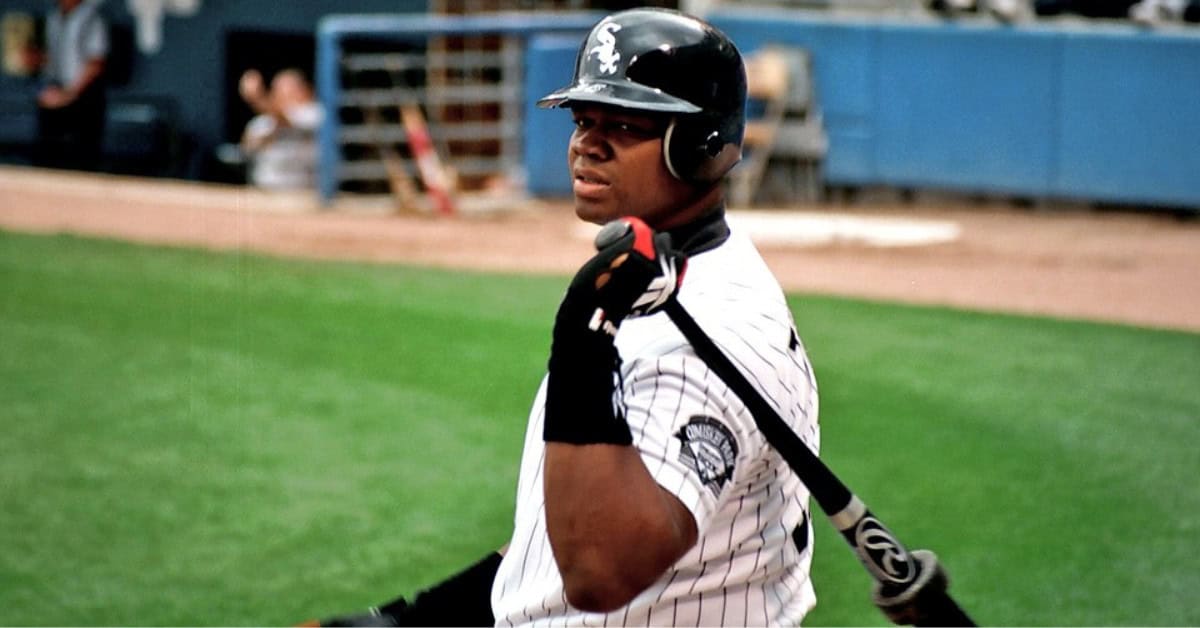
The Big Hurt’s massive frame and even bigger swing turned Comiskey Park into a launching pad and made White Sox games appointment television for anyone who appreciated pure power. Thomas’s back-to-back MVP awards in the mid-90s reminded Chicago that greatness could happen on the South Side too, not just across town with the Cubs. When Frank dug into the batter’s box, you could feel the electricity in the air, knowing that history might be launched into the upper deck at any moment.
Luis Aparicio’s Innovation That Changed How Baseball Thought About Speed
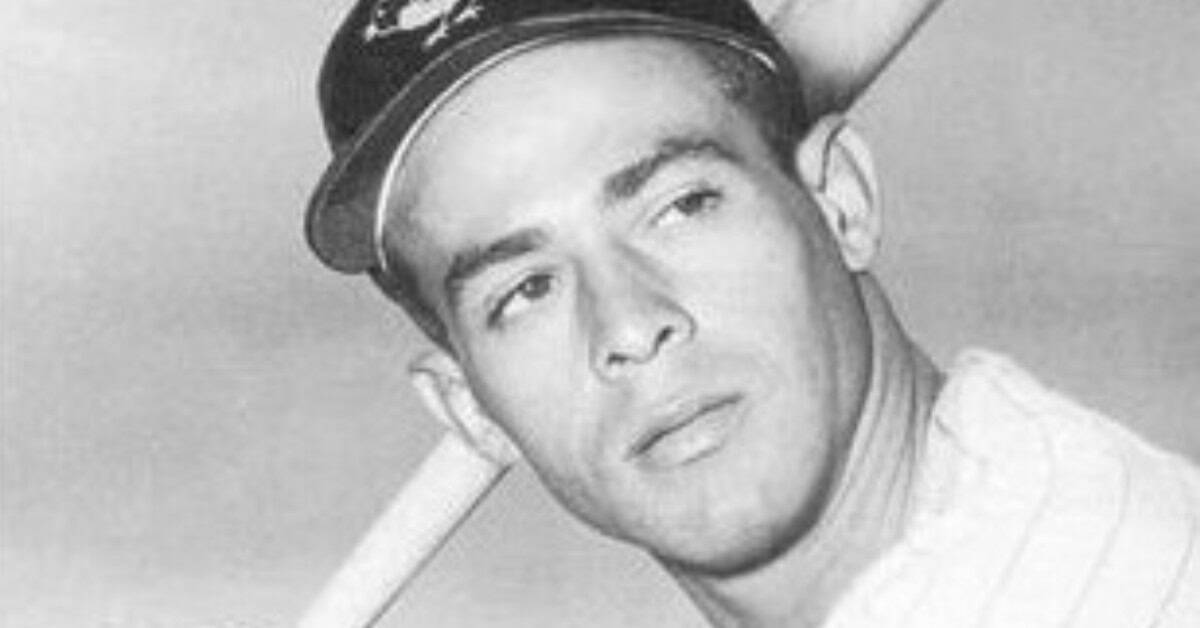
Little Louie’s revolutionary approach to base stealing transformed the stolen base from a rare occurrence into a strategic weapon, inspiring the “Go-Go Sox” era and changing baseball forever. Aparicio’s nine consecutive stolen base titles weren’t just individual achievements—they were a masterclass in how speed and intelligence could be more valuable than raw power. When Luis took his lead off first base, you knew something exciting was about to happen, turning routine at-bats into edge-of-your-seat theater.
Joe Mauer’s Hometown Hero Story That Made Dreams Come True
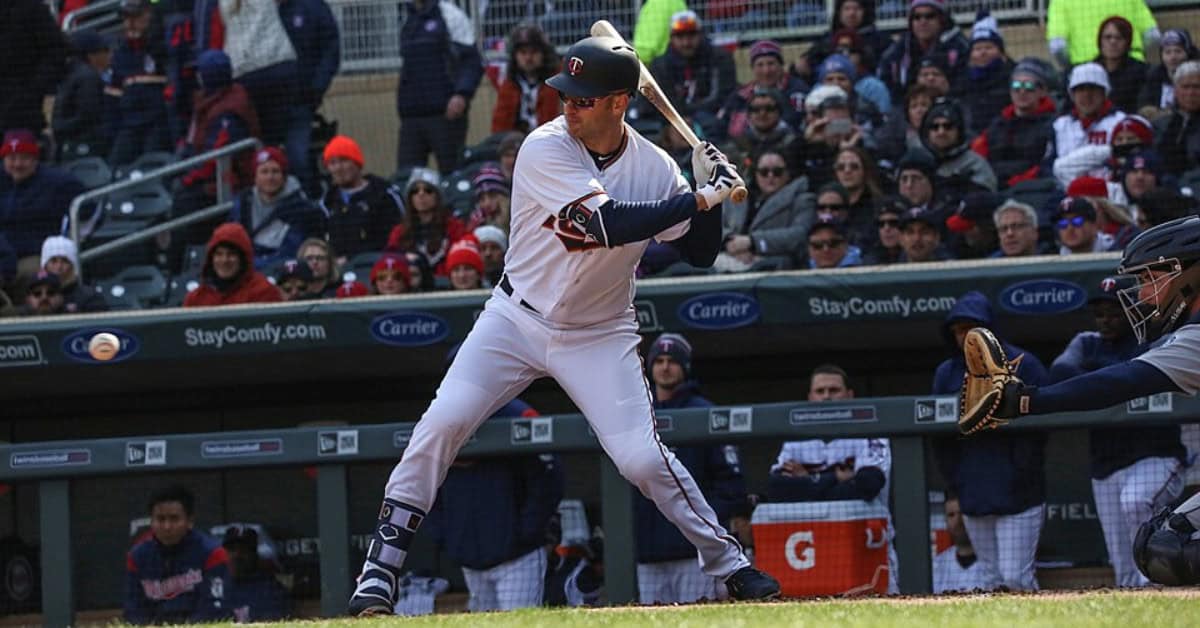
Mauer’s journey from St. Paul high school legend to Minnesota Twins superstar proved that fairy tales could still come true in professional sports, giving hope to every kid who dreamed of playing for their hometown team. His three batting titles behind the plate redefined what catchers could accomplish offensively, while his sideburns became as iconic as his swing. When Joe won AL MVP in 2009, it felt like the entire state of Minnesota was celebrating one of their own reaching the absolute pinnacle of baseball success.
Ty Cobb’s Fire That Showed Baseball Was More Than Just a Game
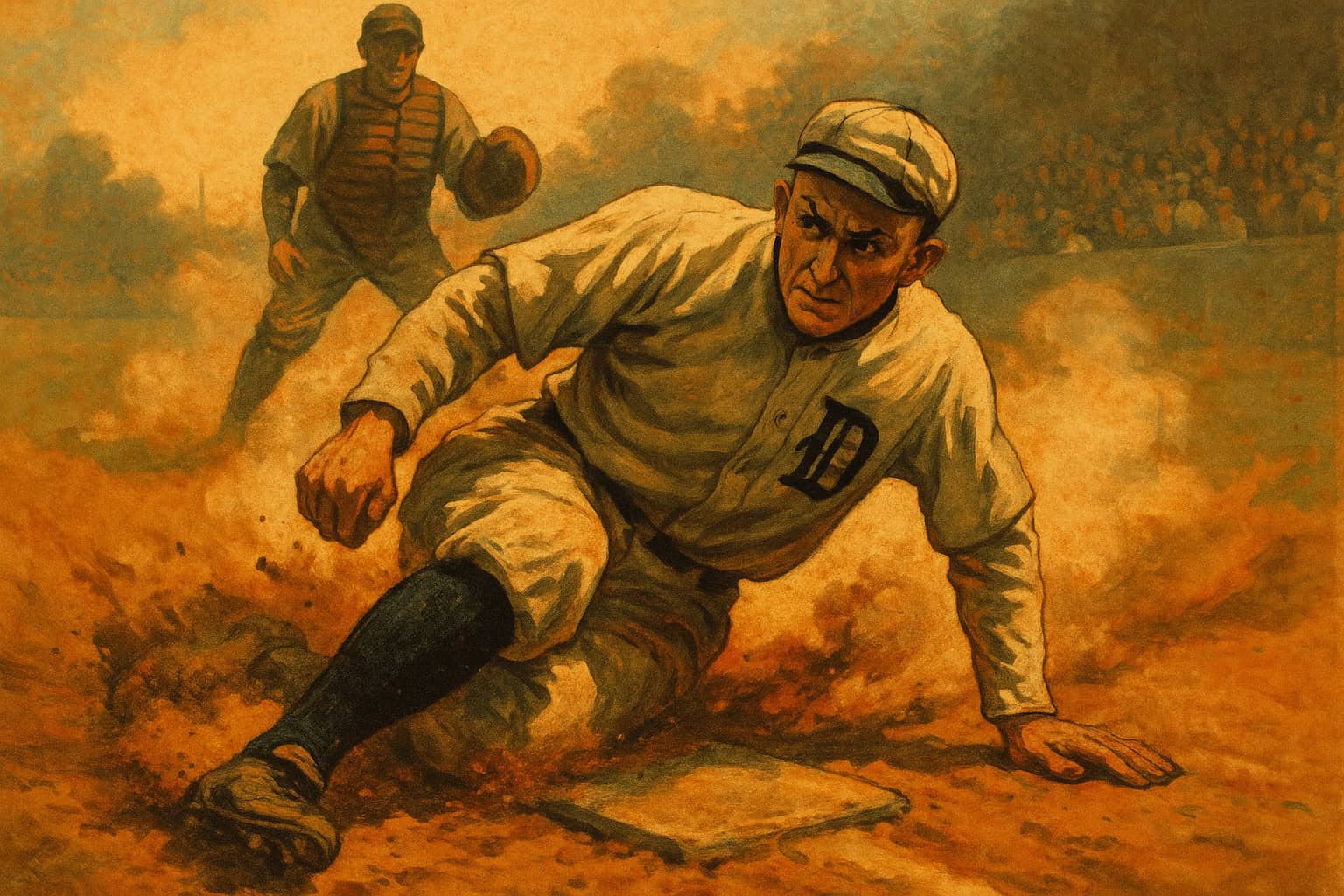
The Georgia Peach’s relentless competitiveness and burning desire to win transformed baseball from a gentleman’s game into a battlefield where every play mattered and every advantage was pursued with ruthless intensity. Cobb’s 12 batting titles and .366 lifetime average were products of an obsessive dedication that bordered on mania, proving that greatness required more than talent—it demanded total commitment. His spikes-high slides and fierce determination set the standard for competitive fire that still burns in every player who refuses to accept second place.
Harold Baines’s Professionalism That Made Every Teammate Better
Baines’s quiet leadership and unwavering work ethic created a standard of professionalism that elevated every clubhouse he entered, proving that influence didn’t require volume or ego. His sweet left-handed swing produced clutch hits for over two decades, while his steady presence provided the kind of veteran leadership that championship teams require. When Harold stepped into the batter’s box in crucial moments, teammates and fans alike knew they were watching a master craftsman at work.
Bo Jackson’s Athletic Gifts That Redefined What Human Bodies Could Do
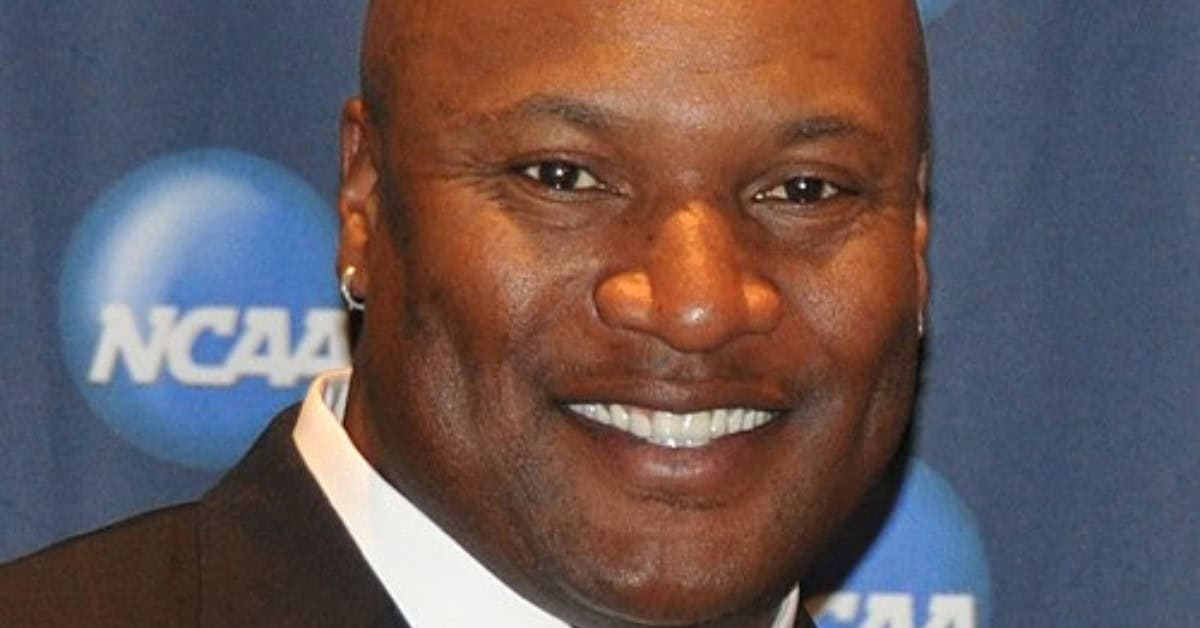
Bo’s supernatural combination of speed and power didn’t just break baseball records—it broke our understanding of what athletic performance could look like, turning every at-bat into a potential highlight reel moment. His ability to excel in both baseball and football simultaneously seemed to violate the laws of physics and human limitations, inspiring a generation of athletes to dream bigger. When Bo snapped that bat over his knee in frustration, it became an instant symbol of raw power that transcended sports and entered popular culture forever.
Jack Morris’s Determination That Delivered World Series Magic
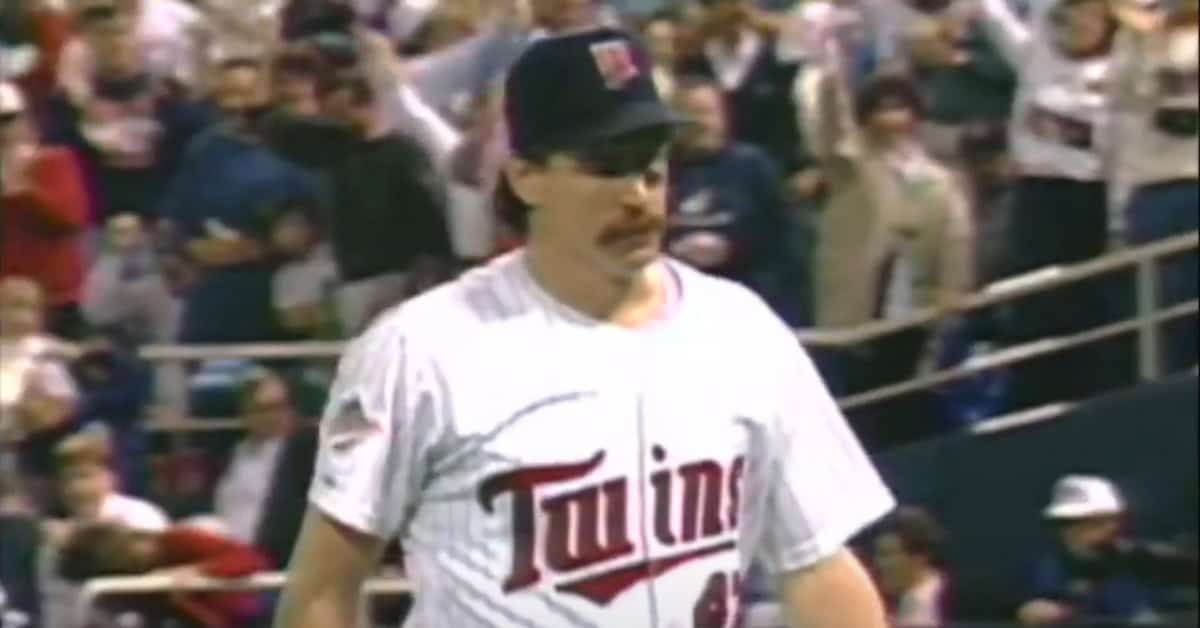
Morris’s 10-inning shutout in Game 7 of the 1991 World Series wasn’t just a pitching performance—it was a masterpiece of will and determination that defined what clutch pitching looks like under the brightest lights. His refusal to come out of the game despite mounting pressure showed the kind of competitive heart that separates good pitchers from legends. When Jack finally walked off that mound victorious, he had authored one of the greatest Game 7 performances in baseball history, proving that sometimes heroes are made in the moments that matter most.
Nellie Fox’s Hustle That Inspired a Generation of Scrappy Players

Fox’s relentless hustle and blue-collar work ethic embodied everything Chicago baseball fans loved about their scrappy underdogs, proving that heart could be more valuable than raw talent. His chewing tobacco bulge and never-say-die attitude made him the perfect symbol of the “Go-Go Sox,” inspiring teammates and fans to believe that effort could overcome any obstacle. When Nellie ran out a routine grounder like it was Game 7 of the World Series, he was teaching an entire generation that every play mattered and every opportunity was worth maximum effort.
Harmon Killebrew’s Power That Put Minnesota on the Baseball Map
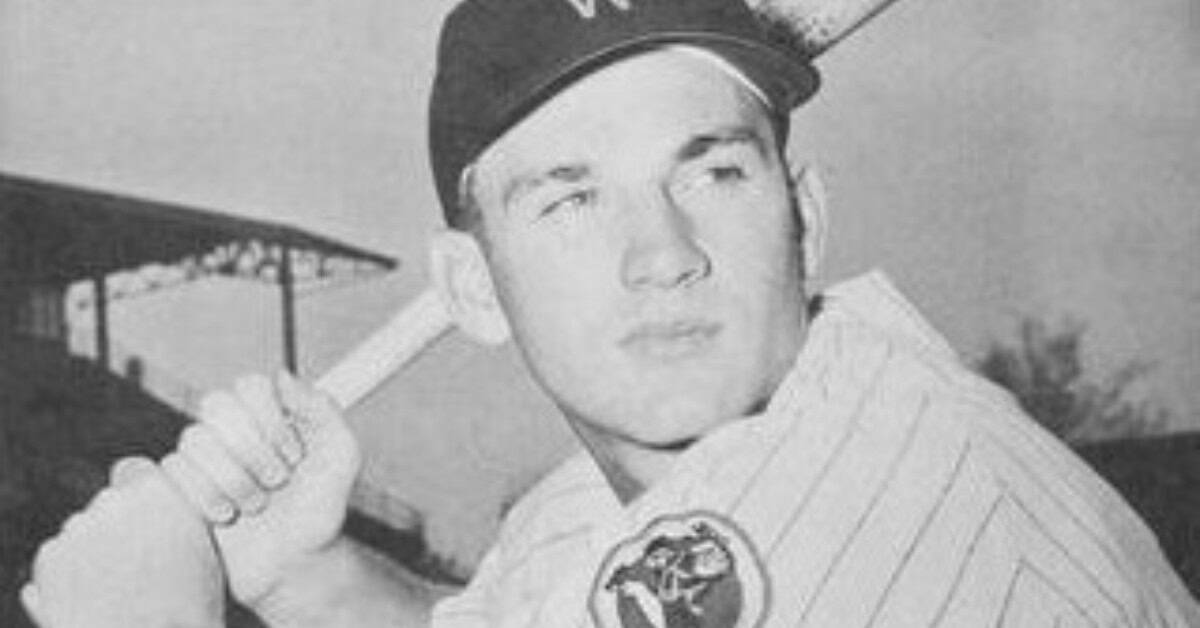
Killer’s mammoth home runs didn’t just clear fences—they announced to the baseball world that Minnesota had arrived as a legitimate power, transforming the Twins from expansion afterthoughts into legitimate contenders. His 573 career homers were launched with the kind of effortless power that made grown men gasp and children believe in magic, turning Metropolitan Stadium into a launching pad for dreams. When Harmon connected, you didn’t just hear the crack of the bat—you heard the sound of a franchise and a fanbase discovering what greatness felt like.
Hal Newhouser’s Excellence That Kept Detroit Baseball Alive During Wartime
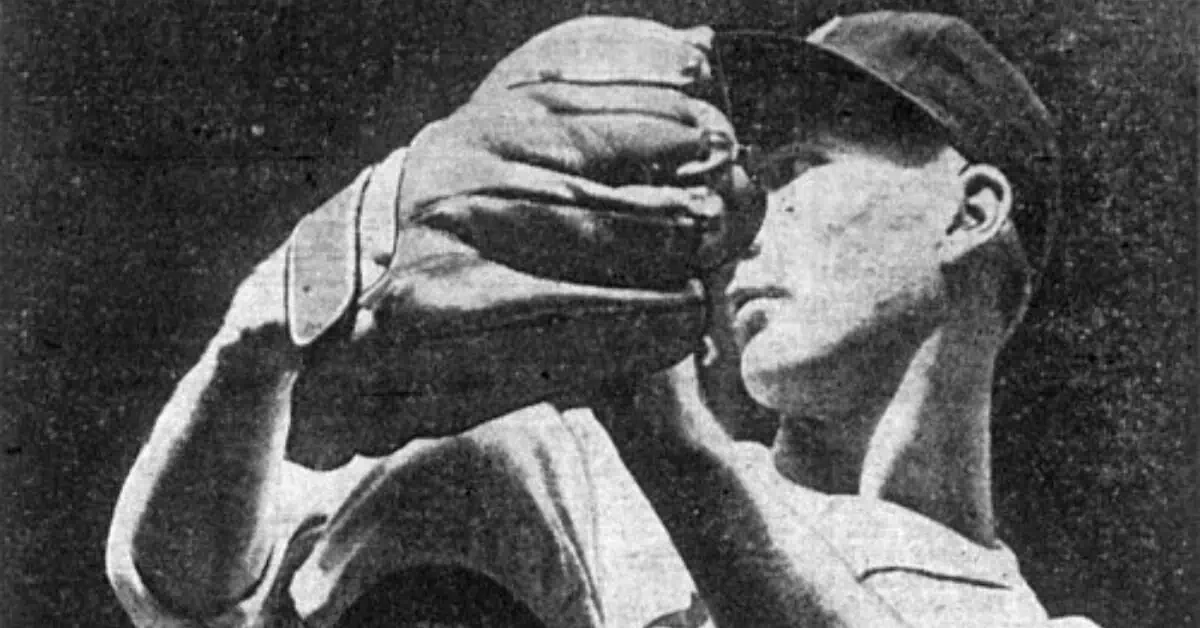
Prince Hal’s back-to-back MVP awards in 1944 and 1945 provided Detroit fans with something to cheer about during the darkest days of World War II, proving that baseball could still inspire hope when the world seemed hopeless. His devastating fastball and competitive fire carried the Tigers to a World Series championship in 1945, giving a war-weary city the kind of celebration it desperately needed. When Newhouser took the mound, he wasn’t just pitching for wins—he was pitching for a community that needed heroes more than ever.
Miguel Cabrera’s Triple Crown That Reminded Us Why Pure Hitting Matters
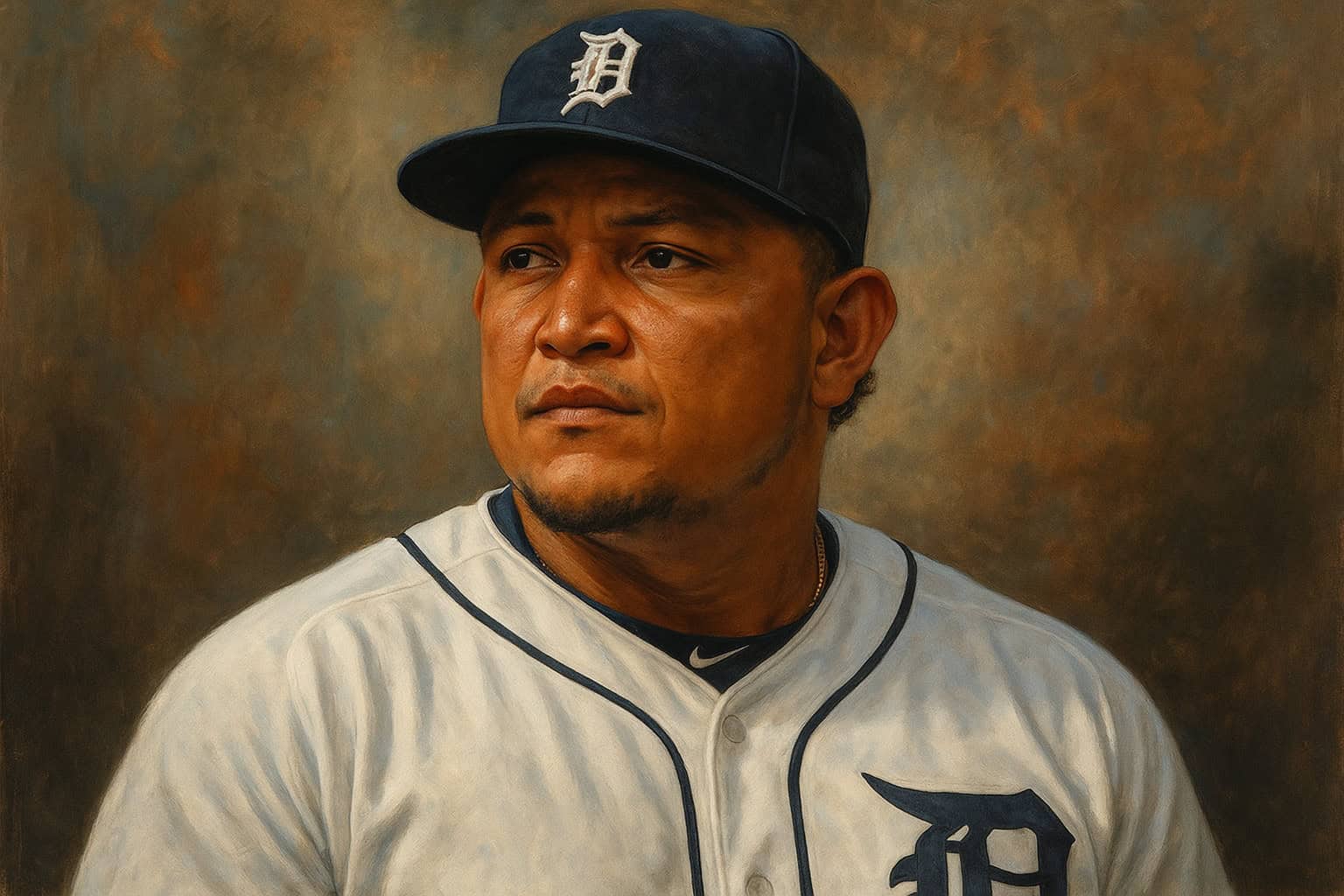
Miggy’s 2012 Triple Crown wasn’t just a statistical achievement—it was a beautiful reminder that in an era of advanced metrics and analytical overload, pure hitting ability could still capture our imagination like nothing else. His patient approach and natural swing made the impossible look inevitable, bringing back memories of when batting average, home runs, and RBIs were the holy trinity of offensive excellence. When Cabrera clinched the Triple Crown on the season’s final day, it felt like baseball’s golden age had returned for one magical moment, proving that some traditions are too beautiful to be forgotten.