
Last Updated: June 17th, 2026 by Matthew Brown
Teams in the NL Central have been home to legends who played with pure heart, natural instinct, and the kind of raw charisma that made entire cities stop what they were doing to watch nine innings unfold. These weren’t just ballplayers—they were poets who wrote their verses in clutch hits, devastating pitches, and moments of pure magic that still echo through the heartland’s ballparks. While many on this list may not have played when the division was in place, they still embody the spirit that these teams bring to the table.
Don't lose this article. Enter your email below, and I'll send it to you right now. Plus, we'll send you other unbelievable stories from baseball's past.
Bob Gibson’s Intimidating Presence That Made Batters Duck for Cover
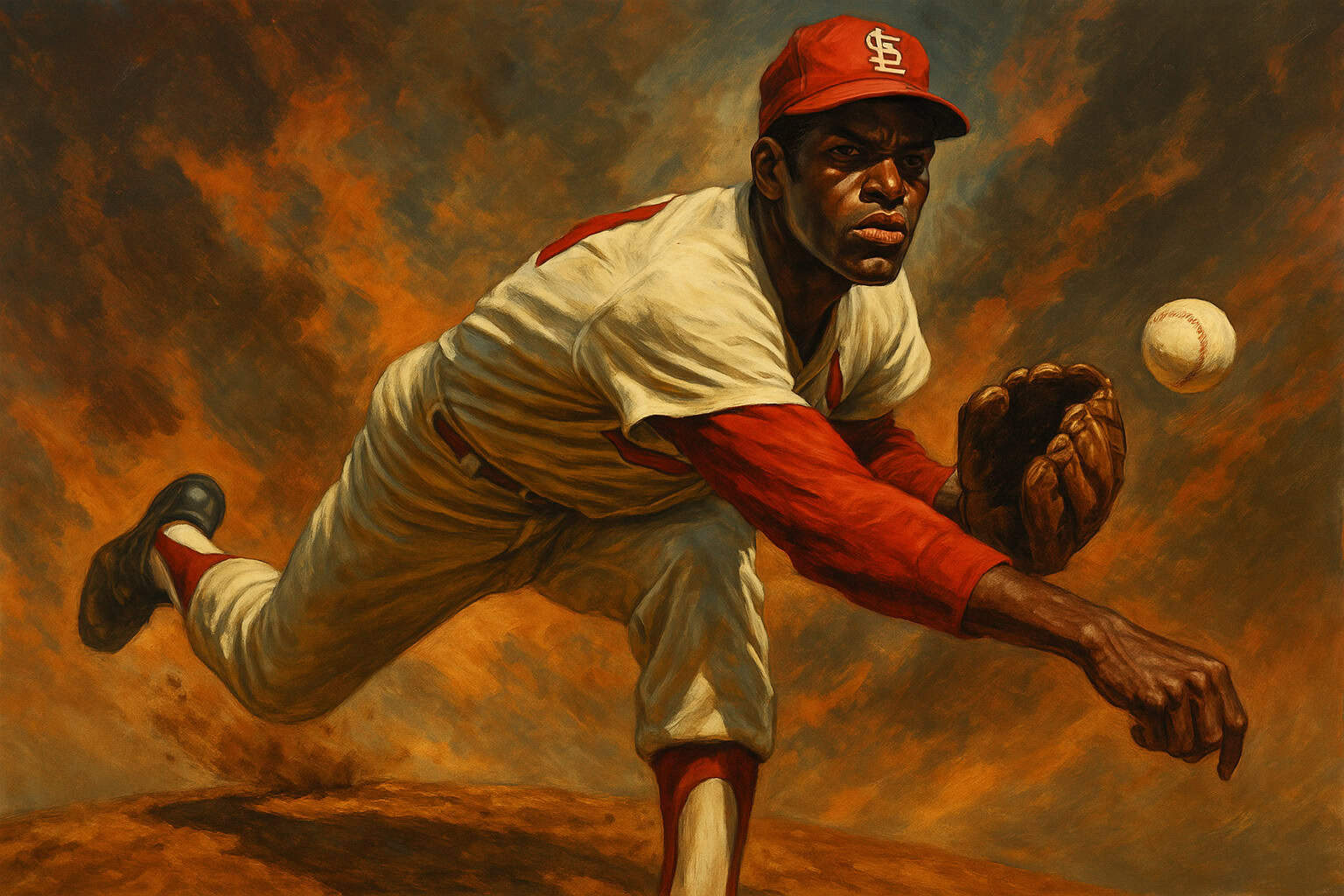
Gibby’s death stare and 100 mph fastball didn’t just challenge hitters—they issued psychological warfare from 60 feet, 6 inches away, making grown men question their life choices and career decisions. His 1.12 ERA in 1968 was so dominant that MLB had to lower the mound just to give batters a fighting chance, proving that some players are simply too good for their own sport. When Gibson wound up and fired, you could almost see the fear creeping into hitters’ eyes, knowing they were about to face a man who viewed every at-bat as a personal insult that demanded immediate punishment.
Robin Yount’s Versatility That Made Milwaukee Believe in Excellence
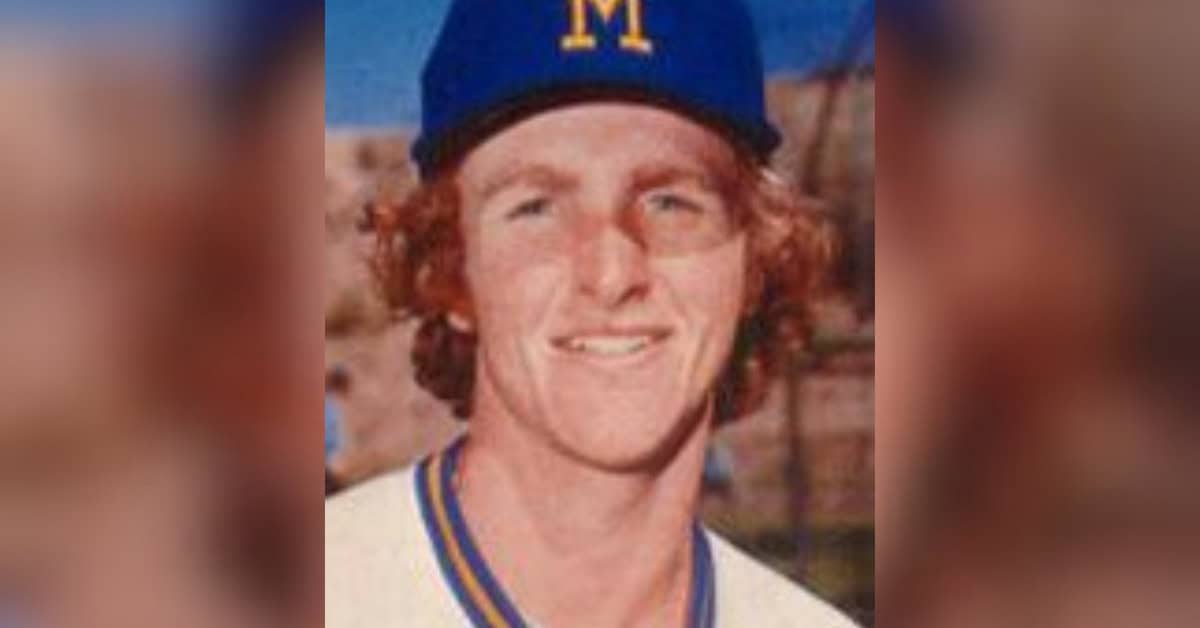
The Kid’s seamless transition from shortstop to center field proved that true greatness could adapt and evolve, turning County Stadium into a showcase for athletic excellence that transcended positions. Yount’s two MVP awards and 20-year commitment to Milwaukee made him the perfect symbol of small-market loyalty, proving that stars didn’t always have to chase bright lights to achieve immortality. When Robin patrolled the field in his Brewers uniform, you were watching a master craftsman who understood that consistency and versatility could be more valuable than any single spectacular skill.
Pete Rose’s Hustle That Embodied Cincinnati’s Blue-Collar Spirit
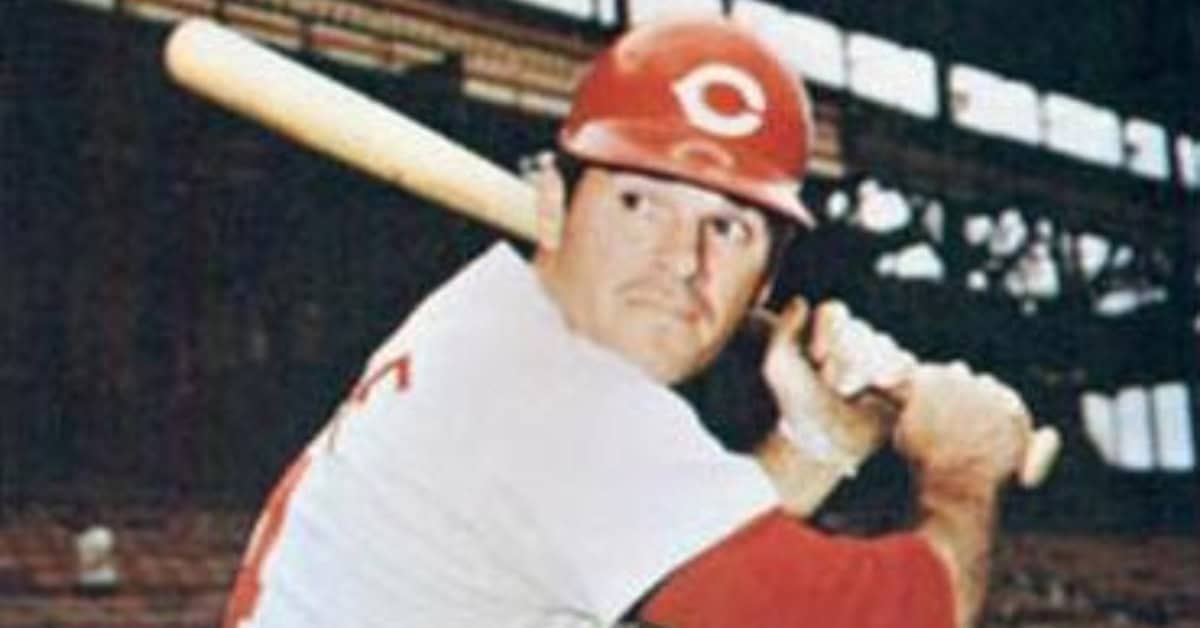
Charlie Hustle’s headfirst slides and relentless pursuit of every base hit turned routine plays into edge-of-your-seat theater, proving that effort could be just as exciting as raw talent. His 4,256 hits stand as a monument to pure determination and longevity, showing what happened when natural ability met an obsessive work ethic that bordered on mania. When Rose sprinted to first base on a routine grounder, you weren’t just watching hustle—you were witnessing a man who understood that every play mattered and every opportunity was sacred.
Barry Bonds’s Five-Tool Talent That Made Pittsburgh Believe in Magic
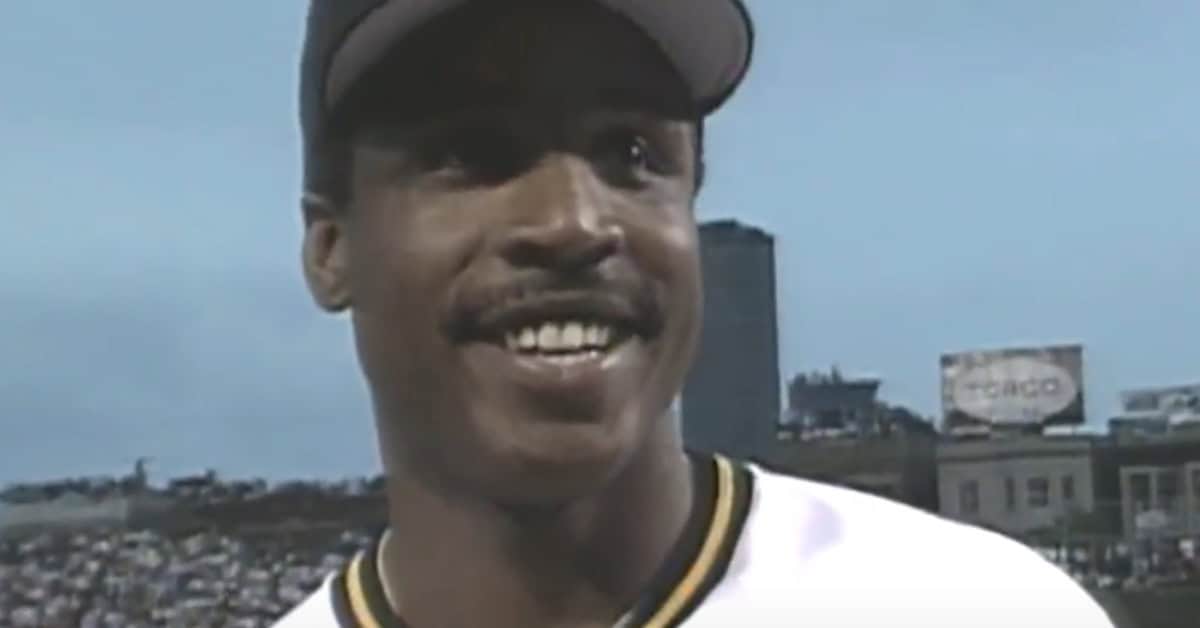
Young Barry’s combination of speed, power, and defensive brilliance made him look like he was playing a completely different sport than everyone else, turning Three Rivers Stadium into his personal showcase for athletic perfection. His stolen bases and gap-to-gap power proved that before he became a home run machine, he was simply the most complete player in baseball, capable of beating you in five different ways. When Bonds patrolled left field in Pittsburgh, you were watching the future of baseball excellence, even if nobody knew just how controversial and complicated that future would become.
Fergie Jenkins’s Pinpoint Control That Made Wrigley His Personal Kingdom
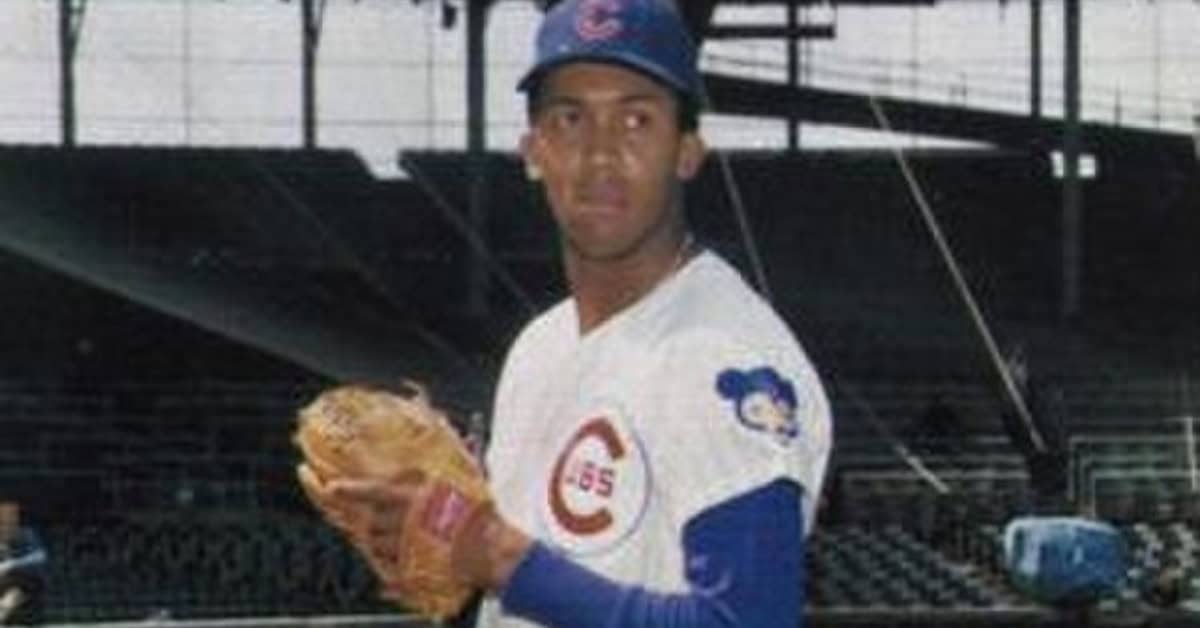
Jenkins’s surgical precision and incredible durability made him the ace of some truly terrible Cubs teams, proving that individual excellence could shine even when surrounded by organizational incompetence. His ability to strike out 200+ batters while walking fewer than 40 was a masterclass in control and efficiency, turning every start into a clinic on how to dominate hitters with location rather than raw velocity. When Fergie took the mound at Wrigley Field, you knew you were watching a craftsman who understood that pitching was as much about intelligence as it was about pure stuff.
Albert Pujols’s Machine-Like Consistency That Defined Excellence
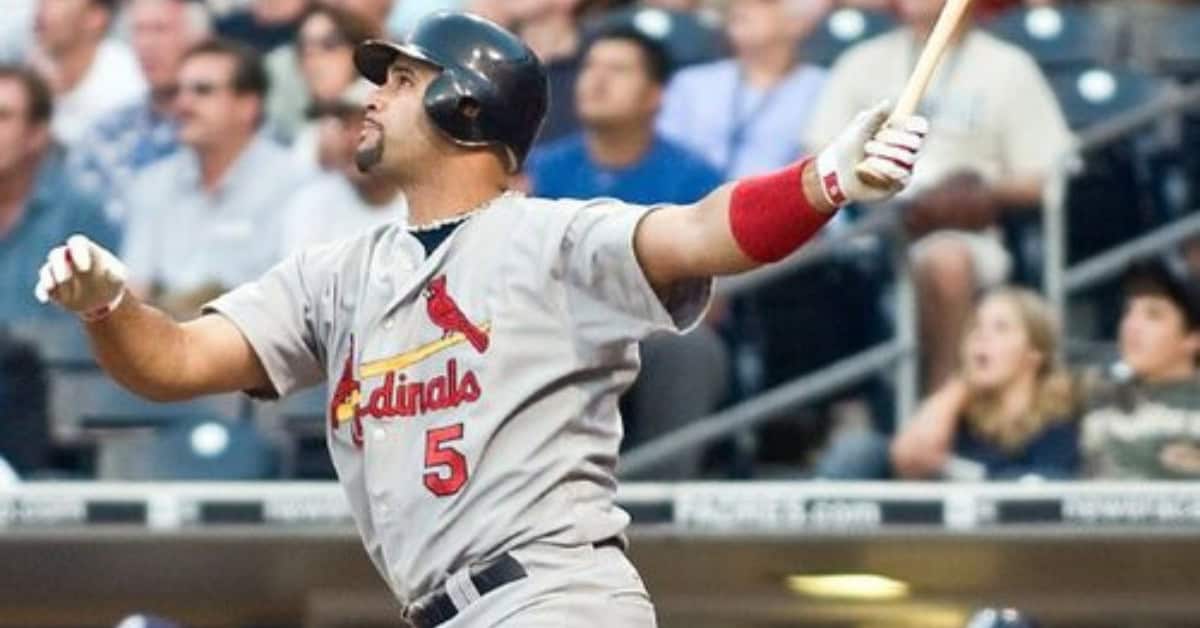
The Machine’s robotic consistency and picture-perfect swing made him look like he was manufactured in a laboratory designed to create the perfect hitter, turning Busch Stadium into a factory for offensive excellence. Pujols’s ability to hit .300 with 30+ home runs and 100+ RBIs year after year wasn’t just impressive—it was supernatural, proving that some players operate on a completely different level than mere mortals. When Albert stepped into the batter’s box, you could set your watch by his production, knowing that excellence was about to be delivered with the precision of a Swiss timepiece.
Ralph Kiner’s Power That Put Pittsburgh on the Baseball Map
Kiner’s seven consecutive home run titles in the 1940s and 50s turned Forbes Field into a launching pad and made Pittsburgh relevant in an era when the Pirates were baseball’s lovable losers. His mammoth blasts didn’t just clear fences—they announced to the baseball world that power could come from anywhere, even from teams that couldn’t win 70 games. When Ralph connected on one of his tape-measure shots, you weren’t just watching a home run—you were witnessing the birth of modern power hitting in a city that desperately needed something to cheer about.
Joe Morgan’s Little Joe Magic That Made the Big Red Machine Roll
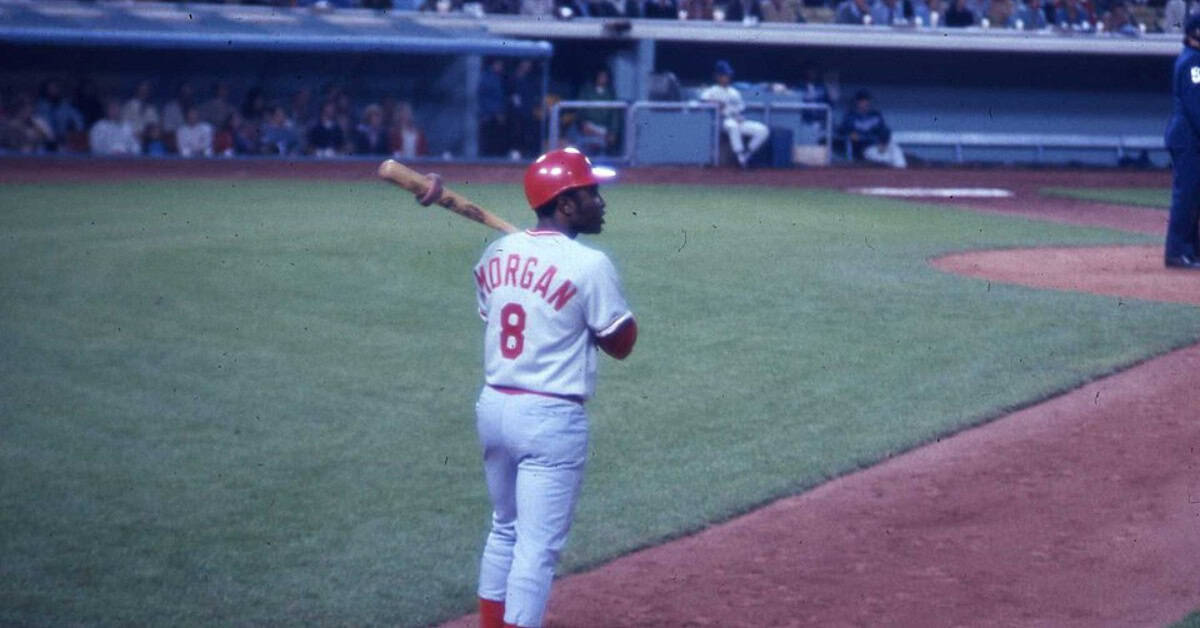
Little Joe’s elbow flap and clutch hitting made him the spark plug of baseball’s greatest dynasty, proving that size meant nothing when you had a heart the size of Cincinnati and a baseball IQ that bordered on genius. Morgan’s ability to get on base, steal second, and score on a wild pitch turned routine innings into offensive explosions, making Riverfront Stadium feel like a pinball machine where runs came in bunches. When Joe dug into the batter’s box with that distinctive stance, you knew the Big Red Machine was about to shift into high gear, and opposing pitchers were about to have a very long day.
Stan Musial’s Sweet Swing That Made St. Louis Fall in Love

Stan the Man’s corkscrew stance and sweet swing made him the most beloved athlete in St. Louis history, proving that class and production could coexist beautifully in a city that appreciated both excellence and humility. His 3,630 hits and seven batting titles were accumulated with the kind of quiet dignity that made him a hero to multiple generations of Cardinals fans. When Musial stepped into that distinctive crouch, you weren’t just watching a hitter—you were witnessing poetry in motion, performed by a man who understood that greatness should be worn lightly and shared generously.
Andre Dawson’s Fearless Approach That Made Wrigley His Kingdom
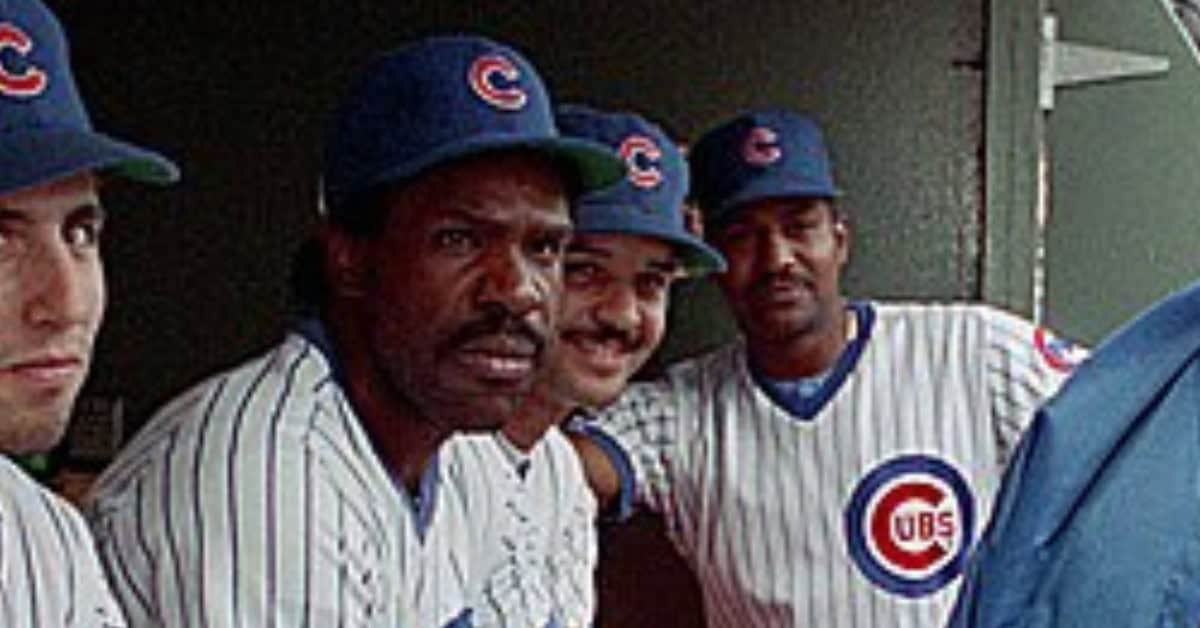
The Hawk’s decision to sign a blank contract with the Cubs proved that sometimes wanting something badly enough could overcome any obstacle, turning his MVP season into a love letter to Chicago’s long-suffering fans. Dawson’s fearless approach to crowding the plate and his rocket arm in right field made him the perfect symbol of blue-collar excellence, proving that heart and determination could triumph over artificial turf and bad knees. When Andre patrolled Wrigley’s outfield, you were watching a warrior who understood that some battles were worth fighting regardless of the personal cost.
Barry Larkin’s Smooth Fielding That Made Shortstop Look Effortless

Larkin’s fluid movements and cannon arm redefined what shortstop excellence looked like in the modern era, turning routine double plays into works of art that made Riverfront Stadium feel like a ballet theater. His combination of offensive production and defensive brilliance proved that shortstops could be complete players rather than just glove-first specialists, paving the way for future generations of athletic middle infielders. When Barry ranged to his left and made one of his signature throws, you were watching the position being played at its absolute highest level by a man who made the impossible look routine.
Ozzie Smith’s Backflip That Made Busch Stadium Feel Like Cirque du Soleil

The Wizard’s acrobatic fielding and signature backflip turned routine ground balls into must-see television, proving that defense could be just as exciting as any home run or strikeout. His 13 Gold Gloves and clutch postseason heroics made him the perfect symbol of the Cardinals’ excellence, showing that fundamentals and flair could coexist beautifully in the same player. When Ozzie performed his opening day backflip, you knew that magic was about to happen at shortstop, where the impossible became routine and routine plays became works of art.
Sammy Sosa’s Cork Bat Era That Made Chicago Electric
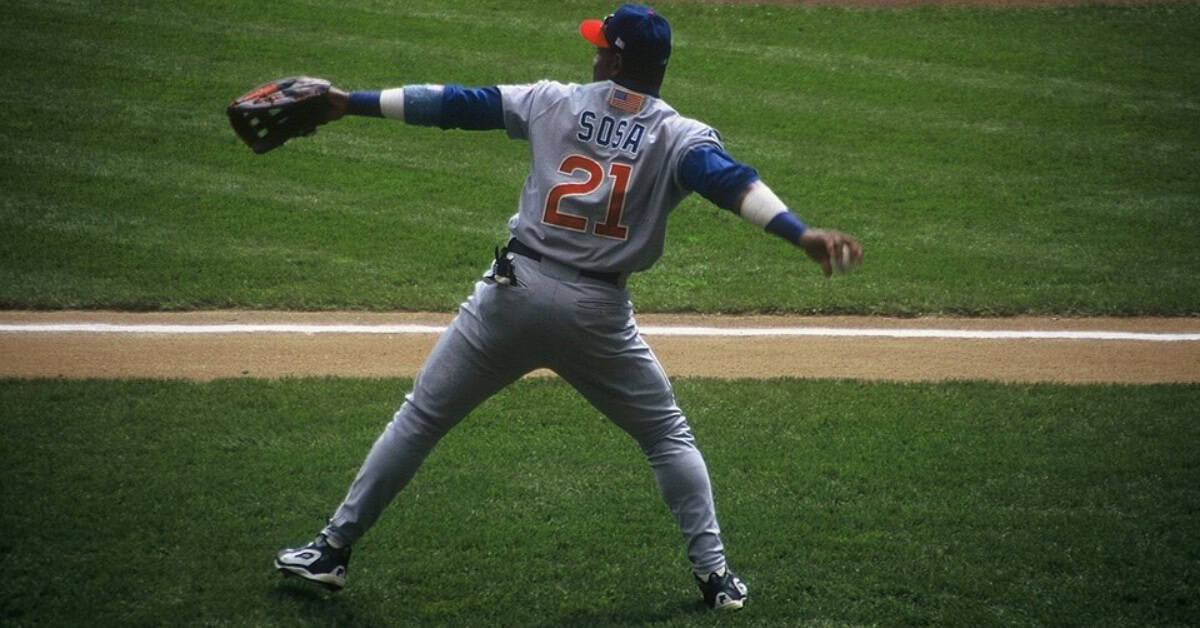
Slammin’ Sammy’s hop-skip home run trot and infectious smile turned Wrigley Field into the center of the baseball universe during the great home run chase of 1998, proving that joy could be just as powerful as raw talent. His 600+ career home runs and larger-than-life personality made him the perfect symbol of baseball’s steroid era—controversial, complicated, but undeniably entertaining. When Sosa connected and began his signature celebration, you weren’t just watching a home run—you were witnessing a man who understood that baseball was supposed to be fun, even when the stakes were highest.
Paul Molitor’s Line Drive Consistency That Made Hitting Look Natural
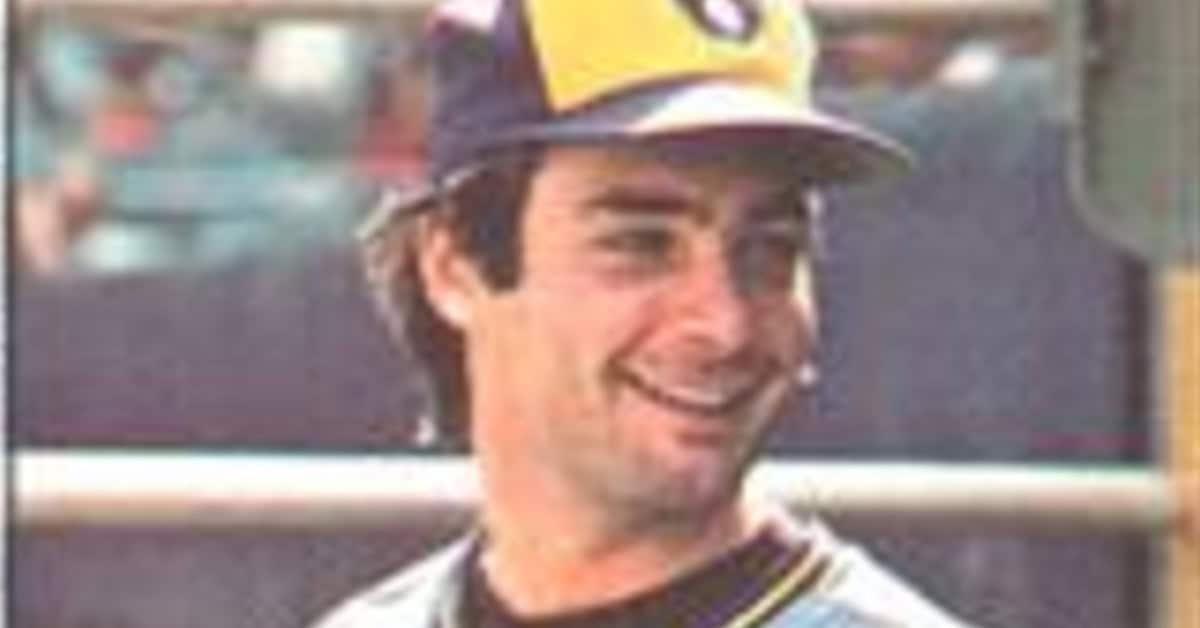
Molitor’s smooth swing and incredible hand-eye coordination made him look like he was born with a bat in his hands, turning County Stadium into a showcase for pure hitting artistry that spanned three decades. His 3,319 hits and clutch postseason performances proved that consistency could be more valuable than flash, making him the perfect symbol of Milwaukee’s blue-collar work ethic. When Paul stepped into the batter’s box, you knew you were watching a master craftsman who had perfected the art of making solid contact look as natural as breathing.
Roberto Clemente’s Cannon Arm That Redefined Right Field
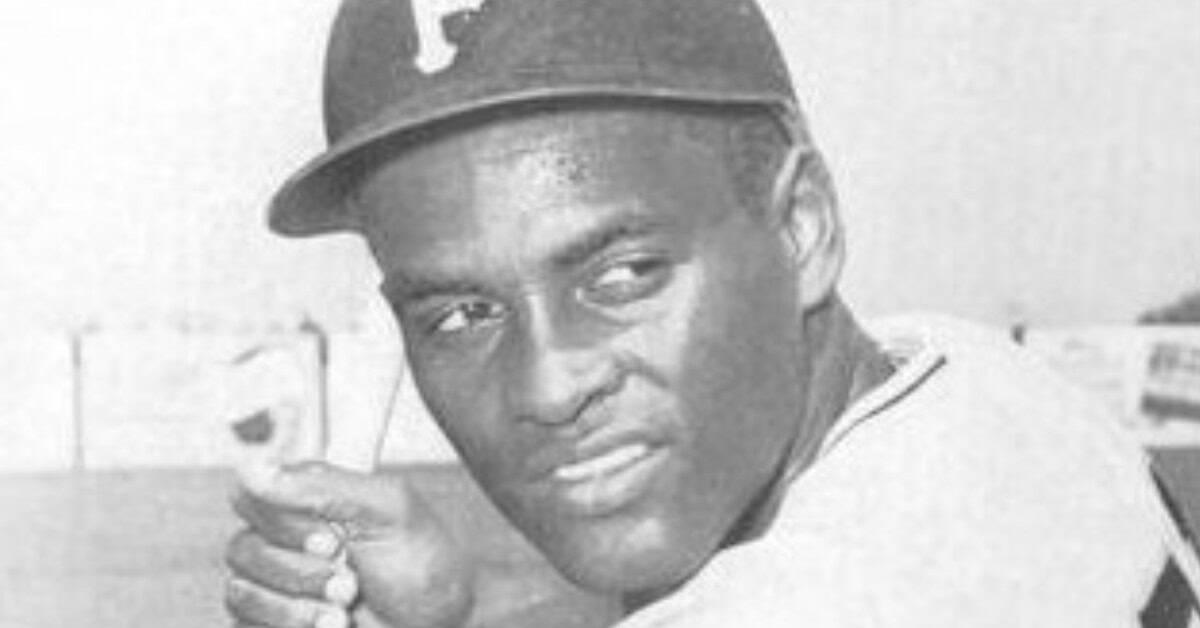
Clemente’s rocket arm and passionate play made him the heart and soul of Pittsburgh’s championship teams, proving that individual brilliance could elevate an entire franchise and inspire a generation of Latin American players. His 3,000th hit and tragic death while delivering aid to earthquake victims turned him into more than just a baseball player—he became a symbol of excellence, courage, and humanitarian spirit. When Roberto unleashed one of his legendary throws from the right field corner, you weren’t just watching a defensive play—you were witnessing an artist who had turned his position into a canvas for athletic poetry.
Johnny Bench’s Catching Revolution That Changed the Position Forever
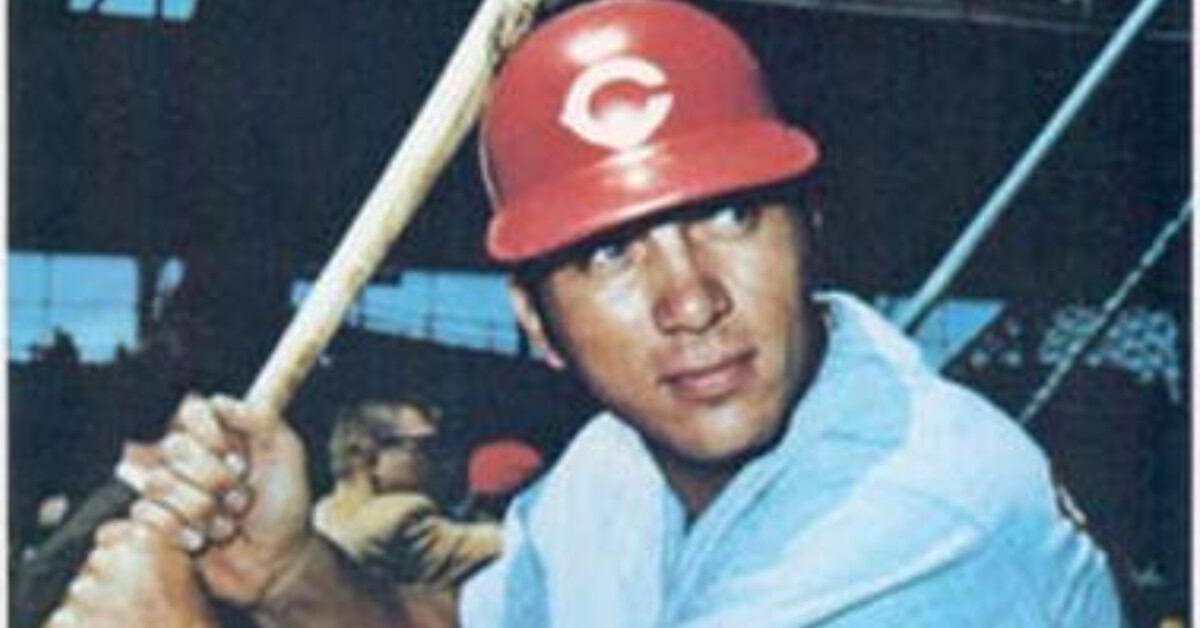
Bench’s one-handed catching style and incredible arm strength revolutionized how the position was played, turning Riverfront Stadium into a showcase for defensive innovation that influenced generations of catchers. His ability to call games like a field general while producing MVP-caliber offense proved that catchers could be superstars rather than just defensive specialists, paving the way for modern two-way threats behind the plate. When Johnny crouched behind home plate, you were watching the position being redefined by a man who understood that catching was about so much more than just stopping baseballs.
Ryne Sandberg’s Second Base Artistry That Made Defense Look Easy
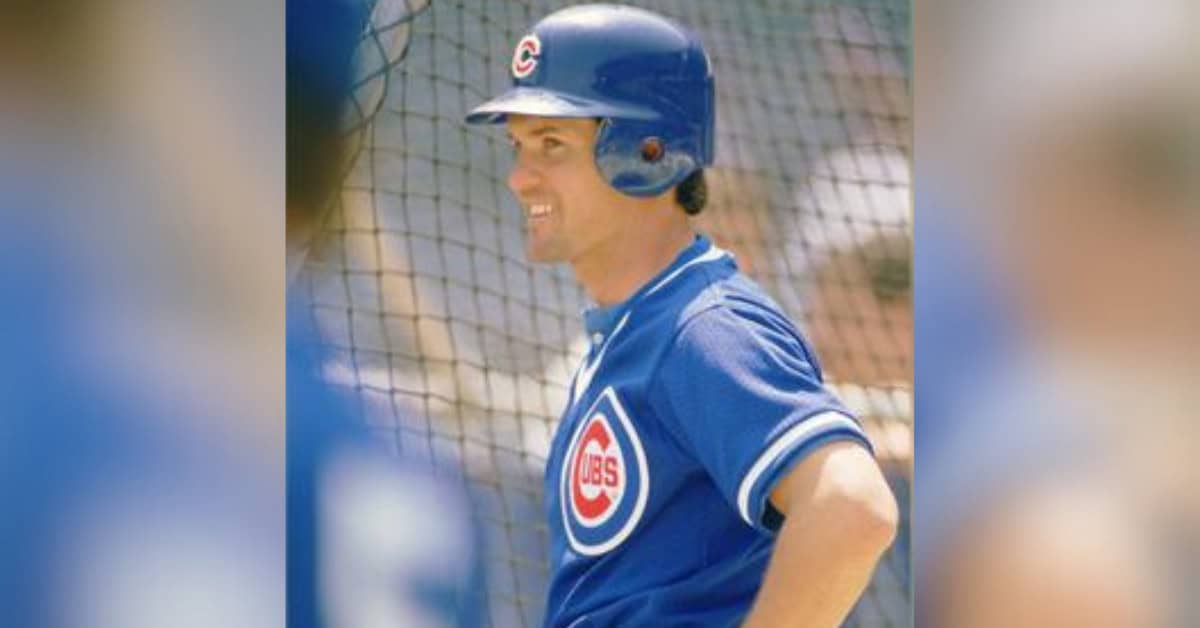
Ryno’s smooth fielding and clutch hitting made him the perfect symbol of Cubs excellence during their lean years, proving that individual brilliance could shine even when surrounded by organizational dysfunction. His “Sandberg Game” against the Cardinals became the stuff of legend, showing that some players are simply built for the biggest moments when everything is on the line. When Ryne ranged to his right and made one of his signature plays, you were watching second base being played at its absolute highest level by a man who made the difficult look routine and the routine look artistic.
Ken Griffey Jr.’s Sweet Swing That Made Cincinnati Swoon
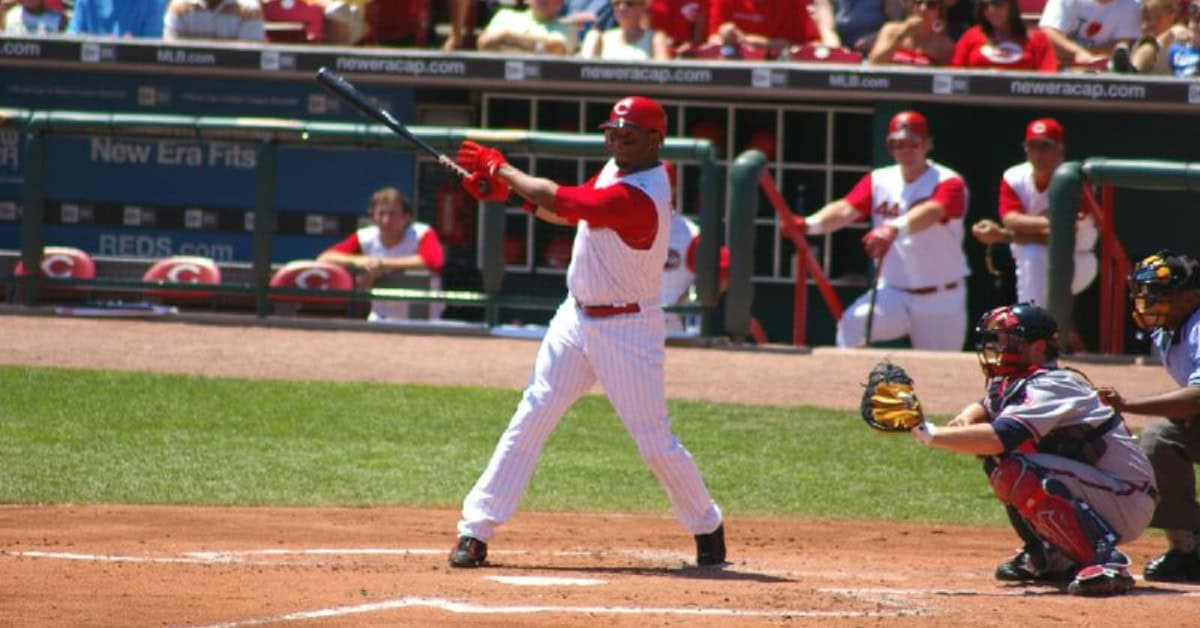
Junior’s return to Cincinnati proved that sometimes you really can go home again, bringing his legendary swing and infectious smile to the city where his father had once starred. His effortless power and graceful outfield play made him look like he was playing a completely different sport than everyone else, turning routine fly balls into highlight-reel catches and routine swings into tape-measure home runs. When Griffey stepped into the box at Cinergy Field, you weren’t just watching a hitter—you were witnessing the closest thing to perfection that the game had ever produced, even if injuries had robbed him of some of his supernatural abilities.
Willie Stargell’s Moonshots That Made Three Rivers Stadium Shake
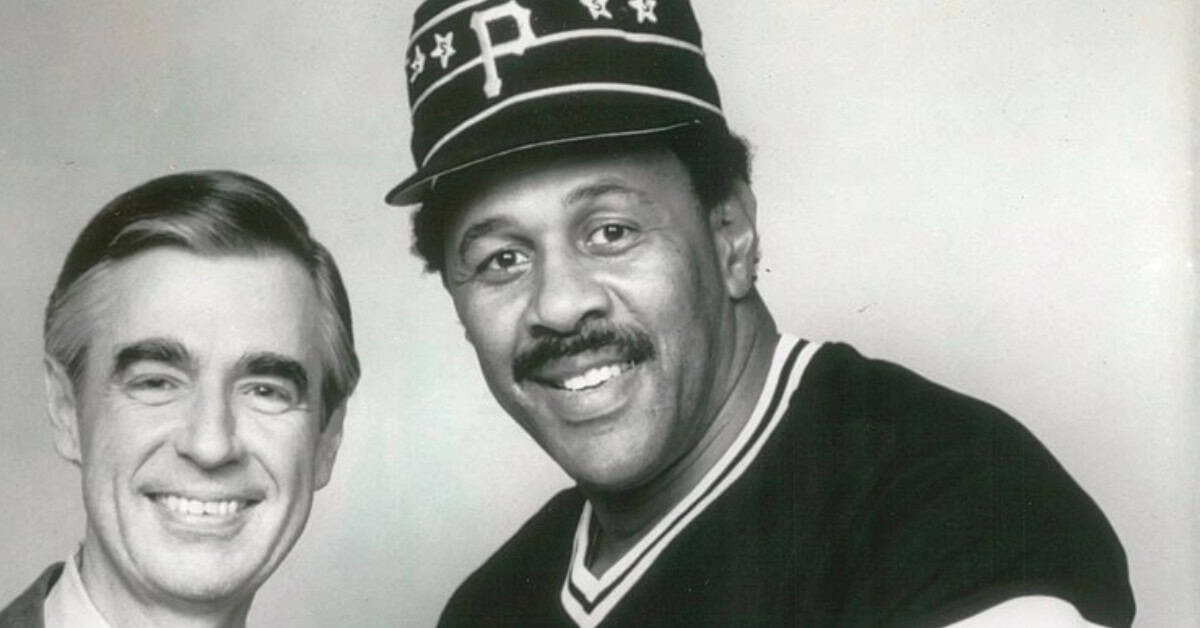
Pops’s mammoth home runs didn’t just clear fences—they launched into the Pittsburgh night sky like rockets fired from his massive shoulders, making Three Rivers Stadium feel like a launching pad for dreams. His leadership and clutch hitting anchored Pittsburgh’s “We Are Family” championship teams, proving that personality and production could create chemistry that transcended individual statistics. When Stargell connected on one of his signature blasts, you could feel the entire stadium shaking with excitement, knowing that you’d just witnessed something that would be talked about for decades.
Ernie Banks’s Eternal Optimism That Made Wrigley Field Feel Like Heaven
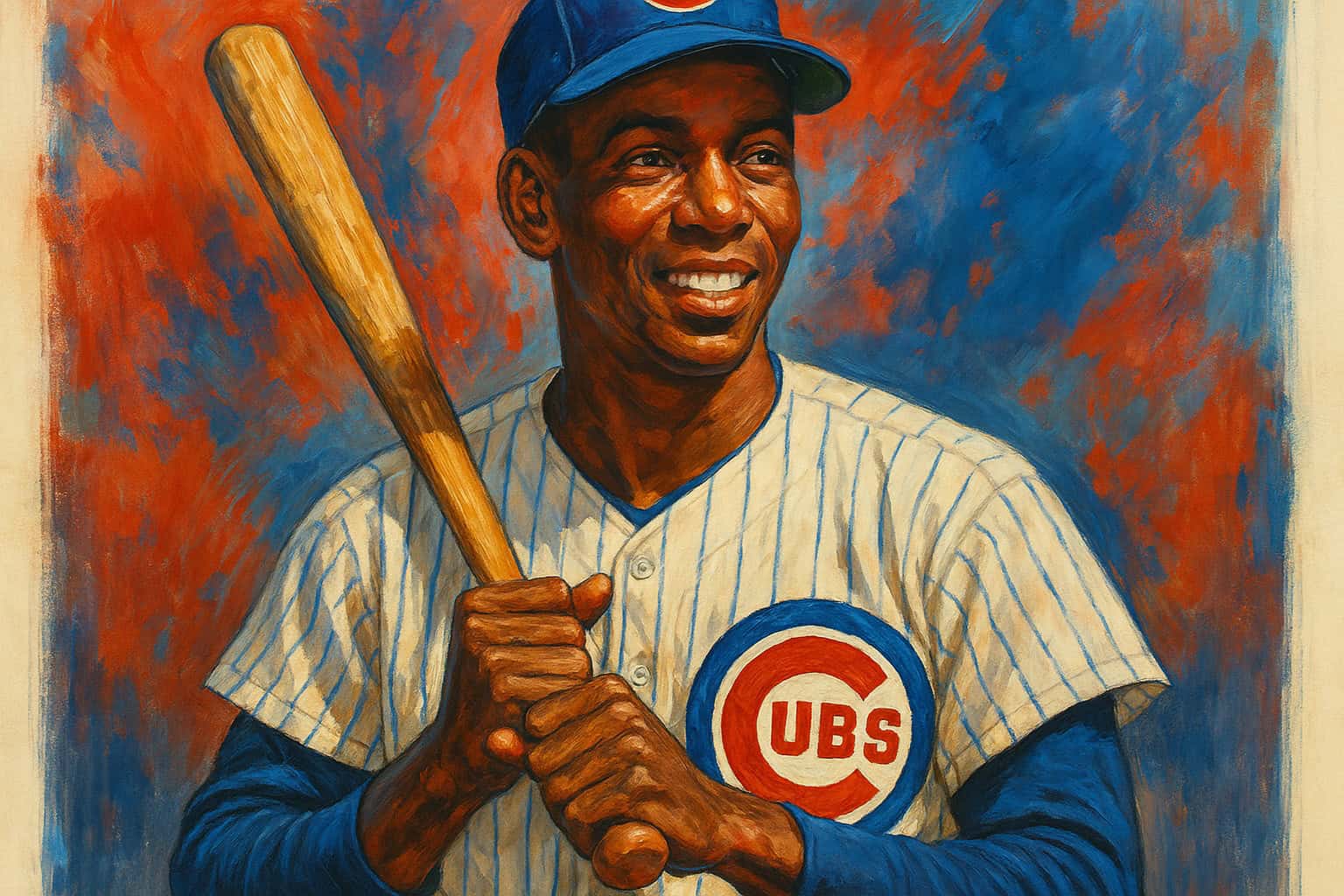
Mr. Cub’s infectious enthusiasm and “Let’s play two!” attitude turned every day at Wrigley Field into a celebration of pure joy, proving that love for the game could transcend wins, losses, and championship droughts. His 512 home runs and two MVP awards were impressive, but his smile and genuine appreciation for every moment made him immortal in ways that statistics never could. When Ernie stepped into the batter’s box with that distinctive stance and boundless optimism, you weren’t just watching baseball—you were witnessing a man who understood that the game itself was the greatest prize of all, regardless of what the scoreboard said.