

Last Updated: June 17th, 2026 by Michael Schatz
The 1950s were baseball’s golden age, when third basemen wore flannel uniforms that stuck to their backs in summer heat and played on fields where the infield dirt kicked up clouds that lingered in the humid air. These were the hot corner heroes who made diving catches look effortless while chewing tobacco and adjusting their caps between pitches.
Don't lose this article. Enter your email below, and I'll send it to you right now. Plus, we'll send you other unbelievable stories from baseball's past.
Eddie Mathews: The Milwaukee Slugger Who Made Third Base Thunder

Eddie Mathews was the kind of third baseman who made County Stadium shake with his mighty swing, launching 47 home runs in 1953 while batting .302. The left-handed slugger from Texas became Milwaukee’s first baseball hero, combining raw power with surprising defensive skill at the hot corner. His nine consecutive seasons of 30-plus home runs from 1953-1961 made him the most feared third baseman of the decade, and his 512 career homers would eventually land him in Cooperstown as one of the game’s greatest power hitters.
George Kell: The Batting Champion Who Outdueled Ted Williams
George Kell’s 1949 batting title victory over Ted Williams by a mere .00016 points remains one of baseball’s closest races, but his excellence continued throughout the 1950s with consistent .300+ seasons. The Arkansas native was a defensive wizard at third base, leading the American League in assists seven times while maintaining a career .306 batting average. His 1950 season was particularly brilliant, hitting .340 with 114 runs scored and 101 RBIs, proving that contact hitting and defensive excellence could make a player just as valuable as the era’s power hitters.
Al Rosen: Cleveland’s Jewish Star Who Nearly Won the Triple Crown
Al Rosen’s 1953 season was the stuff of legend and heartbreak, as he came within .001 of winning the Triple Crown with his .336 average, 43 home runs, and 145 RBIs. The Cleveland third baseman, who broke barriers as one of baseball’s first Jewish stars, was the American League MVP that year and helped the Indians challenge the mighty Yankees. His career was shortened by back injuries, but his impact on Cleveland baseball and his role in breaking down religious barriers in the sport made him a hero both on and off the field.
Billy Cox: Brooklyn’s Defensive Wizard with Magic Hands
Billy Cox was the defensive master of Ebbets Field, making impossible plays look routine with his lightning-quick reflexes and cannon arm. The Pennsylvania native was the cornerstone of Brooklyn’s championship defense in the early 1950s, leading the National League in fielding percentage multiple times while handling the most difficult position on the diamond. Though his batting average hovered around .260, his glove work was so spectacular that opposing managers would shake their heads in disbelief, and his defensive wizardry helped the Dodgers win their first World Series in 1955.
Willie “Puddin’ Head” Jones: The Whiz Kid Who Anchored Philadelphia
Willie “Puddin’ Head” Jones earned his nickname from his sweet tooth, but there was nothing soft about his play at third base for the Philadelphia Phillies’ 1950 “Whiz Kids” pennant winners. The South Carolina native was a two-time All-Star who led the National League in home runs by a third baseman in 1950 with 25, while providing steady defense and clutch hitting throughout the decade. His 190 career home runs and infectious personality made him a fan favorite at Connie Mack Stadium, where his gap-toothed grin and hustle endeared him to Philadelphia’s demanding baseball fans.
Hank Majeski: The Steady Veteran Who Played for Five Teams
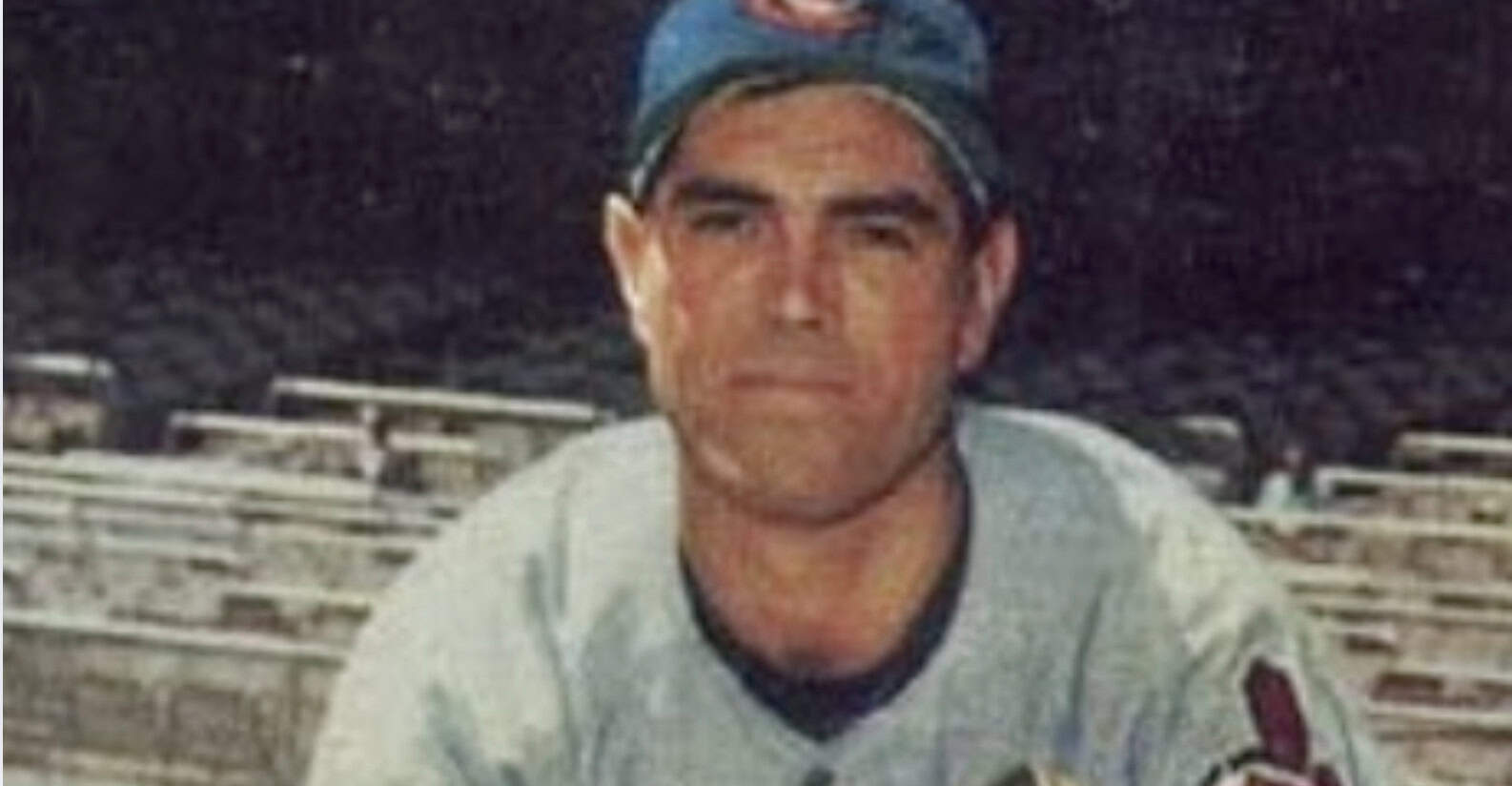
Hank Majeski was the journeyman’s journeyman, playing solid third base for five different teams during the 1950s while maintaining a reputation as one of the most reliable defensive players in the game. The Staten Island native had his best seasons with the Philadelphia Athletics, where he hit .310 in 1948 and continued his steady play throughout the early 1950s. Though he never made an All-Star team, Majeski was the type of player every manager wanted—steady, dependable, and capable of making the routine play while occasionally flashing brilliance with spectacular defensive gems.
Ken Boyer: The Cardinal Who Started His Notable All-Star Journey
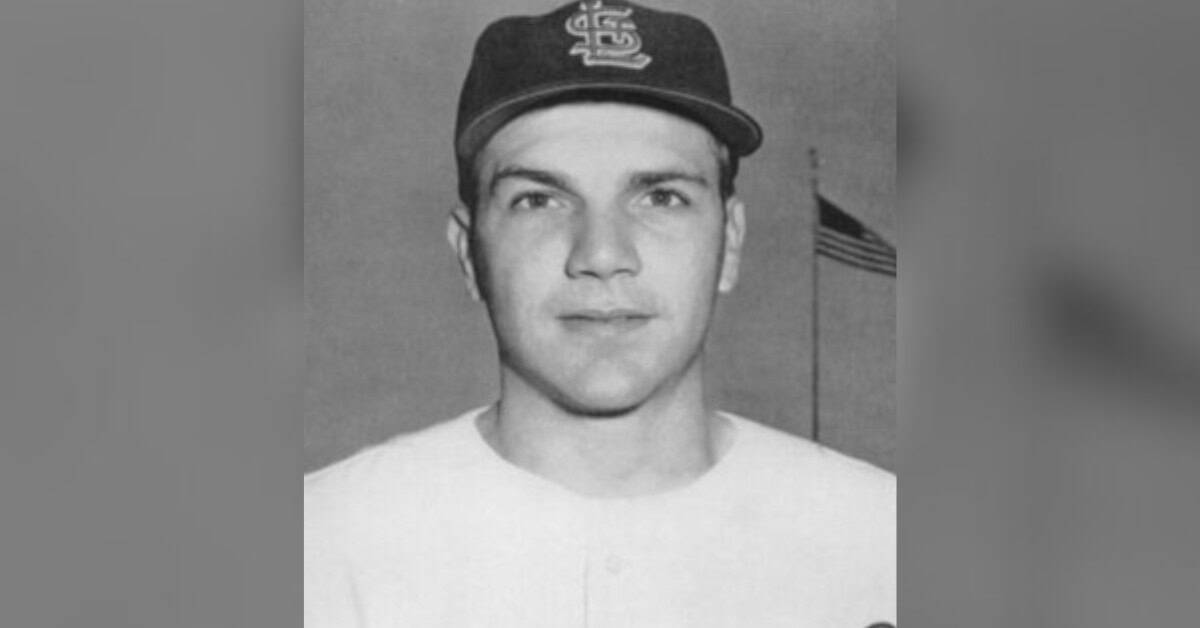
Ken Boyer began his notable All-Star career in the late 1950s, quickly establishing himself as one of the National League’s premier third basemen with his combination of power, defense, and leadership. The Missouri native made his debut with the Cardinals in 1955 and immediately showed the skills that would make him a seven-time All-Star (by season) and 1964 National League MVP. His smooth swing and strong arm made him a natural at third base, and his ability to drive in runs while playing Gold Glove defense set the standard for what a complete third baseman should be.
Hector Lopez: The Panamanian Pioneer Who Broke Barriers
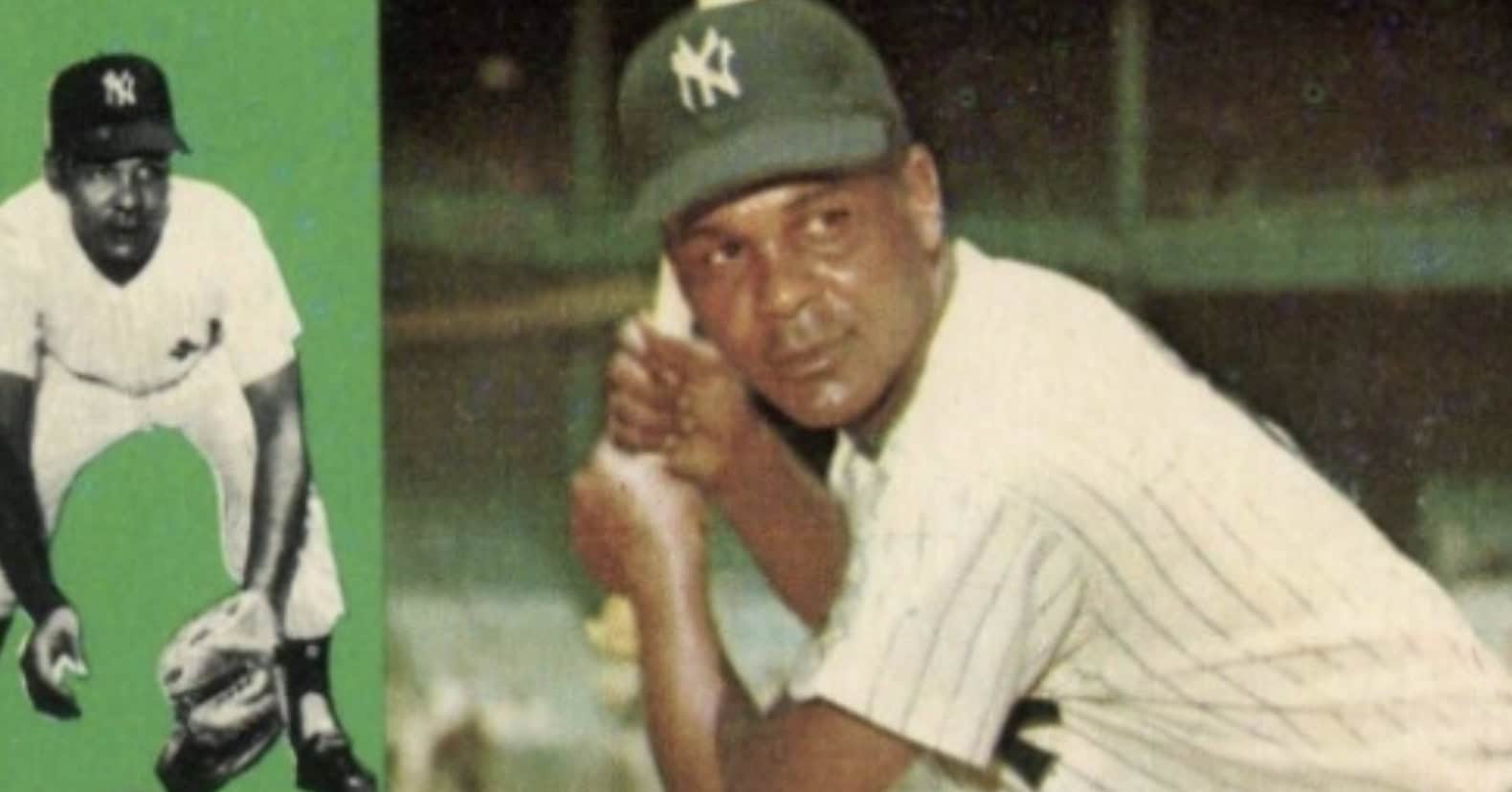
Hector Lopez broke barriers as one of the first prominent Panamanian players in Major League Baseball, making his debut with Kansas City in 1955 and quickly establishing himself as a versatile infielder and outfielder. The athletic Lopez could play multiple positions but was most effective at third base, where his quick reflexes and strong arm made him a defensive asset. His speed and gap power made him a valuable player for both the Athletics and later the Yankees, and his success helped pave the way for future Latin American players in the major leagues.
Grady Hatton: The Scrappy Infielder Who Played 12 Seasons
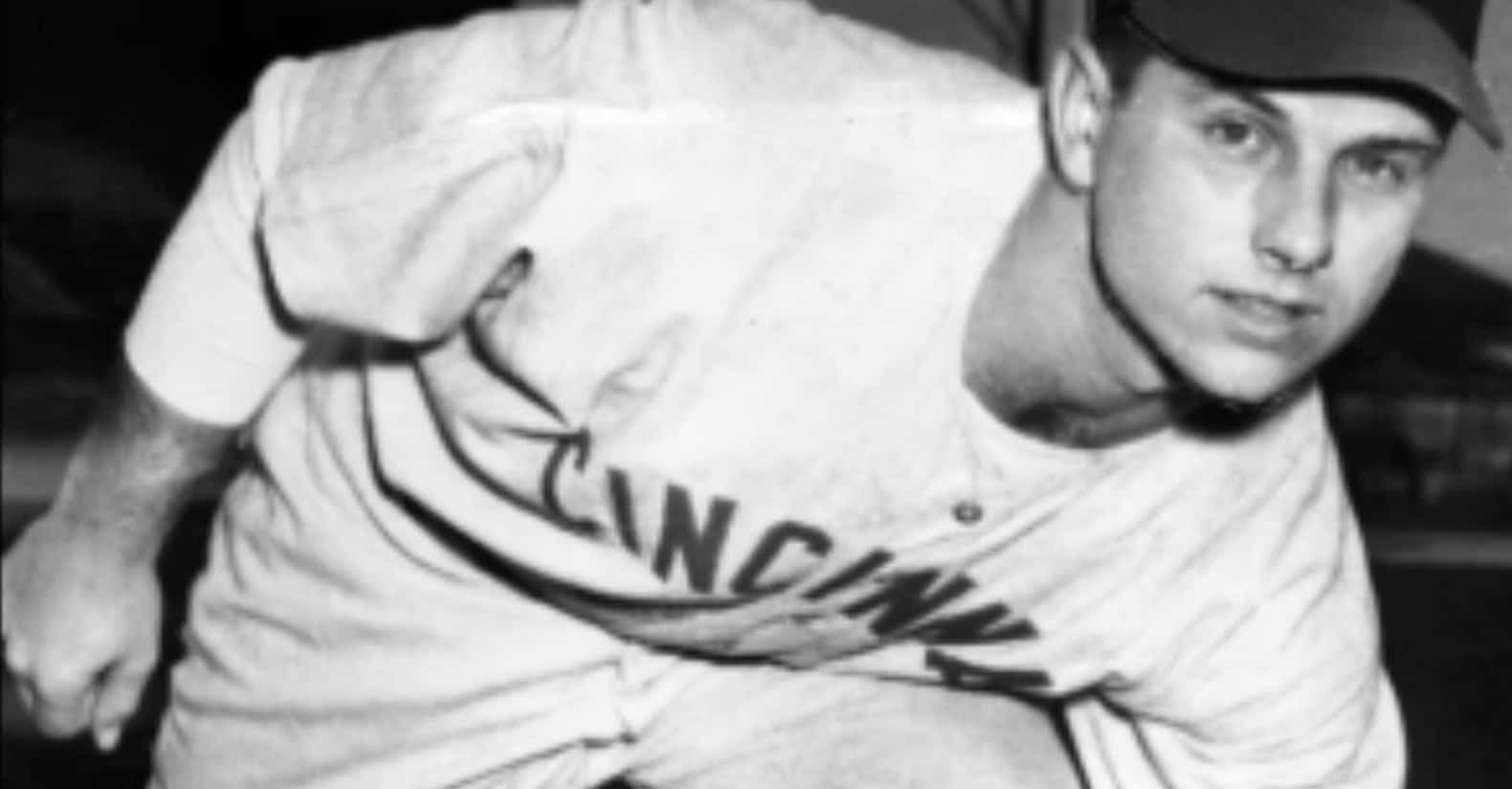
Grady Hatton was the epitome of the scrappy, hustling ballplayer who maximized his limited physical tools through determination and baseball intelligence. The Texas native played 12 seasons in the majors, primarily as a third baseman, and was known for his ability to work counts, draw walks, and make contact in clutch situations. Though he never hit for power or average, Hatton’s gritty style of play and versatility made him a valuable utility player who could fill in at multiple positions while providing steady veteran leadership to younger teammates.
Ray Boone: The Family Dynasty Patriarch Who Could Hit
Ray Boone was the patriarch of baseball’s most successful three-generation family, establishing the foundation for a dynasty that would include sons Bob and Rod, and eventually grandson Bret. The San Diego native was a two-time All-Star who played both shortstop and third base, hitting .275 over his 13-year career with surprising power for his era. His 151 career home runs and 737 RBIs made him a consistent offensive threat, and his baseball intelligence and work ethic clearly passed down through the generations, creating one of the sport’s most remarkable family legacies.
Vern Stephens: The Power-Hitting Shortstop Who Moved to Third

Vern Stephens brought his power-hitting reputation from shortstop to third base during the later years of his career, providing veteran leadership and clutch hitting for several teams in the 1950s. The Missouri native was one of the first shortstops to consistently hit for power, driving in over 100 runs six times during his career, including a remarkable 159 RBIs in 1949. His transition to third base in the 1950s allowed him to extend his career while continuing to provide the offensive production that made him one of the era’s most feared hitters.
Jim Finigan: The Rookie Sensation Who Burned Bright
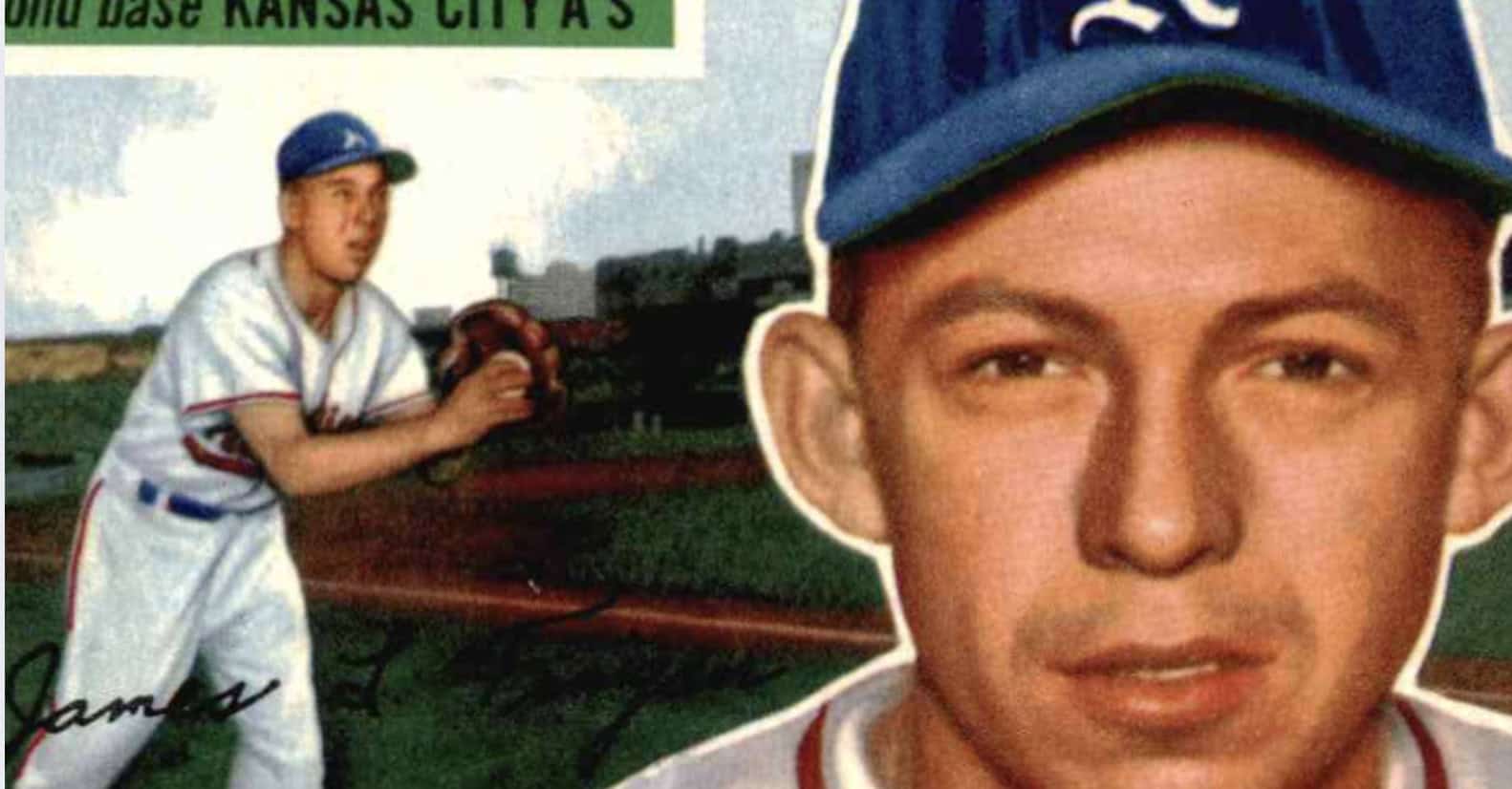
Jim Finigan burst onto the scene in 1954 with the Philadelphia Athletics, hitting .302 in his rookie season and earning recognition as one of the American League’s most promising young third basemen. The California native showed excellent defensive skills and a smooth swing that suggested a bright future, but injuries and inconsistency limited his career to just seven seasons. His brief but memorable rookie campaign represented the hope and excitement that surrounded young players in the 1950s, when every spring training brought new dreams of stardom.
Johnny Pesky: The Red Sox Legend Who Mastered Multiple Positions
Johnny Pesky was the ultimate team player, moving from shortstop to third base to wherever the Red Sox needed him most during his long and distinguished career. The Oregon native was a contact hitter extraordinaire, leading the American League in hits three times and maintaining a .307 career batting average while playing solid defense at multiple positions. His versatility and clutch hitting made him indispensable to Boston’s success in the 1940s and 1950s, and his name became synonymous with Red Sox baseball through his decades of service as player, coach, and ambassador.
Don Hoak: The Fiery Competitor Who Won a World Series
Don Hoak was the fiery competitor who brought intensity and passion to every game, culminating in his role as the starting third baseman for Pittsburgh’s miraculous 1960 World Series championship team. The Pennsylvania native was known for his aggressive style of play and his ability to rise to the occasion in big games, providing steady defense and timely hitting throughout his career. His leadership and competitive fire made him a favorite among teammates and fans, and his clutch performance in the 1960 World Series helped the Pirates defeat the mighty Yankees in one of baseball’s greatest upsets.
Clete Boyer: Ken’s Little Brother Who Started in the Decade’s End
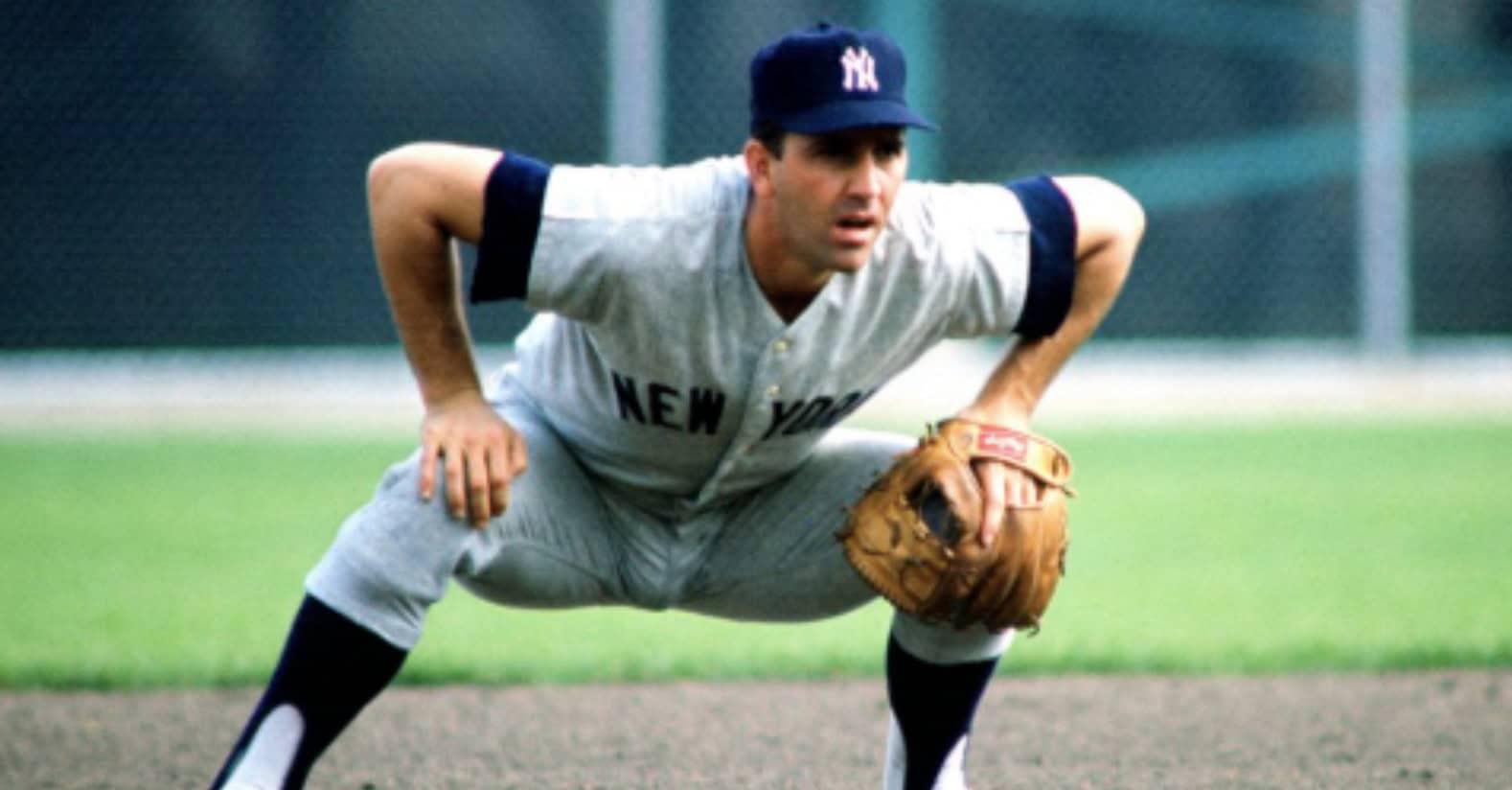
Clete Boyer, who debuted in the majors in 1955, began to truly establish himself towards the end of the decade, stepping out of the shadow of his older brother Ken to become one of the finest defensive third basemen in Yankees history. The Missouri native possessed perhaps the strongest arm of any third baseman in the game, regularly making throws from foul territory that left fans gasping in amazement. Though his hitting never matched his defensive brilliance, Boyer’s glove work was so spectacular that he became an integral part of the Yankees’ championship teams of the early 1960s, proving that defense alone could make a player indispensable in the heat of pennant races and World Series play.