

Last Updated: June 17th, 2026 by Michael Schatz
Remember when baseball cards came with that pink slab of gum that tasted like sweetened cardboard? Back then, Barry Bonds was just another promising outfielder with a famous last name. By the time he hung up his cleats, he’d rewritten the record books with numbers so outrageous they still make old-timers shake their heads in disbelief.
Don't lose this article. Enter your email below, and I'll send it to you right now. Plus, we'll send you other unbelievable stories from baseball's past.
762 Home Runs
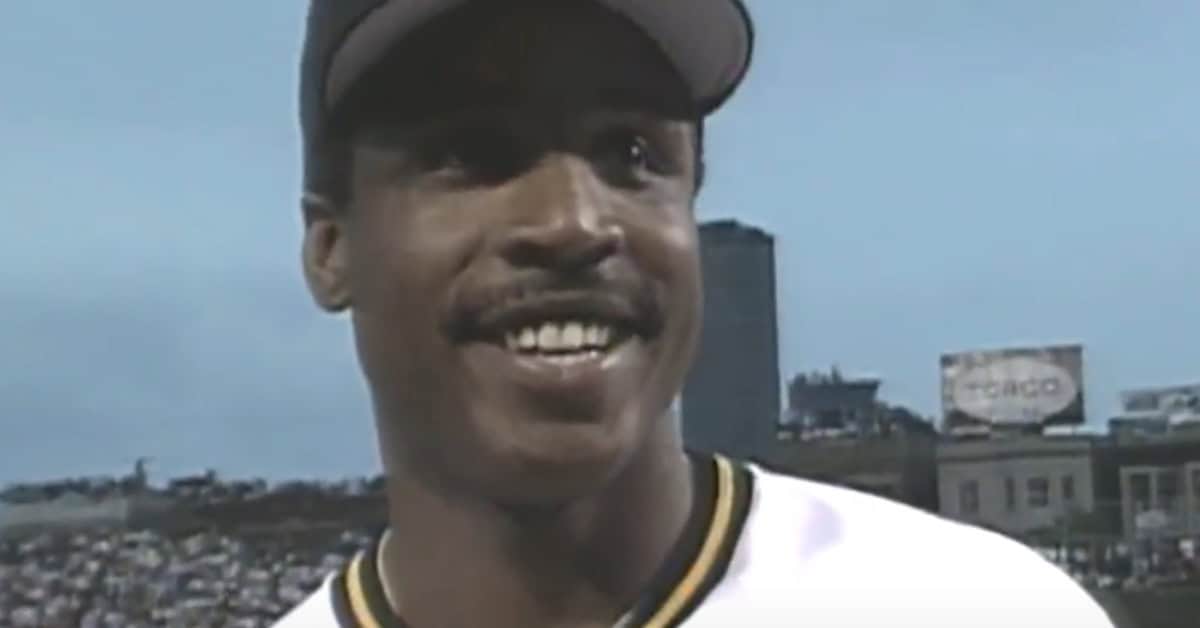
When Bonds crushed his 762nd and final home run in 2007, he didn’t just break Hank Aaron’s record—he obliterated it like a fastball meeting a Louisville Slugger. To put this in perspective, the 2023 Detroit Tigers hit 165 home runs as a team, meaning Bonds’ career total could have accounted for their entire offense for over four and a half seasons. That’s the kind of power that made pitchers consider early retirement and fans keep their gloves ready in the cheap seats, even when he was batting cleanup in the visiting dugout.
73 Home Runs in 2001: The Record That Made Pitchers Lose Sleep
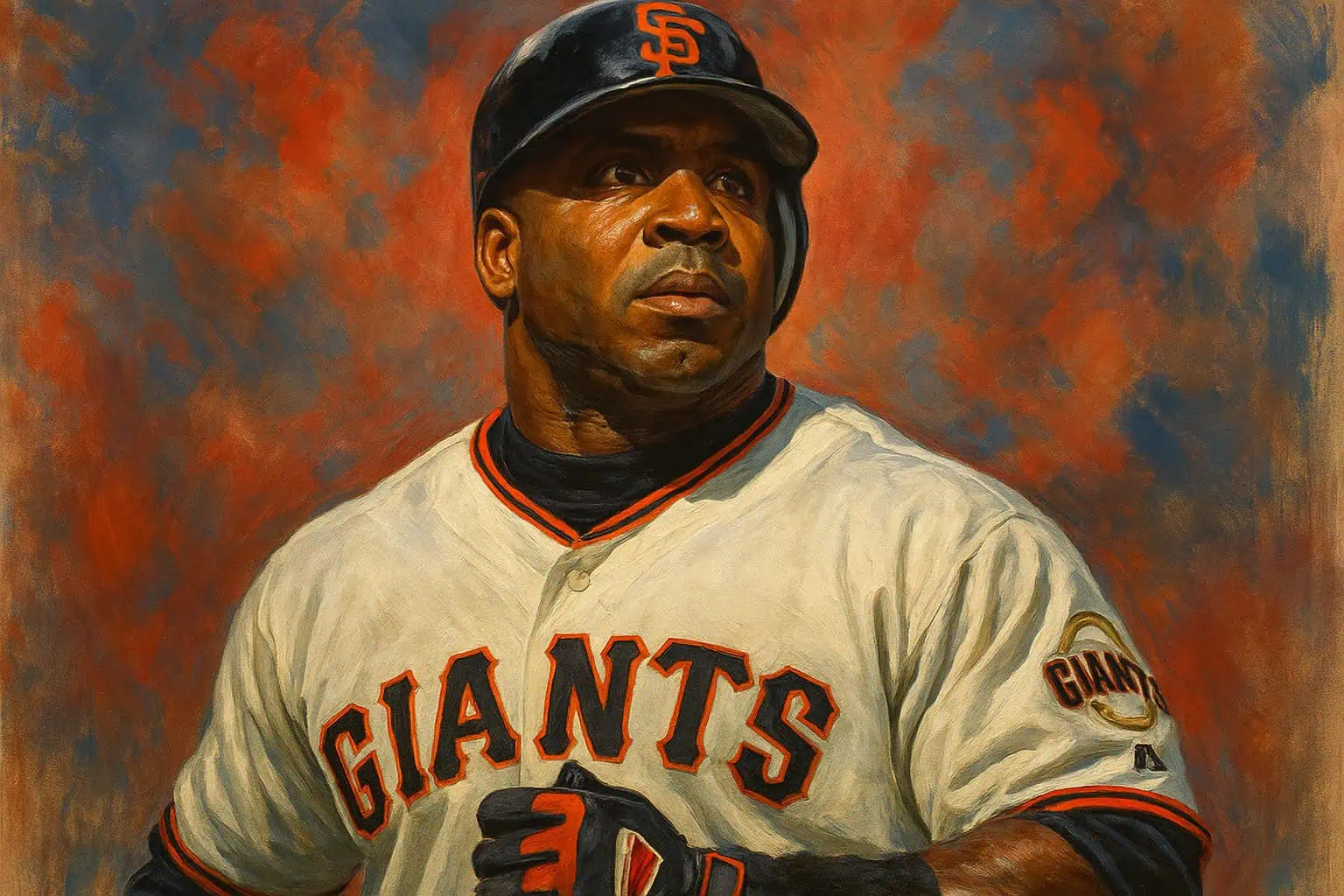
In 2001, while we were all still figuring out our new DVD players, Bonds was busy making Mark McGwire’s “untouchable” 70 home run record look quaint. He averaged nearly one home run every two games, turning routine at-bats into must-see television. The man hit 73 bombs in a season when most power hitters were thrilled to reach 40, making every swing feel like watching a demolition expert at work with a bat instead of dynamite.
2,558 Career Walks: More Than Most Players See Pitches

Bonds drew walks like a magnet attracts metal filings—2,558 of them to be exact. That’s more free passes than Rickey Henderson, the previous record holder, collected in his entire Hall of Fame career. To understand this number, consider that the average major leaguer sees about 1,500 pitches in a full season; Bonds earned first base without swinging the bat more times than most players even step into the batter’s box over multiple years.
688 Intentional Walks: When Fear Became a Strategy
Nothing says “we’re terrified of you” quite like 688 intentional walks, a number so absurd it’s more than double the player with the second-most in history (Albert Pujols, 316). Bonds was walked intentionally more often than any player in history, turning baseball strategy into something resembling a horror movie where the monster is too scary to face directly. Managers would rather put him on base for free than risk letting him swing, making every intentional walk feel like a white flag of surrender.
120 Intentional Walks in 2004: The Season Pitchers Gave Up
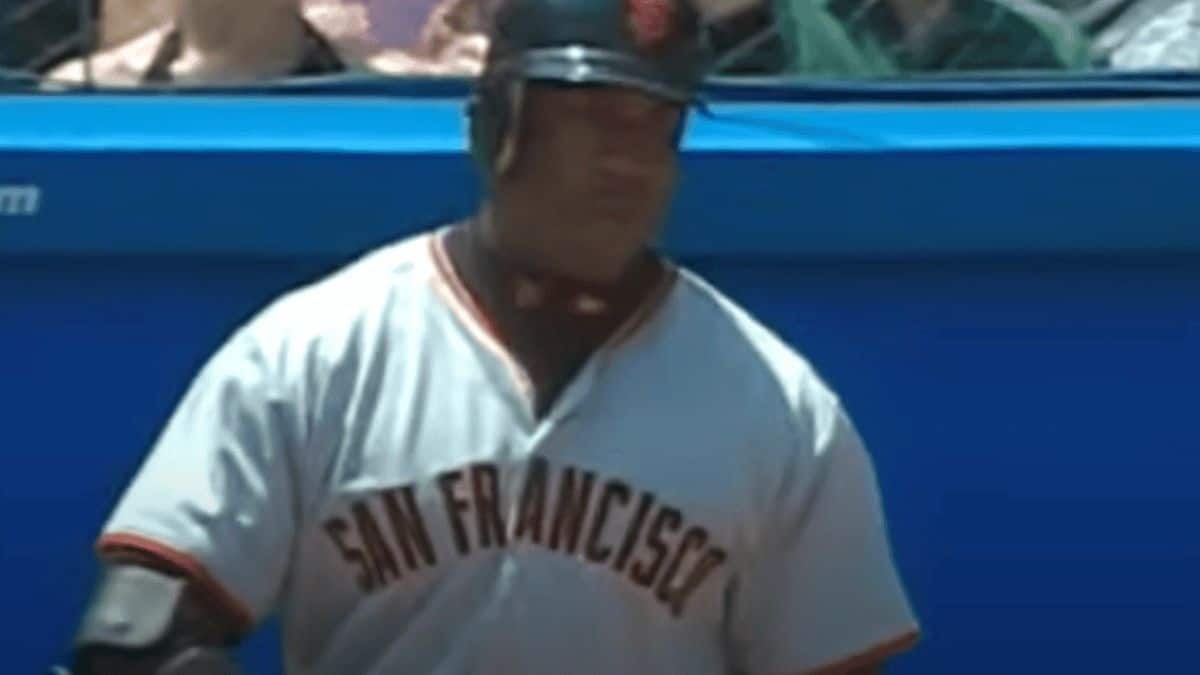
In 2004, opposing managers treated Bonds like he was carrying a contagious disease, walking him intentionally 120 times in a single season. That’s an average of 0.82 intentional walks per game played, turning what should have been competitive at-bats into strategic surrenders. The previous single-season record was 68 (Willie McCovey in 1969), making Bonds’ 2004 campaign feel like watching a master class in intimidation where the mere threat of his bat was more powerful than most players’ actual swings.
1.422 OPS in 2004: Numbers That Broke Baseball’s Calculator
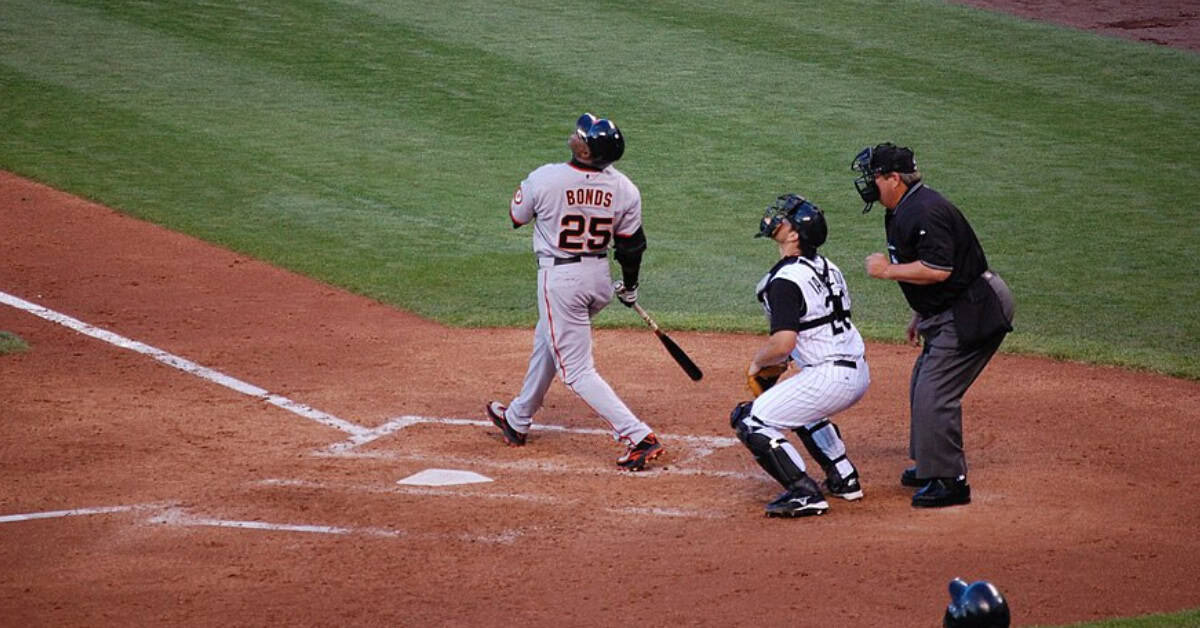
Bonds’ 2004 OPS of 1.422 is the kind of number that makes statisticians double-check their math and wonder if their calculators are broken. For context, an OPS over 1.000 is considered elite, making Bonds’ performance roughly equivalent to combining two very good hitters into one superhuman baseball cyborg. This wasn’t just dominance—it was mathematical poetry written with a Louisville Slugger, the kind of season that makes you wonder if he was playing the same sport as everyone else.
317 Home Runs After Age 35: When Father Time Threw in the Towel

While most players are planning their retirement parties after 35, Bonds was just getting warmed up, smashing 317 home runs from his age-35 season onward. That’s more than many Hall of Famers hit in their entire careers, and he did it when his knees should have been creaking like old floorboards. Bonds treated aging like a minor inconvenience, posting some of his best seasons when other players were already coaching Little League and selling insurance.
Seven MVP Awards: More Hardware Than Most Hall of Fame Cases

Barry Bonds won seven MVP awards, enough to fill a trophy case and make any player’s mother proud. He secured four consecutive awards from 2001-2004, a feat that’s like winning the lottery and then immediately buying another winning ticket. No other player has more than three MVPs, making Bonds’ collection look like he was playing a completely different sport where excellence was measured on a curve only he could navigate.
2,986 Career Games: Showing Up Like Your Dad’s Favorite Diner

Over 22 seasons, Bonds played in 2,986 games, showing the kind of consistency that would make your grandfather’s daily coffee shop routine look sporadic. That’s nearly 18 full seasons worth of games, through pulled muscles, bad weather, and countless road trips that would have broken lesser mortals. While other superstars were nursing injuries or taking “load management” days, Bonds was suiting up with the reliability of a Swiss watch, proving that greatness isn’t just about talent—it’s about showing up when the lights come on.
1,996 RBIs: Driving in Runs Like a Taxi Driver in Rush Hour
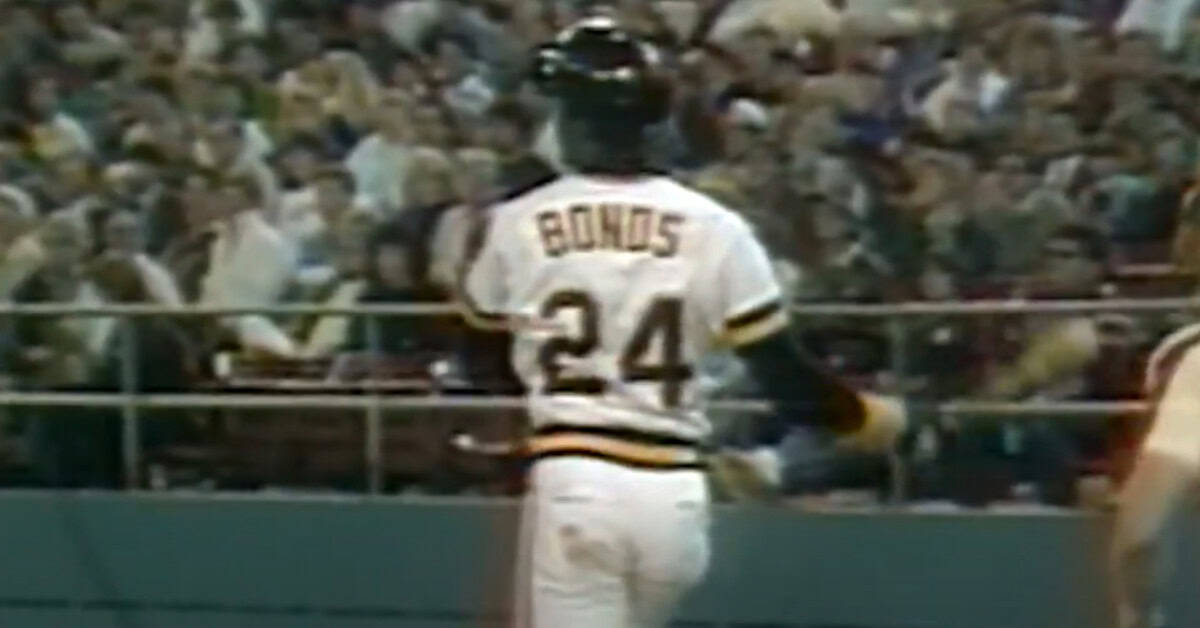
With 1,996 career RBIs, Bonds came tantalizingly close to the 2,000 club while driving in runs with the efficiency of a seasoned cabbie navigating downtown traffic. Every time a runner reached base with Bonds at the plate, it felt like money in the bank—a sure thing in an uncertain world. Those RBIs represent nearly 2,000 moments when teammates could trot home knowing their job was done, while Bonds did what he did best: turn potential into points on the scoreboard with the precision of a master craftsman wielding his favorite tool.