

Last Updated: June 17th, 2026 by Michael Schatz
The 1940s were a golden era for second basemen, when leather gloves were still stiff as cardboard and double plays were turned with the grace of a Fred Astaire routine. These keystone artists could pick it, hit it, and turn two faster than you could say “Brooklyn Dodgers.”
Don't lose this article. Enter your email below, and I'll send it to you right now. Plus, we'll send you other unbelievable stories from baseball's past.
Joe Gordon – The Yankees’ Power-Hitting Keystone King
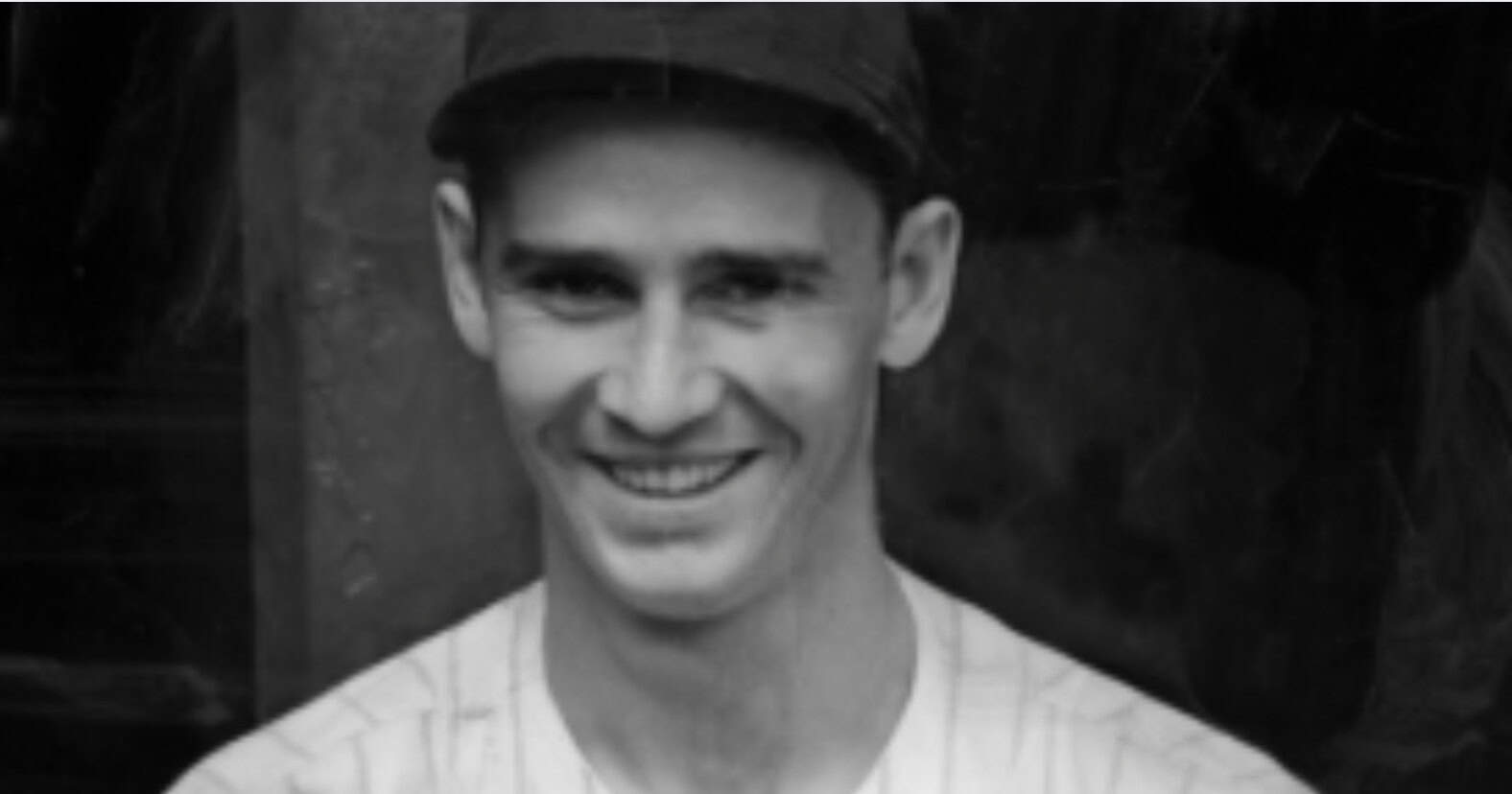
Flash Gordon wasn’t just a comic book hero—he was the Yankees’ second baseman who could launch baseballs into the Bronx stratosphere with the same ease he turned elegant double plays. This Oregon native brought unprecedented power to the keystone position, known for a home run ability that was unusual for second sackers of his era (he notably hit 30 home runs in 1948 with Cleveland). Gordon’s acrobatic fielding and clutch hitting helped anchor five World Series championship teams, making him the prototype for the modern power-hitting middle infielder decades before anyone coined the term.
Jackie Robinson – Breaking Barriers with Blazing Speed
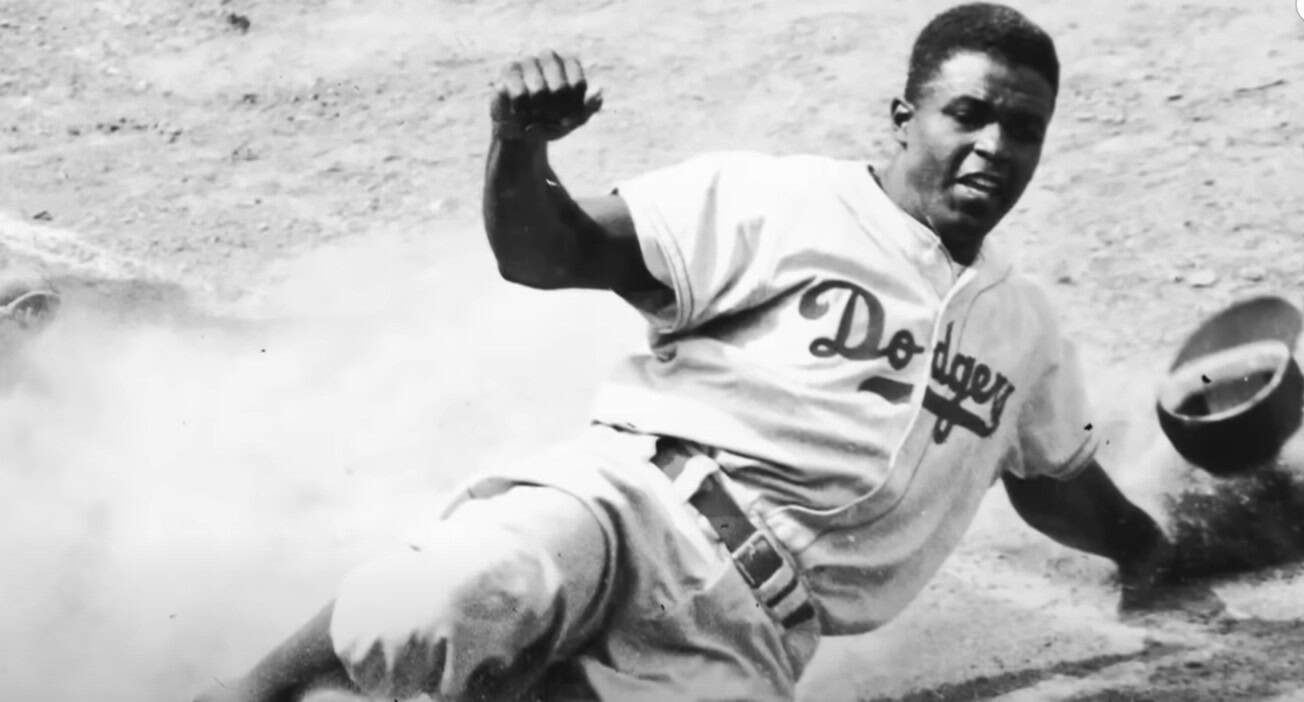
When Jackie Robinson stepped onto Ebbets Field in 1947, he didn’t just integrate baseball—he revolutionized the game with his UCLA football agility and Negro League fire. Robinson’s pigeon-toed running style and daring base-stealing made pitchers sweat through their wool uniforms, while his rifle arm and lightning-quick pivot turned routine grounders into spectacular defensive gems. His rookie season, primarily at first base, changed America forever, proving that talent transcends color while redefining what athletic courage looked like under the brightest possible spotlight. He would soon move to second base and continue his Hall of Fame career.
Bobby Doerr – Boston’s Steady-Handed Gentleman
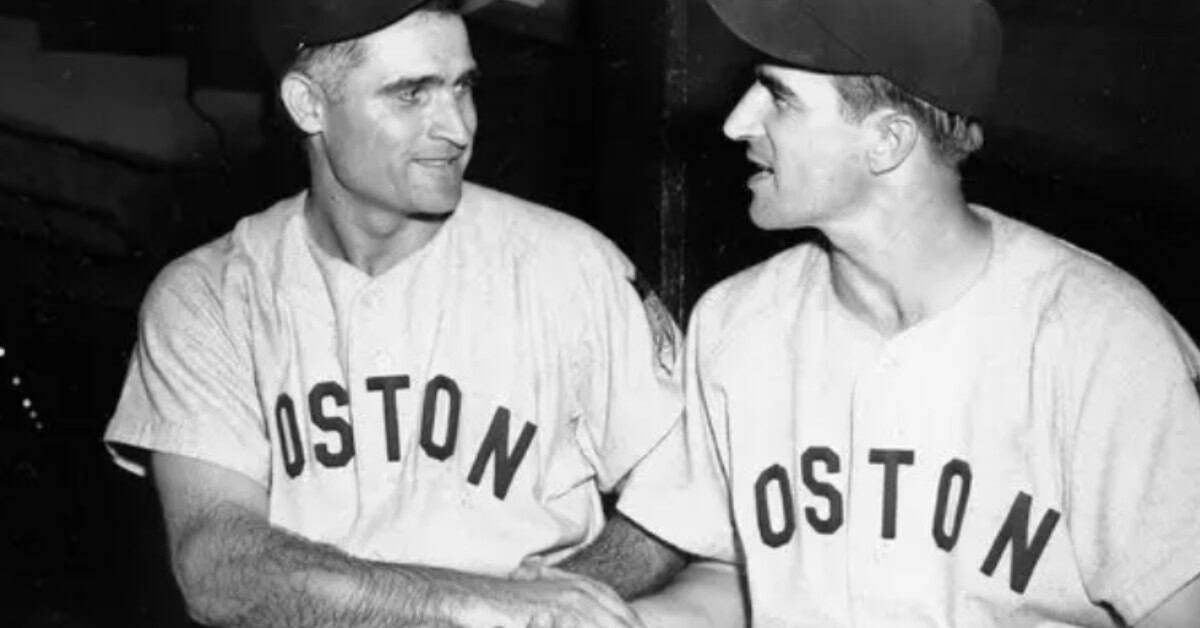
Bobby Doerr was the epitome of New England reliability, a second baseman who approached every play with the methodical precision of a Swiss watchmaker and the quiet dignity of a small-town banker. This Oregon-born Red Sox stalwart could turn the double play with balletic grace while consistently driving in 100 runs, making him Ted Williams’ favorite teammate and the most underappreciated star of his generation. Doerr’s fundamentally sound approach and clutch hitting in big moments embodied everything fans loved about 1940s baseball—honest effort, team-first mentality, and the ability to perform when the lights shone brightest.
Red Schoendienst – The Cardinals’ Switch-Hitting Wizard
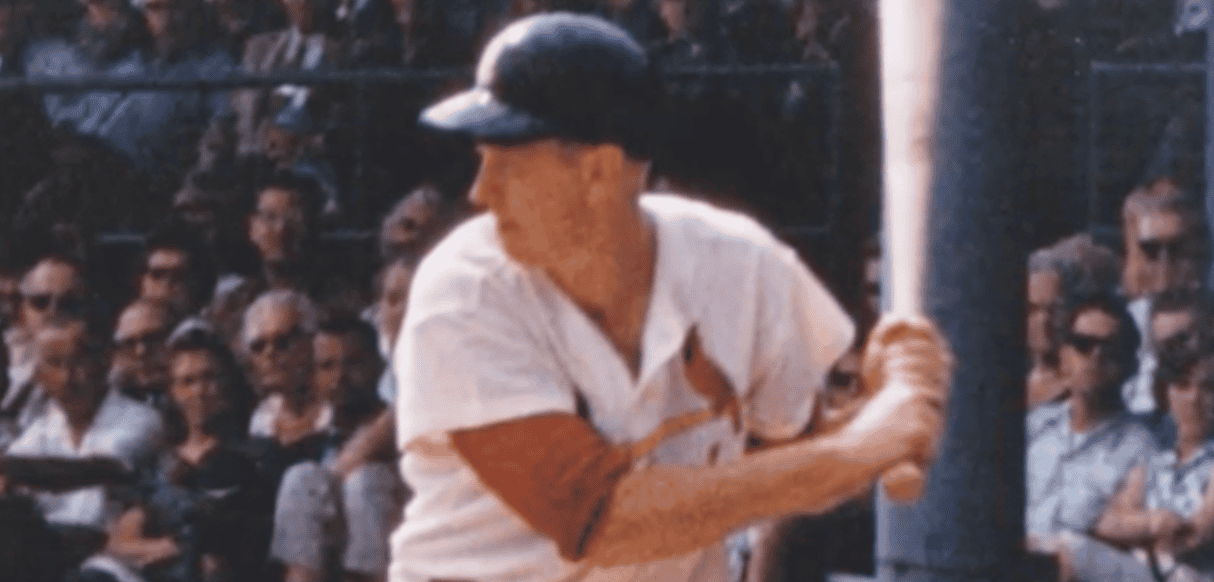
Red Schoendienst’s carrot-topped crew cut was a familiar sight in St. Louis, and his switch-hitting prowess made him equally dangerous from either side of the plate. This Illinois farm boy could slap line drives to all fields while covering second base with the smooth efficiency of a seasoned vaudeville performer, never making the spectacular play but rarely missing the routine one. Schoendienst’s consistency and baseball IQ were key to the Cardinals’ successes, including the 1946 World Series championship team, proving that sometimes the most valuable players are those who simply show up every day and do their job with quiet excellence.
Eddie Stanky – “The Brat” Who Got on Base
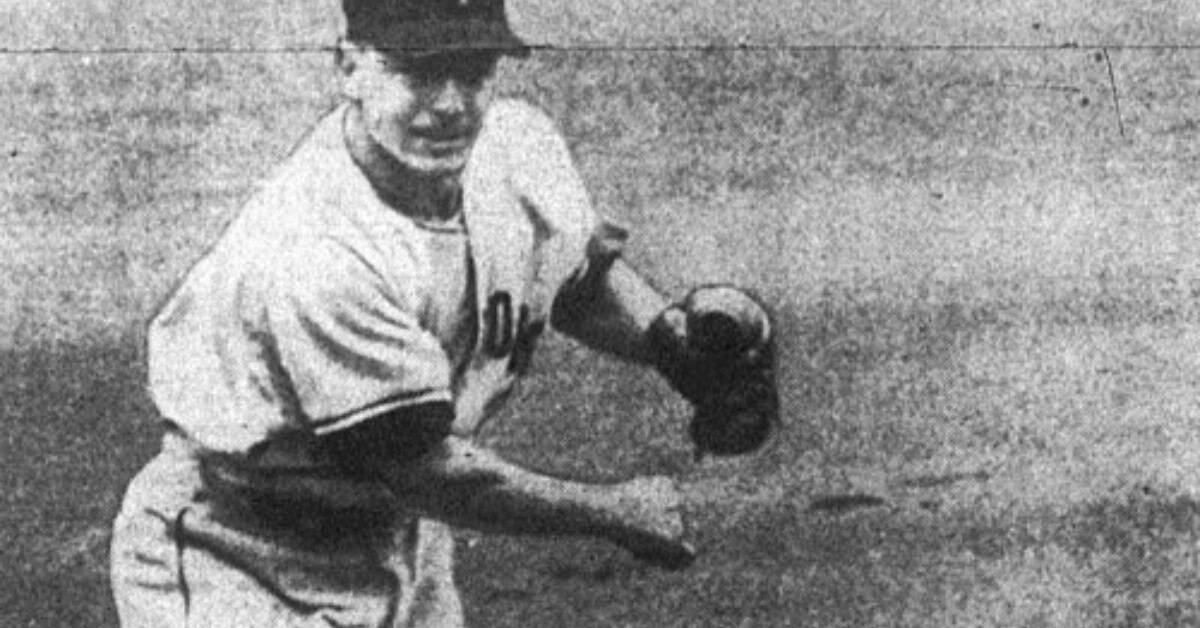
Eddie “The Brat” Stanky was baseball’s most lovable pest, a scrappy second baseman who would crowd the plate, steal signs, and generally annoy opponents until they made mistakes. This Philadelphia native didn’t hit for much power or a high average, but his elite on-base skills made him invaluable to championship teams in Brooklyn and New York. Stanky’s relentless chatter and aggressive play embodied the gritty, never-say-die attitude that defined 1940s baseball, proving that sometimes the most important stat isn’t what’s printed in the box score.
Snuffy Stirnweiss – The Wartime Batting Champion
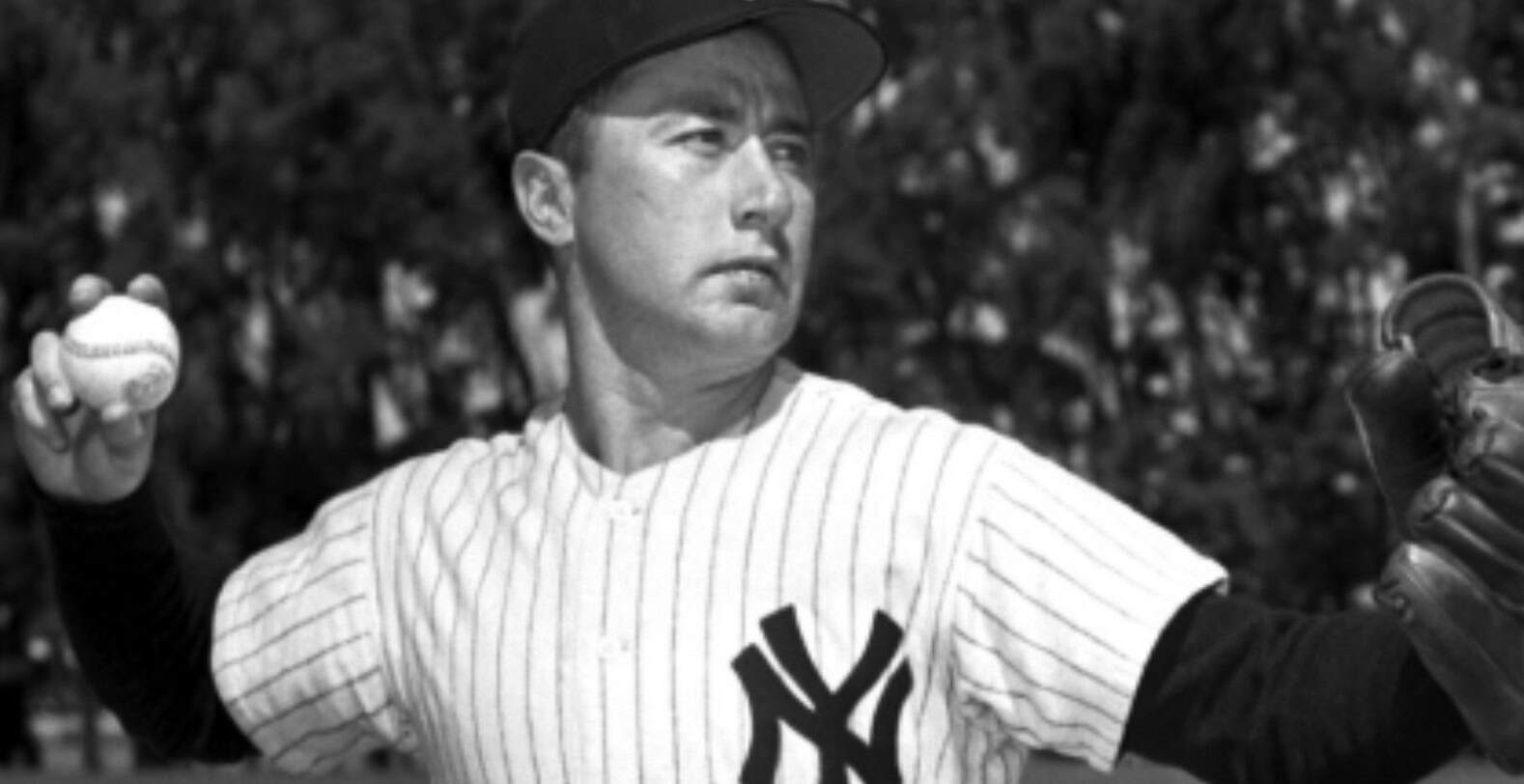
George “Snuffy” Stirnweiss earned his nickname from his habit of taking snuff, but Yankees fans knew him as the speedy second baseman who won the 1945 American League batting title while most stars were overseas fighting the war. This New York City native could leg out infield hits and steal bases with the determination of a man trying to prove he belonged in pinstripes, leading the league in runs, hits, and stolen bases during his peak wartime seasons. Stirnweiss represented the scrappy, make-do spirit of 1940s baseball, when players had to hustle for every opportunity and prove their worth with grit rather than raw talent.
Jerry Priddy – The Double-Play Specialist
Jerry Priddy turned the double play with the smooth precision of a ballroom dancer, his pivot at second base so graceful that opposing runners often forgot to slide hard into the bag. This California native spent his career with several teams but was consistently praised for his defensive wizardry and ability to make the routine play look effortless. Priddy’s steady glove work and reliable bat made him the kind of player managers loved—someone who showed up every day, did his job without fanfare, and helped win games through fundamental baseball rather than flashy heroics.
Lou Boudreau – The Player-Manager Shortstop Who Moonlighted at Second
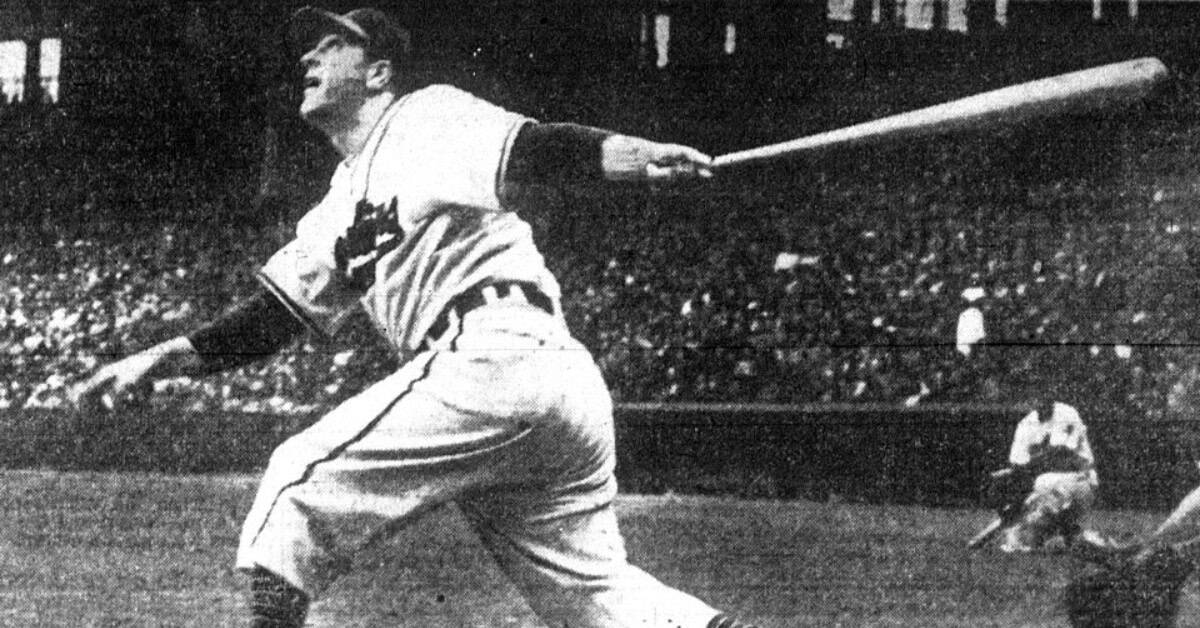
Lou Boudreau was primarily Cleveland’s shortstop and player-manager, but his occasional shifts to second base showcased the versatility that made him one of the decade’s most valuable players. This Illinois native could field any position in the infield with equal skill while managing a team and hitting .300, proving that some players simply possessed an innate understanding of baseball that transcended normal limitations. Boudreau’s 1948 MVP season, when he led the Indians to their first World Series title in 28 years, demonstrated the kind of leadership and clutch performance that defined the greatest players of the 1940s.
Emil Verban – The Cubs’ Reliable Glove Man
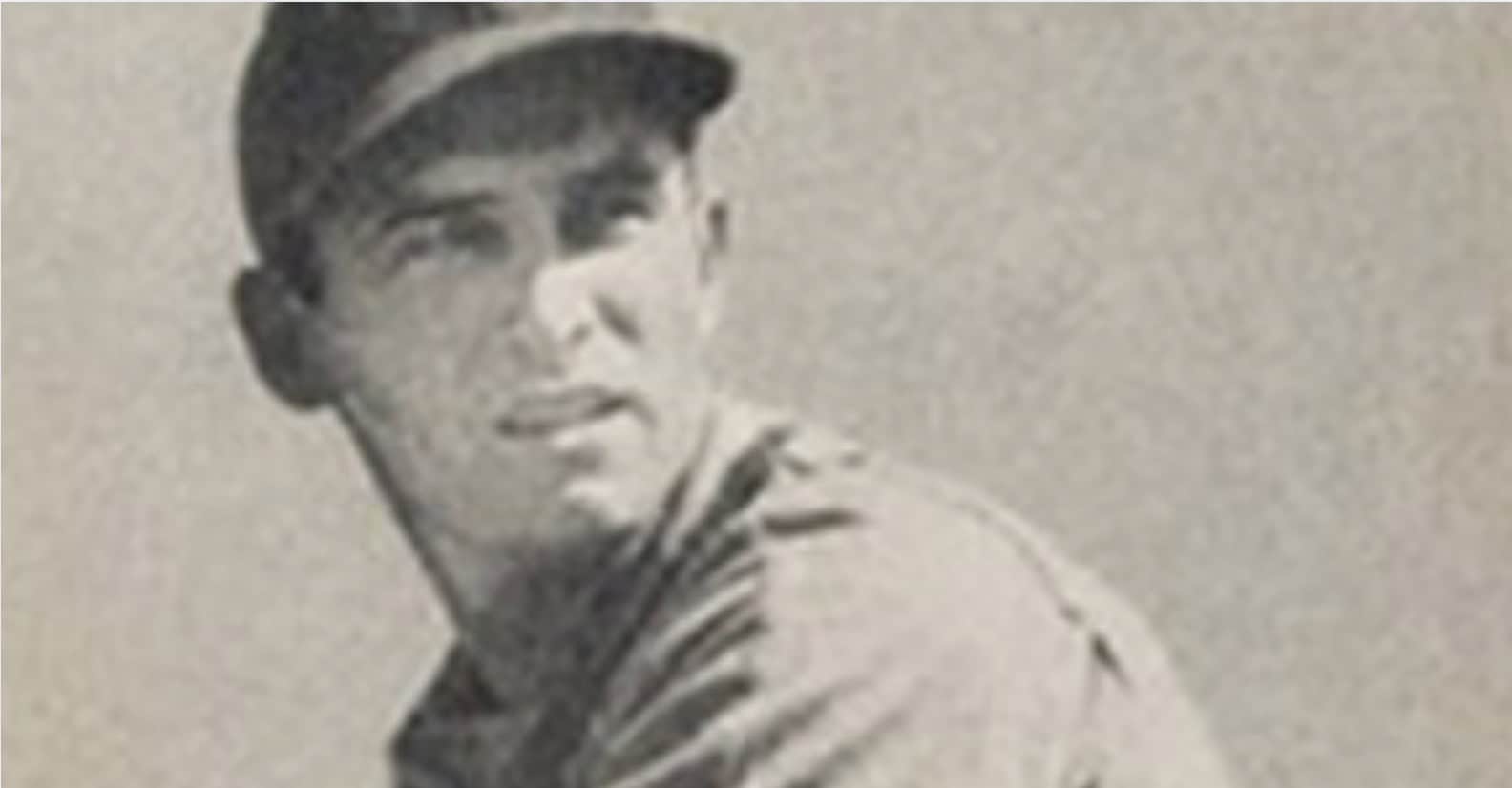
Emil “The Antelope” Verban earned his nickname for his speed around the bases, but Cubs fans knew him as the sure-handed second baseman who rarely made an error and always seemed to be in the right position. This Illinois native brought steady defense and occasional clutch hitting to Chicago’s infield during the mid-1940s, representing the kind of fundamentally sound player that teams built their success around. Verban’s reliability and professionalism embodied the workmanlike approach that characterized most 1940s players—show up, do your job, and let your performance speak louder than your personality.
Connie Ryan – The Scrappy Utility Infielder

Connie Ryan was the ultimate utility man, equally comfortable at second base, shortstop, or third base, making him invaluable to managers who needed flexibility in their lineups. This Louisiana native could fill in anywhere in the infield without missing a beat, bringing steady defense and occasional power to teams throughout the decade. Ryan’s versatility and team-first attitude represented the kind of player that was essential to 1940s baseball success—someone willing to play wherever needed and contribute however possible, embodying the selfless spirit that made baseball America’s pastime.
Benny Zientara – The Quiet Professional
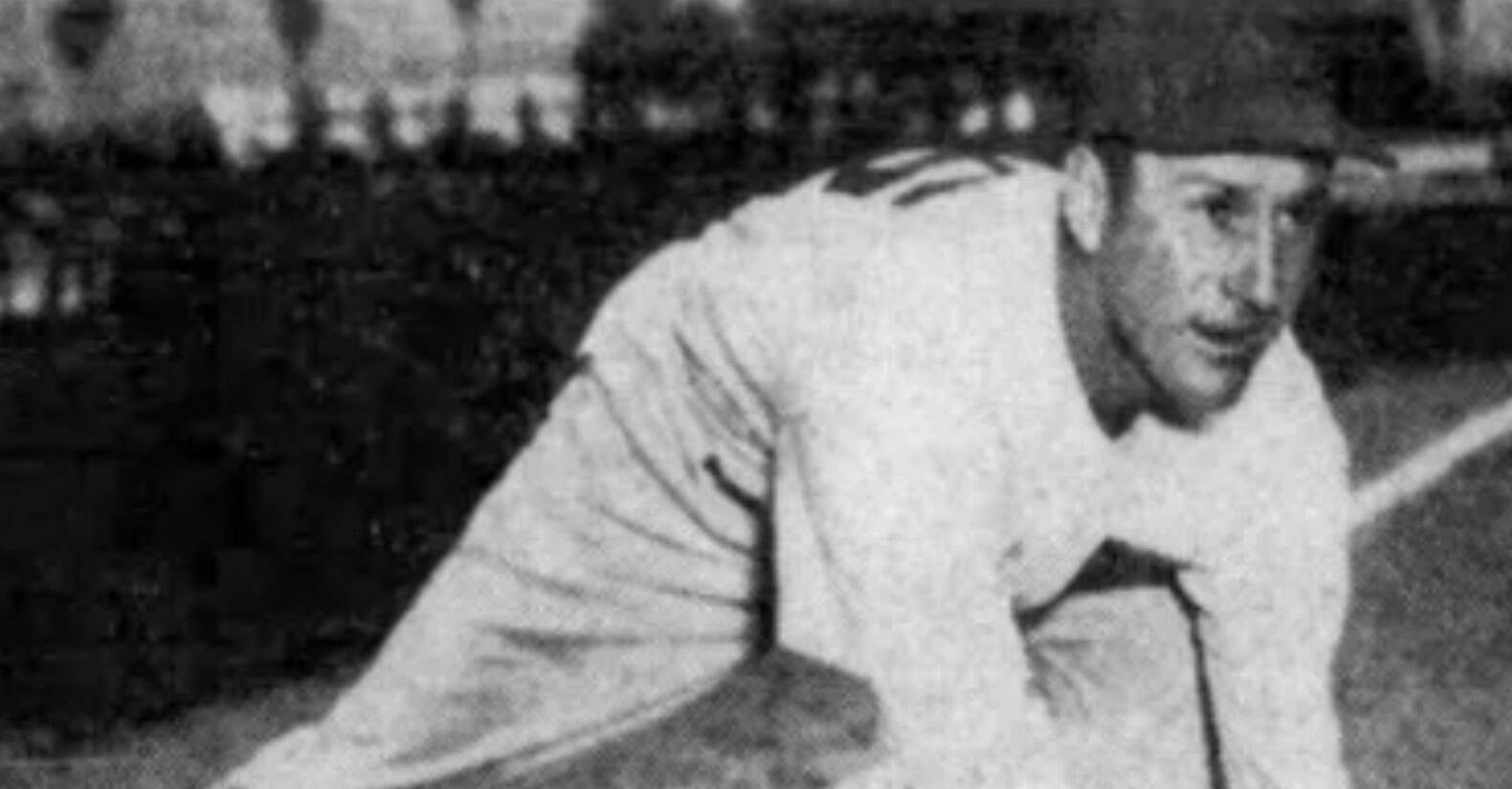
Benny Zientara was the kind of player who never made headlines but always made plays. This steady second baseman approached every game with the quiet professionalism that defined the greatest role players of his era. This Pennsylvania native could handle the glove work and contribute enough with the bat to hold down a regular position, representing the thousands of players who made baseball great through consistent effort rather than spectacular talent. Zientara’s workmanlike approach and dedication to fundamentals embodied the blue-collar values that resonated with 1940s fans who appreciated honest effort and team-first attitudes.
Don Johnson – The Cubs’ Forgotten Star
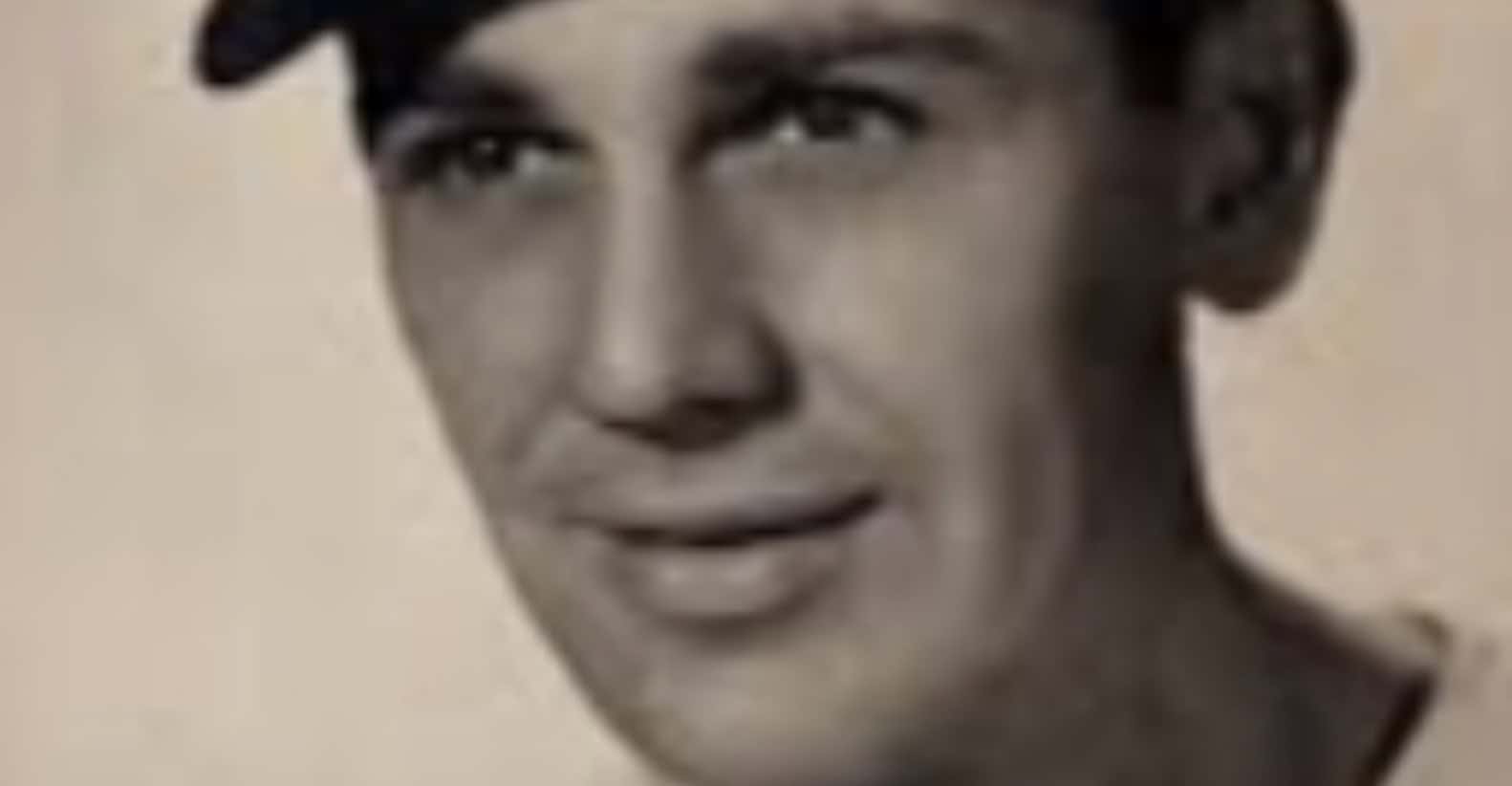
Don Johnson brought power and consistency to the Cubs’ infield during the mid-1940s, providing the kind of steady production that teams needed to compete in the National League’s competitive landscape. This versatile player could handle multiple positions while contributing meaningful offensive numbers, representing the kind of dependable talent that often gets overlooked in baseball history. Johnson’s ability to perform at a high level without fanfare exemplified the workmanlike approach that characterized most 1940s players, who focused on team success rather than individual glory.
Ray Mack – Cleveland’s All-Star Hometown Hero
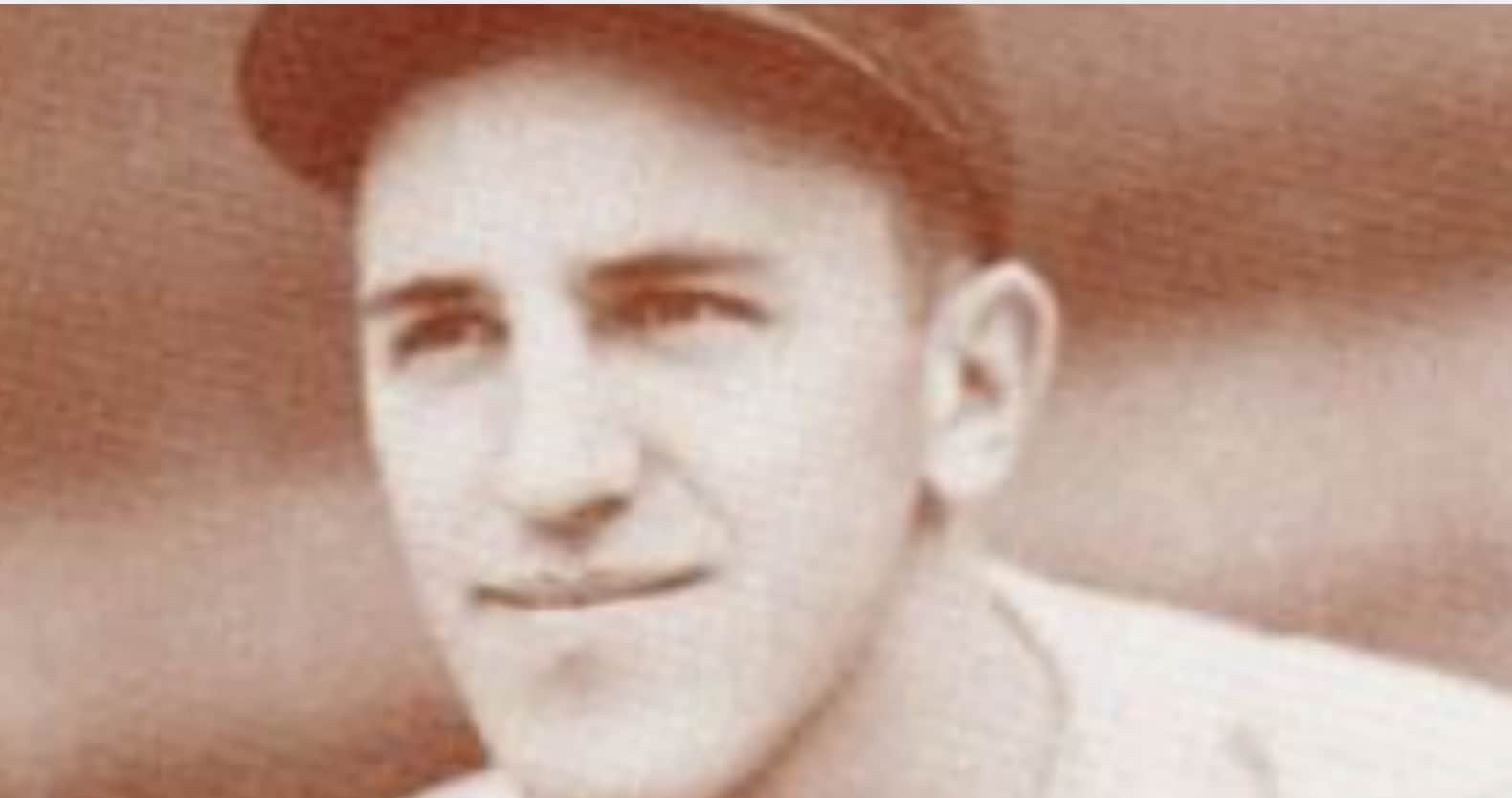
Ray Mack was Cleveland’s homegrown hero, a local boy who made good by earning All-Star recognition while anchoring the Indians’ infield during the early 1940s. This Ohio native could turn the double play with smooth efficiency while providing enough offense to justify his spot in the lineup, making him a fan favorite at Cleveland Stadium. Mack’s combination of solid defense and clutch hitting represented the kind of well-rounded player that teams built their success around, proving that sometimes the best players are those who simply execute the fundamentals better than anyone else.
Sibby Sisti – The Braves’ Versatile Utility Man
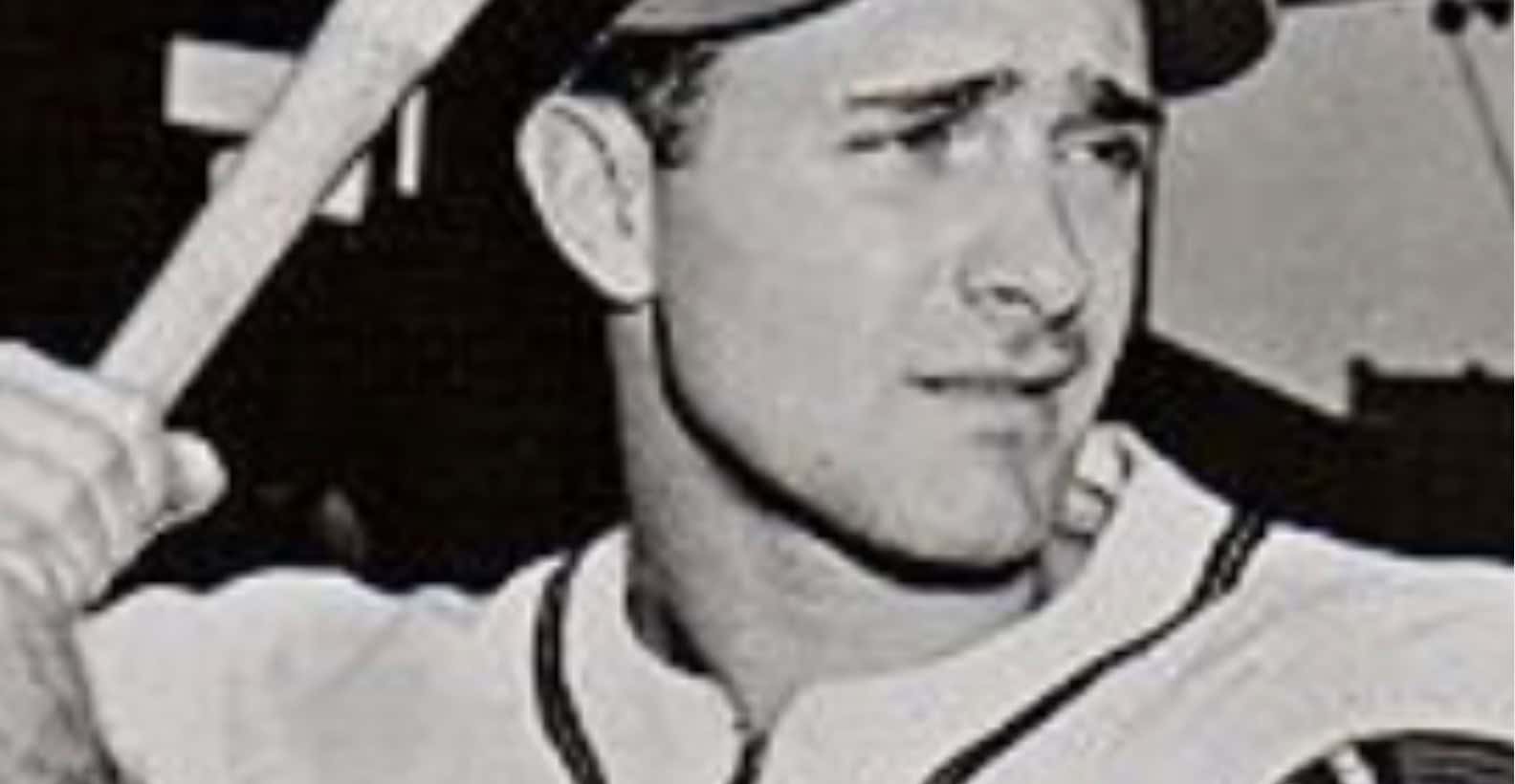
Sebastian “Sibby” Sisti was the Swiss Army knife of the Boston Braves, equally capable at second base, shortstop, or the outfield, making him indispensable to managers who valued flexibility over specialization. This Buffalo, New York native brought steady defense and occasional power to wherever he was needed, embodying the kind of team-first mentality that characterized the most valuable role players of the 1940s. Sisti’s willingness to play anywhere and contribute however possible represented the selfless approach that made baseball teams successful during an era when roster flexibility was essential for championship runs.
George “Mercury” Myatt – Washington’s Speedy Base Stealer
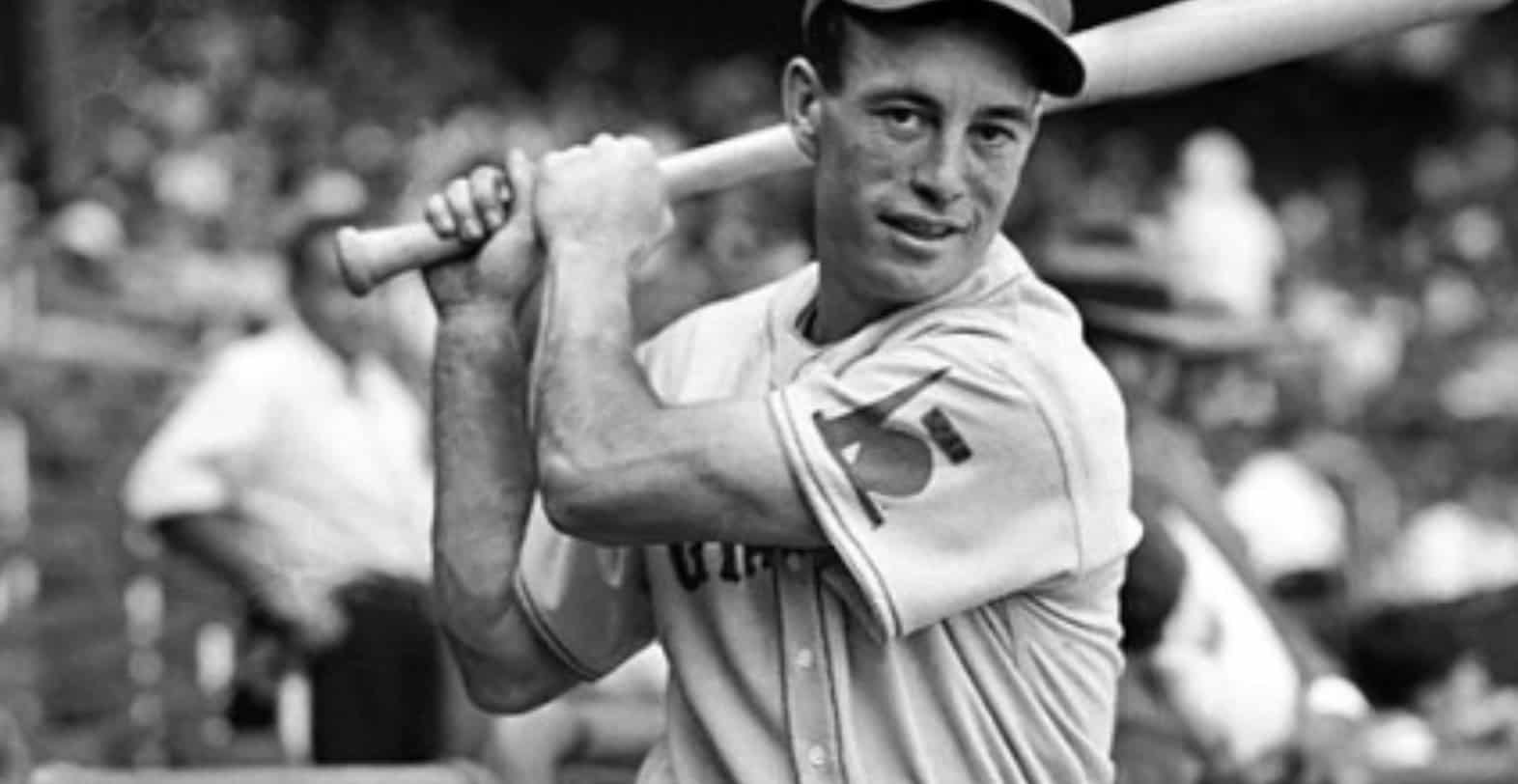
George “Mercury” Myatt earned his nickname through blazing speed that made him one of the most dangerous base stealers in the American League, terrorizing pitchers and catchers with his ability to swipe second base at will. This Durant, Mississippi native brought excitement to Washington’s lineup with his aggressive baserunning and solid defensive play, representing the kind of dynamic player who could change games through pure athleticism. Myatt’s speed and hustle embodied the never-quit attitude that defined 1940s baseball, when players had to use every advantage possible to succeed in an era where every at-bat and every play mattered in the tight pennant races that captivated fans across America.