
Last Updated: June 17th, 2026 by Matthew Brown
Before sabermetrics and launch angles, before million-dollar contracts and Instagram highlights, baseball had something purer: men who could carry entire cities on their shoulders for six months. These weren’t just the best players of the 20th century—they were the heartbeat of summer afternoons when transistor radios crackled with hope. Here are the MVP seasons that made grown men cry and turned boys into lifelong believers.
Don't lose this article. Enter your email below, and I'll send it to you right now. Plus, we'll send you other unbelievable stories from baseball's past.
Yogi Berra’s 1951 MVP Season When Yankees Ruled Everything

Yogi’s first MVP season—with 27 homers, 88 RBIs, and the steady hand behind the plate that guided Yankees pitchers—proved that championships often start with the catcher. His unique swing and unmatched baseball IQ made him the perfect player for the Bronx, where winning wasn’t just expected but demanded. That 1951 MVP trophy was the first of three, establishing Berra as the heart of the greatest dynasty in sports history.
Willie McCovey’s 1969 MVP Season That Nearly Brought San Francisco a Title
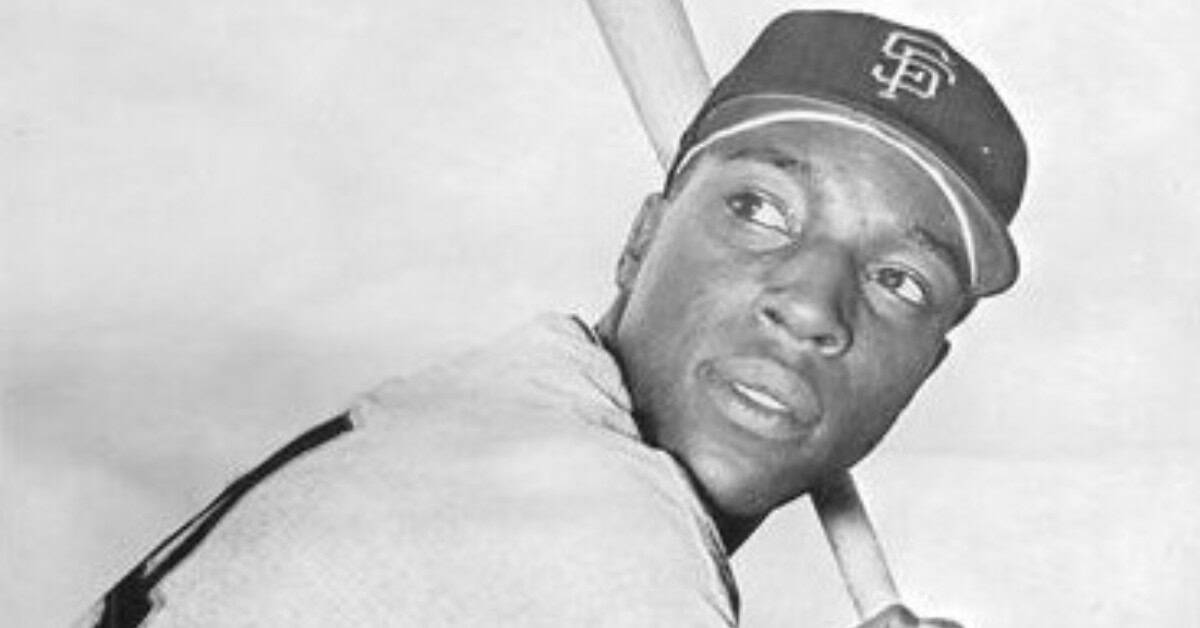
Stretch McCovey’s 45 home runs and 126 RBIs in 1969 carried the Giants to within three games of the NL West division title. His towering shots into the Candlestick wind became the stuff of legend. While the Giants had reached the World Series in 1962, McCovey’s powerful MVP performance in ’69 brought San Francisco another thrilling chase for postseason glory. That MVP trophy still sits as proof that sometimes the best seasons end just short of perfect.
Ernie Banks’ Back-to-Back MVPs When Cubs Fans Still Believed
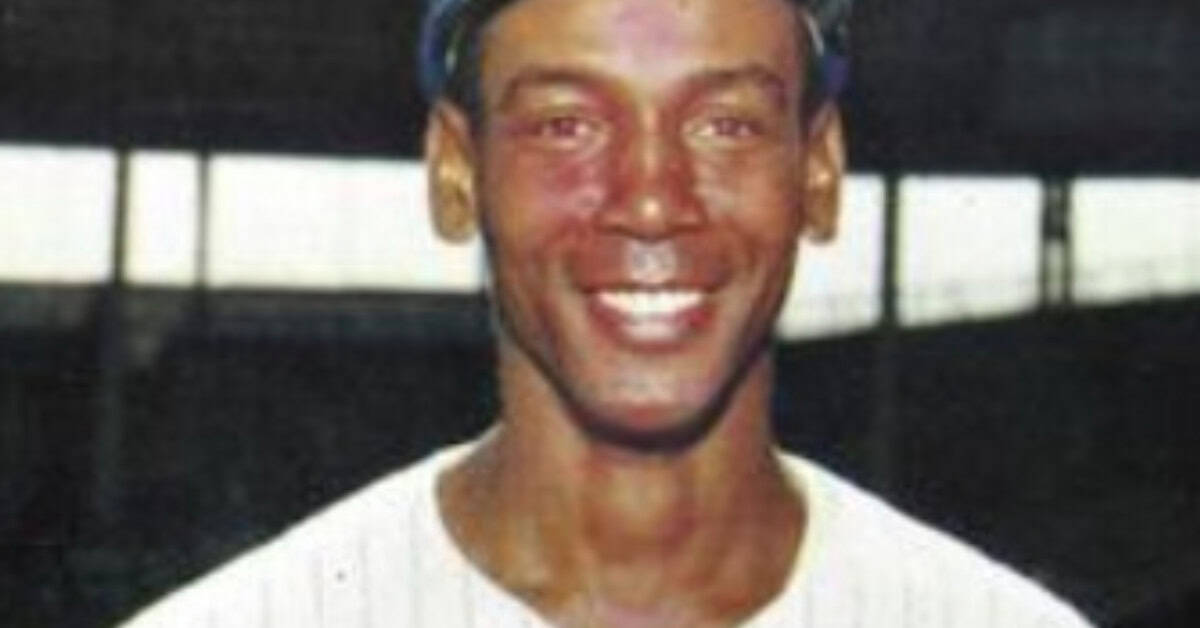
Mr. Cub’s consecutive MVPs in 1958 and 1959 came during the golden age of Cubs optimism, when Wrigley Field still felt like a launching pad for dreams rather than heartbreak. Banks’ 47 home runs in ’58 and 45 in ’59 made every “Let’s play two!” feel like a genuine possibility for greatness. Those back-to-back trophies remain the high-water mark for a franchise that taught generations how to love beautifully and lose gracefully.
Mickey Mantle’s 1956 Triple Crown That Made Yankees Unstoppable
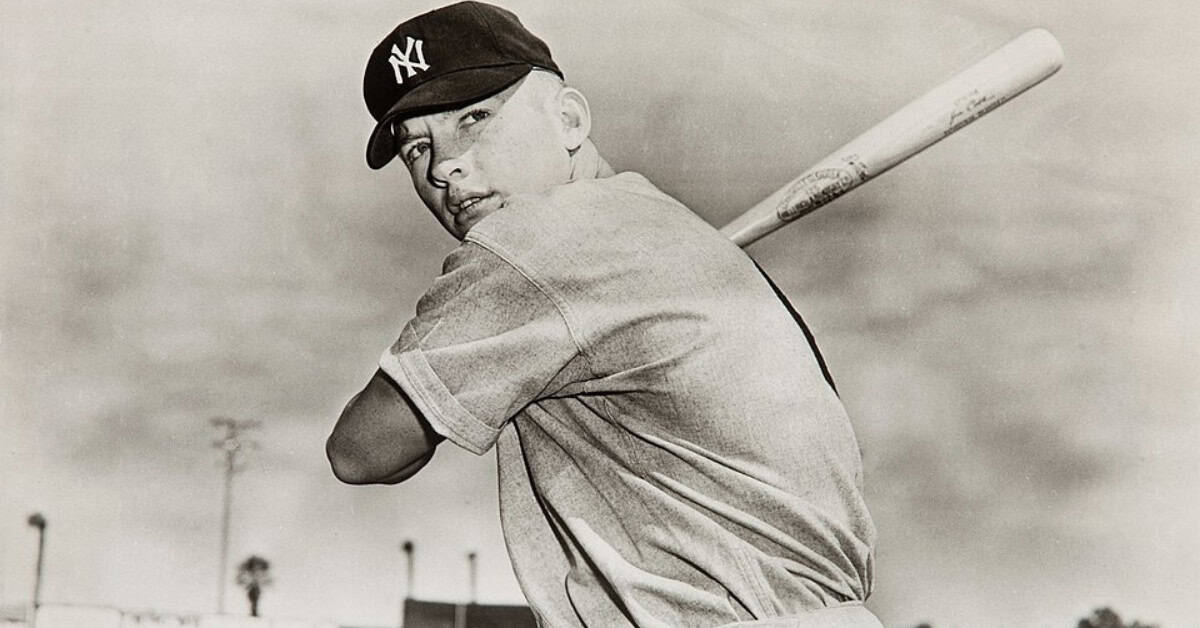
The Mick’s Triple Crown season—52 homers, 130 RBIs, .353 average—represented pure baseball poetry in pinstripes. His tape-measure blasts from both sides of the plate made Yankee Stadium feel too small, while his speed on gimpy knees reminded everyone that greatness often comes with a price. That 1956 MVP award captured lightning in a bottle, the perfect marriage of raw talent and October magic.
Don Newcombe’s Cy Young and MVP Double That Changed Everything
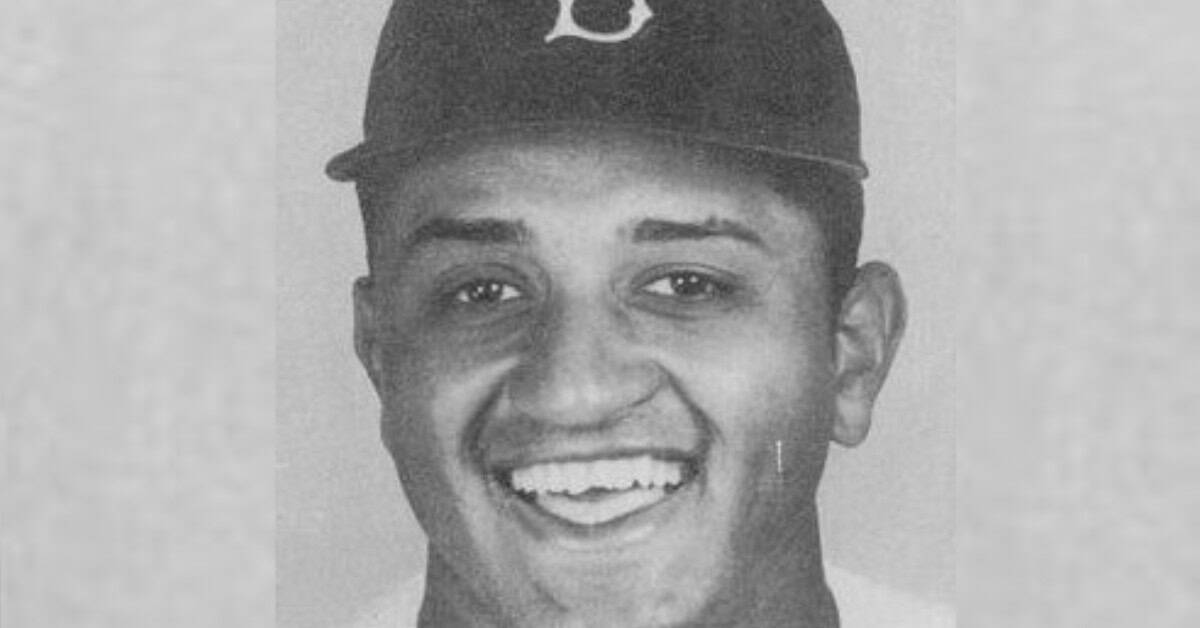
Big Newk’s 1956 season broke new ground as the first pitcher to win both the Cy Young and MVP awards, going 27-7 with a 3.06 ERA for the Brooklyn Dodgers. His dominance helped establish that pitchers could be the most valuable players, not just the best at their position. Newcombe’s dual achievement opened doors for future mound masters and proved that sometimes the guy with the ball controls everything.
Hank Aaron’s 1957 MVP Season That Carried Milwaukee to Glory
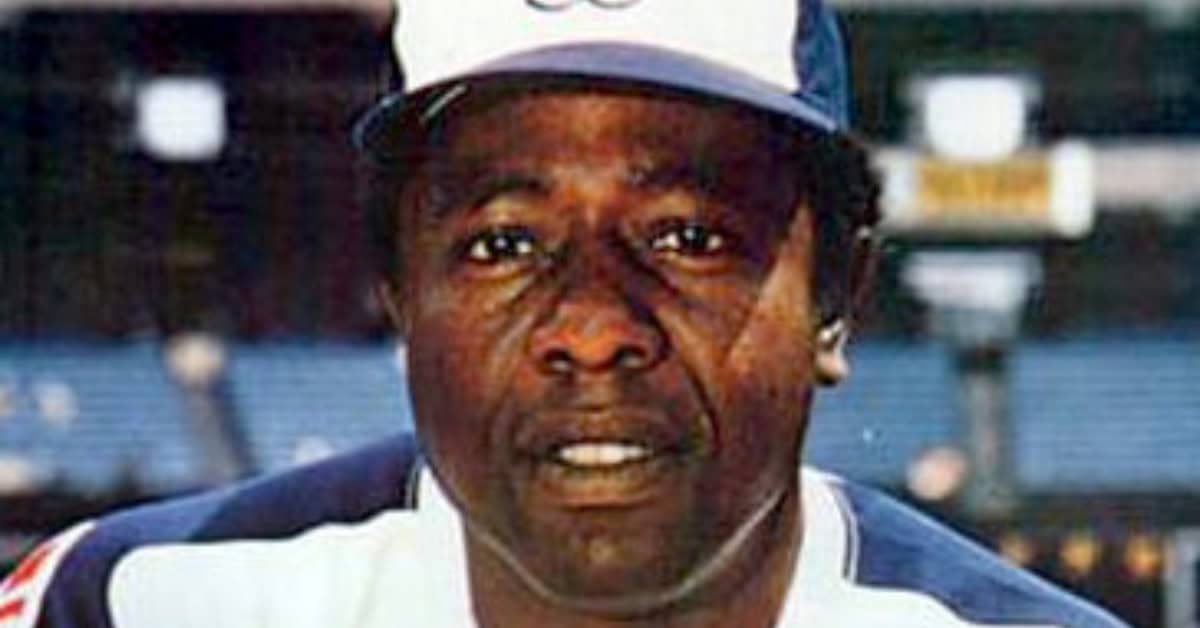
Hammerin’ Hank’s 44 homers and 132 RBIs in 1957 delivered Milwaukee its only World Series championship, turning a beer town into baseball heaven for one magical autumn. His quiet consistency and clutch hitting made the Braves feel unstoppable, while his graceful swing became the template for generations of hitters. That MVP trophy represents more than individual excellence—it’s proof that sometimes one man really can carry an entire city to the promised land.
Thurman Munson’s 1976 MVP Season That Proved Catchers Could Lead
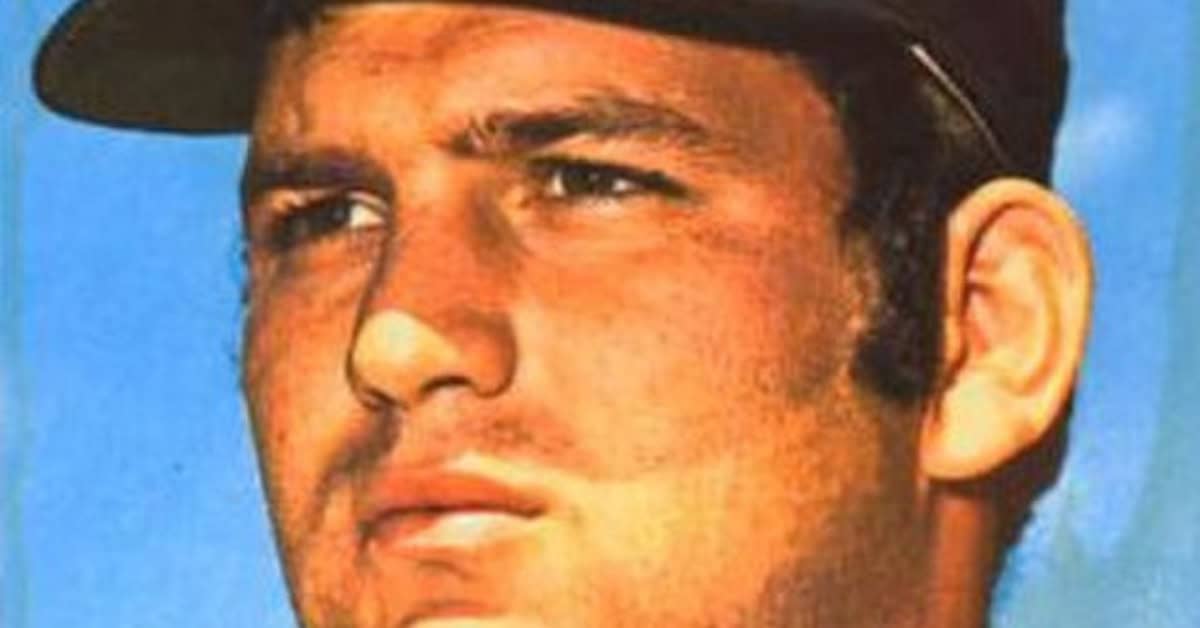
The Captain’s MVP season—.302 average, 17 homers, 105 RBIs—proved that leadership mattered as much as statistics in the Bronx Zoo era. Munson’s gritty play behind the plate and clutch hitting sparked the Yankees’ return to prominence after a decade in the wilderness. His blue-collar approach and fierce competitiveness embodied everything New York fans wanted their team to be, making that 1976 MVP award feel like validation for an entire attitude.
Ted Williams’ 1946 MVP Season After Three Years at War
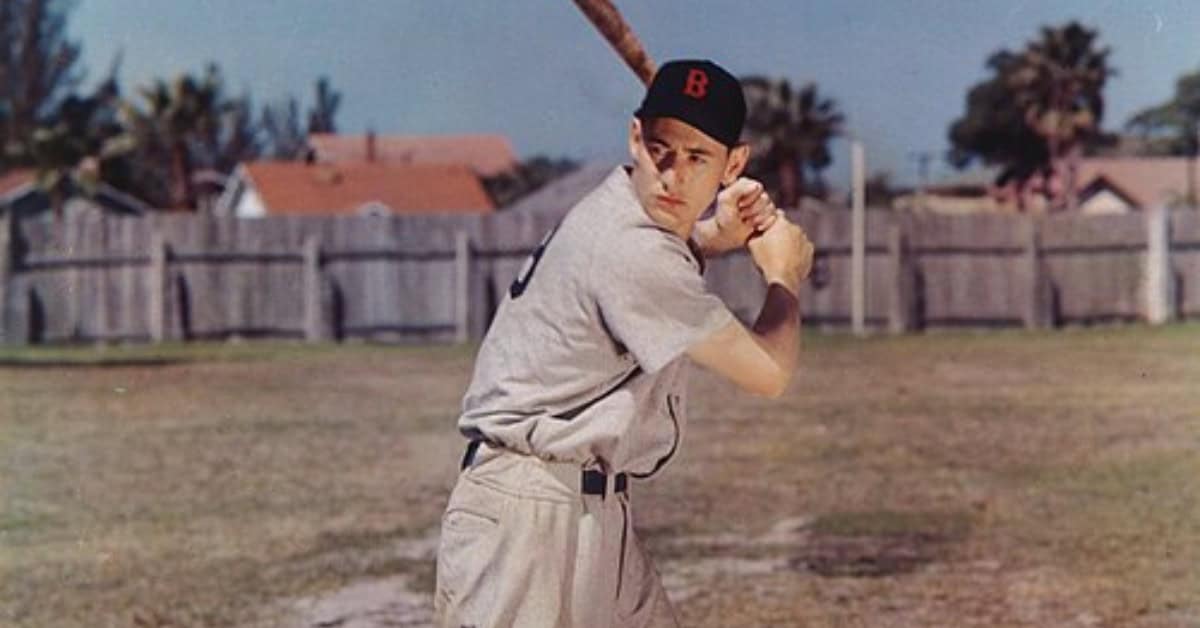
The Splendid Splinter’s return from World War II produced a storybook season: .342 average, 38 homers, 123 RBIs, and Boston’s first pennant since 1918. Williams’ swing looked like he’d never left Fenway, his eye still perfect after three years flying fighter planes instead of tracking fastballs. That MVP award represented more than baseball excellence—it was America welcoming home its heroes and finding them even better than before.
Dale Murphy’s Back-to-Back MVPs When Atlanta Had Hope
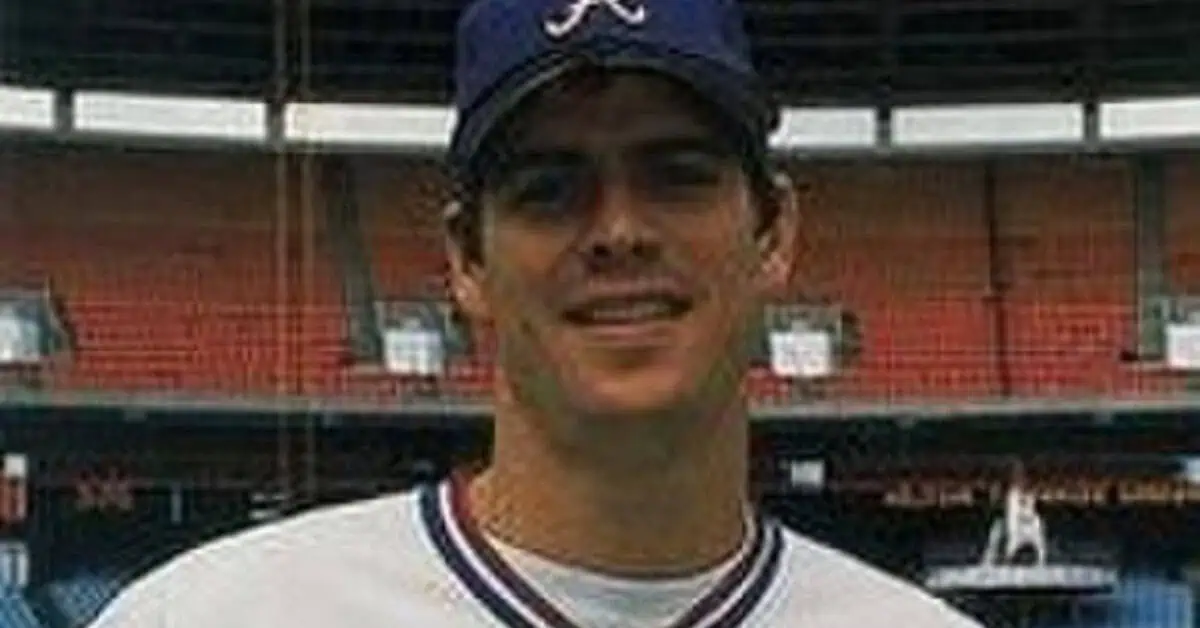
Murph’s consecutive MVPs in 1982 and 1983 gave Atlanta something it had rarely enjoyed: a genuine superstar who clearly embraced playing there. His 36 homers and 109 RBIs in ’82, followed by 36 and 121 in ’83, made Atlanta-Fulton County Stadium feel electric for the first time in years. Murphy’s wholesome image and powerful swing represented everything right about baseball during an era when the game desperately needed heroes.
Willie Mays’ 1954 MVP Season That Gave Giants Fans New York Bragging Rights
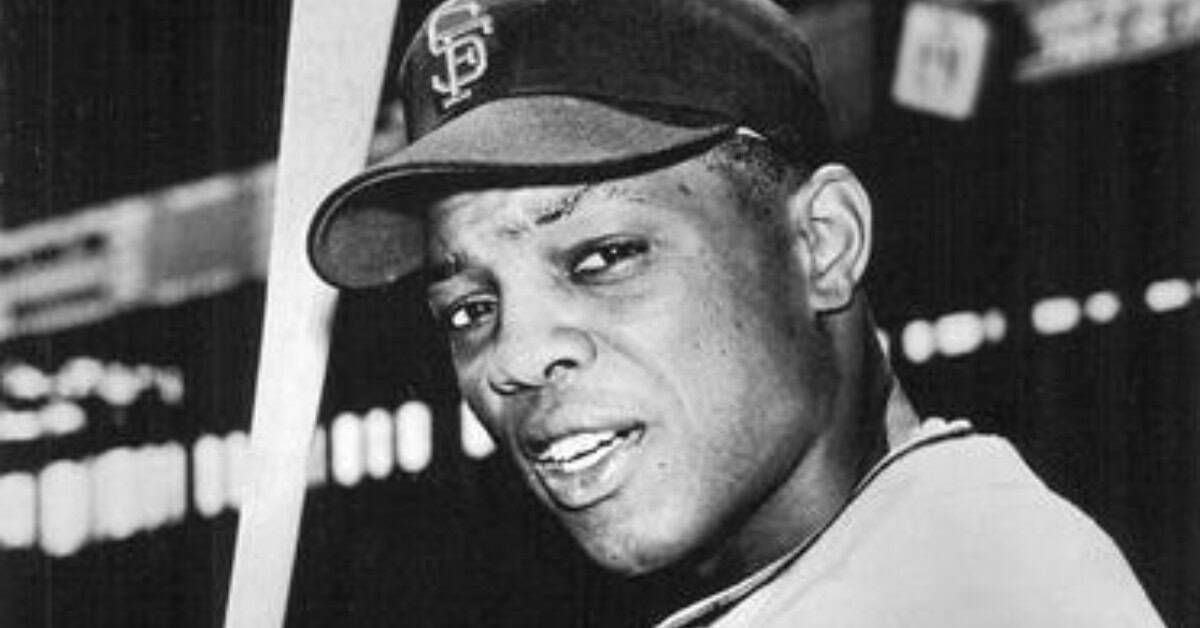
The Say Hey Kid’s magical 1954—41 homers, 110 RBIs, and that World Series catch—reminded New York that the Giants could still make hearts race at the Polo Grounds. Mays’ combination of power, speed, and defensive wizardry made every game feel like a highlight reel waiting to happen. His MVP trophy that year captured pure joy in motion, one of the last glorious New York seasons before the Giants headed west.
Al Rosen’s Near-Triple Crown That Cleveland Still Remembers
Flip Rosen’s 1953 MVP season—43 homers, 145 RBIs, .336 average—came within .001 of a Triple Crown that would have further etched his legendary status in Cleveland baseball. His power stroke and clutch hitting helped the Indians stay competitive in the Yankees’ decade of dominance. That near-miss Triple Crown still haunts Cleveland fans who remember when their third baseman was the most feared hitter in the American League.
Roberto Clemente’s 1966 MVP Season That Made Pittsburgh Proud
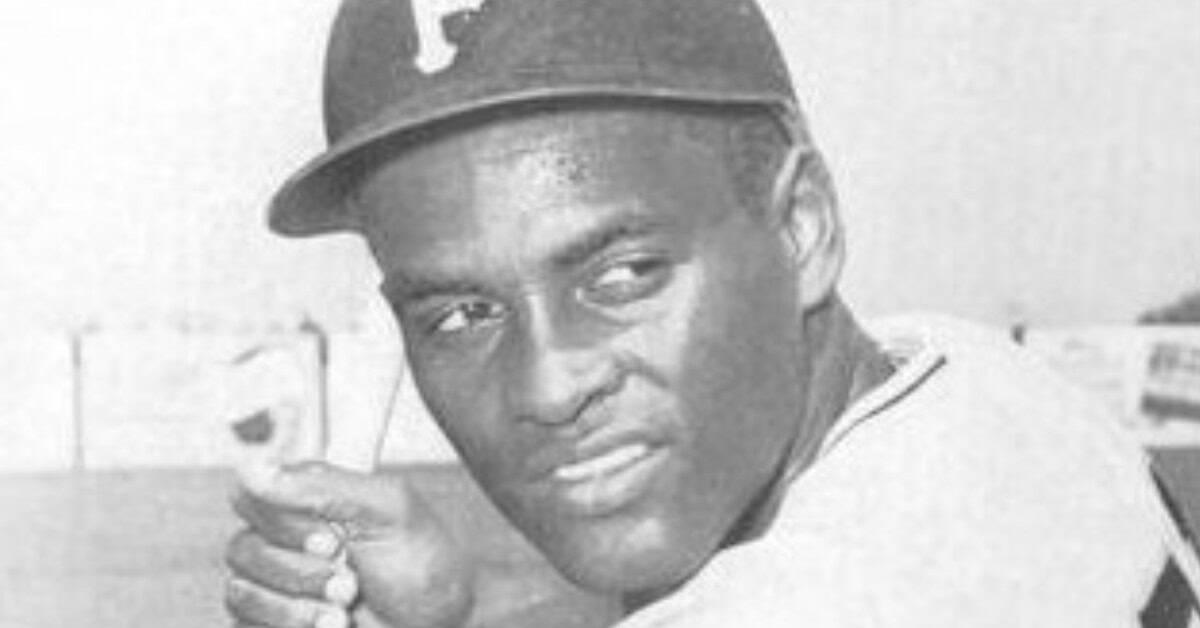
The Great One’s MVP campaign—.317 average, 29 homers, 119 RBIs—showcased the complete player who made Three Rivers Stadium feel like a cathedral of baseball artistry. Clemente’s rocket arm and graceful swing represented excellence without ego, a superstar who carried himself with dignity in an era that didn’t always appreciate Latin players. His 1966 MVP award was long overdue recognition for a player who made every aspect of the game look effortless.
Lou Gehrig’s 1927 MVP Season in Babe Ruth’s Shadow

The Iron Horse’s 1927 MVP season—47 homers, 175 RBIs, .373 average—somehow got overshadowed by Ruth’s 60 home runs on the same team. Gehrig’s consistency and clutch hitting made Murderers’ Row truly murderous, proving that sometimes the best player is the one who makes everyone else better. His MVP award that year recognized the quiet excellence that championship teams are built on, even when the spotlight shines elsewhere.
Harmon Killebrew’s Moon Shots That Made Kids Dream
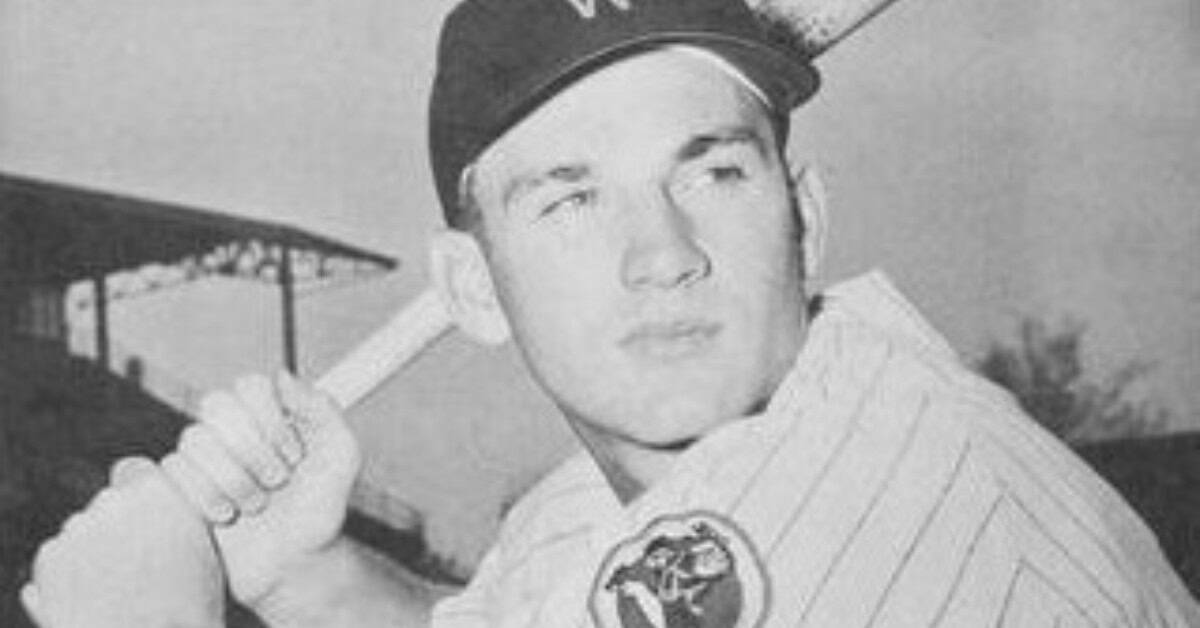
The Killer’s 1969 MVP season—49 homers, 140 RBIs—featured home runs that seemed to defy gravity, sailing into the Minnesota night like rockets bound for orbit. Killebrew’s gentle demeanor and mammoth power made him the perfect hero for the upper Midwest, where hard work and humility still mattered. His tape-measure blasts gave kids something to dream about during long winter months, proof that nice guys could still finish first.
Carl Yastrzemski’s Triple Crown Season When Boston Believed
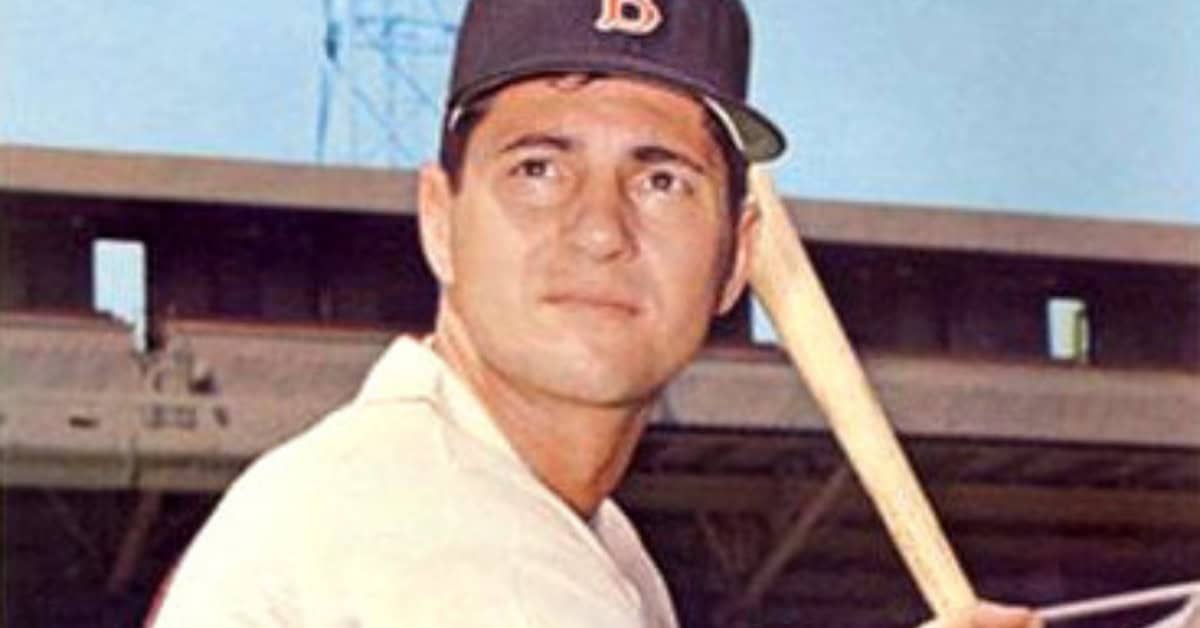
Yaz’s Impossible Dream season—44 homers, 121 RBIs, .326 average—carried the Red Sox from ninth place to the World Series in one magical summer. His clutch hitting and spectacular defense turned Fenway Park into a cathedral of hope for fans who had forgotten what winning felt like. That Triple Crown and MVP double remains the gold standard for single-season heroics, proof that sometimes one man really can will a team to greatness.
Frank Robinson’s 1966 MVP Season That Made Baltimore Believe
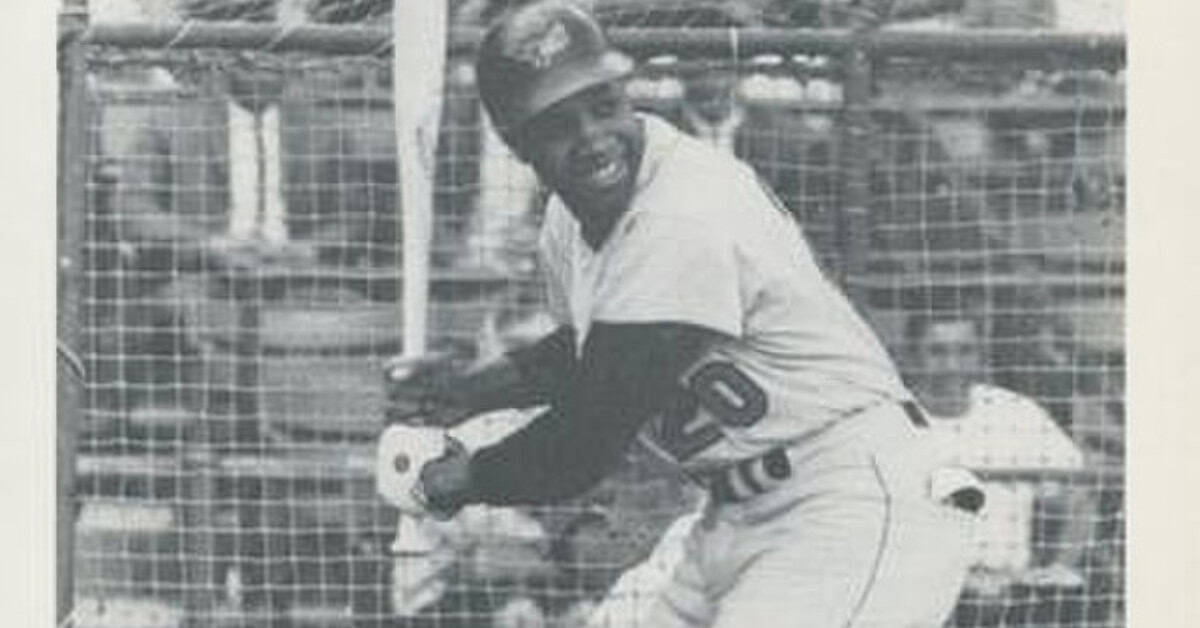
Robinson’s Triple Crown season—49 homers, 122 RBIs, .316 average—transformed the Orioles from also-rans into champions in his first year after the Cincinnati trade. His fierce competitiveness and clutch hitting made Memorial Stadium electric, while his leadership turned a talented team into a dynasty. That MVP award proved that sometimes the best trades are the ones that seem impossible at the time.
Babe Ruth’s 1923 MVP Season When Yankee Stadium Was Born

The Sultan of Swat’s 1923 MVP season—41 homers, 131 RBIs, .393 average—christened the House That Ruth Built with the Yankees’ first World Series championship there. His larger-than-life presence made the new stadium feel instantly legendary, while his incredible statistics reminded everyone why they built the place for him. That MVP trophy represents the perfect marriage of player and palace, when baseball’s biggest star found his perfect stage.
Stan Musial’s Consistency That Made Cardinals Fans Spoiled

Stan the Man’s three MVP awards (1943, 1946, 1948) represented a level of sustained excellence that made St. Louis fans expect greatness as naturally as summer heat. His picture-perfect swing and humble demeanor embodied everything the Cardinals organization stood for—class, consistency, and championships. Musial’s multiple MVPs proved that sometimes the greatest achievement is making the extraordinary look routine, year after year after year.
Reggie Jackson’s 1973 MVP Season That Made Oakland Dynasty Complete
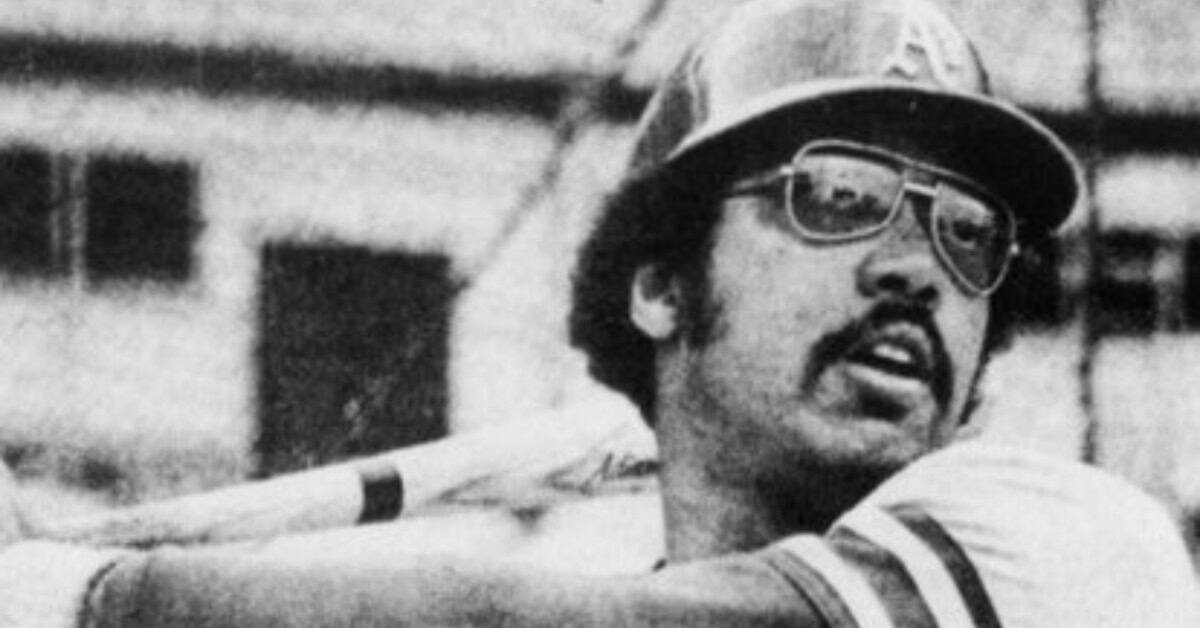
Mr. October’s 1973 MVP season—32 homers, 117 RBIs—powered the A’s to their second straight World Series title and established Jackson as baseball’s ultimate clutch performer. His swagger and spectacular play made the Oakland Coliseum feel like the center of the baseball universe, while his personality brought Hollywood glamour to the Bay Area. That MVP trophy captured Jackson at his peak, when his confidence was matched only by his ability to deliver when everything was on the line.
Sandy Koufax’s 1963 MVP Season That Made Hitters Quit Mid-Swing
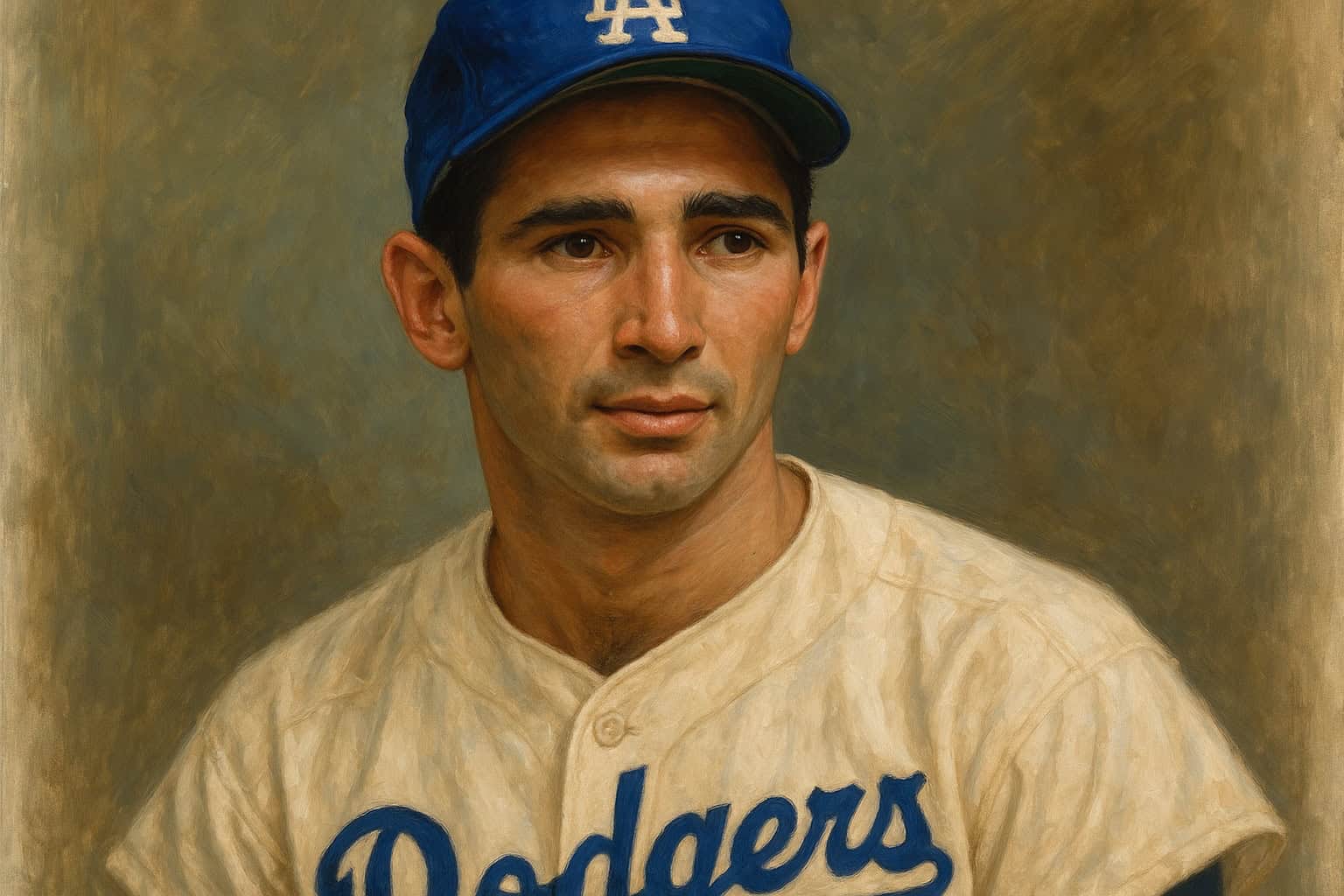
The left-hander’s dominant 1963 season—25-5 record, 1.88 ERA, 306 strikeouts—was so overwhelming that hitters sometimes looked defeated before stepping into the batter’s box. Koufax’s curveball seemed to drop off tables while his fastball exploded past bewildered batters, making Dodger Stadium feel like a laboratory for pitching perfection. His MVP award that year represented the apex of mound mastery, when one man’s left arm could single-handedly decide championships and make grown men look like children trying to catch lightning.