
Last Updated: June 17th, 2026 by Matthew Brown
Back when both teams battled in the NL West and the Pirates and Reds actually mattered in October, this was a rivalry built on Big Red Machine dominance and Steel City grit. These are the players who made that Ohio River hatred burn bright during baseball’s golden age.
Don't lose this article. Enter your email below, and I'll send it to you right now. Plus, we'll send you other unbelievable stories from baseball's past.
Roberto Clemente’s Rocket Arm That Made Reds Runners Think Twice
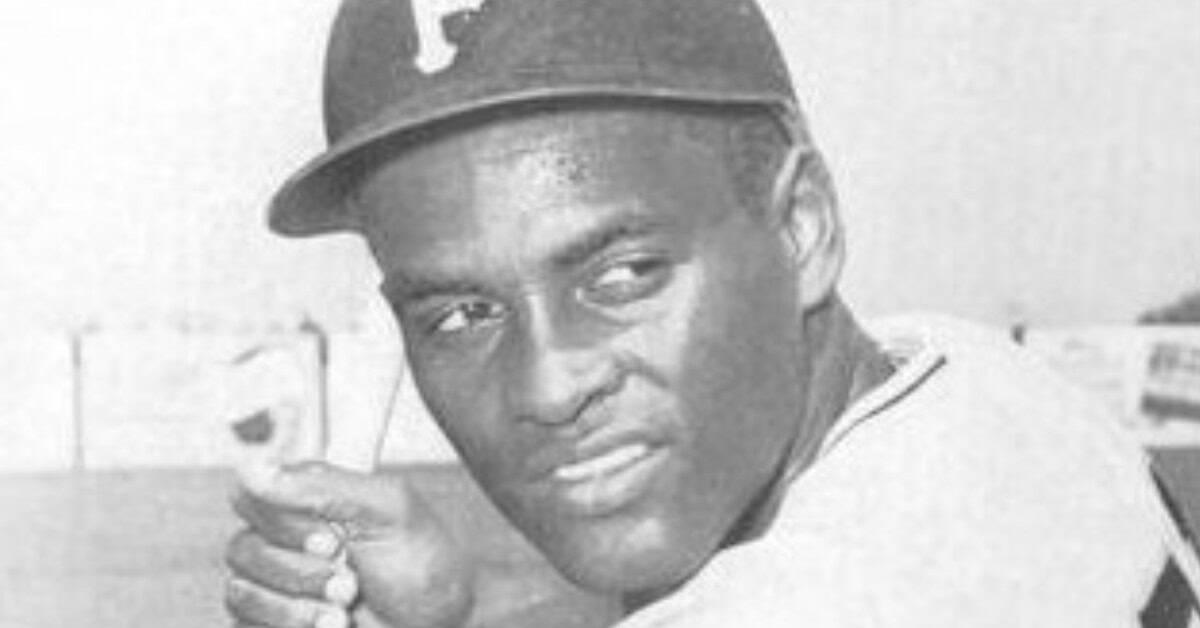
The Great One’s rifle arm from right field turned routine singles into adventures for Reds baserunners who dared test his legendary accuracy. Clemente’s throws to third base carried the force of a steel mill furnace, making Cincinnati players think twice about taking that extra base against Pittsburgh’s pride and joy.
Willie Stargell’s Pops and His Upper Deck Moonshots
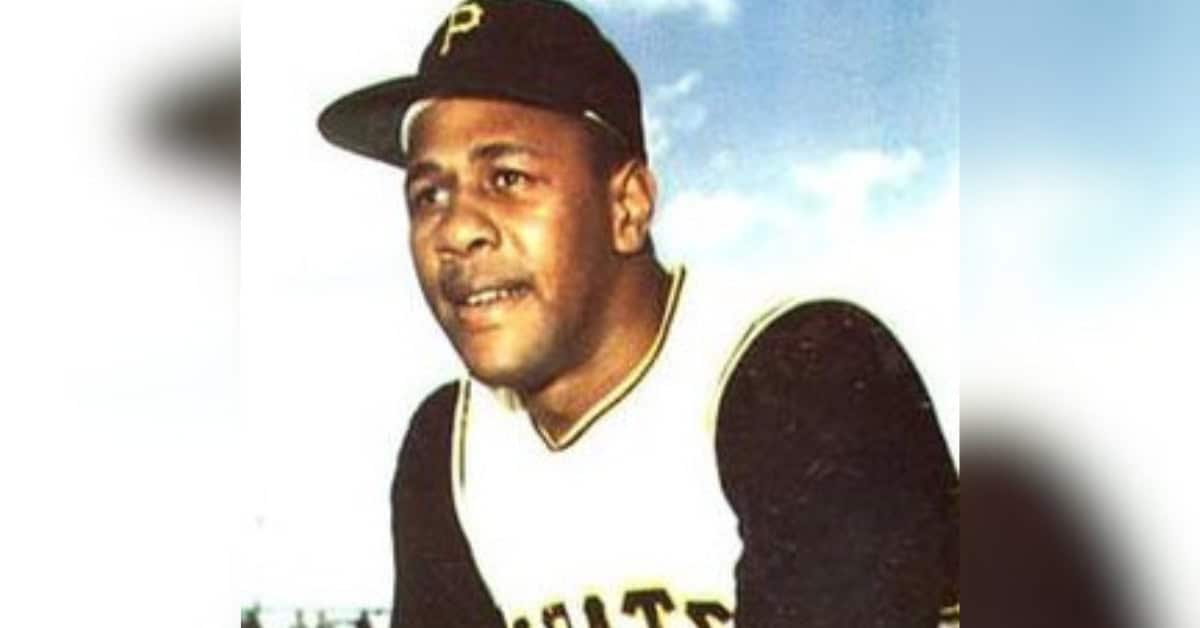
Pops’ windmill swing could send baseballs into Riverfront Stadium’s upper reaches with such authority that Reds pitchers developed a nervous twitch whenever the big man stepped in. His family-style leadership and tape-measure homers made him the perfect father figure for a Pirates team that terrorized the Big Red Machine throughout the 1970s.
Joe Morgan’s Little Joe Hop That Annoyed Pirates Pitchers
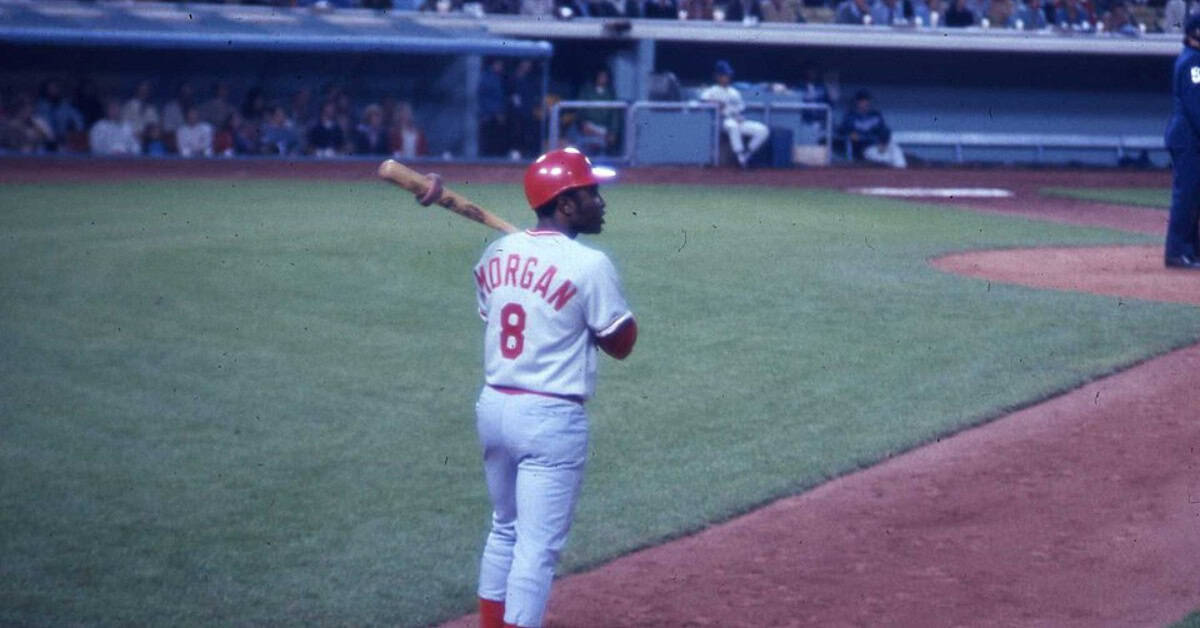
Little Joe’s trademark elbow flap and nervous energy at the plate drove Pirates pitchers to distraction, a constant reminder that the Reds’ engine was always running. His ability to work, steal bases, and deliver clutch hits made him the kind of pesky competitor that Pittsburgh fans grudgingly respected while secretly wishing he’d just stand still for once.
Dave Parker’s Cobra Swagger That Intimidated Riverfront Stadium
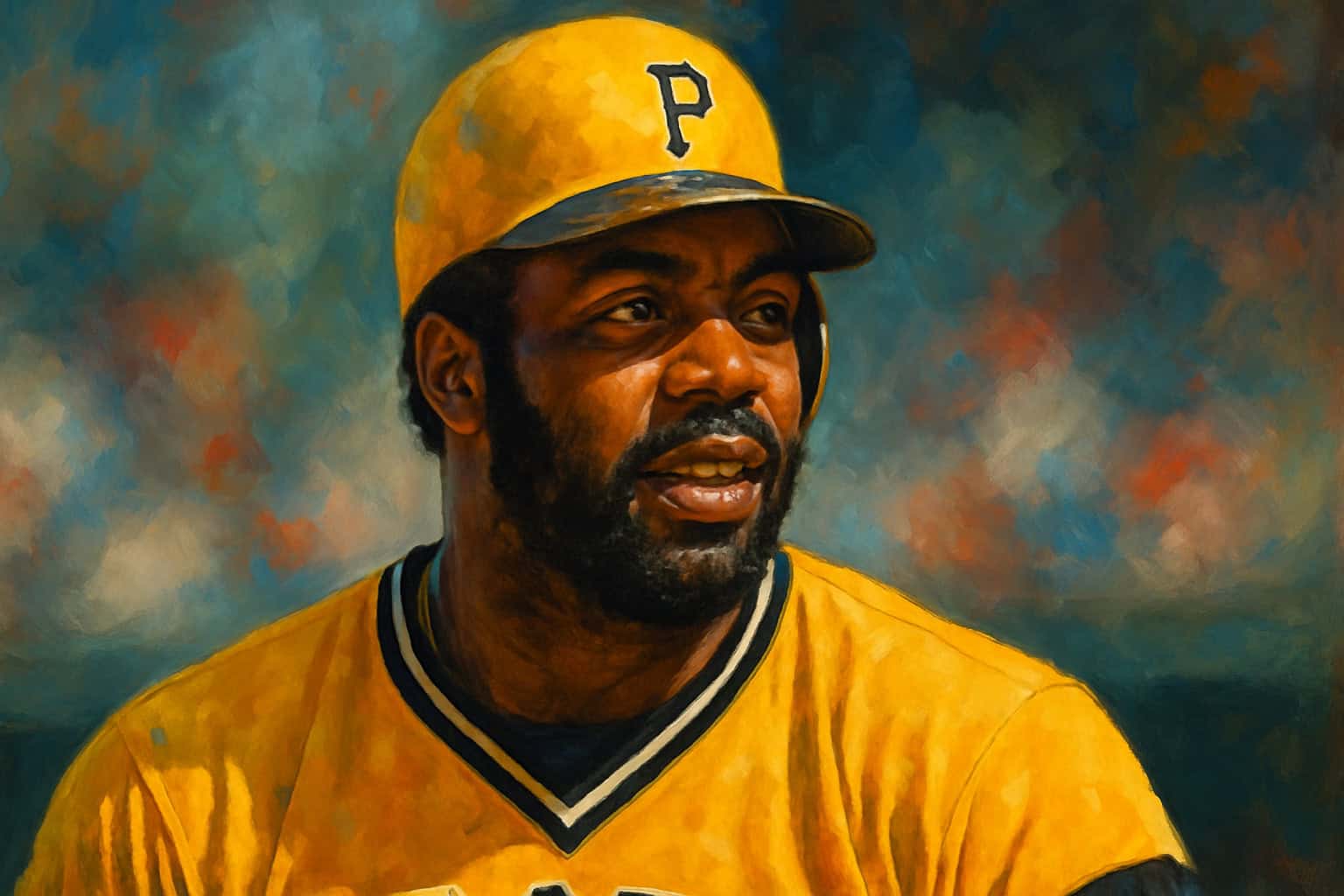
The Cobra’s intimidating presence and gold chains made him look more like a disco superhero than a baseball player, striking fear into Reds pitchers with his powerful frame and confident strut. Parker’s combination of raw power and showboat style embodied everything that made 1970s baseball beautiful and dangerous.
Bill Mazeroski’s Glove That Made Double Plays Look Like Poetry
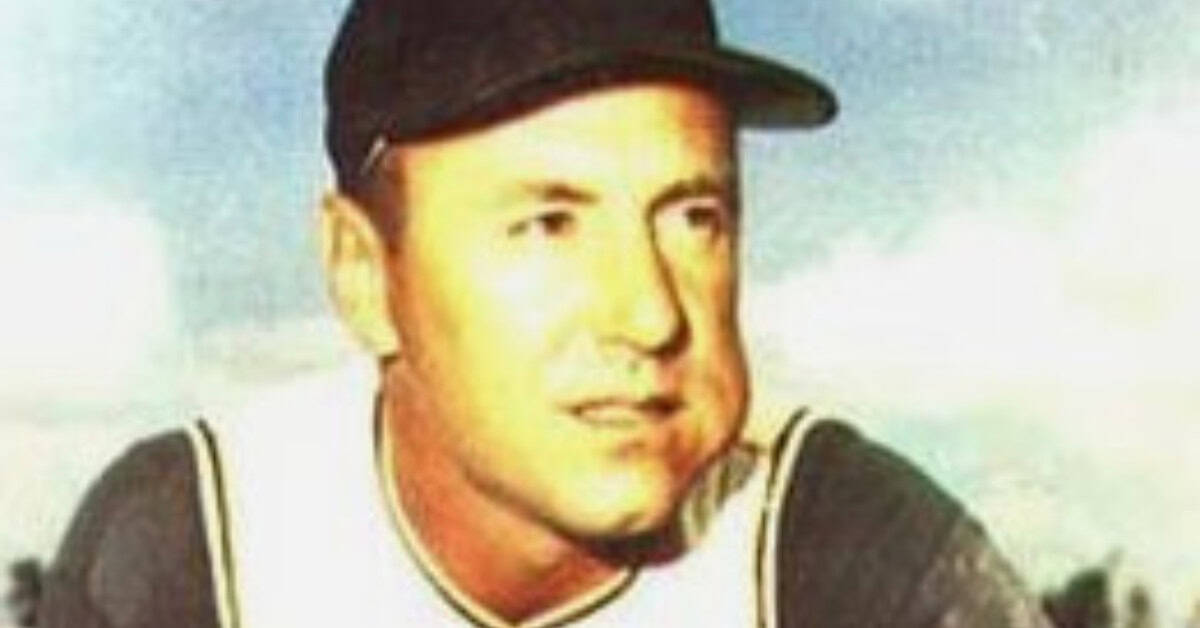
Maz’s balletic pivot at second base turned routine grounders into works of art, his quick release and perfect footwork making double plays look effortless against Cincinnati’s speed merchants. His defensive wizardry gave Pirates pitchers the confidence to challenge Reds hitters, knowing their second baseman could turn any ground ball into an inning-ending masterpiece.
Eric Davis’ Diving Catches That Made Pirates Fans Gasp
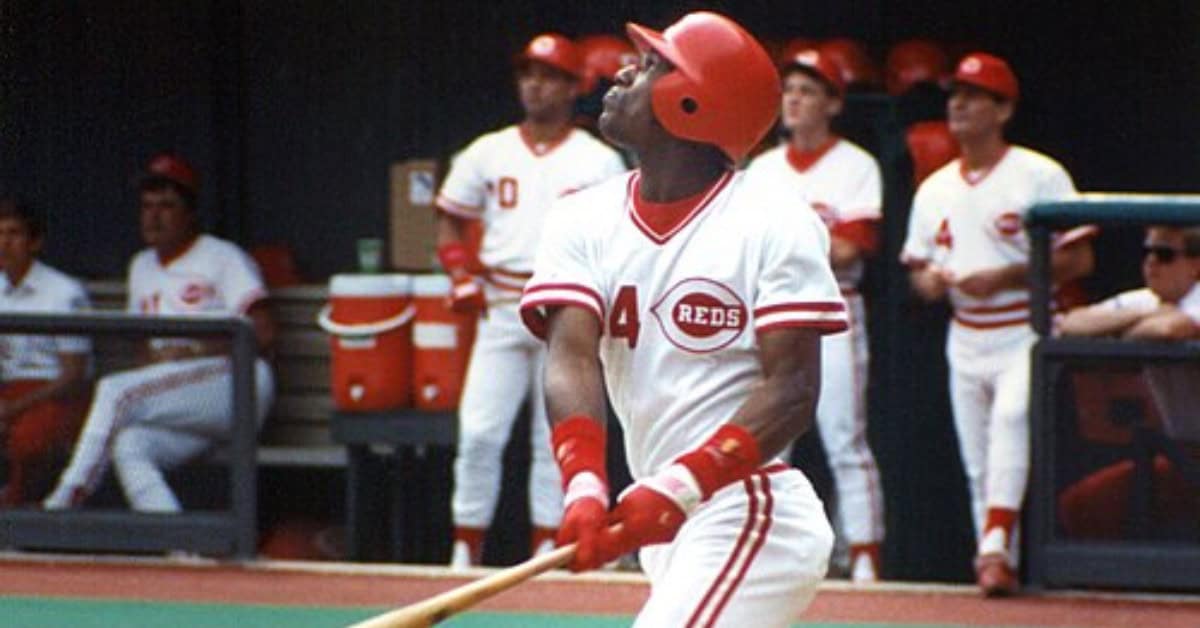
Eric the Red’s spectacular diving catches and fearless play against outfield walls turned routine fly balls into highlight reels that left Three Rivers Stadium crowds stunned. His combination of speed, power, and reckless abandon made him the perfect symbol of late-1980s Reds baseball when Cincinnati briefly reclaimed its place atop the NL West.
Pete Rose’s Headfirst Slides That Drove Pittsburgh Crazy
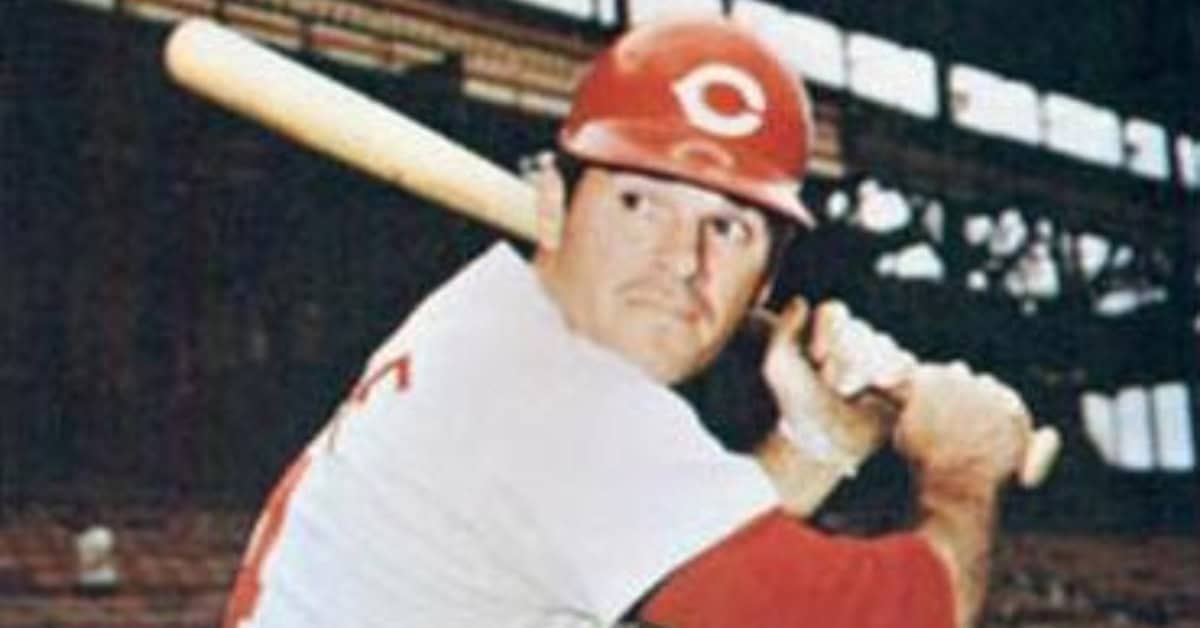
Charlie Hustle’s headfirst slide into first base violated every unwritten rule of baseball while perfectly capturing his all-out approach to the game. Pirates fans found his showboating insufferable, but even they had to admit that Rose’s relentless hustle and record-chasing obsession made him impossible to ignore during those heated division battles.
Rob Dibble’s Wild Fastball That Cleared Both Benches
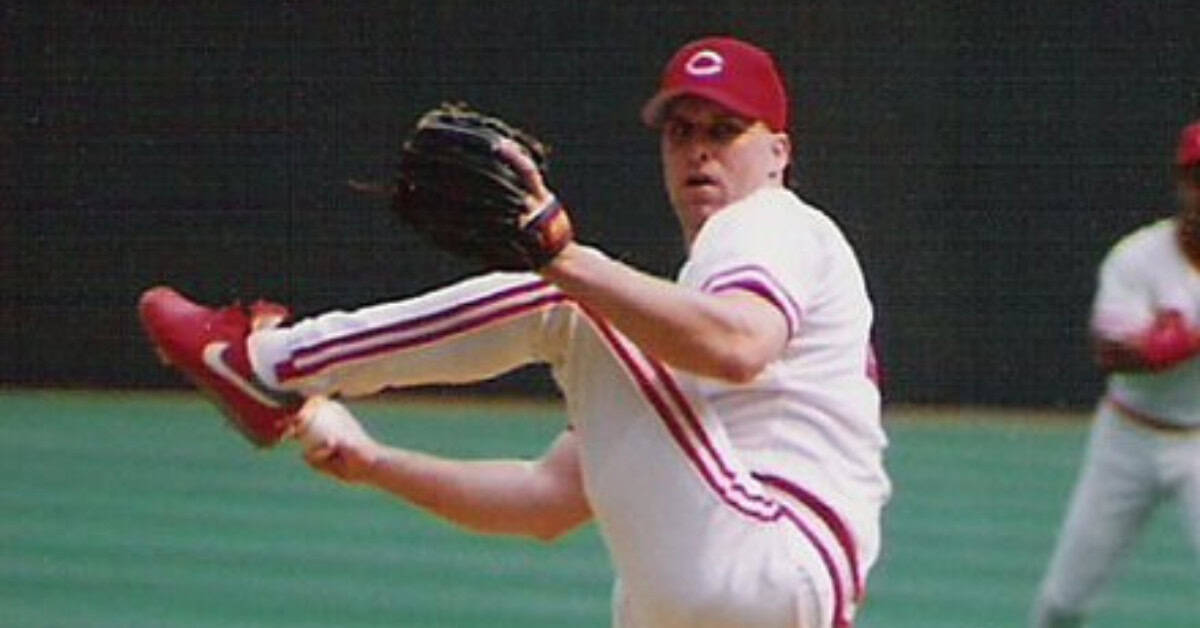
Dibble’s 100-mph heater and quick temper made every Pirates at-bat an adventure in survival, his intimidating presence on the mound backed up by a willingness to throw inside that kept hitters honest. His role as the Nasty Boys’ enforcer perfectly captured the edge that made early-1990s baseball feel dangerous and unpredictable.
Barry Bonds’ Pittsburgh Years Before He Became Enemy Number One
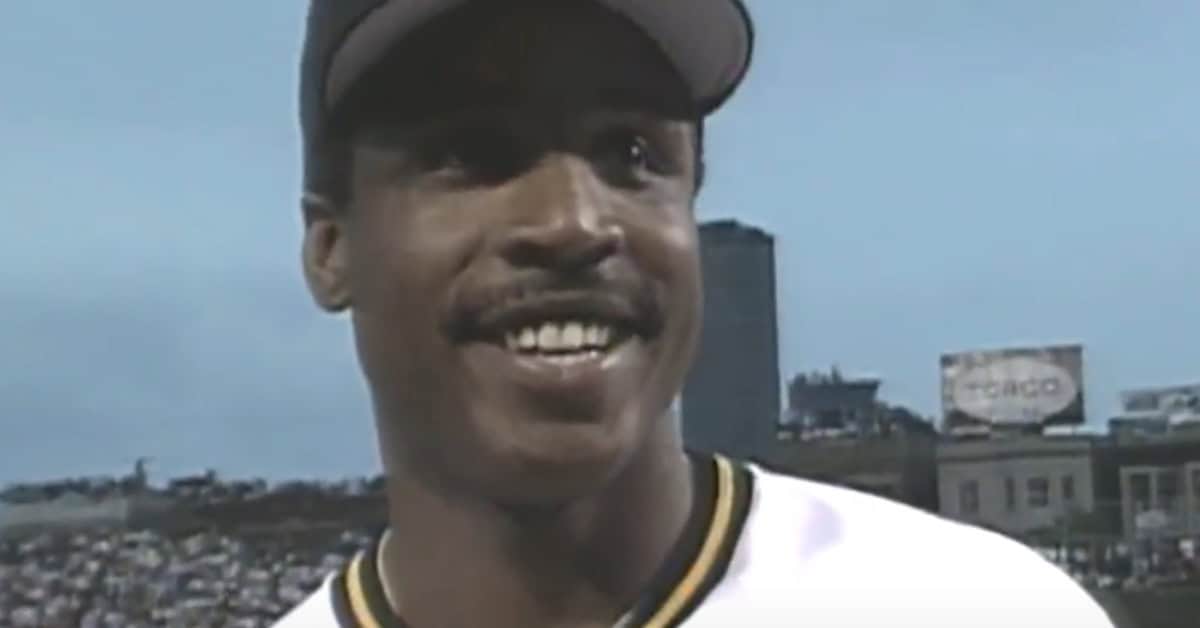
Before the steroids and San Francisco superstardom, Bonds was just a skinny kid with a sweet swing who terrorized Reds pitching during Pittsburgh’s early 1990s renaissance. His combination of speed, power, and defensive brilliance made him the centerpiece of Pirates teams that finally gave Steel City fans something to cheer about after years of Big Red Machine dominance.
Jose Rijo’s Slider That Made Pirates Hitters Look Foolish
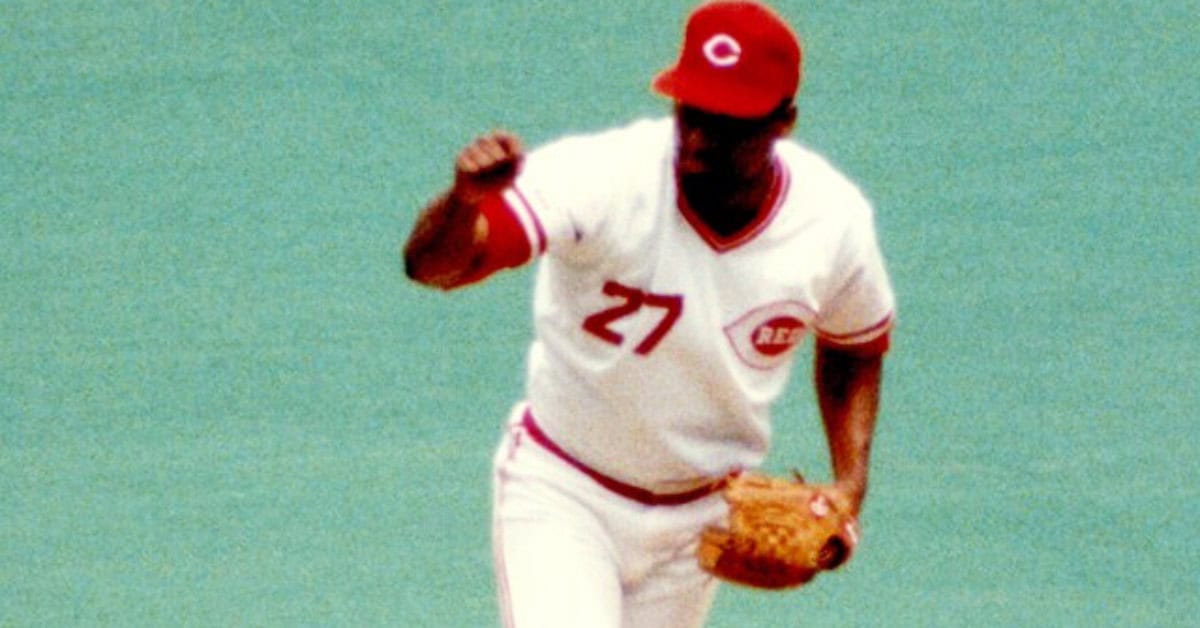
Rijo’s devastating slider turned Pirates hitters into helpless spectators during Cincinnati’s 1990 championship run, his pinpoint control and competitive fire making him the perfect ace for a wire-to-wire World Series team. His ability to rise to the occasion in big games gave Reds fans the kind of dominant pitching they’d been missing since the Big Red Machine era.
Doug Drabek’s Cy Young Season That Silenced Riverfront
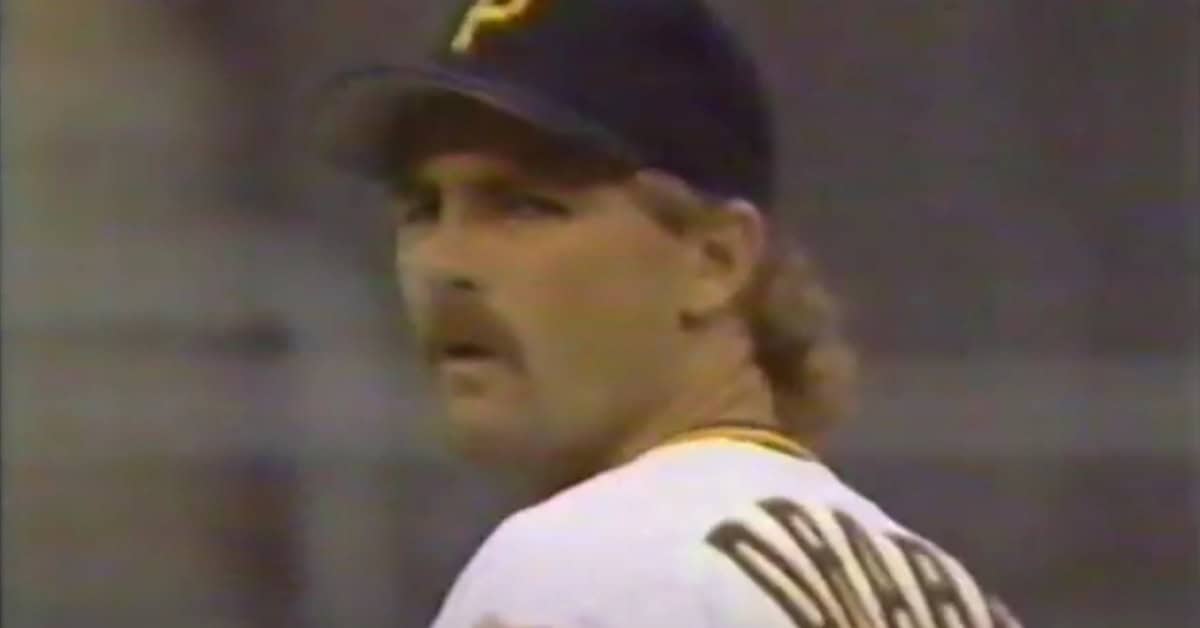
Drabek’s 1990 Cy Young campaign anchored a Pirates rotation that finally gave Pittsburgh the kind of pitching depth needed to compete with Cincinnati’s offensive firepower. His workmanlike approach and clutch performances helped deliver the Pirates’ first division title in over a decade, proving that Steel City baseball could still matter in October.
Tony Perez’s Clutch Hitting That Crushed Steel City Hearts

Big Dog’s ability to deliver in pressure situations made him the perfect cleanup hitter for a Big Red Machine that specialized in crushing Pittsburgh dreams during the 1970s. His calm demeanor and professional approach belied a competitive fire that burned brightest when the Pirates needed to be put in their place.
Steve Blass’ Curveball Before It Mysteriously Disappeared

Before Steve Blass Disease became a cautionary tale about the mental side of baseball, Blass was a crafty right-hander whose curveball made Reds hitters look foolish during Pittsburgh’s early 1970s success. His tragic loss of control became one of baseball’s most mysterious stories, but Reds fans remember when his breaking ball was unhittable.
Barry Larkin’s Smooth Swing That Pirates Pitchers Feared

Larkin’s effortless swing and clutch gene made him the kind of complete player that Pirates fans wished they could clone for their own roster during the lean years. His combination of power, speed, and defensive brilliance at shortstop represented everything that made Cincinnati baseball beautiful throughout the 1990s.
Bobby Bonilla’s Power That Reds Fans Loved to Hate
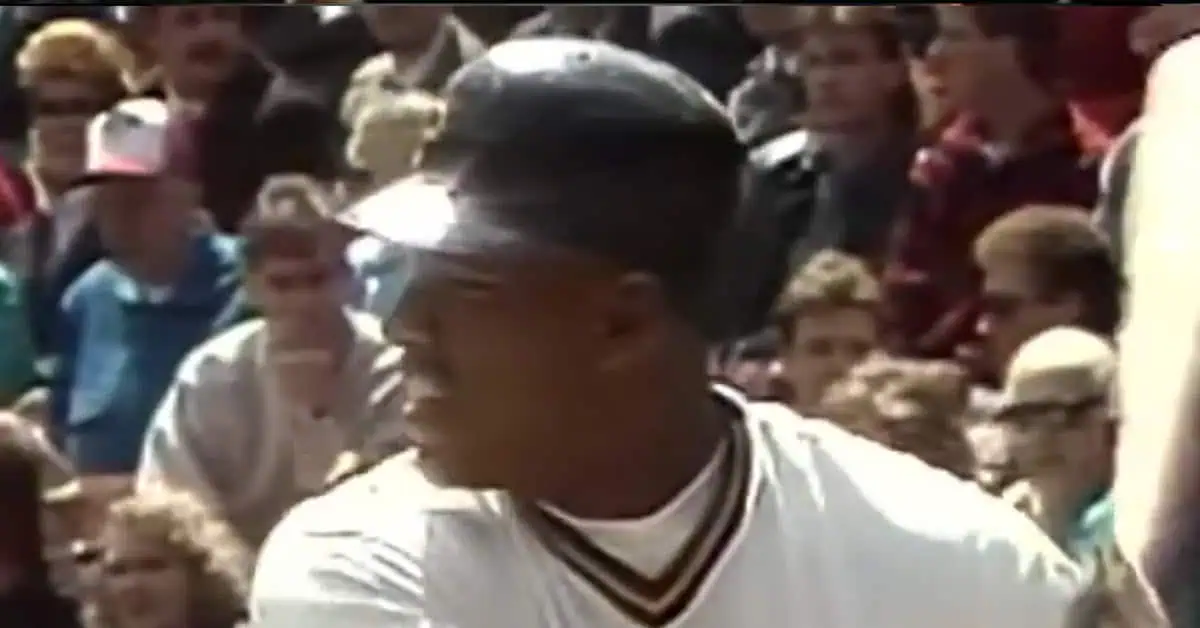
Bobby Bo’s smooth swing and confident swagger made him the perfect villain for Reds fans who watched him terrorize Riverfront Stadium during Pittsburgh’s early 1990s resurgence. His ability to deliver in clutch moments was instrumental in the Pirates’ resurgence, giving them their first taste of relevance in over a decade.
Randy Myers’ Closer Mentality That Ended Pirates Rallies
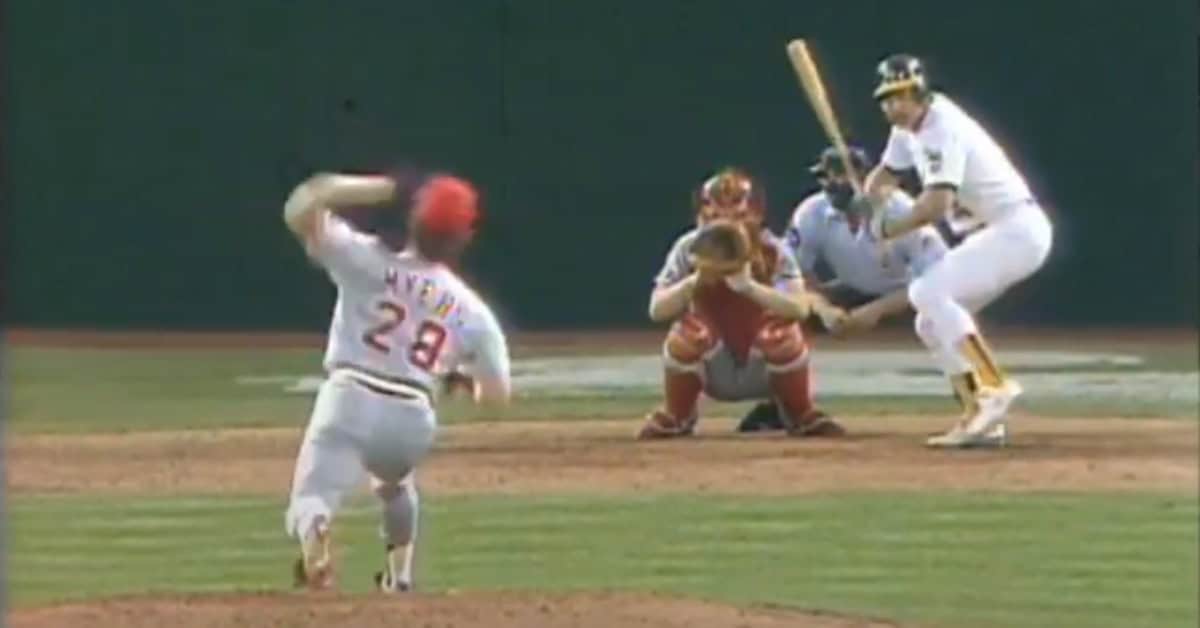
Myers’ intimidating presence and 95-mph fastball made him the perfect closer for a Nasty Boys bullpen that specialized in crushing late-inning Pirates rallies. His ability to slam the door when games got tight gave Cincinnati fans the kind of reliable ninth-inning security that championship teams require.
Ken Griffey Sr.’s Speed That Terrorized Three Rivers Stadium
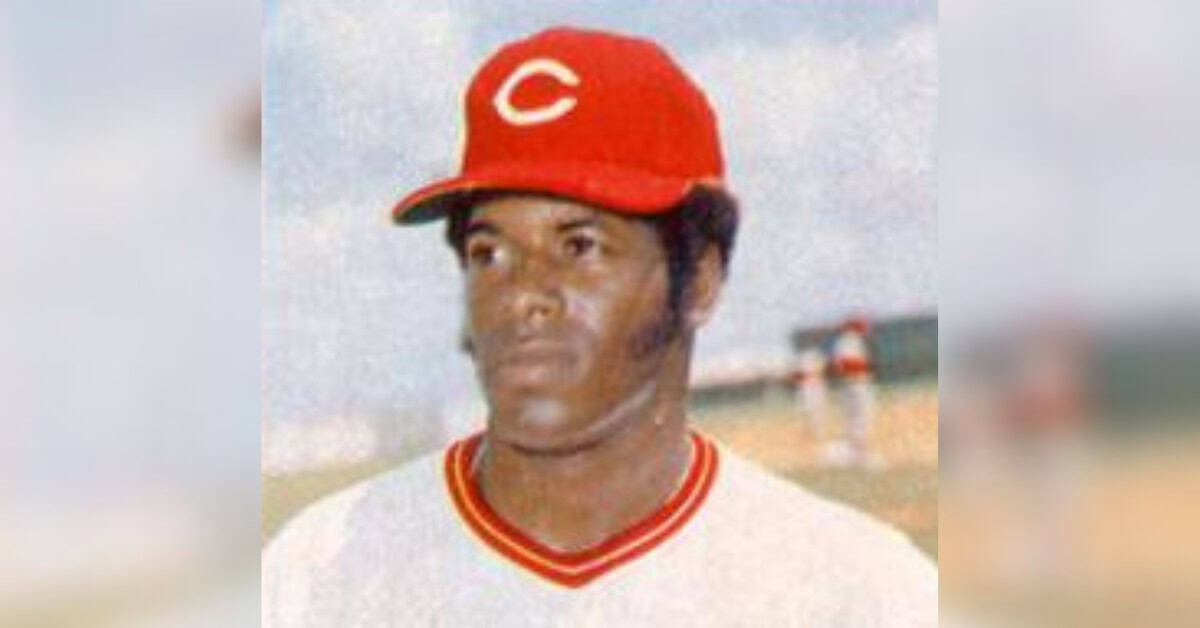
Senior’s blazing speed and aggressive baserunning turned routine singles into doubles and doubles into triples, keeping Pirates pitchers constantly looking over their shoulders. His ability to manufacture runs and disrupt opposing pitchers made him the perfect catalyst for a Big Red Machine that specialized in explosive offensive outbursts.
Al Oliver’s Sweet Swing That Made Both Cities Swoon

Scoop’s smooth stroke and professional approach made him one of the few players who could excel in both Pittsburgh and Cincinnati without losing the respect of either fan base. His ability to hit for average and power while playing solid defense represented the kind of complete player both franchises coveted during their championship pursuits.
Neal Heaton’s Crafty Left Arm That Frustrated Cincinnati
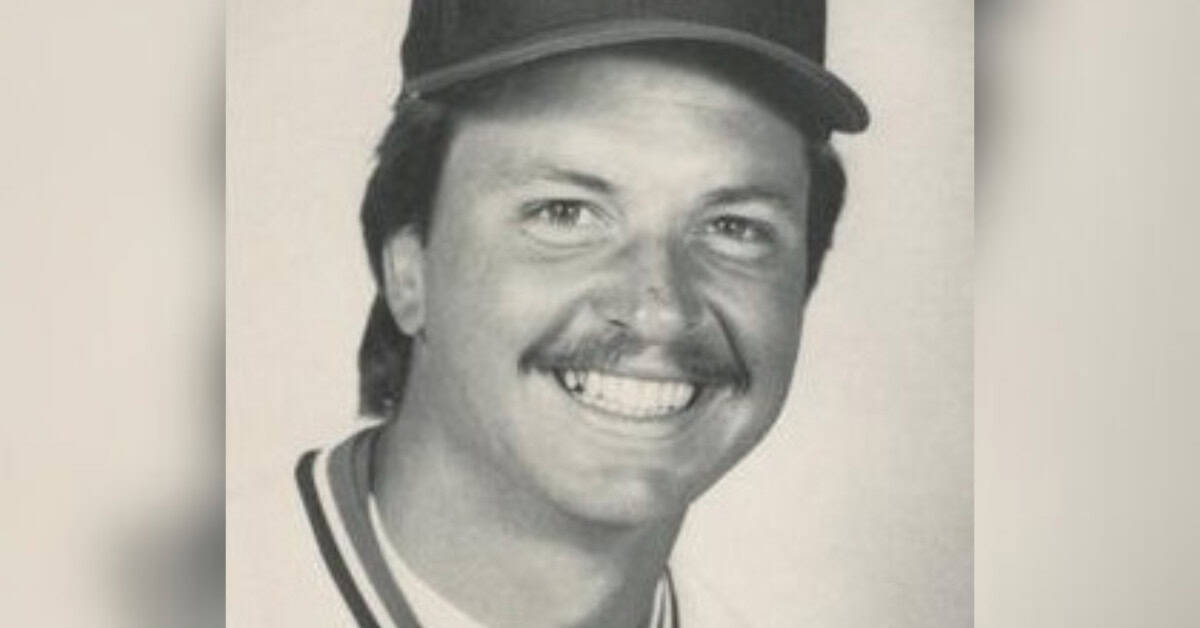
Heaton’s pinpoint control and change of pace kept Reds hitters off balance during an era when Pittsburgh desperately needed reliable starting pitching. His ability to mix speeds and hit his spots made him the kind of crafty lefthander who could frustrate Cincinnati’s aggressive hitters when the Pirates needed to steal a game.
Johnny Bench’s Cannon That Threw Out Pirates Dreams

The greatest catcher in baseball history could throw out baserunners from his knees with such authority that Pirates runners stopped even thinking about stealing second base. Bench’s rocket arm and leadership behind the plate anchored a Big Red Machine that dominated this rivalry for an entire decade, turning Cincinnati into the standard by which all National League teams measured themselves during the sport’s most competitive era.