

Last Updated: June 17th, 2026 by Michael Schatz
The 1950s were baseball’s golden age of center field, when three New York teams boasted legends who could steal your breath and your heart with a single swing or spectacular catch. From the Polo Grounds to Yankee Stadium to Ebbets Field, these were the men who turned center field into an art form.
Don't lose this article. Enter your email below, and I'll send it to you right now. Plus, we'll send you other unbelievable stories from baseball's past.
Willie Mays: The Say Hey Kid Who Made the Impossible Look Routine
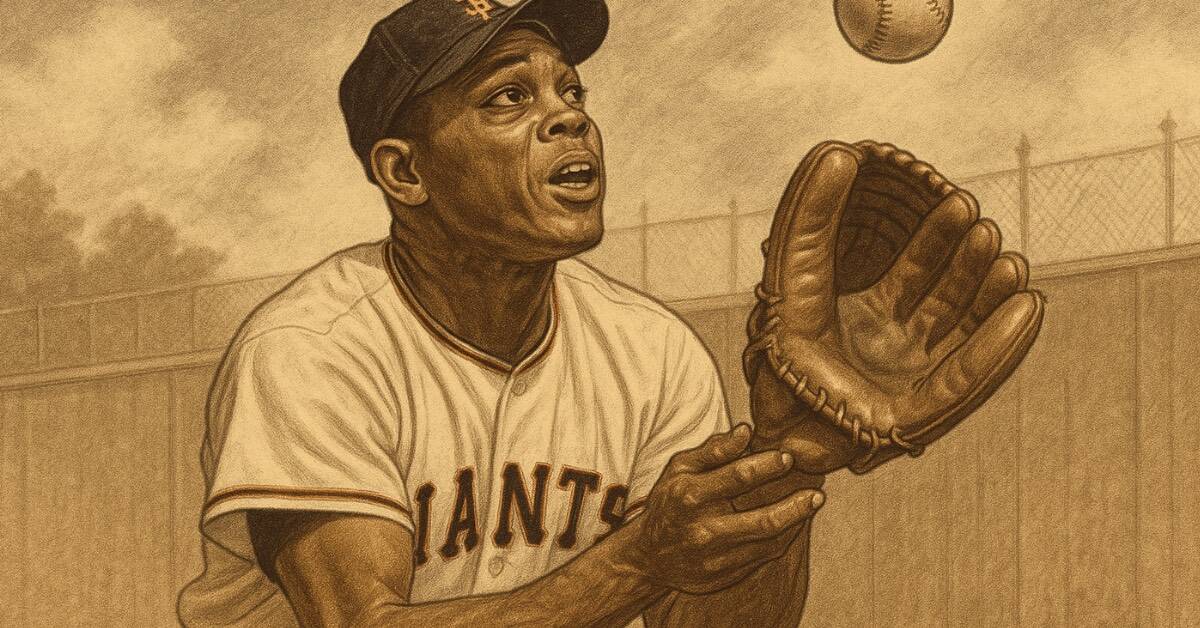
Willie Mays didn’t just play center field—he redefined what was humanly possible on the diamond. His basket catch became as iconic as his infectious “Say Hey!” greeting, while his over-the-shoulder grab in the 1954 World Series remains the most replayed defensive moment in baseball history. In the 1950s alone, Mays hit .319 with 250 home runs, won an MVP award, and made fans believe that gravity was just a suggestion when he patrolled the Polo Grounds’ cavernous outfield.
Mickey Mantle: The Switch-Hitting Wonder with Tape-Measure Power
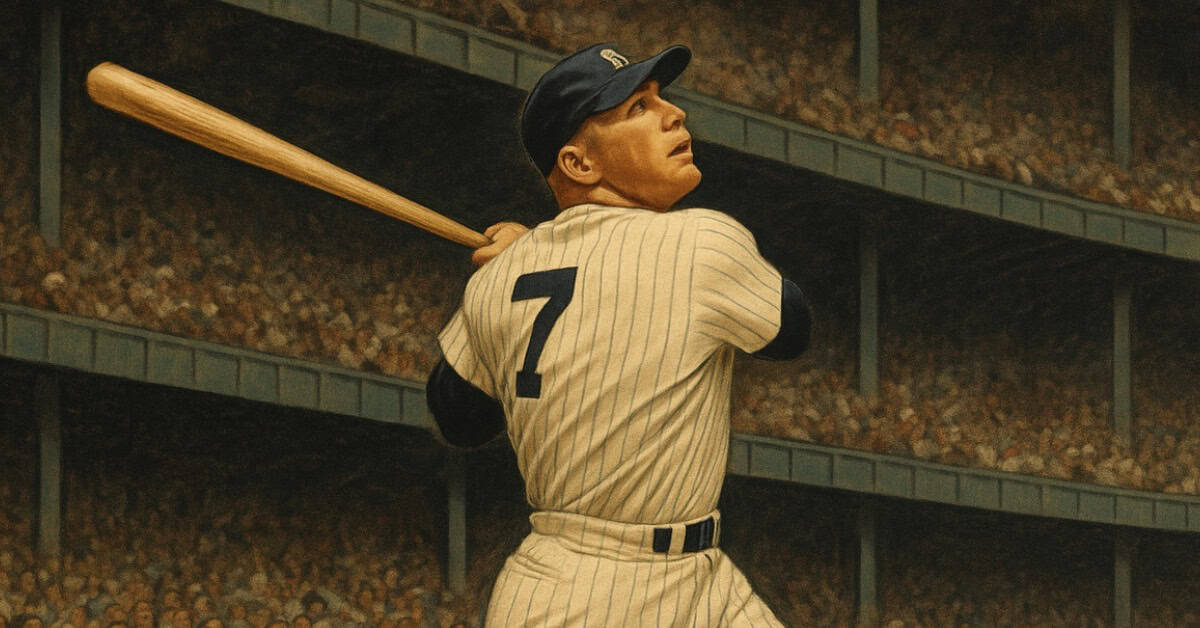
Mickey Mantle was the golden boy who could hit a baseball farther than anyone had a right to, from either side of the plate. His 565-foot blast at Griffith Stadium in 1953 literally created the term “tape-measure home run,” while his blazing speed made him a terror on the basepaths despite playing on legs held together by determination and medical tape. The Mick’s 1956 Triple Crown season (.353, 52 HRs, 130 RBIs) was the crown jewel of a decade where he averaged 31 homers per year and made Yankees fans forget there was ever a Joe DiMaggio.
Duke Snider: Brooklyn’s Silver Fox Who Owned October
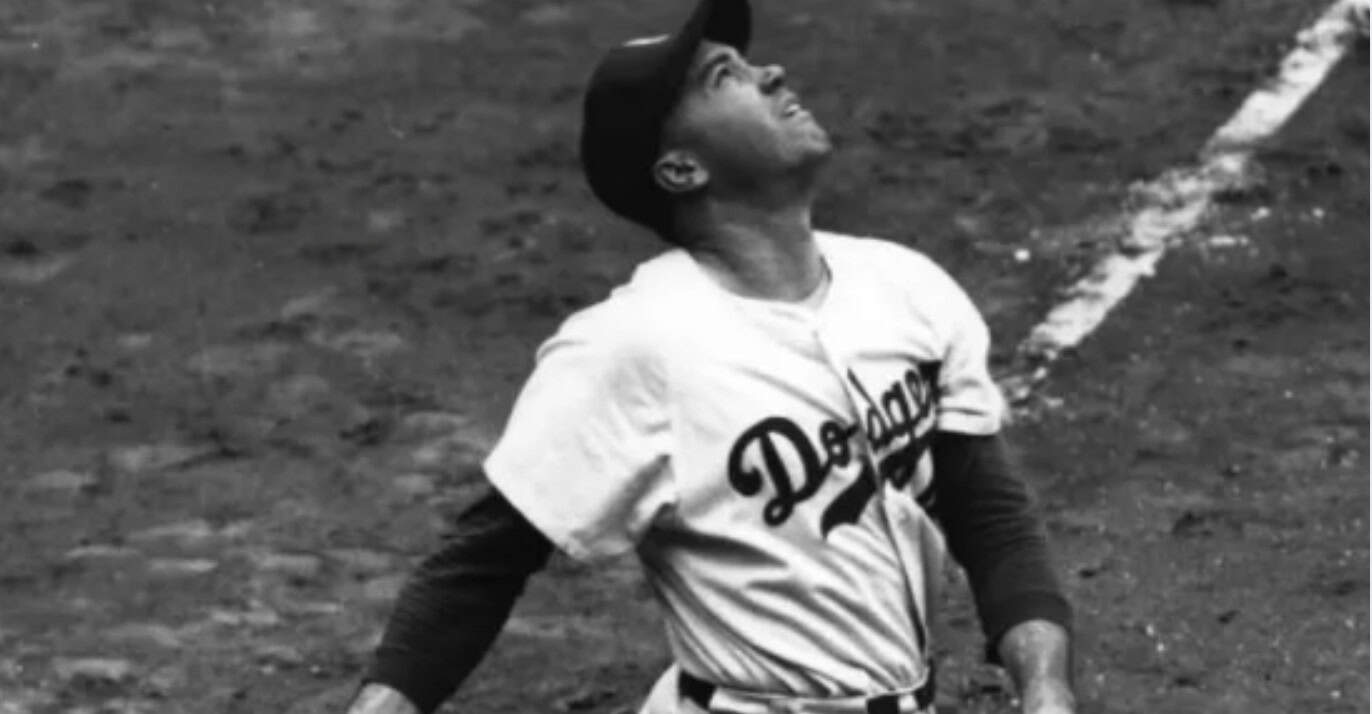
Edwin “Duke” Snider was the left-handed slugger who made Ebbets Field’s cozy right field his personal launching pad, belting 40-plus homers in five straight seasons. The Silver Fox hit 11 World Series home runs, more than anyone else in the 1950s, turning October into his personal showcase while Brooklyn fans argued he was better than Mays or Mantle. His sweet swing and clutch hitting helped the Dodgers finally beat the Yankees in 1955, giving Brooklyn its only World Series championship and cementing Duke’s place in Flatbush folklore forever.
Richie Ashburn: The Speedy Leadoff Man Who Could Cover an Acre
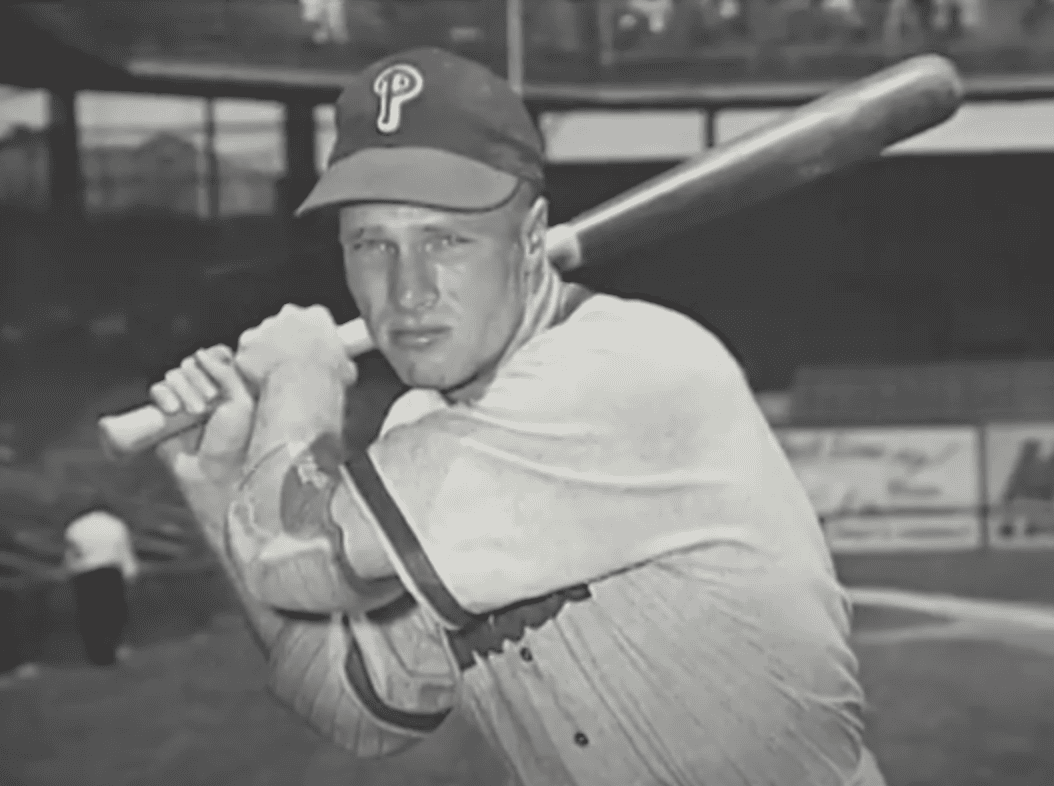
Richie Ashburn was the Nebraska farm boy who turned Shibe Park’s vast center field into his personal kingdom, covering ground like a man possessed and setting the table for Philadelphia’s 1950 Whiz Kids pennant run. “Whitey” won batting titles in 1955 (.338) and 1958 (.350) while leading the league in walks three times, proving that getting on base was an art form worthy of Cooperstown recognition. His defensive presence was legendary—in a famous incident, he hit spectator Alice Roth with two consecutive foul balls in the same at-bat.
Larry Doby: The Quiet Pioneer Who Blazed Trails in Center Field

Larry Doby broke the American League’s color barrier just 11 weeks after Jackie Robinson, but did it with less fanfare and more quiet dignity as he transformed Cleveland’s center field into a launching pad for social change. In 1952, Doby became the first Black player to lead either league in home runs (32), while his clutch hitting helped the Indians to their 1954 pennant. His powerful swing and graceful defense made him a seven-time All-Star, proving that excellence transcends color while paving the way for generations of players who followed his courageous path.
Dom DiMaggio: The Little Professor Who Wore Glasses Like Clark Kent
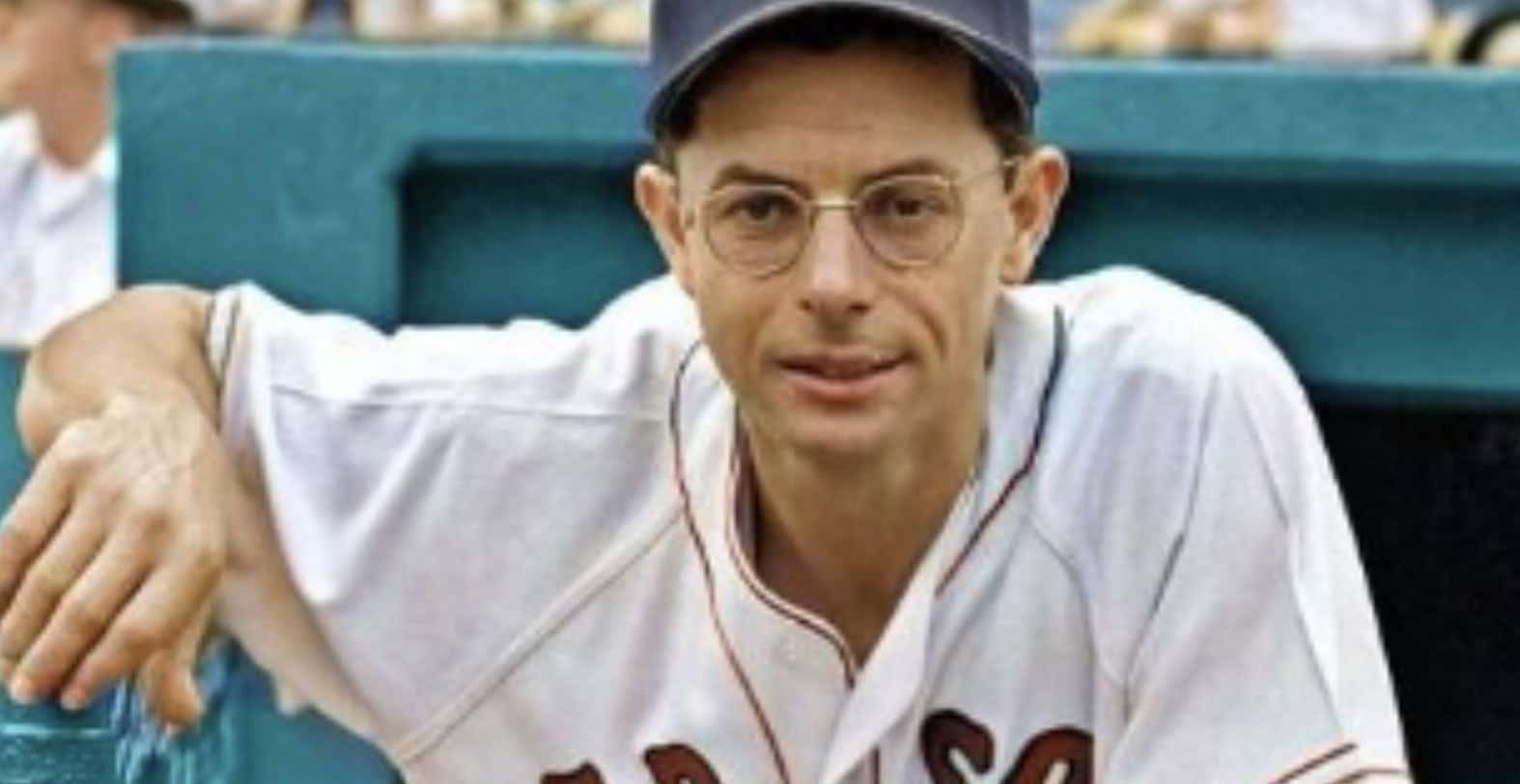
Dom DiMaggio was the bespectacled little brother who proved that brains could triumph over brawn, turning Fenway Park’s tricky center field into his personal classroom for a decade. The “Little Professor” was the only player who could make wire-rimmed glasses look athletic, leading the American League in runs scored twice while hitting .298 lifetime for the Red Sox. His 34-game hitting streak in 1949 is one of the longest in AL history, and his defensive genius and clutch hitting made him the heart of Boston’s lineup throughout the early 1950s.
Jim Piersall: The Colorful Character Who Ran Backwards Around the Bases
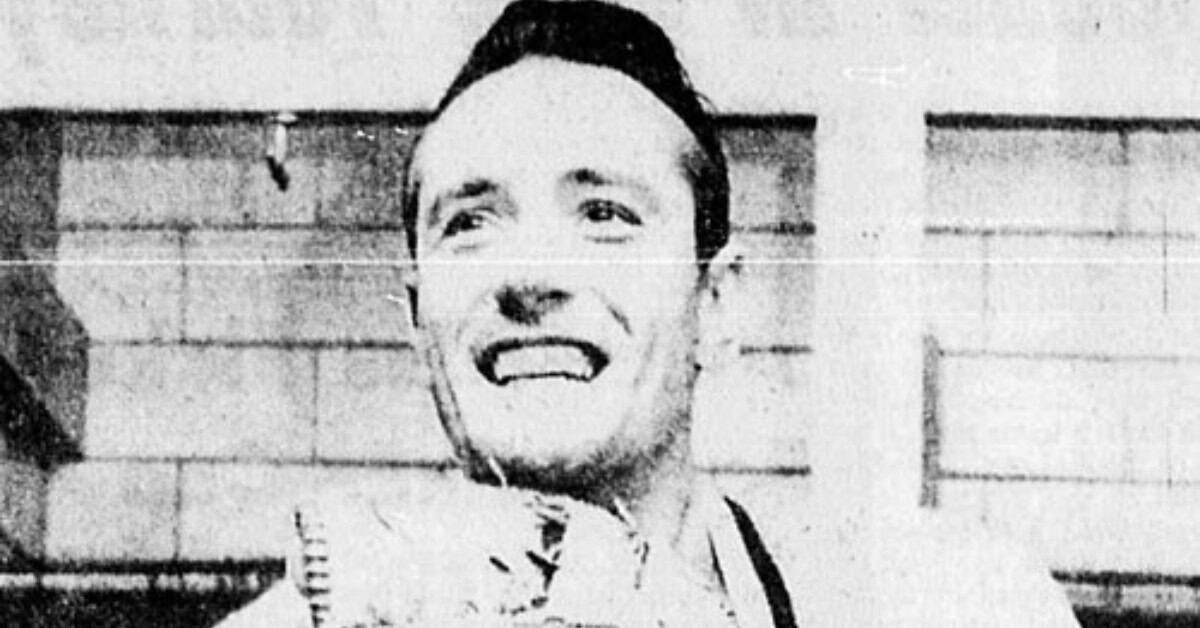
Jim Piersall was baseball’s most unpredictable showman, a defensive wizard whose mental health struggles became public theater but whose talent was undeniable. After hitting his 100th career home run in 1963, Piersall celebrated by running the bases backwards—a stunt that perfectly captured his unique approach to the game. Throughout the 1950s, his acrobatic catches and rifle arm made him one of the game’s premier defensive center fielders, while his battles with bipolar disorder humanized the sport and showed that even heroes could struggle with invisible demons.
Billy Bruton: Milwaukee’s Forgotten Speedster Who Started It All
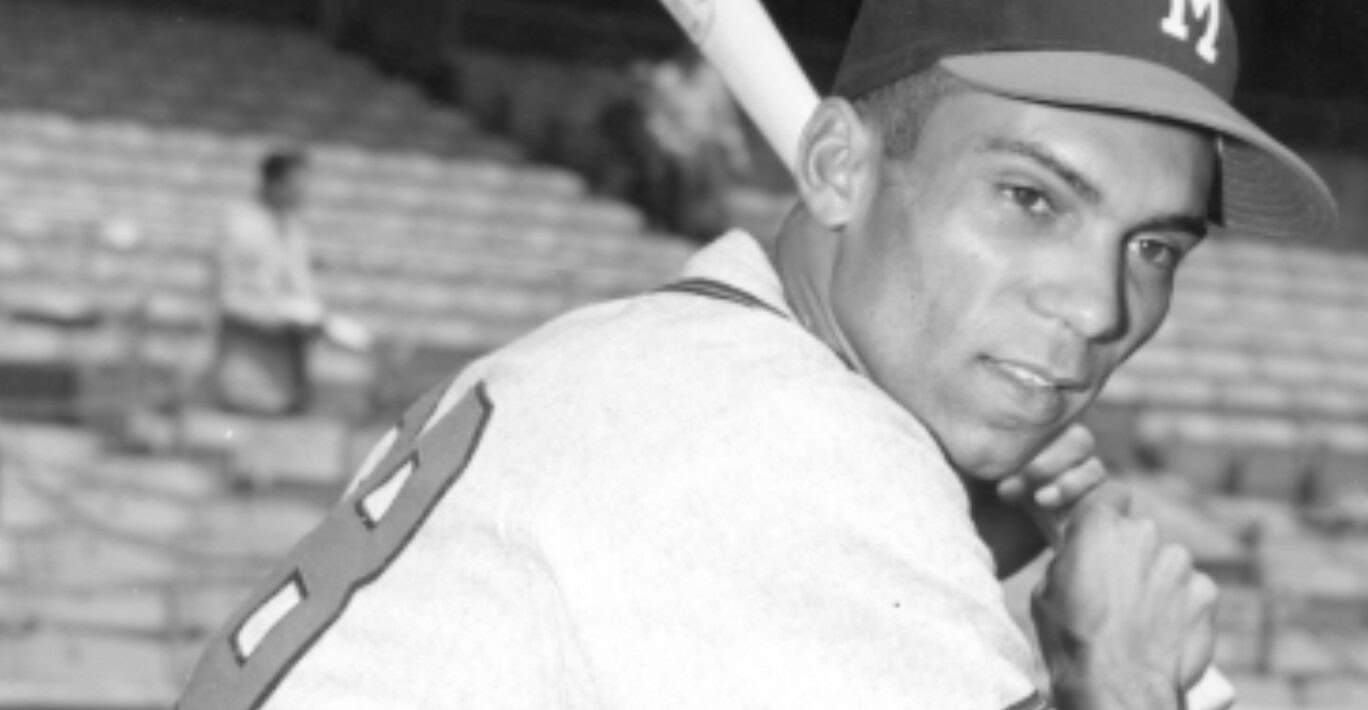
Billy Bruton was the Alabama speedster who became Milwaukee’s first Black player and the catalyst for the Braves’ 1950s renaissance. He led the National League in stolen bases for three straight years (1953-1955) while setting the table for Hank Aaron and Eddie Mathews. His walk-off home run in the 10th inning of the Braves’ first-ever game in Milwaukee in 1953 instantly launched the city’s love affair with baseball, making him the forgotten pioneer who helped bring the major leagues to the heartland.
Sam Jethroe: The Jet Who Finally Got His Major League Shot

Sam “The Jet” Jethroe was already 32 when he finally got his major league chance with the Boston Braves in 1950, but he made up for lost time by becoming the oldest Rookie of the Year winner in National League history. His blazing speed led the NL in stolen bases his first two seasons (35 in both 1950 and 1951), while his gap power and defensive range proved that Negro League stars could compete with anyone. Though his major league career was brief, Jethroe’s dynamic play and infectious smile showed what baseball had been missing during the long years of segregation.
Curt Flood: The Future Revolutionary Who Perfected His Craft

Curt Flood spent the late 1950s honing the defensive skills that would make him the Cardinals’ center field anchor for the next decade. He learned to read balls off the bat like a chess master anticipating moves three steps ahead. His smooth glove work and strong arm were already evident by 1958, when he became St. Louis’ regular center fielder and began the journey toward seven Gold Gloves. Though his historic challenge to baseball’s reserve clause was still years away, a young Flood was already displaying the intelligence and determination that would eventually change the game forever.
Gus Bell: Cincinnati’s Steady Star Who Did Everything Well

Gus Bell was the reliable heart of Cincinnati’s lineup throughout the 1950s, a four-time All-Star who combined solid defense with consistent offensive production. Bell averaged 20 home runs and 89 RBIs per season during the decade, providing the steady leadership that kept the Reds competitive. His smooth swing and professional approach made him the kind of player managers loved—dependable, durable, and always ready to come through in clutch situations when his team needed him most.
Minnie Minoso: The Cuban Comet Who Brought Flair to the Outfield
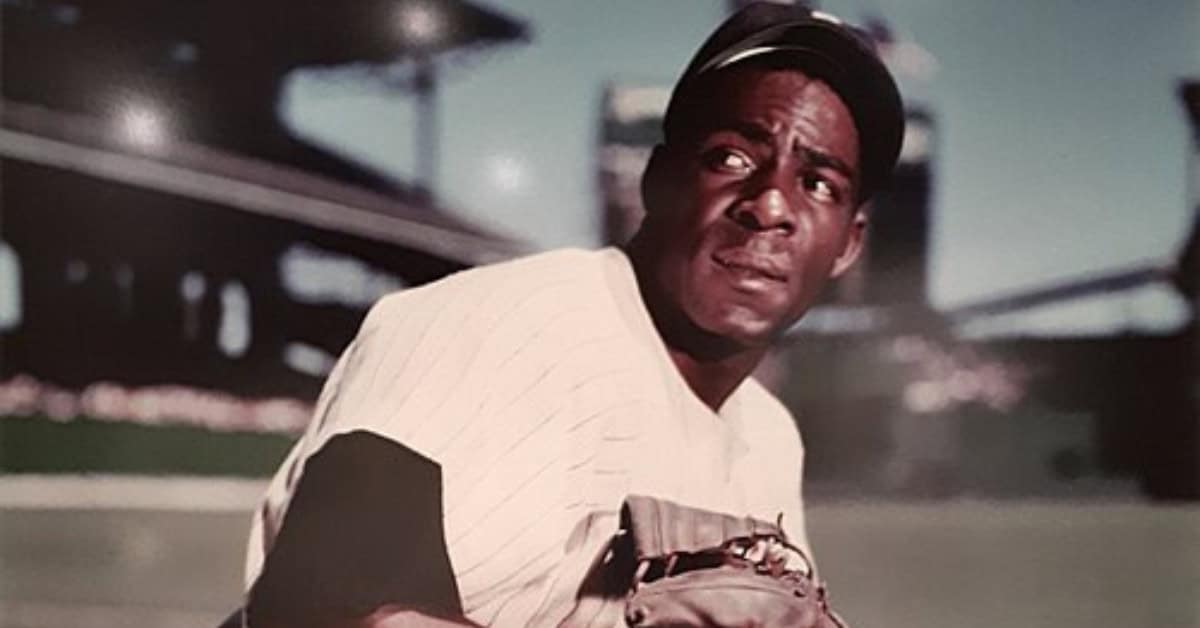
Minnie Minoso was the Cuban sensation who brought Latin flair to Chicago’s South Side, becoming the first Black player in White Sox history while dazzling fans with his aggressive baserunning and infectious enthusiasm. “Mr. White Sox” led the American League in triples and stolen bases three times each during the 1950s, turning routine singles into doubles with his daring and never-say-die attitude. His willingness to crowd the plate made him a frequent hit-by-pitch victim, but Minoso wore those bruises like badges of honor, proving that passion could overcome any barrier.
Jackie Jensen: The Two-Sport Star Who Chose Baseball Over Football

Jackie Jensen was the former California football star who traded his cleats for spikes and became one of the American League’s most feared RBI men, despite a crippling fear of flying that made road trips an ordeal. The 1958 AL MVP drove in 100-plus runs five times during the decade, using his football-honed athleticism to cover ground in the outfield and drive balls into the gaps. His fear of air travel eventually shortened his career, but Jensen’s combination of power, speed, and defensive ability made him the prototype for the modern five-tool player.
Al Kaline: Detroit’s Young Phenom Who Made It Look Effortless
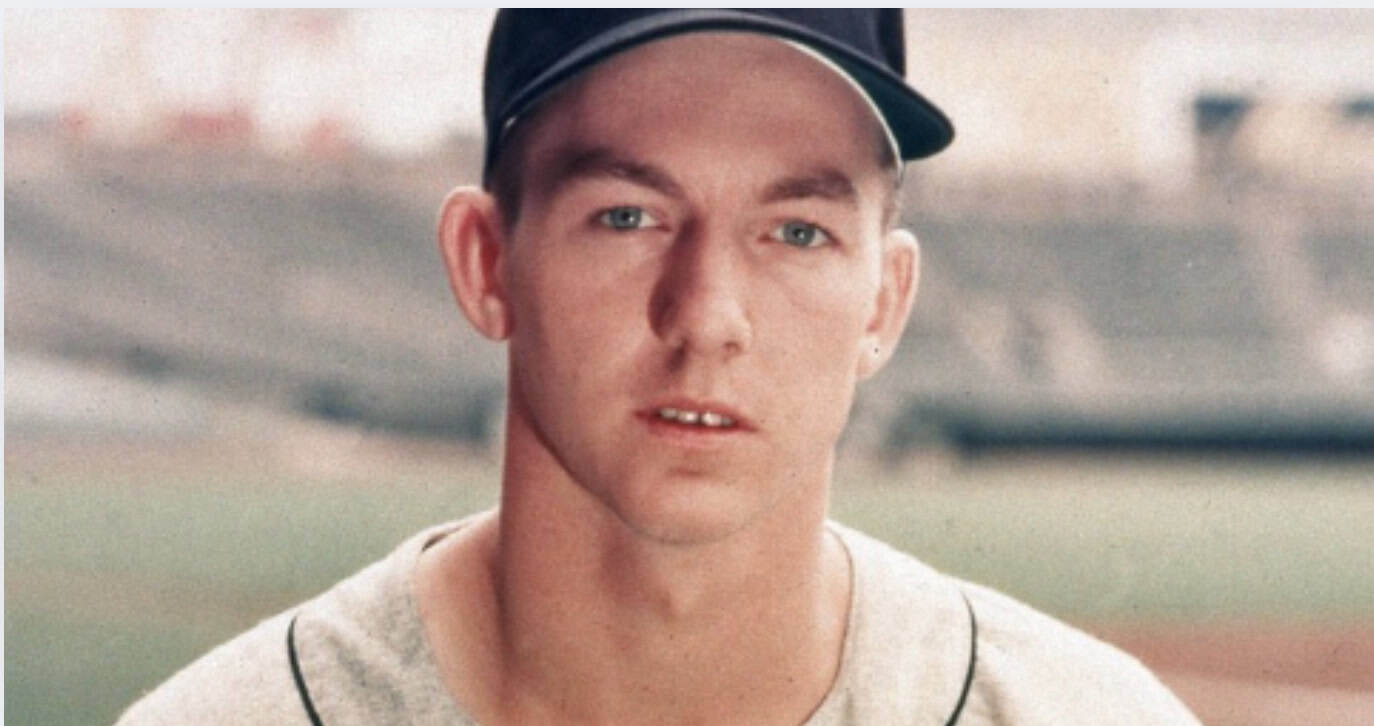
Al Kaline was the teenage sensation who signed with Detroit straight out of high school and proceeded to make major league baseball look casual. At just 20 years old in 1955, Kaline became the youngest player ever to win a batting title (.340), displaying the smooth swing and rocket arm that would define excellence in Detroit for the next two decades. His picture-perfect mechanics and quiet professionalism made him the anti-Mantle. Where Mickey was raw power and drama, Kaline was pure technique and grace, proving that sometimes the best way to stand out is to make everything look impossibly easy.
Enos Slaughter: The Country Hardball Hustler Who Never Stopped Running
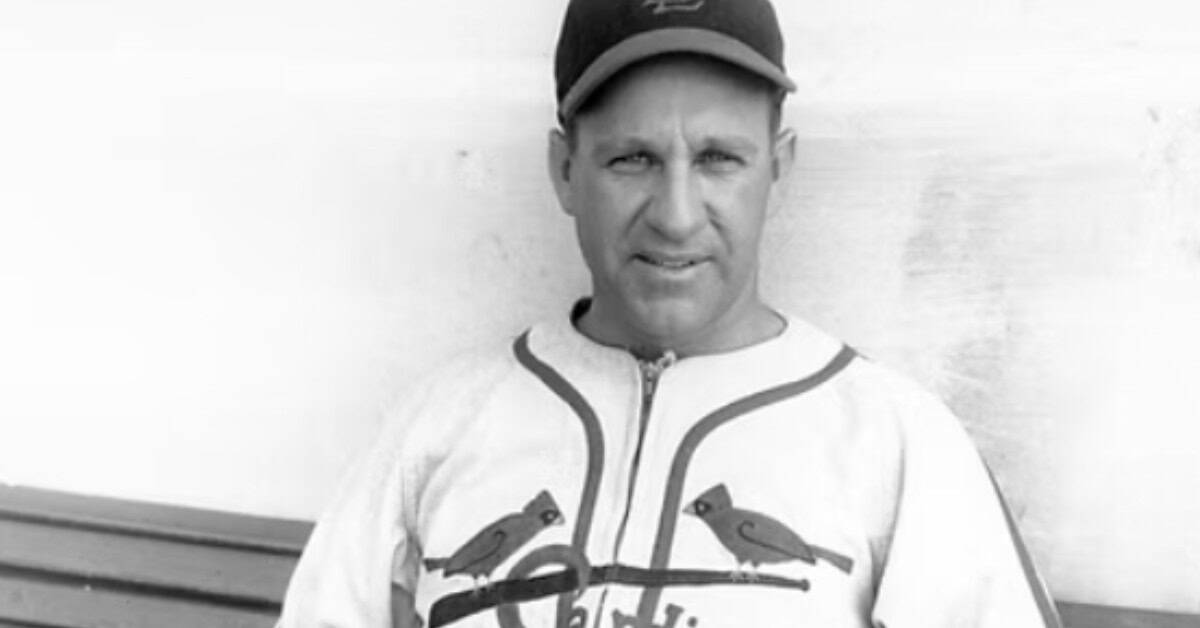
Enos “Country” Slaughter was the North Carolina farm boy who played every game like his life depended on it, running out routine grounders with the same intensity he brought to his famous “Mad Dash” home in the 1946 World Series. Though he spent most of the 1950s as a right fielder, Slaughter’s occasional center field appearances showcased the hustle and baseball intelligence that made him a Cardinals legend. His relentless motor and competitive fire proved that heart could triumph over pure athleticism, turning every at-bat into a personal battle and every play into a lesson on how the game should be played.