

Last Updated: June 17th, 2026 by Michael Schatz
Before SportsCenter highlights and social media clips, center fielders in the 1960s were poetry in motion on sun-baked diamonds, chasing down fly balls with the grace of gazelles and the determination of hunting dogs. These were the men who patrolled the vast expanses of center field when baseball was still America’s undisputed pastime, their gloves and bats writing stories that echoed through stadium corridors long after the final out.
Don't lose this article. Enter your email below, and I'll send it to you right now. Plus, we'll send you other unbelievable stories from baseball's past.
Willie Mays: The Say Hey Kid Who Made Catches Look Like Poetry
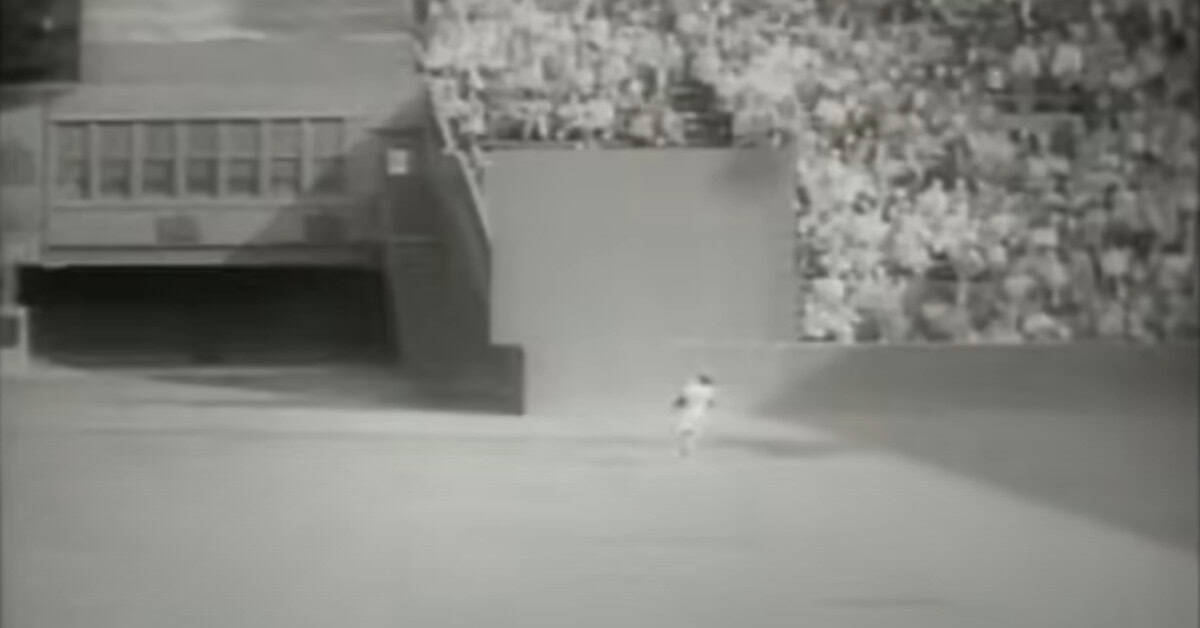
The Say Hey Kid didn’t just play center field—he choreographed it, turning routine fly balls into ballet and impossible catches into legend. His over-the-shoulder grab in the 1954 World Series became “The Catch,” but throughout the 1960s, Mays continued redefining what was possible, hitting a remarkable 52 home runs in 1965 at age 34. With his basket catches, lightning speed, and that infectious smile, Willie Mays made every game feel like a celebration of what baseball could be.
Mickey Mantle: The Switch-Hitting Thunder Who Played Through Pain

The Commerce Comet spent the 1960s battling his own body as much as opposing pitchers, his knees wrapped in more tape than a mummy’s tomb. Yet Mantle still managed to belt 256 home runs during the decade while patrolling center field for the Yankees with grit and determination. His switch-hitting power was so legendary that fans would arrive early just to watch batting practice, hoping to witness another moonshot that defied both physics and human possibility.
Vada Pinson: The Forgotten Speed Demon of Cincinnati

While everyone was watching Mays and Mantle, Vada Pinson was quietly putting together a Hall of Fame-worthy career in Cincinnati, leading the National League in hits twice during the 1960s. His 1961 season featured 208 hits, 16 home runs, and 23 stolen bases—numbers that would make modern players envious. Pinson covered center field at Crosley Field like a man who knew every blade of grass personally, turning doubles into outs with casual efficiency.
Curt Flood: The Cardinals’ Acrobat Who Changed Baseball Forever

Flood turned center field into his personal art gallery, painting masterpieces with his glove while helping the Cardinals win World Series titles in 1964 and 1967. His defensive prowess was so legendary that opposing batters would actually aim away from center field, knowing anything hit his direction was likely to end up in his glove. Beyond his seven Gold Gloves, Flood’s challenge to baseball’s reserve clause in 1969 would eventually lead to free agency, proving he was as revolutionary off the field as he was graceful on it.
Willie Davis: The Dodgers’ Dashing Speedster
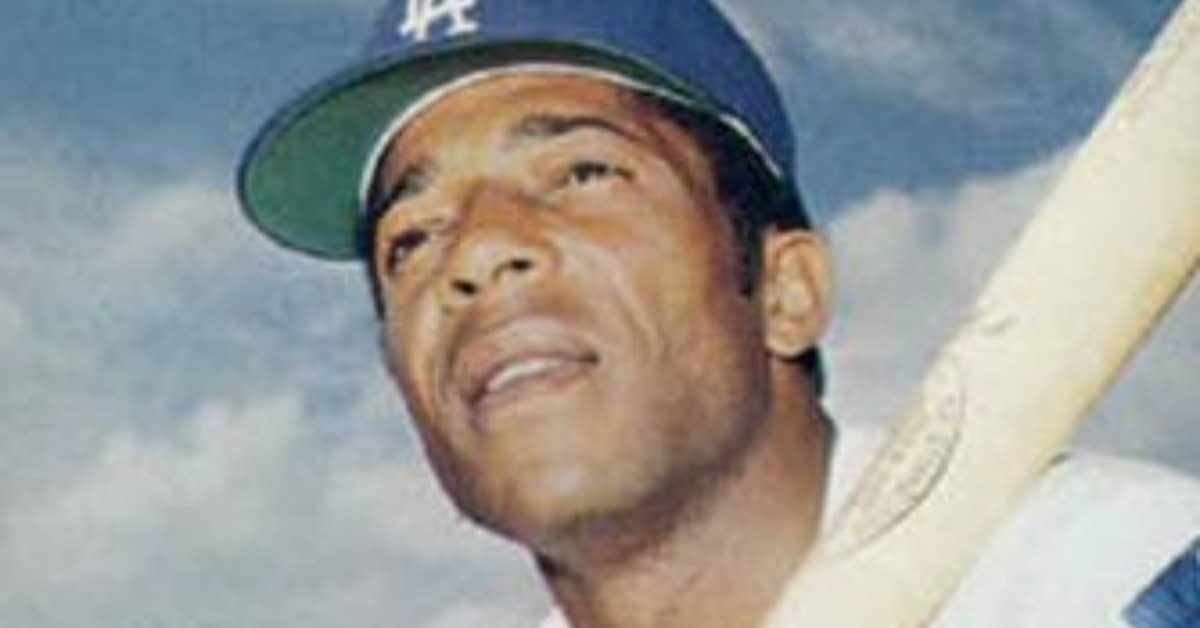
Davis patrolled the vast expanse of Dodger Stadium’s center field like a man with jet engines in his cleats, consistently ranking among the league leaders in stolen bases. His speed was so legendary that pitchers would break into a cold sweat just watching him take a lead. Unfortunately, his three errors in a single inning of the 1966 World Series often overshadowed a brilliant career that included over 2,500 hits and three Gold Glove awards.
Jim Landis: The White Sox Vacuum Cleaner in Center
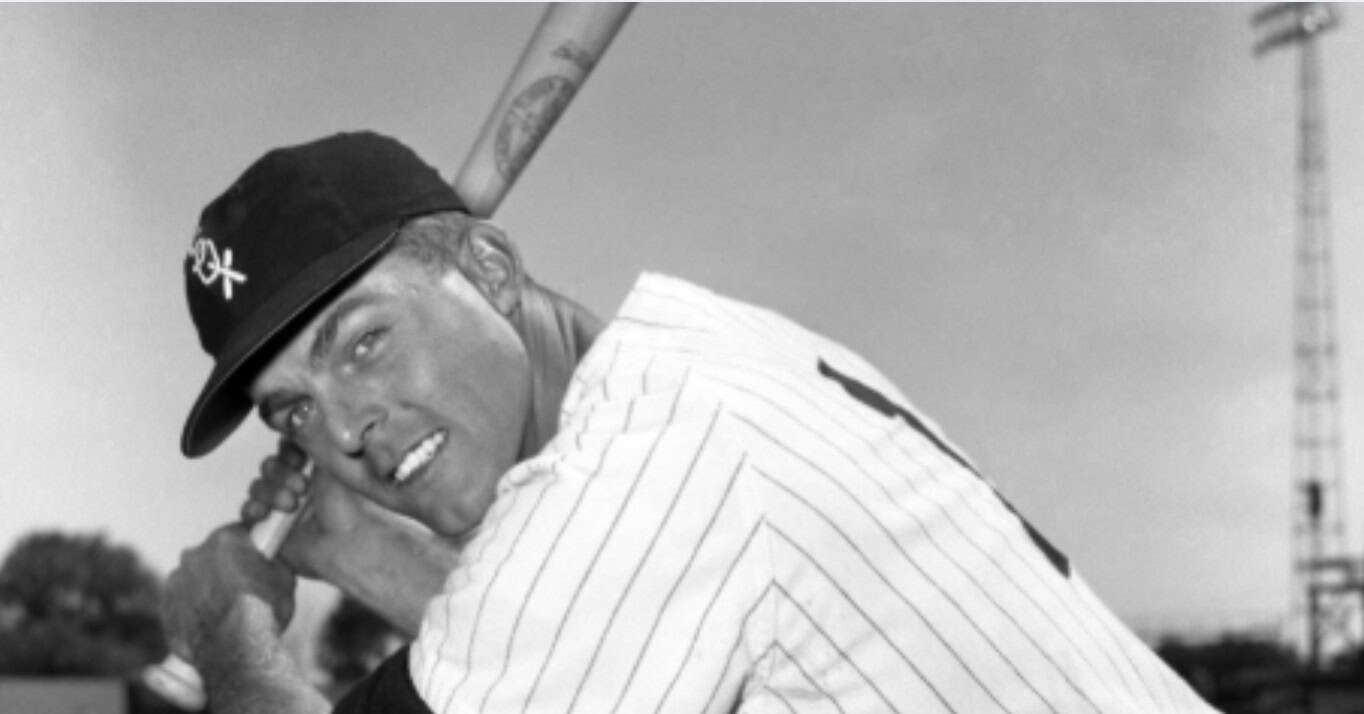
Landis turned Comiskey Park’s center field into a no-fly zone, winning five consecutive Gold Gloves from 1960-1964 and making catches that defied gravity. His defensive range was so extraordinary that White Sox pitchers would challenge hitters to hit it to center, knowing Landis would somehow track it down. While his bat never quite matched his glove, watching Landis patrol center field was like witnessing a master craftsman at work, turning impossible plays into routine outs.
Tommie Agee: The Miracle Met Who Saved the ’69 Season
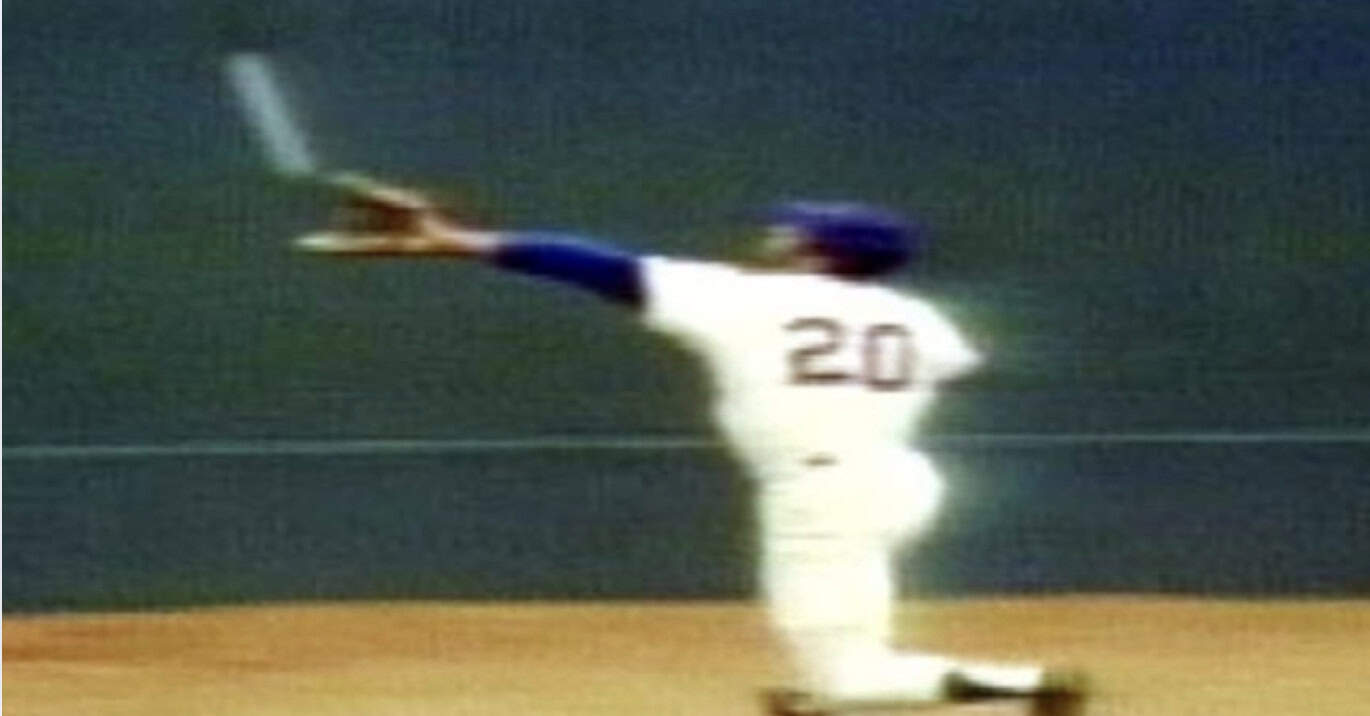
Agee’s two spectacular catches in Game 3 of the 1969 World Series saved at least five runs and helped transform the “Amazin’ Mets” from lovable losers into champions. His diving catch against Baltimore’s Elrod Hendricks and his running grab of Paul Blair’s liner were the kind of defensive gems that legends are built on. Those two catches in October 1969 secured his place in baseball immortality and proved that sometimes one game can define an entire career.
Paul Blair: Baltimore’s Human Highlight Reel
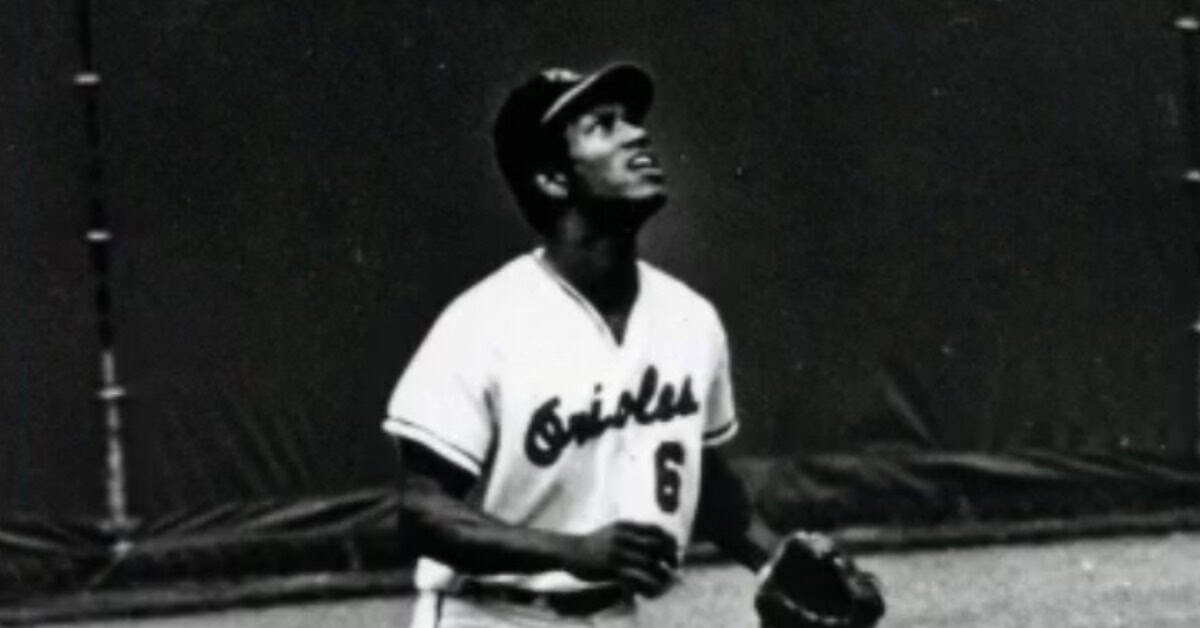
Blair turned Memorial Stadium’s center field into his personal kingdom, winning eight Gold Gloves and making catches that left opposing hitters shaking their heads in disbelief. His defensive instincts were so sharp that he seemed to know where the ball was going before the batter even swung. During the Orioles’ dominant late-1960s run, Blair’s glove was as crucial as Frank Robinson’s bat, turning potential rallies into inning-ending outs and giving Baltimore pitchers the confidence to challenge any hitter.
Rick Monday: The Cubs’ Golden Boy
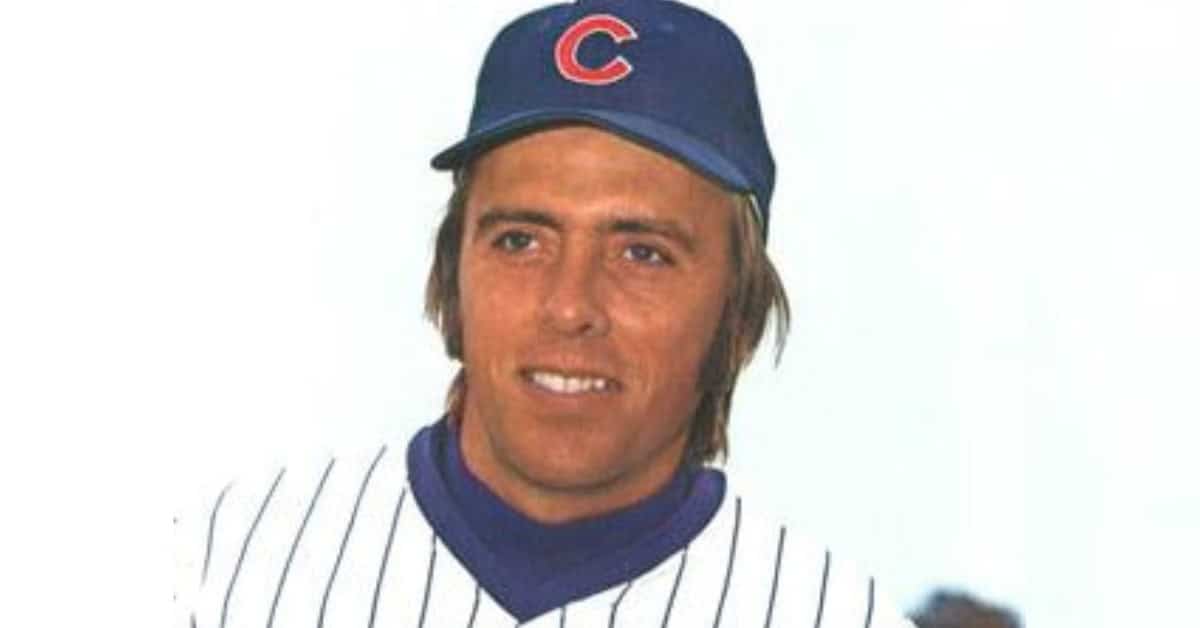
The first player ever selected in the amateur draft, Monday arrived in Chicago with expectations heavier than a Lake Michigan fog. While he never quite became the superstar everyone predicted, Monday was a solid center fielder who could turn on a fastball and send it screaming into the Wrigley Field bleachers. His most famous moment would come later when he saved an American flag from being burned, but Cubs fans in the 1960s knew him as a dependable player with intriguing potential.
Jimmy Wynn: The Toy Cannon Who Packed Big Power in a Small Frame

Standing just 5’9″ but swinging like a man twice his size, Wynn terrorized National League pitchers from the spacious confines of the Astrodome, where his home runs seemed to defy the ballpark’s pitcher-friendly dimensions. The Toy Cannon led the Astros in home runs six times during the 1960s, turning at-bats into highlight reels with his compact swing and surprising power. His ability to draw walks made him even more dangerous, as pitchers learned that challenging Wynn was like playing with dynamite.
Cesar Tovar: The Twins’ Swiss Army Knife
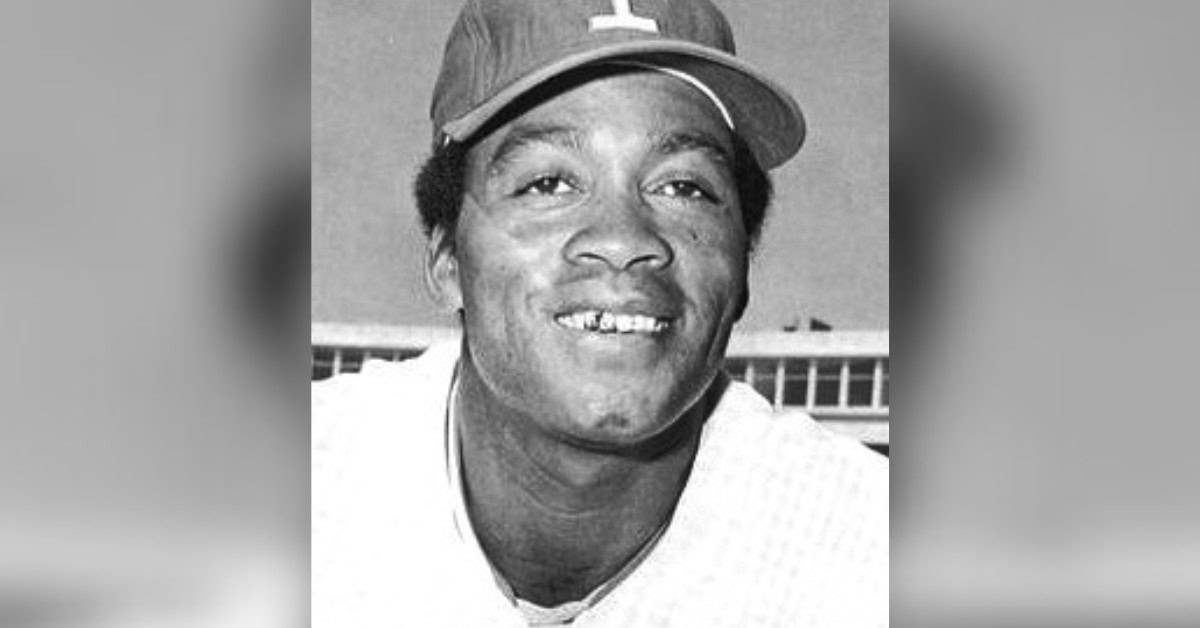
Tovar could play any position on the field with casual competence, but he made center field his primary home while terrorizing American League pitchers with his speed and contact hitting. His 1967 season featured 6 triples, 6 home runs, and 19 stolen bases, numbers that captured his all-around excellence and ability to impact games in multiple ways. Watching Tovar play was like watching a master craftsman who refused to specialize, bringing the same intensity and skill to every position he played.
Don Buford: The Orioles’ Pesky Leadoff Lightning Rod
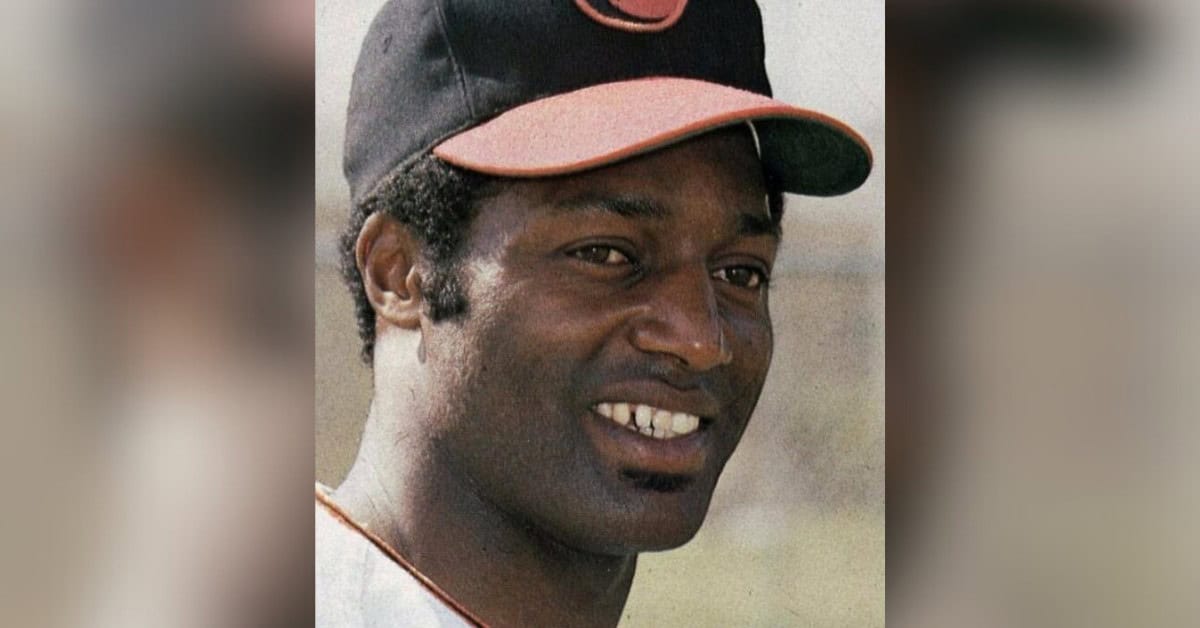
Buford turned the leadoff spot into an art form, working counts like a chess master and drawing walks with the patience of a saint. His ability to get on base and create havoc made him the perfect catalyst for Baltimore’s powerful lineup, setting the table for sluggers like Frank Robinson and Boog Powell. When Buford stepped into the batter’s box, opposing pitchers knew they were in for a battle, as he would foul off pitch after pitch until he found something he could drive to start another Orioles rally.
Reggie Smith: Boston’s Underrated Two-Way Threat

Smith combined the defensive instincts of a seasoned veteran with a bat that could turn any at-bat into a game-changer, making him one of the most complete players in baseball during the late 1960s. His switch-hitting ability and powerful arm made him a constant threat both at the plate and in the field, where he covered Fenway Park’s quirky center field with confidence. While playing in the shadow of Carl Yastrzemski, Smith quietly put together the kind of all-around excellence that would make him a star on most other teams.
Willie Crawford: The Dodgers’ Patient Prospect
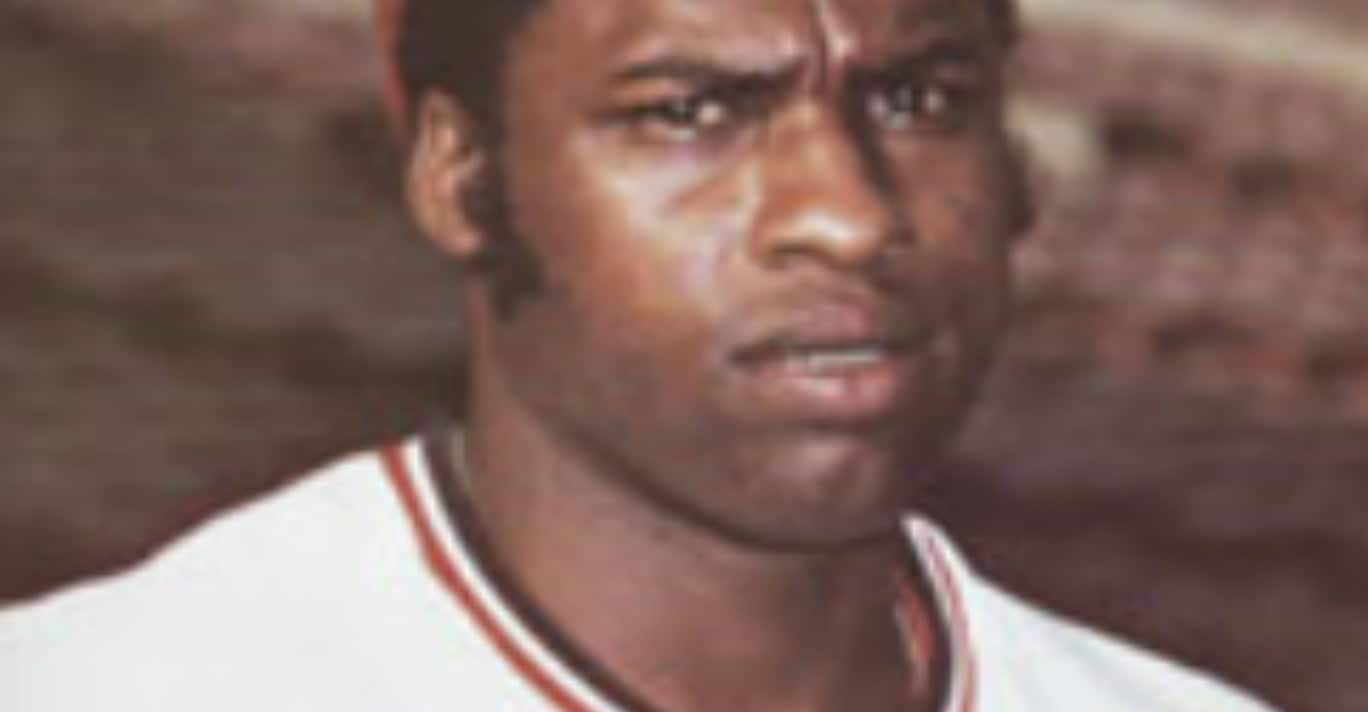
Crawford spent most of the 1960s developing his skills in the Dodgers’ system, showing flashes of the speed and power that would make him a solid major league player in the following decade. His patient approach at the plate and natural athleticism made him a favorite of scouts who saw potential for both power and speed. While he didn’t break through as a regular until the 1970s, Crawford’s late-1960s appearances gave Dodgers fans glimpses of a player who could contribute in multiple ways.
Matty Alou: The Contact King Who Slapped His Way to Glory
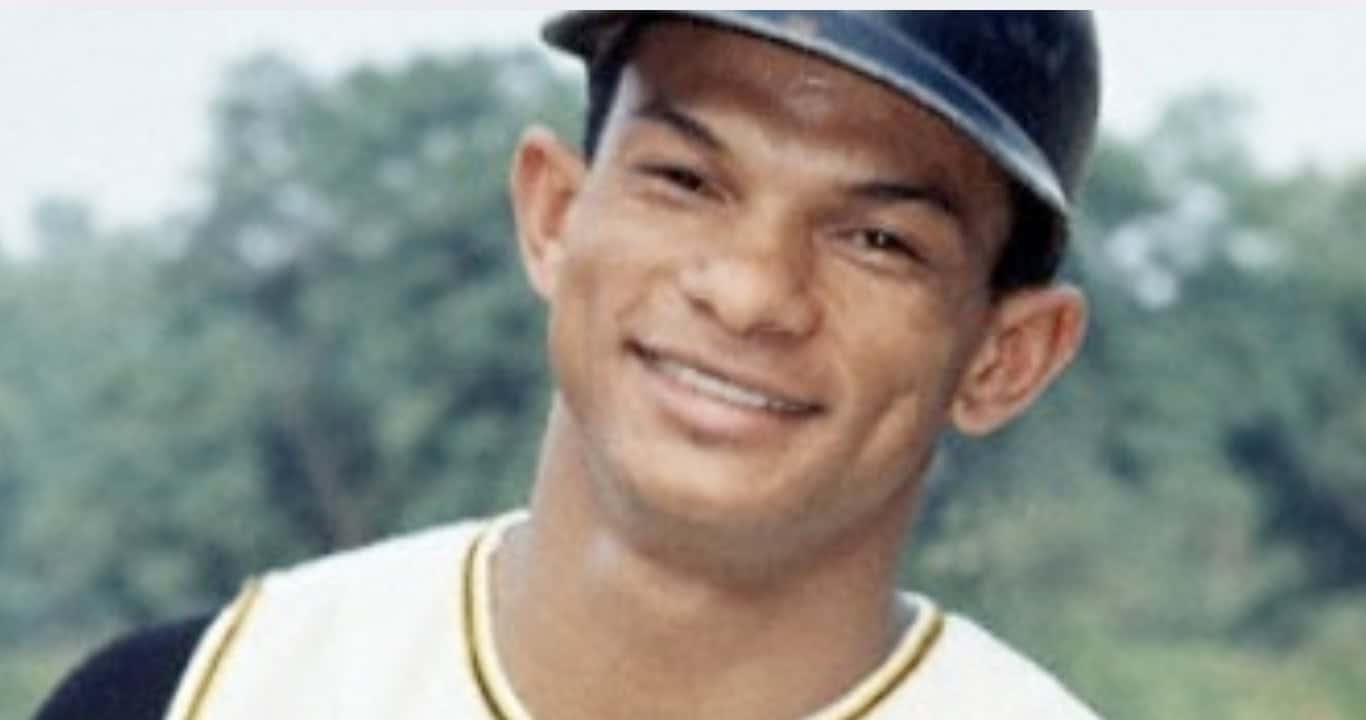
Alou turned hitting into a precision art form, spraying line drives all over the field and winning the 1966 National League batting title with a .342 average. His approach was pure poetry—no wasted movement, no unnecessary power swings, just pure contact and the ability to find holes in the defense with surgical precision. While his brothers Felipe and Jesús got more attention, Matty quietly put together one of the most impressive hitting displays of the decade, proving that sometimes the sweetest swing belongs to the most unassuming player.
Bobby Tolan: The Reds’ Stolen Base Artist
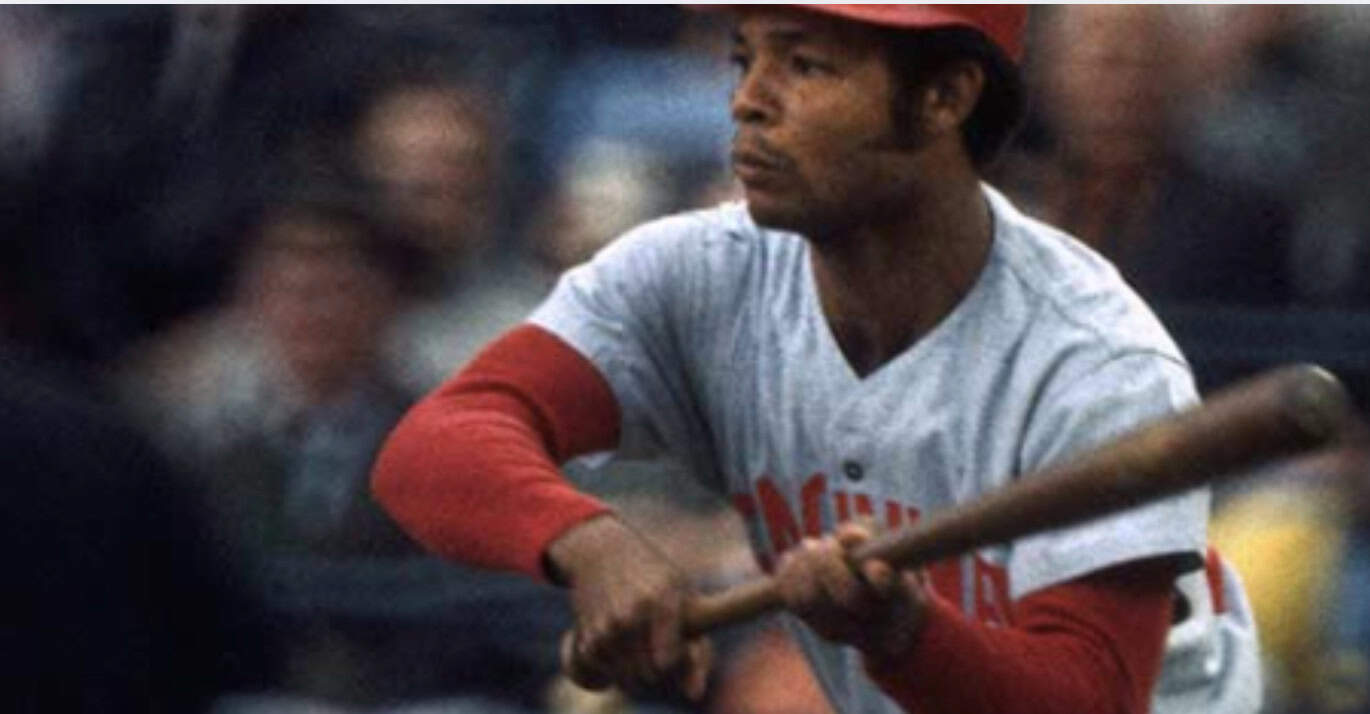
Tolan arrived in Cincinnati near the end of the 1960s with speed that made catchers break into cold sweats. His ability to turn singles into doubles made him a constant threat on the basepaths, where his intelligence and instincts were as dangerous as his pure speed. While his greatest success would come in the 1970s as part of the Big Red Machine, Tolan’s late-1960s emergence gave Reds fans a preview of the excitement and energy that would help define their championship teams.
Jim Northrup: Detroit’s Clutch October Hero
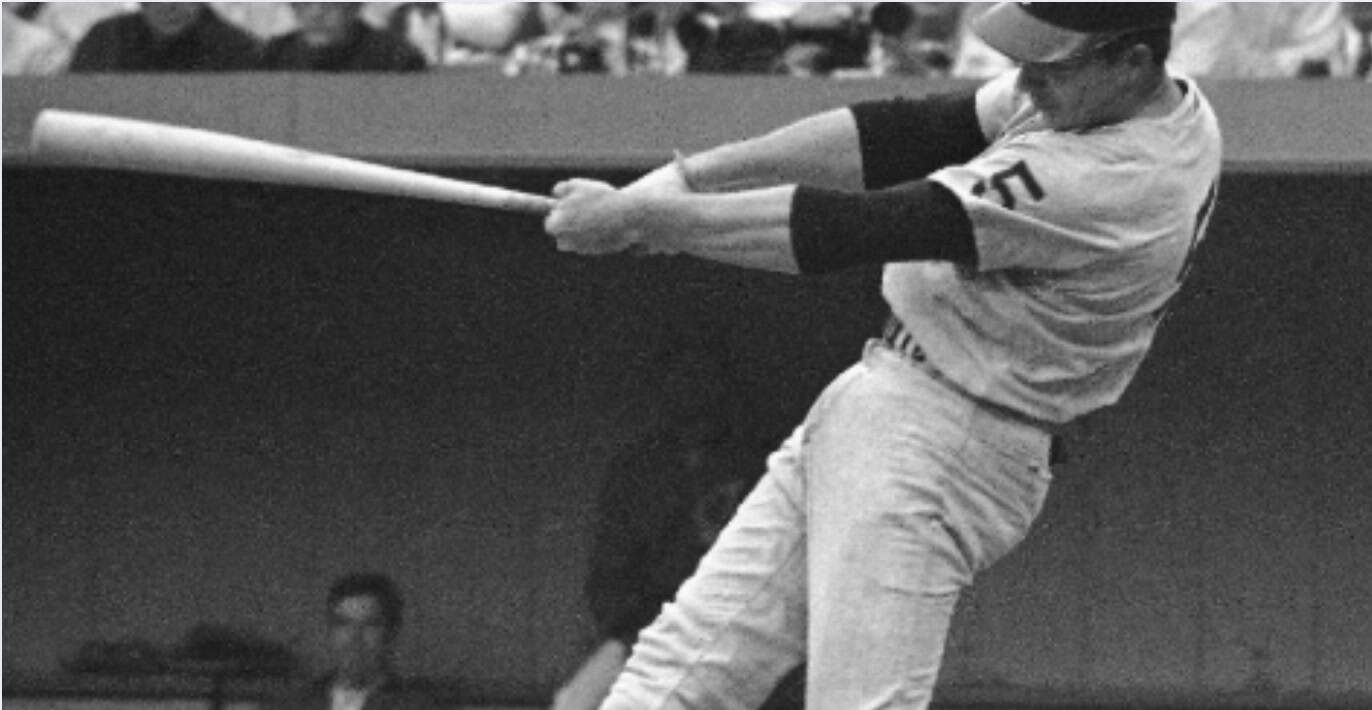
Northrup saved his best for when it mattered most, delivering clutch hits throughout Detroit’s magical 1968 championship season. His go-ahead, two-run triple in the seventh inning of Game 7 of the 1968 World Series helped the Tigers complete their comeback against the Cardinals, turning him into an instant legend in the Motor City. While he may not have been the flashiest player, Northrup had the rare ability to deliver in pressure situations, making him exactly the kind of player championship teams are built around.
Ken Berry: The Angels’ Defensive Wizard

Berry turned center field into his personal laboratory, mastering every possible way to track down a fly ball. His defensive instincts were so sharp that he seemed to anticipate where the ball would be hit before the pitcher even released it. While his bat never quite matched his glove, watching Berry patrol center field was like witnessing a master class in defensive positioning and route-running, as he consistently turned potential extra-base hits into routine outs.
Tony Gonzalez: The Phillies’ Steady Eddie
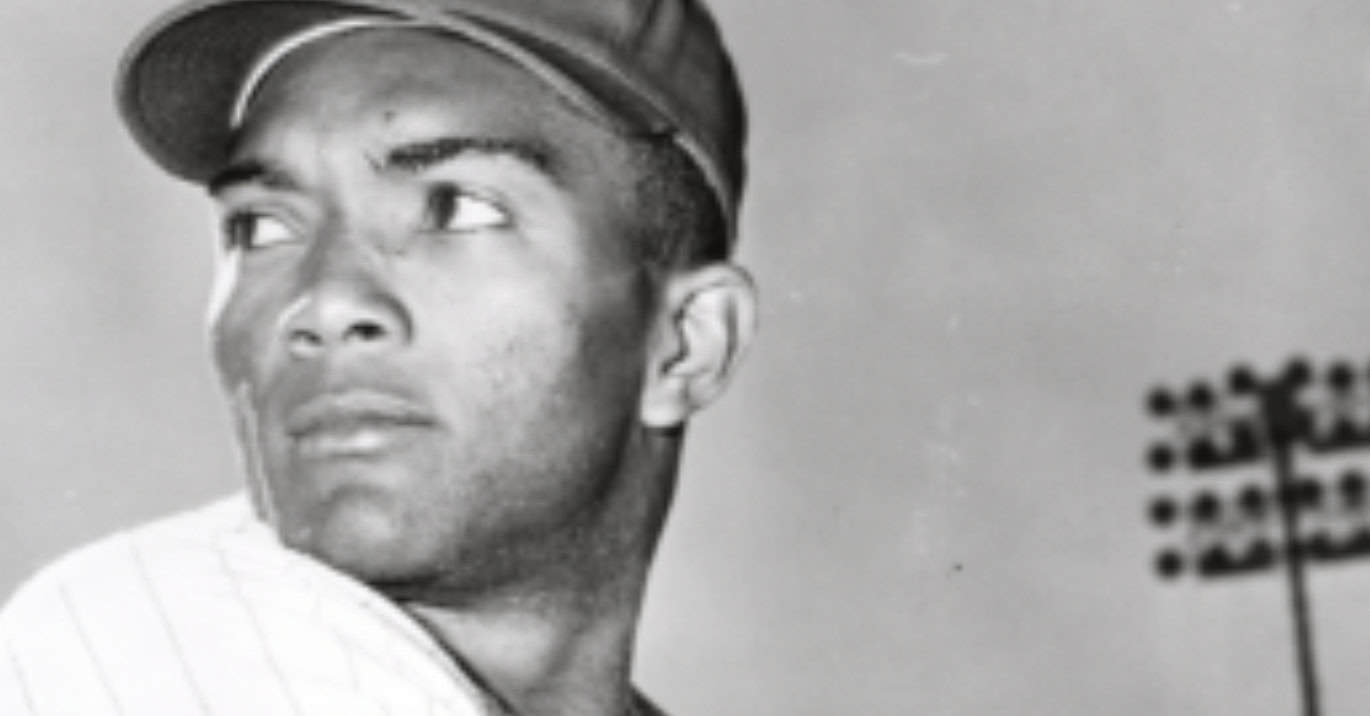
Gonzalez brought a quiet consistency that championship teams are built upon. He was never spectacular but always reliable, like a favorite uncle who shows up to every family gathering. His steady glove and decent bat made him the perfect complement to more flashy teammates, providing the solid foundation that allows other players to take risks. In a decade filled with superstars, Gonzalez represented the unsung heroes who make baseball teams function, proving that valuable contributions come from players who simply do their jobs with quiet excellence.
Mack Jones: The Braves’ Home Run Happy Journeyman
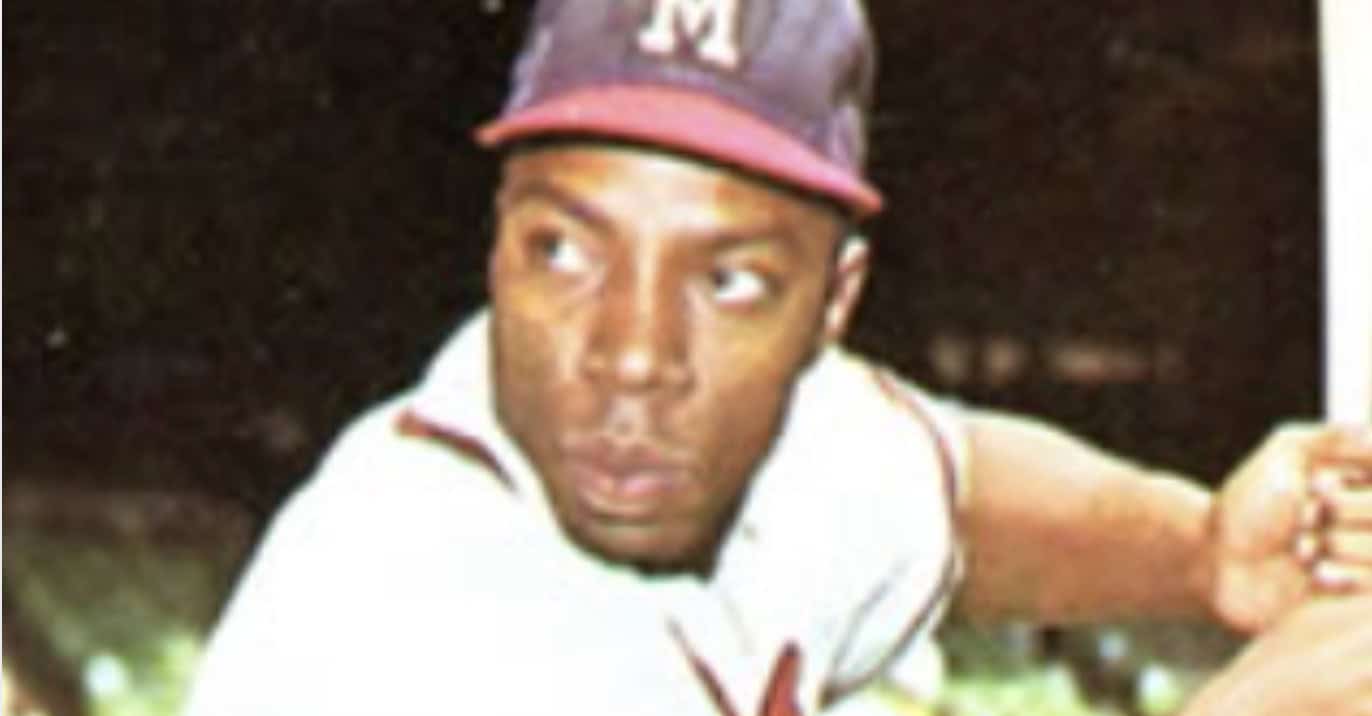
Jones could turn any at-bat into a potential moonshot, swinging with the kind of controlled violence that made pitchers nervous and fans lean forward in their seats. His 1965 season with the Braves featured 31 home runs and enough towering fly balls to make Atlanta’s outfield walls tremble, proving that sometimes the most entertaining players are the ones who swing for the fences on every pitch. While consistency wasn’t his strong suit, Jones provided the kind of raw power that could change a game with one swing.