

Last Updated: June 17th, 2026 by Michael Schatz
Before sabermetrics and launch angles became household terms, Dave “The Cobra” Parker prowled right field with the swagger of a gunslinger and the stats to back it up. In an era when baseball cards still came with that perfect pink rectangle of gum, Parker’s numbers jumped off the page like a line drive to the gap. These ten statistical achievements showcase why The Cobra remains one of baseball’s most electrifying talents.
Don't lose this article. Enter your email below, and I'll send it to you right now. Plus, we'll send you other unbelievable stories from baseball's past.
Back-to-Back Batting Titles in 1977 and 1978
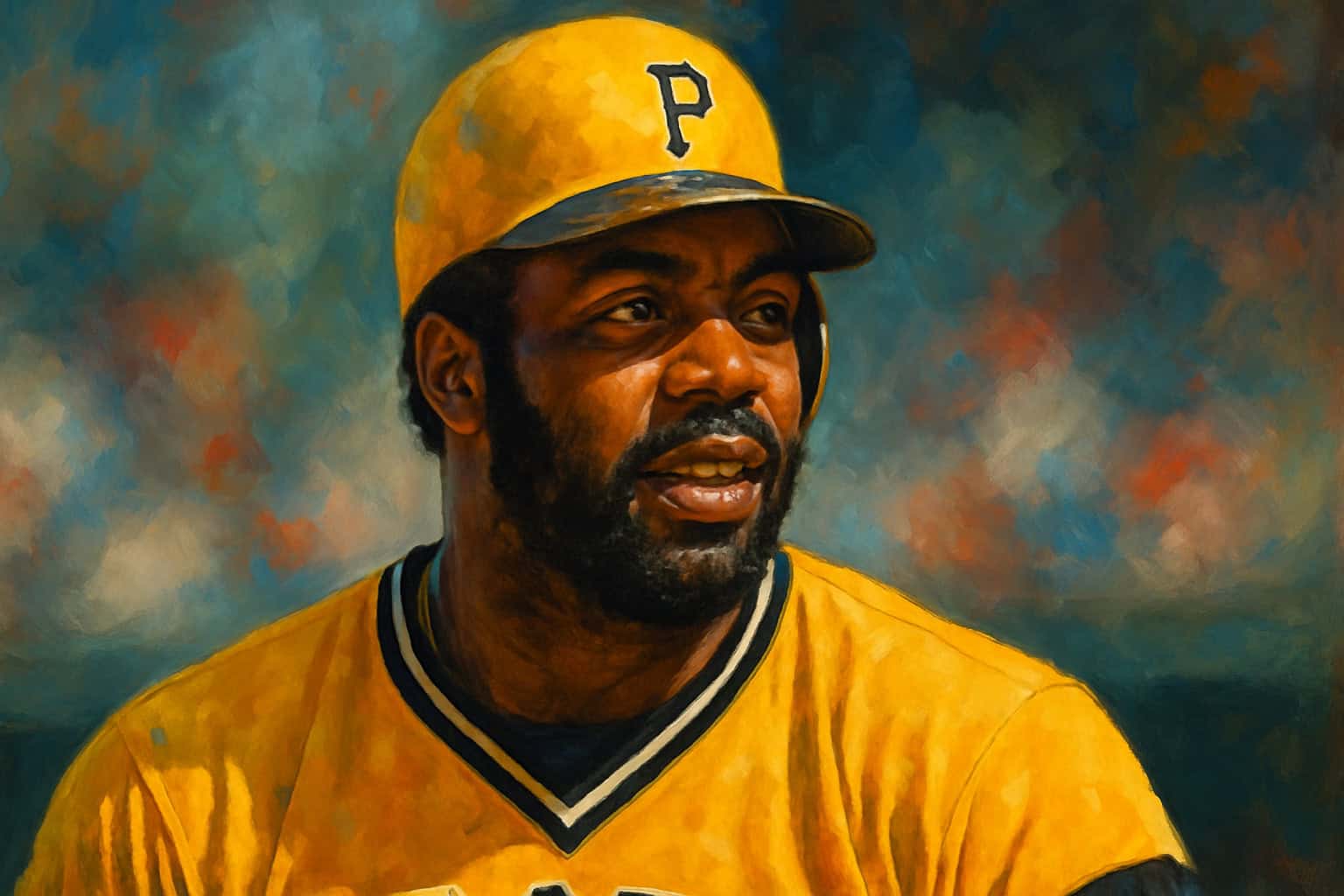
Parker captured consecutive National League batting crowns with averages of .338 in 1977 and .334 in 1978, back when hitting .300 meant something and pitchers threw complete games like it was their job. The Cobra’s smooth left-handed swing produced line drives that ricocheted off outfield walls like pinballs, while his imposing 6’5″ frame cast shadows over home plate that made pitchers think twice about challenging him. In an era before designated hitters ruled the National League, Parker proved that power and average could coexist beautifully in the same magnificent package.
1978 National League MVP Award at Age 27
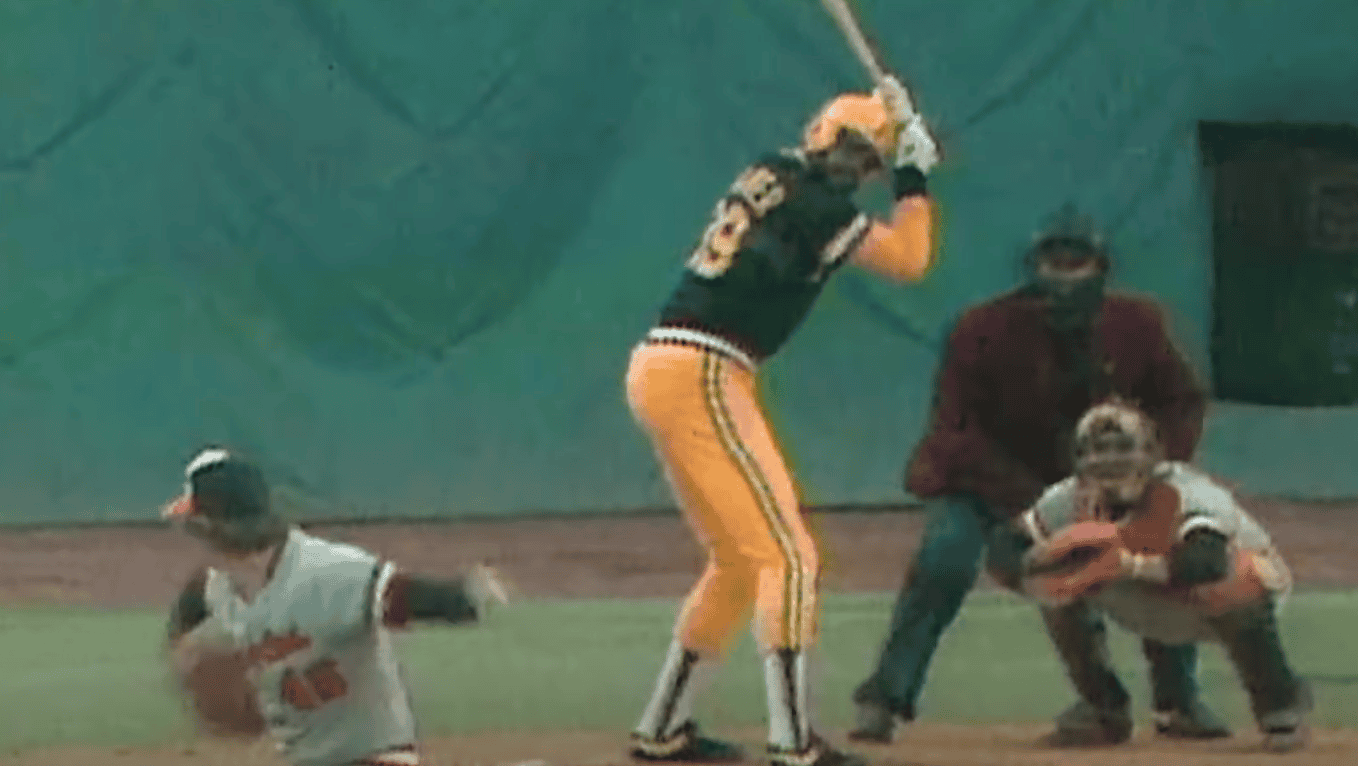
At just 27 years old, Parker claimed the National League’s Most Valuable Player award in 1978, combining his .334 batting average with 30 home runs and 117 RBIs in a season that felt like watching a video game character come to life. The Cobra’s MVP campaign included leading the league in slugging percentage (.585) while playing Gold Glove defense in right field, back when players were expected to excel on both sides of the ball without specialized coaches for every conceivable skill. His combination of offensive firepower and defensive excellence made him the complete package that voters couldn’t ignore, earning him the hardware that would cement his legacy as one of the game’s elite talents.
2,712 Career Hits Over 19 Seasons
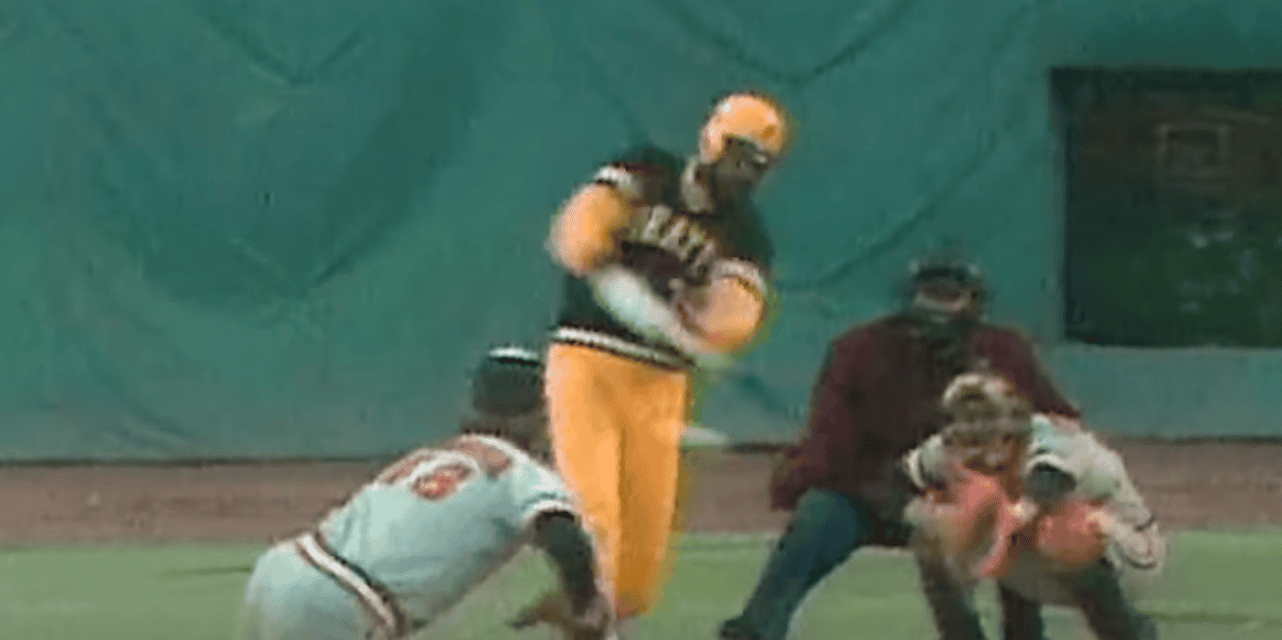
Parker accumulated 2,712 career hits across 19 major league seasons, a testament to longevity in an era when players routinely played hurt and pitch counts were suggestions rather than mandates. The Cobra’s hit total places him among elite company, achieved through a combination of natural talent and the kind of durability that modern load management programs would never allow. Each of those hits carried the weight of expectation from Pittsburgh fans who packed Three Rivers Stadium to watch their larger-than-life right fielder patrol the outfield like he owned it, which, for the better part of a decade, he did.
339 Home Runs in the Pre-Steroid Era
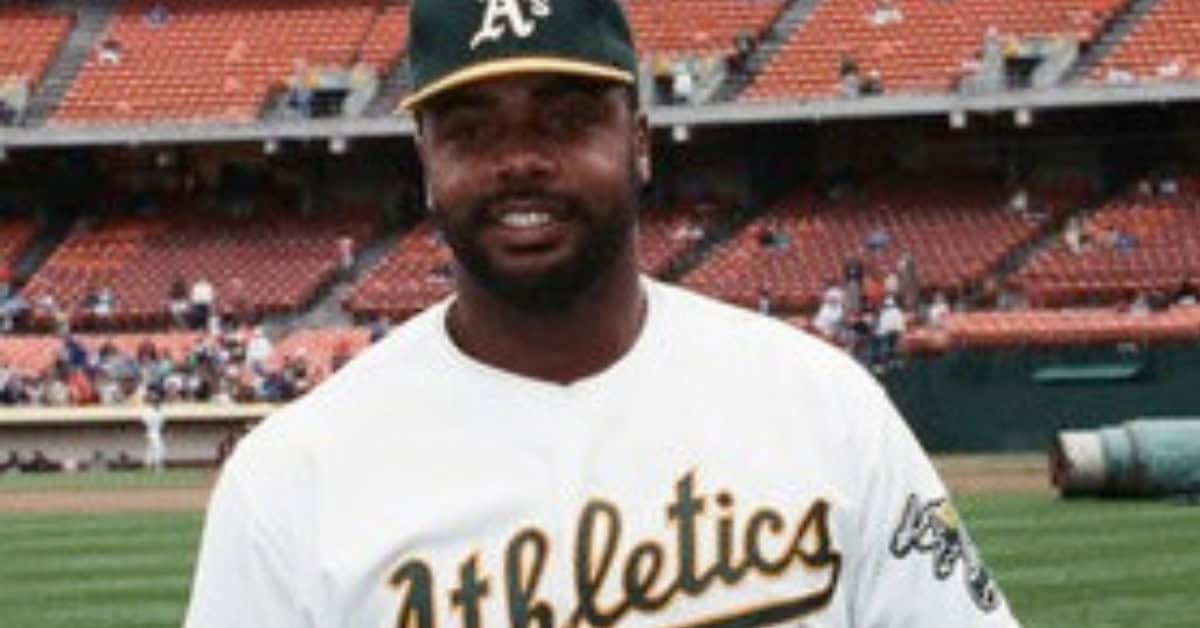
The Cobra’s 339 career home runs were earned the old-fashioned way, through natural strength and perfect timing in ballparks where the foul territory was vast and the walls weren’t moved in for television ratings. Parker’s power came from his massive frame and lightning-quick wrists, generating the kind of effortless pop that made batting practice look like a home run derby and actual games feel like appointment television. In an era when 30 home runs meant something and 40 made you a superstar, Parker’s career total represents consistent power production across nearly two decades of facing pitchers who threw inside without fear of ejection.
143 Career Outfield Assists – That Legendary Cannon Arm
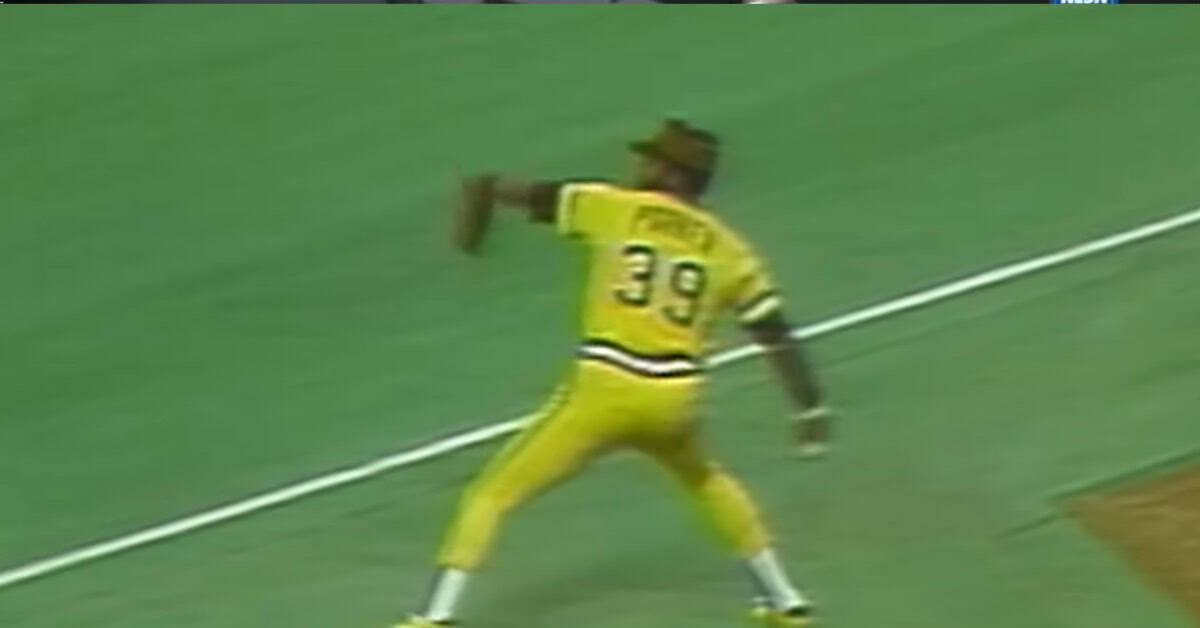
Parker’s 143 career outfield assists tell the story of a right arm so feared that base runners would think twice before testing it, and coaches would wave runners back to bases like traffic cops directing rush hour. The Cobra’s cannon was the stuff of legend, capable of firing strikes from the warning track to home plate with the accuracy of a military sniper and the velocity of a major league fastball. In 1977 alone, he recorded 26 assists, a single-season total that still stands as one of the highest for any outfielder, proving that his defensive prowess matched his offensive fireworks in an era when highlight reels were saved for the evening news.
1979 All-Star Game MVP With Two Defensive Assists
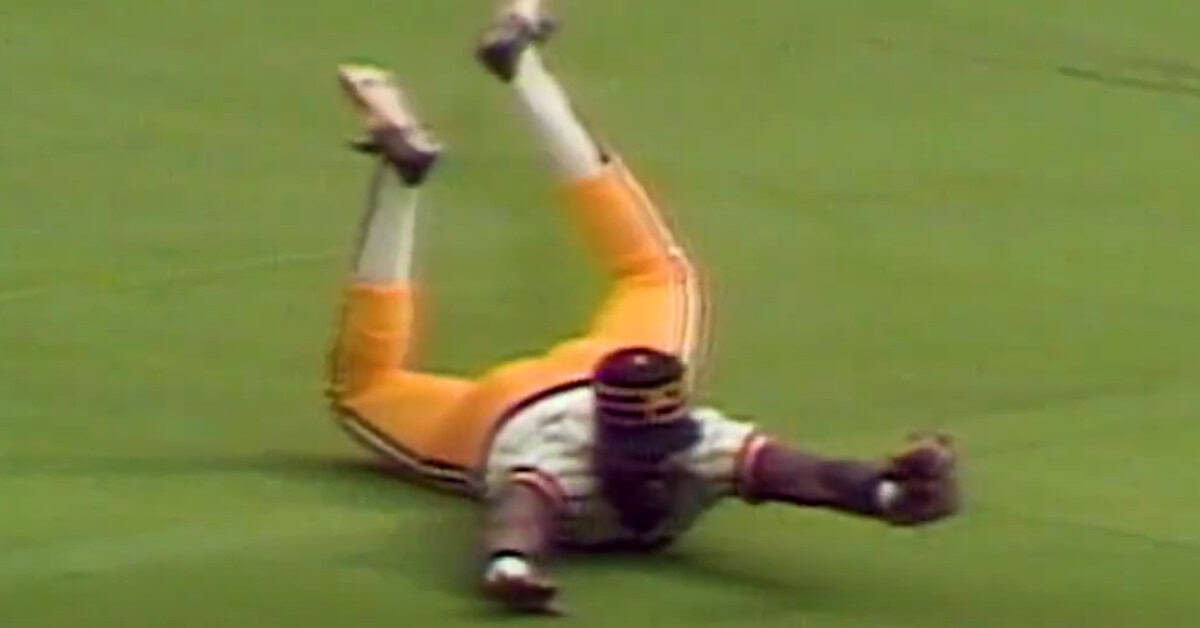
The 1979 All-Star Game MVP award came courtesy of Parker’s defensive heroics rather than offensive fireworks, as The Cobra threw out two American League runners with laser-beam precision that left the Kingdome crowd gasping in disbelief. His performance included nailing Graig Nettles at home plate and cutting down Jim Rice at third base, showcasing the kind of defensive artistry that made All-Star Games must-see television before interleague play made the matchups routine. Parker’s MVP performance proved that defense could steal the show on baseball’s biggest stage, back when the Midsummer Classic actually mattered and players treated it like a real game worth winning.
First $1 Million/Year Player in Baseball History (1979)
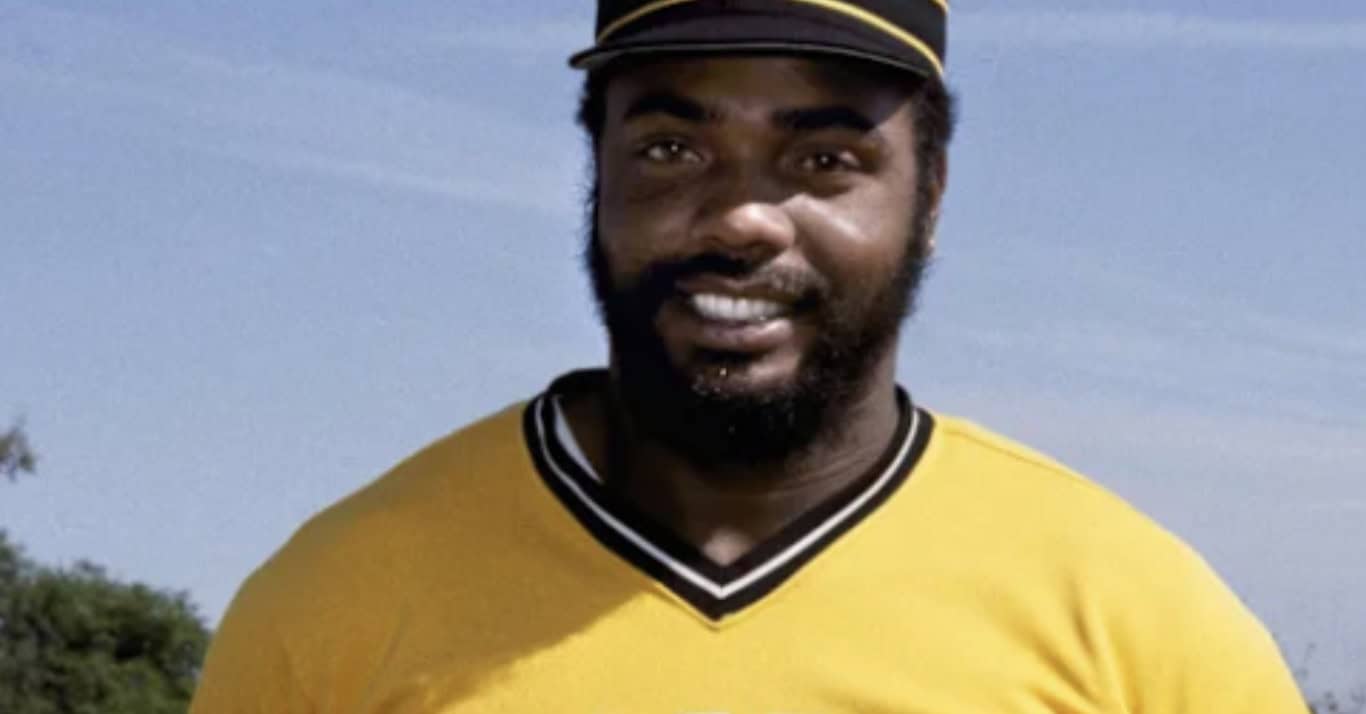
Parker’s groundbreaking five-year, $5 million contract signed in 1979 made him baseball’s first player to earn an average of $1 million per year, a figure so astronomical that newspaper headlines treated it like a moon landing announcement. The deal represented a seismic shift in baseball economics, coming at a time when a new car cost $5,000 and a nice house could be purchased for $50,000, making Parker’s annual salary equivalent to generational wealth. His contract negotiations changed the game forever, paving the way for the free agency boom that would transform baseball from America’s pastime into America’s most lucrative sporting enterprise, though few could have predicted the hundreds of millions that would follow decades later.
Three Gold Glove Awards for Defensive Excellence
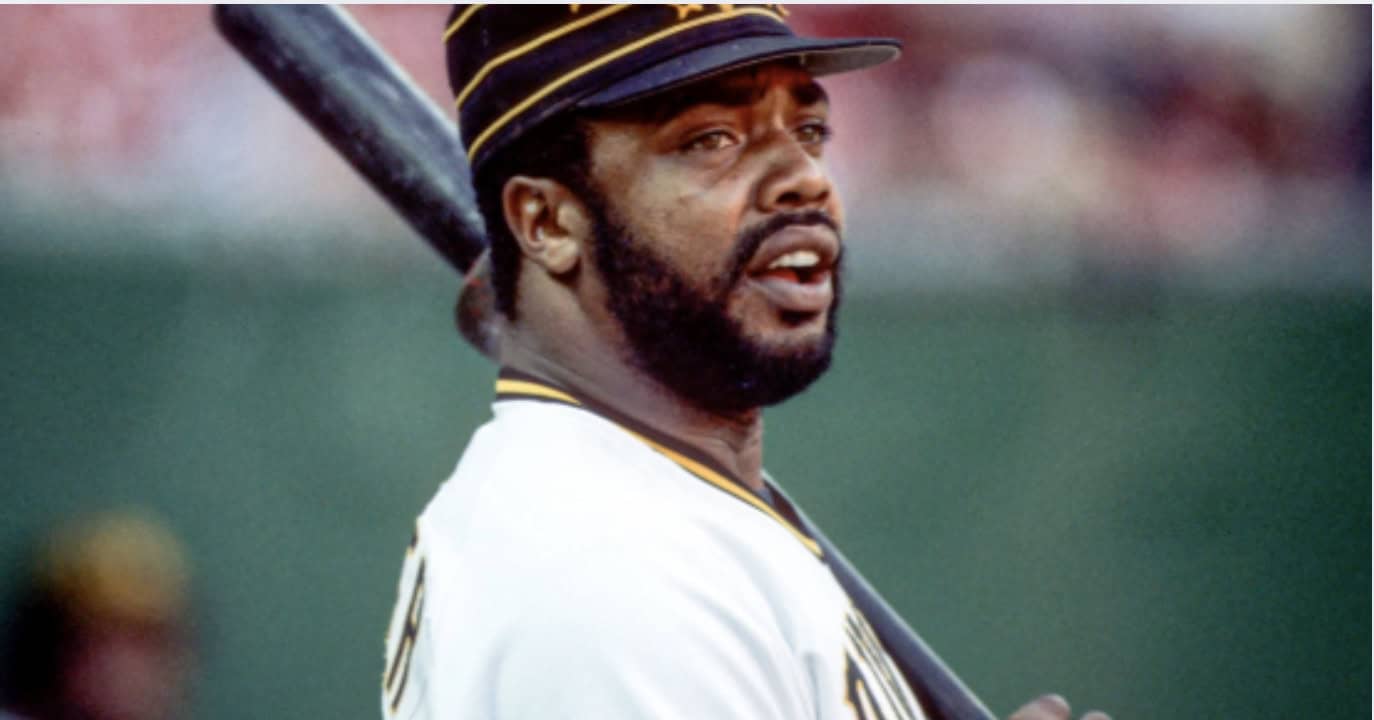
The Cobra earned three consecutive Gold Glove Awards from 1977-1979, hardware that recognized his ability to patrol right field like a sheriff maintaining order in the Wild West. Parker’s combination of range, arm strength, and baseball intelligence made him a complete defensive player who could track down fly balls in the gap and gun down runners who dared test his legendary cannon. His Gold Gloves came during an era when defensive metrics were measured by the naked eye and voter intuition rather than advanced statistics, meaning his recognition was based purely on the spectacular plays that left fans and opponents shaking their heads in amazement at his athletic artistry.
1,493 Career RBIs – A Run-Producing Machine
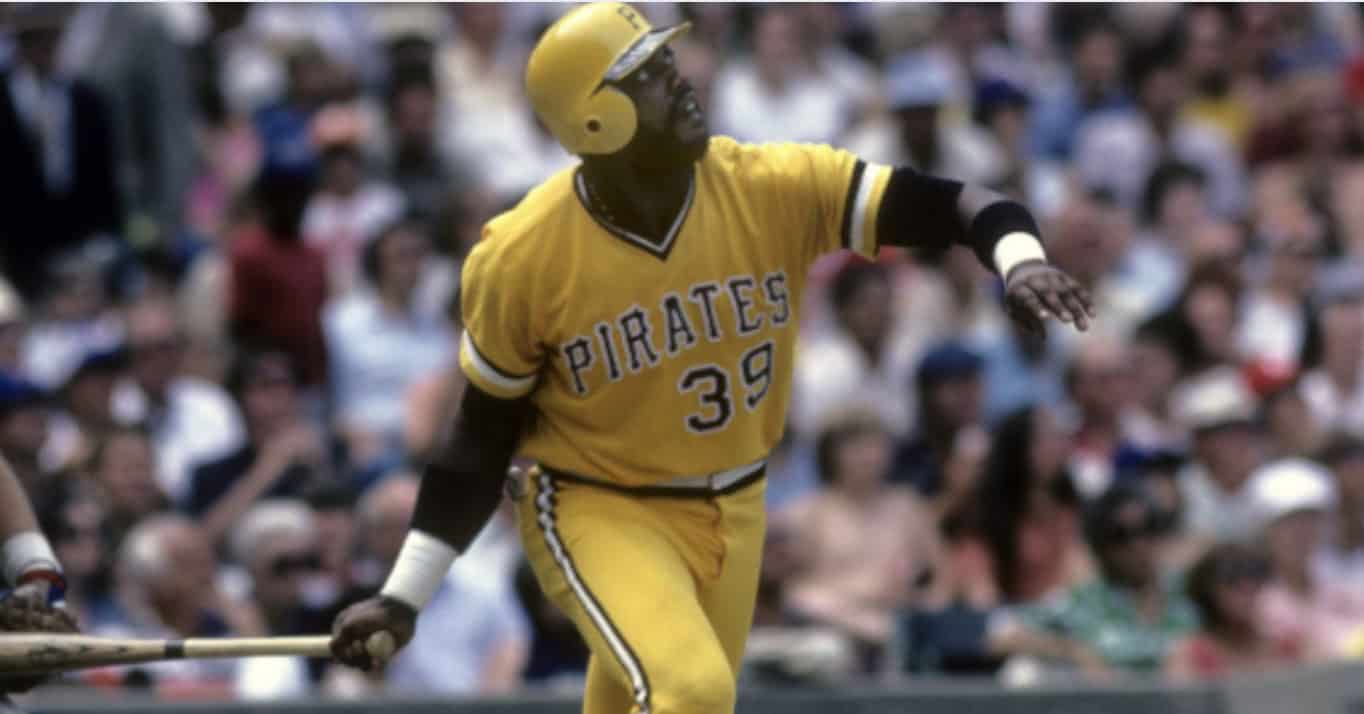
Parker’s 1,493 career RBIs represent nearly 1,500 moments when teammates crossed home plate thanks to The Cobra’s clutch hitting, each run scored a testament to his ability to deliver when the pressure was highest. His RBI total places him among the most productive run producers in baseball history, achieved through a combination of power hitting and situational awareness that made him the kind of player managers wanted at the plate with runners in scoring position. In an era when RBIs were the gold standard for measuring offensive value, Parker’s production spoke volumes about his ability to come through in the clutch, turning potential rallies into actual runs with the consistency of a Swiss timepiece.
Seven All-Star Game Appearances Across Three Decades
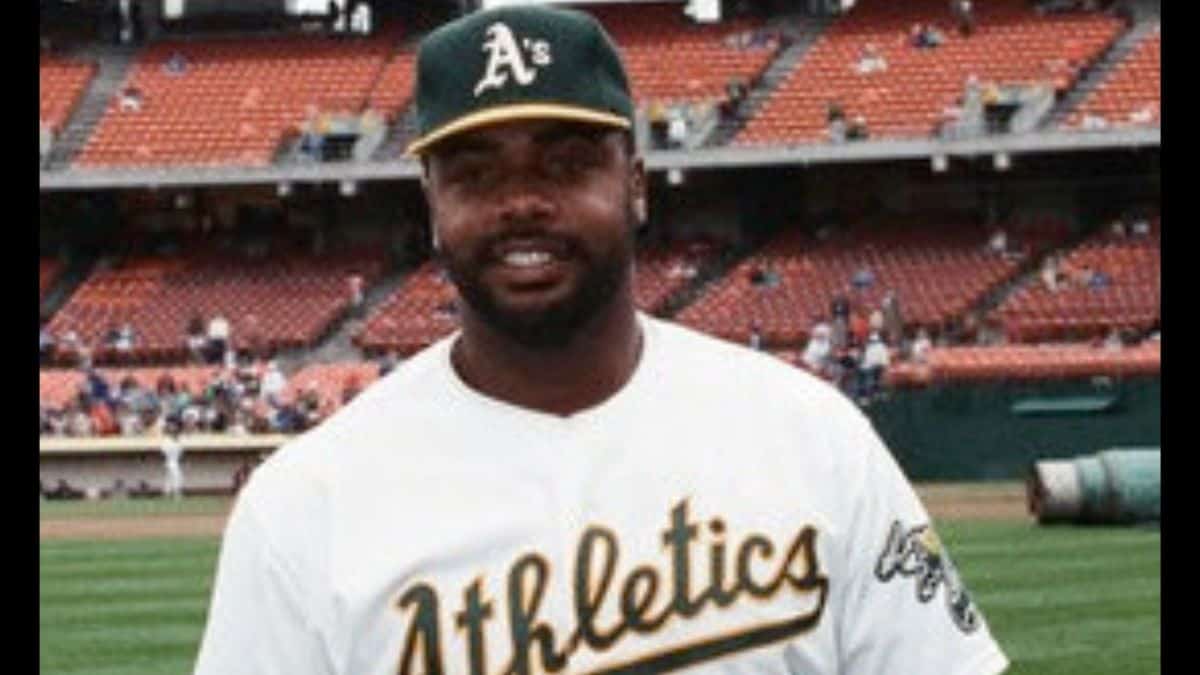
The Cobra’s seven All-Star Game selections spanning from 1977 to 1990 showcase remarkable longevity in a sport where careers often end before players reach their 30th birthday. Parker’s All-Star appearances came during the golden age of the Midsummer Classic, when the game carried genuine meaning and players wore their selections like badges of honor earned through months of exceptional performance. His ability to maintain All-Star caliber play across three different decades speaks to both his natural talent and professional dedication, proving that The Cobra’s venom remained potent long after other players had hung up their spikes and faded into baseball obscurity.