

Last Updated: June 17th, 2026 by Matthew Brown
Before sports science and personal trainers became household names, aging baseball players relied on pure grit, guile, and the kind of old-school determination that came from growing up when a dollar could buy you a hot dog and a Coke. These twenty legends proved that Father Time might be undefeated, but he sure doesn’t win easily, turning their 40s into personal renaissance periods that reminded everyone why they fell in love with baseball in the first place. From knuckleballs that danced like autumn leaves to fastballs that still crackled with youthful fire, these ageless wonders demonstrated that sometimes the best vintage is the one that has been aging the longest.
Don't lose this article. Enter your email below, and I'll send it to you right now. Plus, we'll send you other unbelievable stories from baseball's past.
Cy Young’s 21 Wins at 41 That Defined Ageless Pitching
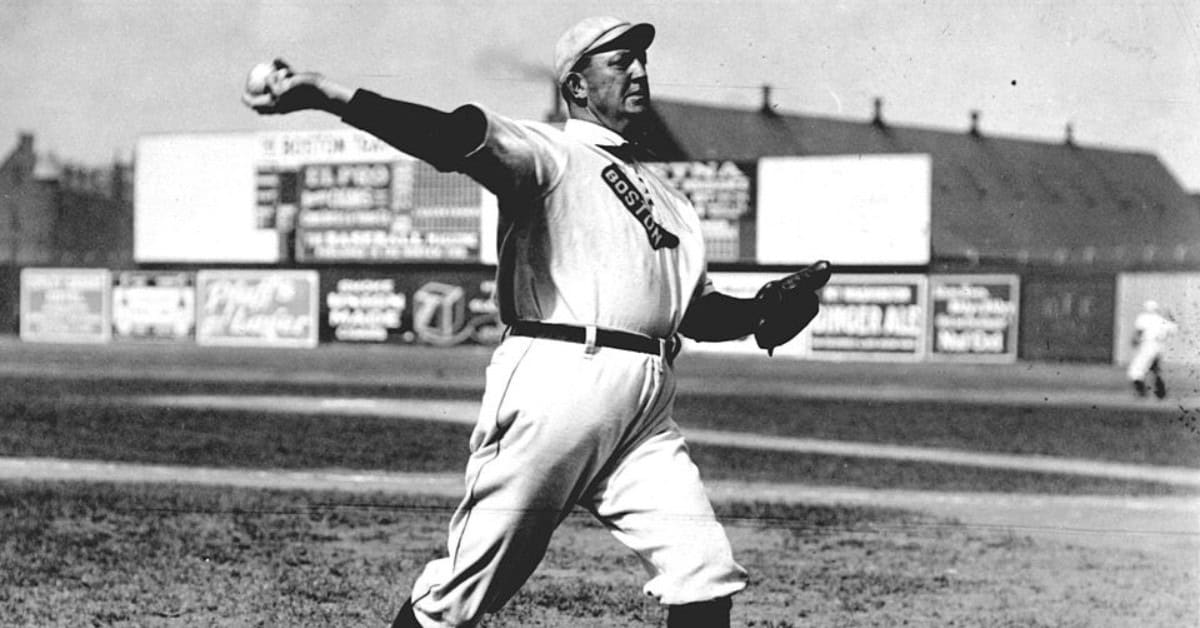
Cy Young’s 21 victories at age 41 weren’t just wins—they were masterpieces painted on the canvas of deadball era baseball, proving that experience could triumph over youth when wielded by a true artist. Young’s ageless arm was like a fine wine that improved with time, delivering pinpoint control and devastating effectiveness long after lesser pitchers had hung up their spikes. When Young took the mound in 1908 with over 400 wins already under his belt, opposing batters faced more than just a pitcher—they faced a living legend who understood that sometimes the most powerful weapon is simply knowing how to use what you have left.
David Ortiz’s Final Season 38 Home Runs at 40 That Powered Boston
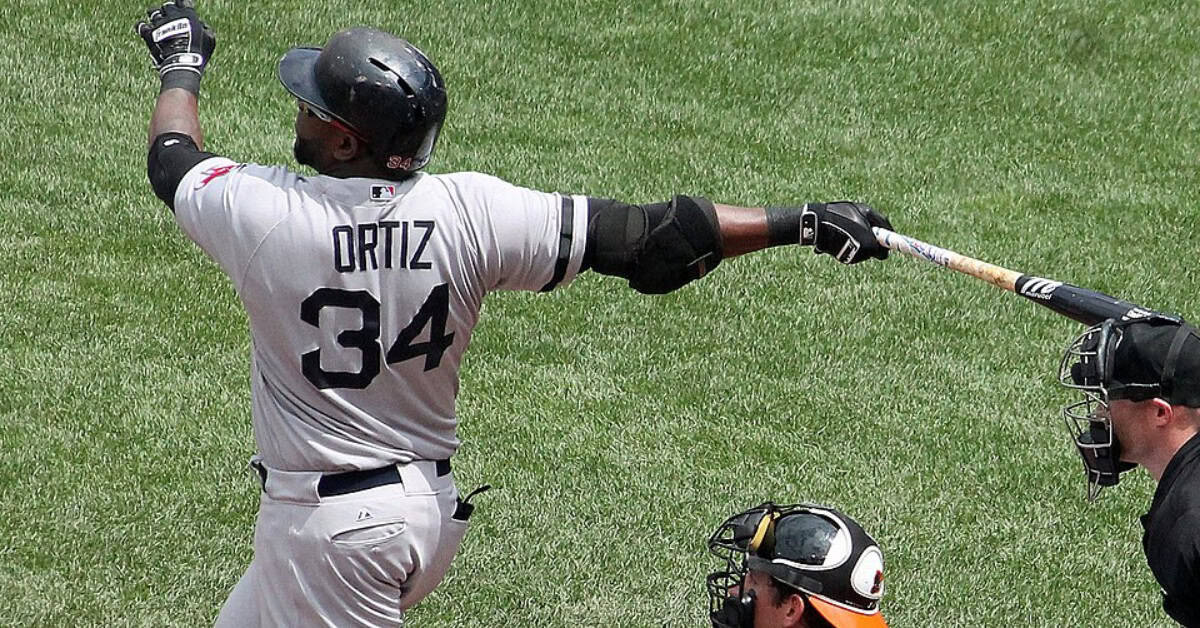
David Ortiz’s farewell tour was supposed to be a victory lap, but Big Papi had other plans, launching 38 home runs at age 40 like a man half his age who was still angry about something. Ortiz’s final season swing was pure poetry in motion—the same smooth, powerful stroke that had terrorized American League pitching for over a decade, now delivered with the wisdom that comes from knowing exactly when to turn on a fastball. When Big Papi stepped into the box at Fenway Park for his final campaign, Red Sox fans witnessed the perfect ending to a storybook career, watching their beloved slugger prove that some things really do get better with age.
Ted Williams’ .316 and 29 Homers at 41 That Proved Hitting Never Gets Old

Ted Williams’ .316 average and 29 home runs at age 41 were like a master class in hitting delivered by a professor who refused to retire, proving that pure talent combined with scientific approach could defy any calendar. The Splendid Splinter’s swing was still a thing of beauty in 1960, generating the same smooth power that had terrorized American League pitching for two decades while his eagle eyes remained as sharp as ever. When Williams stepped into the batter’s box at Fenway Park in what would be his final season, Red Sox fans witnessed hitting perfection in its purest form, watching a legend who understood that the best way to say goodbye is to remind everyone why they called you the greatest hitter who ever lived.
Hoyt Wilhelm’s Age 47 Magic in 1970 That Defied Father Time
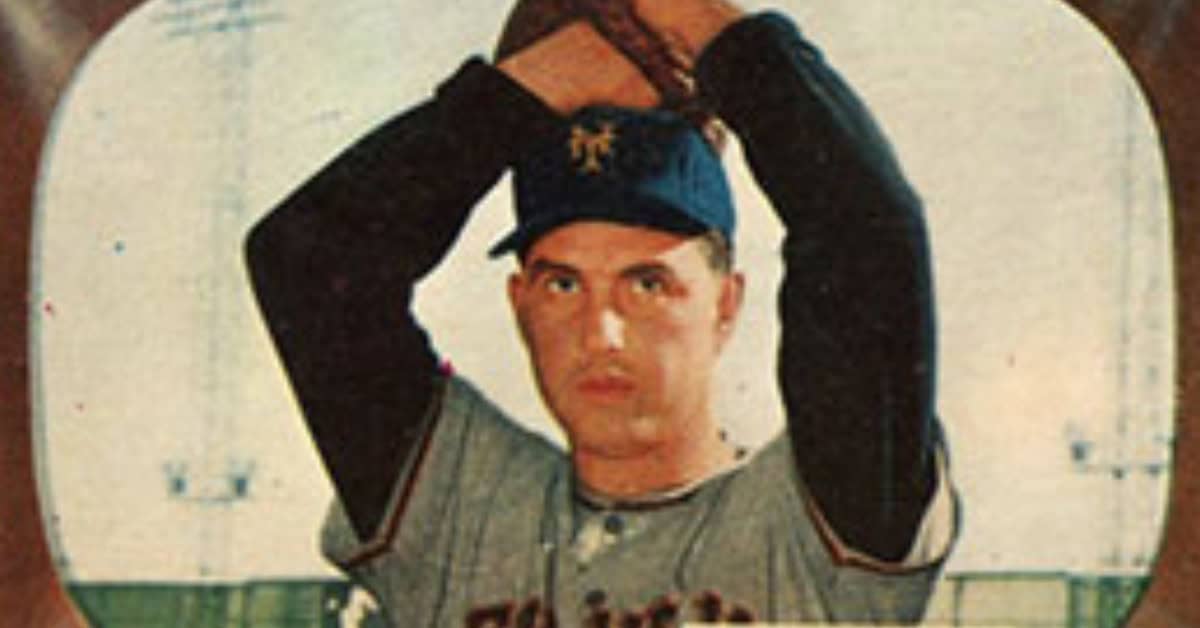
Hoyt Wilhelm’s knuckleball was still dancing like a butterfly at age 47 in 1970, posting a 126 ERA+ that made younger relievers look like they were throwing batting practice. Wilhelm’s ageless knuckler seemed to get more unpredictable with time, floating through strike zones with the same mysterious movement that had baffled hitters and catchers alike for over two decades. When Wilhelm took the mound at 47 with his knuckleball fluttering in the wind, fans witnessed the ultimate triumph of craft over youth, watching a master who proved that sometimes the softest pitch can be the hardest to hit, no matter how many candles are on your birthday cake.
Carlton Fisk’s All-Star Season at 43 That Turned Back the Clock
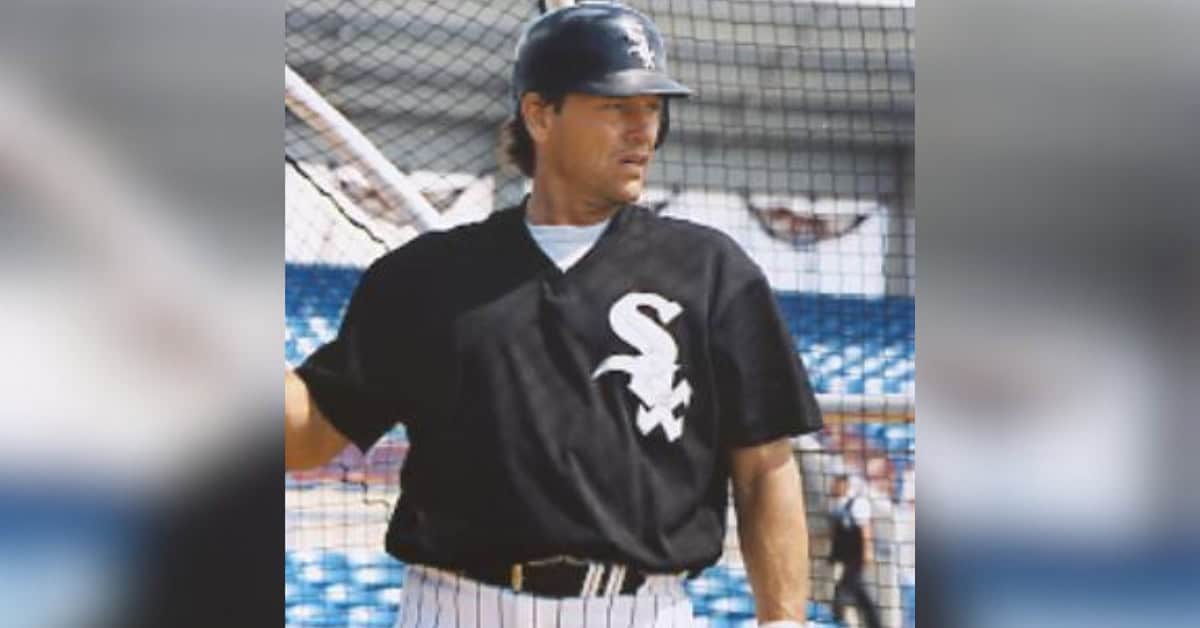
Carlton Fisk’s All-Star selection at age 43 was like finding a vintage muscle car that still purrs like it did in 1975, proving that some players are built to last longer than others. Pudge’s veteran presence behind the plate was worth its weight in gold, combining the wisdom of two decades in the majors with the same competitive fire that had made him famous for waving a certain home run fair. When Fisk suited up for the White Sox at 43, fans witnessed the perfect example of how experience and determination could overcome the limitations of age, watching a Hall of Fame catcher who understood that sometimes the most valuable thing you can bring to a team is simply knowing how to win.
Jack Quinn’s 18 Wins at 44 That Anchored Philadelphia
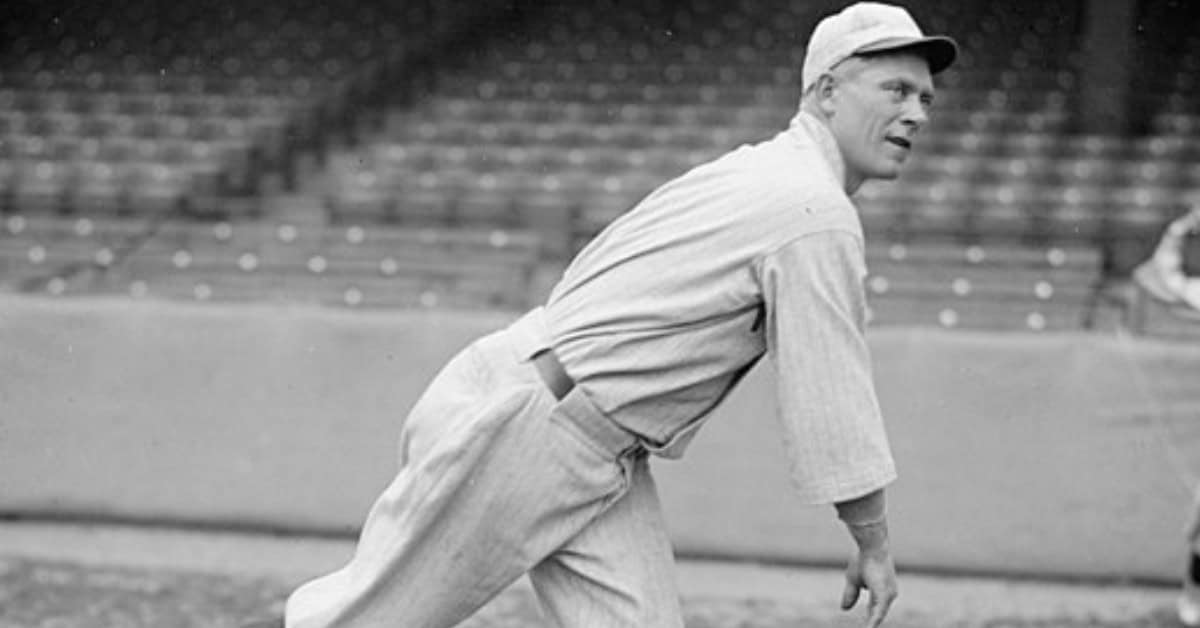
Jack Quinn’s 18 victories at age 44 were like discovering a hidden treasure in your grandfather’s attic—unexpected, valuable, and proof that the old ways sometimes work better than the new ones. Quinn’s submarine delivery and crafty repertoire made him ageless in an era when pitchers were expected to throw hard and retire young, proving that intelligence could triumph over velocity. When Quinn took the mound for Philadelphia in 1928 with his sidearm motion working like a well-oiled machine, Athletics fans witnessed the perfect example of how experience and guile could overcome the ravages of time, watching a pitcher who understood that sometimes the best way to get hitters out is to do exactly what they don’t expect.
Barry Bonds’ League-Leading .480 OBP at 42 That Rewrote Patience
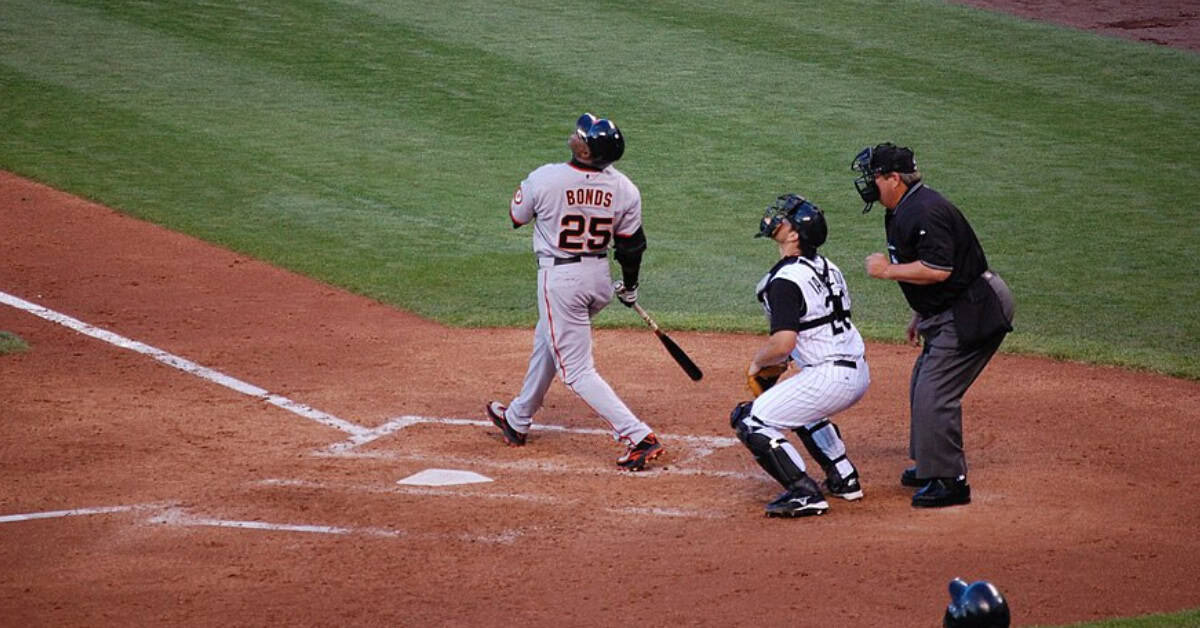
Barry Bonds’ .480 on-base percentage at age 42 was like watching a chess grandmaster play speed chess—every move calculated, every decision perfect, and every result inevitable. Bonds’ plate discipline in 2007 reached almost supernatural levels, drawing walks with the same ease that other players swung and missed while his eagle eyes remained as sharp as they were in his 20s. When Bonds stepped into the batter’s box at AT&T Park in his final season, Giants fans witnessed the ultimate example of how intelligence and patience could overcome declining physical skills, watching a master hitter who proved that sometimes the best way to beat the game is to make it come to you.
Satchel Paige’s Ageless Arm That Finally Got Its Major League Due
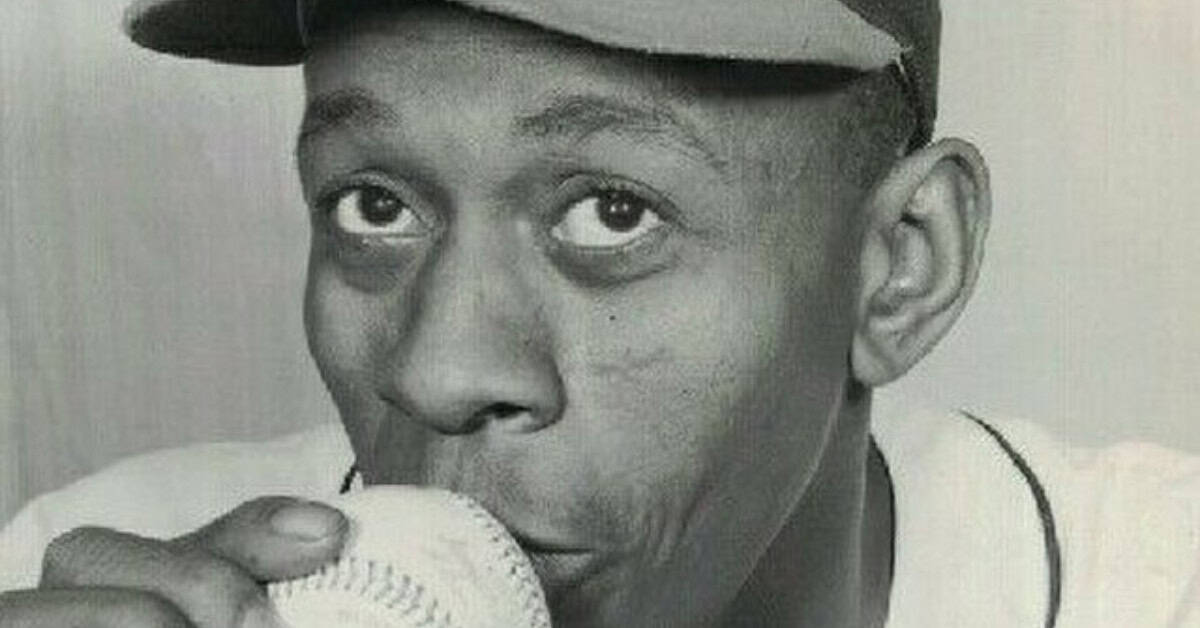
Satchel Paige’s major league debut at age 42 was like watching a legend step out of a storybook and onto a real baseball field, bringing decades of Negro League magic to the big leagues when most players were thinking about retirement. Paige’s ageless arm was a marvel of nature and nurture, delivering pinpoint control and devastating effectiveness that made his actual age seem like nothing more than a number on a birth certificate. When Paige took the mound for Cleveland in 1948 with his legendary windup working like clockwork, fans witnessed history in the making, watching a man who proved that talent knows no boundaries—not of race, not of age, and certainly not of time.
Jamie Moyer’s Crafty Left Arm at 49 That Outsmarted Power Hitters
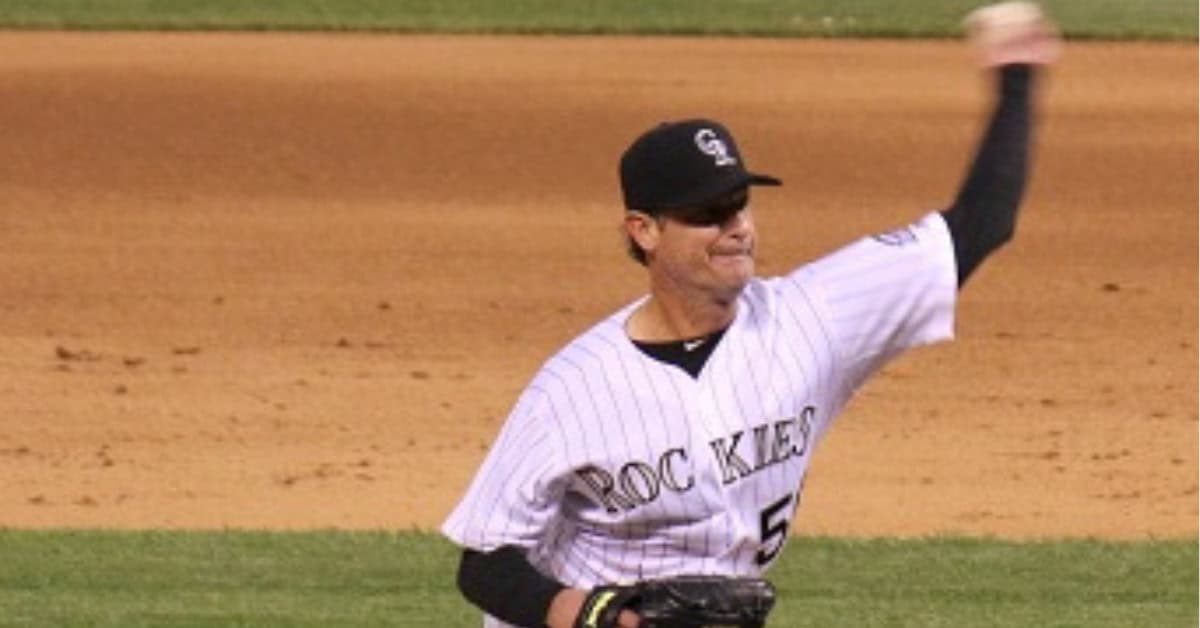
Jamie Moyer’s 49-year-old left arm was like a vintage wine that had been aging in the perfect cellar—smooth, complex, and capable of surprising even the most sophisticated palates. Moyer’s changeup was a thing of beauty at an age when most men are thinking about retirement, floating toward home plate with the same deceptive ease that had been fooling hitters for over two decades. When Moyer wound up with his crafty repertoire working like a Swiss watch, fans witnessed the ultimate triumph of intelligence over youth, watching a pitcher who proved that sometimes the best way to overpower hitters is to show them exactly how little power you have left.
Warren Spahn’s 23 Wins at 42 That Made Milwaukee Believe
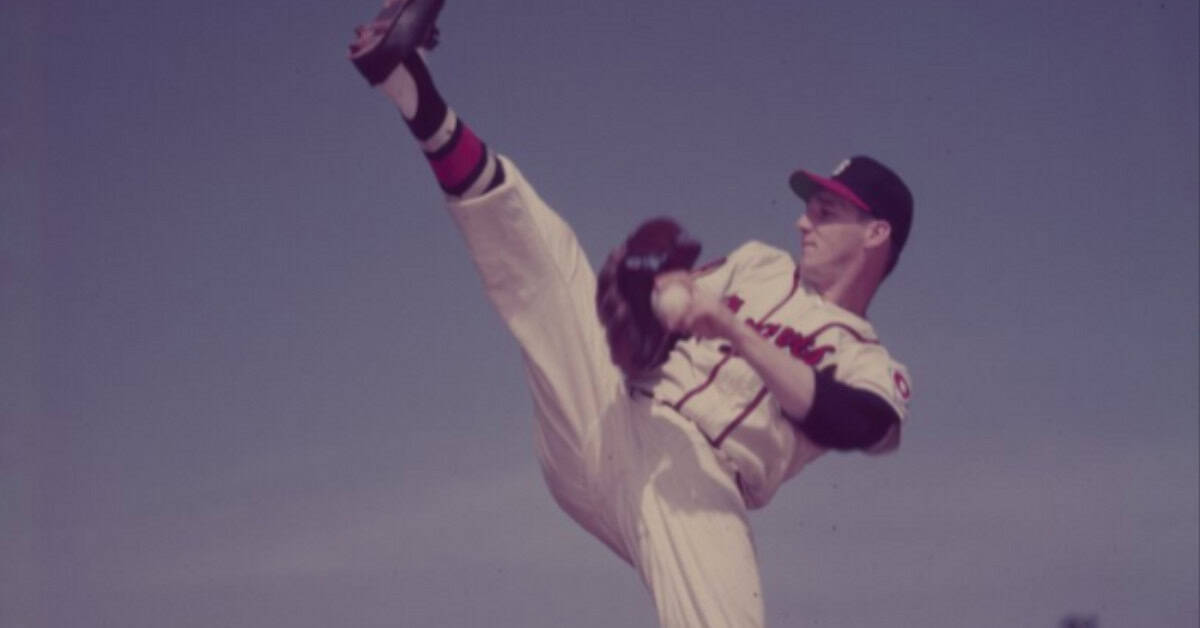
Warren Spahn’s 23 victories at age 42 were like watching a master craftsman who had perfected his trade over decades, delivering pinpoint control and devastating effectiveness that made County Stadium feel like a house of horrors for opposing hitters. Spahn’s high leg kick was still a thing of beauty in 1963, generating the same smooth power that had terrorized National League batters for nearly two decades while his competitive fire burned as bright as ever. When Spahn wound up with his legendary delivery working like clockwork, Braves fans witnessed the perfect example of how experience and determination could overcome the limitations of age, watching a Hall of Fame left-hander who understood that sometimes the most powerful weapon is simply knowing how to use what you have left.
Phil Niekro’s Two All-Stars and Five Gold Gloves After 40
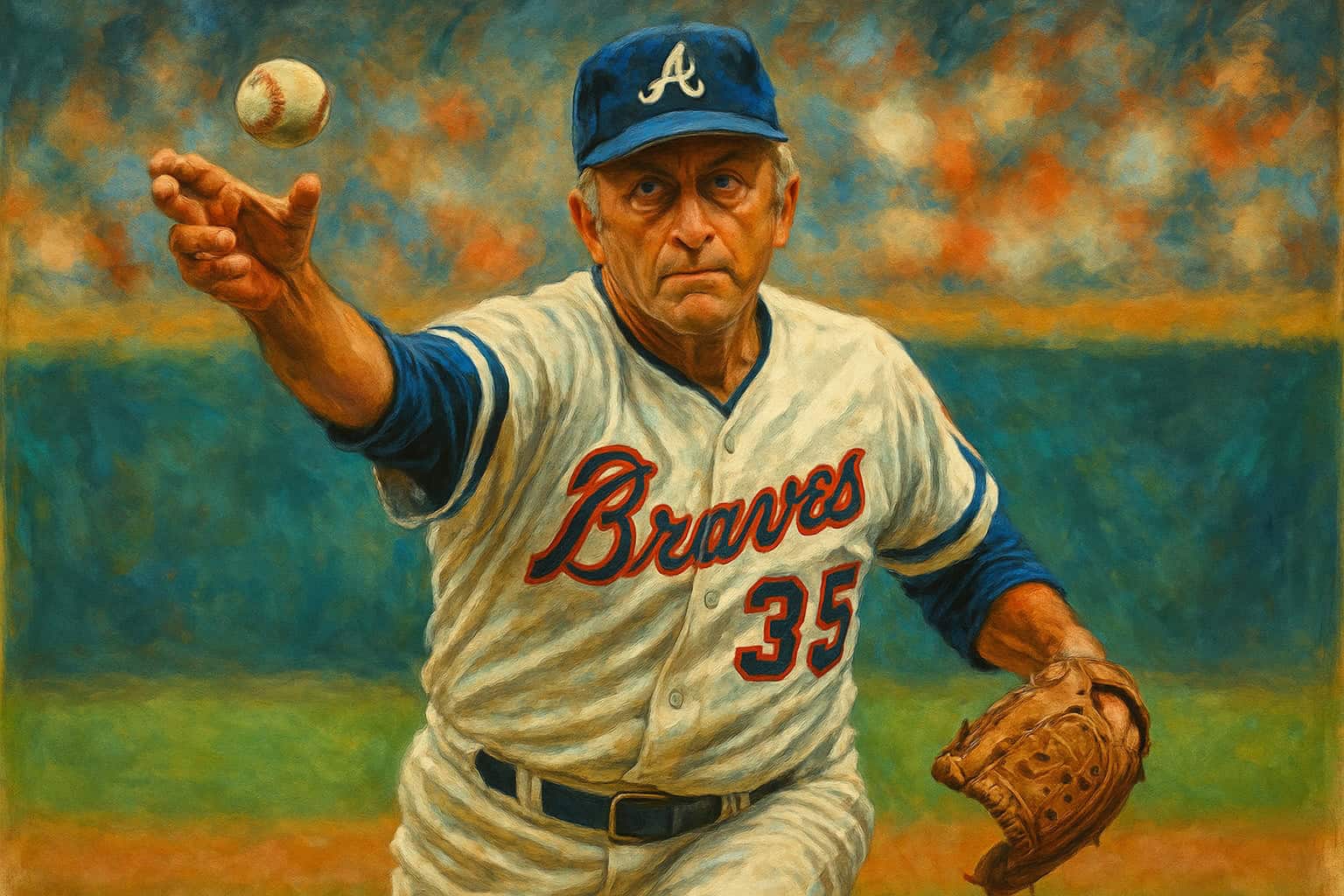
Phil Niekro’s knuckleball was like a fine whiskey—it got smoother and more dangerous with age, earning him two All-Star selections and five Gold Gloves after his 40th birthday. Knucksie’s dancing butterfly pitch seemed to mock Father Time himself, floating through strike zones with the same unpredictable movement that had baffled hitters for decades while proving that some things never go out of style. When Niekro wound up with that knuckleball ready to flutter toward home plate, fans witnessed the perfect marriage of art and longevity, watching a master craftsman use one pitch to extend his career well beyond what anyone thought possible.
Rickey Henderson’s Stolen Base Crown at 39 That Proved Speed Survives
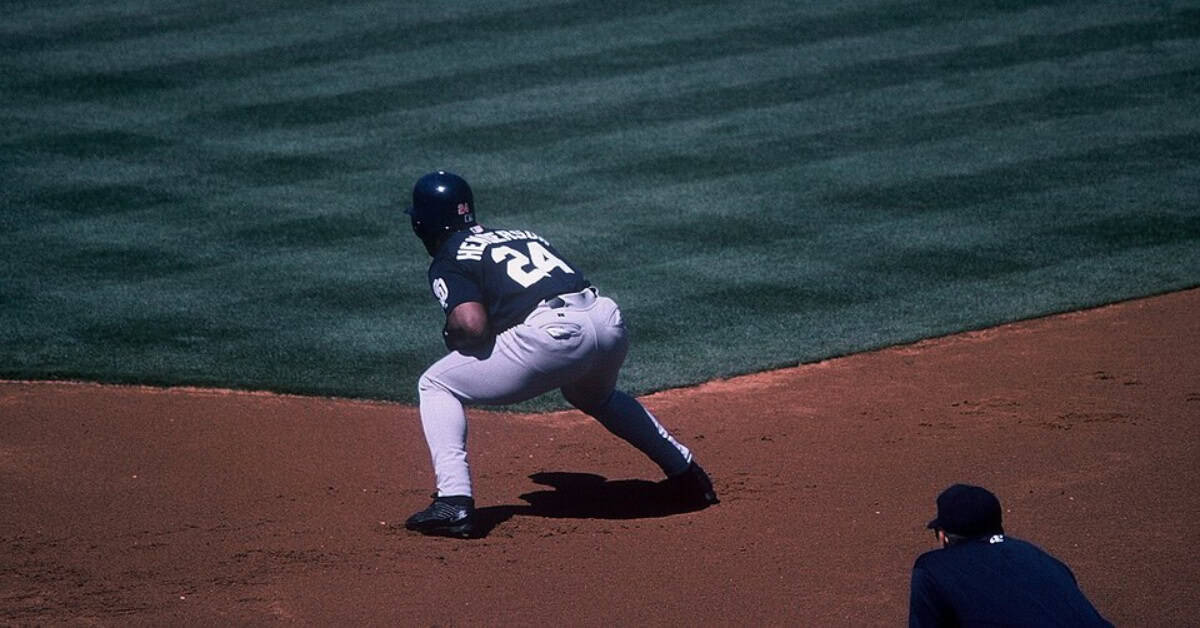
Rickey Henderson’s stolen base title at age 39 was like watching a vintage sports car that still had one more gear left, proving that pure speed combined with perfect timing could defy any calendar. Henderson’s base-stealing prowess in 1998 was a masterclass in reading pitchers and catchers, using two decades of experience to overcome whatever step he might have lost to Father Time. When Rickey took his lead off first base with that familiar swagger intact, fans witnessed the perfect marriage of natural talent and acquired wisdom, watching the greatest base stealer in history prove that some skills are so refined they become timeless.
Tim Wakefield’s Only All-Star Season at 42 That Made Boston Believe
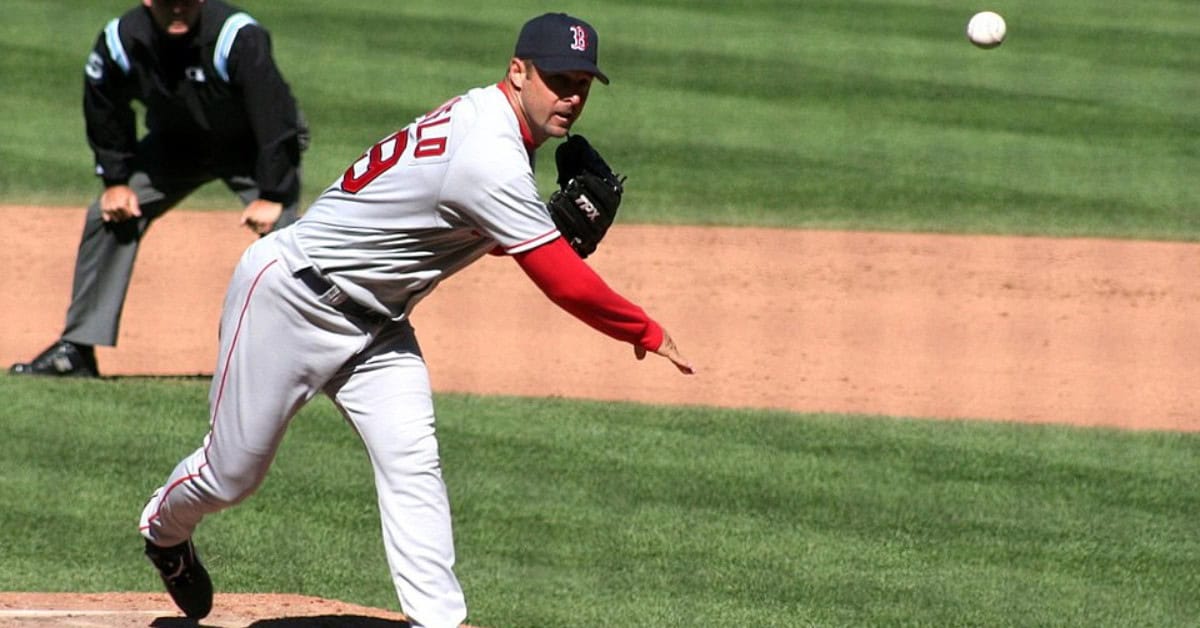
Tim Wakefield’s first and only All-Star selection at age 42 was like watching a journeyman actor finally get his Oscar moment, proving that persistence and perfection of craft could eventually be rewarded. Wake’s knuckleball was still dancing like a butterfly in 2009, floating through strike zones with the same unpredictable movement that had kept him effective for nearly two decades in the majors. When Wakefield took the mound at Fenway Park with his knuckler fluttering in the New England breeze, Red Sox fans witnessed the ultimate example of how dedication and longevity could triumph over natural talent, watching a pitcher who proved that sometimes the best recognition comes to those who wait the longest.
Nolan Ryan’s 100-MPH Heat at 46 That Made Young Hitters Look Foolish
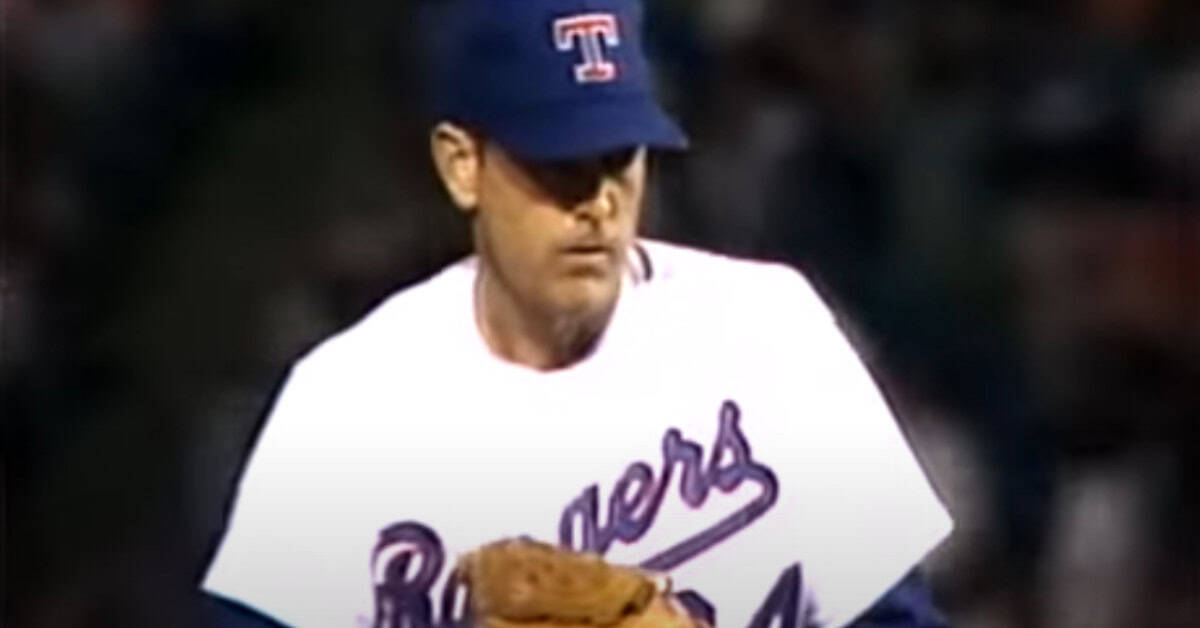
Nolan Ryan’s 100-mph fastball at age 46 was like discovering that your grandfather could still bench press a Buick—shocking, inspiring, and completely defying everything you thought you knew about aging. The Ryan Express was still running on time in 1993, delivering triple-digit heat that made hitters half his age look like they were swinging underwater while his competitive fire burned as bright as it did in his 20s. When Ryan wound up with that legendary fastball crackling toward home plate, Rangers fans witnessed one of the most remarkable athletic achievements in sports history, watching a man who proved that some gifts are so rare they transcend the normal rules of human limitation.
Mariano Rivera’s 44 Saves at 43 That Closed Out Yankee Magic
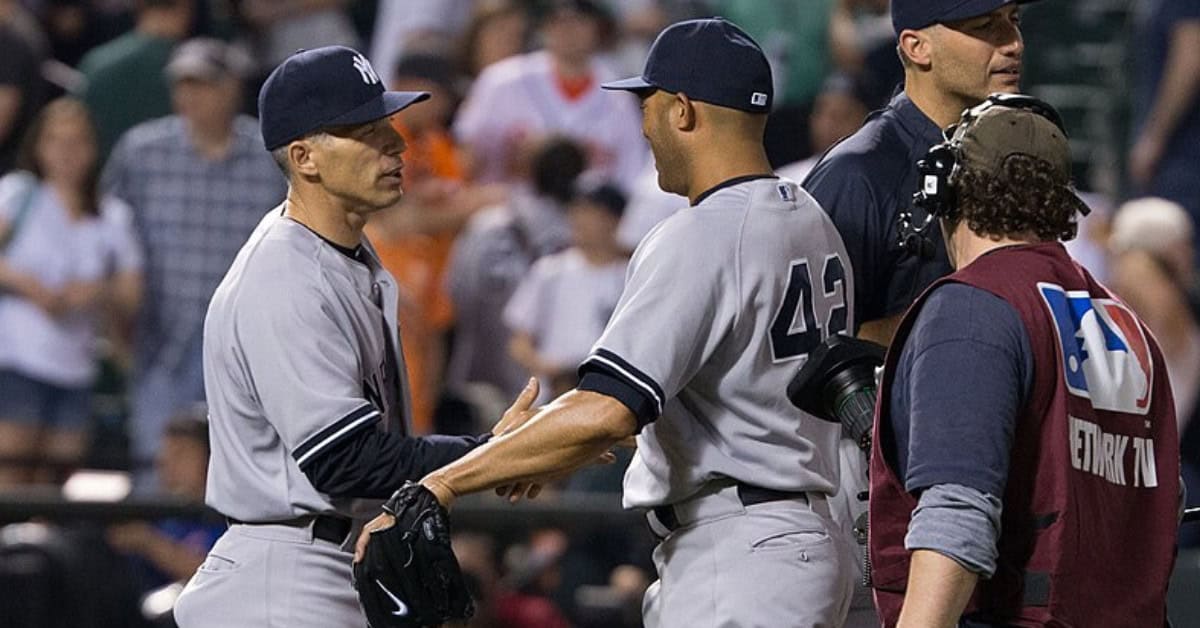
Mariano Rivera’s 44 saves at age 43 were like watching a master violinist play his final concert—every note perfect, every performance a masterpiece, and every moment treasured by those lucky enough to witness greatness. Mo’s cutter was still breaking bats and hearts with equal efficiency in 2013, delivered with the same calm precision that had made him the greatest closer in baseball history. When Rivera jogged in from the bullpen at Yankee Stadium with “Enter Sandman” playing and his cutter ready to fire, fans knew they were watching the end of an era, witnessing a legend who proved that some things really do get better with age before they finally, reluctantly, say goodbye.
Randy Johnson’s Big Unit Dominance at 40 That Terrorized Hitters
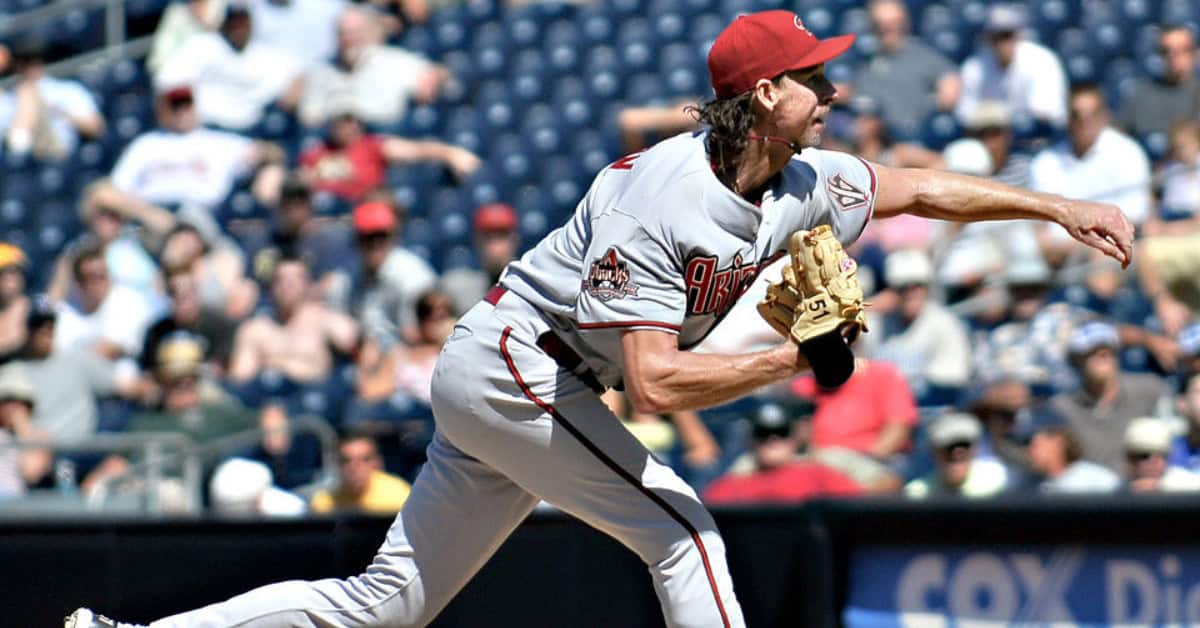
Randy Johnson’s 290 strikeouts at age 40 were like watching a skyscraper that refused to be demolished, towering over opposing batters with the same intimidating presence that had made him a legend. The Big Unit’s slider was still a thing of nightmares in 2004, breaking so sharply that left-handed hitters looked like they were trying to hit a ball thrown by a giant with anger management issues. When Johnson wound up with his 6’10” frame casting shadows across Chase Field, Diamondbacks fans witnessed the perfect example of how natural gifts combined with professional dedication could defy Father Time, watching a pitcher who proved that some monsters never lose their ability to terrify.
Cap Anson’s Player-Manager Excellence in His 40s That Ruled Chicago
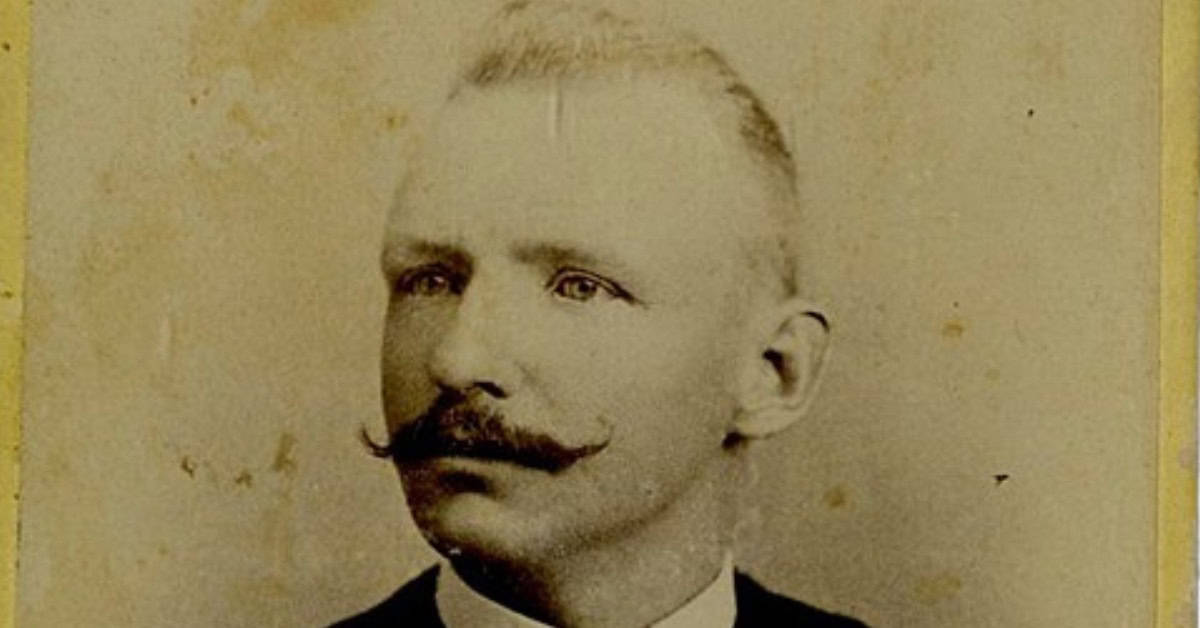
Cap Anson’s player-manager dominance throughout his 40s was like watching a Civil War general who refused to retire from the battlefield, leading Chicago’s White Stockings with the same iron will that had made him baseball’s first superstar. Anson’s combination of hitting prowess and managerial genius made him ageless in an era when most players were lucky to last past 35, proving that leadership and determination could overcome any physical limitations. When Anson stepped into the batter’s box or barked orders from the dugout well into his 40s, Chicago fans witnessed the perfect example of how intelligence and experience could triumph over youth, watching a pioneer who understood that sometimes the most valuable thing you can bring to a team is simply knowing how to win.
Roger Clemens’ Rocket Fuel at 42 That Powered Houston
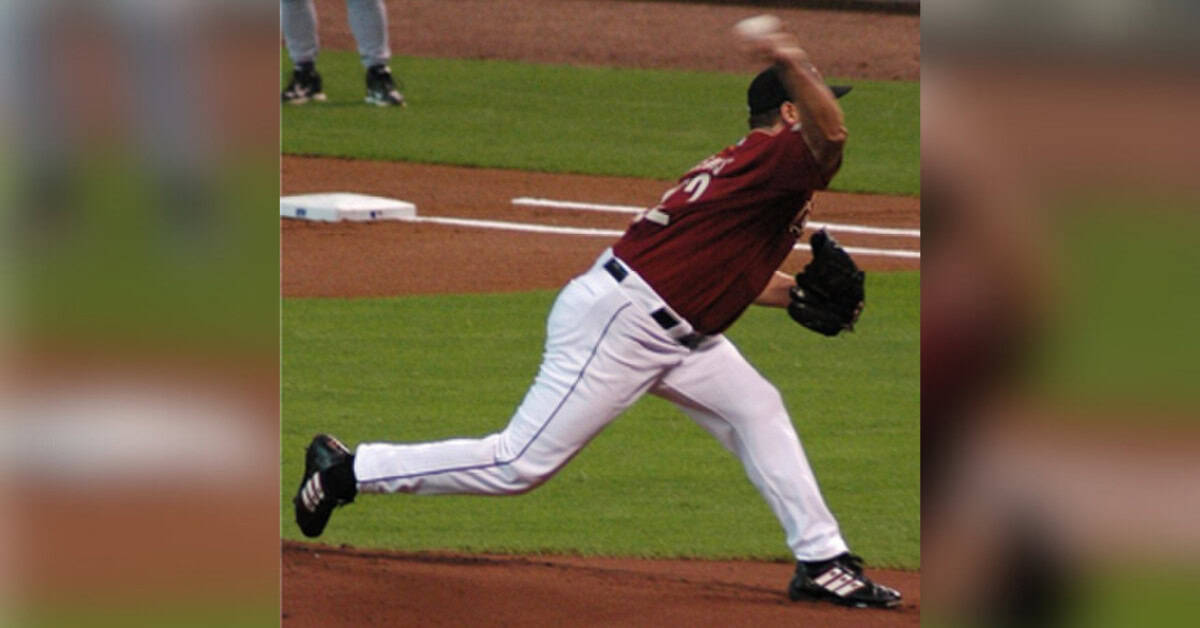
Roger Clemens’ performance at age 42 was like watching a rocket that had been launched decades earlier but somehow kept finding new fuel to reach even greater heights. Pitching for the Houston Astros in 2005, The Rocket posted a stunning 1.87 ERA—the best in the National League—to win his record seventh Cy Young Award. His fastball was still crackling with the same intensity that had made him famous, delivered with the competitive fire that burned as bright in his 40s as it did in his 20s. When Clemens wound up with his legendary heater ready to fire, fans witnessed the perfect example of how natural talent combined with obsessive preparation could defy every calendar, watching a pitcher who proved that some flames never burn out.
Darrell Evans’ 34 Home Runs at 40 That Powered Detroit’s Title Run
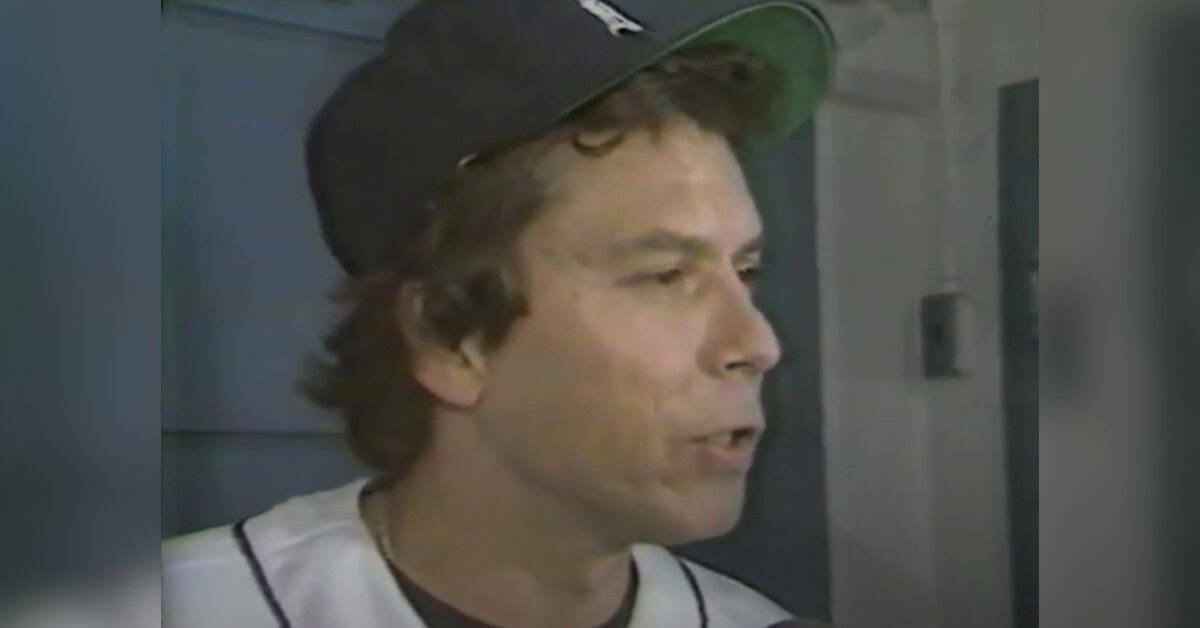
Darrell Evans’ 34 home runs at age 40 were like finding a vintage muscle car in perfect condition—unexpected, powerful, and capable of outperforming models half its age. Evans’ sweet swing was still generating serious power in 1987, helping anchor a Detroit lineup that needed every bit of veteran leadership and clutch hitting he could provide. When Evans stepped into the batter’s box at Tiger Stadium with his smooth stroke working like a well-oiled machine, Detroit fans witnessed the perfect example of how experience and determination could overcome the limitations of age, watching a veteran slugger who understood that sometimes the most valuable home runs are the ones that come when your team needs them most.
Julio Franco’s Ageless Wonder Act That Made 40s Look Like 20s
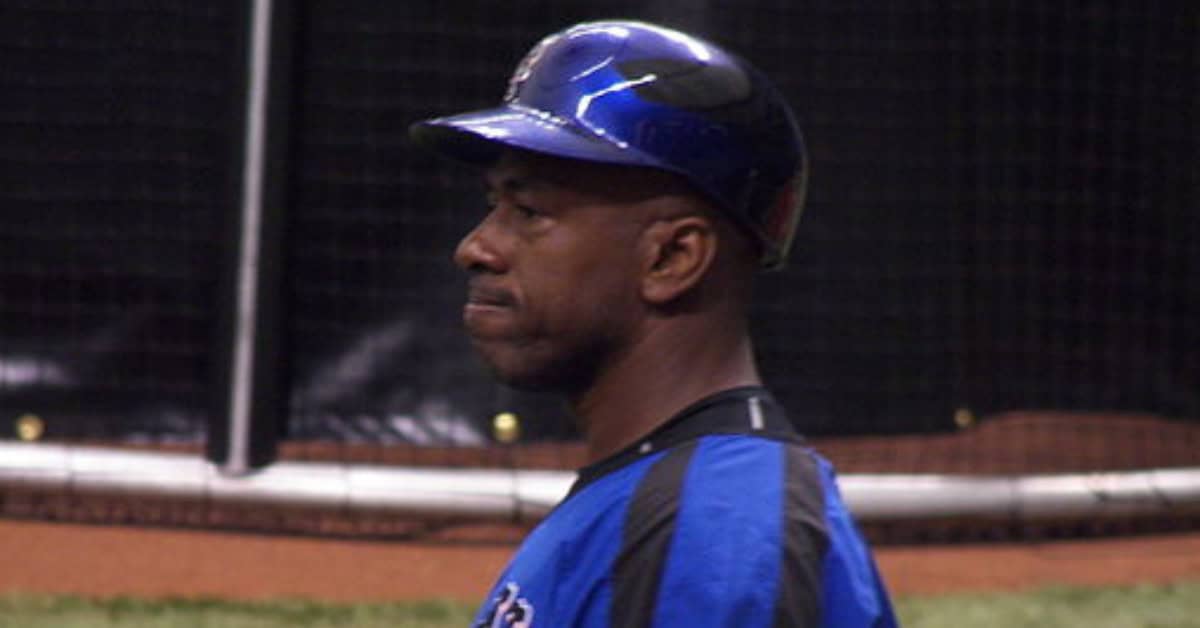
Julio Franco’s seemingly ageless career was like watching a time traveler who forgot to age, playing well into his 40s with the same smooth swing and infectious enthusiasm that had made him a star in the 1980s. Franco’s unique batting stance and professional approach to conditioning made him a marvel of longevity, proving that some players are simply built differently from the rest of us mere mortals. When Franco stepped into the batter’s box in his mid-40s with that distinctive stance and boyish grin intact, fans witnessed one of baseball’s most remarkable achievements, watching a player who proved that age really is just a number when you have the heart of a champion and the dedication of a true professional.