

Last Updated: June 17th, 2026 by Matthew Brown
Before television brought the World Series into living rooms and before million-dollar contracts made headlines, the 1910s belonged to players who rode trains between cities and played for the pure love of competition and a winner’s share that might buy a nice house. These were the days when spitballs were legal, tobacco juice stained every uniform, and championships were won by men with nicknames like “Smoky Joe” and “Home Run” Baker, who earned their monikers the hard way. From the Philadelphia Athletics’ dynasty to the Boston Red Sox’s remarkable run, these twenty champions defined a decade when baseball was still America’s only pastime, and every October victory felt like a small piece of immortality.
Don't lose this article. Enter your email below, and I'll send it to you right now. Plus, we'll send you other unbelievable stories from baseball's past.
Babe Ruth’s Pitching Perfection Before He Became the Sultan of Swat
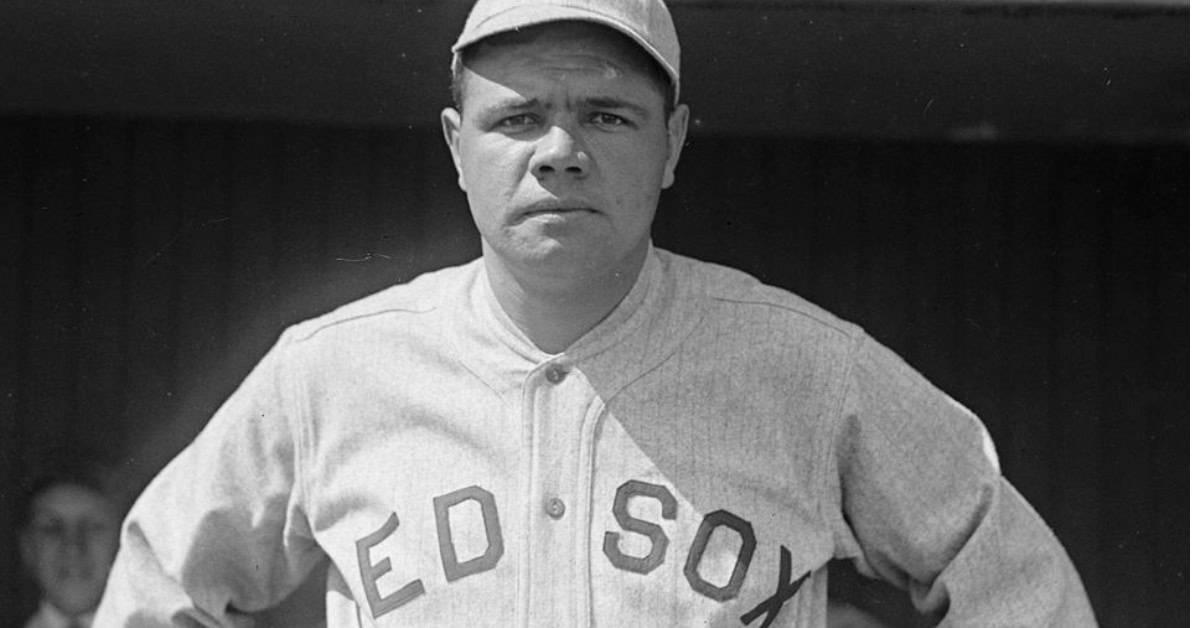
Before Babe Ruth became the home run king, he was a left-handed pitching wizard who helped deliver two World Series titles to Boston (1916, 1918) with an arm that seemed touched by baseball magic. Ruth’s World Series performance as a pitcher was a masterpiece of clutch play, helping the Red Sox capture their last championship for 86 years. When the young Babe wound up on the mound at Fenway Park with his devastating fastball and sharp-breaking curve, fans witnessed the beginning of a legend who would soon trade his pitcher’s mound for the batter’s box and change baseball forever.
Chief Bender’s Native American Magic That Delivered Philadelphia’s 1910 Crown
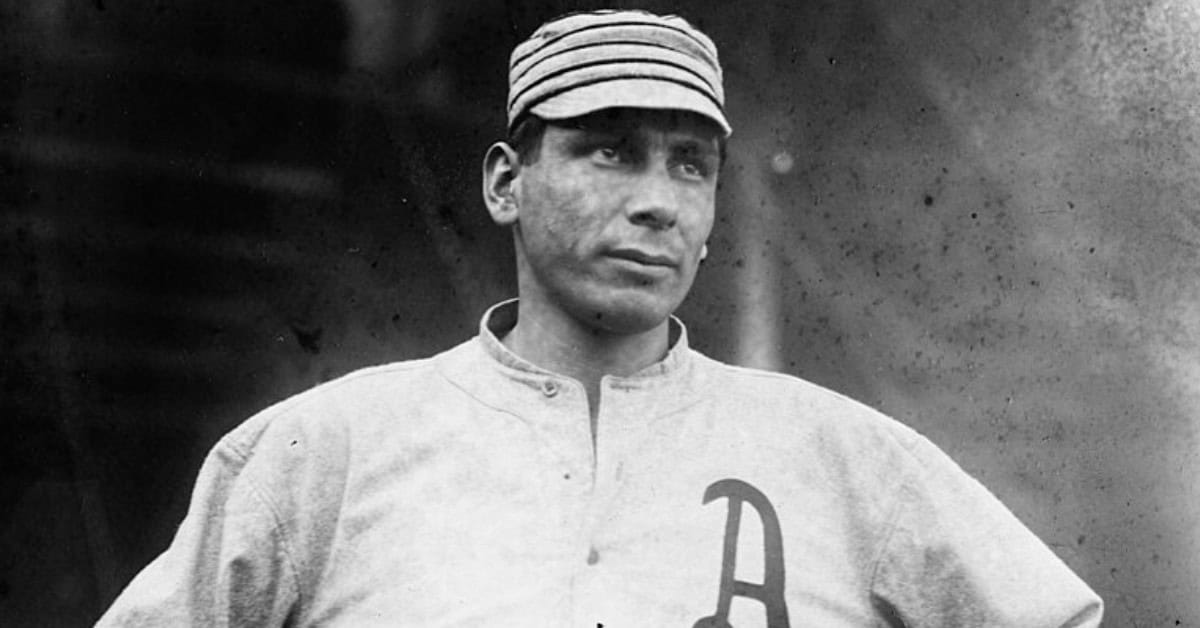
Chief Bender’s “nickel curve” was like a secret weapon passed down through generations, breaking just enough to fool the greatest hitters while his stoic presence on the mound made him the perfect anchor for Connie Mack’s championship machine. The Chippewa pitcher’s 1910 World Series dominance helped establish the Athletics dynasty, combining pinpoint control with the kind of clutch gene that separated champions from also-rans. When Chief Bender took the mound at Shibe Park with the championship on the line, Philadelphia fans knew they were watching more than just a pitcher—they were watching a warrior who understood that sometimes the most effective weapon is the one nobody sees coming.
Red Faber’s Spitball Wizardry That Delivered Chicago’s Clean 1917 Title
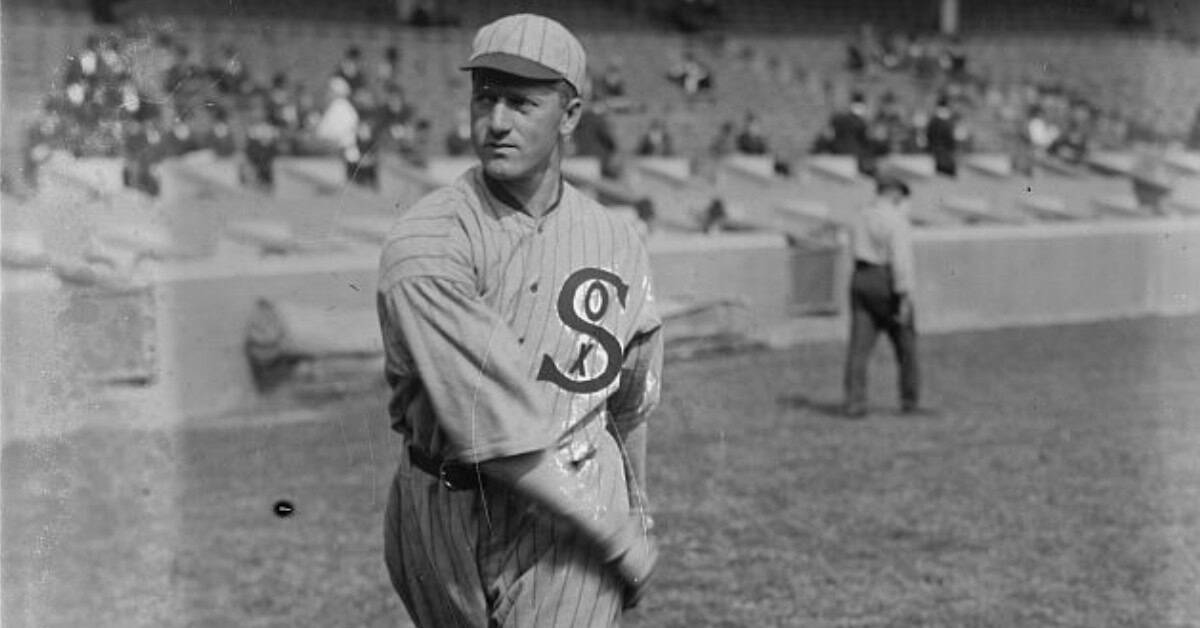
Red Faber’s spitball was perfectly legal in 1917, dancing through strike zones with the unpredictable movement that made him the ace of Chicago’s last honest championship team. Faber’s three complete-game victories in the 1917 World Series were masterpieces of craftsmanship, delivered with the kind of old-school grit that defined an era when pitchers were expected to finish what they started. When Red Faber wound up with his spitball glistening in the afternoon sun at Comiskey Park, White Sox fans witnessed pure artistry in motion, watching a pitcher who proved that sometimes the most effective pitch is the one that breaks the rules while staying within them.
Duffy Lewis’ Left Field Mastery That Conquered Fenway’s Treacherous Wall
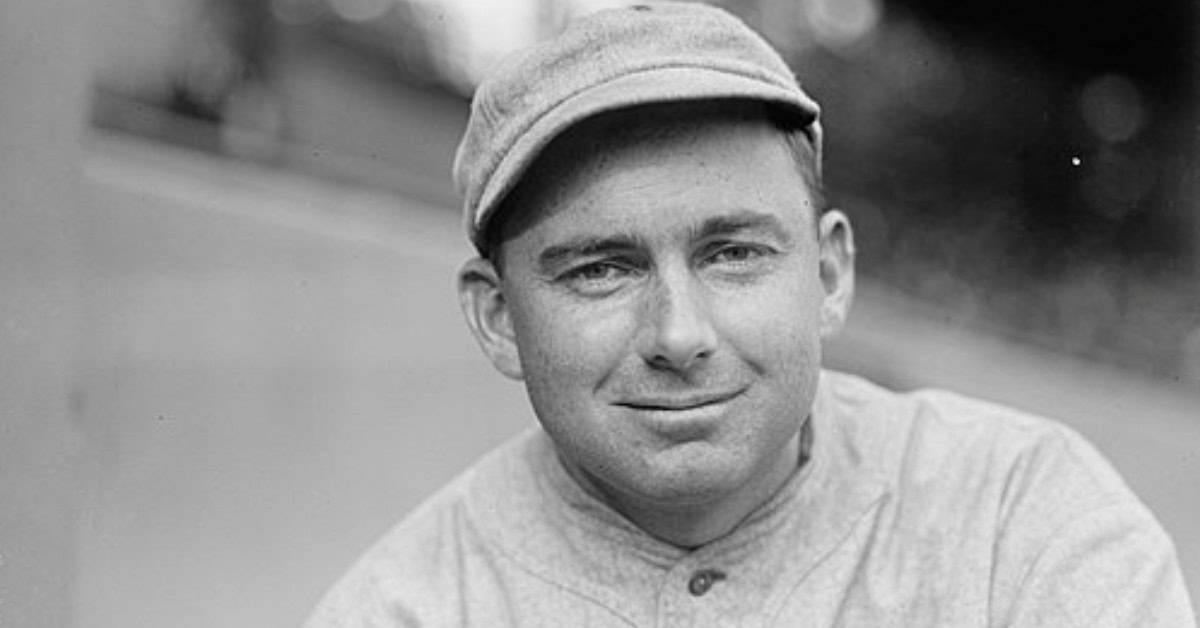
Duffy Lewis turned Fenway Park’s left field into his personal kingdom, mastering the ten-foot incline in front of the wall so completely that it became known as “Duffy’s Cliff” in honor of his defensive wizardry. Lewis’s ability to play caroms off the wall and navigate the treacherous slope made him invaluable to Boston’s championship teams, turning potential doubles into routine outs while his steady bat provided clutch hits. When Duffy Lewis patrolled left field at Fenway Park with his sure hands and baseball instincts working like clockwork, Red Sox fans knew they were watching a master craftsman who had turned one of baseball’s most challenging positions into an art form.
Eddie Collins’ Slick Second Base Wizardry for Two Championship Teams
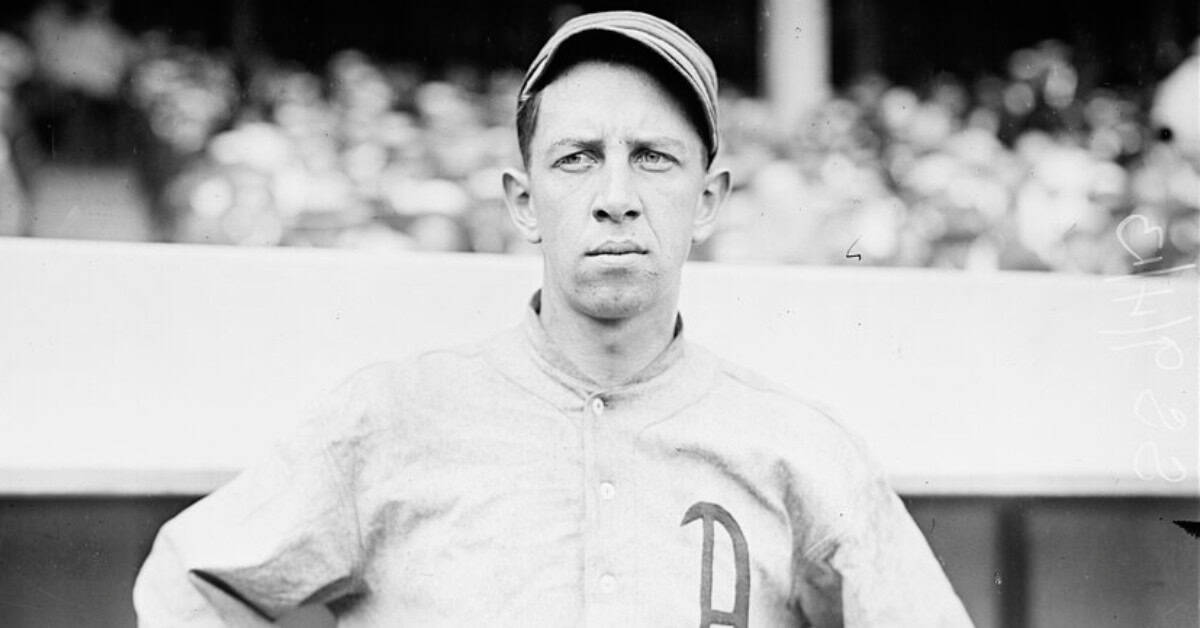
Eddie Collins was like a magician with a glove, turning impossible double plays into routine artistry while his bat consistently delivered the clutch hits that separated champions from pretenders. Collins’s unique achievement of winning championships with both Philadelphia and Chicago made him the ultimate professional, adapting his Hall of Fame skills to different teams and different systems with equal success. When Eddie Collins settled into his stance at second base with his keen baseball intelligence working overtime, fans witnessed the perfect combination of natural talent and acquired wisdom, watching a player who understood that championships are won by doing the little things perfectly when they matter most.
Carl Mays’ Submarine Delivery That Helped Boston Win in 1918
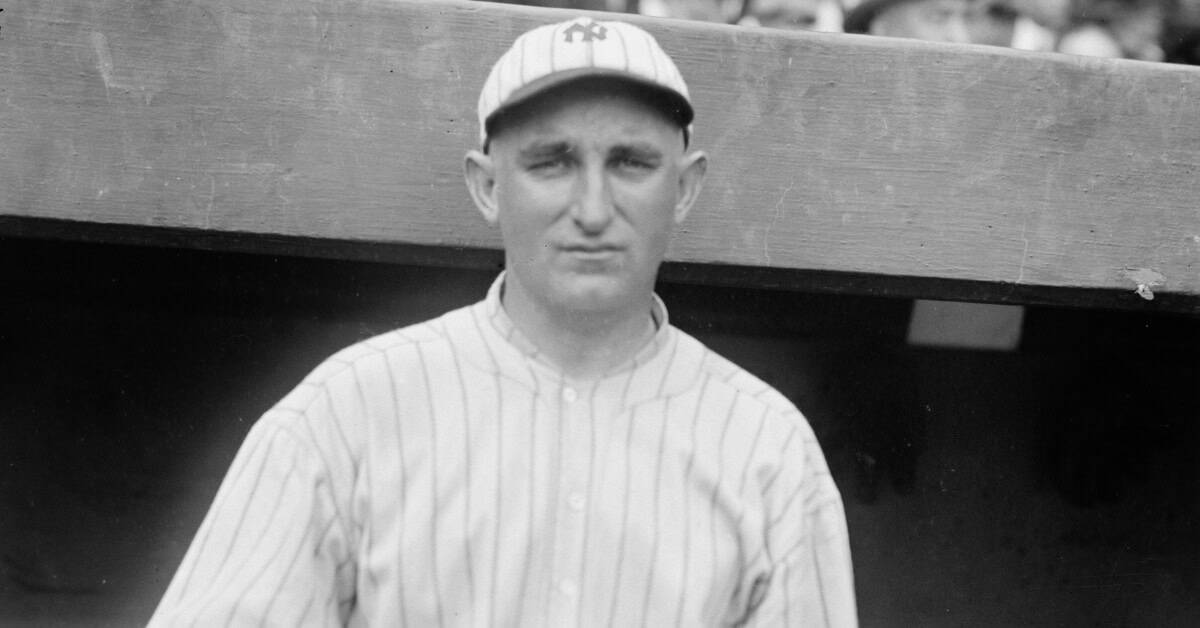
Carl Mays’ submarine delivery was like watching a pitcher throw underhand from a crouched position, creating unique angles and movement that baffled hitters throughout Boston’s 1918 championship run, where he won two World Series games. Mays’s sidearm motion generated ground balls and weak contact with mechanical precision, making him the perfect complement to Boston’s strong infield defense while his competitive fire burned as bright as any starter. When Carl Mays wound up with his distinctive delivery working like a well-oiled machine, Red Sox fans witnessed one of baseball’s most unusual success stories, watching a pitcher who proved that sometimes the most effective way to get hitters out is to do exactly what they don’t expect.
Stuffy McInnis’ First Base Steadiness That Anchored Championship Teams
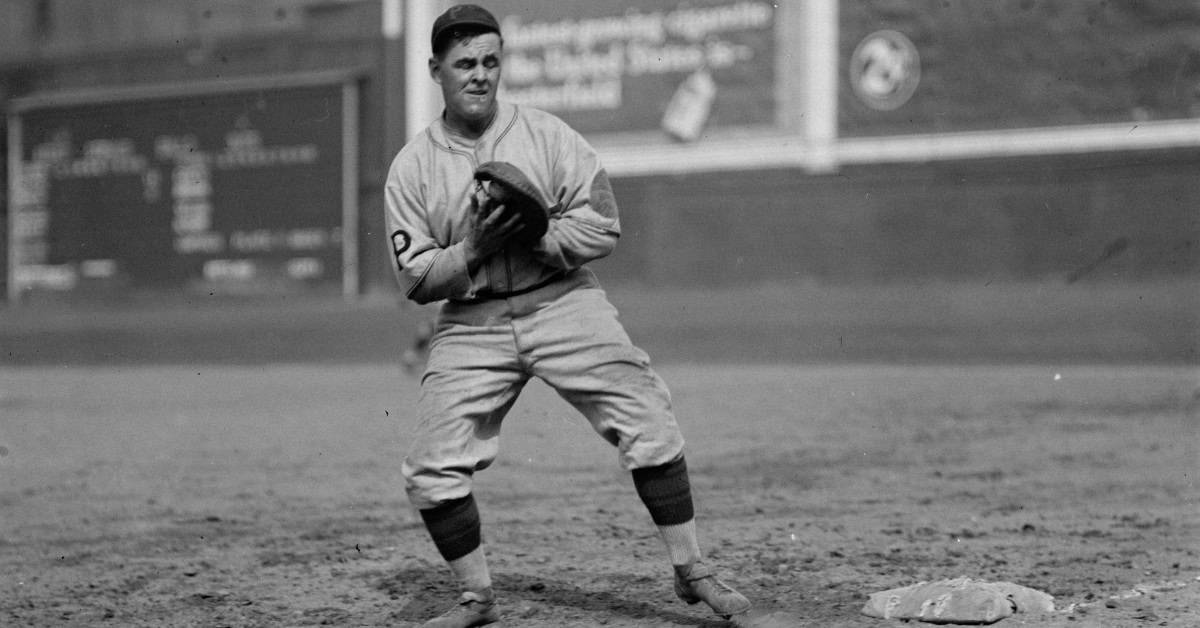
Stuffy McInnis was the rock-solid foundation that every championship team needs, turning routine plays into automatic outs while his steady bat provided the kind of consistent production that wins titles. As a key member of the Athletics’ famed “$100,000 infield,” his defensive reliability at first base was legendary, and his sure hands made him the perfect target for infielders throughout multiple championship runs. When Stuffy McInnis settled into his stance at first base with his quiet confidence radiating throughout the infield, fans witnessed the ultimate example of how championships are built on fundamentals, watching a player who understood that the most valuable contributions are often the ones that never make headlines.
Buck Weaver’s Hot Corner Heroics Before the Black Sox Scandal
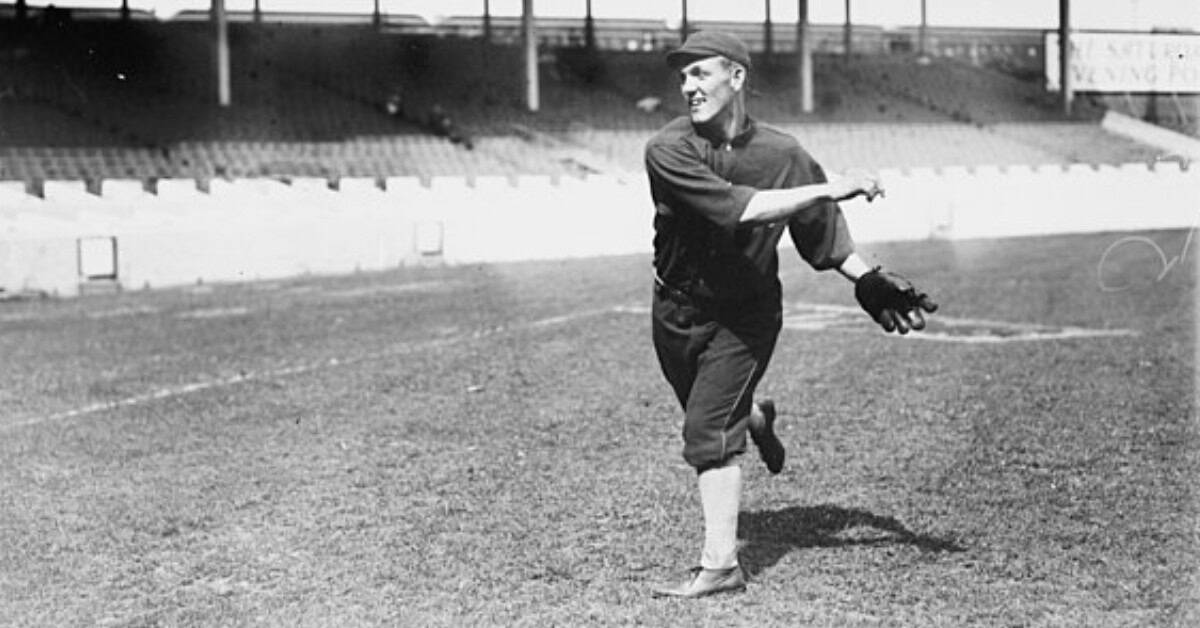
Buck Weaver’s glove was pure poetry at third base, turning impossible stops into routine outs while his aggressive batting style made him one of the most exciting players in Chicago’s 1917 championship lineup. Weaver’s defensive wizardry at the hot corner was matched only by his fierce competitive spirit, playing every game like his life depended on the outcome while his teammates fed off his infectious energy. When Buck Weaver crouched at third base with his quick reflexes and baseball instincts working in perfect harmony, White Sox fans witnessed one of the game’s great defensive artists, watching a player whose tragic association with the Black Sox scandal would forever overshadow his legitimate championship contributions.
Harry Hooper’s Outfield Artistry That Saved Multiple Red Sox Titles
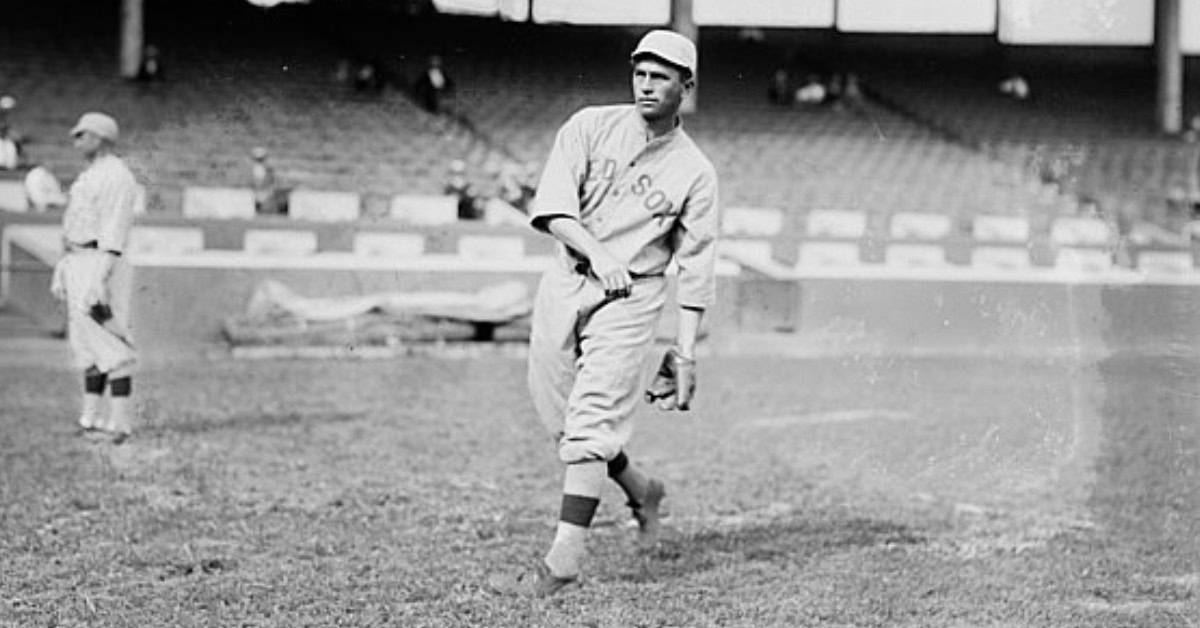
Harry Hooper’s right field play was like watching a ballet dancer with a cannon for an arm, combining graceful movement with devastating accuracy to cut down runners who dared test his legendary throwing ability. Hooper’s clutch hitting and defensive brilliance helped anchor four Red Sox championship teams, making him one of the most valuable players of the decade while his leadership qualities made him the perfect veteran presence. When Harry Hooper patrolled right field at Fenway Park with his sure hands and baseball intelligence working overtime, Red Sox fans witnessed the perfect combination of natural talent and acquired wisdom, watching a player who understood that championships are won by making the extraordinary look routine.
Jack Barry’s Shortstop Leadership That Guided Athletics to Glory
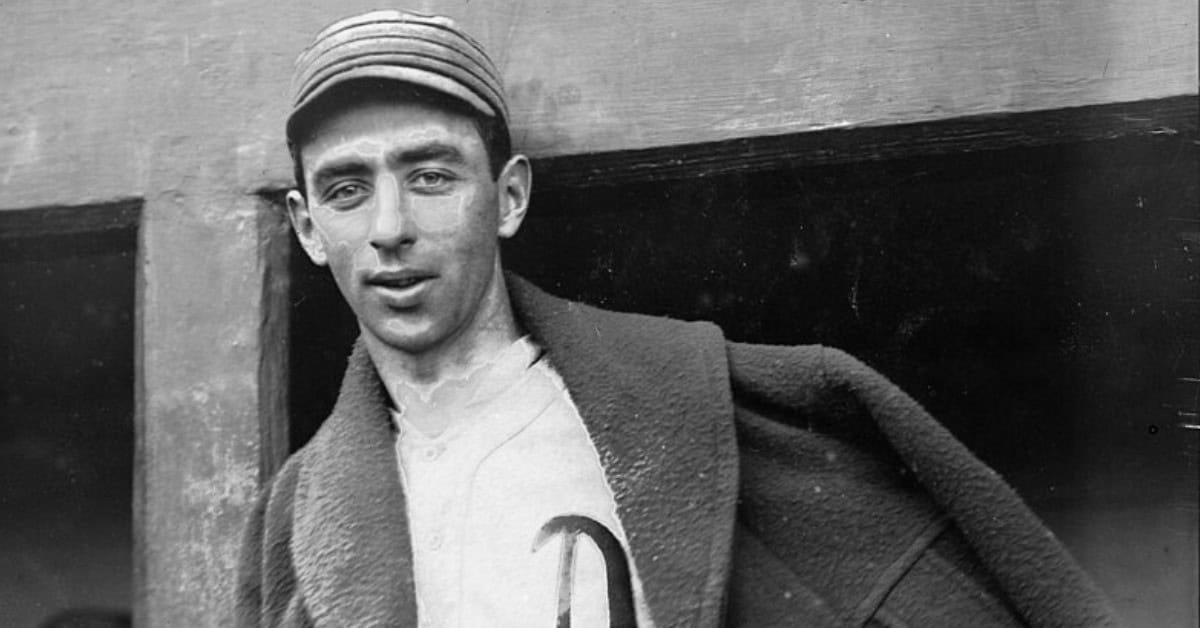
Jack Barry was the field general of Philadelphia’s championship machine, directing traffic from shortstop with the kind of baseball intelligence that turned good teams into great ones. Barry’s steady glove and clutch hitting made him the perfect complement to the Athletics’ star-studded lineup, providing the kind of veteran leadership that championship teams require when the pressure mounts. When Jack Barry settled into his stance at shortstop with his keen understanding of game situations working like a computer, Athletics fans witnessed the ultimate example of how leadership and fundamentals could triumph over pure talent, watching a player who proved that sometimes the most valuable thing you can bring to a team is simply knowing how to win.
Smoky Joe Wood’s Blazing Heat That Burned Boston to Glory in 1912
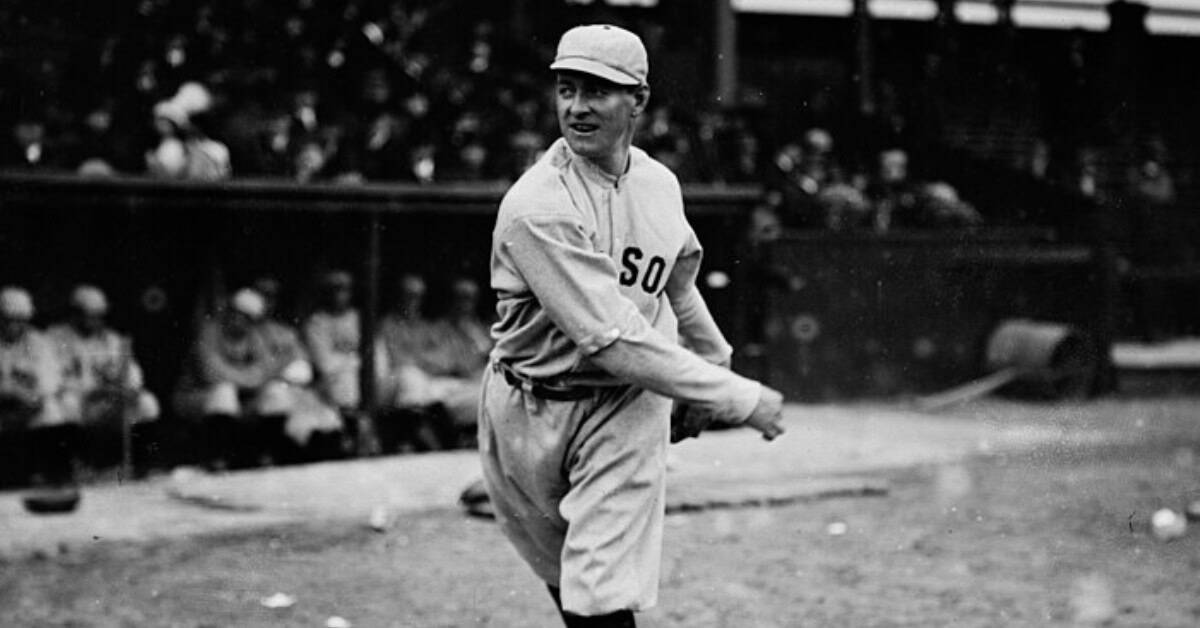
Smoky Joe Wood’s fastball was like lightning captured in a baseball, crackling toward home plate with such velocity that hitters often looked defeated before they even stepped into the box. Wood’s legendary 1912 season included 34 wins and three World Series victories, establishing him as one of the most dominant pitchers of the deadball era while his competitive fire burned as bright as his nickname suggested. When Smoky Joe Wood wound up with his blazing fastball ready to fire, Fenway Park became a house of horrors for opposing batters, who faced the impossible task of catching up to pure speed delivered with pinpoint control and championship determination.
Ray Schalk’s Catching Brilliance That Anchored the White Sox Dynasty
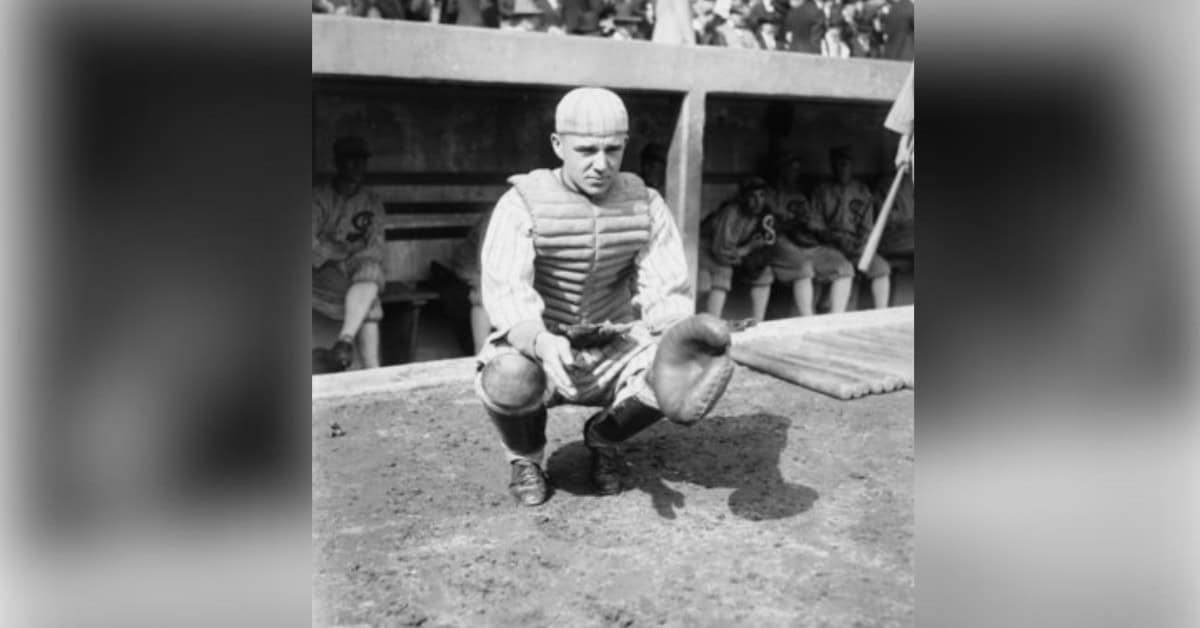
Ray Schalk was like a field general wearing shin guards, directing Chicago’s pitching staff with the kind of baseball intelligence that turned good arms into championship weapons. Schalk’s defensive brilliance behind the plate was matched only by his fierce competitive spirit, calling games with the precision of a chess master while his quick release made base stealers think twice about running. When Ray Schalk crouched behind home plate with his keen understanding of opposing hitters working overtime, White Sox fans witnessed the perfect example of how championships are built from behind the plate, watching a catcher who understood that the most important position on the field is the one that touches the ball on every single play.
Bullet Joe Bush’s Fastball That Powered Multiple Athletics Championships
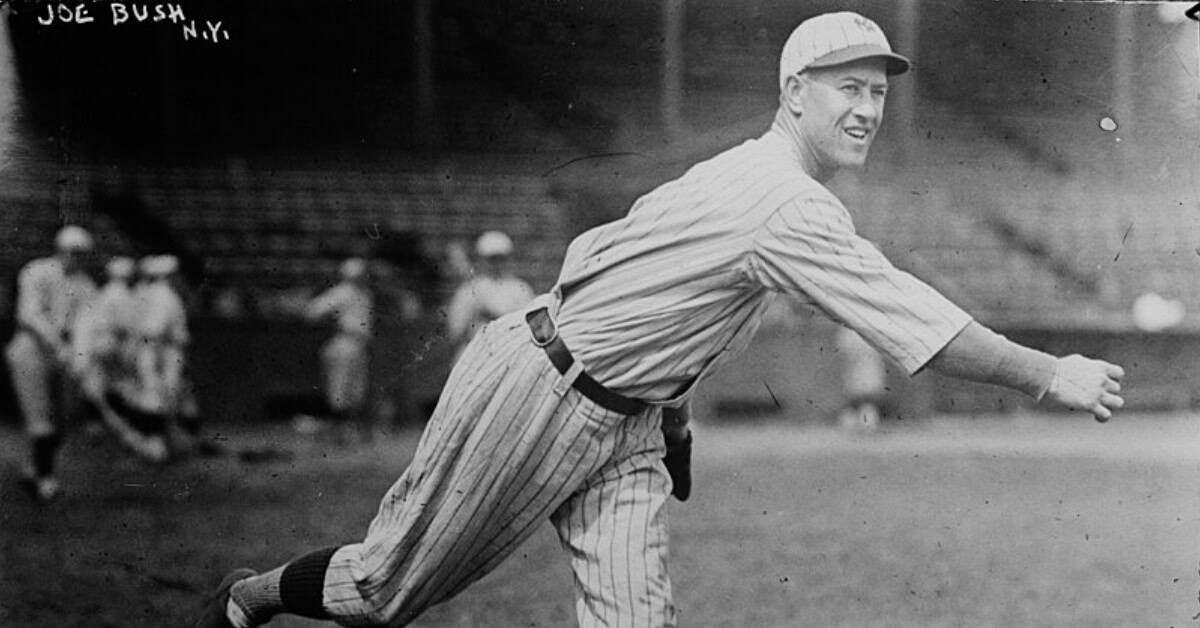
Bullet Joe Bush earned his nickname the hard way, firing fastballs past opposing hitters with the velocity and accuracy that made him one of the most feared pitchers of the deadball era. Bush’s championship contributions to Philadelphia’s dynasty were built on pure power and competitive determination, proving that sometimes the most effective pitch is simply the one that arrives faster than humanly possible to hit. When Bullet Joe Bush wound up with his legendary fastball crackling toward home plate, Athletics fans witnessed the perfect marriage of natural talent and killer instinct, watching a pitcher who understood that championships are won by throwing strikes when it matters most.
Larry Gardner’s Clutch Third Base Play That Sealed Red Sox Victories
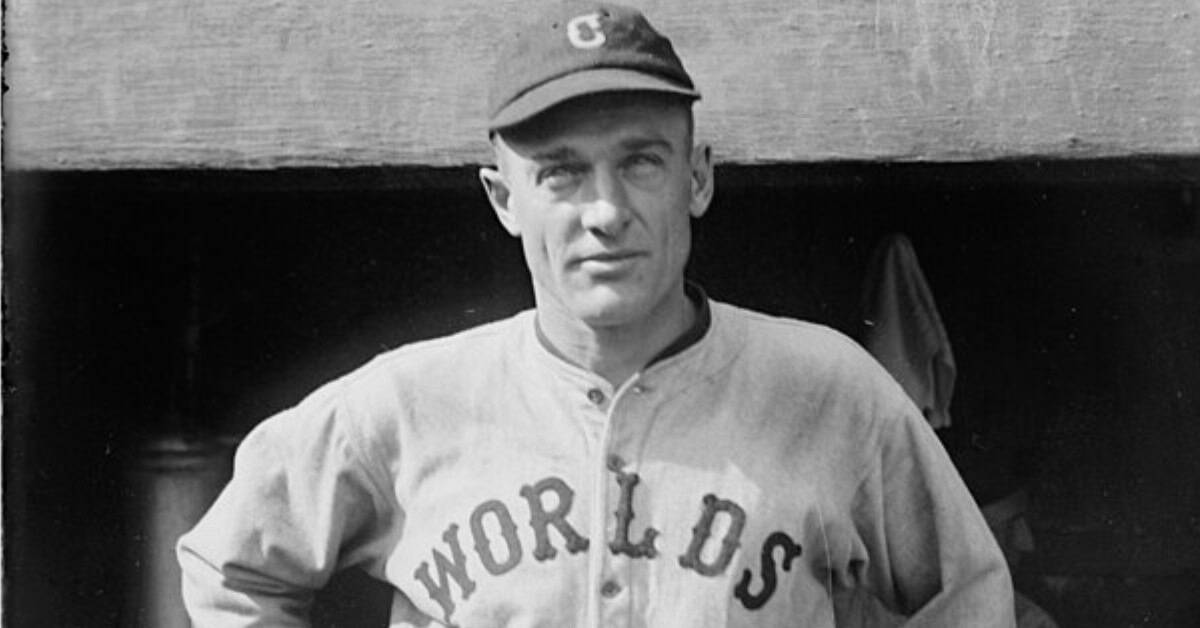
Larry Gardner’s glove was like a magnet for line drives, turning screaming shots down the third base line into routine outs while his clutch hitting provided the kind of timely production that separates champions from also-rans. Gardner’s steady presence at the hot corner anchored multiple Red Sox championship teams, combining reliable defense with the kind of veteran leadership that championship teams require. When Larry Gardner crouched at third base with his quick reflexes and baseball instincts working in perfect harmony, Red Sox fans witnessed the ultimate example of how fundamentals and clutch performance could overcome pure talent, watching a player who proved that sometimes the most valuable contributions are the ones that show up exactly when they’re needed most.
Happy Felsch’s Center Field Speed That Helped Chicago’s 1917 Crown
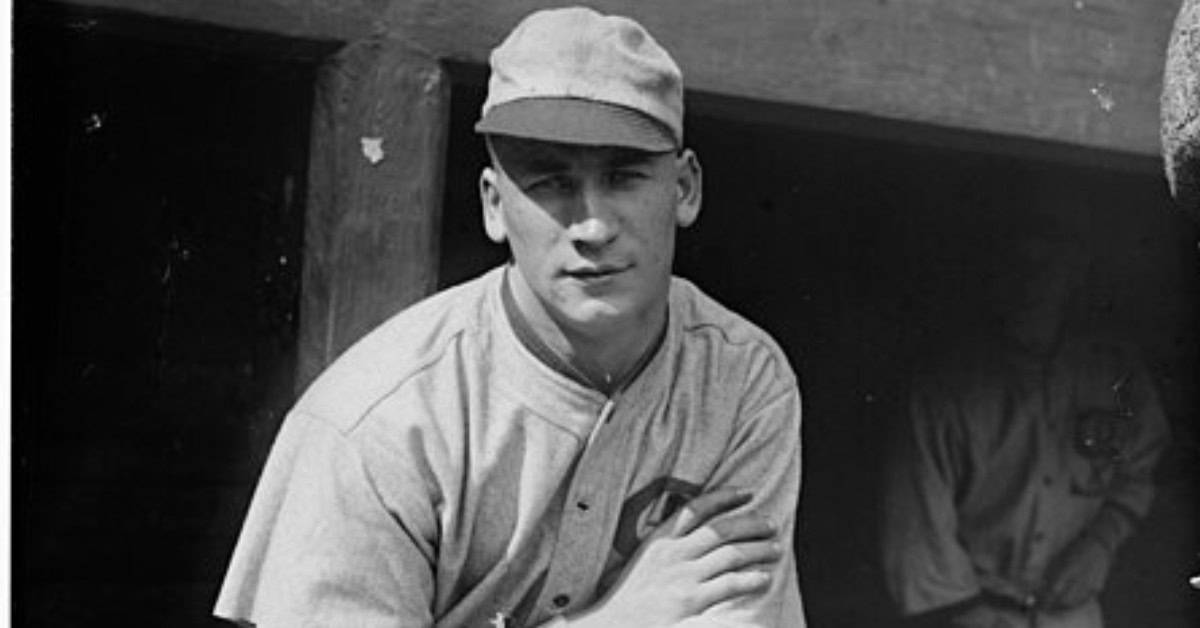
Happy Felsch’s center field coverage was like watching a gazelle with a baseball glove, running down fly balls that seemed destined for extra bases while his powerful arm kept runners honest throughout Chicago’s championship season. Felsch’s combination of speed and power made him one of the most complete players in the game, patrolling center field with the kind of range that turned Comiskey Park into a pitcher’s paradise. When Happy Felsch settled into his stance in center field with his natural athleticism and competitive fire working in perfect harmony, White Sox fans witnessed the perfect example of how natural talent and hard work could combine to create championship magic.
Wally Schang’s Catching Skills That Won Championships in Two Cities
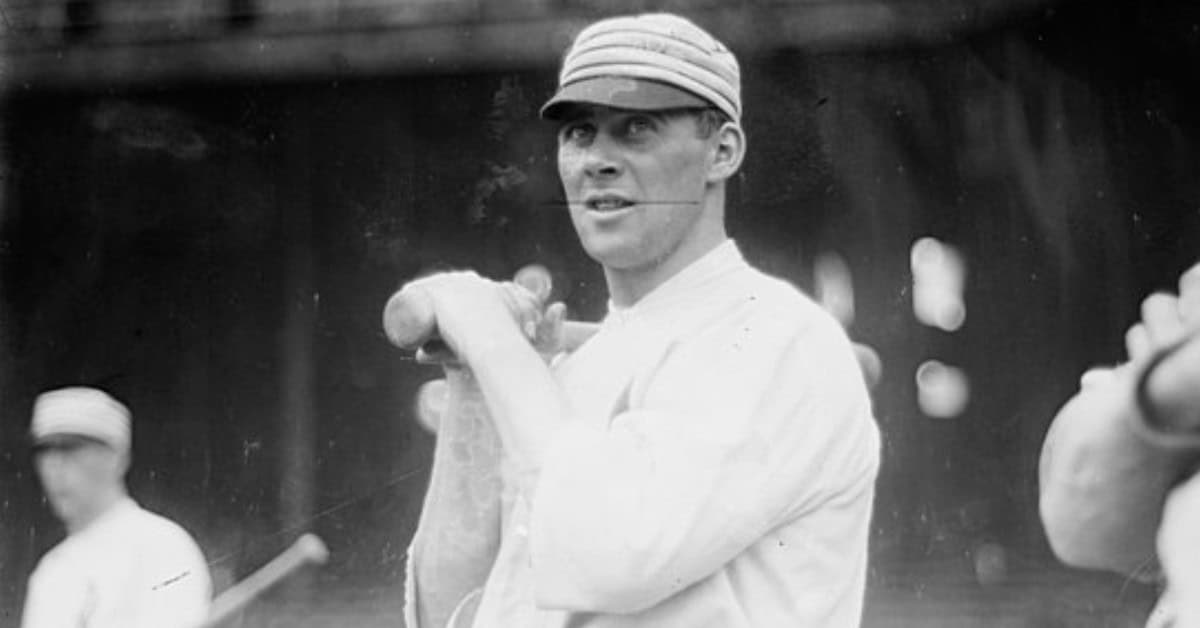
Wally Schang was like a championship good luck charm behind the plate, bringing his defensive brilliance and clutch hitting to title teams in both Philadelphia and Boston while his veteran presence calmed pitchers in the biggest moments. Schang’s ability to handle different pitching staffs and adapt to different systems made him the ultimate professional, proving that some players are simply born to win championships. When Wally Schang crouched behind home plate with his keen baseball intelligence and steady hands working overtime, fans in two cities witnessed the perfect example of how experience and fundamentals could triumph over pure talent, watching a catcher who understood that championships are won by doing the little things perfectly when they matter most.
Herb Pennock’s Left-Handed Artistry That Started His Championship Journey
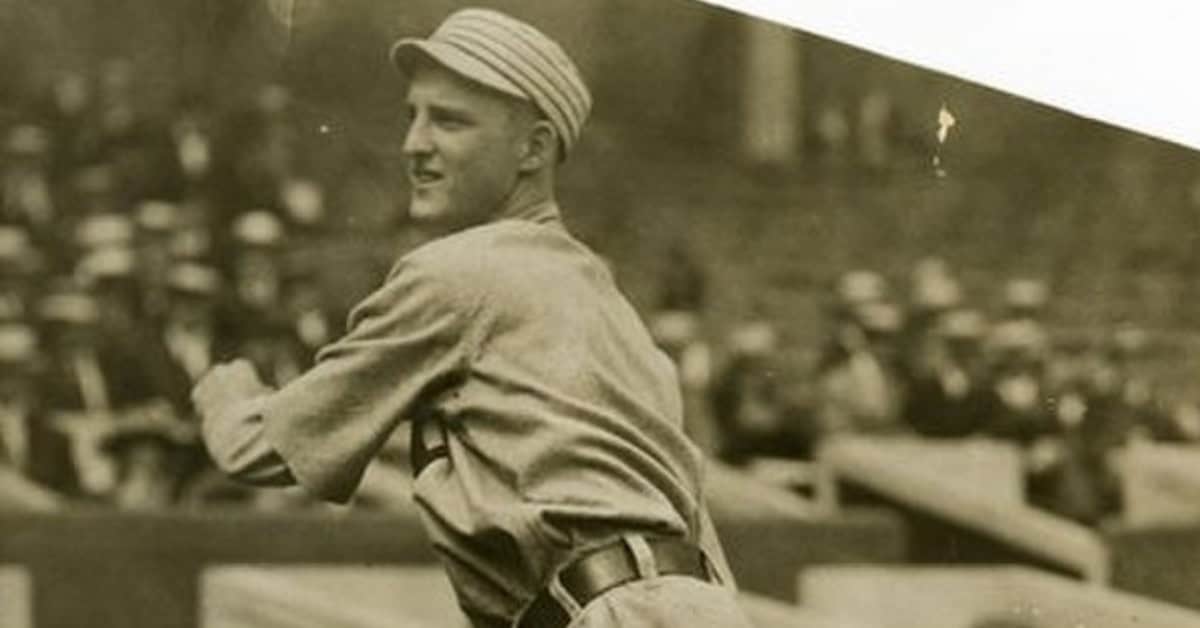
Herb Pennock’s smooth left-handed delivery was like watching poetry in motion, combining pinpoint control with devastating effectiveness that would eventually make him one of the greatest pitchers in baseball history. Pennock’s early championship experience with Boston provided the foundation for a Hall of Fame career, teaching him the kind of clutch pitching that separates good arms from great ones. When Herb Pennock wound up with his graceful delivery working like clockwork, Red Sox fans witnessed the beginning of a legend, watching a young pitcher who would eventually become synonymous with championship excellence while learning his craft in the pressure cooker of October baseball.
Tris Speaker’s Center Field Poetry That Made Fenway Championships Sing
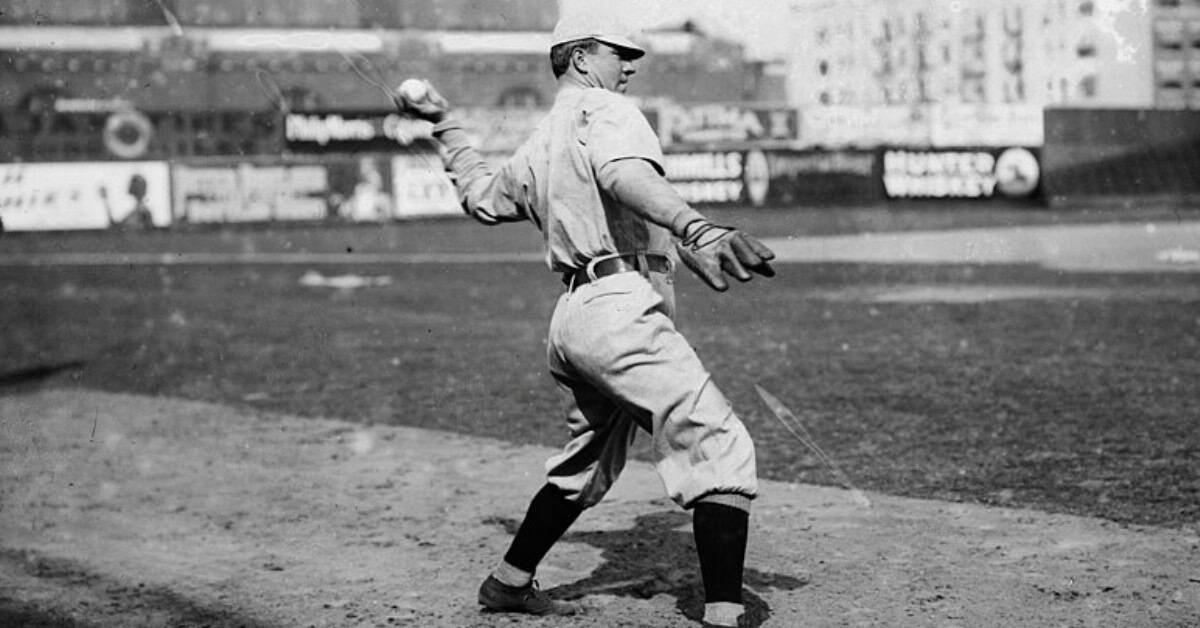
Tris Speaker’s center field play was like watching a ballet dancer with a cannon for an arm, covering ground that seemed impossible while his shallow positioning allowed him to turn line drives into unassisted double plays. The Gray Eagle’s combination of defensive brilliance and clutch hitting made him the heart and soul of Boston’s championship teams, providing the kind of veteran leadership that transforms good players into champions. When Tris Speaker patrolled center field at Fenway Park with his revolutionary positioning and baseball instincts working like a computer, Red Sox fans witnessed the evolution of outfield play, watching a player who redefined what was possible with a glove and the determination to be perfect.
Home Run Baker’s October Power That Built the Athletics Dynasty
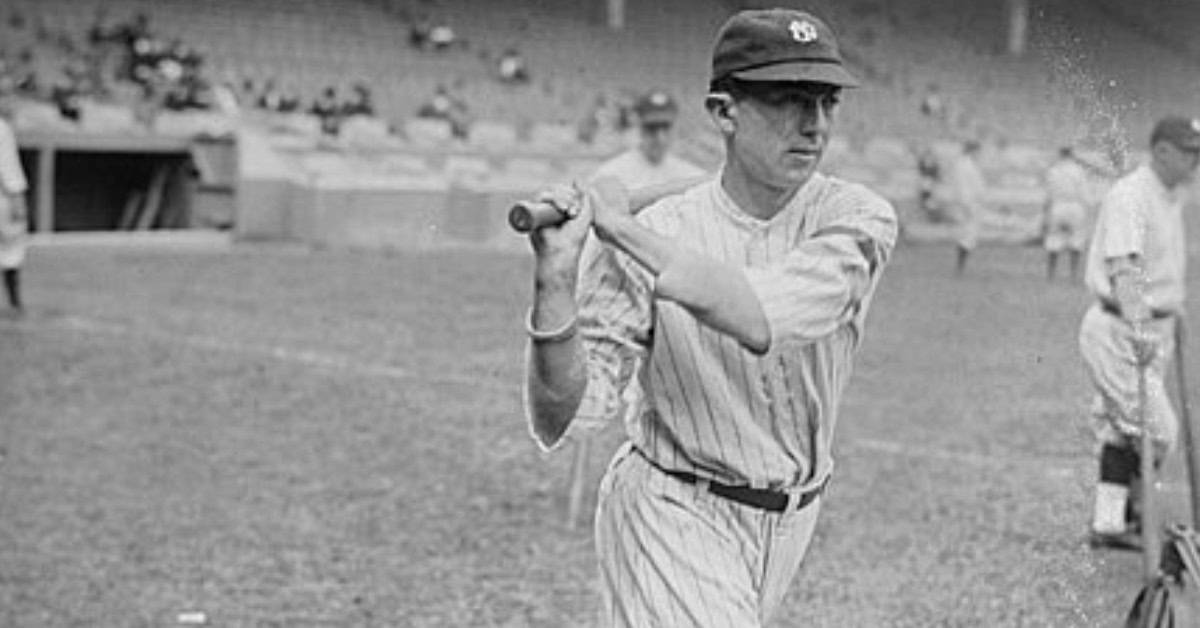
Frank “Home Run” Baker earned his legendary nickname by delivering clutch power when it mattered most, turning October moments into championship memories with a swing that seemed designed for pressure situations. Baker’s third base play was equally impressive, combining sure hands with a rocket arm while his competitive fire made him the perfect cornerstone for Philadelphia’s dynasty. When Home Run Baker stepped into the batter’s box with the championship on the line, Athletics fans knew they were watching clutch personified, a player who understood that legends are made in October and some swings echo through eternity.
Shoeless Joe Jackson’s Sweet Swing That Haunted October Dreams
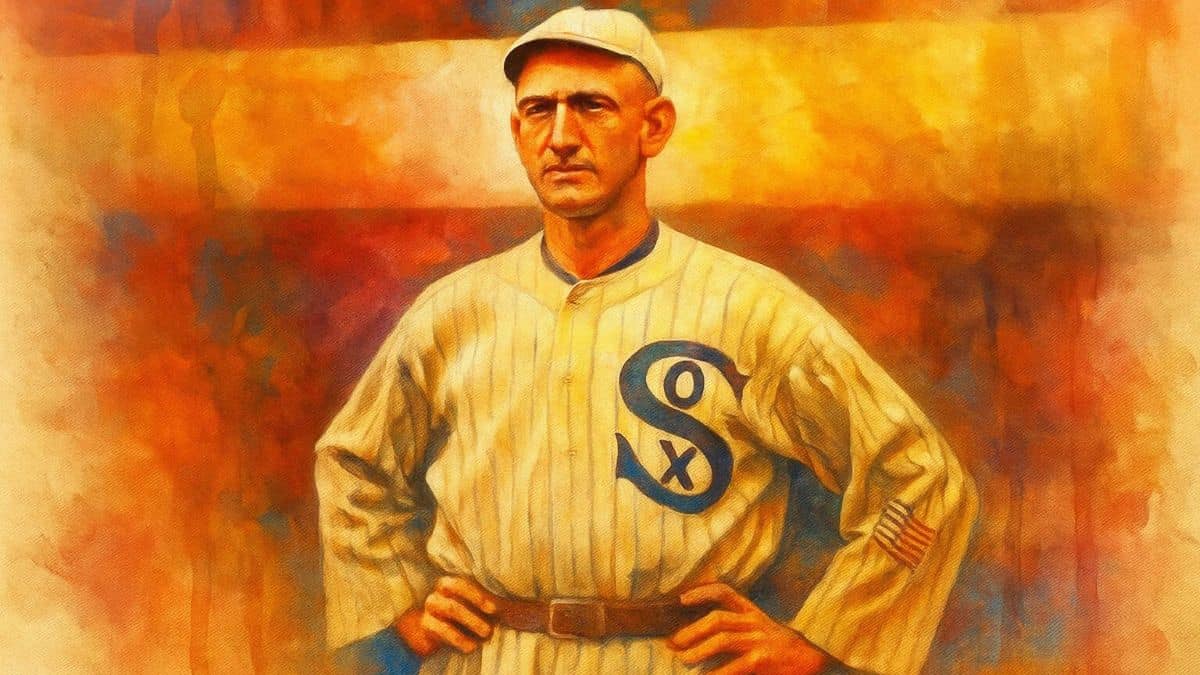
Shoeless Joe Jackson’s swing was pure poetry in motion, generating line drives with the kind of natural grace that made hitting look effortless while his .356 career average spoke to a talent that transcended any scandal. Jackson’s 1917 championship with Chicago showcased his incredible ability to rise to the occasion, delivering clutch hits with the same smooth stroke that made him one of the greatest natural hitters in baseball history. When Shoeless Joe Jackson stepped into the batter’s box with his legendary swing ready to unleash its magic, fans witnessed the tragic beauty of pure talent, watching a player whose championship moment would forever be overshadowed by the darkness that followed, leaving us to wonder what might have been if the Black Sox scandal had never tainted the sweetest swing in baseball.