

Last Updated: June 17th, 2026 by Matthew Brown
The 1960s transformed baseball from America’s pastime into a cultural battleground, where civil rights met curveballs and tradition collided with revolution. These twenty champions didn’t just win World Series rings—they navigated a decade of change. From Koufax’s blazing fastball to Gibson’s intimidating glare, these legends defined an era when baseball reflected the soul of a nation in turmoil.
Don't lose this article. Enter your email below, and I'll send it to you right now. Plus, we'll send you other unbelievable stories from baseball's past.
Bob Gibson: Hoot’s Intimidating Mound Presence
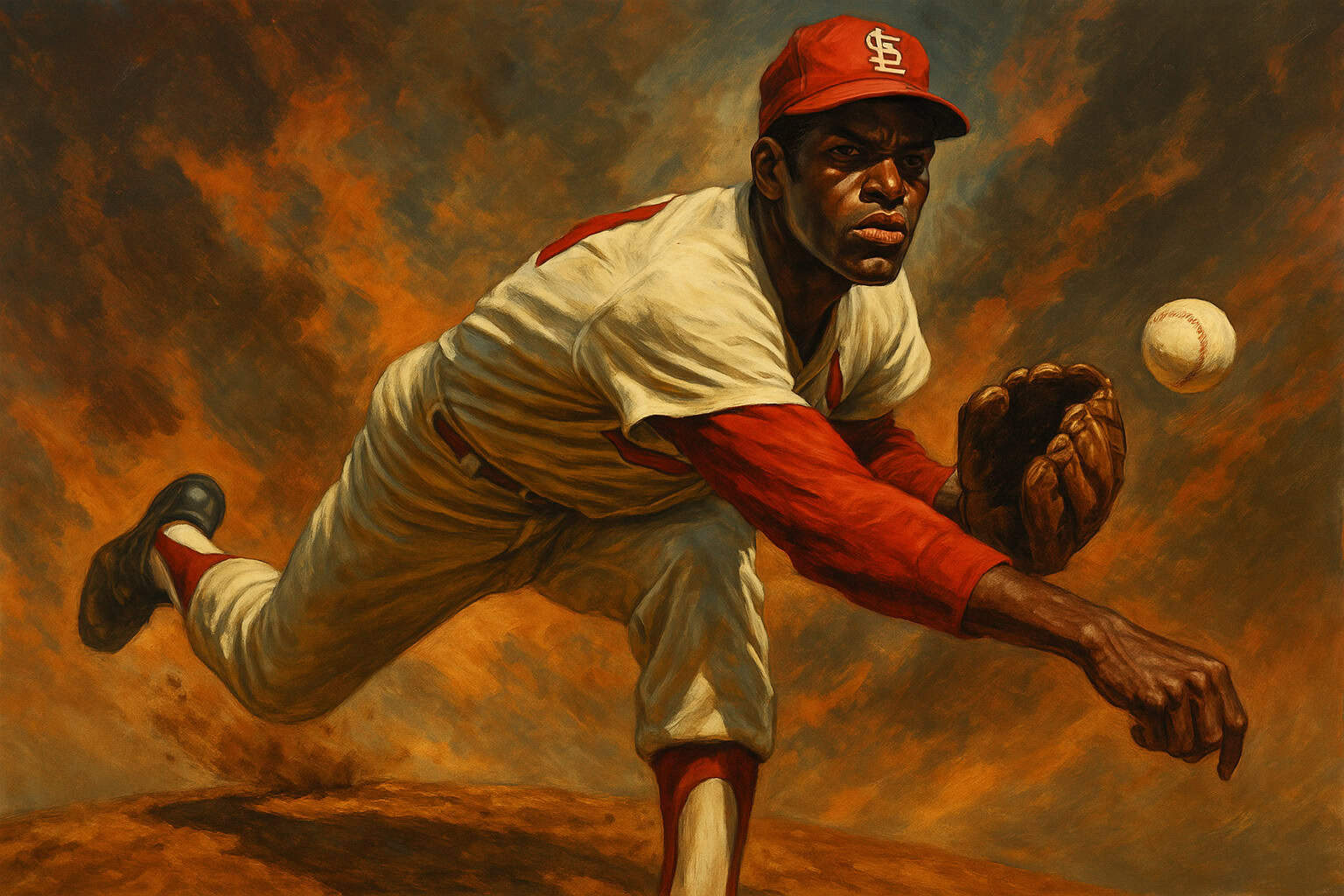
Bob Gibson’s intimidating presence on the mound helped the Cardinals win World Series championships in 1964 and 1967, establishing him as the most feared pitcher of his generation. Hoot’s 1.12 ERA in 1968 remains one of baseball’s most untouchable records, achieved through a combination of blazing fastballs and a death stare that could wilt flowers. Gibson’s refusal to fraternize with opposing players or even smile during games embodied the serious business of winning championships in a decade when everything else seemed to be falling apart.
Don Drysdale: Big D’s Intimidating Sidearm Delivery
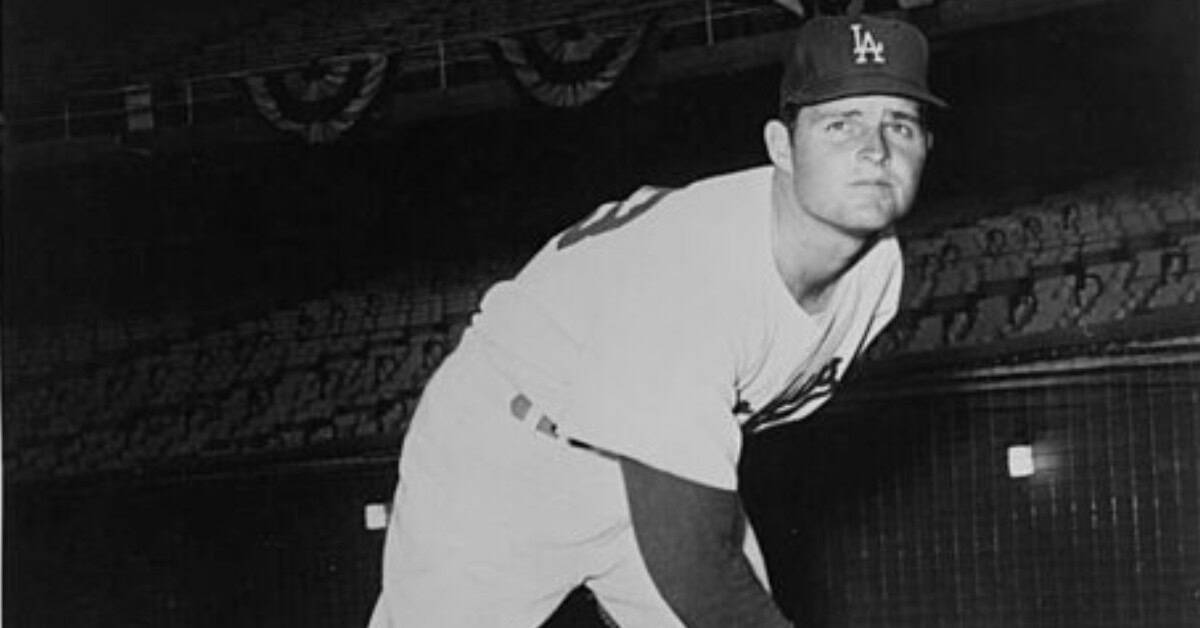
Don Drysdale’s sidearm fastball and willingness to pitch inside helped the Dodgers win World Series championships in 1963 and 1965, making him the perfect complement to Sandy Koufax’s overpowering style. Big D’s 58⅔ consecutive scoreless innings in 1968 came from a philosophy that the plate belonged to him, not the batter. Drysdale’s intimidating 6’6″ frame and brushback pitches reminded hitters that in the 1960s, when protests filled the streets, some battles were still fought one pitch at a time.
Boog Powell: The Big Man’s Baltimore Bash

Boog Powell’s massive frame and powerful swing helped the Baltimore Orioles win the 1966 World Series, bringing championship baseball to a city that desperately needed something to celebrate. The gentle giant’s 39 home runs and 121 RBIs in 1966 came from a swing that could launch baseballs into orbit while maintaining the demeanor of a friendly neighborhood barbecue host. Powell’s success proved that in the turbulent 1960s, sometimes the biggest personalities came in the most unassuming packages.
Juan Marichal: The Dominican Dandy’s High Leg Kick
Juan Marichal’s distinctive high leg kick and pinpoint control helped the San Francisco Giants remain competitive throughout the 1960s, though his World Series ring would have to wait until later in his career. The Dominican Dandy’s smooth delivery and devastating screwball made him one of the decade’s most effective pitchers. Marichal’s artistry on the mound provided a beautiful contrast to the decade’s chaos, proving that elegance and precision could still triumph in an era of revolution.
Roger Maris: The Home Run King’s Pinstripe Glory
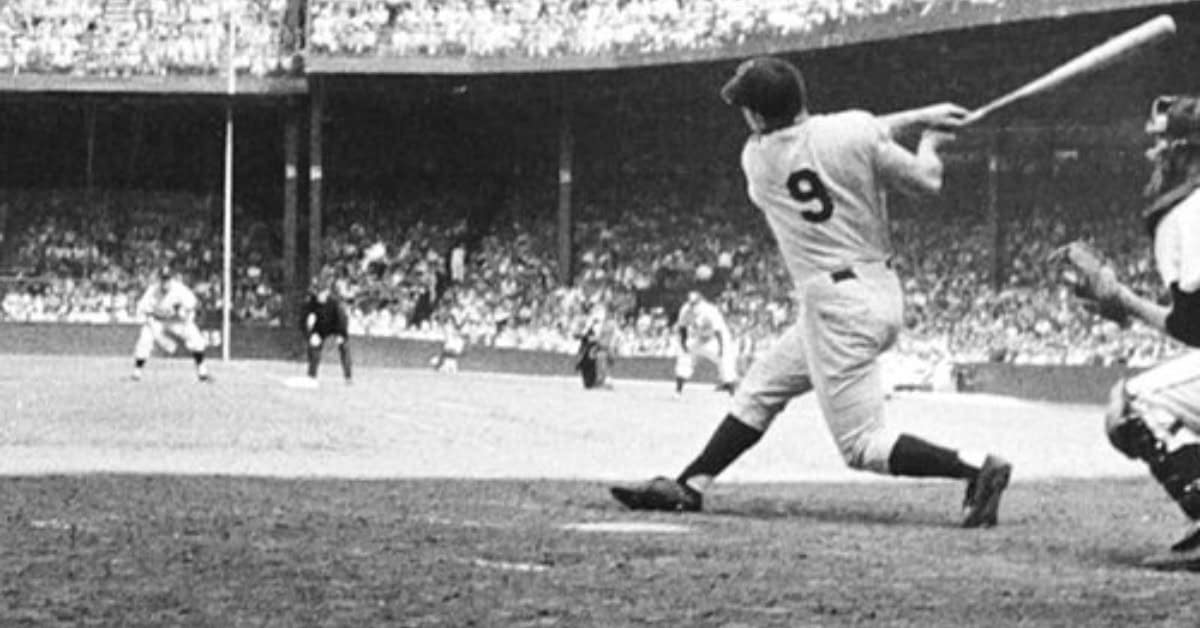
Roger Maris’ 61 home runs in 1961 helped the Yankees win the World Series that year, though the achievement came with an asterisk that haunted him for decades. The quiet North Dakotan’s pursuit of Babe Ruth’s record turned him into a reluctant celebrity who preferred fishing to fame. Maris’ championship ring represented both triumph and burden, proving that in the 1960s, even baseball heroes couldn’t escape the weight of history and expectation.
Brooks Robinson: The Human Vacuum’s Defensive Poetry
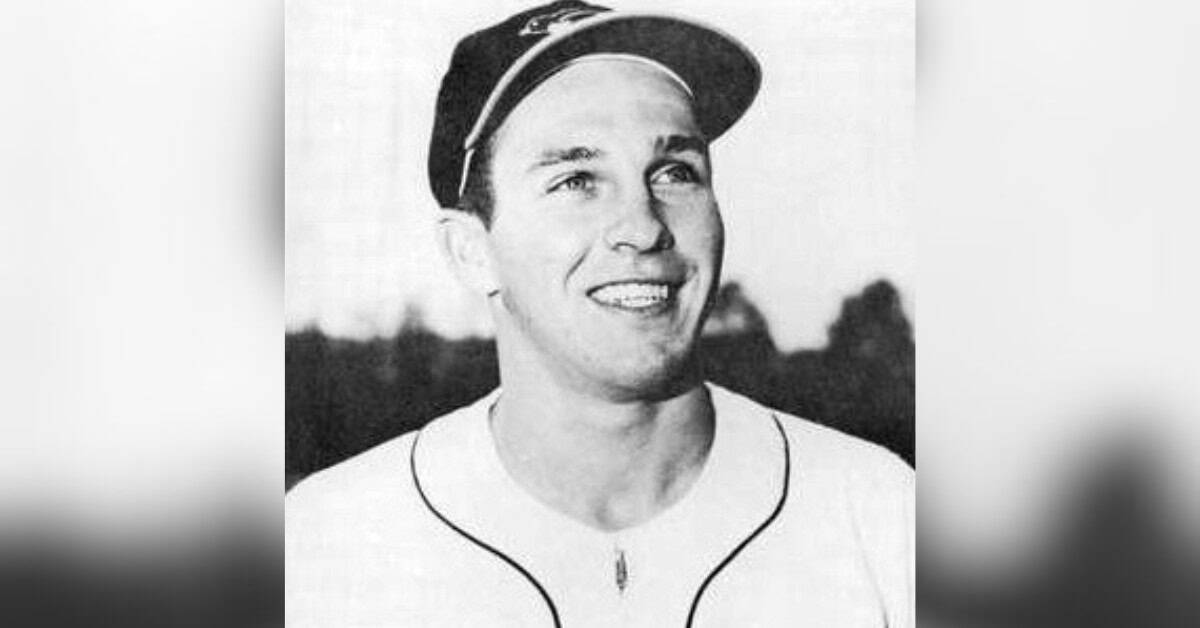
Brooks Robinson’s spectacular defensive play at third base helped Baltimore win the 1966 World Series, with glove work so smooth it looked like choreographed dance. The Human Vacuum’s ability to make impossible plays look routine earned him 16 consecutive Gold Gloves and the eternal gratitude of Orioles pitchers. Robinson’s defensive artistry provided a calming influence during a decade of upheaval, proving that some things—like perfectly executed double plays—remained beautifully constant.
Maury Wills: The Speed Demon’s Stolen Base Revolution
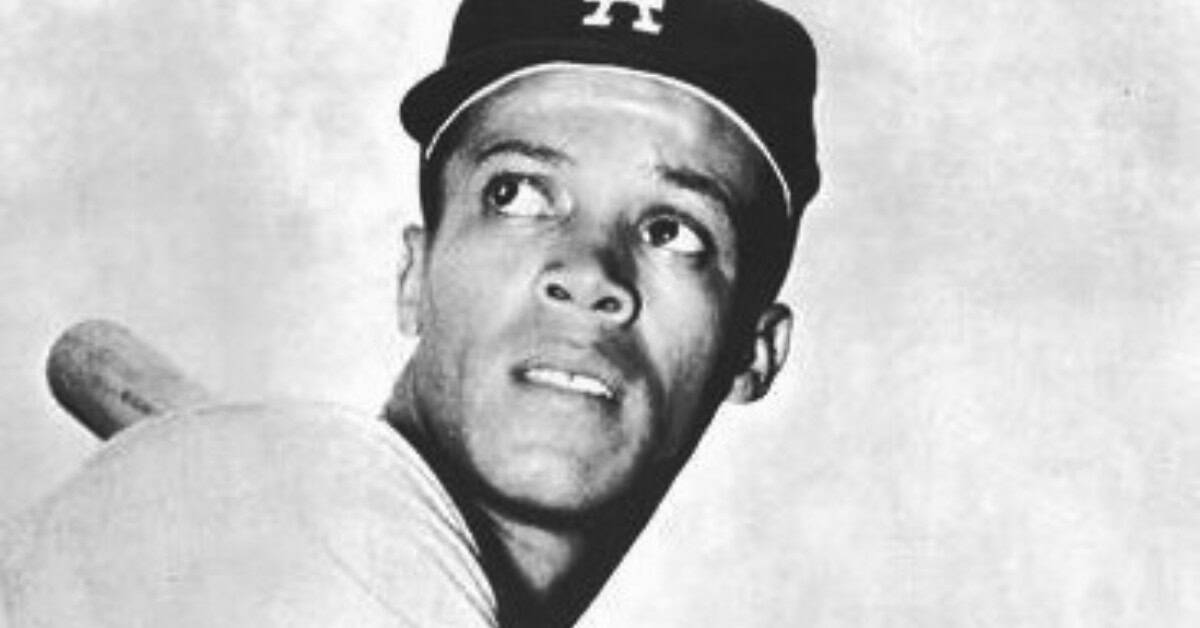
Maury Wills’ 104 stolen bases in 1962 revolutionized baseball strategy and helped the Dodgers win World Series championships in 1963 and 1965. The switch-hitting speedster’s ability to steal second base at will made every at-bat a potential rally, turning the running game into high art. Wills’ base-stealing exploits provided the perfect metaphor for a decade when everyone seemed to be running toward something—or away from something else.
Al Kaline: Mr. Tiger’s Long-Awaited Championship Ring
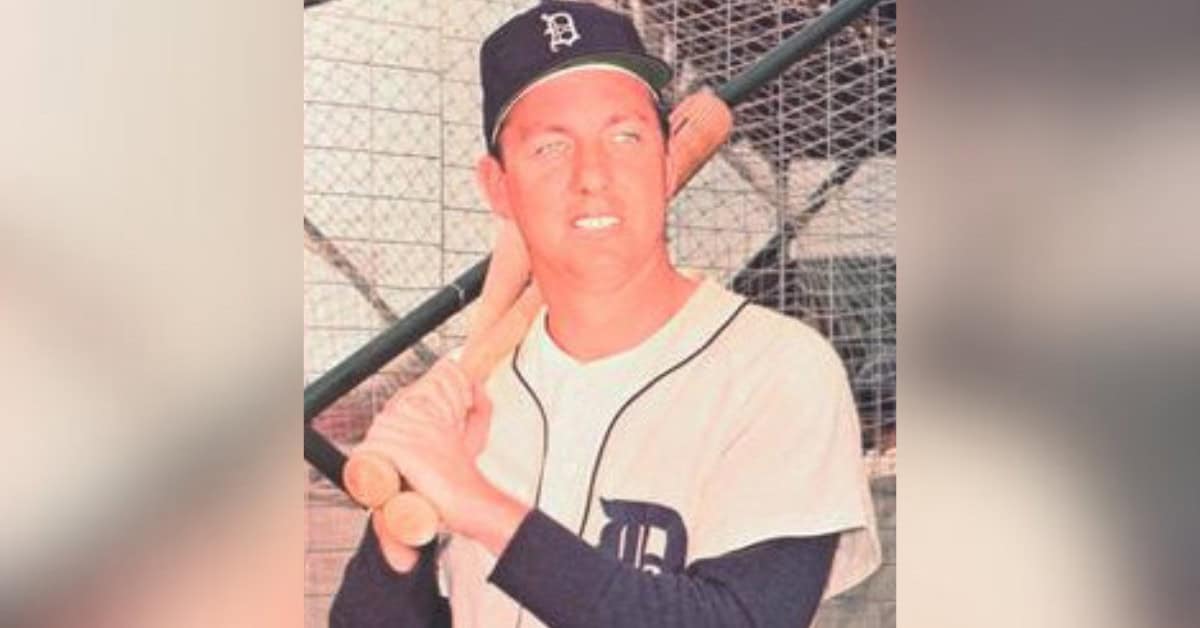
Al Kaline’s patient excellence finally paid off with Detroit’s 1968 World Series championship, capping a career of consistent brilliance with the ultimate team achievement. Mr. Tiger’s smooth swing and reliable defense had made him a perennial All-Star, but the championship ring validated years of individual excellence. Kaline’s triumph proved that in the chaotic 1960s, persistence and class could still be rewarded with the sport’s highest honor.
Orlando Cepeda: The Baby Bull’s Championship Charge
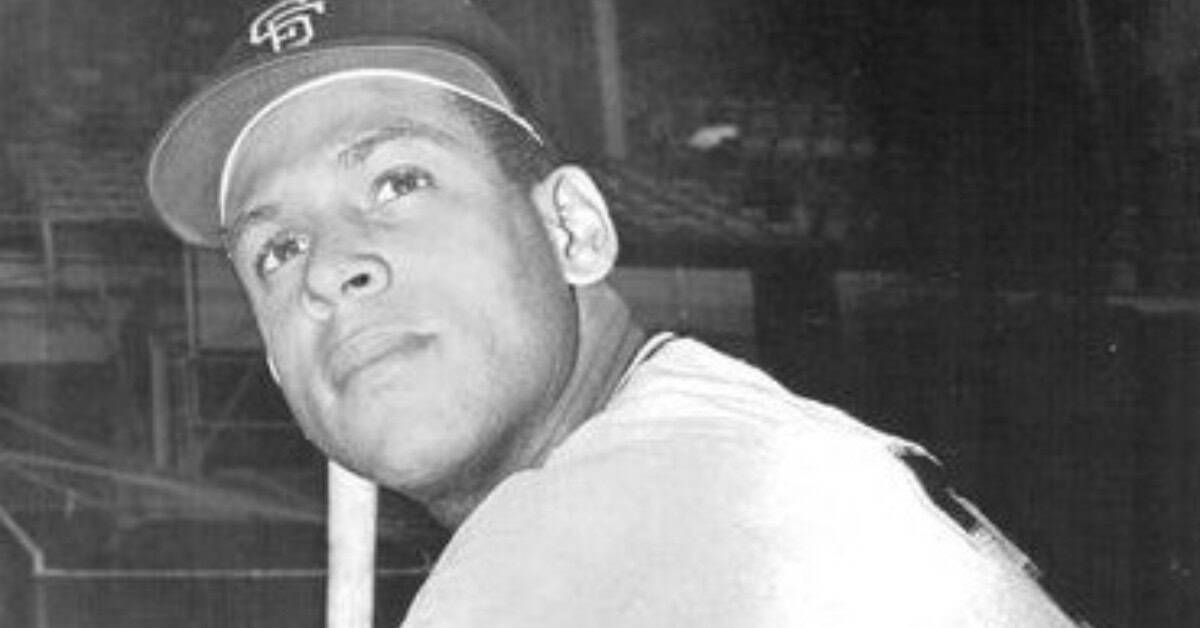
Orlando Cepeda’s powerful bat and infectious enthusiasm helped the St. Louis Cardinals win the 1967 World Series, bringing Latin flair to the Midwest. The Baby Bull’s MVP season included 25 home runs and 111 RBIs, but his leadership in the clubhouse proved just as valuable as his production at the plate. Cepeda’s championship ring represented the growing influence of Latin American players in a sport that was slowly embracing its international future.
Elston Howard: Breaking Barriers Behind the Plate
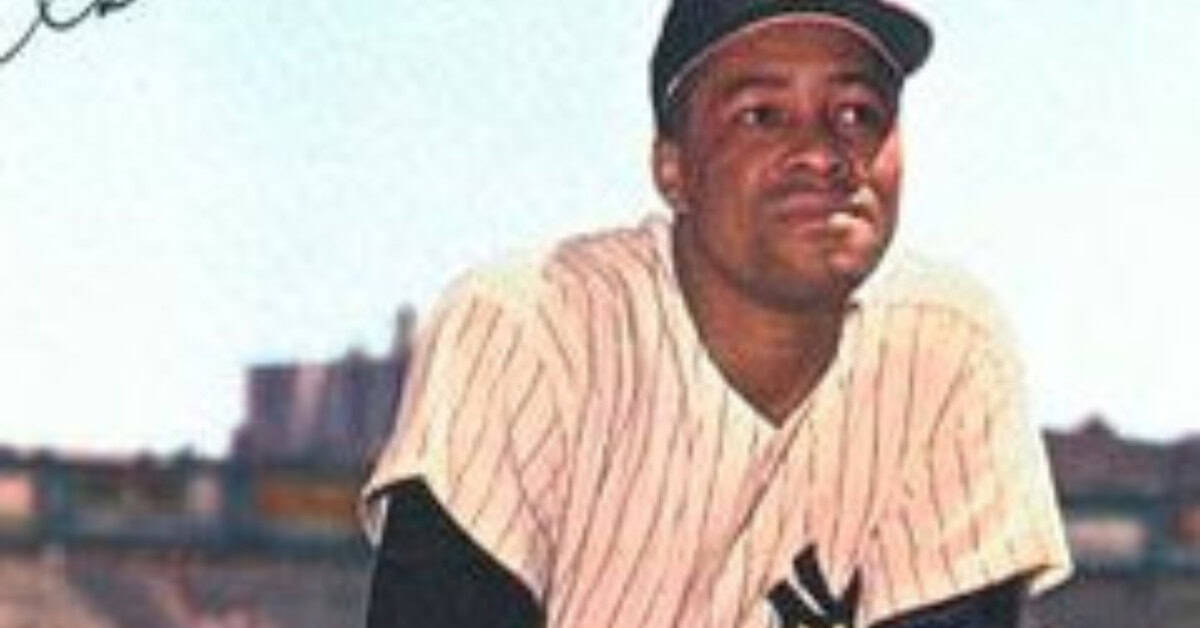
Elston Howard’s quiet dignity and exceptional catching skills helped the Yankees win World Series championships in 1961 and 1962, making him the first Black player to wear pinstripes. The former Negro League star’s 1963 MVP award broke another barrier while his steady leadership anchored the Yankees’ final dynasty years. Howard’s success behind the plate proved that integration wasn’t just about breaking down walls—it was about building championship teams.
Frank Robinson: Triple Crown Power in Baltimore
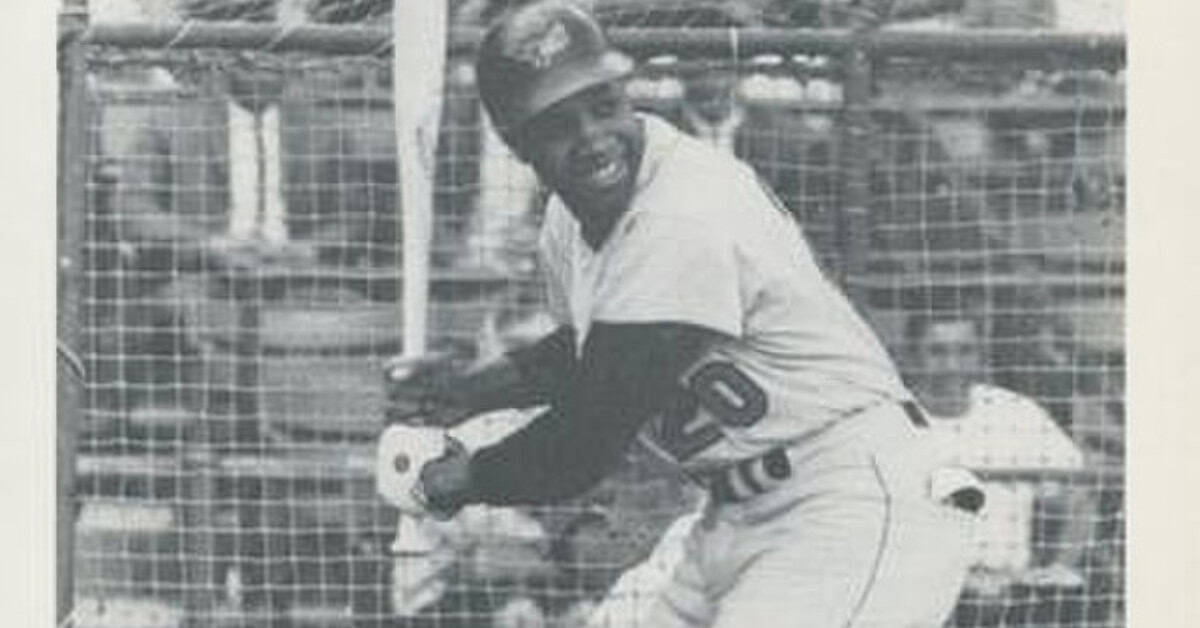
Frank Robinson’s Triple Crown season in 1966 powered Baltimore to their first World Series championship, proving that sometimes a change of scenery can unlock greatness. The fierce competitor’s 49 home runs and 122 RBIs came with the same aggressive style that made pitchers nervous and teammates confident. Robinson’s championship ring validated his belief that respect had to be earned through performance, not given based on reputation.
Tom Seaver: Tom Terrific’s Miracle Mets Magic

Tom Seaver’s 25 wins and Cy Young Award helped transform the New York Mets from lovable losers into 1969 World Series champions, completing one of baseball’s most improbable turnarounds. Tom Terrific’s drop-and-drive delivery and devastating slider made him the ace that every championship team needs. Seaver’s emergence proved that in the revolutionary 1960s, even the most hopeless causes could achieve the impossible with the right combination of talent and timing.
Bill Mazeroski: The Walk-Off Hero’s Championship Magic
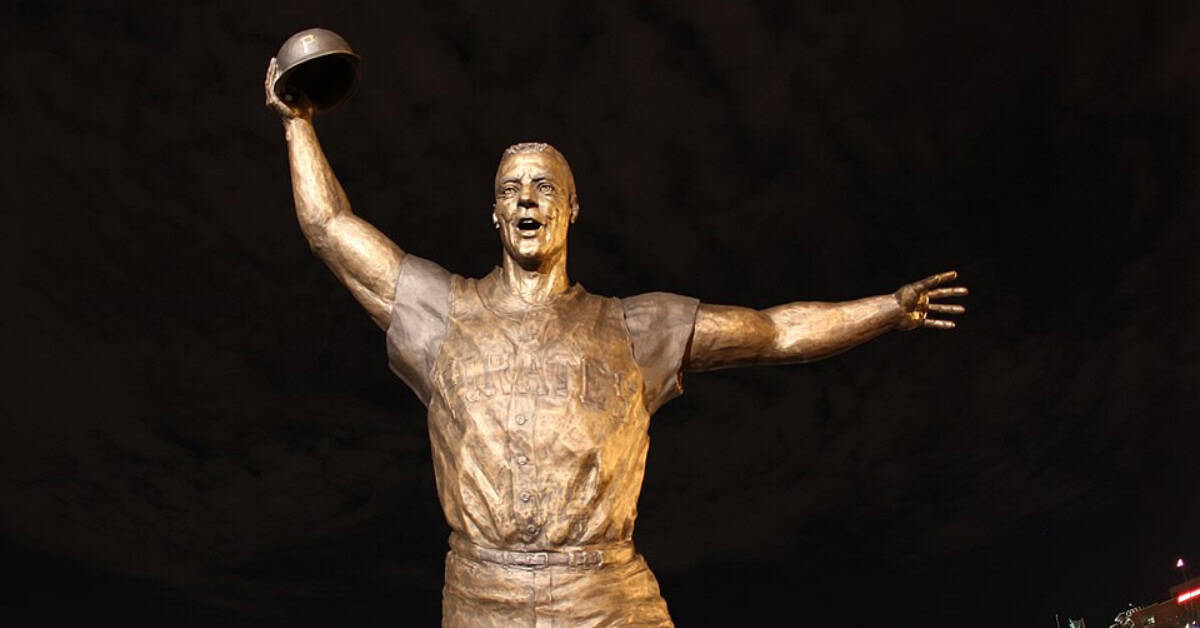
Bill Mazeroski’s Game 7 walk-off home run in the 1960 World Series created the most dramatic championship moment in baseball history, sending Pittsburgh into delirium and Yankees fans into stunned silence. The sure-handed second baseman’s blast over Forbes Field’s left field wall at 3:36 PM on October 13th became the first walk-off home run to end a World Series. Mazeroski’s magical moment proved that in the early 1960s, when television was still finding its voice and heroes were made in black and white, one swing could stop time and create eternal joy.
Denny McLain: 31 Wins and a Championship Season
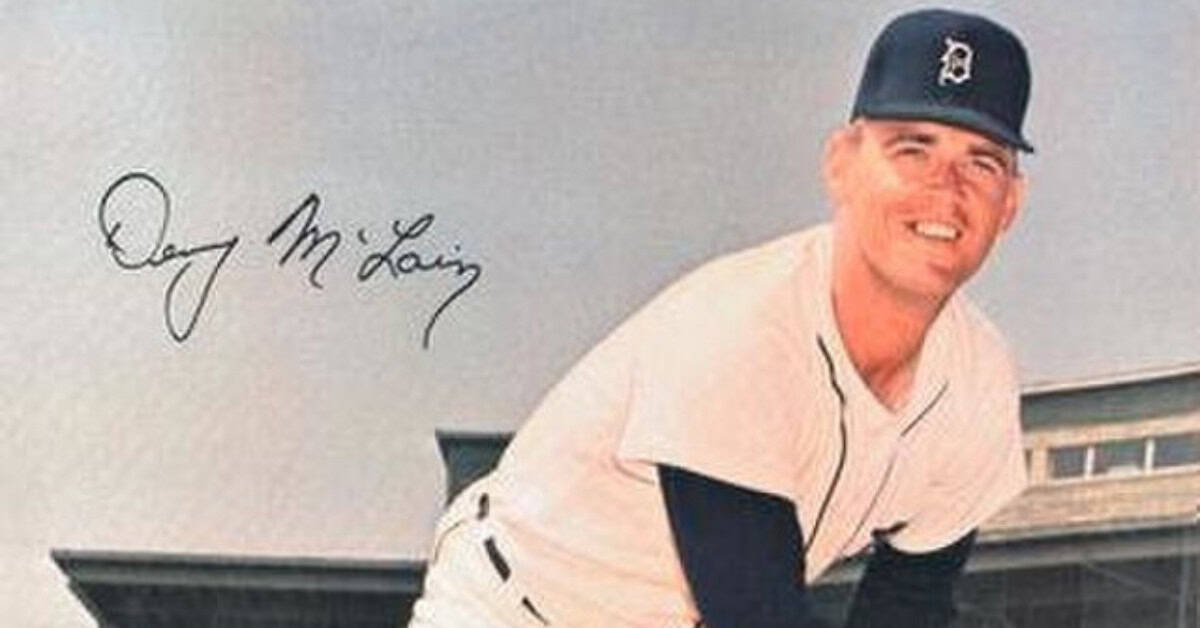
Denny McLain’s 31 wins in 1968 helped Detroit capture the World Series championship, making him the last pitcher to reach the magical 30-win plateau. The flamboyant right-hander’s success came with a larger-than-life personality that included playing organ in nightclubs and flying his own plane. McLain’s achievement represented the end of an era when starting pitchers were expected to finish what they started, no matter how many pitches it took.
Lou Brock: The Base-Stealing Blur’s Cardinal Speed
Lou Brock’s blazing speed and clutch hitting helped the Cardinals win World Series championships in 1964 and 1967, transforming him from a promising prospect into a championship catalyst. The stolen base king’s ability to turn singles into doubles and doubles into triples made every at-bat an adventure. Brock’s speed provided the perfect metaphor for a decade when everything seemed to be moving faster than ever before.
Donn Clendenon: The Miracle Mets’ October Hero
Donn Clendenon’s three home runs in the 1969 World Series earned him MVP honors and helped complete the Miracle Mets’ improbable championship run. The veteran first baseman’s clutch hitting provided the power that transformed New York’s lovable losers into unlikely champions. Clendenon’s October heroics proved that in the unpredictable 1960s, even the most impossible dreams could come true with perfect timing.
Whitey Ford: The Chairman’s Final Championship Acts
Whitey Ford’s craftiness and clutch pitching helped the Yankees win World Series championships in 1961 and 1962, capping off one of the greatest pitching careers in baseball history. The Chairman of the Board’s pinpoint control and unshakeable composure made him the perfect pitcher for pressure situations. Ford’s final championship acts provided a graceful ending to the Yankees’ dynasty years, proving that class and intelligence never go out of style.
Mickey Mantle: The Mick’s Final Championship Glory
Mickey Mantle’s switch-hitting power and remarkable speed helped the Yankees win World Series championships in 1961 and 1962, marking the end of baseball’s greatest dynasty. The Commerce Comet’s ability to hit for power from both sides of the plate while playing through constant pain made him a hero for the ages. Mantle’s final championship rings represented both triumph and melancholy, as the golden age of Yankees baseball came to a close just as America itself was changing forever.
Roberto Clemente: The Great One’s Pittsburgh Pride
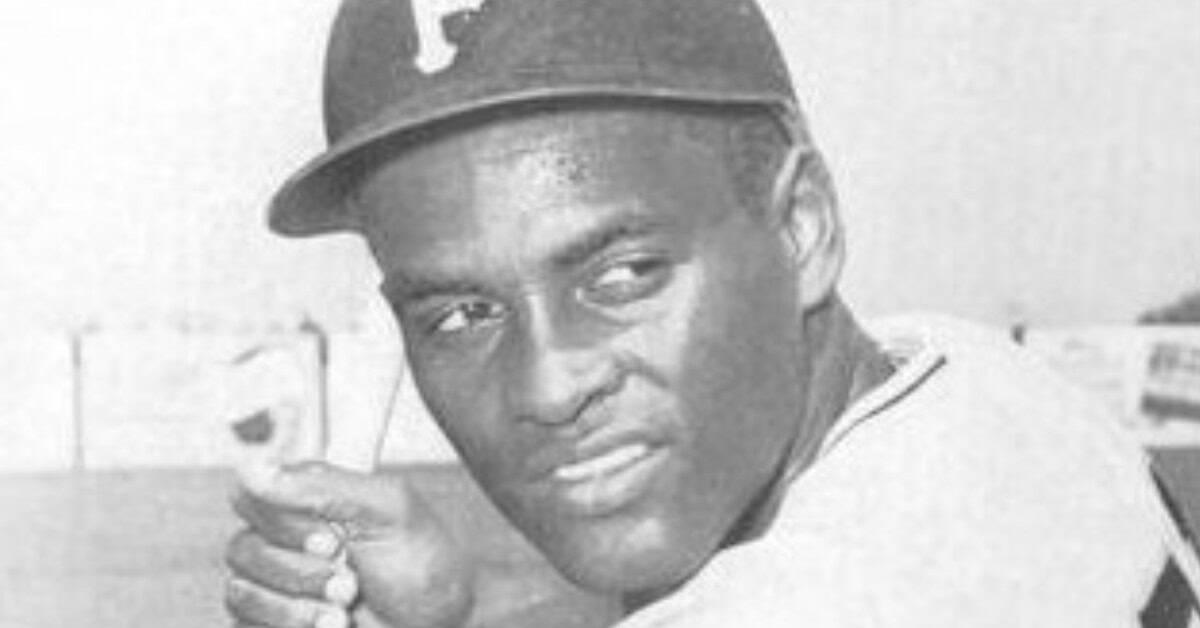
Roberto Clemente’s rocket arm and clutch hitting helped Pittsburgh win the 1960 World Series in dramatic fashion, establishing him as one of baseball’s most complete players. The Great One’s pride in his Puerto Rican heritage and dedication to humanitarian causes made him a hero both on and off the field. Clemente’s championship ring represented more than personal achievement—it symbolized the growing recognition of Latin American excellence in America’s pastime.
Sandy Koufax: The Left Arm of God’s October Dominance
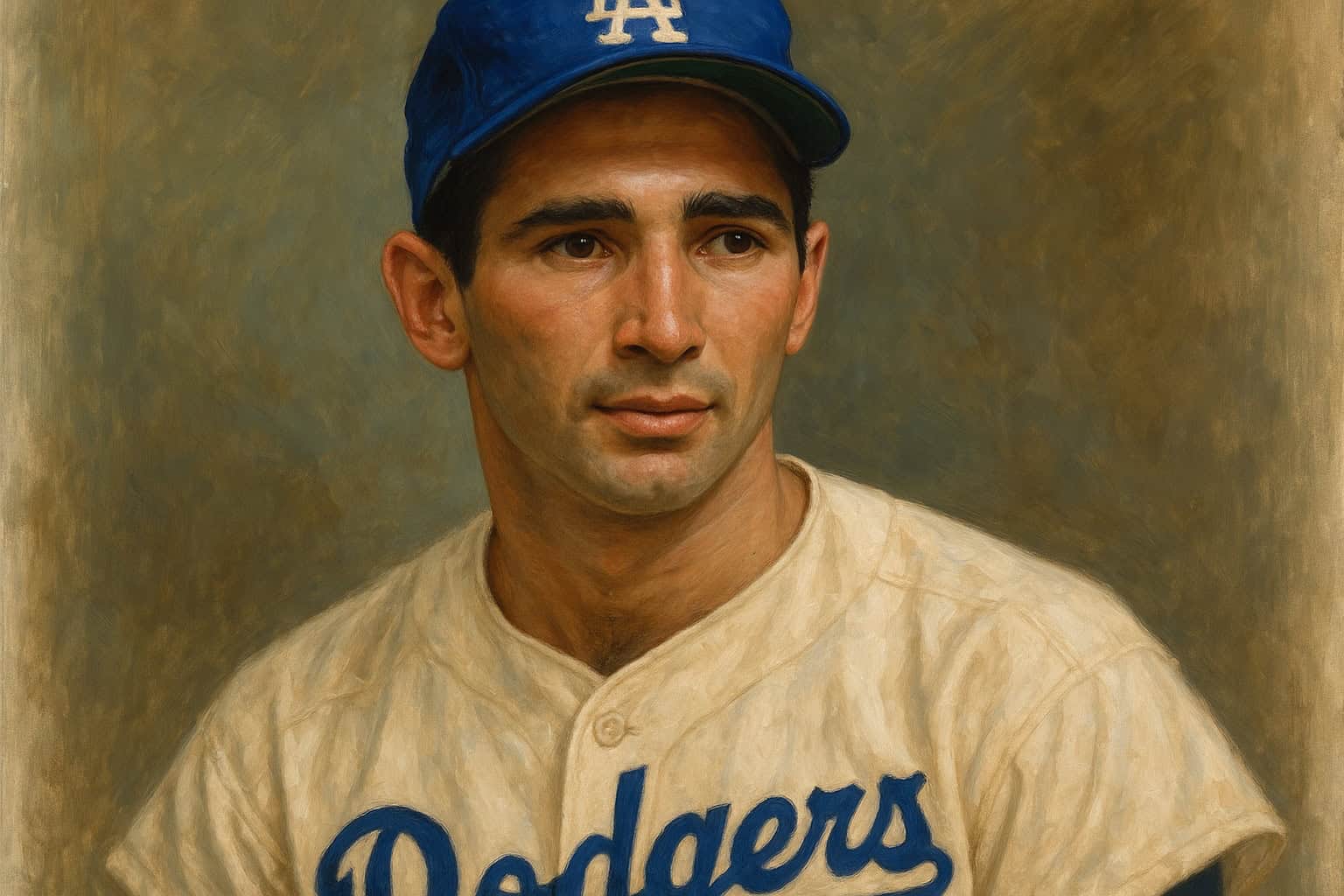
Sandy Koufax’s blazing fastball and devastating curveball helped the Dodgers win World Series championships in 1963 and 1965, establishing him as the most dominant pitcher of his era. The Left Arm of God’s refusal to pitch on Yom Kippur during the 1965 World Series became a defining moment of faith and principle. Koufax’s early retirement due to arthritis proved that even legends are mortal, but his championship legacy remained as untouchable as his four no-hitters and perfect game.