
Last Updated: June 17th, 2026 by Matthew Brown
The 1970s were baseball’s most colorful decade, when mustaches were mandatory, polyester uniforms shimmered under stadium lights, and heroes had nicknames that sounded like comic book characters. These twenty champions didn’t just win World Series rings—they defined an era when the game was equal parts athletic excellence and pure entertainment, played to the soundtrack of disco and the aroma of cigarette smoke drifting through concrete stadiums. From Oakland’s swinging A’s to Cincinnati’s Big Red Machine, these legends turned October into must-see television.
Don't lose this article. Enter your email below, and I'll send it to you right now. Plus, we'll send you other unbelievable stories from baseball's past.
Reggie Jackson: Mr. October’s Three-Homer Halloween Magic
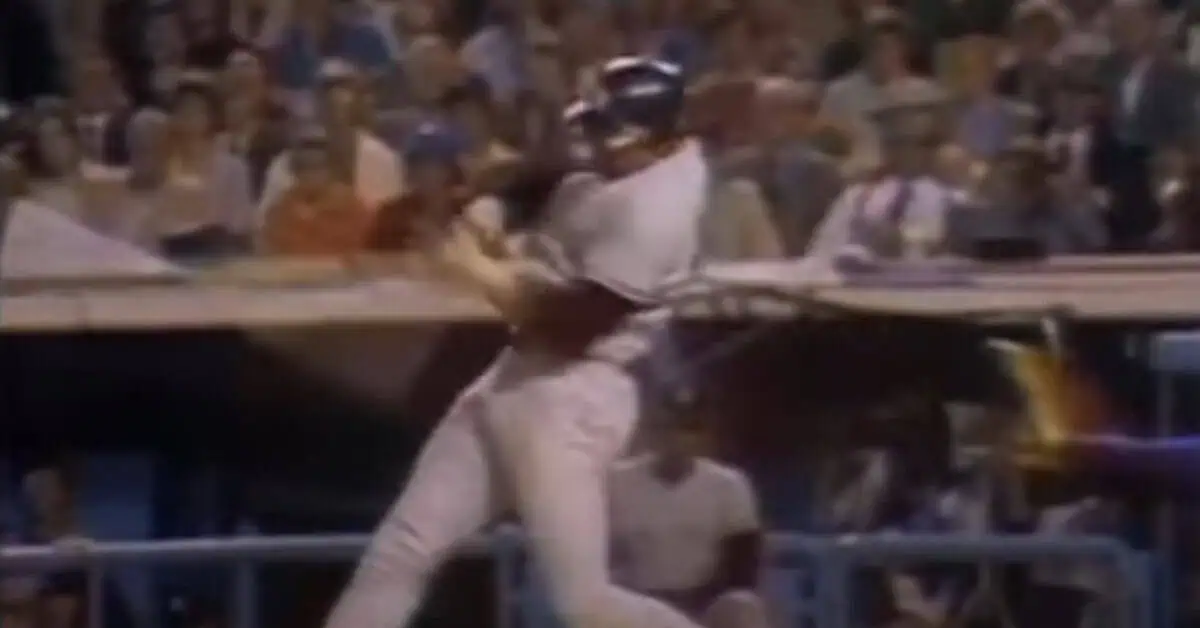
Reggie Jackson’s three consecutive home runs in Game 6 of the 1977 World Series created the most spectacular individual performance in October history, each blast more majestic than the last. Mr. October’s theatrical flair and clutch gene helped the Yankees win championships in 1977 and 1978, bringing Broadway drama to the Bronx. Jackson’s ability to rise to the biggest moments while generating the most controversy made him the perfect symbol of 1970s excess—loud, confident, and absolutely impossible to ignore.
Tony Perez: The Big Dog’s Clutch RBI Machine

Tony Perez’s clutch hitting and steady presence at first base helped Cincinnati’s Big Red Machine win World Series championships in 1975 and 1976, making him the quiet leader of baseball’s most dominant team. The Big Dog’s ability to drive in runs when they mattered most came from a patient approach that contrasted with the decade’s flashier stars. Perez’s consistent excellence proved that in the showboat 1970s, sometimes the most valuable players were those who simply did their job with quiet dignity.
Brooks Robinson: The Human Vacuum’s Final Championship Act
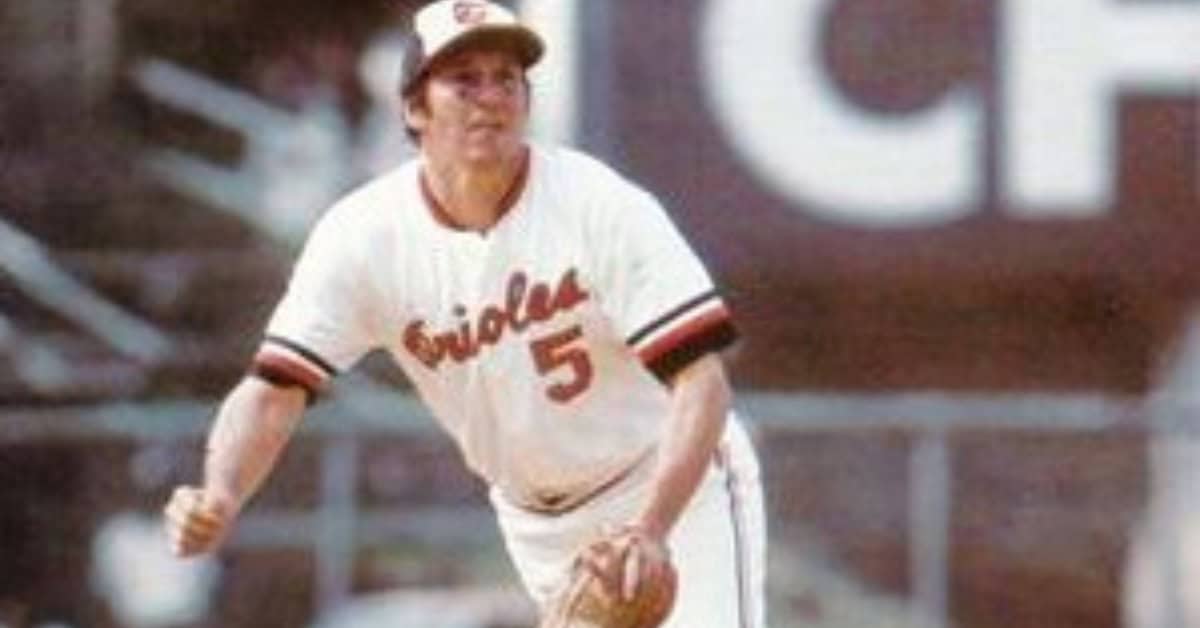
Brooks Robinson’s spectacular defensive play helped Baltimore win the 1970 World Series, capping off one of the greatest careers in baseball history with one final championship moment. The Human Vacuum’s ability to make impossible plays look routine had defined excellence at third base for nearly two decades. Robinson’s graceful exit from championship baseball provided a classy ending to the 1960s while setting the stage for a decade that would be anything but understated.
Dave Parker: The Cobra’s Pittsburgh Swagger
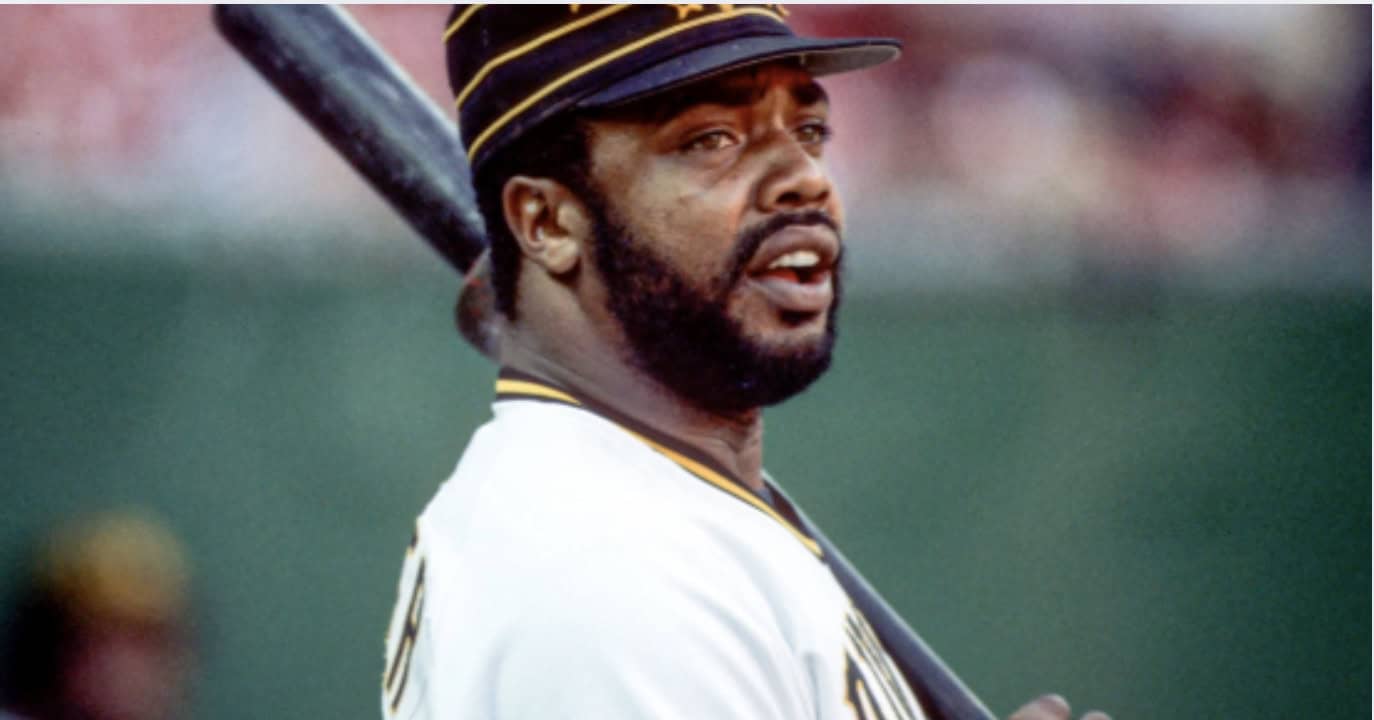
Dave Parker’s powerful arm and intimidating presence helped Pittsburgh win the 1979 World Series, bringing “We Are Family” spirit to the Steel City. The Cobra’s combination of size, speed, and attitude made him the perfect embodiment of 1970s baseball swagger, complete with gold chains and a confidence that bordered on arrogance. Parker’s success proved that in the me-decade, sometimes the biggest personalities delivered the biggest performances when championships were on the line.
Catfish Hunter: The Mustache Gang’s Ace Pitcher

Catfish Hunter’s pinpoint control and unflappable demeanor helped Oakland win three consecutive World Series championships from 1972 to 1974, establishing him as the ace of baseball’s most colorful team. The North Carolina native’s country wisdom and devastating slider made him the perfect complement to Oakland’s wild personalities and Charlie Finley’s promotional stunts. Hunter’s success proved that sometimes the calmest voices carry the most authority, even in a clubhouse filled with future Hall of Famers and present-day characters.
Ron Cey: The Penguin’s Steady Third Base Excellence
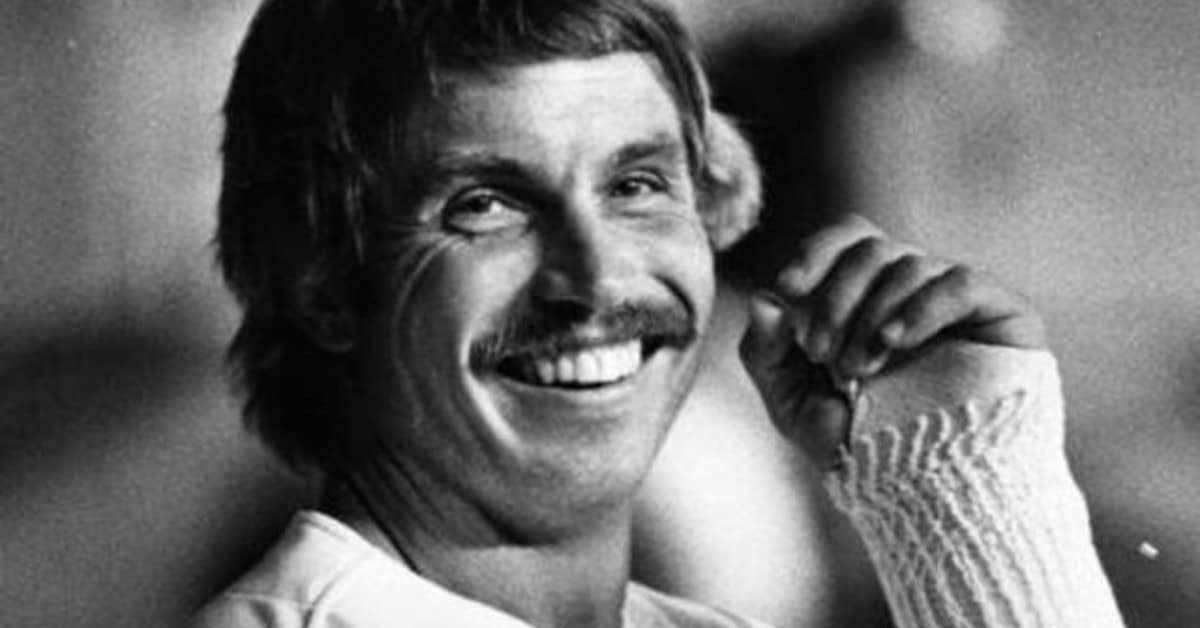
Ron Cey’s steady third base play and clutch hitting helped the Dodgers reach multiple World Series in the 1970s, earning him the “Penguin” nickname for his distinctive waddle to first base. The stocky infielder’s power stroke and defensive reliability made him an integral part of Los Angeles’s championship pursuits throughout the decade. Cey’s workmanlike approach provided the perfect contrast to the era’s flashier stars, proving that consistency and professionalism never go out of style.
Roberto Clemente: The Great One’s Final Championship Glory

Roberto Clemente’s spectacular play helped Pittsburgh win the 1971 World Series, showcasing his complete skills on baseball’s biggest stage one final time. The Great One’s rocket arm and clutch hitting in that championship run demonstrated why he was considered one of the game’s most complete players. Clemente’s tragic death in a humanitarian mission just over a year later gave his final championship ring added poignancy, representing both athletic excellence and human compassion.
Sparky Lyle: The Bronx Zoo’s Bullpen Ace
Sparky Lyle’s devastating slider and quirky personality helped the Yankees win World Series championships in 1977 and 1978, bringing relief ace excellence to the Bronx Zoo. The mustachioed left-hander’s 1977 Cy Young Award came from his ability to shut down opposing rallies while providing comic relief in a clubhouse filled with oversized egos. Lyle’s success proved that in the circus atmosphere of 1970s New York, sometimes the most effective performers were those who could both dominate hitters and defuse clubhouse tension.
George Foster: The Destroyer’s Home Run Barrage
George Foster’s 52 home runs in 1977 and intimidating presence in the batter’s box helped Cincinnati’s Big Red Machine win championships in 1975 and 1976. The Destroyer’s black bat and menacing stance made him one of the most feared hitters of the decade, capable of changing games with one swing. Foster’s power surge in the mid-1970s provided the perfect exclamation point to Cincinnati’s dynasty, proving that even the most complete teams needed a designated destroyer.
Bucky Dent: The Light-Hitting Shortstop’s October Magic
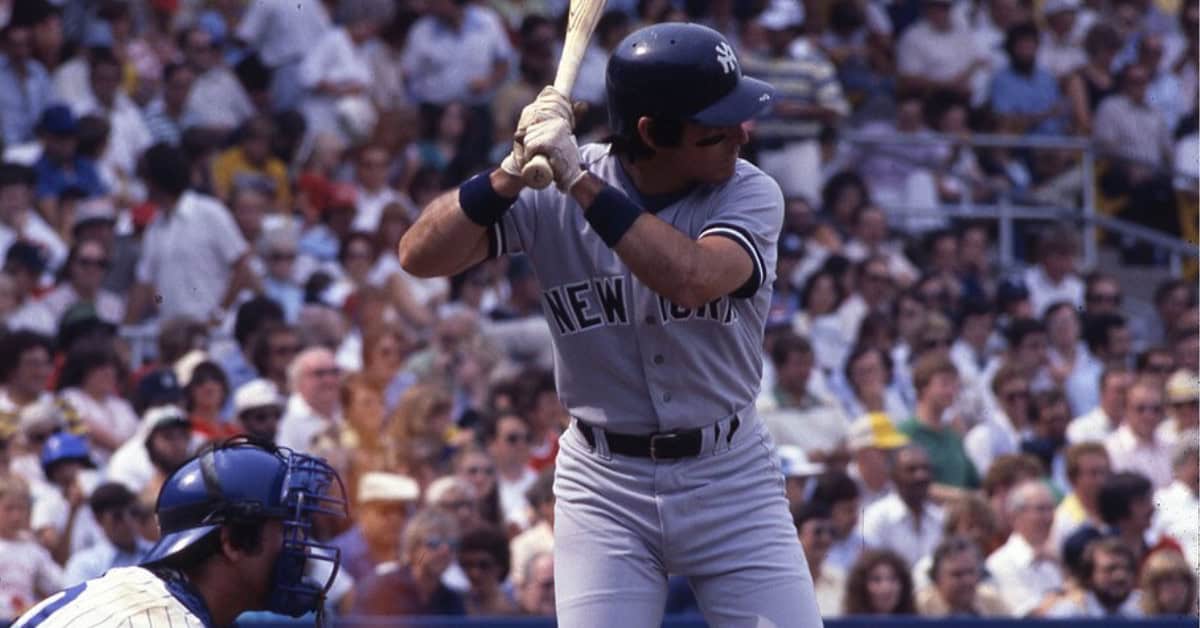
Bucky Dent’s unlikely home run in the 1978 playoff game against Boston and steady shortstop play helped the Yankees win consecutive World Series championships in 1977 and 1978. The light-hitting infielder’s three-run homer over Fenway’s Green Monster became one of the most shocking moments in baseball history. Dent’s clutch performance proved that in the unpredictable 1970s, heroes could emerge from the most unlikely places when championships hung in the balance.
Jim Palmer: The Underwear Model’s Orioles Excellence
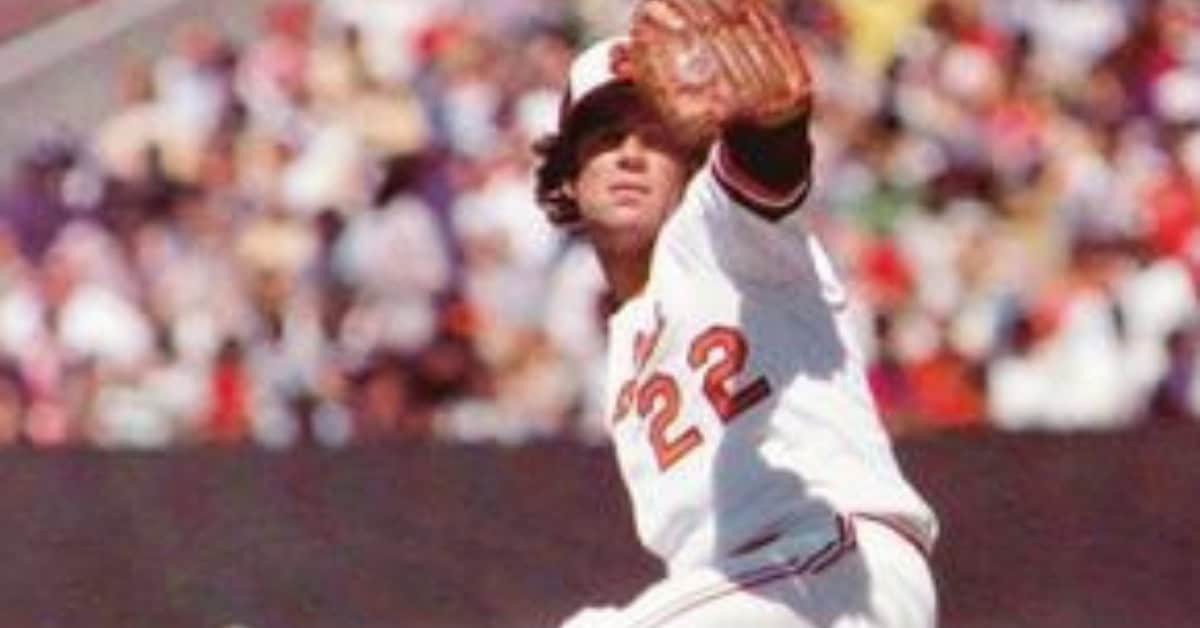
Jim Palmer’s three Cy Young Awards and pinpoint control helped Baltimore win the 1970 World Series, establishing him as one of the decade’s most dominant pitchers. The tall right-hander’s later success as a Jockey underwear spokesman made him as famous for his modeling as his pitching. Palmer’s combination of athletic excellence and commercial appeal made him the perfect 1970s athlete—successful, handsome, and unafraid to capitalize on his fame.
Chris Chambliss: The Walk-Off Hero’s Championship Moment
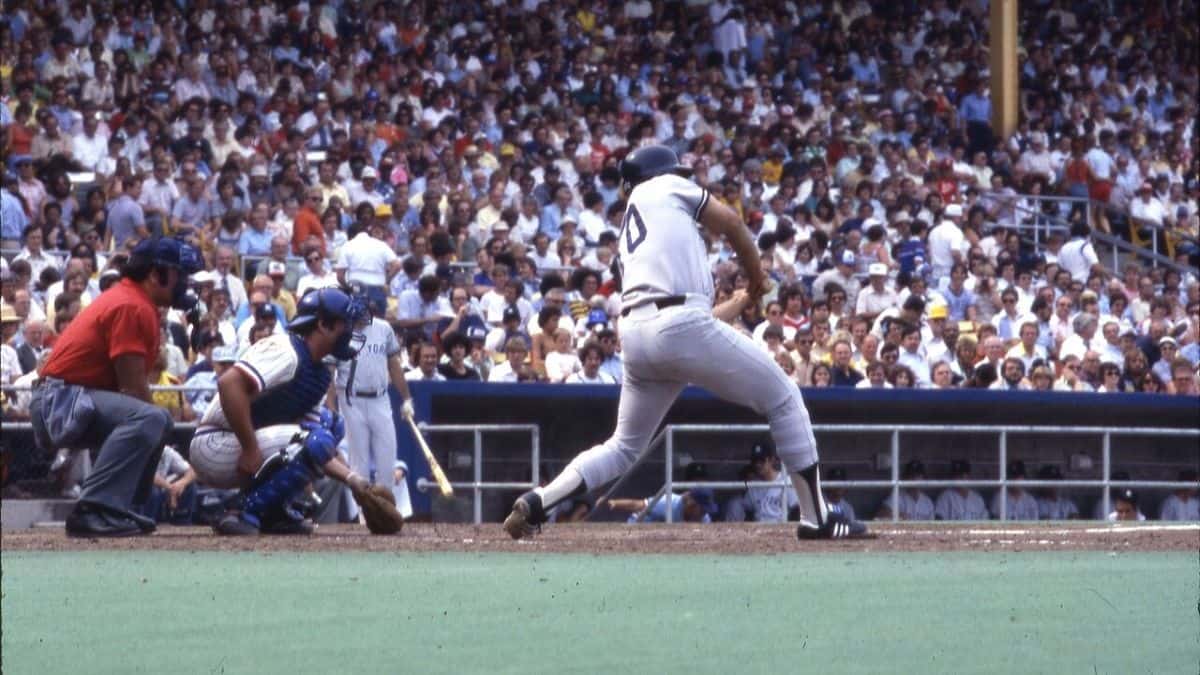
Chris Chambliss’ pennant-winning home run in the 1976 ALCS created one of the most chaotic celebrations in baseball history, with fans storming the field before he could complete his home run trot. The steady first baseman’s clutch hitting and reliable defense helped the Yankees return to World Series prominence after a 12-year drought. Chambliss’ moment proved that sometimes the most important home runs aren’t hit in the World Series—they’re the ones that get you there.
Rollie Fingers: The Handlebar Mustache’s Relief Excellence

Rollie Fingers’ distinctive handlebar mustache and devastating slider helped Oakland win three consecutive World Series championships from 1972-1974, revolutionizing the closer role. The flamboyant reliever’s waxed facial hair became as famous as his split-finger fastball, making him the most recognizable member of Charlie Finley’s colorful A’s teams. Fingers’ success proved that in the anything-goes 1970s, individual style could coexist with championship excellence.
Steve Garvey: Mr. Clean’s Dodger Blue Consistency
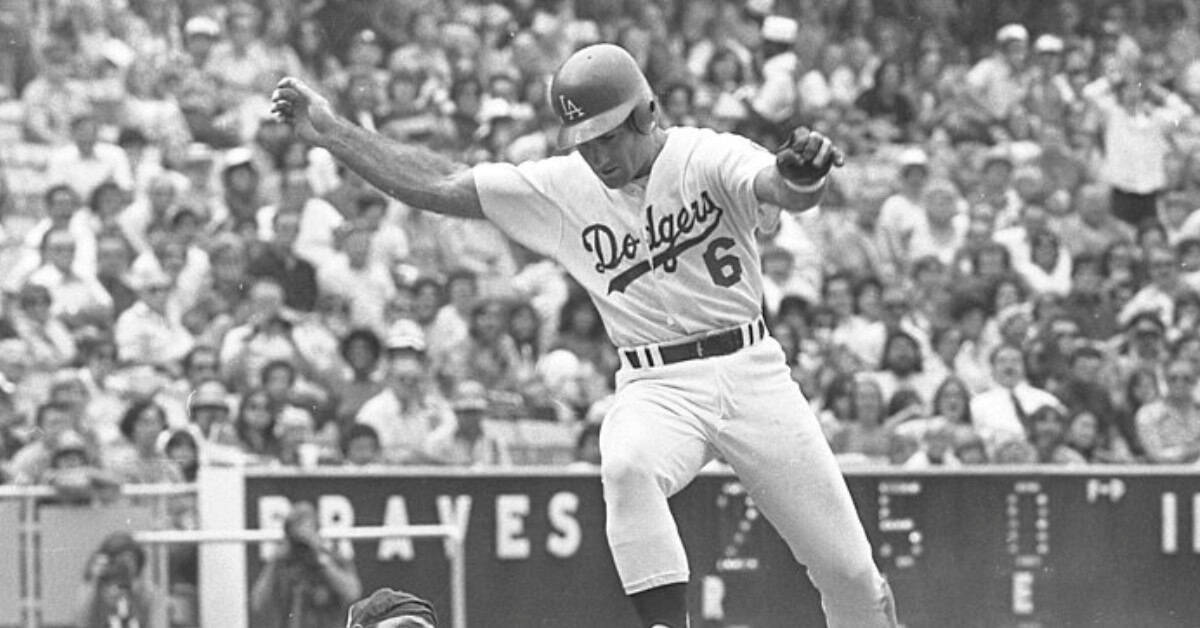
Steve Garvey’s clean-cut image and consistent production at first base helped the Dodgers reach multiple World Series throughout the 1970s, earning him the “Mr. Clean” nickname. The iron-man first baseman’s consecutive games streak and clutch hitting made him the perfect symbol of Dodger blue reliability. Garvey’s wholesome persona provided a stark contrast to the decade’s more colorful characters, proving that traditional values could still succeed in baseball’s wild west era.
Thurman Munson: The Captain’s Gritty Yankee Pride
Thurman Munson’s gritty leadership and clutch hitting helped the Yankees win World Series championships in 1977 and 1978, bringing blue-collar toughness to the Bronx Zoo. The Captain’s ability to handle both the pitching staff and the media made him the perfect leader for a team filled with oversized personalities and egos. Munson’s tragic death in 1979 robbed baseball of one of its most authentic competitors, a player who embodied everything great about 1970s baseball grit.
Joe Morgan: Little Joe’s MVP Magic in Cincinnati
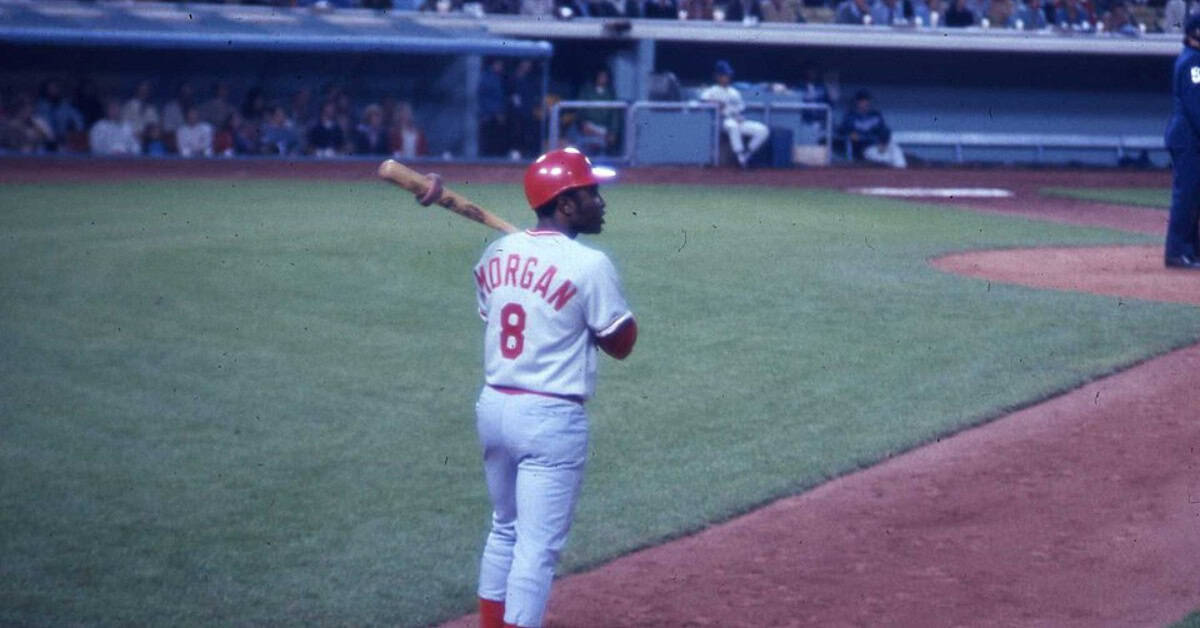
Joe Morgan’s back-to-back MVP awards in 1975 and 1976 powered Cincinnati’s Big Red Machine to consecutive World Series championships, establishing him as the most complete second baseman of his generation. Little Joe’s combination of power, speed, and defensive excellence came with a distinctive elbow flap that became his signature move. Morgan’s leadership and clutch performance proved that in the era of big personalities, sometimes the most important players were those who simply made everyone around them better.
Goose Gossage: The Intimidating Fastball’s Ninth-Inning Heat
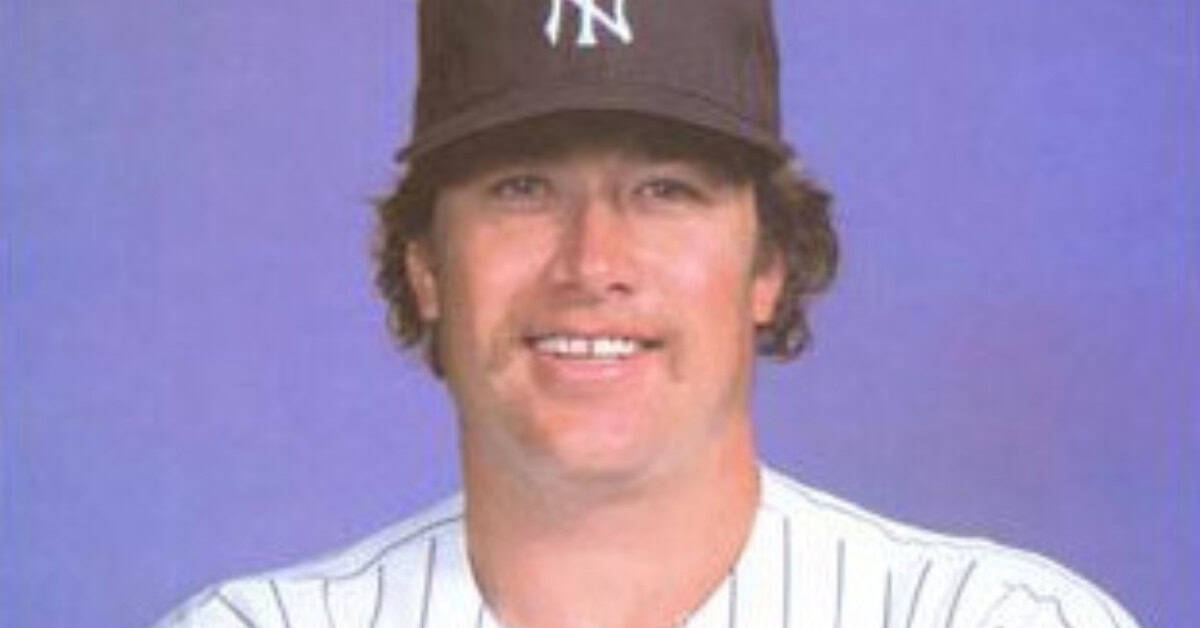
Goose Gossage’s 100-mph fastball and intimidating presence helped the Yankees win the 1978 World Series, bringing ninth-inning dominance to the Bronx. The mustachioed reliever’s glare and blazing fastball made him one of the most feared closers in baseball history. Gossage’s success proved that in the high-octane 1970s, sometimes the most effective weapon was pure, unadulterated intimidation delivered at maximum velocity.
Pete Rose: Charlie Hustle’s Head-First Championship Slides
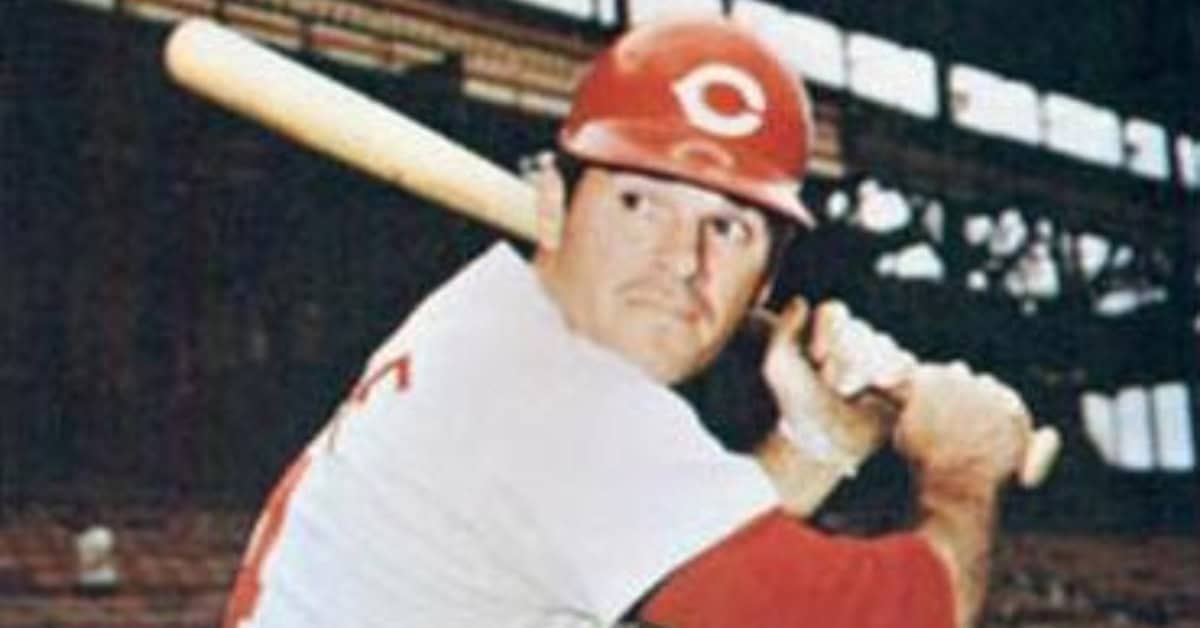
Pete Rose’s relentless hustle and clutch hitting helped Cincinnati’s Big Red Machine win World Series championships in 1975 and 1976, embodying the never-say-die spirit that defined the decade. Charlie Hustle’s head-first slides and aggressive baserunning made every play an adventure, turning routine singles into potential doubles through pure determination. Rose’s all-out style perfectly captured the excess and intensity of 1970s baseball, when playing hard wasn’t just encouraged—it was expected.
Johnny Bench: The Big Red Machine’s Catching Dynamo
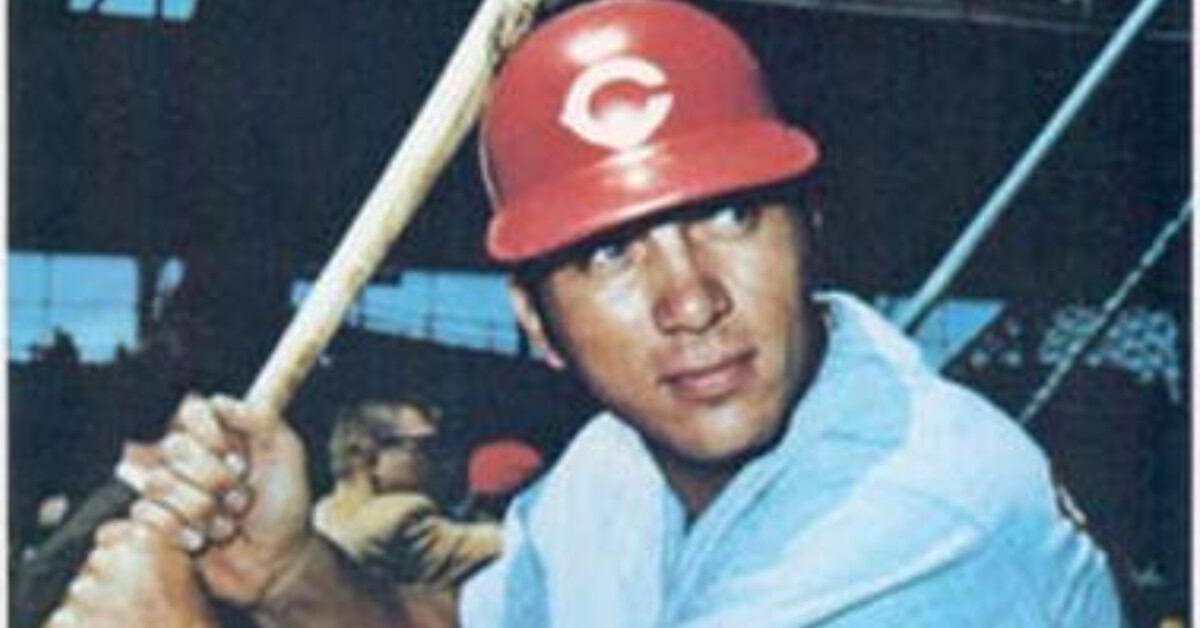
Johnny Bench’s powerful arm and clutch hitting anchored Cincinnati’s Big Red Machine during their championship runs in 1975 and 1976, revolutionizing the catcher position. The two-time MVP’s ability to throw out runners from his knees and hit for power made him the most complete catcher in baseball history. Bench’s combination of defensive innovation and offensive production established the template for modern catchers, proving that the most important position on the field could also be the most dynamic.
Willie Stargell: Pops’ Family Leadership and Pittsburgh Power

Willie Stargell’s paternal leadership and towering home runs powered Pittsburgh to the 1979 World Series championship, creating a “We Are Family” atmosphere that captured America’s heart. Pops’ ability to unite a diverse clubhouse while launching balls completely out of Three Rivers Stadium made him the perfect captain for baseball’s most lovable championship team. Stargell’s combination of power, wisdom, and genuine warmth proved that in the me-decade’s final year, sometimes the greatest individual achievement was making everyone else feel like family.