
Last Updated: June 17th, 2026 by Matthew Brown
Remember when the All-Star Game MVP actually meant something? When players dove for balls in exhibition games and pitchers threw their best stuff just for the honor of representing their league? These 20 MVP performances captured the magic of Midsummer Classics when pride mattered more than pitch counts, and every swing carried the weight of baseball history.
Don't lose this article. Enter your email below, and I'll send it to you right now. Plus, we'll send you other unbelievable stories from baseball's past.
Maury Wills: The Base-Stealing Pioneer’s Historic First MVP in 1962
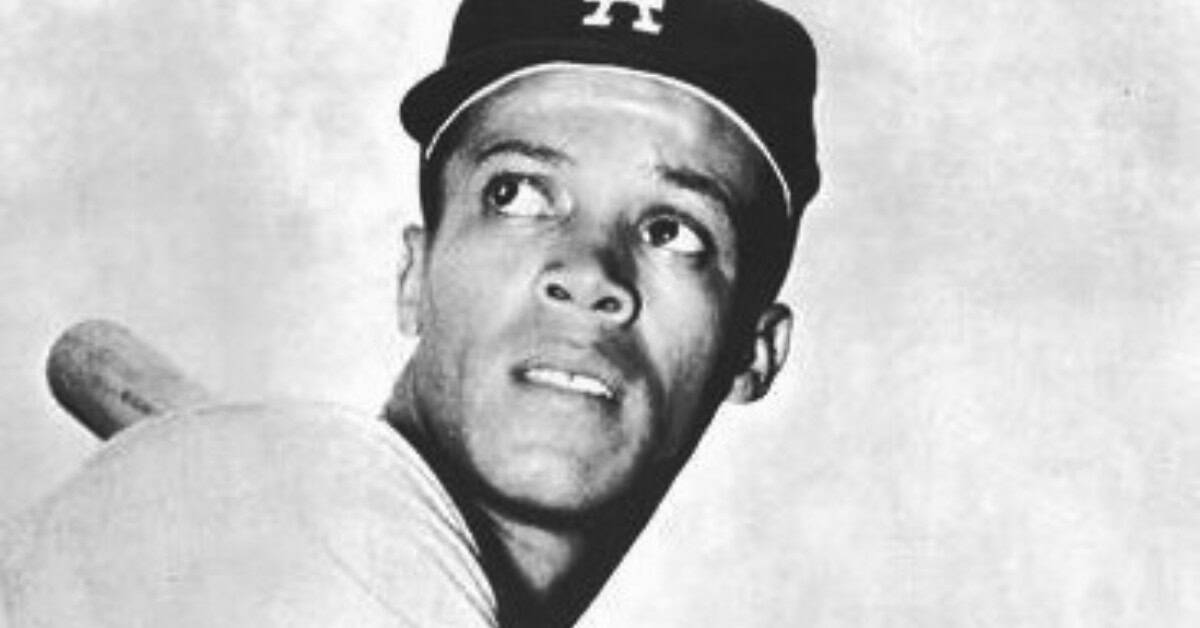
Wills’ inaugural All-Star Game MVP award at D.C. Stadium launched a tradition that would honor baseball’s brightest stars for decades to come. His speed and clutch hitting in the National League’s 3-1 victory made him the perfect choice for the first-ever Midsummer Classic MVP honor. The base-stealing king’s historic achievement came during his record-breaking 104-steal season, proving that speed could be just as valuable as power on baseball’s biggest stage.
Willie Mays: The Say Hey Kid’s Two MVP Crowns That Defined Excellence
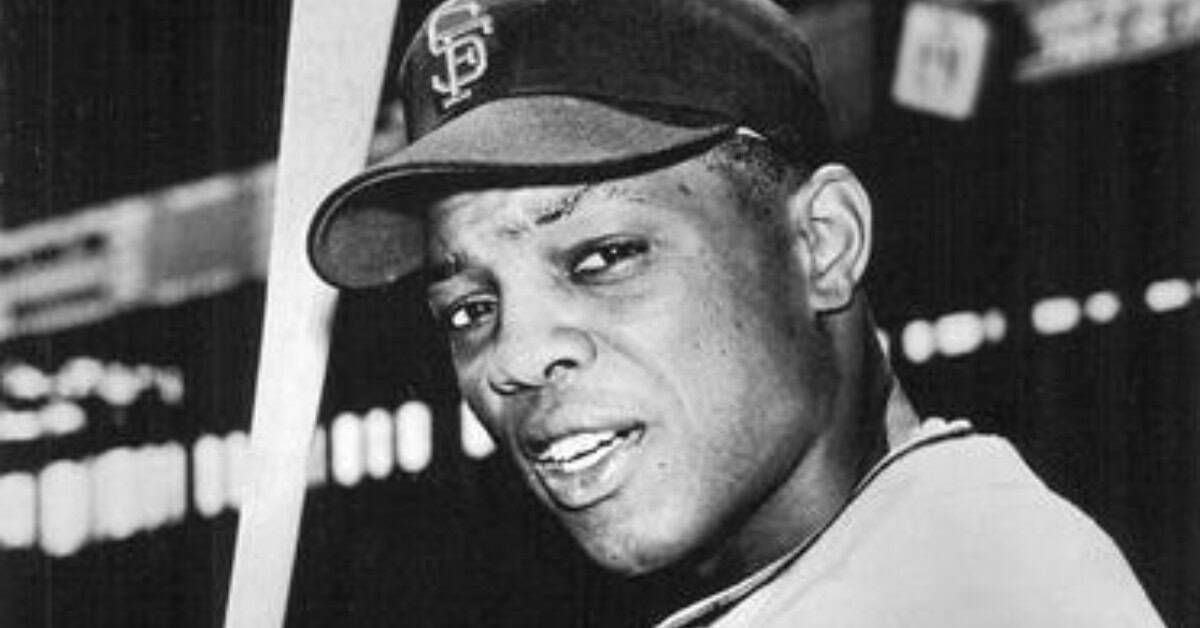
Mays’ dual MVP awards in 1963 and 1968 showcased the complete player who could dominate any aspect of the game when it mattered most. His explosive speed, cannon arm, and clutch hitting made him the perfect All-Star performer, turning exhibition games into personal showcases of athletic artistry. The Say Hey Kid’s MVP performances reminded everyone why they called him the greatest all-around player in baseball history.
Brooks Robinson: The Human Vacuum’s MVP at the Hot Corner
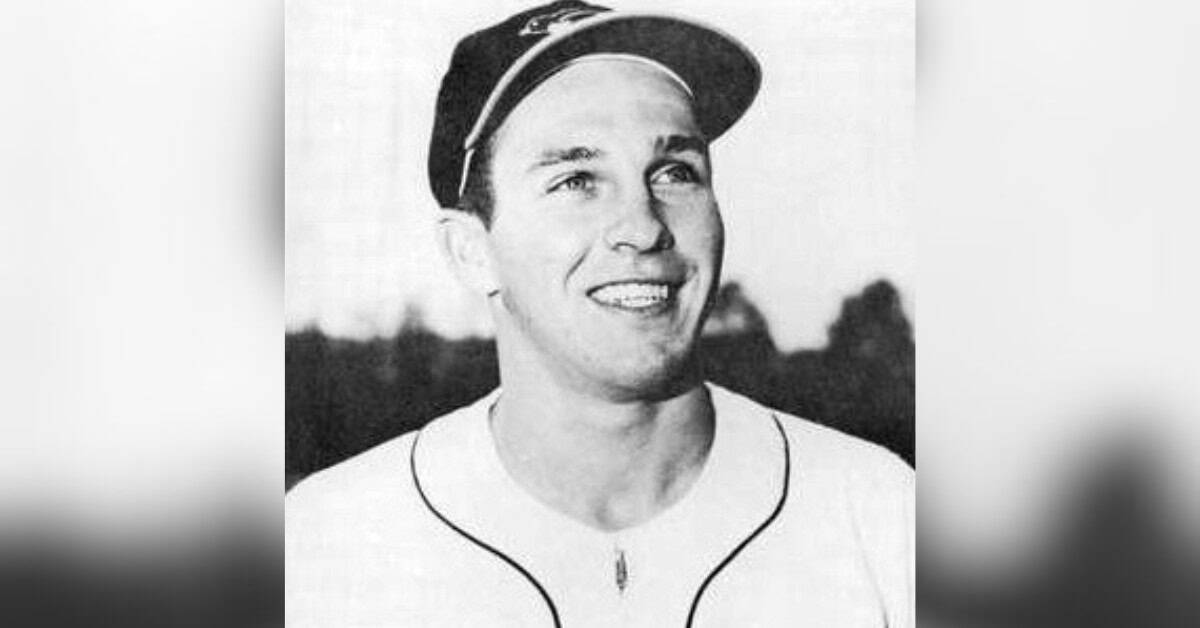
Robinson’s 1966 MVP performance at Busch Stadium demonstrated that defensive wizardry could steal the show just as effectively as offensive fireworks. His impossible diving stops and rocket-arm throws turned routine grounders into highlight-reel plays, proving that All-Star Games were perfect stages for showcasing defensive artistry. The Human Vacuum’s MVP award validated what Baltimore fans had known for years—that Brooks Robinson was poetry in motion at third base.
Tony Perez: The Big Red Machine’s MVP Clutch Performance

Perez’s 1967 MVP award at Anaheim Stadium highlighted the clutch gene that made him the most reliable run producer in Cincinnati’s championship machine. His timely hitting and steady presence anchored the National League’s victory, proving that consistency could be just as valuable as flashy talent. The Big Red Machine’s heart earned his MVP honor through the same professional excellence that made him a Hall of Famer.
Frank Robinson: Triple Crown Winner’s MVP Power Display

Robinson’s 1971 MVP performance at Tiger Stadium came during his transition from superstar player to pioneering manager, showcasing the competitive fire that made him a Hall of Fame talent. His clutch hitting and leadership on the field reminded everyone why he was the first player to win MVP awards in both leagues. Frank Robinson’s All-Star MVP crown was a fitting tribute to one of baseball’s most complete competitors.
Steve Garvey: Mr. Clean’s Two MVP Performances in Dodger Blue
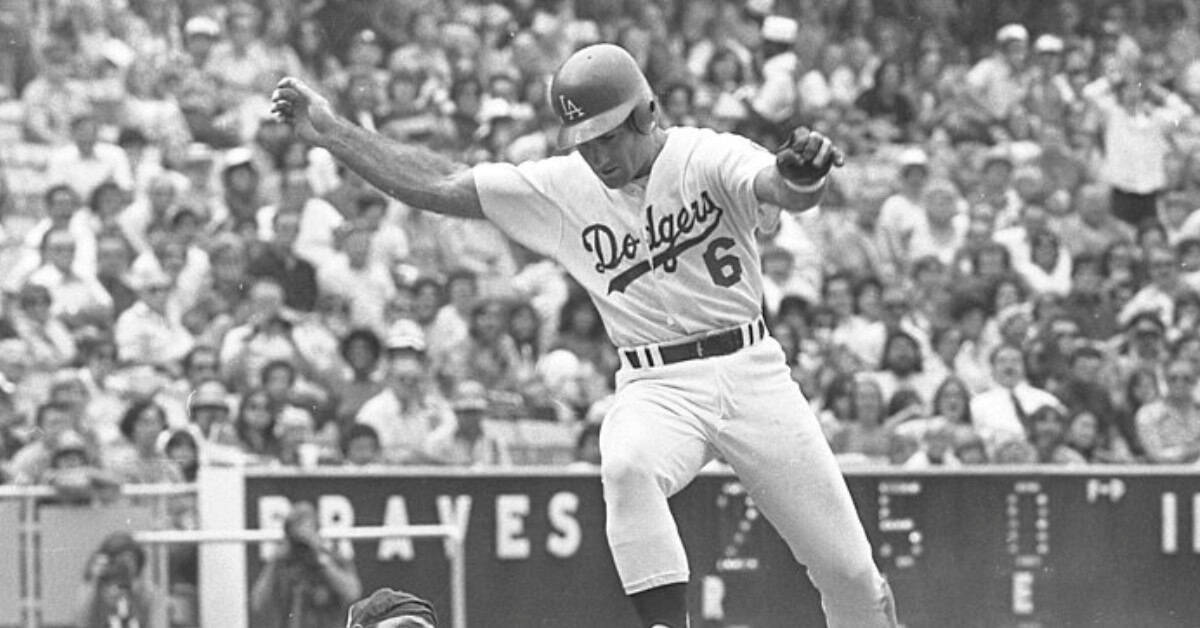
Garvey’s dual MVP awards in 1974 and 1978 showcased the reliable excellence that made him the face of 1970s baseball, with his clutch hitting and squeaky-clean image making him the perfect All-Star representative. His consistent production and durability translated perfectly to the Midsummer Classic’s pressure-packed environment. Mr. Clean’s MVP performances proved that steady professionalism could shine just as brightly as flashy talent on baseball’s biggest stage.
Don Sutton: The Crafty Veteran’s MVP Pitching Clinic
Sutton’s 1977 MVP performance at Yankee Stadium demonstrated that pitching artistry could dominate even the most hitter-friendly environments, with his pinpoint control and competitive intelligence making American League hitters look foolish. His crafty approach and veteran savvy proved that experience could triumph over pure talent in pressure situations. The consistent craftsman’s MVP award validated a Hall of Fame career built on precision rather than power.
Dave Parker: The Cobra’s Cannon Arm MVP in Pittsburgh’s Golden Era
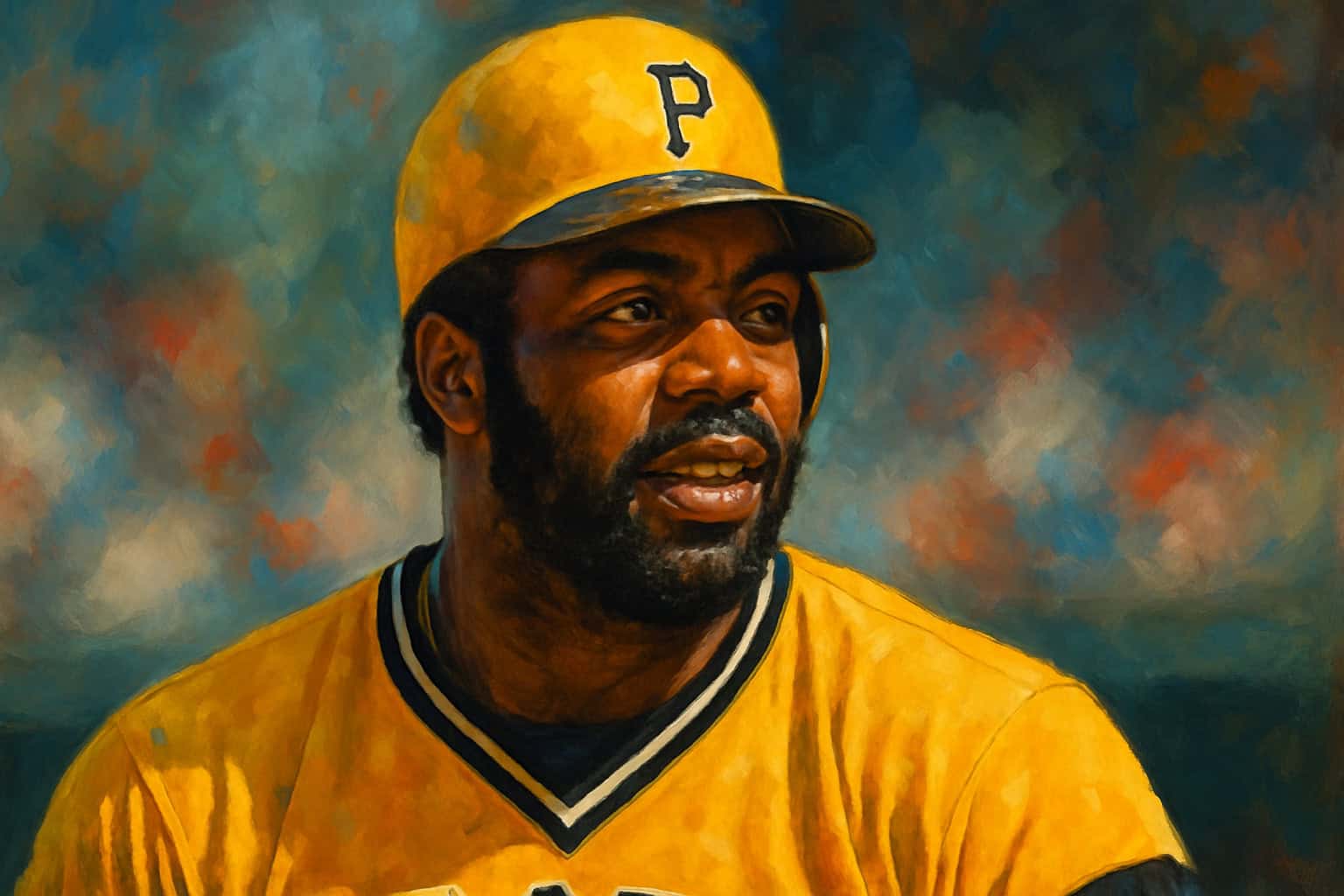
Parker’s 1979 MVP performance at the Kingdome showcased the rocket arm and intimidating presence that made him the most feared right fielder of his era, with his cannon throws and clutch hitting leading the National League to victory. His combination of power, speed, and defensive excellence made him the perfect All-Star performer for baseball’s most colorful decade. The Cobra’s MVP award came during Pittsburgh’s championship season, proving that individual excellence could elevate team success.
Ken Griffey Sr.: The Senior Circuit’s MVP Moment
Griffey Sr.’s 1980 MVP performance at Dodger Stadium highlighted the clutch hitting and veteran leadership that made him a key component of Cincinnati’s championship teams throughout the 1970s. His timely contributions and professional approach proved that role players could shine just as brightly as superstars on baseball’s biggest stage. The elder Griffey’s MVP award came years before his son would become a household name, establishing a family legacy of All-Star excellence.
Gary Carter: The Kid’s Two MVP Games That Made Montreal Believe
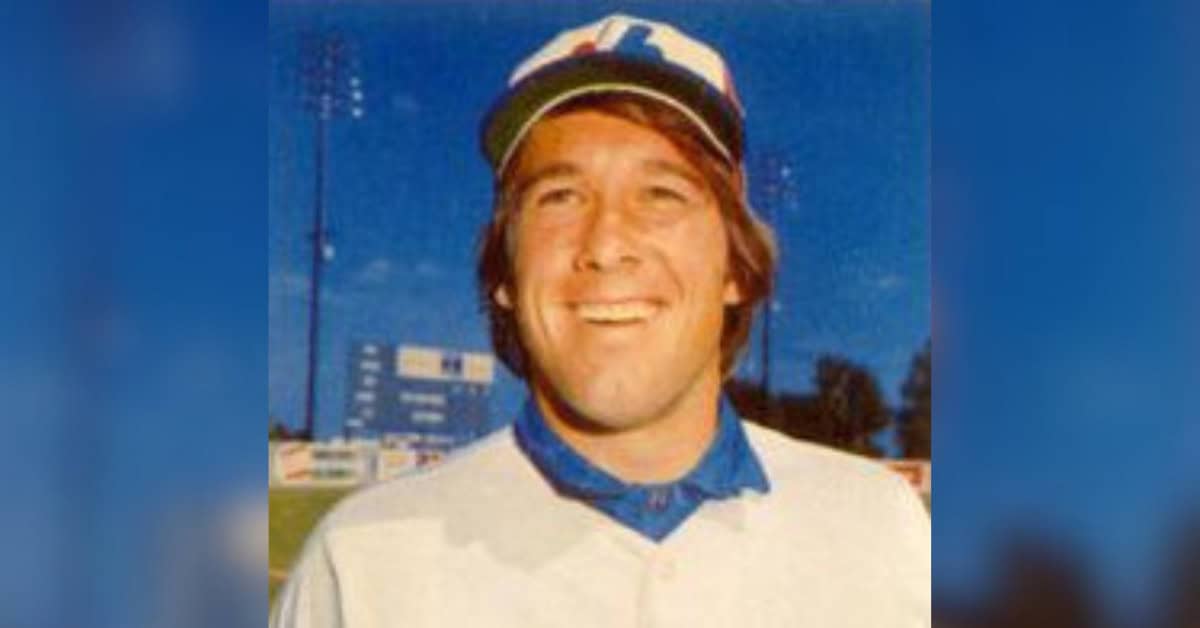
Carter’s dual MVP awards in 1981 and 1984 showcased the infectious enthusiasm and clutch hitting that made him the face of baseball in Montreal, with his gap-toothed smile and competitive fire making him the perfect ambassador for the game. His defensive excellence behind the plate and timely hitting proved that catchers could be just as valuable as position players in All-Star competition. The Kid’s MVP performances helped legitimize baseball north of the border during the Expos’ golden era.
Terry Steinbach: The A’s Catcher’s Surprising MVP Performance
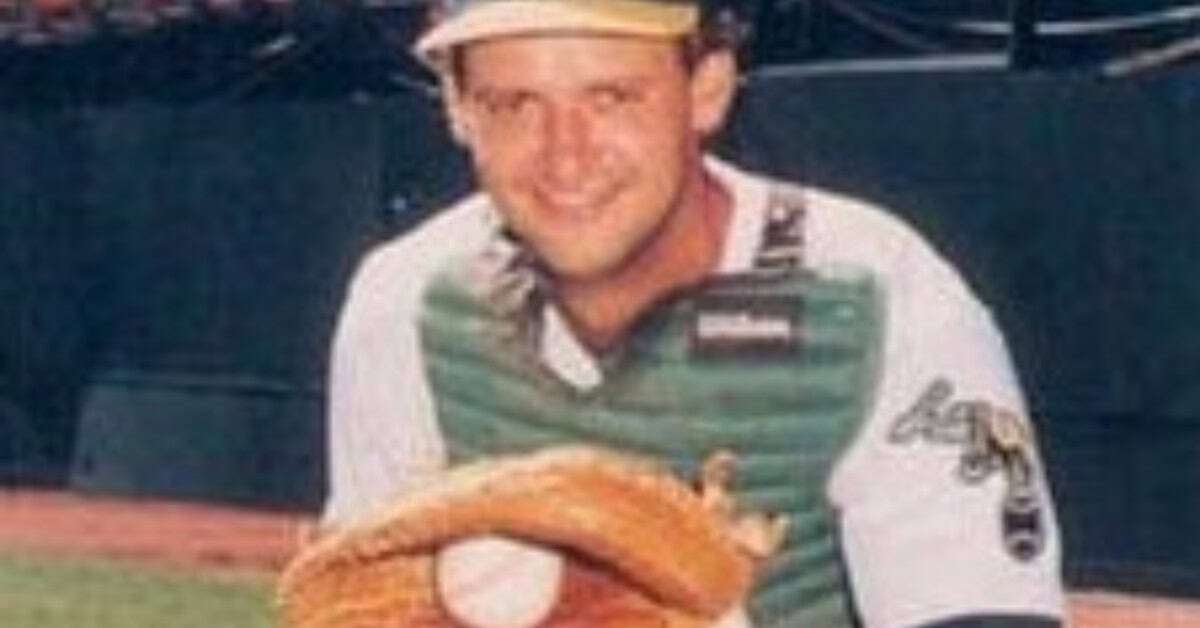
Steinbach’s 1988 MVP performance at Riverfront Stadium proved that All-Star magic could come from unexpected sources, with his clutch hitting and solid defense behind the plate leading the American League to victory. His workmanlike approach and steady production made him the perfect representative for Oakland’s championship teams of the late 1980s. The A’s catcher’s MVP award showed that blue-collar excellence could shine just as brightly as superstar talent on baseball’s biggest stage.
Cal Ripken Jr.: The Iron Man’s Emotional MVP Farewell in 2001

Ripken’s 2001 MVP performance at Safeco Field provided the perfect storybook ending to his legendary career, with his home run in his final All-Star Game creating one of baseball’s most emotional moments. His clutch hitting and veteran leadership reminded everyone why he was called the Iron Man, proving that durability and excellence could coexist over two decades. Cal’s MVP award was a fitting tribute to a player who embodied everything great about baseball’s work ethic and competitive spirit.
Derek Jeter: The Captain’s MVP Performance in Pinstripe Glory
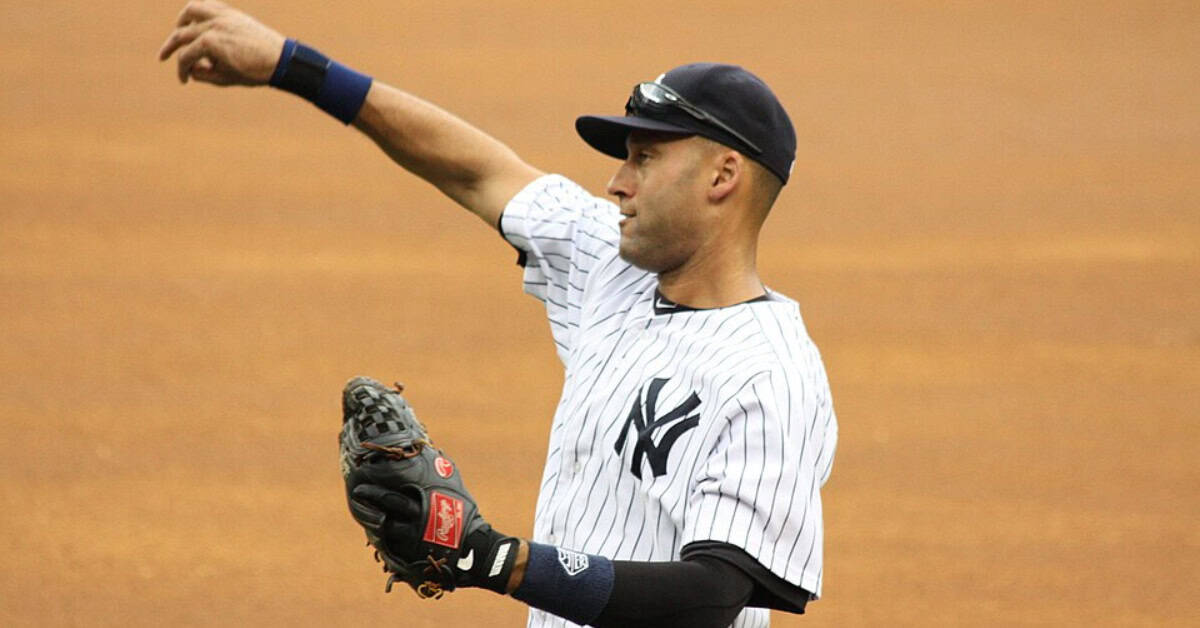
Jeter’s 2000 MVP performance at Turner Field showcased the clutch gene and leadership qualities that made him the face of the Yankees’ dynasty baseball, with his timely hitting and defensive excellence leading the American League to victory. His professional approach and competitive fire proved that intangibles could be just as valuable as raw talent in pressure situations. The Captain’s MVP award came during the height of his championship run, when every at-bat carried the weight of Yankee tradition.
Garret Anderson: The Angel’s MVP Swing in Anaheim
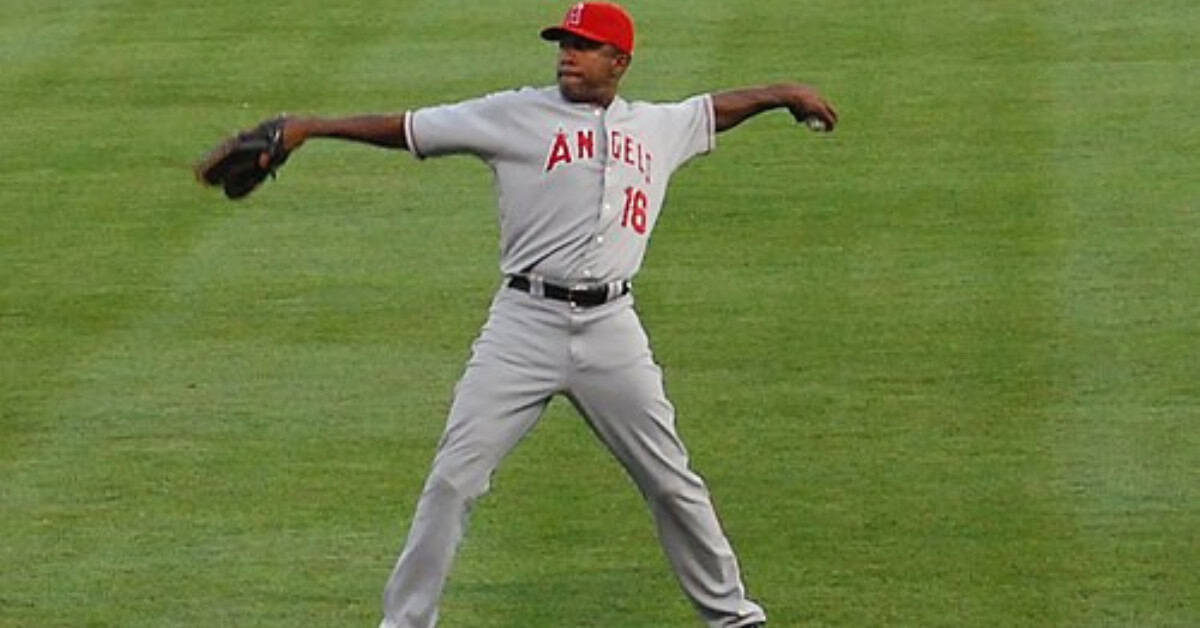
Anderson’s 2003 MVP performance at U.S. Cellular Field highlighted the smooth swing and clutch hitting that made him one of the most underrated players of his generation, with his triple driving in the winning runs for the American League. His consistent production and professional approach proved that quiet excellence could shine just as brightly as flashy talent on baseball’s biggest stage. The Angel’s MVP award came during his prime years as one of the game’s most reliable run producers.
Alfonso Soriano: The Power-Speed Combo’s MVP in Chicago
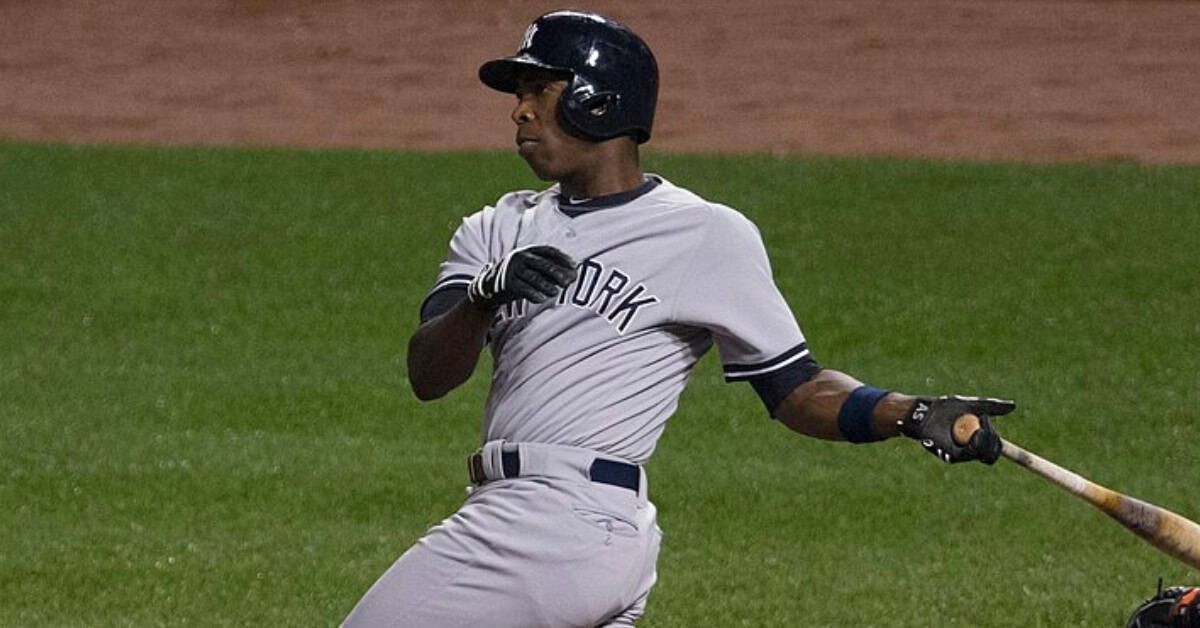
Soriano’s 2004 MVP performance at Minute Maid Park showcased the explosive power-speed combination that made him one of baseball’s most dynamic players, with his home run and stolen base leading the American League to victory. His athletic ability and competitive fire proved that versatility could be just as valuable as specialization in All-Star competition. The power-speed combo’s MVP award highlighted the evolution of baseball toward more athletic, multi-dimensional players.
Ichiro Suzuki: The Single-Season Hit King’s Inside-the-Park MVP Magic
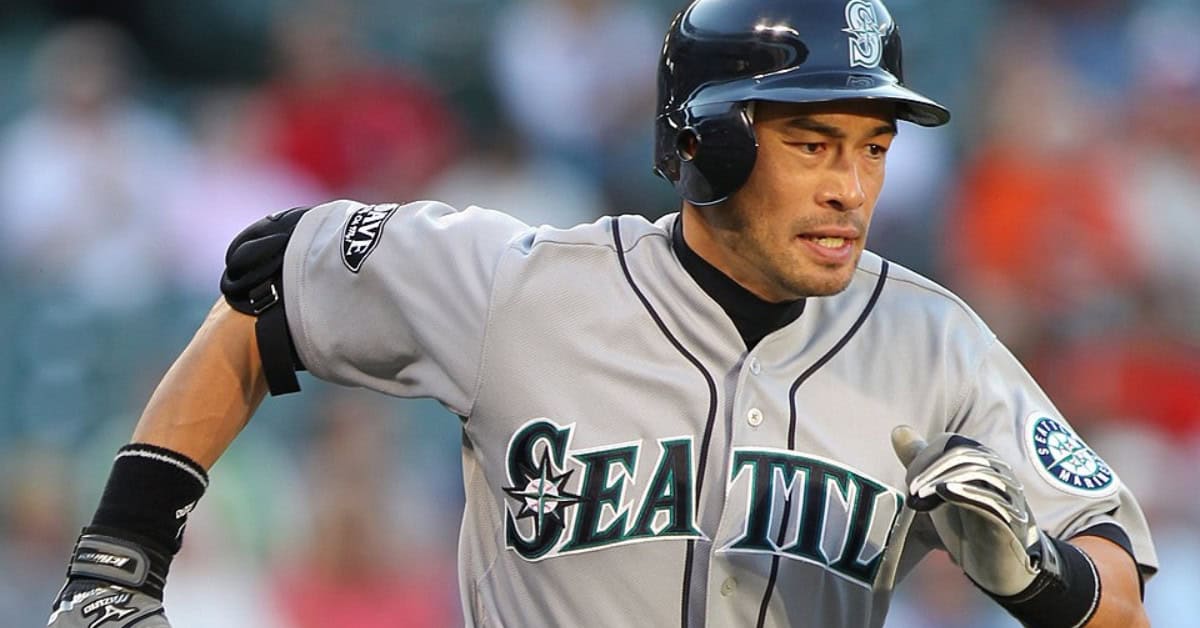
Ichiro’s 2007 MVP performance at AT&T Park featured the inside-the-park home run that became one of the most memorable moments in All-Star Game history, with his speed and precision showcasing the unique talents he brought from Japan. His contact hitting and defensive excellence proved that different styles of play could thrive on baseball’s biggest stage. Suzuki’s MVP award celebrated the globalization of baseball and the artistry of pure hitting in an era dominated by power.
Carl Crawford: The Speed Demon’s MVP Showcase in Tampa Bay
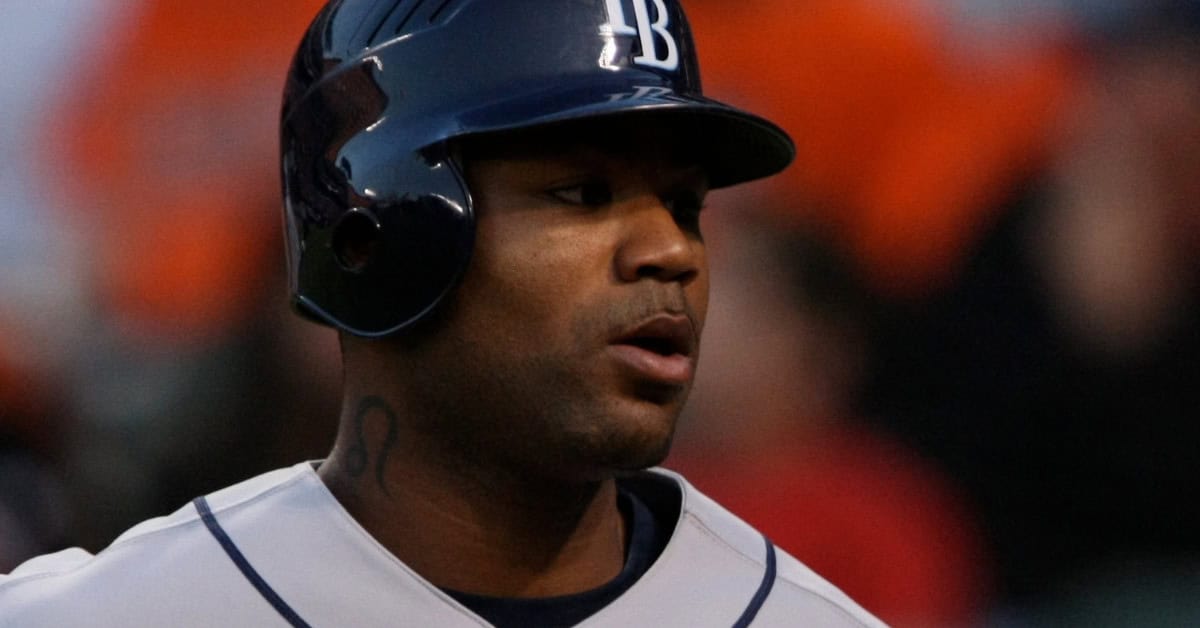
Crawford’s 2009 MVP performance at Busch Stadium highlighted the explosive speed and clutch hitting that made him one of the most exciting players of his generation, with his stolen bases and timely hits leading the American League to victory. His athletic ability and competitive fire proved that speed could still be a game-changing weapon in modern baseball. The speed demon’s MVP award came during his prime years as one of the game’s most dynamic leadoff hitters.
J.D. Drew: The Controversial Star’s MVP Redemption
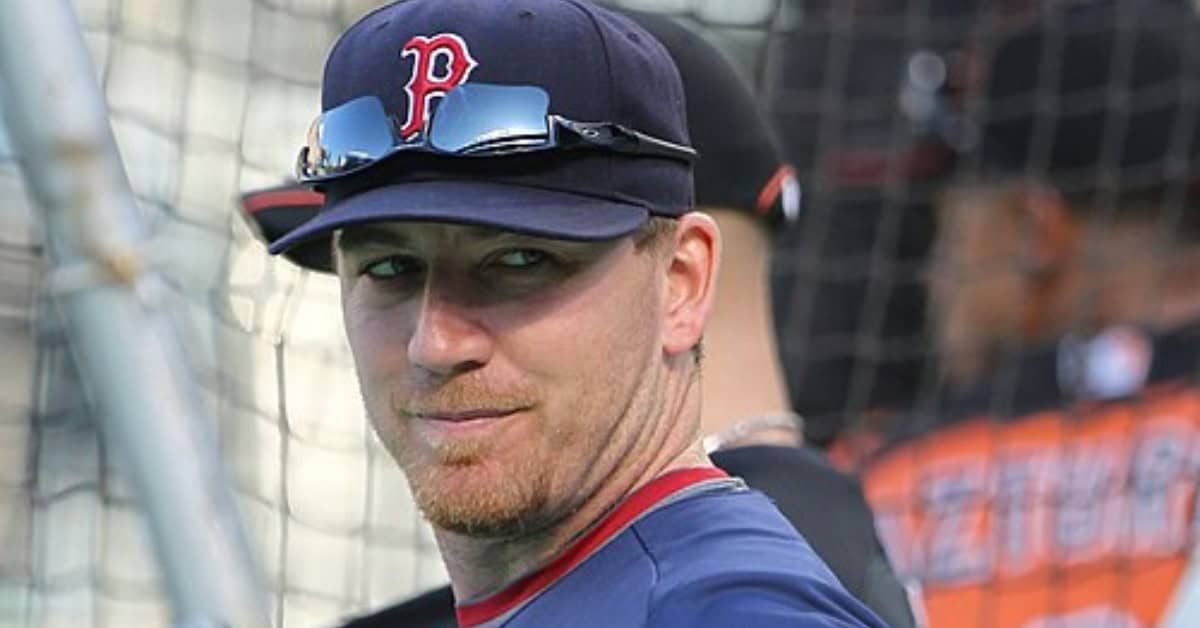
Drew’s 2008 MVP performance at Yankee Stadium provided redemption for a player who had been criticized throughout his career for lacking passion, with his clutch hitting and professional approach leading the American League to victory. His patient approach and power potential proved that controversial players could still deliver in pressure situations. The polarizing star’s MVP award showed that talent could shine through even with media vilification.
Robinson Cano: The Smooth Swing’s MVP
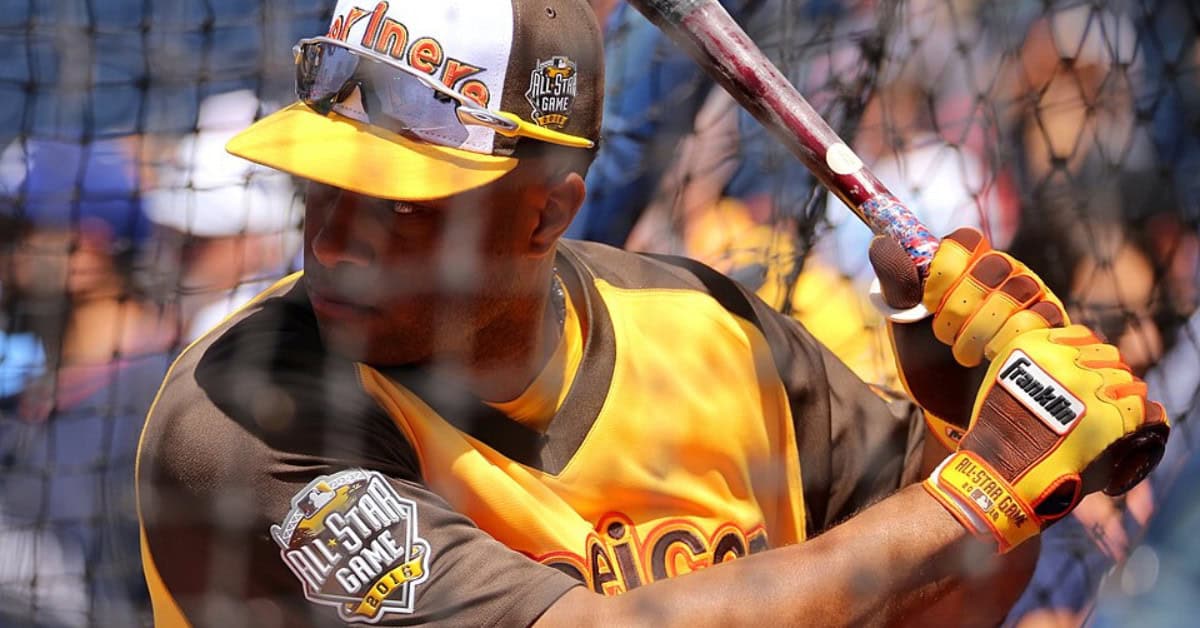
Cano’s MVP performance showcased the smooth swing and clutch hitting that made him one of the most consistent second basemen of his generation, with his home run providing the margin of victory for the American League. His professional approach and reliable production proved that steady excellence could shine on baseball’s biggest stage. The smooth-swinging star’s MVP award highlighted the importance of consistency in an era of increasing specialization.
Mike Trout: The Millville Meteor’s Back-to-Back MVP Dominance
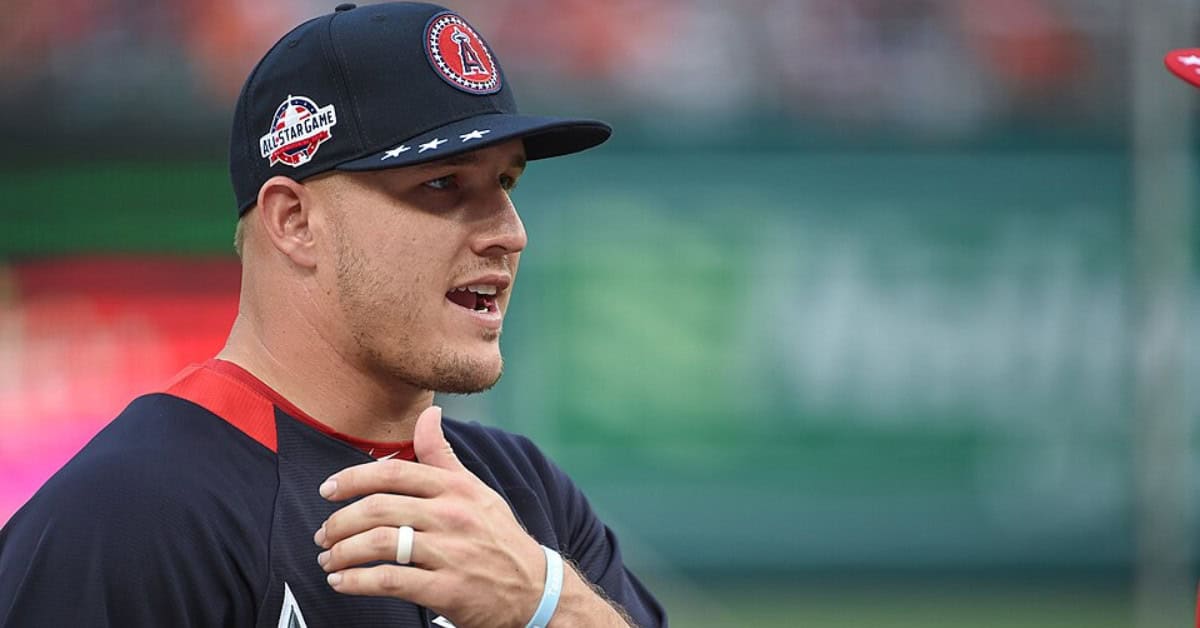
Trout’s consecutive MVP awards in 2014 and 2015 established him as the face of modern baseball, with his five-tool excellence and competitive fire making him the perfect ambassador for the game’s next generation. His power, speed, and defensive ability proved that complete players could still dominate in an era of increasing specialization. The Millville Meteor’s back-to-back MVP performances reminded everyone why he’s considered the best player of his generation, capable of taking over games with his unique combination of talent and intensity.