

Last Updated: June 17th, 2026 by Michael Schatz
The 1960s were baseball’s golden age of right field, when leather gloves popped like firecrackers and outfield arms could silence entire stadiums with a single throw. These were the men who patrolled the foul territory with the swagger of gunslingers, turning routine fly balls into highlight reels and making the impossible look effortless.
Don't lose this article. Enter your email below, and I'll send it to you right now. Plus, we'll send you other unbelievable stories from baseball's past.
Hank Aaron – The Hammer’s Sweet Swing in Milwaukee
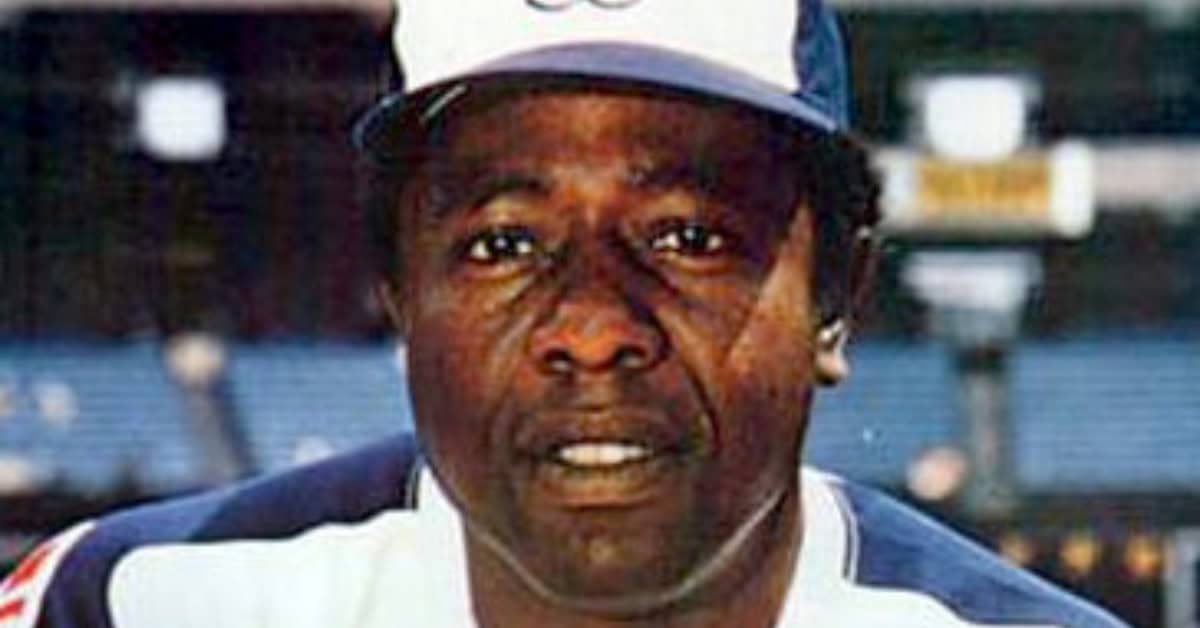
Before Atlanta claimed him, Hank Aaron was Milwaukee’s pride, turning County Stadium into his personal launching pad throughout the early ’60s. The Hammer’s wrists generated more power than most men’s entire bodies, and his quiet dignity spoke louder than any trash talk. Aaron led the National League in home runs four times during the decade, all while making right field look like the easiest position in baseball.
Roberto Clemente – Pittsburgh’s Golden Glove Magician
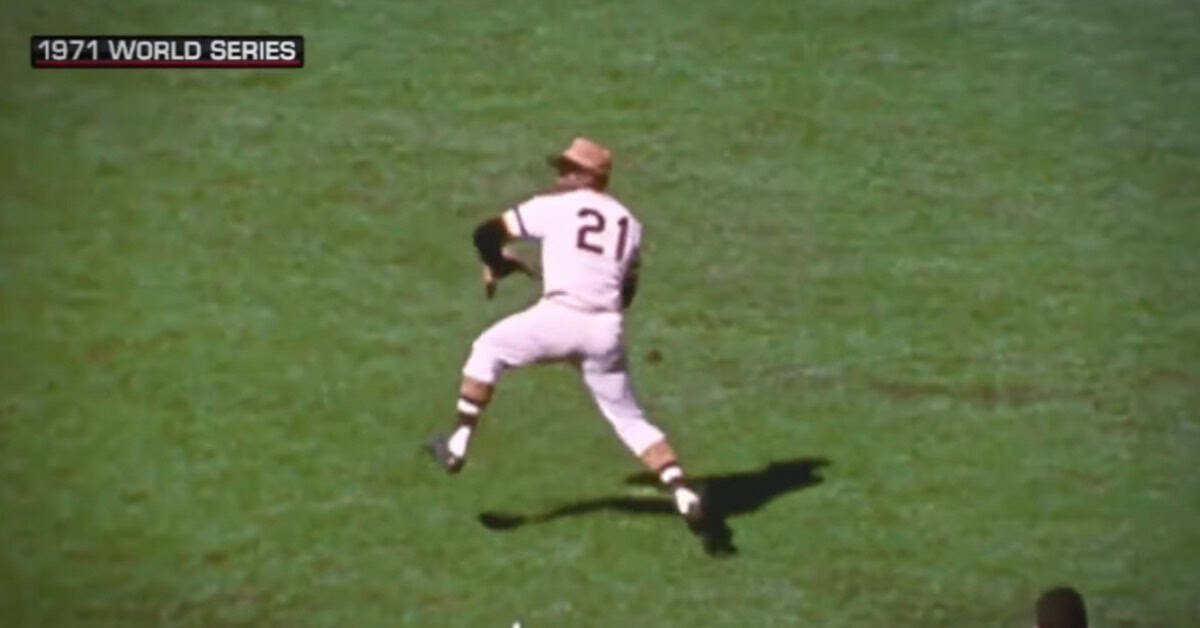
Roberto Clemente’s right arm was a howitzer disguised as human anatomy, capable of throwing frozen ropes from the Forbes Field warning track to home plate. The Great One collected 12 Gold Gloves during his career, with many coming in the ’60s when he turned routine singles into dramatic putouts. His batting average never dipped below .290 during the decade, proving he was equally dangerous at the plate and in the field.
Frank Robinson – Baltimore’s Triple Crown Thunder

Frank Robinson arrived in Baltimore in 1966 and immediately made the American League regret letting Cincinnati trade him away. His Triple Crown season that year (.316 average, 49 homers, 122 RBIs) was the stuff of legend, powered by a swing that could turn any mistake pitch into a souvenir. Robinson’s intensity burned like a furnace, and opposing pitchers learned to respect both his bat and his competitive fire.
Al Kaline – Detroit’s Mr. Tiger

Al Kaline was the definition of smooth, gliding across Tiger Stadium’s right field like he was skating on ice rather than running on grass. Mr. Tiger won the 1955 batting title at age 20 and spent the entire 1960s proving that wasn’t a fluke, maintaining a .280-plus average while playing Gold Glove defense. His swing was poetry in motion, and his character was as flawless as his fundamentals.
Tony Oliva – Minnesota’s Rookie of the Year Sensation

Tony Oliva burst onto the scene in 1964 like a Cuban comet, winning Rookie of the Year while leading the American League in hits, doubles, and runs scored. The man they called “Tony O” owned the first half of the decade, winning three batting titles and making the All-Star team eight times. His line drives whistled off his bat with such authority that Metropolitan Stadium’s right field became his personal kingdom.
Rocky Colavito – Cleveland’s Home Run King
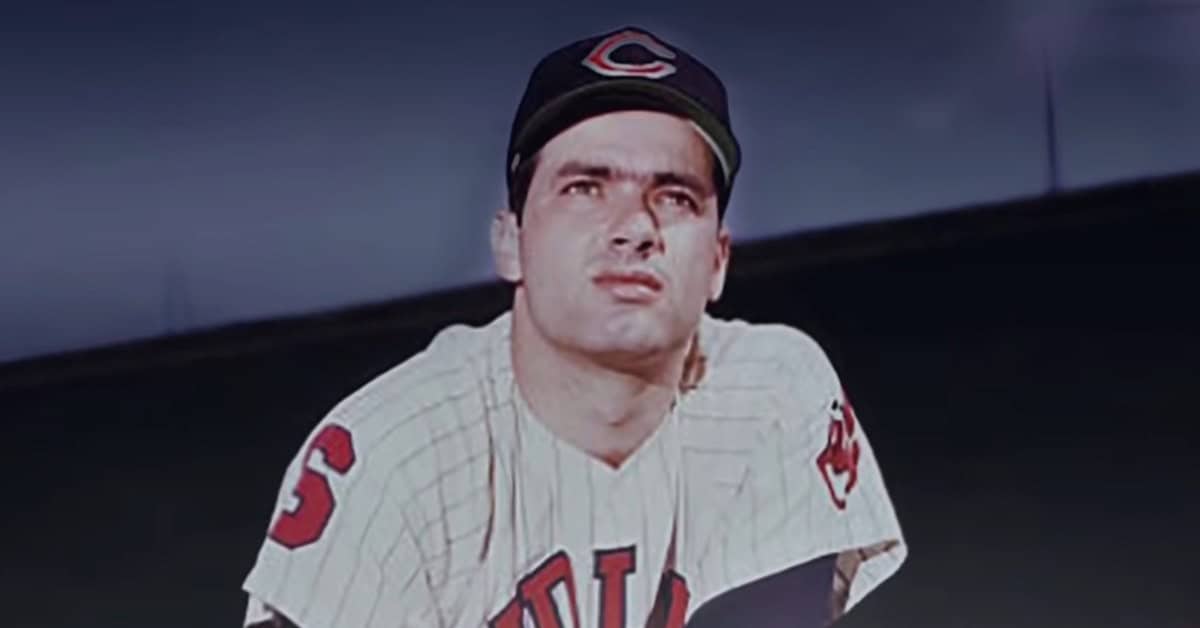
Rocky Colavito’s trade from Cleveland to Detroit in 1960 sparked outrage among Indians fans that lasted decades, and for good reason. The Rock was a legitimate home run threat who could launch baseballs into orbit with his uppercut swing, hitting 30-plus homers six times during the decade. His movie-star looks and powerful frame made him a fan favorite wherever he played, even if Cleveland never quite forgave the front office for letting him go.
Roger Maris – The Man Who Chased the Babe
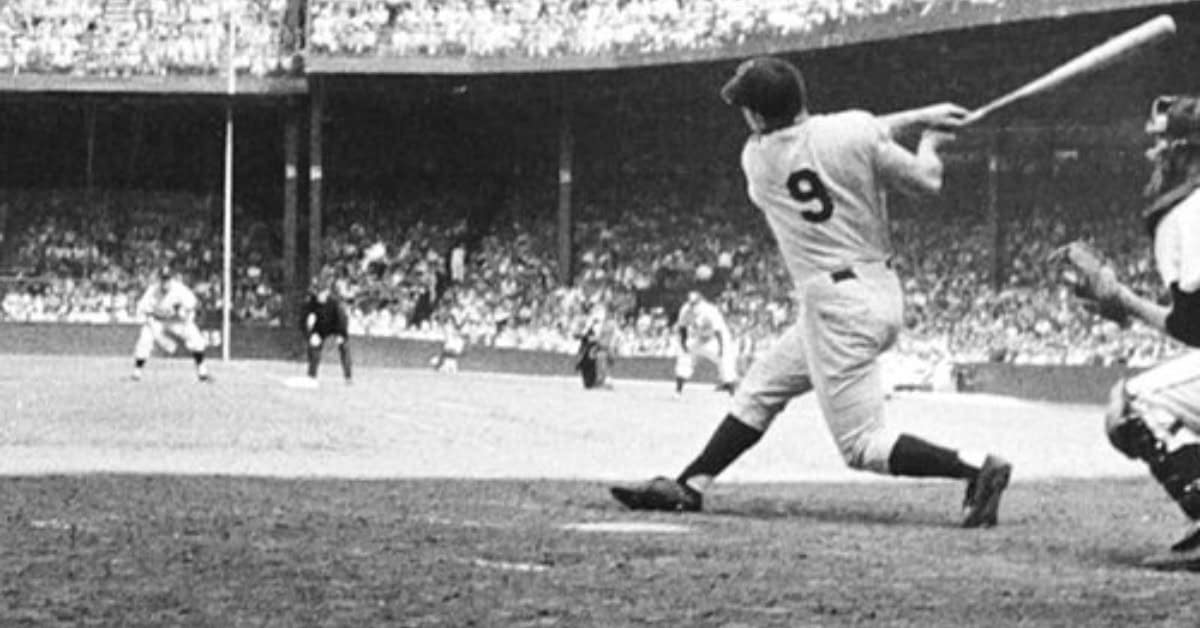
Roger Maris will forever be remembered for his 61 home runs in 1961, but his entire decade was defined by clutch hitting and steady defense in right field. The quiet North Dakotan never asked for the spotlight that came with chasing Babe Ruth’s record, but he handled the pressure with grace while helping the Yankees win two World Series titles. His left-handed swing was perfectly suited for Yankee Stadium’s short right field porch, making him a constant threat in the Bronx.
Felipe Alou – San Francisco’s Steady Professional

Felipe Alou was the steady heartbeat of the Giants’ lineup throughout the 1960s, providing consistent offense and reliable defense as his brothers, Matty and Jesus, joined him in the majors. The eldest Alou brother hit .280 or better in seven different seasons during the decade, proving that consistency was just as valuable as flash. His professional approach and quiet leadership made him a perfect complement to the Giants’ more colorful stars like Willie Mays and Willie McCovey.
Jim Wynn – Houston’s Toy Cannon
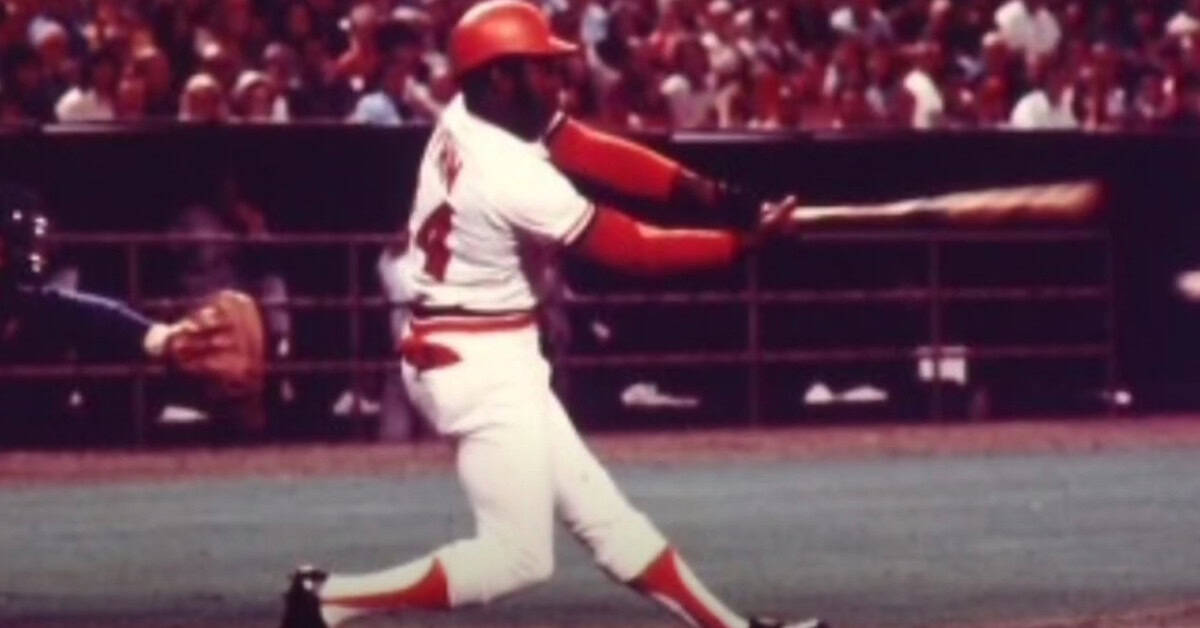
Jim Wynn earned his “Toy Cannon” nickname by packing tremendous power into a compact 5’9″ frame, launching moonshots out of the Astrodome like it was a Little League park. The Toy Cannon’s patient approach at the plate made him a constant threat to work deep counts and draw walks, while his power stroke kept pitchers honest. Wynn’s combination of power and patience made him one of the most underrated players of the decade, especially considering he played half his games in the pitcher-friendly Astrodome.
Reggie Smith – Boston’s Versatile Powerhouse

Reggie Smith burst onto the scene in the late ’60s as part of Boston’s “Impossible Dream” team, bringing a switch-hitting bat and athletic versatility that made him dangerous from both sides of the plate. Smith’s ability to play multiple positions made him invaluable to the Red Sox, but his natural home was right field, where his strong arm and quick first step helped him cover ground like a gazelle. His power from both sides of the plate made him a matchup nightmare for opposing managers throughout the decade.
Boog Powell – Baltimore’s Gentle Giant

Boog Powell’s 6’4″, 270-pound frame made him look more like a linebacker than a baseball player, but his gentle demeanor and smooth swing made him a fan favorite in Baltimore. The big man could turn on any fastball and send it screaming toward the warehouse beyond Camden Yards’ right field wall, while his surprisingly soft hands made him reliable in the field. Powell’s combination of power and personality made him the perfect complement to the Orioles’ championship teams of the late ’60s.
Leon Wagner – The Angels’ Daddy Wags
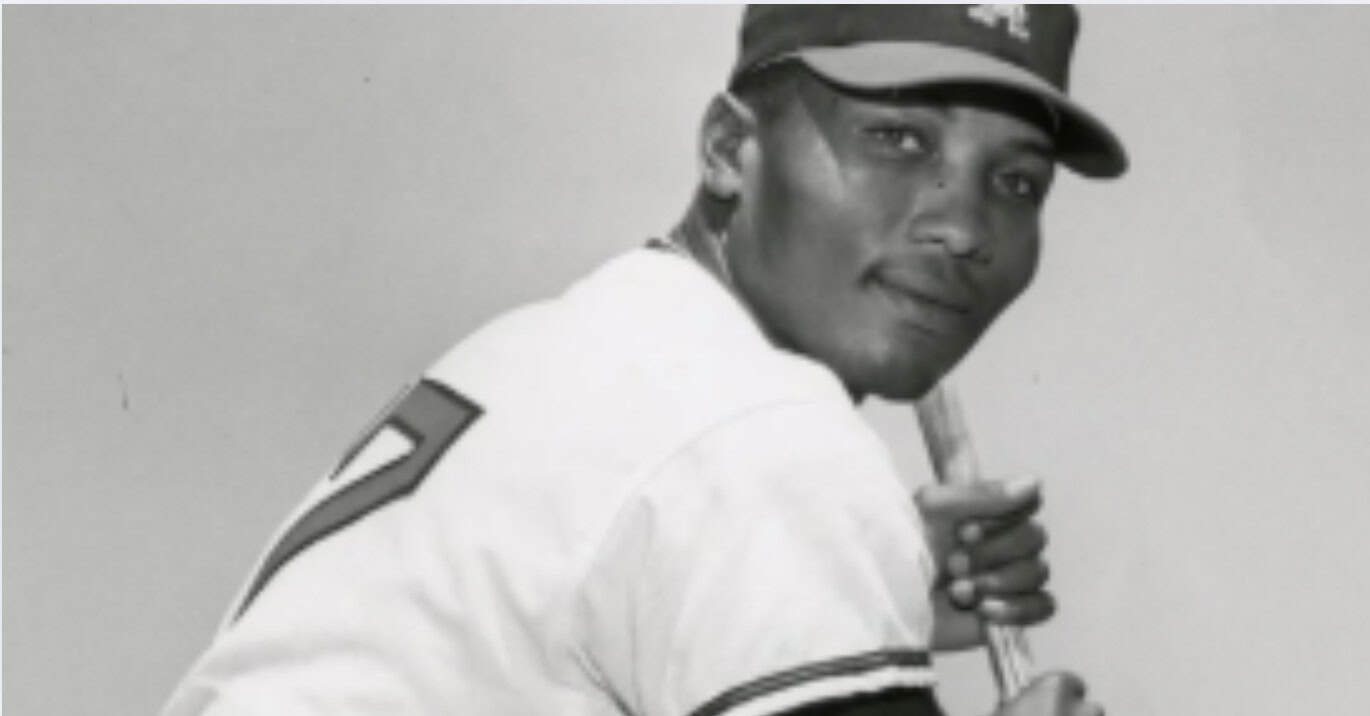
Leon “Daddy Wags” Wagner brought both power and personality to the expansion Los Angeles Angels, becoming one of the franchise’s first legitimate stars with his booming home runs and colorful quotes. Wagner’s uppercut swing was designed for the long ball, and he delivered with 30-plus homers in three different seasons during the decade. His infectious enthusiasm and clutch hitting helped establish the Angels as a legitimate franchise in their early years, while his nickname became part of baseball lore.
Norm Cash – Detroit’s Slugging First Baseman Who Played Right
Norm Cash was primarily known as a first baseman, but his versatility allowed him to patrol right field when the Tigers needed defensive flexibility. Cash’s magical 1961 season (.361 average, 41 homers, 132 RBIs) was the stuff of legend, though he later admitted to using a corked bat that year. His sense of humor and clutch hitting made him a Detroit favorite, while his ability to play multiple positions added valuable depth to the Tigers’ lineup throughout the decade.
Willie Kirkland – The Journeyman with the Golden Arm
Willie Kirkland may have been a journeyman who played for six different teams during the 1960s. Still, his rocket arm and occasional power flashes made him a valuable commodity wherever he landed. Kirkland’s 21 home runs for the Giants in 1961 proved he could contribute offensively, while his defensive skills kept him employed throughout the decade. His travels took him from San Francisco to Cleveland to Baltimore, but his professionalism and work ethic remained constant regardless of the uniform he wore.
Ken Berry – Chicago’s Defensive Specialist

Ken Berry was the ultimate defensive specialist, turning routine fly balls into spectacular catches and making the impossible look effortless in Chicago’s spacious outfield. While his bat never matched his glove, Berry’s Gold Glove defense and incredible range made him invaluable to the White Sox throughout the late ’60s. His ability to cover ground like a gazelle and make catches that defied physics earned him respect from teammates and opponents alike, proving that sometimes the most important contributions don’t show up in the box score.