

Last Updated: June 17th, 2026 by Michael Schatz
The 1990s were the golden age of right field—when leather met lumber in ways that made SportsCenter highlights feel like poetry. From Tony Gwynn’s metronomic swing to Sammy Sosa’s corked-bat controversy, these were the men who patrolled the foul territory while we munched on $2 hot dogs and argued about the designated hitter rule.
Don't lose this article. Enter your email below, and I'll send it to you right now. Plus, we'll send you other unbelievable stories from baseball's past.
Tony Gwynn – The Hitting Machine Who Made .300 Look Easy
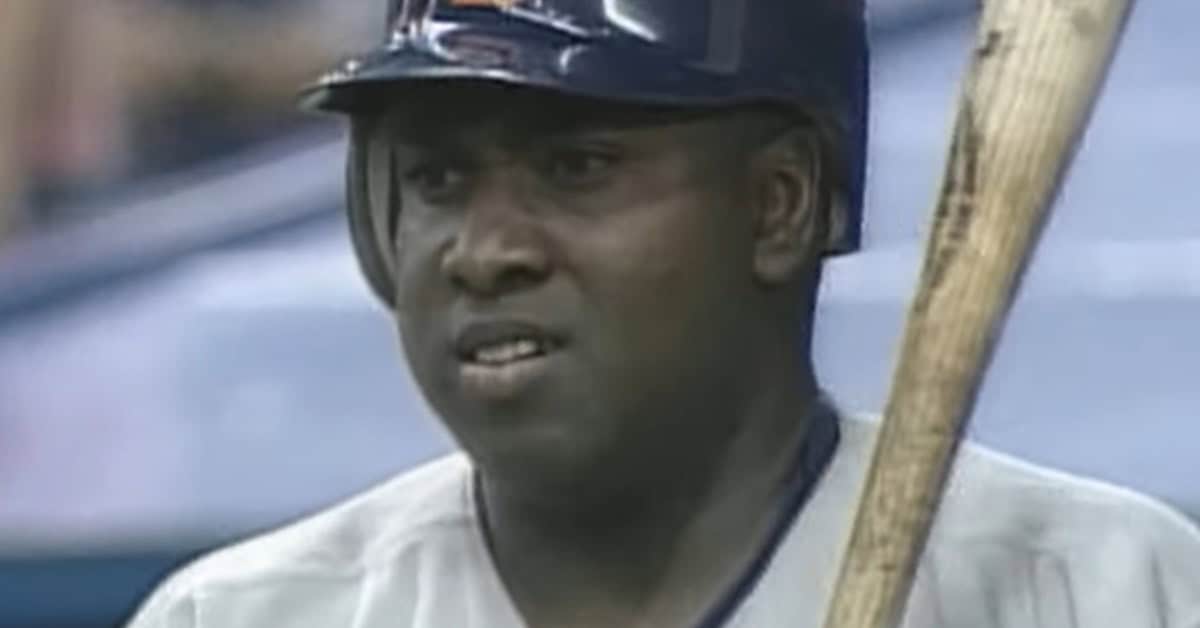
Tony Gwynn didn’t just hit .300—he made it look as automatic as breathing. The San Diego legend batted .338 throughout the 1990s, won four batting titles, and struck out fewer than 20 times in multiple seasons. His inside-out swing was so pure that watching him hit was like witnessing a master craftsman at work, turning every at-bat into a clinic on contact hitting.
Larry Walker – The Canadian Who Conquered Coors Field
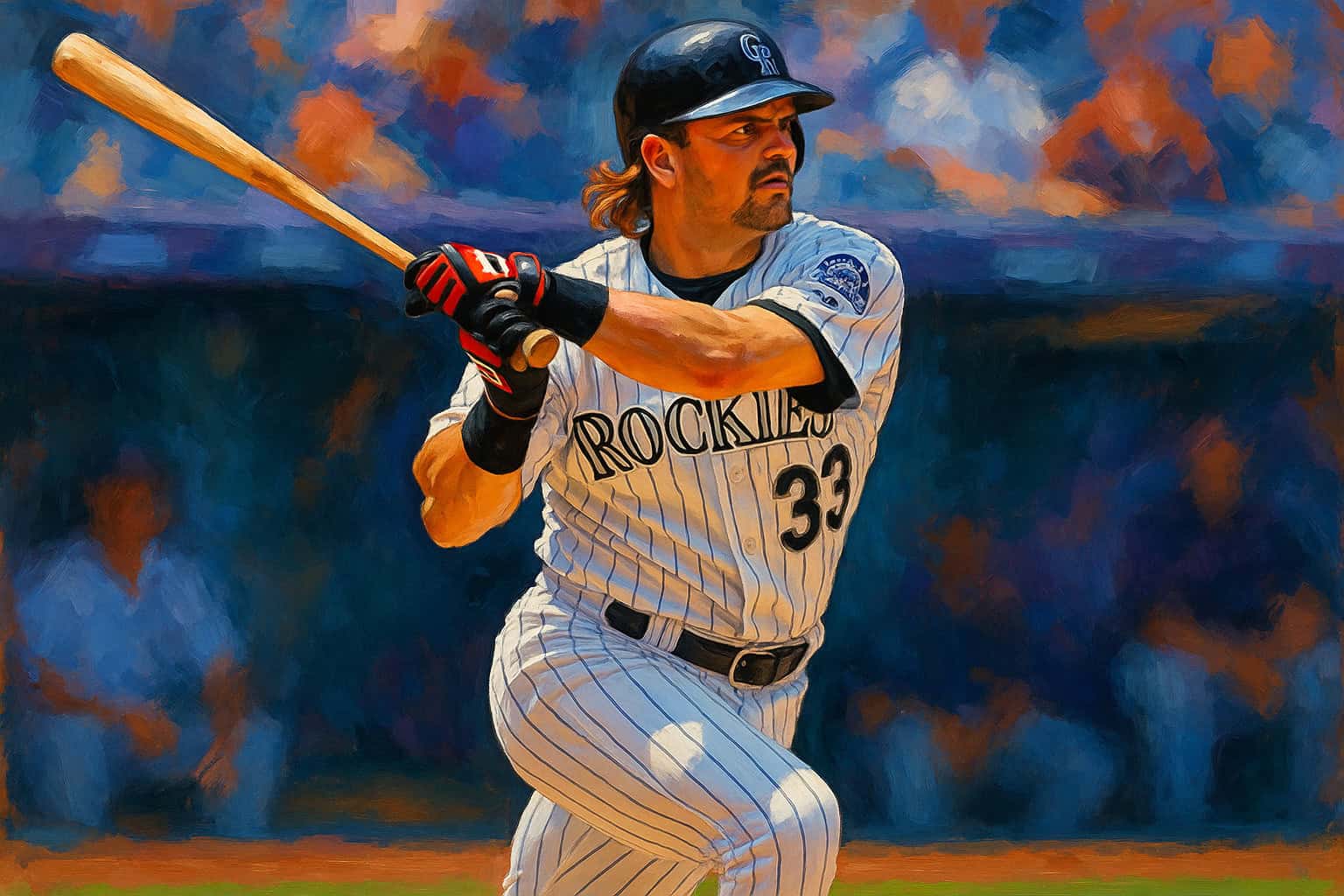
Before Coors Field became synonymous with inflated offensive numbers, Larry Walker was already a superstar in Montreal. The Canadian outfielder hit .334 with 258 home runs during the ’90s, becoming the first player to truly harness the thin Denver air. His 1997 MVP season (.366 average, 49 home runs, 130 RBIs) proved he was more than just a Coors Field creation—he was a legitimate Hall of Famer who happened to play at altitude.
Sammy Sosa – From 30-30 to 60+ Home Run Hero

Sammy Sosa transformed from a speedy leadoff hitter into a home run machine right before our eyes. The Dominican slugger’s evolution peaked in 1998, when he and Mark McGwire captivated America during their chase of Roger Maris’s record. Sosa’s infectious smile, chest-thumping celebrations, and hop-skip home run trot became the signature of baseball’s so-called steroid era, for better or worse.
Shawn Green – Consistency and Power from Coast to Coast

Shawn Green quietly built one of the most impressive right-field resumes of the 1990s. Breaking out with the Toronto Blue Jays, Green combined excellent defense, speed, and a smooth left-handed swing. In 1999, he hit 42 home runs, stole 20 bases, and scored 134 runs, earning his first Silver Slugger. His consistency and professionalism shone both in Toronto and later with the Dodgers, making him one of the decade’s most respected and productive right fielders.
Juan González – Puerto Rican Power Hitter of the ’90s
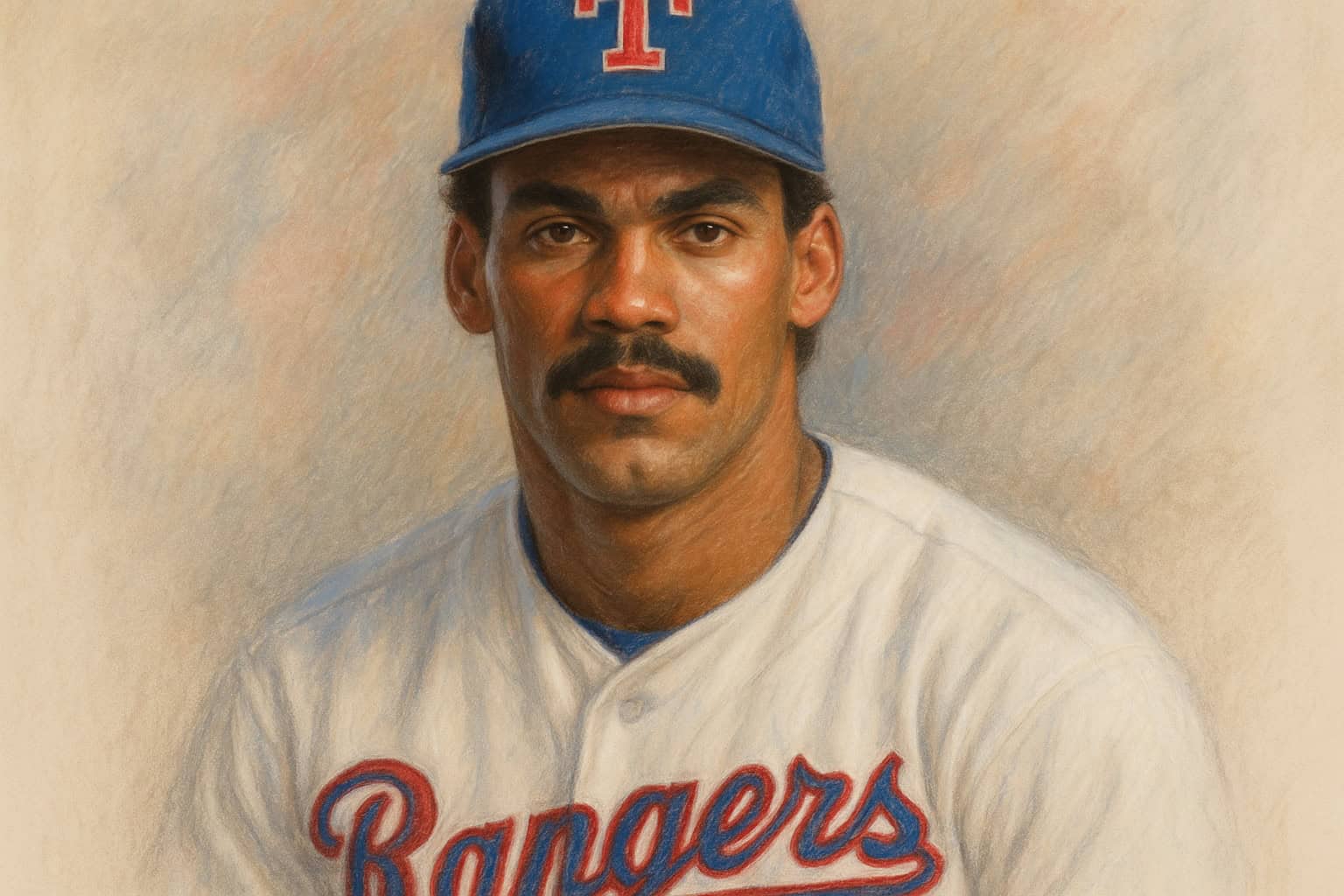
Juan González carried the hopes of Puerto Rican baseball fans while establishing himself as one of the decade’s most feared sluggers. The Texas Rangers’ two-time MVP (1996, 1998) belted 340 home runs during the ’90s, often in clutch situations that made Arlington Stadium shake. His compact swing and ability to turn on any fastball made him the prototype for the modern power hitter.
Manny Ramirez – Before “Manny Being Manny” Was a Thing
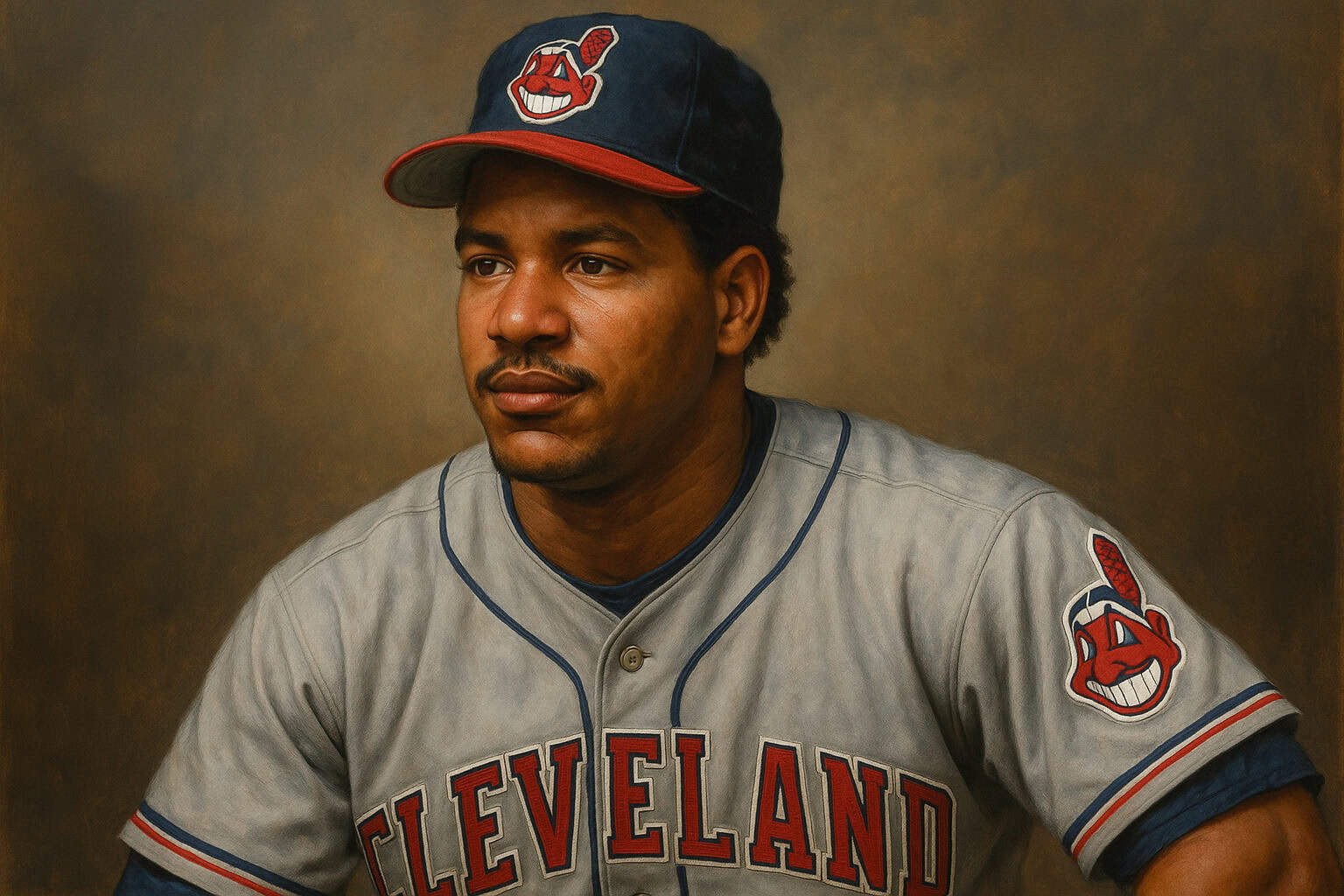
Before Boston and the antics, Manny Ramirez was just a pure hitter in Cleveland who made pitchers lose sleep. The Dominican slugger’s late-’90s peak (.313 average, 236 home runs from 1995-1999) helped carry the Indians to two World Series appearances. His effortless swing and ability to hit for both average and power made him one of the most complete offensive players of his generation.
Vladimir Guerrero – The Bad-Ball Hitting Magician

Vladimir Guerrero could hit a ball thrown from the on-deck circle and somehow turn it into a line drive. The Montreal Expos’ franchise player redefined the strike zone with his aggressive approach, regularly golfing pitches at his ankles for doubles. His rocket arm and ability to hit anything within a three-foot radius of the plate made him must-see TV whenever the Expos were on TSN.
Gary Sheffield – The Intimidating Stance That Terrorized Pitchers
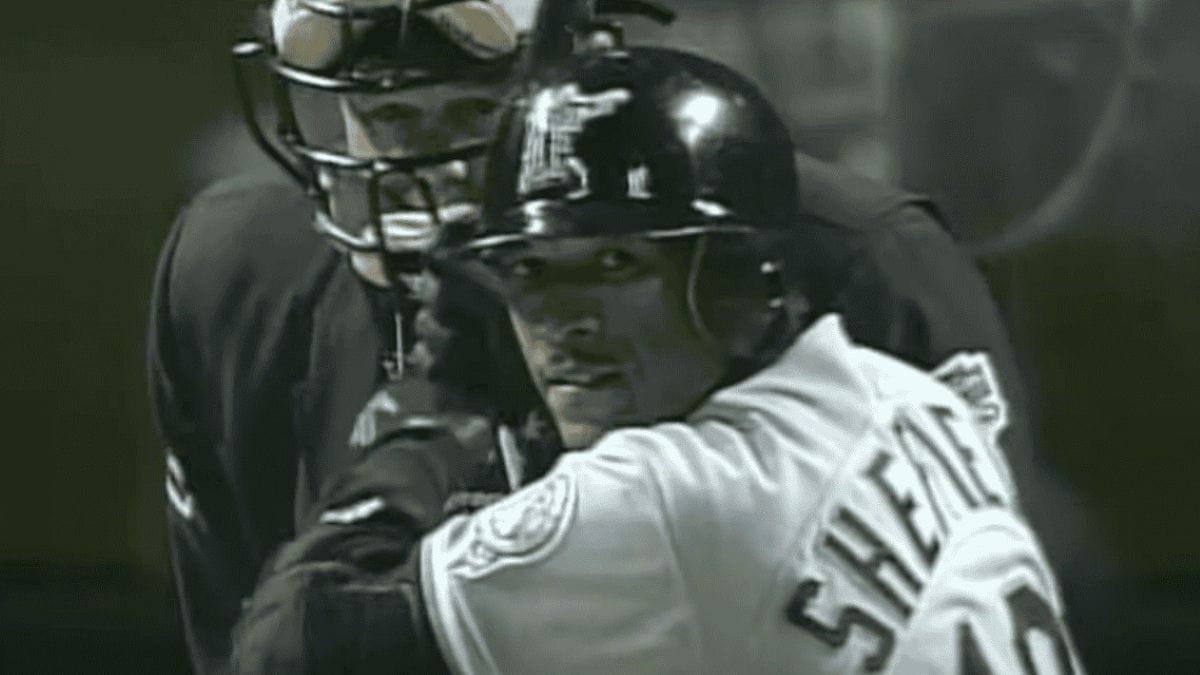
Gary Sheffield’s bat waggle was more menacing than a rattlesnake’s tail—and twice as effective at striking fear into opposing pitchers. The volatile slugger’s unique stance—all coiled energy and barely contained aggression—preceded some of the most violent swings in baseball history. His .292 average and 244 home runs during the ’90s proved that intimidation was just the appetizer before the main course of pure hitting ability.
Raúl Mondesí – The Rookie of the Year Who Could Do It All
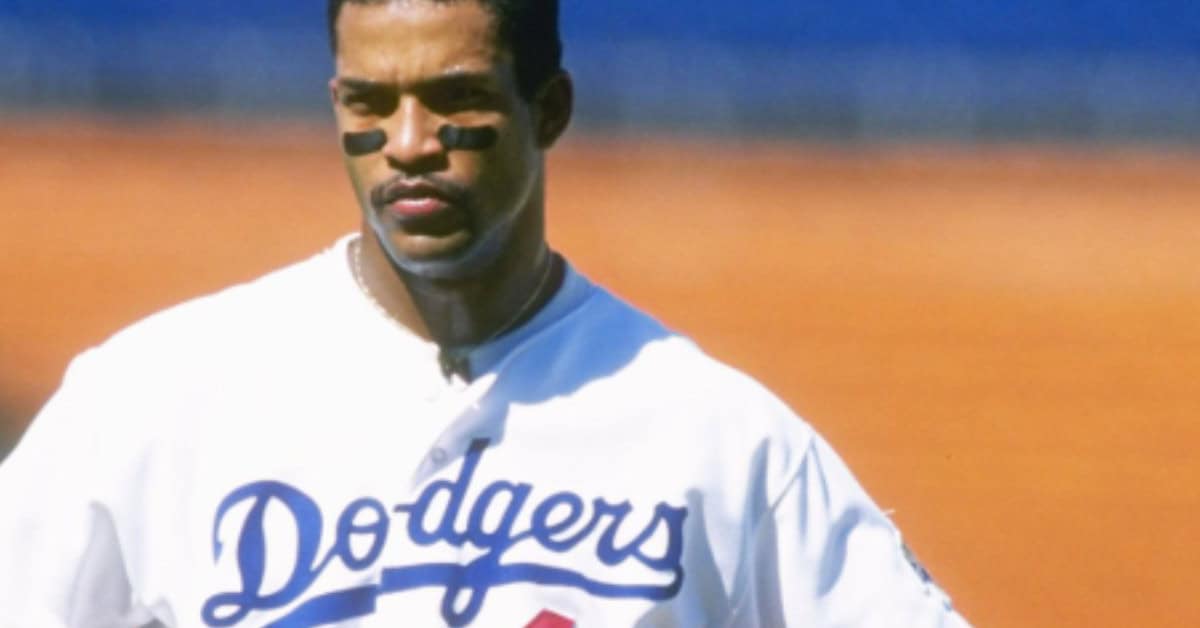
Raúl Mondesí burst onto the scene in 1994 as the first player to win Rookie of the Year without playing a single game the previous season. The Dominican outfielder’s combination of power, speed, and defensive excellence made him the prototype five-tool player. His cannon arm from right field and ability to steal 30 bases while hitting 30 home runs made him must-see TV at Dodger Stadium.
Ellis Burks – The Underrated Five-Tool Talent
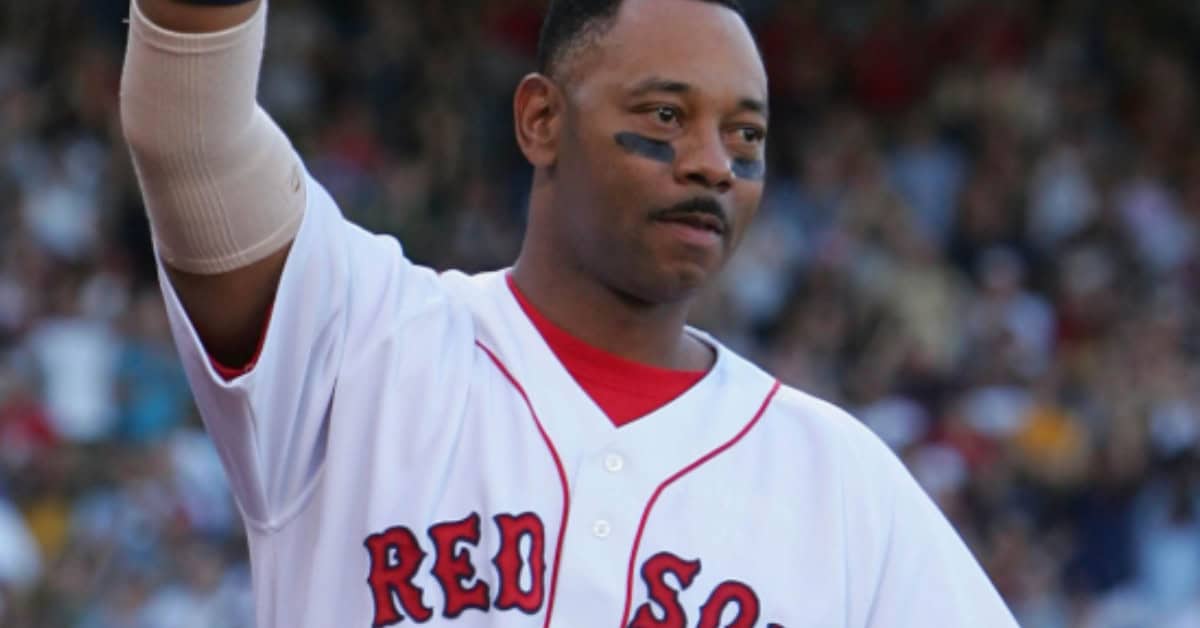
Ellis Burks was the quiet professional who did everything well without making headlines. The former Red Sox outfielder found his power stroke in Colorado, belting 40 home runs in 1996 while maintaining his reputation as one of the game’s most complete players. His smooth swing and understated excellence made him the player other players respected most, even if casual fans overlooked his contributions.
Dante Bichette – Mile High Mashing in the Blake Street Bombers Era
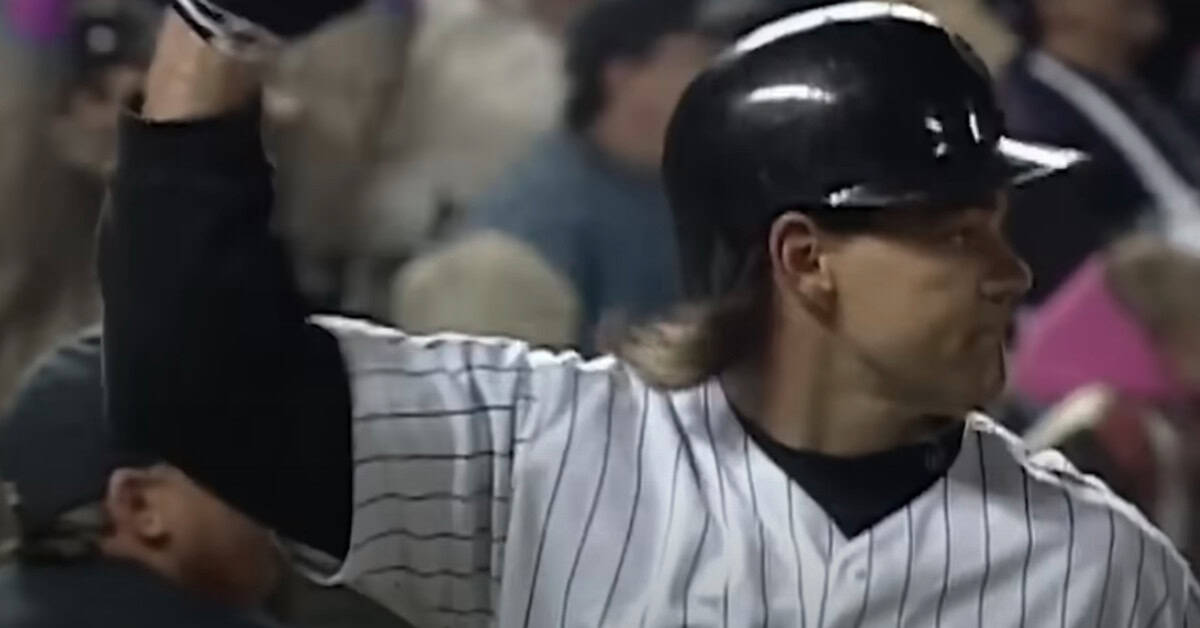
Dante Bichette turned Coors Field into his personal launching pad as part of Colorado’s legendary Blake Street Bombers lineup. The right-handed slugger’s 1995 season (.340 average, 40 home runs, 128 RBIs) epitomized the offensive explosion that made the mid-’90s Rockies must-see TV. His smooth swing and clutch hitting helped establish baseball’s newest franchise as a legitimate contender in the National League West.
Tim Salmon – The California Angel Who Flew Under the Radar

Tim Salmon was the steady heartbeat of the California Angels throughout the decade, providing consistent power and professionalism in Anaheim. The 1993 Rookie of the Year averaged 33 home runs per season during the ’90s while playing solid defense in right field. His blue-collar approach and clutch hitting made him the perfect complement to flashier teammates, embodying the workmanlike attitude that defined Angels baseball.
Jay Buhner – The Bald Bomber of the Kingdome
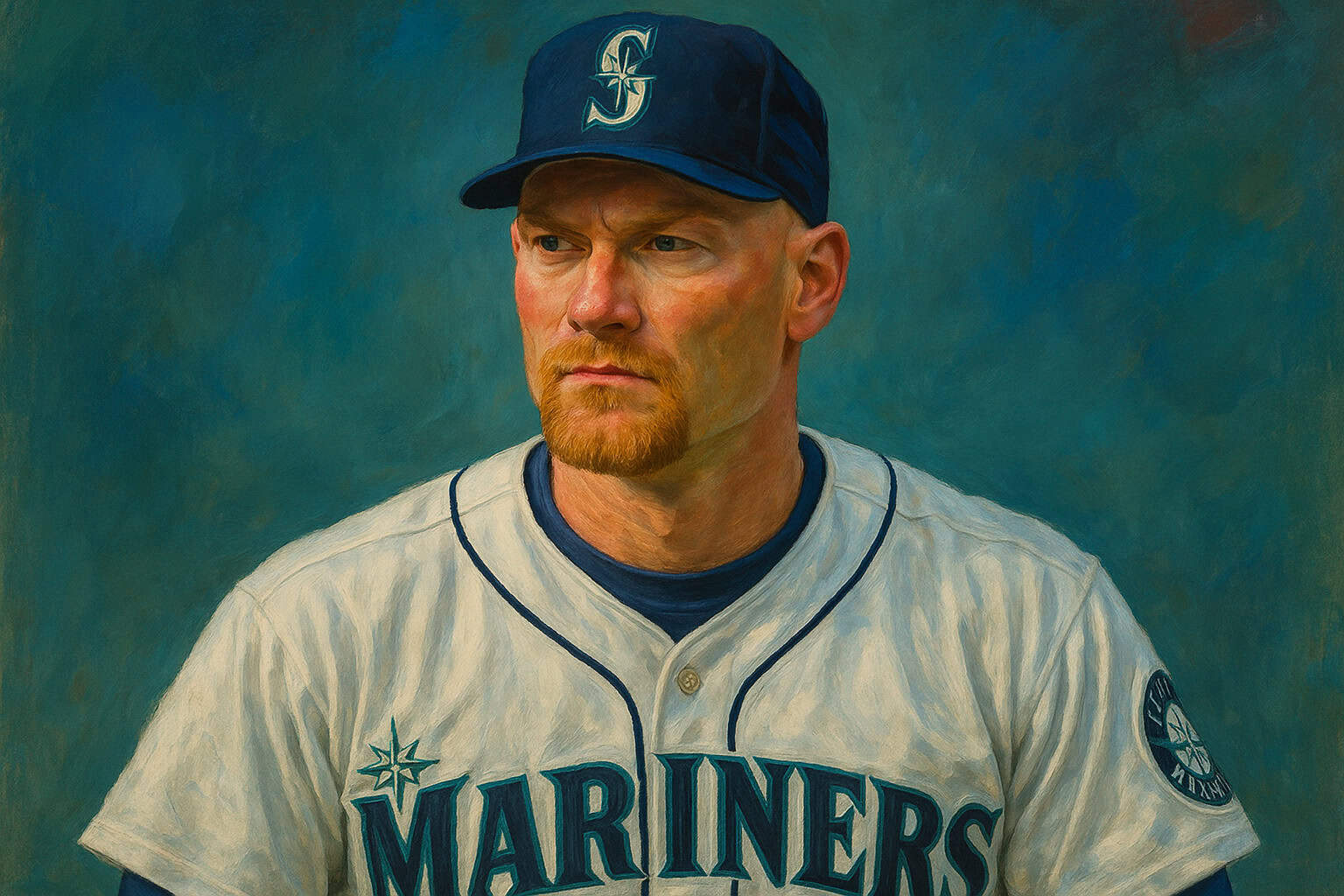
Jay Buhner’s chrome dome and thunderous swing made him a cult hero in Seattle during the Mariners’ magical 1995 playoff run. The right-handed slugger’s 40-home-run season helped carry Seattle to its first postseason appearance, while his defensive prowess and clubhouse leadership earned him respect throughout the American League. His all-or-nothing approach perfectly captured the excitement of baseball in the Pacific Northwest.
Tony Phillips – The Versatile Veteran Who Found His Home

Tony Phillips was the Swiss Army knife of 1990s baseball, capable of playing anywhere on the field while providing consistent offensive production. The veteran utility man’s best years came in Detroit, where he led the American League in runs scored in 1992 and walks in 1993. His patient approach at the plate and defensive versatility made him invaluable to managers who needed someone to fill multiple roles.
Jeromy Burnitz – The Power Hitter Who Thrived in County Stadium

Jeromy Burnitz found his power stroke in Milwaukee, where County Stadium’s dimensions perfectly suited his uppercut swing. The left-handed slugger’s late-’90s peak included back-to-back 30-home-run seasons that made him a fan favorite in Wisconsin. His ability to turn on any fastball and drive it deep into the Milwaukee night made him the type of player who could change a game with one swing.
Jermaine Dye – The Quiet Consistency of a Future World Series Hero
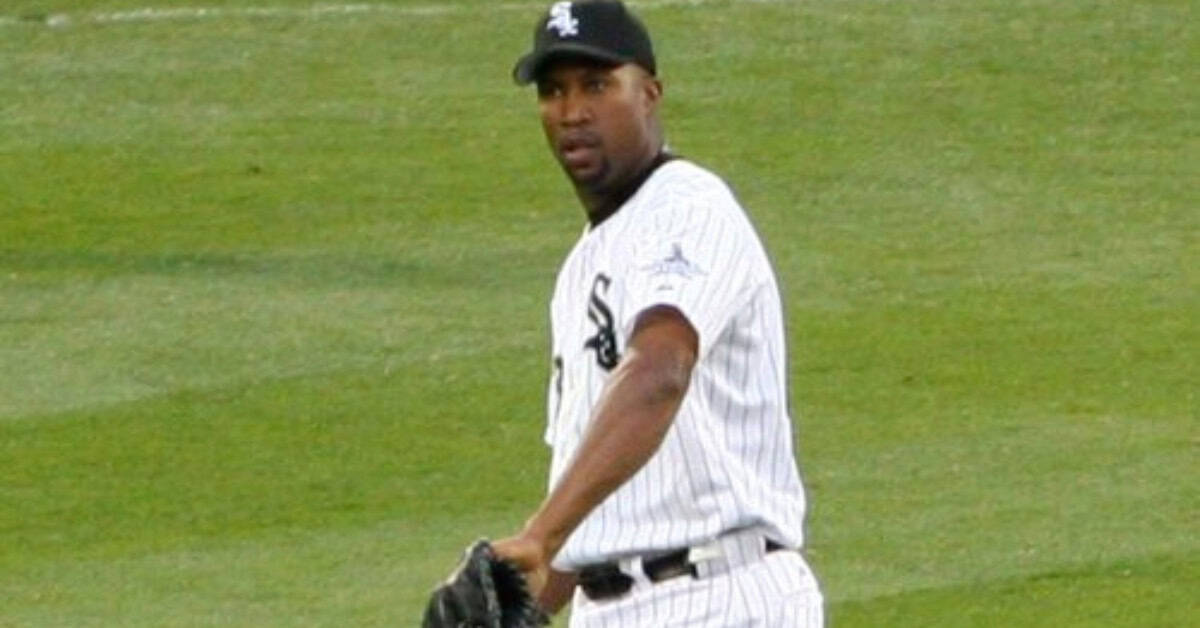
Jermaine Dye quietly established himself as one of the most reliable right fielders in baseball during his late-’90s emergence with Kansas City. The soft-spoken outfielder’s combination of power, speed, and defensive ability made him a complete player who flew under the national radar. His steady production and professional approach laid the foundation for what would become a distinguished career, capped by World Series MVP honors.
Reggie Sanders – The Speedster Who Could Take You Deep
Reggie Sanders was the rare player who could beat you with his legs or his bat, making him a constant threat in Cincinnati’s lineup. The speedy outfielder’s 1995 season (28 home runs, 36 stolen bases) showcased his unique blend of power and speed that made him nearly impossible to defend. His ability to stretch singles into doubles and turn mistake pitches into home runs kept opposing managers awake at night.
Brian Jordan – From NFL Safety to MLB All-Star

Brian Jordan’s transition from NFL safety to MLB All-Star was one of the most remarkable athletic achievements of the 1990s. The former Atlanta Falcon brought his football mentality to baseball, playing with an intensity and physicality that made him a fan favorite in St. Louis. His 1999 season (.283 average, 23 home runs, 115 RBIs) proved that two-sport athletes could excel at the highest level of professional baseball.
Bobby Bonilla – The $29 Million Man’s Golden Years
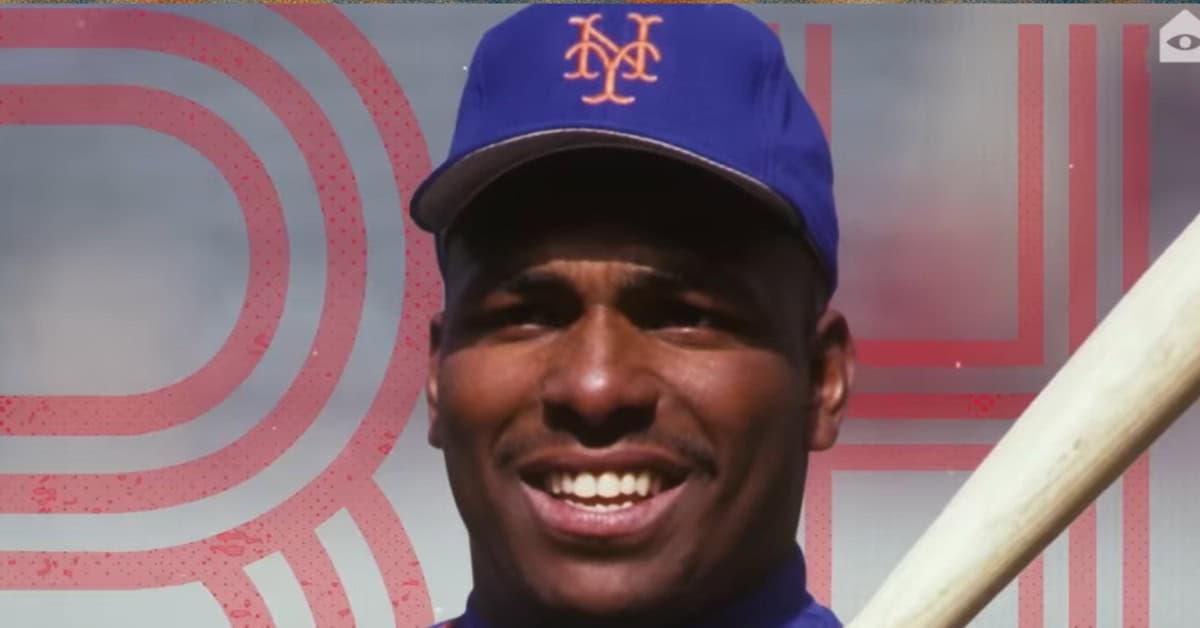
Before he became famous for his deferred contract payments, Bobby Bonilla was one of the most productive right fielders in baseball. The switch-hitting slugger’s early-’90s peak in Pittsburgh (.280 average, 18 home runs, 100 RBIs in 1990) helped establish him as one of the game’s premier offensive threats. His smooth swing from both sides of the plate and clutch hitting made him a cornerstone of competitive Pirates teams.
Moises Alou – The Expos’ Franchise Player
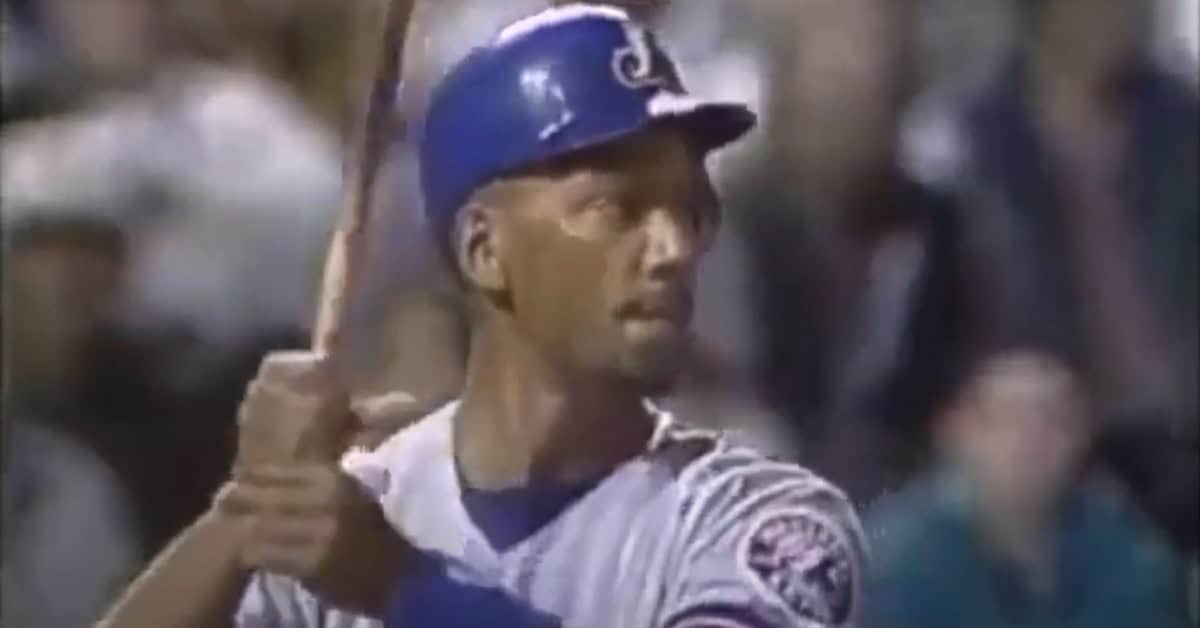
Moises Alou was the heart and soul of Montreal’s talented but ill-fated Expos teams throughout the mid-1990s. The Dominican outfielder’s .339 average during the strike-shortened 1994 season helped establish the Expos as legitimate World Series contenders before labor disputes derailed their championship dreams. His passionate play and clutch hitting made him a beloved figure in Montreal, where baseball fans still wonder what might have been if the strike hadn’t ended their magical season.