

Last Updated: June 17th, 2026 by Michael Schatz
Back when baseball was America’s undisputed pastime and left field was where legends roamed like kings of their own green kingdoms. The 1950s gave us sluggers who could park one in the cheap seats while the crowd still wore fedoras and ties to the ballpark, back when a hot dog cost a quarter and dreams were built one swing at a time.
Don't lose this article. Enter your email below, and I'll send it to you right now. Plus, we'll send you other unbelievable stories from baseball's past.
Ted Williams: The Splendid Splinter Who Made War Look Easy

The greatest hitter who ever lived spent five prime years fighting wars instead of pitchers, yet still managed a .388 average in 1957 at age 39. Williams approached hitting like a science experiment, dissecting every pitch with the same precision he used as a fighter pilot in Korea. His swing was poetry in motion, his eye legendary, and his stubborn refusal to swing at bad pitches drove pitchers to distraction and fans to their feet every single at-bat.
Stan “The Man” Musial: St. Louis’ Harmonica-Playing Hero

Stan the Man owned the 1950s like he owned every pitcher’s nightmare, hitting .330 for the decade while collecting three MVP awards and making it look effortless. His corkscrew stance looked awkward but produced line drives that found gaps like heat-seeking missiles. Between games, he’d pull out his harmonica and serenade teammates, proving that greatness doesn’t always have to take itself too seriously—though opposing pitchers found nothing funny about facing him.
Ralph Kiner: Pittsburgh’s Home Run King with Hollywood Dreams

Kiner led the National League in home runs seven straight years, including four seasons in the 1950s, while dating Hollywood starlets and living like the first true baseball celebrity. He shortened the left field dimensions at Forbes Field, creating “Kiner’s Korner” where his moonshots landed with regularity. His swing was built for one thing—launching baseballs into orbit—and he did it better than anyone in the early ’50s, averaging 42 homers per season even as his knees gave out.
Minnie Miñoso: The Cuban Comet Who Broke Barriers with Style
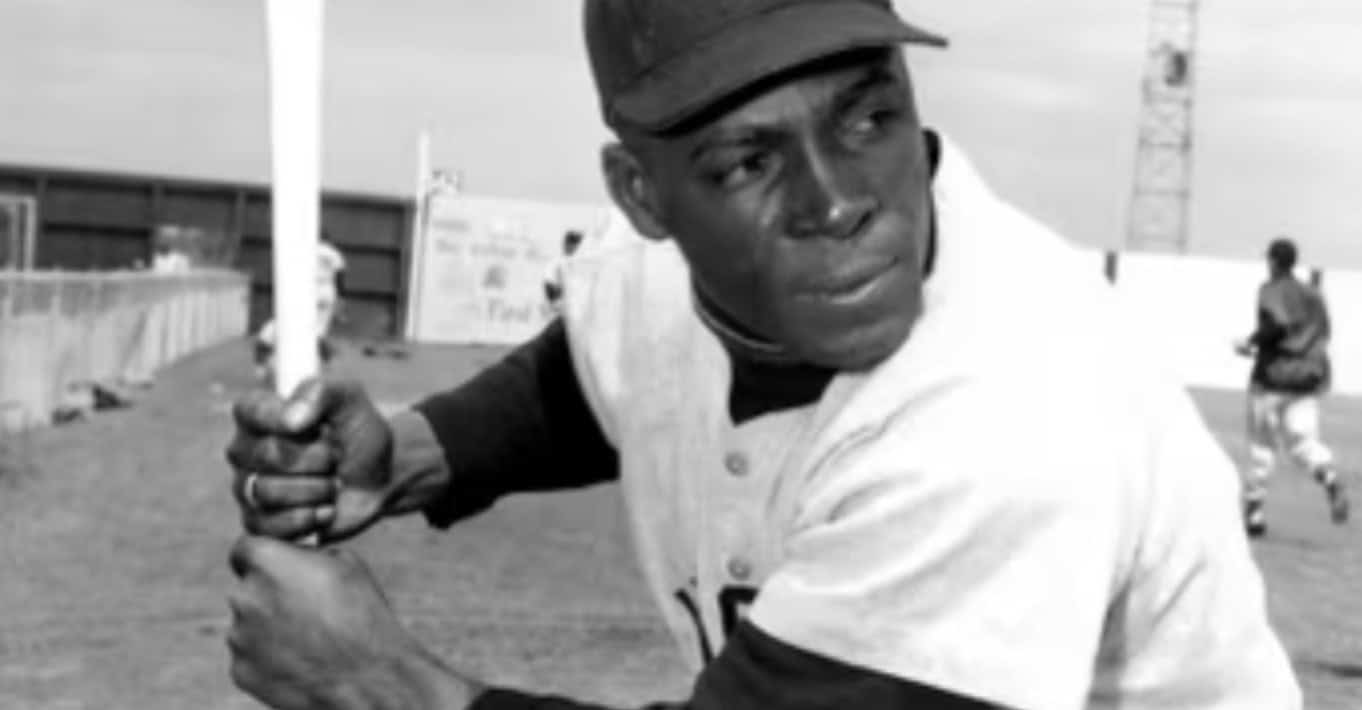
The first Black player in White Sox history brought Cuban fire to Chicago’s South Side, stealing bases and hearts while hitting .300 seven times in the decade. Miñoso played with infectious joy, chattering constantly in Spanish and English, turning every at-bat into a celebration of the game itself. He revolutionized the leadoff spot by combining speed with power, proving that you could smile your way to greatness while making opposing pitchers sweat through their flannel uniforms.
Monte Irvin: The Giants’ Gentleman Who Should’ve Been There Sooner
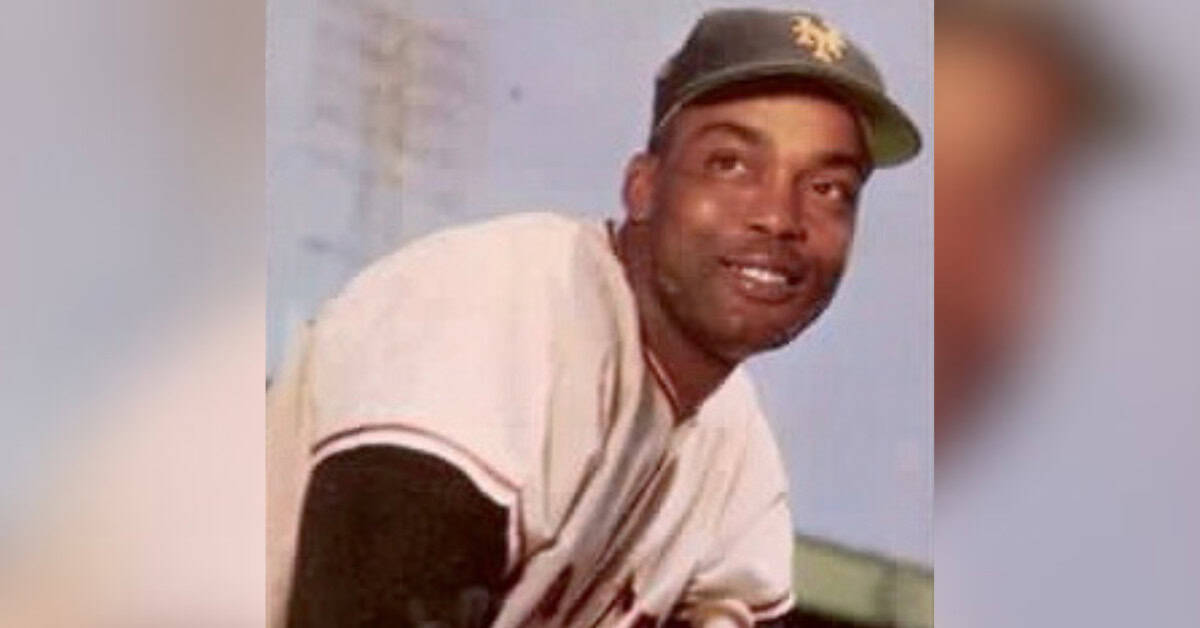
Already 30 when he finally got his major league shot, Irvin made the most of his abbreviated career by hitting .293 and leading the Giants to the 1951 pennant with his clutch hitting. The former Negro League superstar brought dignity and class to every at-bat, never complaining about the years stolen from him by segregation. His smooth left-handed swing and veteran savvy helped mentor younger players like Willie Mays, proving that sometimes the greatest contributions can’t be measured in statistics alone.
Del Ennis: Philadelphia’s Forgotten Slugger in the City of Brotherly Boos

The hometown hero from North Philadelphia drove in 100 runs seven times in the 1950s, including a monster 126 RBI season in 1950 that helped the Whiz Kids reach the World Series. Ennis endured the notorious Philadelphia fans with grace, even when they booed him for striking out in clutch situations. His powerful right-handed swing was perfectly suited for Shibe Park’s dimensions, and he rewarded the faithful with consistent production year after year, proving that sometimes the best players are hiding in plain sight.
Enos Slaughter: Country Hardball from North Carolina’s Tobacco Fields
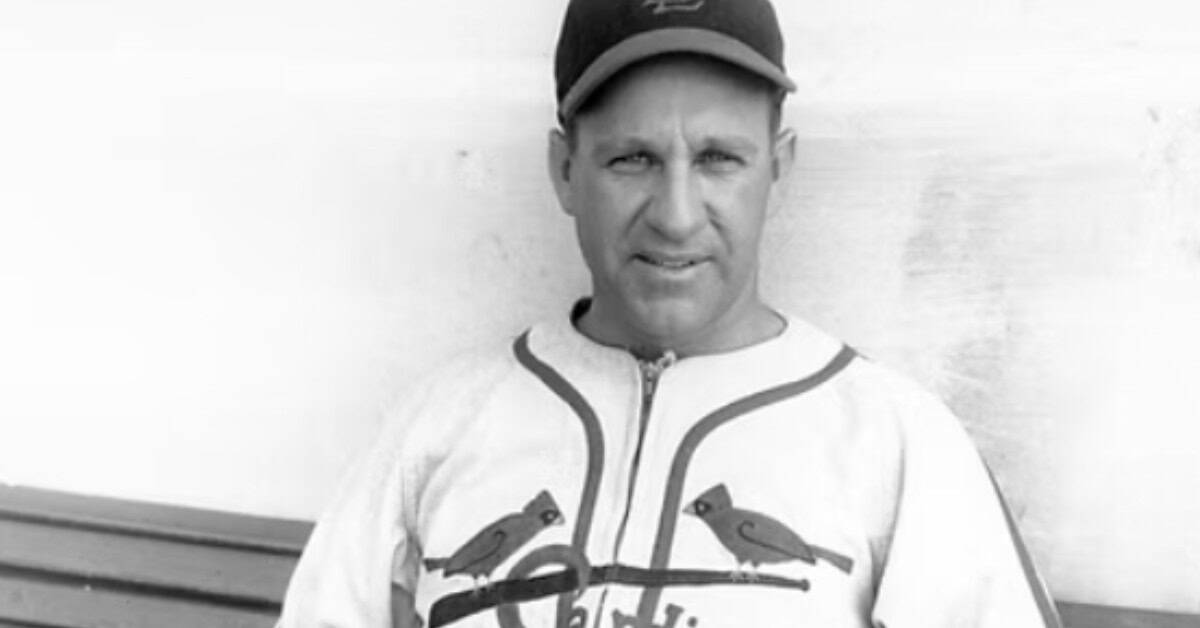
Country Slaughter played every game like his life depended on it, sprinting to first base on routine groundouts and diving headfirst into bases decades before it became fashionable. His famous “mad dash” in the 1946 World Series was ancient history by the ’50s, but his hustle never dimmed even as he entered his thirties. The North Carolina farm boy brought a rural work ethic to the big city, showing younger players that talent without effort is just wasted potential wrapped in a fancy uniform.
Gene Woodling: The Yankees’ Platoon Master with Perfect Timing

Casey Stengel’s perfect platoon player hit .300 four times in the decade while collecting five World Series rings, proving that role players can be just as valuable as superstars. Woodling hated being platooned but couldn’t argue with the results, as his clutch hitting helped the Yankees dominate the early ’50s. His compact swing and patient approach made him the ideal complement to the Bronx Bombers’ power hitters, showing that sometimes the best way to stand out is to perfectly fit in.
Jackie Jensen: Boston’s Golden Boy Who Feared Flying More Than Fastballs
The former Cal football star’s fear of flying nearly ended his career multiple times, but when he stayed on the ground long enough to play, he was devastating. Jensen won the 1958 AL MVP award by driving in 122 runs while hitting 35 homers for the Red Sox. His anxiety about air travel made him baseball’s most reluctant superstar, retiring early rather than face another season of cross-country flights, proving that even heroes have phobias that can ground their dreams.
Hank Sauer: The Mayor of Wrigley’s Bleachers
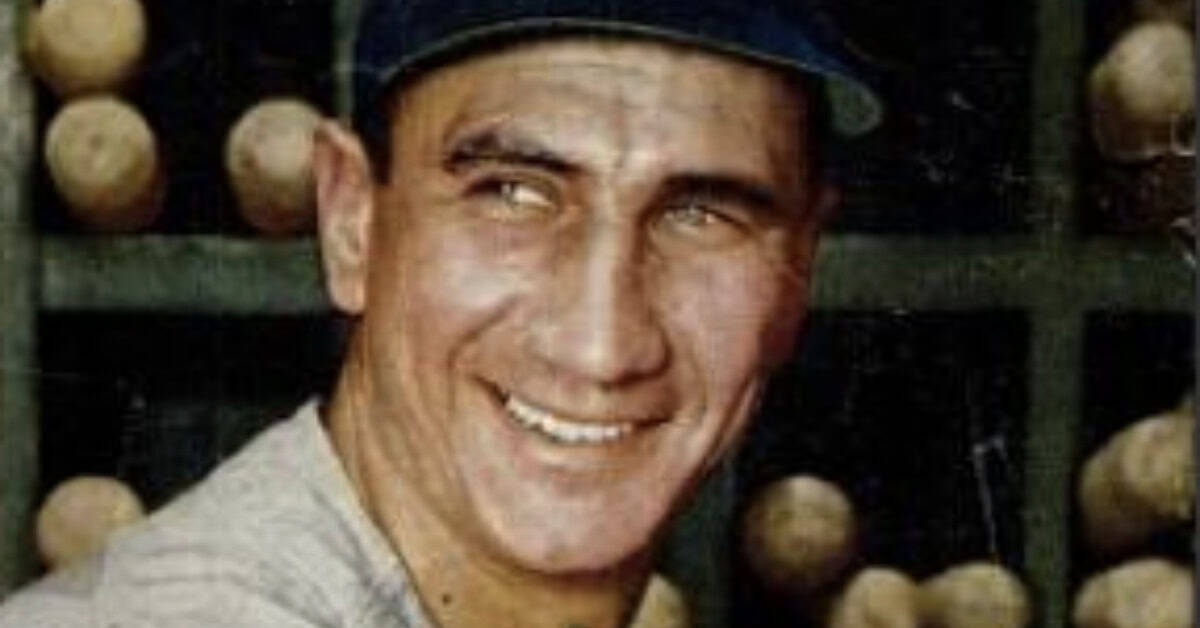
The burly left-hander launched 198 home runs in the 1950s, with most of them landing in Wrigley Field’s friendly confines, where the bleacher bums showered him with tobacco and beer. Sauer’s 1952 MVP season featured 37 homers and 121 RBIs for a Cubs team that finished 77-77, proving that individual excellence can shine even on mediocre teams. His moon-shot home runs became the stuff of legend on Chicago’s North Side, where fans would literally throw packages of his favorite chewing tobacco onto the field after his homers.
Gus Bell: Cincinnati’s Steady Eddie Before There Was an Eddie

Bell quietly put together one of the most consistent decades in baseball history, hitting .292 for the 1950s while driving in 100 runs three times for Cincinnati. The Pennsylvania native never made headlines but made every play look routine, patrolling left field at Crosley Field with workmanlike efficiency. His steady production and reliable glove work made him the kind of player managers dream about—someone who shows up every day, does his job, and never gives you a reason to worry about left field.
Al Zarilla: The Forgotten .300 Hitter Who Played in Everyone’s Shadow
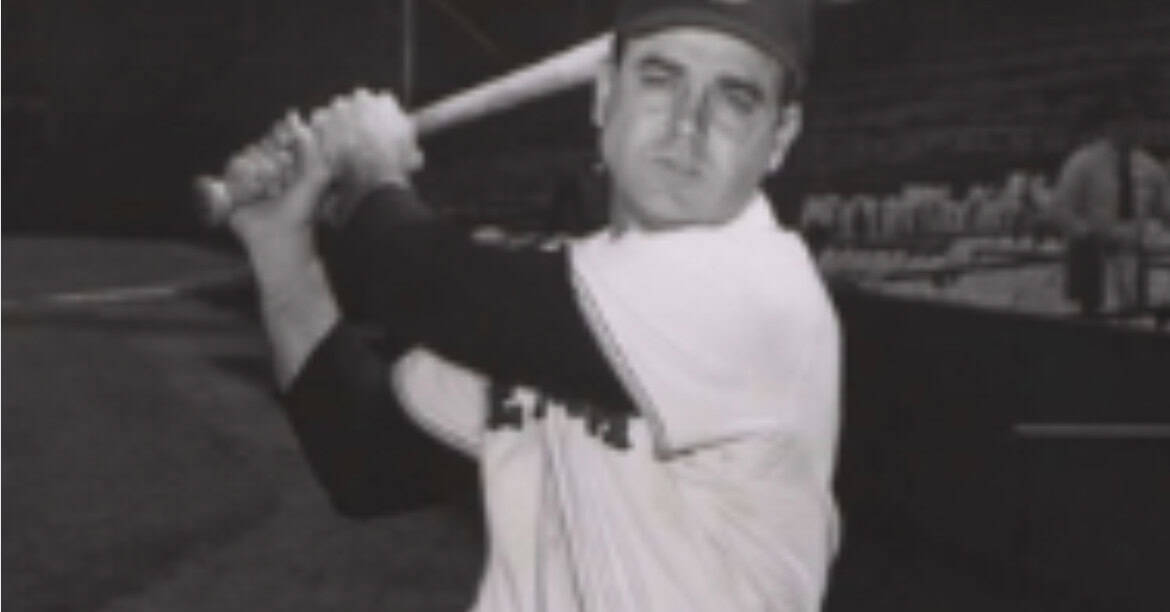
Zarilla hit .300 or better four times in the early 1950s while bouncing between the Browns, Red Sox, and White Sox, proving that talent doesn’t always land in the right uniform. The Massachusetts native had the misfortune of playing for mediocre teams during an era dominated by the Yankees, making his consistent hitting almost invisible to casual fans. His smooth left-handed swing and gap-hitting ability would have made him a star on better teams, but instead he became baseball’s ultimate “what if” player of the decade.
Wally Westlake: The Journeyman Who Found Gold in Pittsburgh
Westlake’s best years came in Pittsburgh during the early 1950s, where he hit 23 homers and drove in 104 runs in 1951, playing in the shadow of Ralph Kiner. The California native had surprising power for his size, launching balls over Forbes Field’s spacious dimensions with regularity. His career was a testament to perseverance, bouncing between six different teams while maintaining his dignity and work ethic, proving that sometimes the journey matters more than the destination.
Bob Nieman: The Kid Who Homered Twice in His First Game
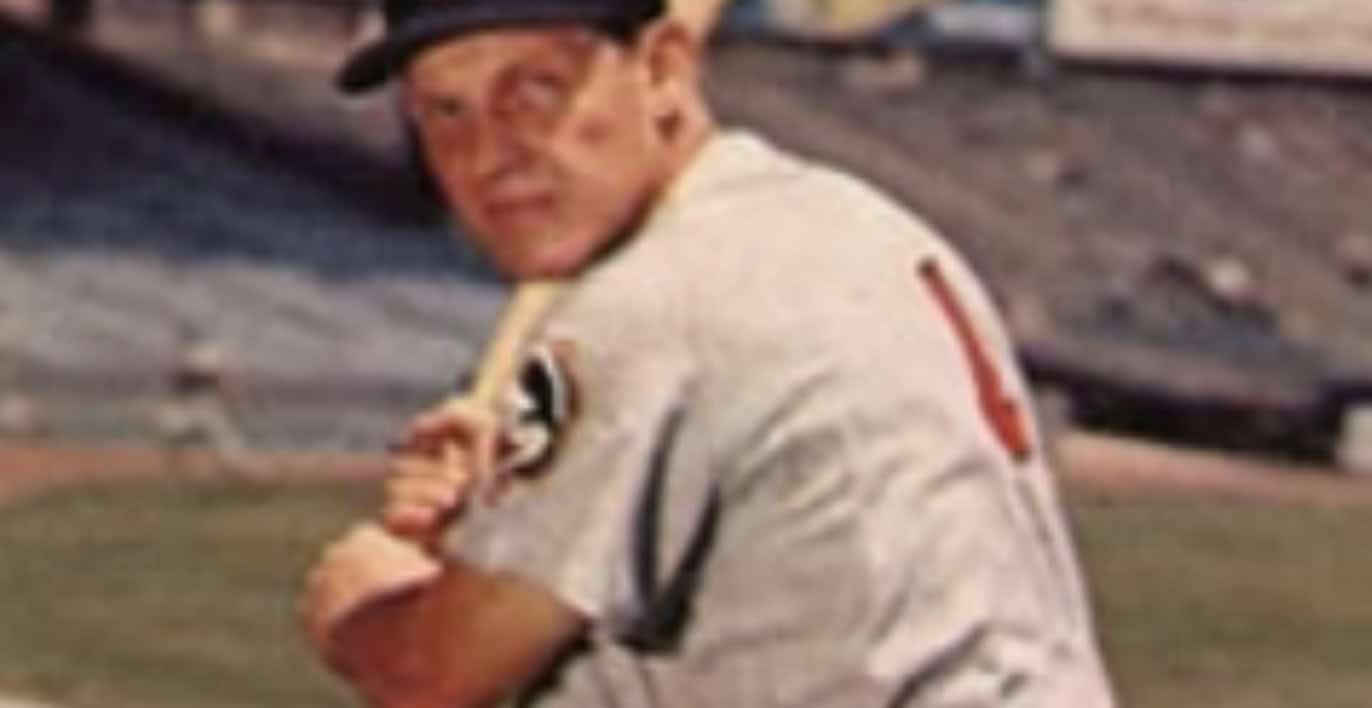
Nieman made history in 1951 by becoming the first player to homer in his first two major league at-bats, setting expectations impossibly high for the rest of his career. The Cincinnati native spent most of the ’50s trying to live up to that magical debut, hitting 20 homers twice while playing for four different teams. His story became a cautionary tale about the burden of early success, as fans and writers spent years waiting for him to recapture that first-game magic that can never be duplicated.
Charlie Keller: King Kong’s Yankee Dynasty Run
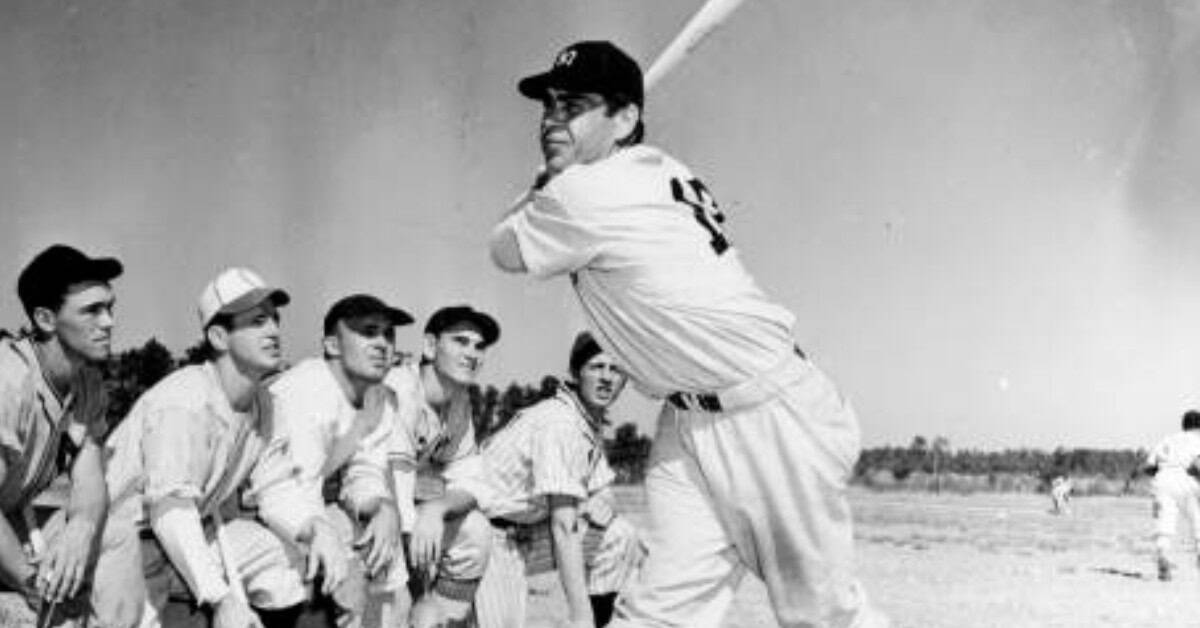
King Kong Keller’s career was winding down by the 1950s, but he still managed to contribute to the Yankees’ early-decade dominance with his patient eye and clutch hitting. The Maryland native earned his nickname from his powerful build and aggressive style, intimidating pitchers even as his skills diminished. His veteran presence in the clubhouse helped guide younger Yankees through the pressure of constant World Series appearances, proving that leadership can be just as valuable as a .300 batting average.
Sid Gordon: The Giants’ Jewish Star Who Slugged Through Prejudice
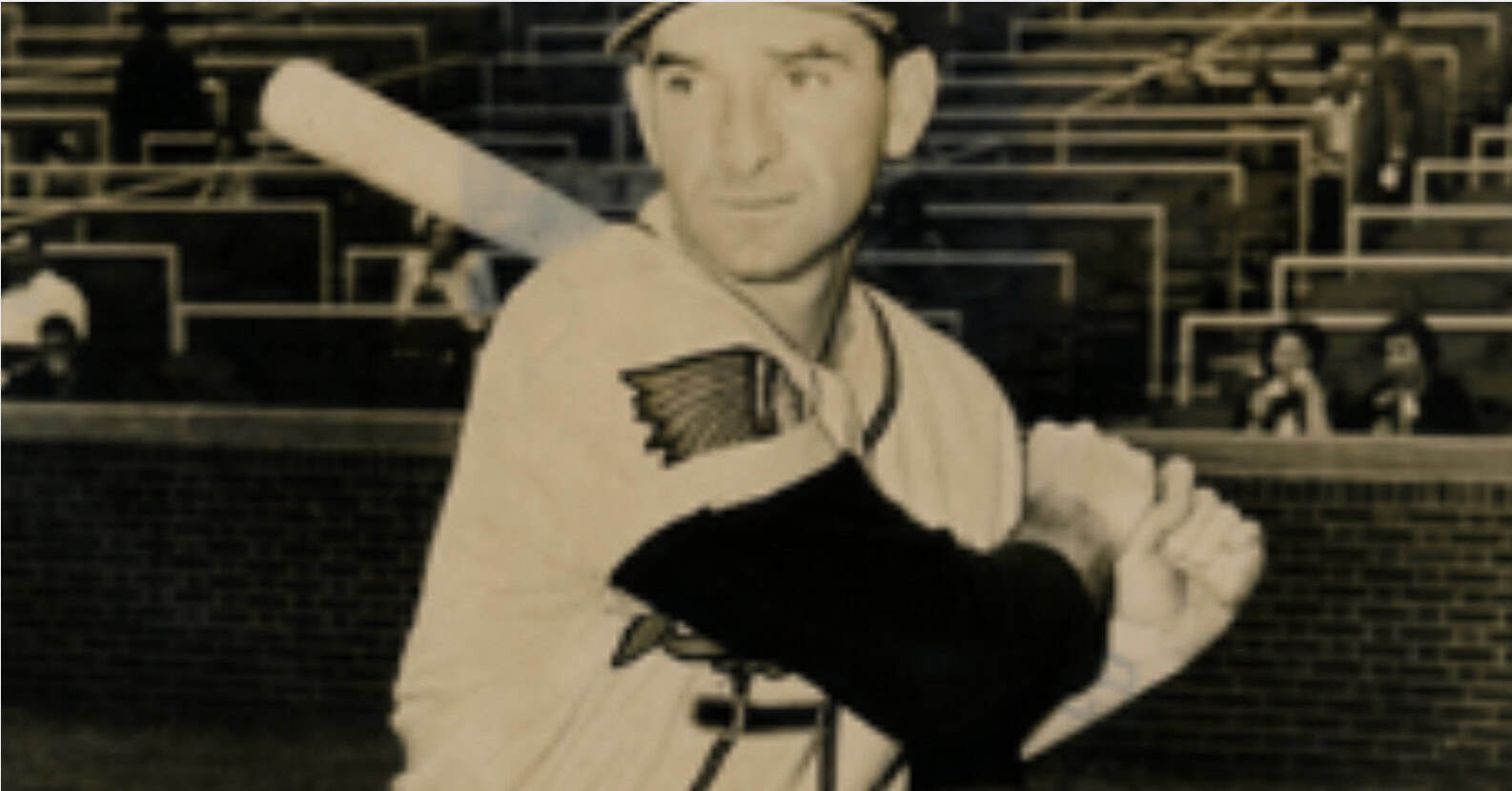
Gordon overcame anti-Semitic taunts and beanballs to become one of the most feared sluggers of the early 1950s, hitting 27 homers for the 1951 pennant-winning Giants. The Brooklyn native’s compact swing and keen eye made him a perfect fit for the Polo Grounds’ unique dimensions. His success paved the way for future Jewish players while proving that talent and determination could overcome the prejudices that still plagued baseball in the post-war era, making every home run a small victory for tolerance.
Pat Seerey: The Strikeout King Who Could Still Clear the Fences

Seerey epitomized the all-or-nothing approach decades before it became fashionable, striking out 102 times in 1949 while also belting 18 homers in just 395 at-bats. The Arkansas native’s swing was built for one thing—launching baseballs into the stratosphere—and when he connected, the results were spectacular. His four-homer game in 1948 remained fresh in fans’ memories throughout the early ’50s, even as his career faded due to his inability to make consistent contact with major league pitching.
Willard Marshall: The Giants’ Quiet Consistent Force

Marshall provided steady production for the Giants during the early 1950s, hitting 20 homers three times while never making headlines or causing controversy. The Virginia native’s professional approach and reliable glove work made him the kind of player every manager wants—someone who shows up ready to play every single day. His quiet leadership and consistent performance helped stabilize a Giants team that was transitioning from aging veterans to young stars like Willie Mays, proving that every championship team needs players willing to do the dirty work.
Don Mueller: The Quiet Man Who Let His Bat Do the Talking
Mueller hit .296 for the decade while playing errorless baseball in left field for the Giants, earning the nickname “Mandrake the Magician” for his ability to make difficult catches look routine. The Missouri native rarely spoke to reporters but let his consistent hitting and flawless defense speak for him. His steady presence in the Giants lineup provided the perfect complement to more flamboyant teammates, proving that sometimes the most valuable players are the ones who never seek the spotlight but always deliver when it matters most.
Irv Noren: The Athletic Golden Boy Who Traded Cleats for Pinstripes
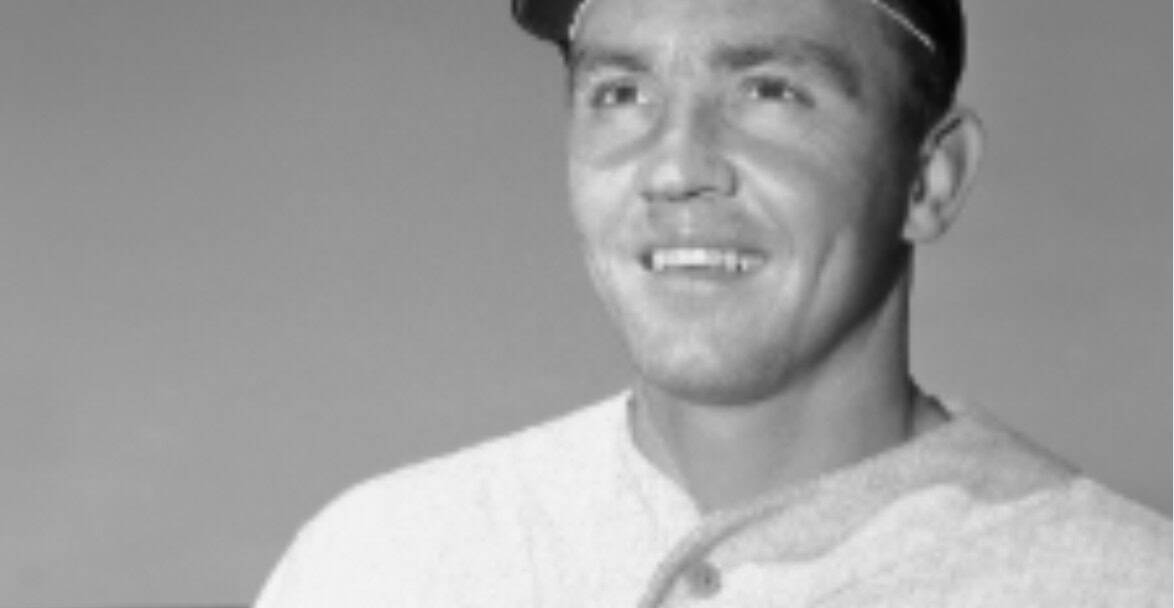
The former UCLA basketball and baseball star brought athletic versatility to the Yankees’ championship teams of the mid-’50s, hitting .275 while playing multiple outfield positions with grace. Noren’s speed and defensive instincts made him Casey Stengel’s perfect utility player, capable of filling in anywhere and contributing immediately. His college-educated approach to the game and natural athleticism represented the changing face of baseball, as more players arrived with formal training and scientific understanding of their craft rather than just raw talent and street smarts.