

Last Updated: June 17th, 2026 by Michael Schatz
Before fantasy baseball and pitch counts, when baseball cards still smelled like bubble gum and came with that powdery stick, there was Cal Ripken Jr. — a man who redefined what it meant to show up to work every single day. His numbers don’t just tell the story of a Hall of Fame career; they’re a time capsule from when durability wasn’t just admired, it was demanded.
Don't lose this article. Enter your email below, and I'll send it to you right now. Plus, we'll send you other unbelievable stories from baseball's past.
2,632 Consecutive Games: The Streak That Made Lou Gehrig’s “Unbreakable” Record Look Fragile
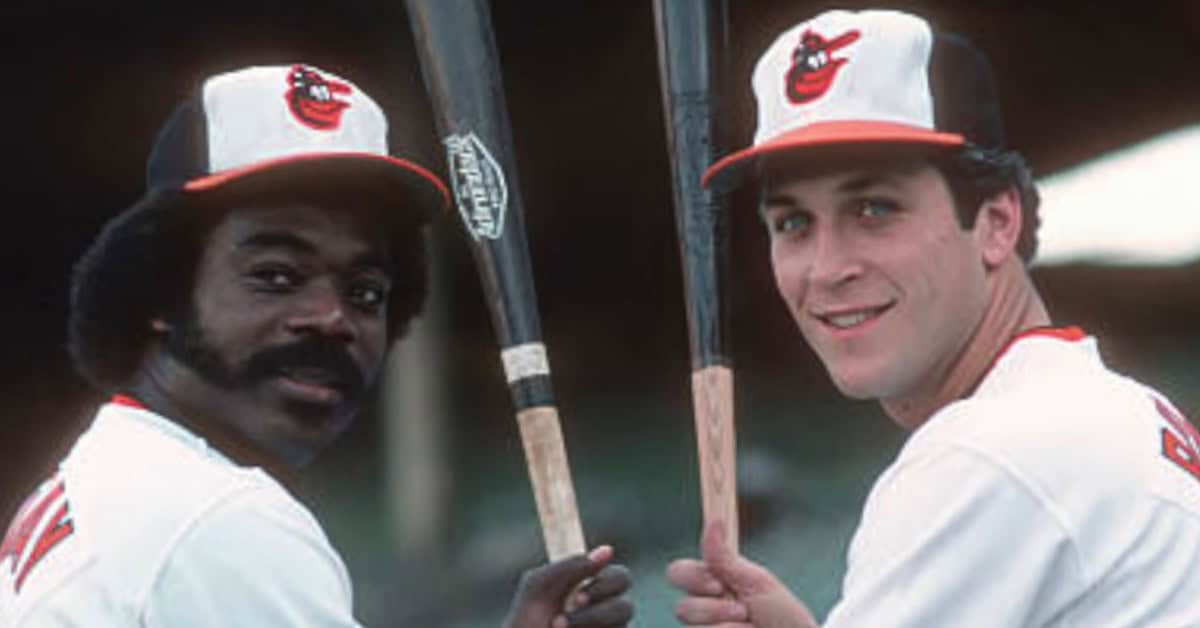
For 56 years, Lou Gehrig’s 2,130 consecutive games seemed as untouchable as a Babe Ruth called shot. Then came Ripken, who didn’t just break the record — he obliterated it by 502 games. From May 30, 1982, to September 20, 1998, through flu seasons, family emergencies, and the kind of everyday aches that keep most of us on the couch, Cal never missed a game. The streak spanned three different decades and outlasted five U.S. presidents.
345 Home Runs as a Shortstop: When the Little Guy Position Packed Big League Power
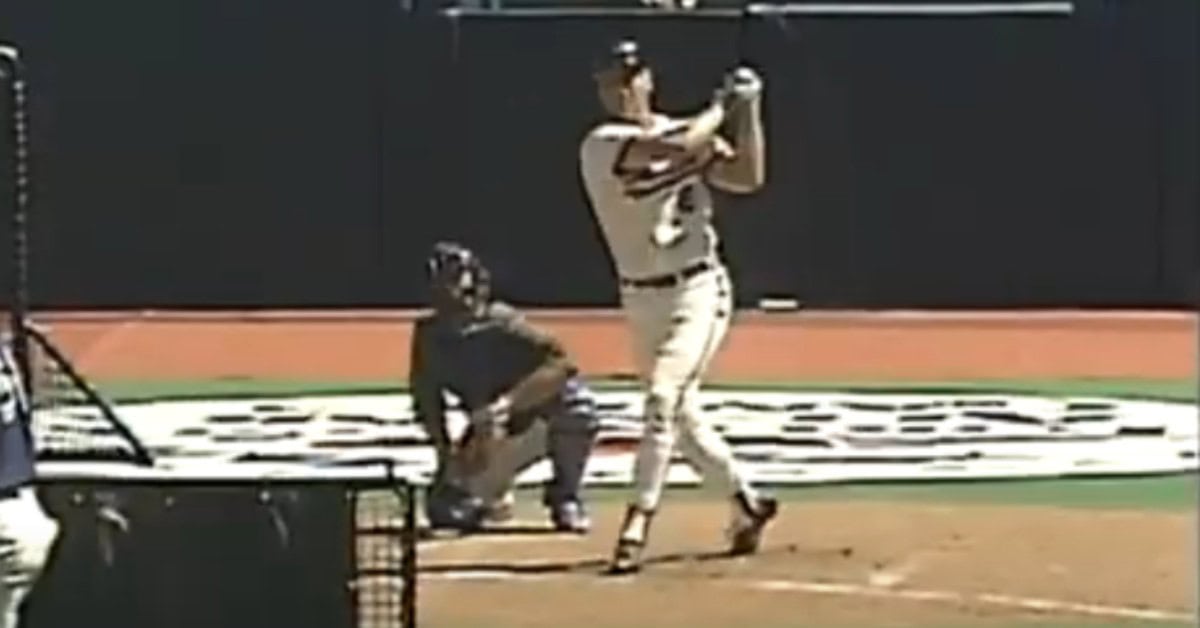
Back when shortstops were expected to be scrappy middle infielders who could turn two and maybe steal a base, Ripken rewrote the position’s job description. His 345 home runs from shortstop shattered Ernie Banks’ previous record and proved that you could anchor a defense while terrorizing opposing pitchers. At 6-foot-4, he had the size of a first baseman but the range and arm strength to patrol the most demanding infield position, creating a template that modern teams still chase today.
8,264 Consecutive Innings: He Literally Never Left the Field for Five Straight Years

While everyone talks about his consecutive games streak, this number is even more mind-boggling. From June 5, 1982, to September 14, 1987, Ripken played every single inning of every single game — no pinch-running, no defensive substitutions, no late-inning rest when the Orioles had a big lead. That’s 8,264 straight innings, or roughly five complete seasons without ever seeing the bench. In today’s era of pitch counts and load management, this feat seems as antiquated as a rotary phone.
19 All-Star Games: More Midsummer Classics Than Most Hall of Famers

Nineteen All-Star selections mean Ripken was chosen as one of the best players in baseball for nearly two full decades, more than legends like Joe DiMaggio and Yogi Berra. His All-Star appearances span from 1983 to 2001, covering the Reagan administration through the first year of George W. Bush’s presidency. He even won All-Star Game MVP honors twice, proving he didn’t just show up — he dominated baseball’s biggest stage.
Two MVP Awards: A Rare Feat of Dominance from Shortstop

Winning the league’s top honor once from shortstop is rare, but Ripken did it twice, bookending an era with his awards in 1983 and 1991. His 1983 season featured a .318 average with 27 home runs and 102 RBIs, while his 1991 campaign saw him belt 34 homers with 114 RBIs. While fellow shortstop Robin Yount also secured an MVP in 1989, Ripken’s dual wins cemented his status as the most decorated player at his position for a generation, proving that shortstops could be the best player on the field, not just the best defender.
3,184 Career Hits: Surpassing Legends While Playing a Demanding Position

While Tony Gwynn is rightly remembered as one of the greatest pure hitters ever, Ripken collected more career hits — 3,184 to Gwynn’s 3,141. Ripken accumulated this total while anchoring the most physically and mentally demanding position on the field. Every one of those hits came with the burden of playing shortstop day after day, making his offensive consistency all the more remarkable.
95.9 Career WAR: The 24th Most Valuable Player in Baseball History

Before sabermetrics became mainstream, fans judged players by batting average and home runs. But Wins Above Replacement (WAR) tells the complete story of a player’s value, and Ripken’s 95.9 career WAR ranks him among the top 25 players in baseball history. This number accounts for his offensive production, defensive excellence, positional value, and durability — essentially proving that the eye test was right all along. He wasn’t just a compiler; he was genuinely one of the most valuable players who ever lived.
431 Career Home Runs: Unprecedented Power from the Shortstop Position

Ripken’s 431 career home runs place him in elite company and set a new standard for power from the shortstop position. While Hall of Fame sluggers like Ernie Banks (512) and Willie McCovey (521) have higher career totals, much of their production came after moving to first base. Ripken’s total surpasses that of fellow Hall of Famer Billy Williams (426) and established a benchmark for offensive production from a position historically known for defense.
1,695 RBIs: He Drove in More Runs Than Most Hall of Fame First Basemen

RBIs might be an old-school stat, but 1,695 of them from the shortstop position is staggering. That’s more than Hall of Fame first basemen like Orlando Cepeda (1,365) and Willie McCovey (1,555), positions traditionally expected to drive in runs. Ripken’s RBI total reflects not just his power, but his remarkable consistency in clutch situations over two decades. In an era when shortstops were expected to hit .250 and play defense, Ripken was regularly driving in 100 runs per season.
603 Career Doubles: The Gap-to-Gap Power That Made Camden Yards His Playground

While everyone remembers Ripken’s home runs, his 603 career doubles tell the story of a hitter who could spray line drives to every corner of the ballpark. That doubles total ranks 19th all-time and reflects the kind of gap-to-gap power that perfectly suited Camden Yards’ dimensions when it opened in 1992. These weren’t cheapie doubles off the wall — they were rockets that split outfielders and showcased the pure hitting ability that made Ripken special long before anyone cared about launch angles or exit velocity.