


Last Updated: June 17th, 2026 by Michael Schatz
The 1940s were baseball’s golden age, when heroes wore flannel uniforms and played through world wars. These ten legends defined a decade when every crack of the bat echoed through radio speakers in American homes, creating memories that still make old-timers smile.
Don't lose this article. Enter your email below, and I'll send it to you right now. Plus, we'll send you other unbelievable stories from baseball's past.
Ted Williams: The Last .400 Hitter Who Made Fenway Feel Like Church
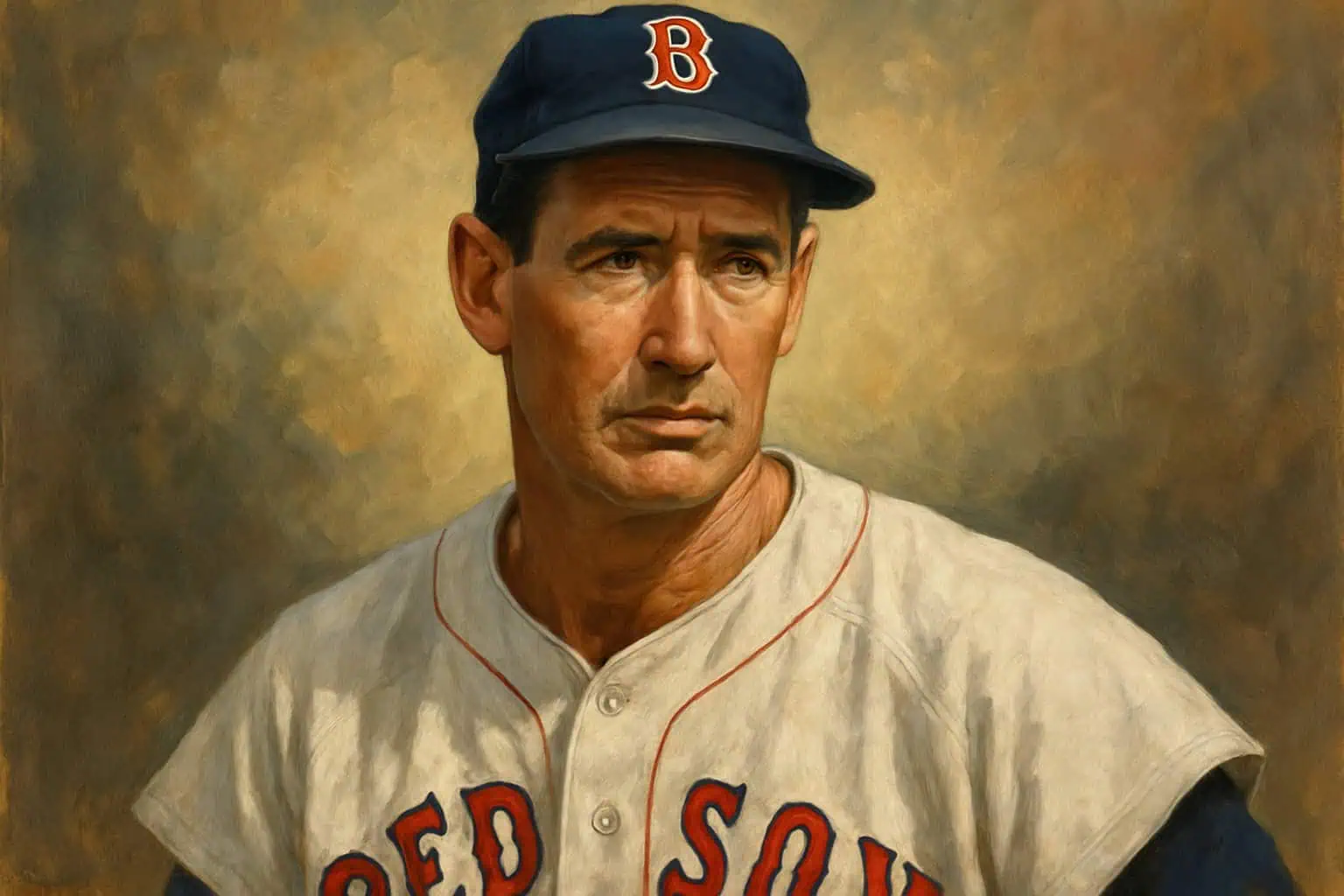
Ted Williams hit .406 in 1941, a feat so rare it’s like watching lightning strike twice in the same spot. The Splendid Splinter refused to sit out the season’s final doubleheader to protect his average, going 6-for-8 instead. His swing was poetry in motion, so pure that even opposing pitchers would pause to admire it. Williams lost three prime years to World War II and two more to Korea, yet still finished with 521 home runs and a .344 lifetime average that makes modern hitters weep.
Stan “The Man” Musial: The Cardinals Legend Who Hit Everything in Sight

Stan Musial’s corkscrew batting stance looked awkward until the ball screamed off his bat like a rocket. He won three MVP awards in the 1940s (1943, 1946, 1948) and led St. Louis to World Series titles in ’42, ’44, and ’46. Brooklyn fans dubbed him “The Man” because whenever he came to Ebbets Field, they’d moan, “Here comes that man again!” Musial collected hits like a kid collects baseball cards, finishing his career with exactly 1,815 at home and 1,815 on the road—a symmetry that seems almost supernatural.
Joe DiMaggio: The Yankee Clipper’s 56-Game Streak That Stopped America
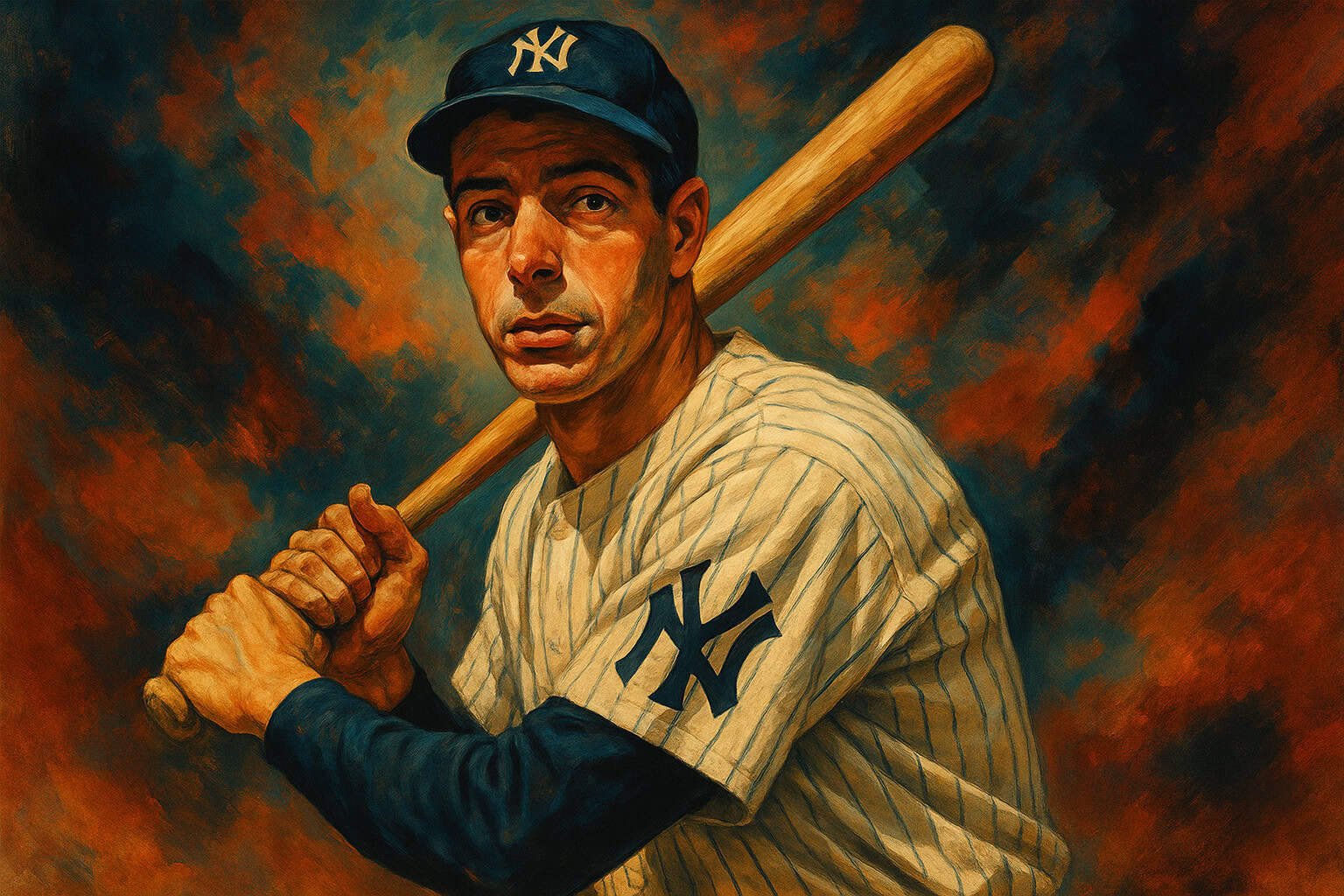
In 1941, Joe DiMaggio hit safely in 56 consecutive games, a streak that captivated America like no sporting achievement before or since. Radio announcers would breathlessly report his daily at-bats, and the nation held its collective breath with each swing. The Yankee Clipper’s elegant swing and effortless grace made him look like he was born in pinstripes. Even when Cleveland’s Al Smith and Jim Bagby finally stopped the streak, DiMaggio immediately started a new 16-game streak—because greatness doesn’t take breaks.
Bob Feller: The Fastball King Who Threw Heat Like Summer Lightning
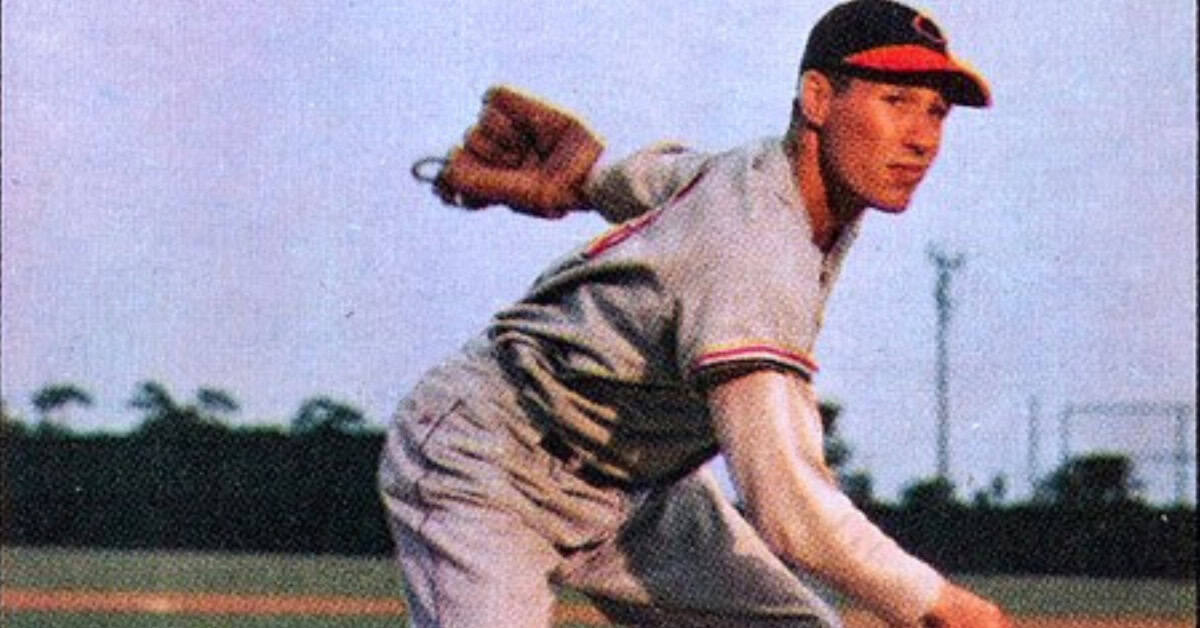
Bob Feller’s fastball was clocked at 98.6 mph in 1946—using primitive equipment that probably underestimated his true velocity. “Rapid Robert” threw two of his three career no-hitters during the 1940s and struck out 348 batters in 1946, a record that stood for decades. He enlisted in the Navy after Pearl Harbor, missing nearly four prime seasons while serving on the USS Alabama. Feller’s windup was so violent that catchers wore extra padding, and his curveball dropped like a stone falling off a table, leaving hitters swinging at air.
Hal Newhouser: The Two-Time MVP Who Dominated While Others Fought Wars
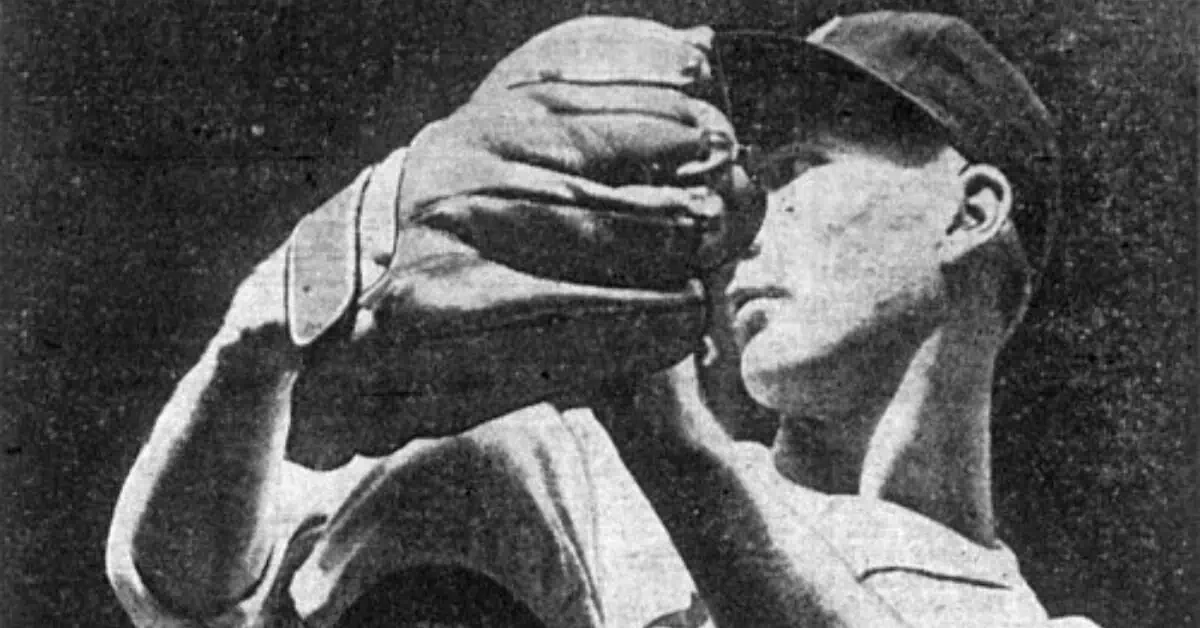
Hal Newhouser became the only pitcher to win back-to-back MVP awards (1944-45) when many stars were overseas fighting World War II. Critics called him a “wartime pitcher,” but Prince Hal silenced doubters by dominating again when the veterans returned. His sweeping curveball and pinpoint control made him nearly unhittable during Detroit’s 1945 World Series championship run. Newhouser won 29 games in 1944 and 25 in 1945, numbers that seem mythical in today’s pitch-count era. His emotional intensity on the mound was legendary—he pitched like his life depended on every strike.
Jackie Robinson: The Man Who Changed Baseball Forever in ’47

Jackie Robinson broke baseball’s color barrier on April 15, 1947, carrying the hopes and dreams of millions on his broad shoulders. His pigeon-toed running style and daring base-stealing made him electric to watch, but it was his dignity under pressure that made him heroic. Robinson stole home 19 times in his career, including a theft of home plate in the 1955 World Series that still gives Dodgers fans chills. He won Rookie of the Year in 1947 and MVP in 1949, but his true victory was opening doors that had been slammed shut for too long.
Johnny Mize: The Big Cat Who Could Launch Homers Into Tomorrow

Johnny Mize earned the nickname “The Big Cat” for his surprising grace around first base despite his 6’2″, 215-pound frame. He led the National League in home runs four times during the 1940s, including 51 homers in 1947 when he also struck out just 42 times—a power-to-contact ratio that seems impossible today. Mize’s swing was so smooth it looked effortless, but the results were thunderous. He once hit three home runs in a game six different times, and his line drives had enough velocity to dent outfield walls. The Big Cat prowled the batter’s box like he owned it.
Lou Boudreau: The Boy Manager Who Led Cleveland to Glory
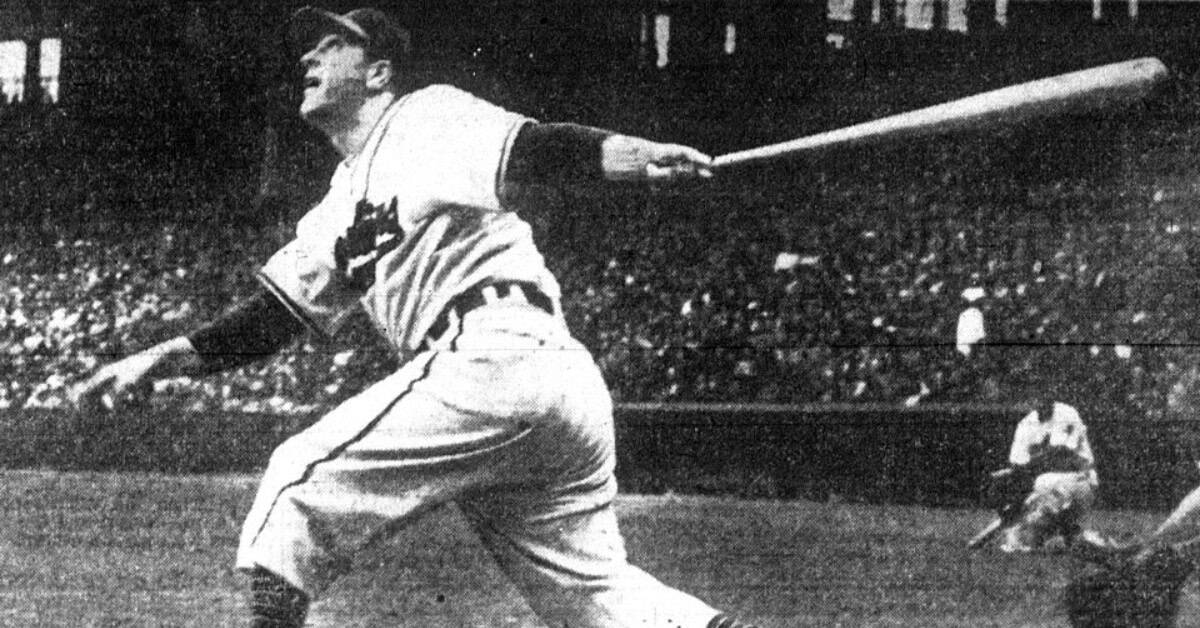
Lou Boudreau became Cleveland’s player-manager at age 24 in 1942, earning the nickname “Boy Manager” from skeptical veterans. He silenced doubters by leading the Indians to their first World Series title since 1920, winning AL MVP honors in 1948 while hitting .355. Boudreau invented the “Williams Shift,” stacking seven fielders on the right side against Ted Williams—a strategy so radical it seemed like baseball heresy. His acrobatic fielding at shortstop was poetry in motion, and he could turn double plays with balletic grace. The Boy Manager proved that youth and intelligence could triumph over experience and tradition.
Warren Spahn: The Crafty Lefty Who Made Batters Look Foolish
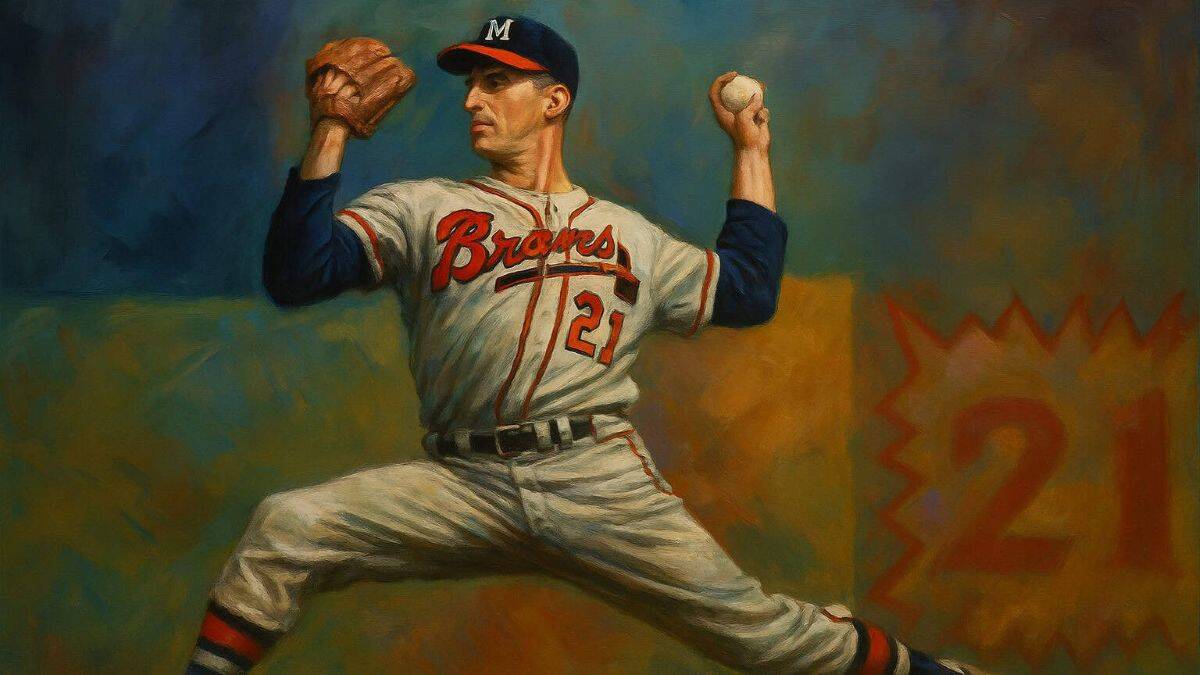
Warren Spahn’s high-kicking delivery looked like a stork trying to take flight, but his results were pure artistry. The crafty southpaw won 21 games in 1947 and would go on to win 363 games in his career—more than any left-handed pitcher in history. Spahn’s philosophy was simple: “Hitting is timing, pitching is upsetting timing.” His screwball would break late and leave right-handed hitters looking foolish, while his fastball had enough zip to keep them honest. He served three years in World War II, including combat duty at the Battle of the Bulge, proving his courage extended far beyond the pitcher’s mound.
Pee Wee Reese: The Brooklyn Captain Who Anchored Dem Bums
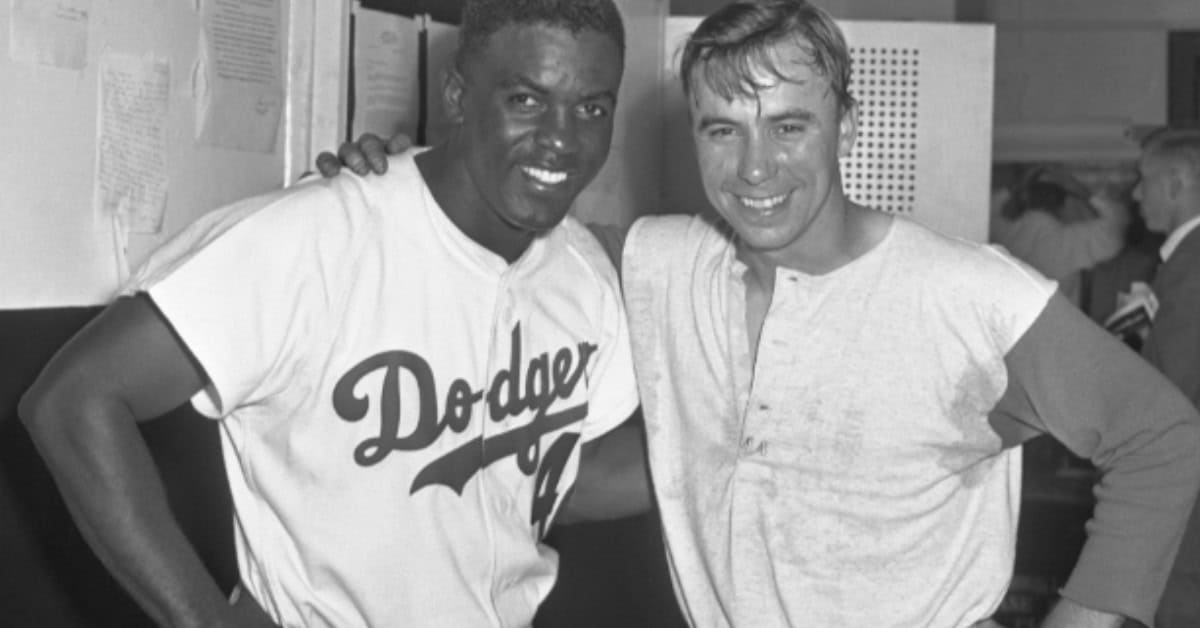
Pee Wee Reese got his nickname not from his 5’10” height, but from his childhood marble-shooting prowess with “pee wee” marbles. The Kentucky native became Brooklyn’s beloved captain and the steady hand that guided “Dem Bums” through their golden era. Reese’s arm was accurate enough to thread a needle, and his leadership was so respected that when Jackie Robinson joined the team, it was Reese’s public support that helped ease the transition. He played in seven World Series and was the calm in every Dodgers storm, turning double plays with the precision of a Swiss watchmaker while Ebbets Field erupted around him.