


Last Updated: June 17th, 2026 by Michael Schatz
The 1950s were baseball’s golden age, when heroes wore flannel uniforms and played on real grass under afternoon sun. These ten legends didn’t just dominate the decade—they became the stuff of childhood dreams and barroom debates that still echo today.
Don't lose this article. Enter your email below, and I'll send it to you right now. Plus, we'll send you other unbelievable stories from baseball's past.
Mickey Mantle: The Commerce Comet Who Hit Tape-Measure Homers
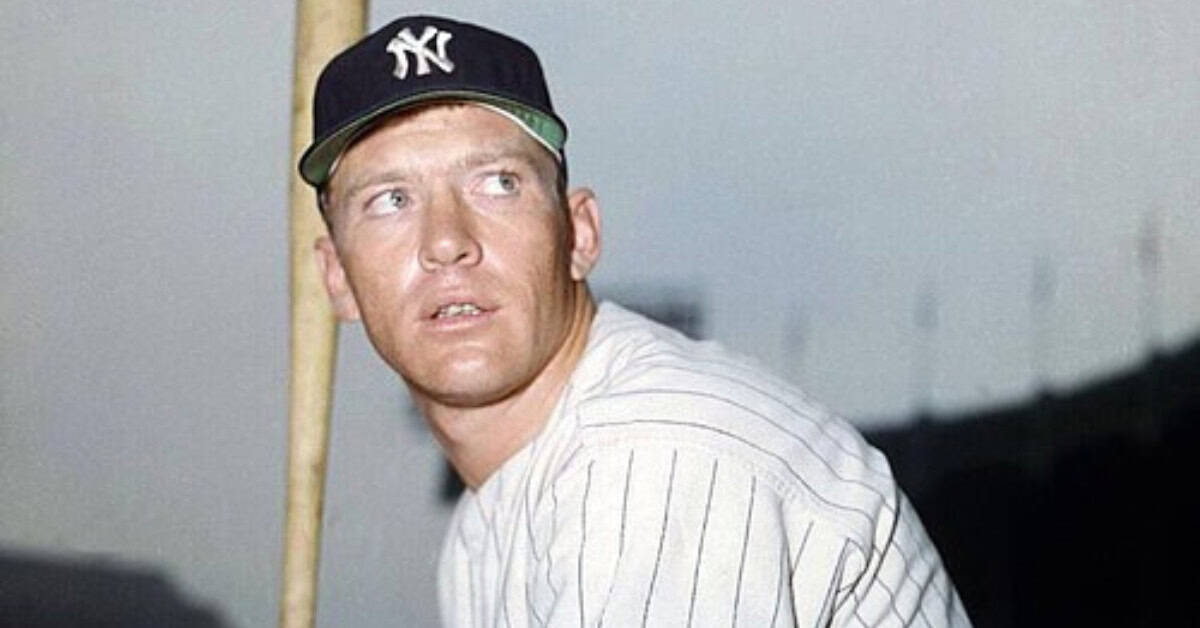
Mickey Mantle embodied raw American power, launching baseballs into orbit from both sides of the plate with a swing that could make grown men weep. The Oklahoma farm boy battled through knee injuries that would sideline lesser mortals, yet still managed to hit .353 with 52 home runs in 1956, capturing the Triple Crown. His 565-foot blast at Griffith Stadium became the stuff of legend, measured not by technology but by a groundskeeper’s educated guess and pure awe.
Willie Mays: The Say Hey Kid’s Basket Catches and Pure Joy

Willie Mays played baseball like a kid who never wanted the game to end, turning routine catches into basket-style artistry and stealing bases with cap-flying abandon. His over-the-shoulder catch in the 1954 World Series at the Polo Grounds remains the most replayed defensive play in baseball history. The Say Hey Kid hit 41 homers in 1954 while leading the Giants to their only championship in New York, proving that greatness comes wrapped in infectious enthusiasm and genuine love for the game.
Ted Williams: The Last .400 Hitter’s Scientific Swing
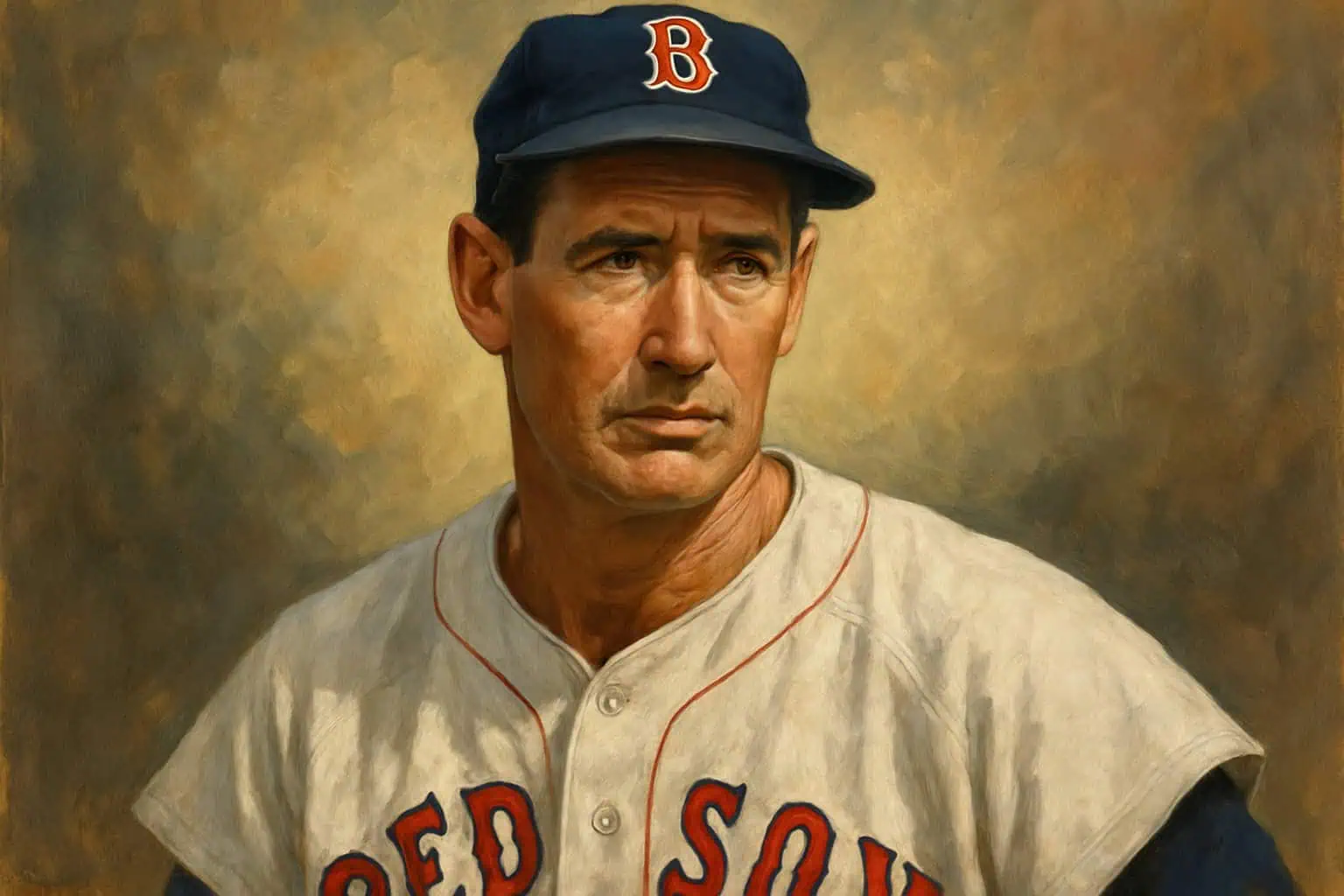
Ted Williams approached hitting with the precision of a watchmaker and the stubbornness of a New England fisherman, refusing to swing at bad pitches even when booed by his own fans. The Splendid Splinter hit .388 in 1957 at age 39, proving that his scientific approach to the strike zone was timeless. His refusal to tip his cap to Boston fans became as legendary as his .344 lifetime average, embodying the era when athletes could be prickly perfectionists without apology.
Hank Aaron: Hammerin’ Hank’s Quiet Consistency and Power
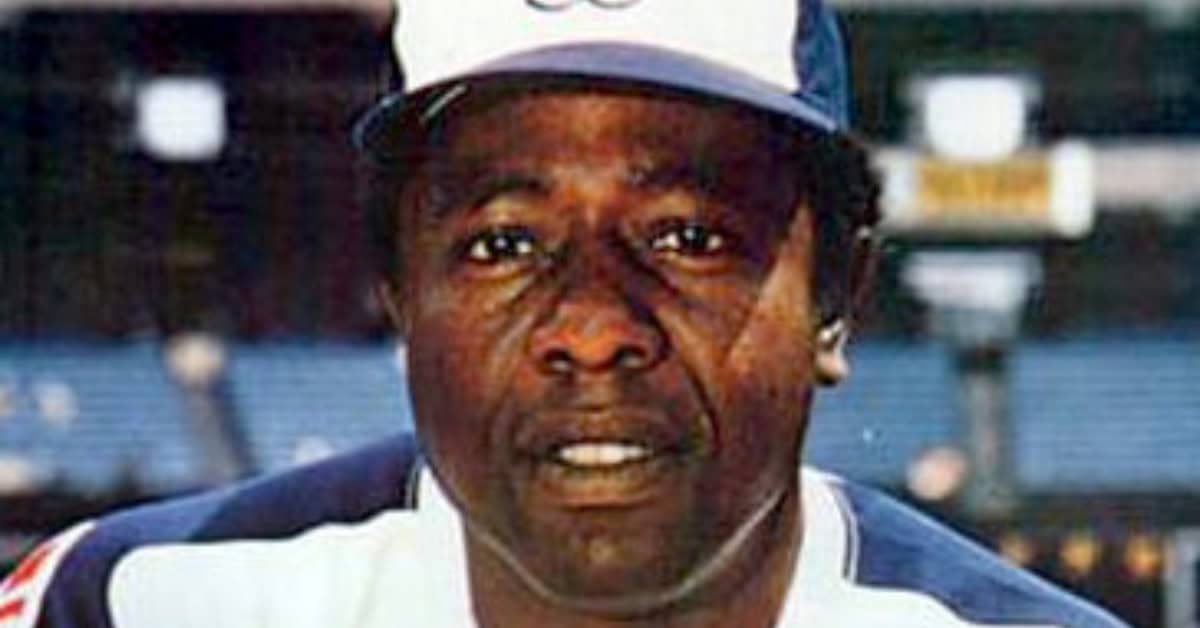
Hank Aaron built his legend one line drive at a time, with wrists so quick they seemed to accelerate through the hitting zone like a coiled spring releasing. While others grabbed headlines, Hammerin’ Hank quietly averaged nearly 30 home runs per season during the 1950s in Milwaukee, where bratwurst and beer complemented his smooth swing. His understated excellence and dignified presence made him the perfect ambassador for baseball’s integration, proving that greatness doesn’t always need to announce itself with fanfare.
Duke Snider: Brooklyn’s Duke of Flatbush and Ebbets Field Magic
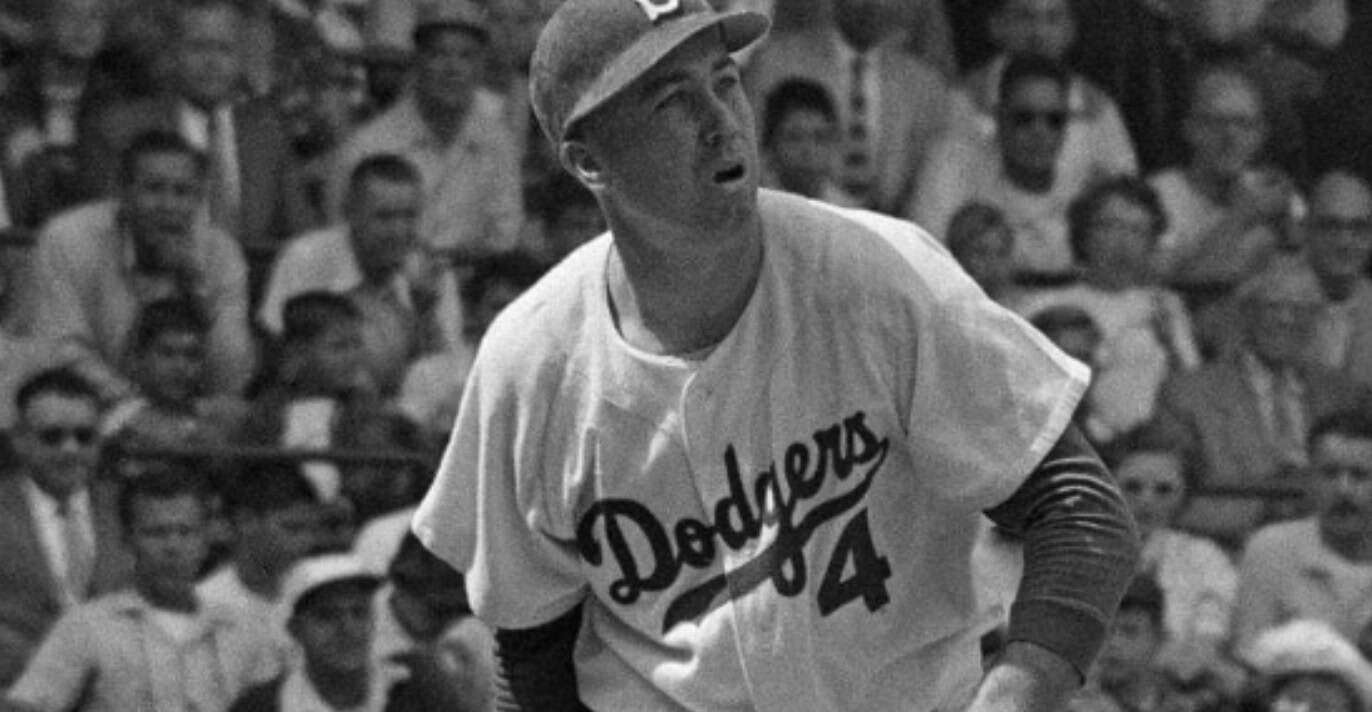
Duke Snider owned Ebbets Field’s cozy right field like a landlord collecting rent, launching 40-plus home runs in five consecutive seasons while Brooklyn’s faithful cheered from wooden seats. The Duke of Flatbush embodied the working-class dreams of Dodger fans, hitting .300 with power while playing center field with graceful authority. His left-handed swing was perfectly tailored for Brooklyn’s dimensions, making him the most beloved player in a borough that lived and died with every pitch until that heartbreaking move to Los Angeles.
Whitey Ford: The Chairman of the Board’s Pinstripe Precision
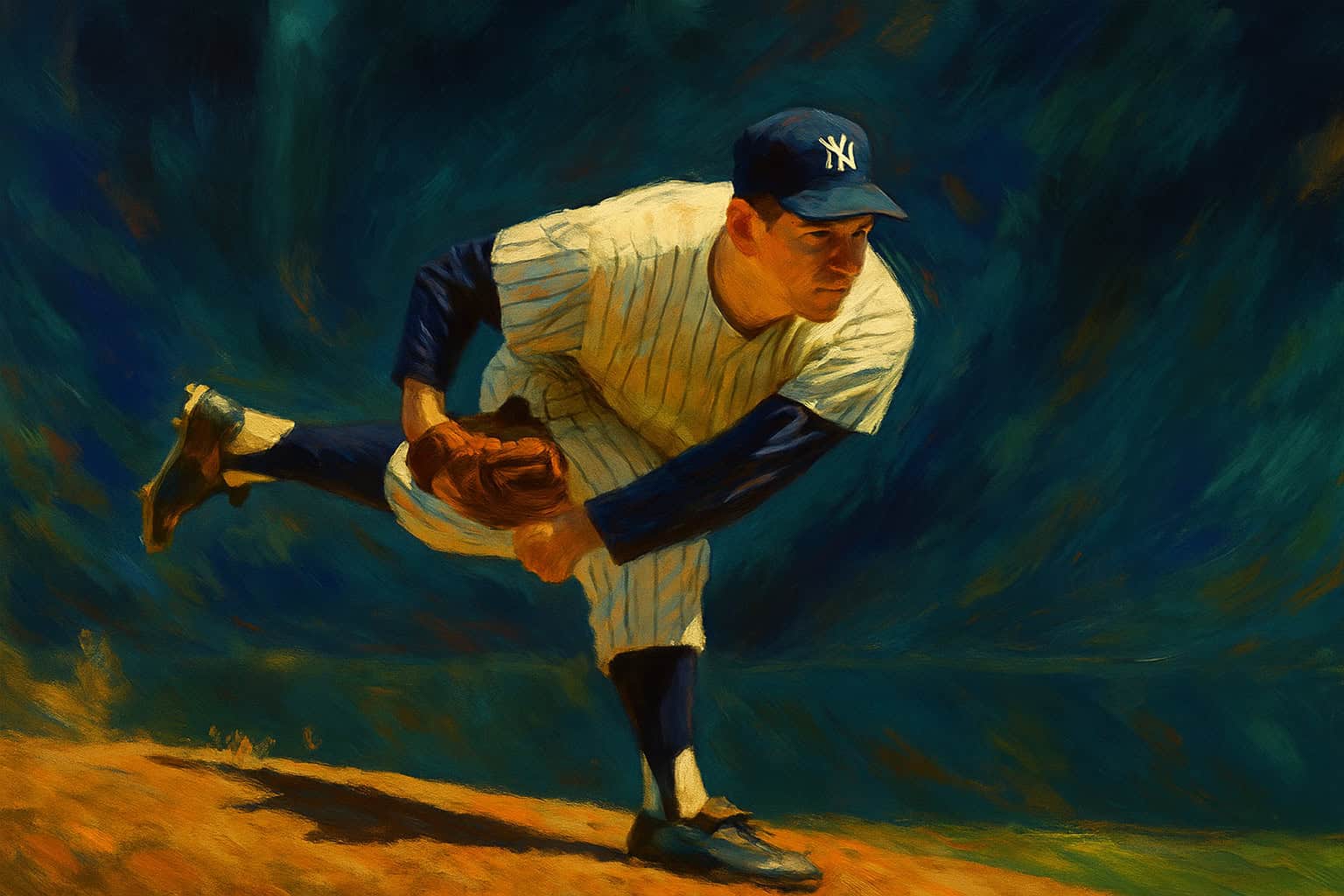
Whitey Ford pitched like a chess master playing speed chess, mixing fastballs and curves with the cunning of a Wall Street trader and the cool of a Madison Avenue executive. The Chairman of the Board posted a 2.74 ERA during the 1950s while helping the Yankees win six World Series, proving that guile trumps pure velocity. His pinstripe precision and clutch gene made him the perfect pitcher for baseball’s most successful franchise, where winning wasn’t hoped for—it was expected like sunrise.
Warren Spahn: The Crafty Southpaw Who Pitched Until 44
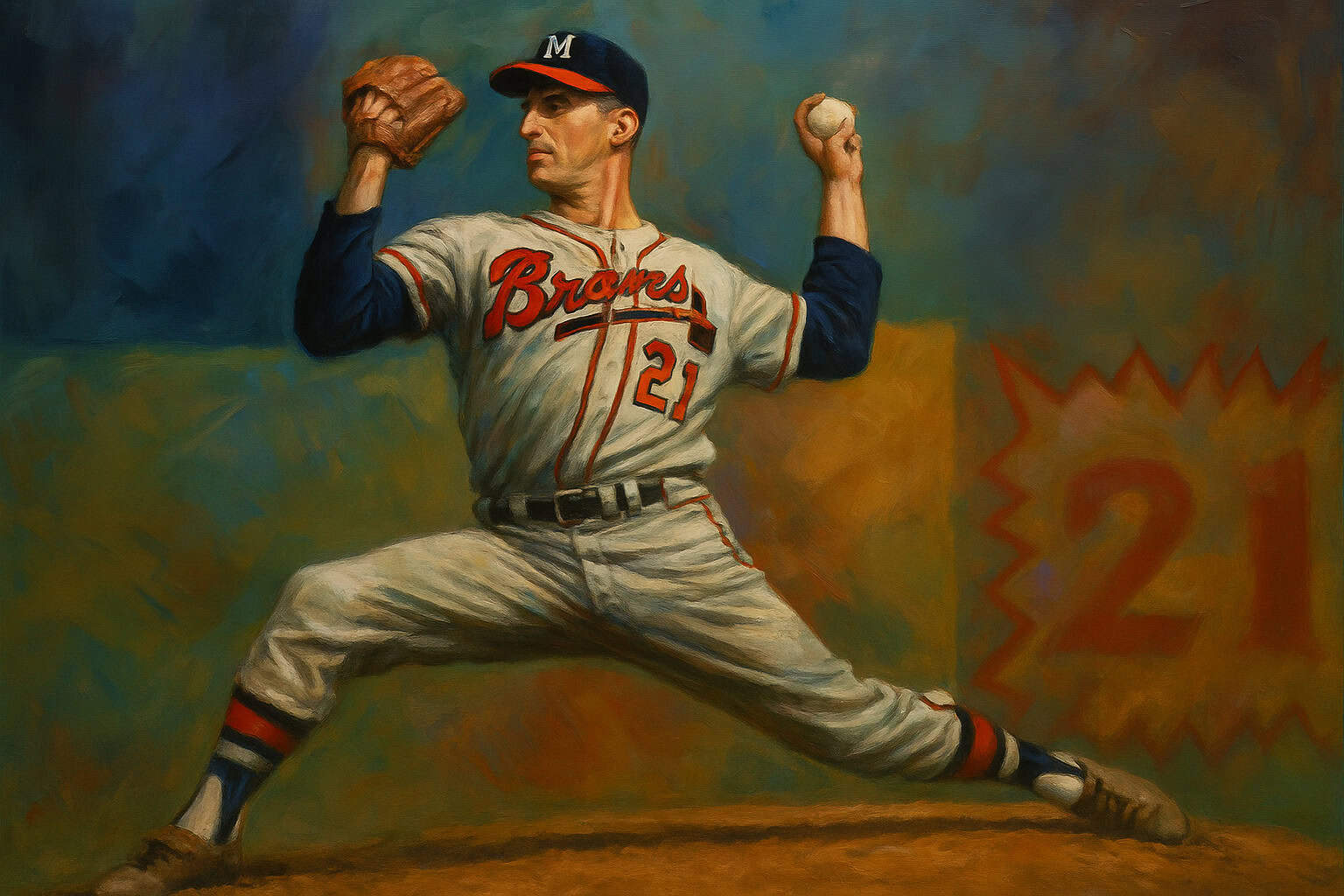
Warren Spahn pitched with the patience of a farmer and the craftiness of a country lawyer, winning 202 games during the 1950s with a high leg kick that became his trademark. The Milwaukee Braves southpaw understood that pitching was about changing eye levels and disrupting timing, not just throwing hard. His durability was legendary—completing 24 games in 1959 at age 38, proving that intelligence and conditioning could overcome the calendar better than any fountain of youth ever discovered.
Early Wynn: The Intimidating Hurler Who’d Knock Down His Grandmother
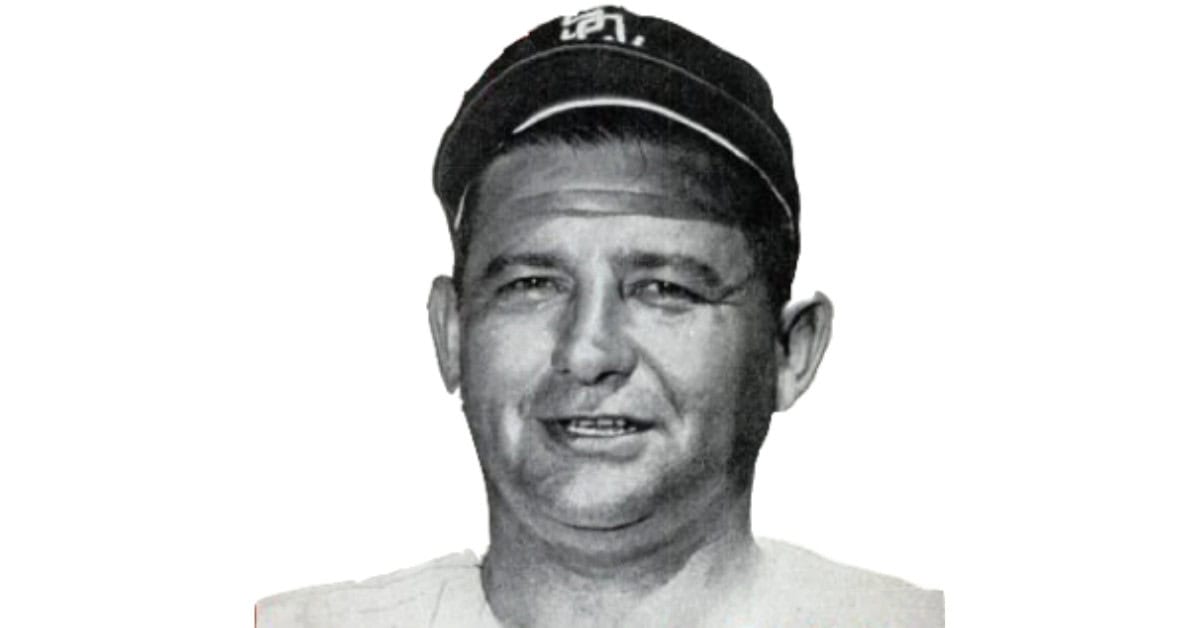
Early Wynn pitched with the mean streak of a junkyard dog and the effectiveness of a loan shark’s enforcer, famously claiming he’d brush back his own grandmother if she crowded the plate. The Chicago White Sox ace won 22 games in 1959 while leading the Go-Go Sox to their first pennant in 40 years, proving that intimidation was as valuable as a good curveball. His perpetual scowl and willingness to pitch inside made hitters uncomfortable before they even stepped into the box, turning psychological warfare into an art form.
Yogi Berra: The Lovable Catcher Whose Malapropisms Became Legend

Yogi Berra caught like a maestro conducting a symphony, calling pitches with the wisdom of a sage wrapped in the body of a fire hydrant. The lovable Yankees backstop won three MVP awards during the 1950s while dispensing folksy wisdom that sounded nonsensical until you thought about it twice. His malapropisms like “It ain’t over ’til it’s over” became part of American vernacular, proving that sometimes the most profound truths come from the most unexpected sources in pinstripes.
Stan Musial: Stan the Man’s Perfect Stance and St. Louis Grace

Stan Musial stood at the plate like a coiled spring wrapped in Midwestern humility, his distinctive corkscrew stance generating line drives that found gaps like a GPS system. Stan the Man hit .336 during the 1950s while embodying everything noble about baseball—sportsmanship, consistency, and genuine love for the fans who made him a deity in St. Louis. His harmonica playing and gracious demeanor made him the anti-diva superstar, proving that greatness could wear overalls just as comfortably as a tuxedo, especially when it came with that perfect, unforgettable swing.