

Last Updated: June 17th, 2026 by Michael Schatz
The 1960s were baseball’s golden decade, when legends roamed diamond fields under stadium lights that seemed brighter, crowds that cheered louder, and summer nights that lasted forever. These ten titans defined a generation of America’s pastime, creating memories that still echo in every crack of the bat and pop of the glove.
Don't lose this article. Enter your email below, and I'll send it to you right now. Plus, we'll send you other unbelievable stories from baseball's past.
Sandy Koufax: The Left-Handed Lightning Who Made Batters Dizzy
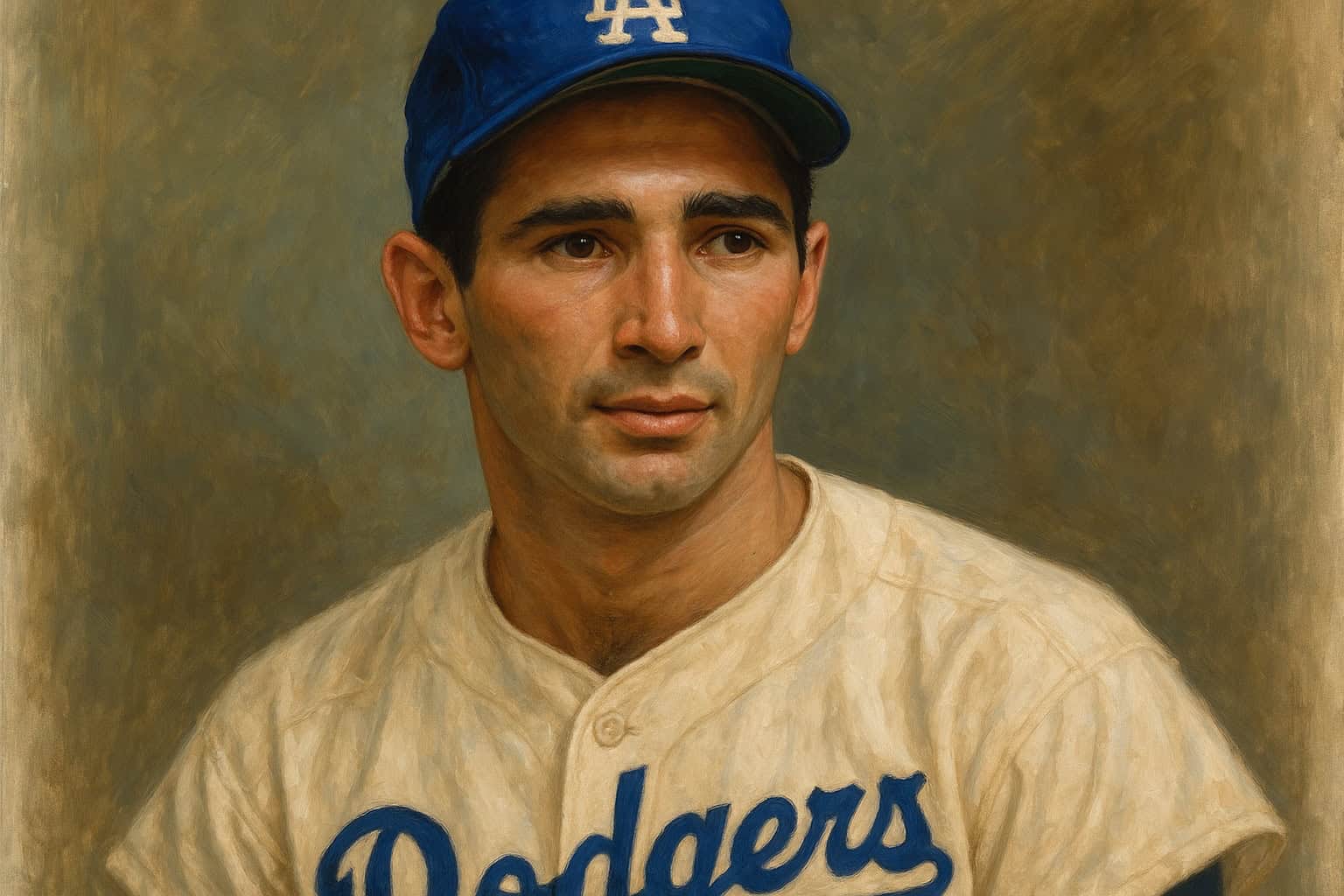
Sandy Koufax’s curveball didn’t just drop—it vanished into thin air, leaving batters swinging at ghosts. From 1963 to 1966, the Dodgers’ southpaw was untouchable, winning three Cy Young Awards and throwing four no-hitters, including a perfect game in 1965. His arthritis-ravaged elbow forced him to retire at just 30, but not before he’d carved his name into October legend with dominant World Series performances that left entire stadiums holding their breath.
Mickey Mantle: The Switch-Hitting Superman with Tape-Measure Power
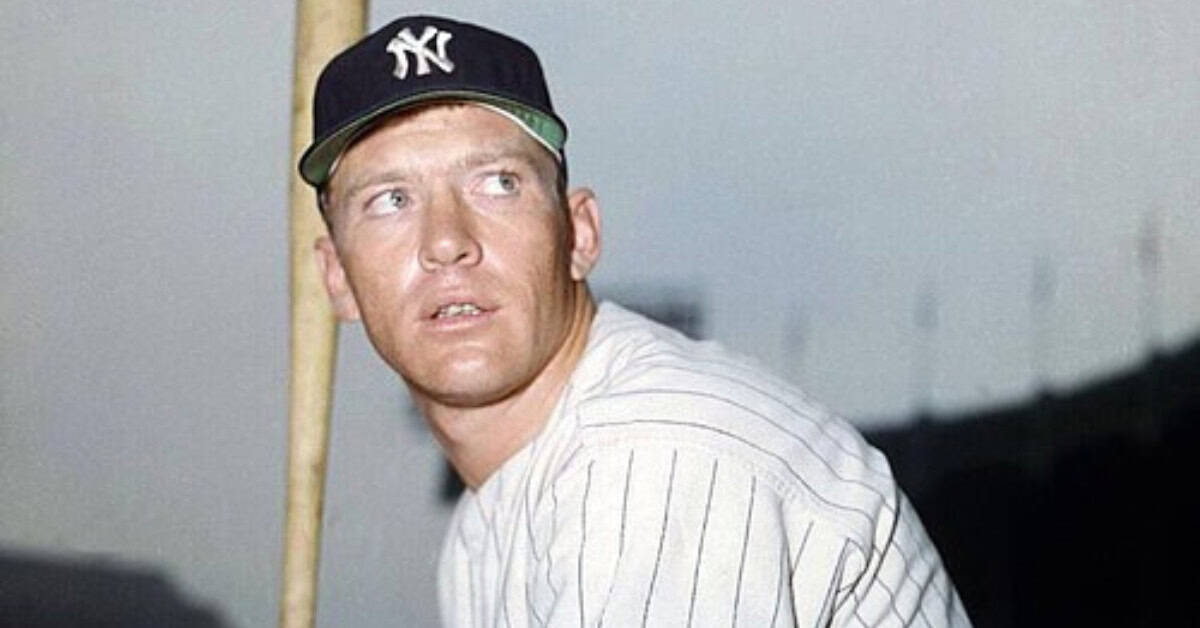
Mickey Mantle turned home runs into mythology, launching baseballs so far they needed their own zip codes. The Commerce Comet’s 565-foot blast at Griffith Stadium in 1953 became the stuff of playground legend, while his switch-hitting prowess terrorized pitchers from both sides of the plate. Despite playing on legs wrapped in more tape than a mummy, Mantle captured his third career MVP award in 1962 and remained the Yankees’ golden boy until his emotional farewell in 1968.
Willie Mays: The Say Hey Kid Who Made Impossible Catches Look Easy

Willie Mays didn’t just play center field—he choreographed it like a ballet dancer with a glove. His basket catches became his signature, while “The Catch” at the Polo Grounds in 1954 remained the gold standard for defensive brilliance throughout the decade. The Say Hey Kid’s infectious joy and 660 career home runs made him baseball’s most complete player, equally dangerous whether stealing second base or robbing someone of a sure double with his back turned to home plate.
Hank Aaron: Hammerin’ Hank’s Quiet Quest for Baseball Immortality
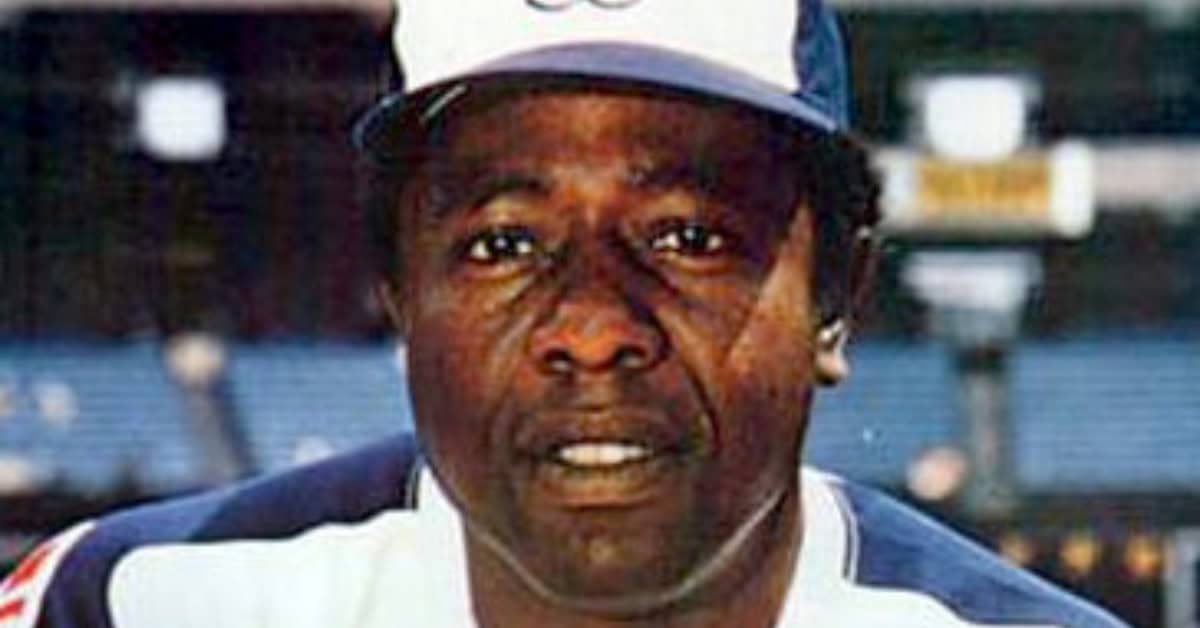
Hank Aaron’s wrists generated more power per square inch than a Detroit assembly line, turning routine swings into rockets that cleared fences with room to spare. While the spotlight often found flashier stars, Aaron quietly accumulated greatness—hitting 44 home runs in 1963 and consistently performing at an elite level. His smooth, effortless swing masked the incredible strength that would eventually carry him past Babe Ruth into baseball’s record books, one patient at-bat at a time.
Bob Gibson: The Intimidating Ace Who Owned October
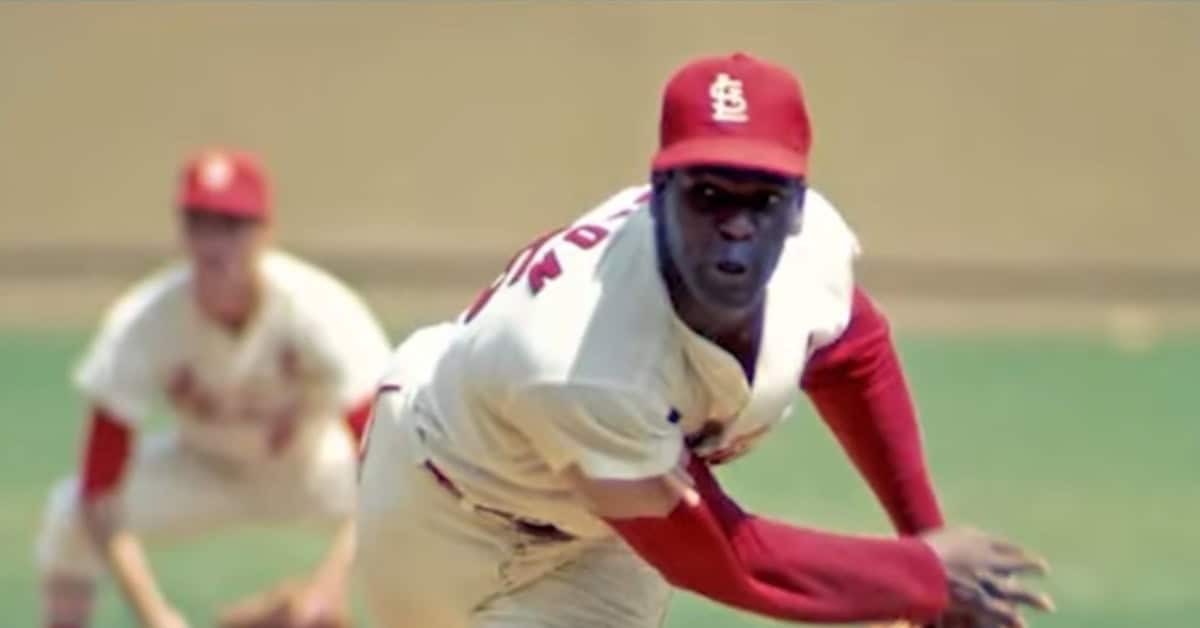
Bob Gibson’s fastball arrived at home plate with the fury of a thunderclap, while his glare could freeze batters solid before they ever stepped into the box. The Cardinals ace posted a microscopic 1.12 ERA in 1968, a season so dominant it forced baseball to lower the pitcher’s mound. Gibson’s October magic was even more legendary—he won seven of nine World Series starts with a 1.89 ERA, including striking out 17 Detroit Tigers in Game 1 of the 1968 Fall Classic.
Roberto Clemente: The Caribbean Cannon with 3,000 Hits of Pure Gold

Roberto Clemente’s right arm was a howitzer disguised as human anatomy, gunning down runners who dared test his cannon from the deepest corners of Forbes Field. The Puerto Rican pride collected 3,000 hits with the grace of a master craftsman, each swing a work of art that painted line drives into every gap. His 1966 MVP season and four batting titles proved that baseball excellence knew no borders, while his humanitarian spirit made him a hero far beyond the diamond’s chalk lines.
Frank Robinson: The Triple Crown King Who Conquered Both Leagues
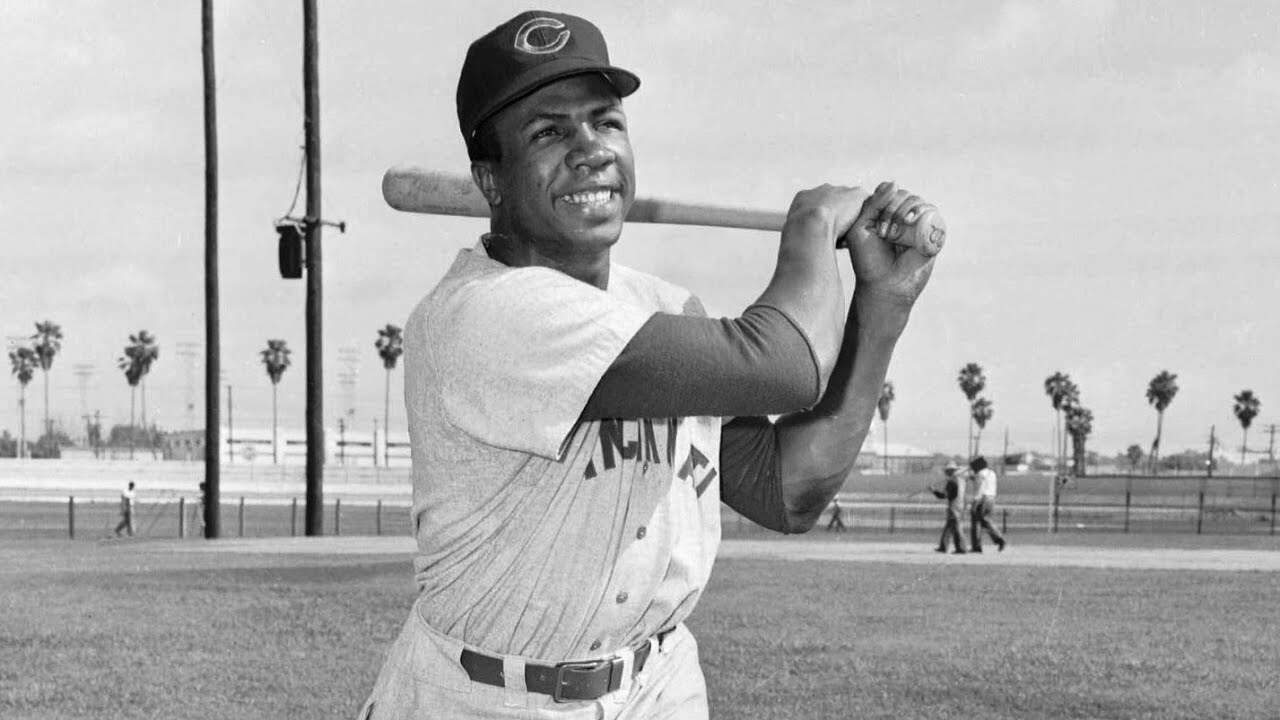
Frank Robinson’s bat cracked like thunder, sending baseballs on scenic tours of American League ballparks after the Orioles stole him from Cincinnati in 1966. That theft paid immediate dividends when Robinson became the first player to win MVP awards in both leagues, capturing the Triple Crown with 49 homers, 122 RBIs, and a .316 average. His crowning achievement came in the 1966 World Series, where he was named Series MVP after leading Baltimore to a sweep of the mighty Dodgers.
Juan Marichal: The Dominican Dandy’s High-Kick Masterpiece
Juan Marichal’s leg kick reached heights that would make Radio City’s Rockettes jealous, creating a delivery so distinctive it became baseball’s most recognizable windup. The Dominican Dandy’s pinpoint control and devastating screwball made him the Giants’ ace throughout the 1960s, winning 20 games six times and posting a 2.84 ERA over the decade. His artistic pitching motion was pure theater, but the results were all business—191 wins in the ’60s and a Hall of Fame plaque that honored baseball’s most graceful warrior.
Harmon Killebrew: The Gentle Giant Who Crushed Moonshots
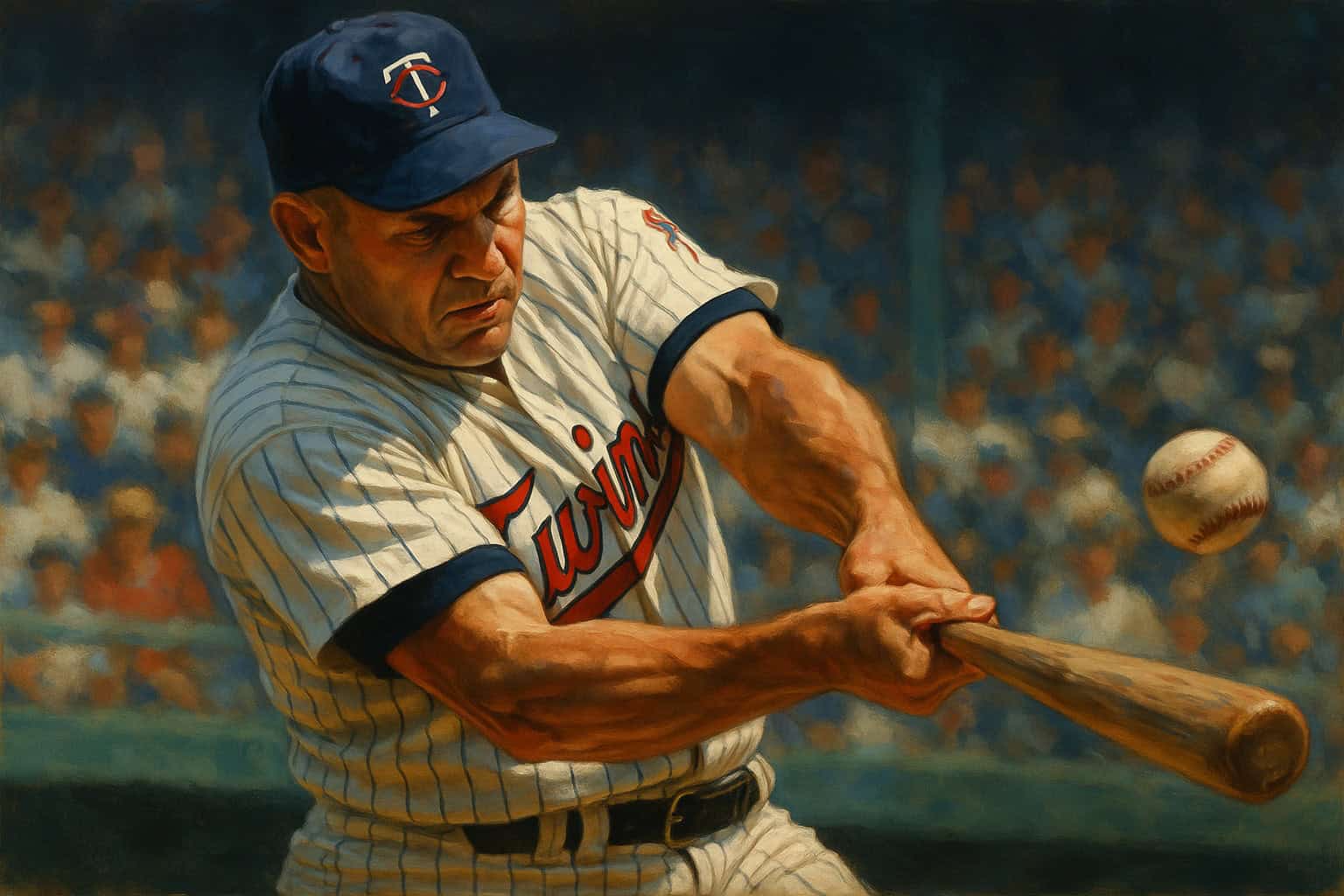
Harmon Killebrew’s home runs didn’t just clear fences—they launched into orbit, traveling distances that seemed to defy the laws of physics and good sense. The Minnesota Twins’ gentle giant led the American League in homers six times during the 1960s, including 49 in 1964 and 44 in 1967, each blast accompanied by his trademark modest trot around the bases. His 573 career home runs were powered by forearms like tree trunks and a swing so pure it could make grown pitchers weep into their gloves.
Pete Rose: Charlie Hustle’s Head-First Slide into Baseball History

Pete Rose attacked every at-bat like his life depended on it, sprinting to first base on walks and diving head-first into bases with the reckless abandon of a man possessed. Charlie Hustle’s 1963 Rookie of the Year season launched a decade of pure baseball obsession, collecting hits like a man collecting stamps—methodically, passionately, and with an eye toward immortality. His crew cut and dirt-stained uniform became symbols of baseball’s work ethic, proving that sometimes the greatest talent is simply refusing to quit.