
Last Updated: June 17th, 2026 by Jeffrey Christo
In baseball’s rich history, true “aces” are more than just top-of-the-rotation starters. They’re the pitchers who achieved a level of dominance that transcended their era, making even the most fearsome hitters look helpless. From Pedro’s untouchable changeup to Koufax’s curveball that seemed to defy physics, these 22 pitchers represent the highest peak performance ever witnessed on a major league mound. Do you agree?
Don't lose this article. Enter your email below, and I'll send it to you right now. Plus, we'll send you other unbelievable stories from baseball's past.
22. Chris Sale (2014-2018)
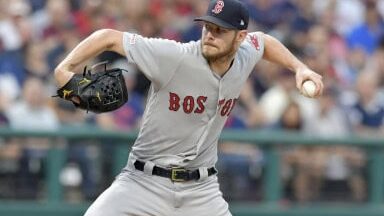
Sale’s peak featured five straight All-Star appearances and a record eight consecutive games with 10+ strikeouts. His 2017 season included 308 strikeouts, and during this stretch, he posted a 2.91 ERA while striking out 1,678 batters in 1,388 innings. His unusual delivery made his slider one of baseball’s most unhittable pitches.
| Chris Sale — Career | Total |
|---|---|
| W | 157 |
| L | 95 |
| ERA | 2.96 |
| G | 414 |
| IP | 2207.0 |
| SO | 2730 |
| WHIP | 1.04 |
| SV | 12 |
| Cy Young | 1 |
| All-Star selections | 10 |
| Gold Gloves | 1 |
| World Series titles | 1 |
21. Felix Hernandez (2009-2014)
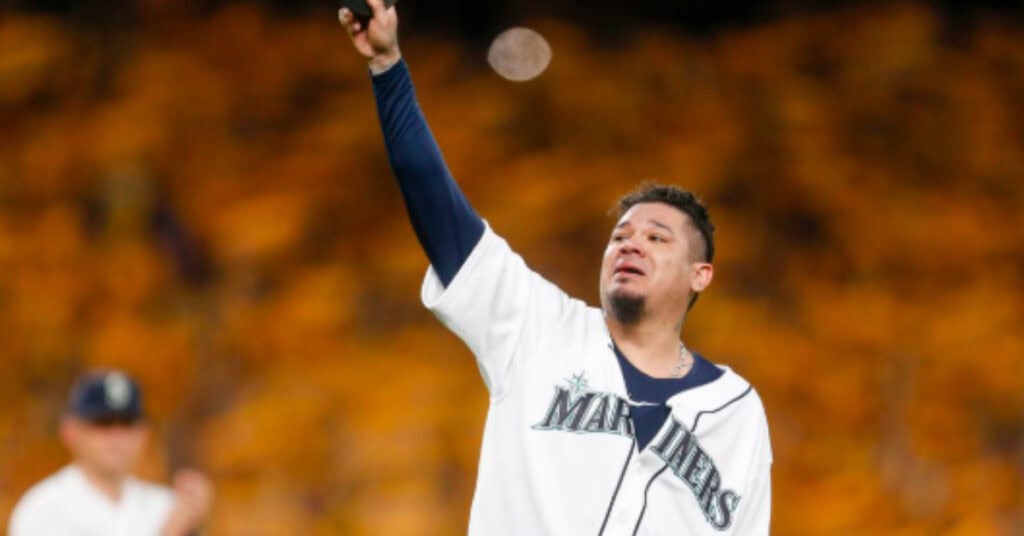
King Felix’s peak included a perfect game and a Cy Young Award despite pitching for struggling Mariners teams. His 2014 season featured a 2.14 ERA and 248 strikeouts. During this stretch, he posted an AL-best 2.73 ERA and threw his perfect game in 2012, featuring one of the most devastating changeups in baseball history.
| Félix Hernández — Career | Total |
|---|---|
| W | 169 |
| L | 136 |
| ERA | 3.42 |
| G | 419 |
| IP | 2729.2 |
| SO | 2524 |
| WHIP | 1.21 |
| SV | 0 |
| Cy Young | 1 |
| All-Star selections | 6 |
20. Kevin Brown (1996-2000)
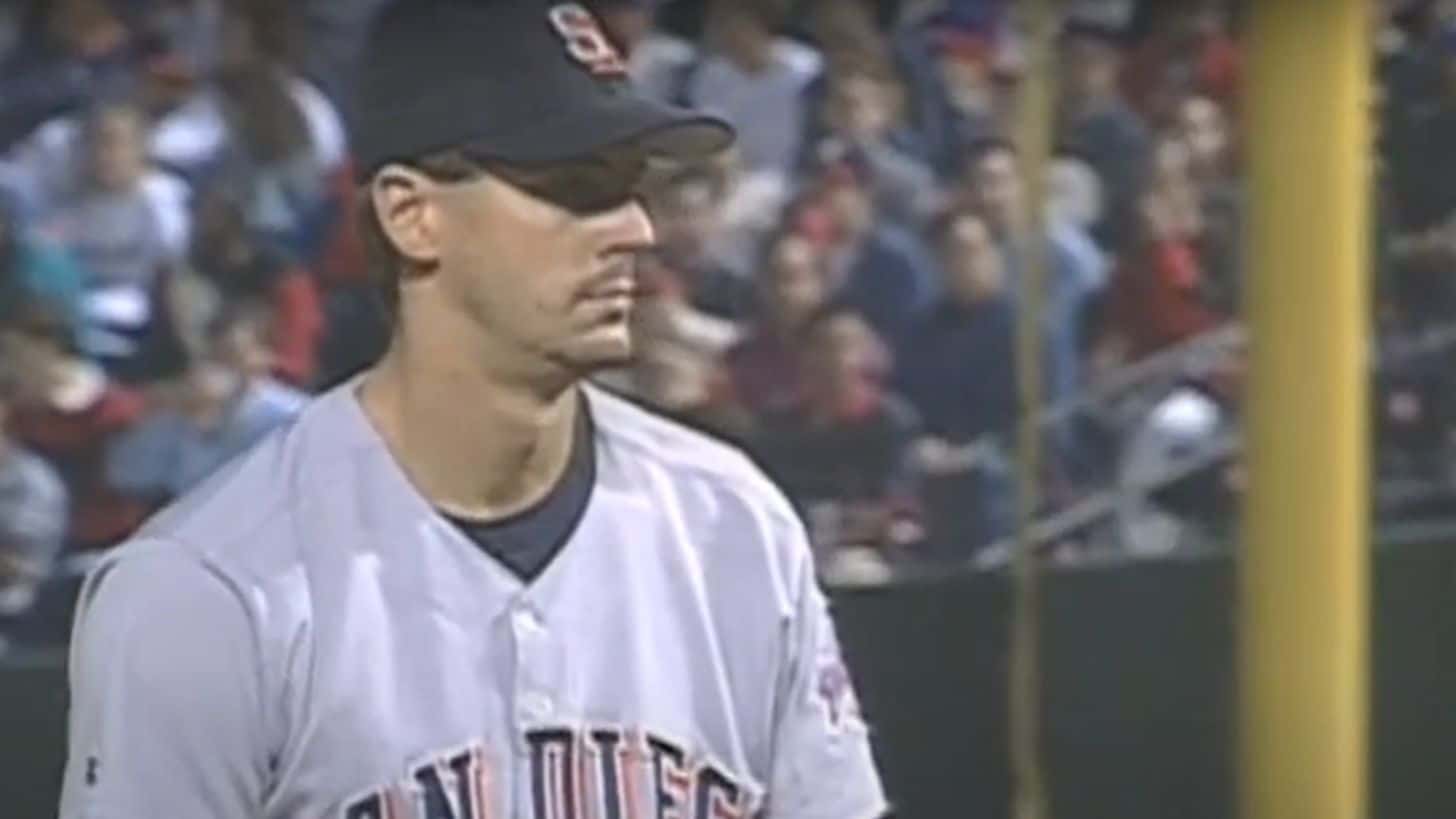
Often overlooked, Brown’s peak was extraordinary. His 1996-2000 stretch included a 2.51 ERA during the height of the steroid era. His sinker was arguably the best ever, helping him post a 1.89 ERA in 1996 and leading the Marlins to a World Series title the following year.
| Kevin Brown — Career | Total |
|---|---|
| W | 211 |
| L | 144 |
| ERA | 3.28 |
| G | 486 |
| IP | 3256.1 |
| SO | 2397 |
| WHIP | 1.22 |
| SV | 0 |
| All-Star selections | 6 |
| World Series titles | 1 |
19. Curt Schilling (2001-2004)

Schilling’s peak included three seasons of 300+ strikeouts and a legendary postseason performance. His 2002 season featured a 23-7 record with a 3.23 ERA and 316 strikeouts. During this stretch, he posted an incredible 9.58 strikeout-to-walk ratio and dominated in multiple World Series runs. Why isn’t this ace in the hall of Fame?
| Curt Schilling — Career | Total |
|---|---|
| W | 216 |
| L | 146 |
| ERA | 3.46 |
| G | 569 |
| IP | 3261.0 |
| SO | 3116 |
| WHIP | 1.14 |
| SV | 22 |
| All-Star selections | 6 |
| World Series titles | 3 |
18. Juan Marichal (1963-1969)

The Dominican Dandy’s distinctive high-kick delivery helped him post six seasons with an ERA under 2.50 during this stretch. His 1965 season included 10 shutouts and a 2.13 ERA, and he led the league in complete games for three straight years. His 1963-1969 run included an incredible 167 complete games.
| Juan Marichal — Career | Total |
|---|---|
| W | 243 |
| L | 142 |
| ERA | 2.89 |
| G | 471 |
| IP | 3507.1 |
| SO | 2303 |
| WHIP | 1.10 |
| SV | 2 |
| All-Star selections | 9 |
17. Orel Hershiser (1988-1989)

The Bulldog’s peak centered around his magical 1988 season, featuring a record 59 consecutive scoreless innings, a Cy Young Award, and World Series MVP honors. He threw eight shutouts that year and followed it with 256.2 innings of 2.31 ERA baseball in 1989, showcasing an unprecedented level of durability and dominance.
| Orel Hershiser — Career | Total |
|---|---|
| W | 204 |
| L | 150 |
| ERA | 3.48 |
| G | 510 |
| IP | 3130.1 |
| SO | 2014 |
| WHIP | 1.26 |
| SV | 5 |
| Cy Young | 1 |
| All-Star selections | 3 |
| Gold Gloves | 1 |
| Silver Sluggers | 1 |
| World Series titles | 1 |
16. Dwight Gooden (1984-1986)
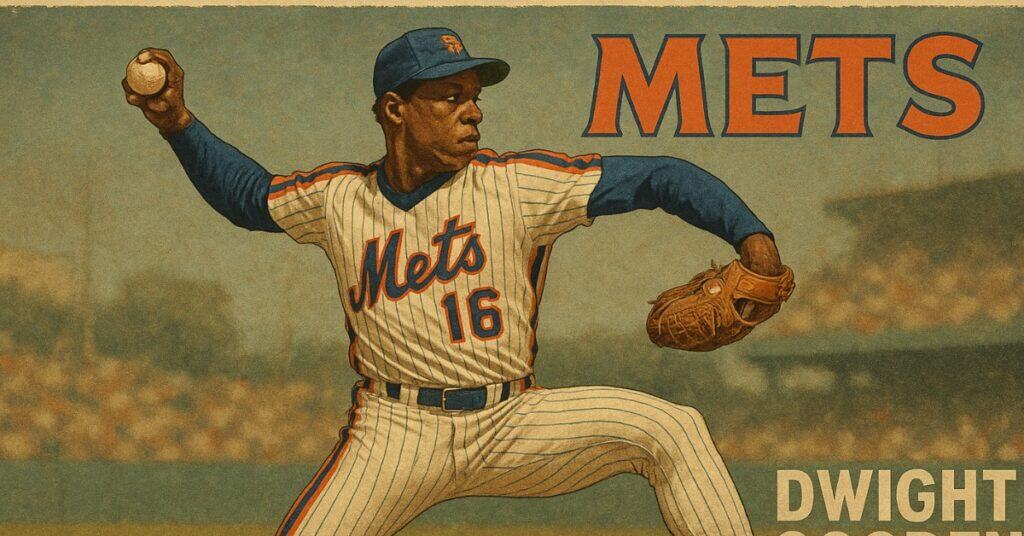
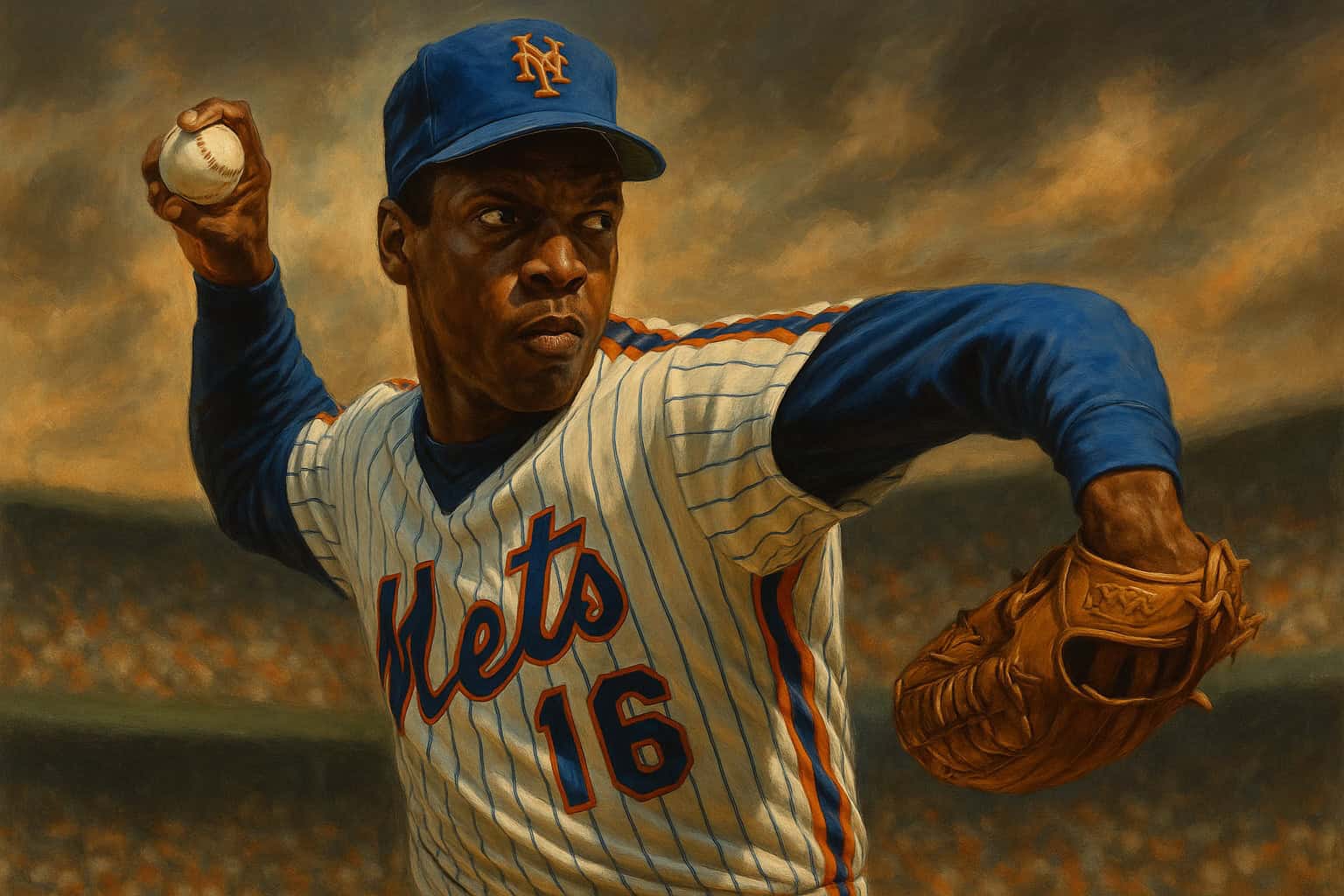
Dr. K’s peak was brief but perhaps the most dominant ever. His 1985 season at age 20 included a 1.53 ERA, 268 strikeouts, and 16 complete games. The combination of his high-90s fastball and devastating curve made him nearly unhittable, earning him the highest single-season WAR for a pitcher in the modern era.
| Dwight Gooden — Career | Total |
|---|---|
| W | 194 |
| L | 112 |
| ERA | 3.51 |
| G | 430 |
| IP | 2800.2 |
| SO | 2293 |
| WHIP | 1.26 |
| SV | 3 |
| Cy Young | 1 |
| All-Star selections | 4 |
| Silver Sluggers | 1 |
| World Series titles | 1 |
| Rookie of the Year | 1 |
15. Steve Carlton (1972-1977)
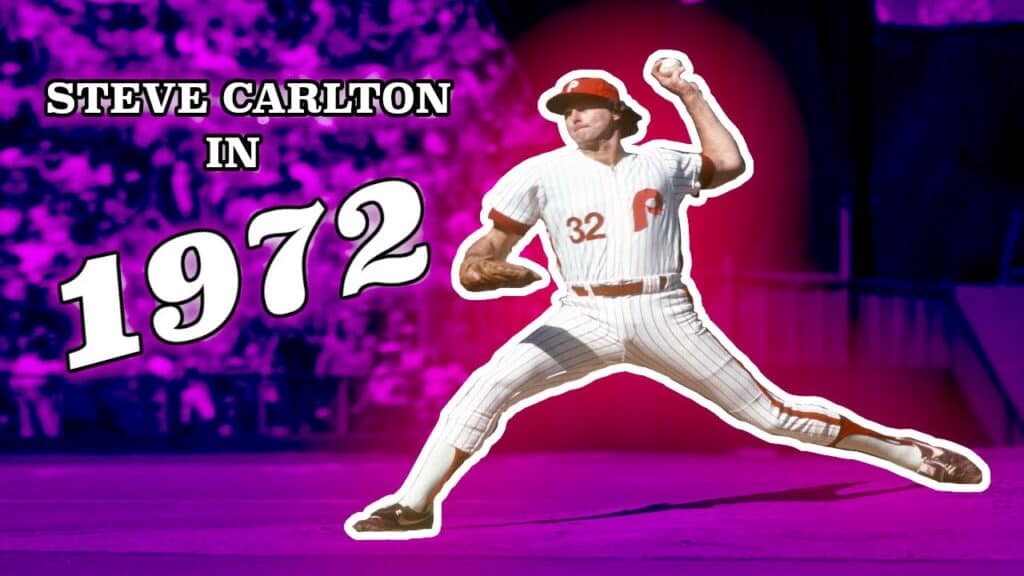
Lefty’s 1972 season might be the greatest single-season performance ever: 27 wins for a last-place team that won only 59 games total. His peak included four Cy Young Awards and a stunning 1.98 ERA in 1972. Carlton’s slider was considered unhittable, helping him lead the league in strikeouts five times during this stretch.
| Steve Carlton — Career | Total |
|---|---|
| W | 329 |
| L | 244 |
| ERA | 3.22 |
| G | 741 |
| IP | 5217.1 |
| SO | 4136 |
| WHIP | 1.25 |
| SV | 2 |
| Cy Young | 4 |
| All-Star selections | 10 |
| Gold Gloves | 1 |
| World Series titles | 2 |
14. Nolan Ryan (1972-1979)
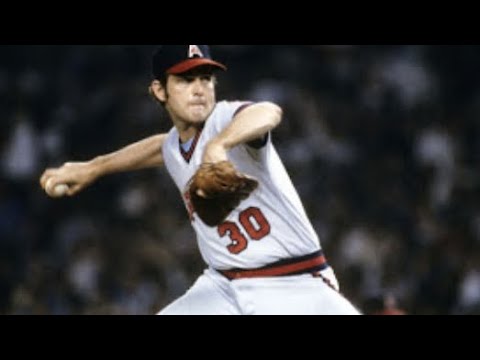
The Ryan Express’s peak featured an unprecedented 383 strikeouts in 1973, a record that still stands. During this stretch, he threw four no-hitters and led the league in strikeouts seven times. His 1977 season included 341 strikeouts and a 2.77 ERA, showcasing his unique combination of power and endurance.
| Nolan Ryan Jr. — Career | Total |
|---|---|
| W | 324 |
| L | 292 |
| ERA | 3.19 |
| G | 807 |
| IP | 5386.0 |
| SO | 5714 |
| WHIP | 1.25 |
| SV | 3 |
| All-Star selections | 8 |
| World Series titles | 1 |
13. Justin Verlander (2011-2019)

Verlander’s peak included an MVP award, a Cy Young, and three no-hitters. His 2011 season was historic: 24-5 with a 2.40 ERA and 250 strikeouts, capturing the pitching Triple Crown. He led the league in strikeouts four times during this stretch and became known as baseball’s most durable ace.
| Justin Verlander — Career | Total |
|---|---|
| W | 266 |
| L | 159 |
| ERA | 3.33 |
| G | 556 |
| IP | 3571.1 |
| SO | 3554 |
| WHIP | 1.14 |
| SV | 0 |
| MVP | 1 |
| Cy Young | 3 |
| All-Star selections | 10 |
| World Series titles | 2 |
| Rookie of the Year | 1 |
12. Max Scherzer (2013-2018)

Mad Max’s peak included three Cy Young Awards and two no-hitters in 2015. His 2016-2018 stretch saw him post a 2.51 ERA with 834 strikeouts in 657 innings. Perhaps most impressive was his 20-strikeout game in 2016, matching the single-game record.
| Max Scherzer — Career | Total |
|---|---|
| W | 222 |
| L | 121 |
| ERA | 3.27 |
| G | 492 |
| IP | 2999.0 |
| SO | 3516 |
| WHIP | 1.09 |
| SV | 0 |
| Cy Young | 3 |
| All-Star selections | 8 |
| World Series titles | 2 |
11. Johan Santana (2004-2008)
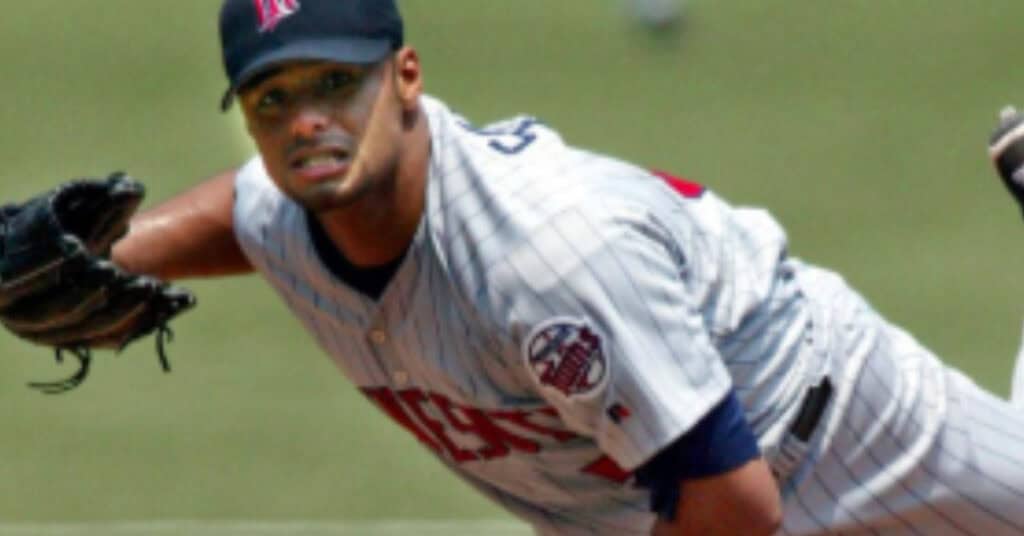
Santana’s changeup made him nearly unhittable during his peak, winning three straight ERA titles and two Cy Young Awards. His 2004-2006 run included a 2.20 ERA and 748 strikeouts in 693 innings. During this stretch, he led the league in strikeouts three times and WHIP four times.
| Johan Santana — Career | Total |
|---|---|
| W | 139 |
| L | 78 |
| ERA | 3.20 |
| G | 360 |
| IP | 2025.2 |
| SO | 1988 |
| WHIP | 1.13 |
| SV | 1 |
| Cy Young | 2 |
| All-Star selections | 4 |
| Gold Gloves | 1 |
10. Roy Halladay (2008-2011)

Doc’s peak culminated in 2010 with both a perfect game and a playoff no-hitter. During his four-year peak, he led the league in complete games every season, won two Cy Young Awards, and posted a 2.59 ERA across nearly 1,000 innings. His 2011 season included eight complete games when most teams didn’t have that many combined.
| Roy Halladay — Career | Total |
|---|---|
| W | 203 |
| L | 105 |
| ERA | 3.38 |
| G | 416 |
| IP | 2749.1 |
| SO | 2117 |
| WHIP | 1.18 |
| SV | 1 |
| Cy Young | 2 |
| All-Star selections | 8 |
9. Jacob deGrom (2018-2021)

Before injuries cut short his historic run, deGrom posted perhaps the most dominant stretch in baseball history. His 2021 peak saw him post a 1.08 ERA with 146 strikeouts in 92 innings, combining unprecedented velocity with pinpoint control. His 2018-2021 stretch included two Cy Young Awards and a 1.94 ERA.
| Jacob deGrom — Career | Total |
|---|---|
| W | 104 |
| L | 72 |
| ERA | 2.66 |
| G | 270 |
| IP | 1658.1 |
| SO | 1995 |
| WHIP | 1.00 |
| SV | 0 |
| Cy Young | 2 |
| All-Star selections | 5 |
| Rookie of the Year | 1 |
8. Clayton Kershaw (2011-2016)
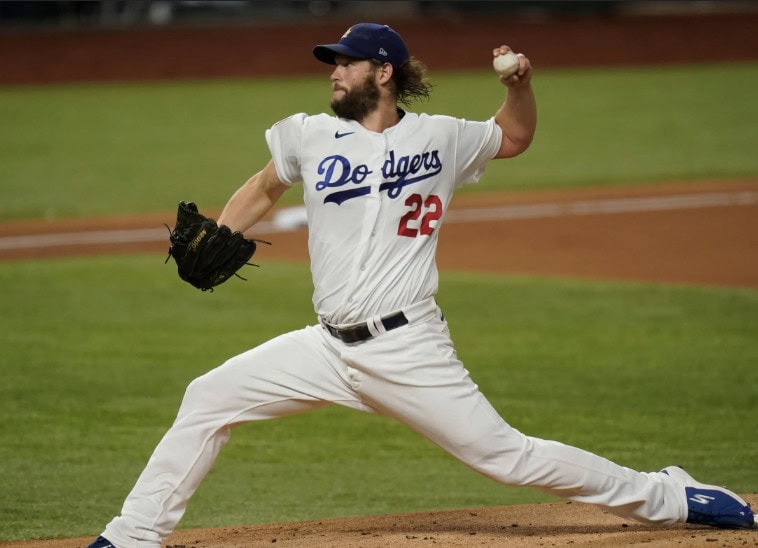
Kershaw’s peak included an MVP award, three Cy Youngs, and a stunning 1.80 ERA from 2013-2016. His 2014 season was particularly dominant: 21-3 with a 1.77 ERA and 239 strikeouts in 198 innings. His curveball was so devastating it earned the nickname “Public Enemy No. 1.” Only a lack of postseason success keeps Kershaw off the Mt. Rushmore of pitching.
| Clayton Kershaw — Career | Total |
|---|---|
| W | 223 |
| L | 96 |
| ERA | 2.53 |
| G | 455 |
| IP | 2855.1 |
| SO | 3052 |
| WHIP | 1.02 |
| SV | 0 |
7. Tom Seaver (1969-1975)

Tom Terrific’s peak included three Cy Young Awards and the lowest ERA in the National League three times. His 1971 season was particularly remarkable: a 1.76 ERA, 289 strikeouts, and 21 complete games. During his prime, Seaver led the league in strikeouts five times and posted an ERA under 2.50 six times.
| Tom Seaver — Career | Total |
|---|---|
| W | 311 |
| L | 205 |
| ERA | 2.86 |
| G | 656 |
| IP | 4782.2 |
| SO | 3640 |
| WHIP | 1.12 |
| SV | 1 |
| Cy Young | 3 |
| All-Star selections | 12 |
| World Series titles | 1 |
| Rookie of the Year | 1 |
6. Roger Clemens (1986-1992)

The Rocket’s early peak with Boston included a 24-4 record in 1986, an MVP award, and two 20-strikeout games. His 1990 season (21-6, 1.93 ERA, 209 strikeouts) came in the heart of a hitter’s era, and his 1986-1992 run included three Cy Young Awards and an unprecedented level of dominance at Fenway Park.
| Roger Clemens — Career | Total |
|---|---|
| W | 354 |
| L | 184 |
| ERA | 3.12 |
| G | 709 |
| IP | 4916.2 |
| SO | 4672 |
| WHIP | 1.17 |
| SV | 0 |
| MVP | 1 |
| Cy Young | 7 |
| All-Star selections | 11 |
| World Series titles | 2 |
5. Bob Gibson (1968-1972)

Gibson’s 1968 season remains the gold standard for pitching dominance: a 1.12 ERA, 13 shutouts, and 28 complete games. His performance was so overwhelming that MLB lowered the pitcher’s mound the following year. During his peak, Gibson threw 56 consecutive scoreless innings and was so intimidating that batters would rather face any other pitcher in baseball.
| Bob Gibson — Career | Total |
|---|---|
| W | 251 |
| L | 174 |
| ERA | 2.91 |
| G | 528 |
| IP | 3884.1 |
| SO | 3117 |
| WHIP | 1.19 |
| SV | 6 |
| MVP | 1 |
| Cy Young | 2 |
| All-Star selections | 8 |
| Gold Gloves | 9 |
| World Series titles | 2 |
4. Randy Johnson (1995-2002)
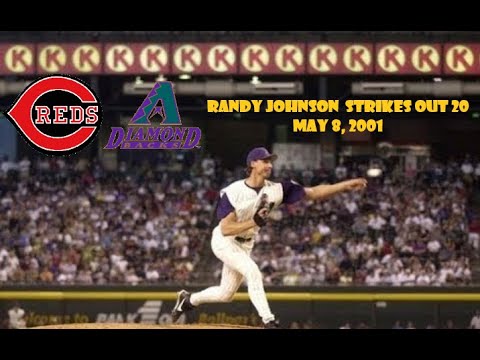
The Big Unit’s peak included four consecutive Cy Young Awards with Arizona, including a mind-boggling 372 strikeouts in 2001. His 2001-2002 seasons saw him post a combined 1.90 ERA with 719 strikeouts in 520 innings. At 6’10” with a sidearm delivery, Johnson’s slider was perhaps the most unhittable pitch in baseball history.
| Randy Johnson — Career | Total |
|---|---|
| W | 303 |
| L | 166 |
| ERA | 3.29 |
| G | 618 |
| IP | 4135.1 |
| SO | 4875 |
| WHIP | 1.17 |
| SV | 2 |
| Cy Young | 5 |
| All-Star selections | 10 |
| World Series titles | 1 |
3. Greg Maddux (1992-1995)

The Professor’s peak featured four straight Cy Young Awards and the lowest ERA (1.56) since Bob Gibson’s legendary 1968 season. In 1995, Maddux went 19-2 with a 1.63 ERA and an almost impossible 0.81 WHIP. Perhaps most remarkably, he achieved this dominance with pinpoint control rather than overwhelming power, walking just 23 batters in 209.2 innings during his best season.
| Greg Maddux — Career | Total |
|---|---|
| W | 355 |
| L | 227 |
| ERA | 3.16 |
| G | 744 |
| IP | 5008.1 |
| SO | 3371 |
| WHIP | 1.14 |
| SV | 0 |
| Cy Young | 4 |
| All-Star selections | 8 |
| Gold Gloves | 18 |
| World Series titles | 1 |
2. Sandy Koufax (1963-1966)
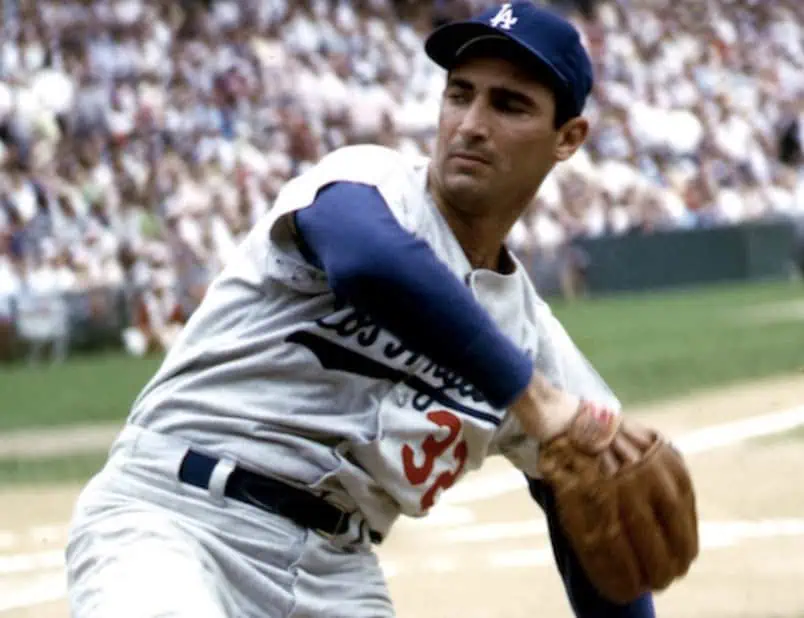
Koufax’s final four seasons represent baseball’s most untouchable peak. He posted ERAs of 1.88, 1.74, 2.04, and 1.73, threw four no-hitters, including a perfect game, and won three Cy Young awards when only one was given for both leagues. His 382 strikeouts in 1965 set a modern record that stood for decades, and his 27 complete games that year seem impossible by today’s standards.
| Sandy Koufax — Career | Total |
|---|---|
| W | 165 |
| L | 87 |
| ERA | 2.76 |
| G | 397 |
| IP | 2324.1 |
| SO | 2396 |
| WHIP | 1.11 |
| SV | 9 |
| MVP | 1 |
| Cy Young | 3 |
| All-Star selections | 6 |
| World Series titles | 3 |
1. Pedro Martinez (1997-2003)

The greatest pitching dominance – EVER. During an era when offense exploded and steroids ruled, Pedro Martinez achieved perhaps the most dominant peak in baseball history. His 1999-2000 seasons with Boston were otherworldly: a 1.90 ERA while the league average was 4.76, and a ridiculous 0.83 WHIP in 2000. His 1999 All-Star Game performance at Fenway – striking out Barry Larkin, Larry Walker, Sammy Sosa, and Mark McGwire in succession – remains one of baseball’s most electric moments.
| Pedro Martínez — Career | Total |
|---|---|
| W | 219 |
| L | 100 |
| ERA | 2.93 |
| G | 476 |
| IP | 2827.1 |
| SO | 3154 |
| WHIP | 1.05 |
| SV | 3 |
| Cy Young | 3 |
| All-Star selections | 8 |
| World Series titles | 1 |