
Last Updated: June 17th, 2026 by Michael Schatz
From the dusty diamonds of the 1970s to the championship glory of 2015, Kansas City Royals baseball has given us heroes who made us believe in magic. These are the 25 players who didn’t just wear the powder blue—they embodied the heart and soul of a franchise that turned small-market dreams into October reality. Here’s to the men who made Kauffman Stadium feel like the center of the baseball universe.
Don't lose this article. Enter your email below, and I'll send it to you right now. Plus, we'll send you other unbelievable stories from baseball's past.
25. Mark Gubicza – The Underrated Right-Hander Who Threw Through the Pain
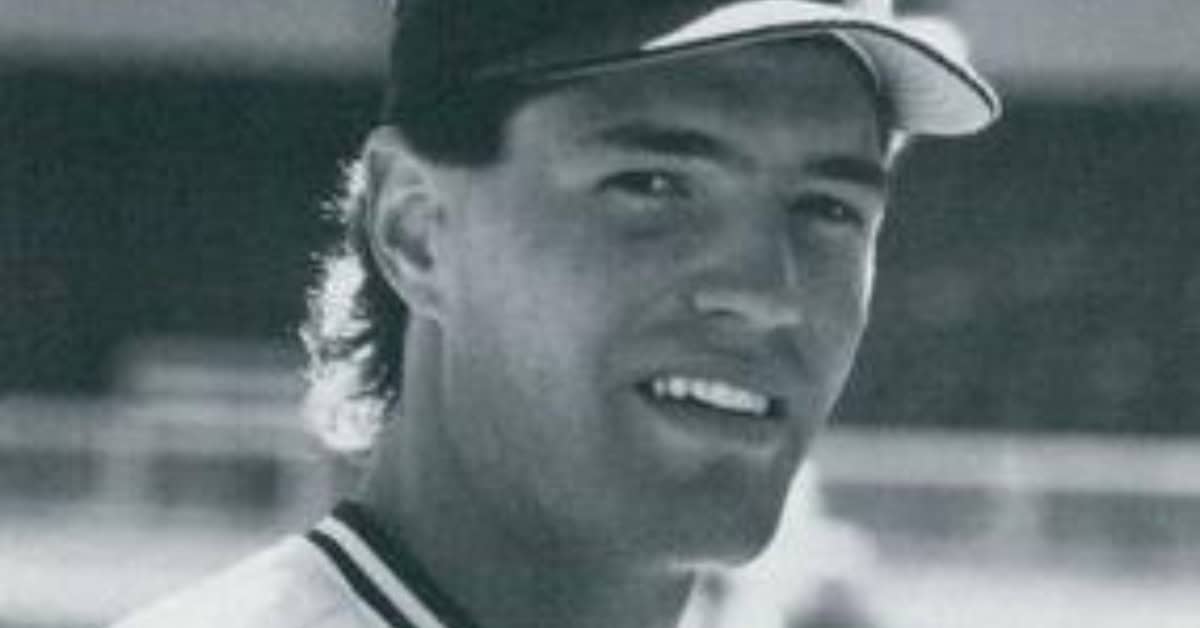
Mark Gubicza was the workhorse who never complained, even when his shoulder was screaming. From 1984 to 1996, this right-hander posted a 132-136 record with a 3.96 ERA, anchoring Royals rotations through good times and lean years. His 20-win season in 1988 proved that grit and determination could overcome any obstacle, making him a beloved figure among fans who appreciated blue-collar excellence on the mound.
| Mark Gubicza — Career | Total |
|---|---|
| W | 132 |
| L | 136 |
| ERA | 3.96 |
| G | 384 |
| IP | 2223.1 |
| SO | 1371 |
| WHIP | 1.36 |
| SV | 2 |
| All-Star selections | 2 |
24. John Mayberry – The Power-Hitting Giant Who Made Kauffman Stadium Shake
Before there was Bo Jackson, there was Big John Mayberry terrorizing American League pitching. The 6’3″ first baseman smashed 143 home runs in a Royals uniform from 1972-1977, including back-to-back 34-homer seasons that helped establish Kansas City as a legitimate power. His mammoth blasts over the fountains at Royals Stadium became the stuff of legend, proving that small-market teams could produce big-league sluggers.
| John Mayberry Sr. — Career | Total |
|---|---|
| G | 1620 |
| AB | 5447 |
| H | 1379 |
| HR | 255 |
| RBI | 879 |
| SB | 20 |
| AVG | .253 |
| OBP | .360 |
| SLG | .439 |
| OPS | .799 |
| All-Star selections | 2 |
23. Carlos Beltrán – The Five-Tool Wonder Who Got Away Too Soon

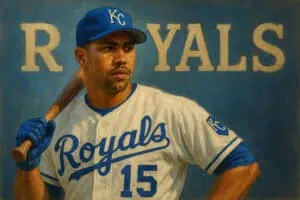
Carlos Beltrán’s seven seasons in Kansas City (1998-2004) showcased everything a baseball player could be—speed, power, defense, and clutch hitting wrapped in effortless grace. His .287 average with 123 home runs and 164 stolen bases as a Royal hinted at the Hall of Fame career that awaited. Watching Beltrán glide around center field at Kauffman Stadium was like witnessing poetry in motion, making his eventual departure all the more heartbreaking for fans who knew they’d seen something special.
| Carlos Beltrán — Career | Total |
|---|---|
| G | 2586 |
| AB | 9768 |
| H | 2725 |
| HR | 435 |
| RBI | 1587 |
| SB | 312 |
| AVG | .279 |
| OBP | .350 |
| SLG | .486 |
| OPS | .836 |
| All-Star selections | 9 |
| Gold Gloves | 3 |
| Silver Sluggers | 2 |
| World Series titles | 1 |
| Rookie of the Year | 1 |
22. Alcides Escobar – The Shortstop Who Started Every 2015 Playoff Rally
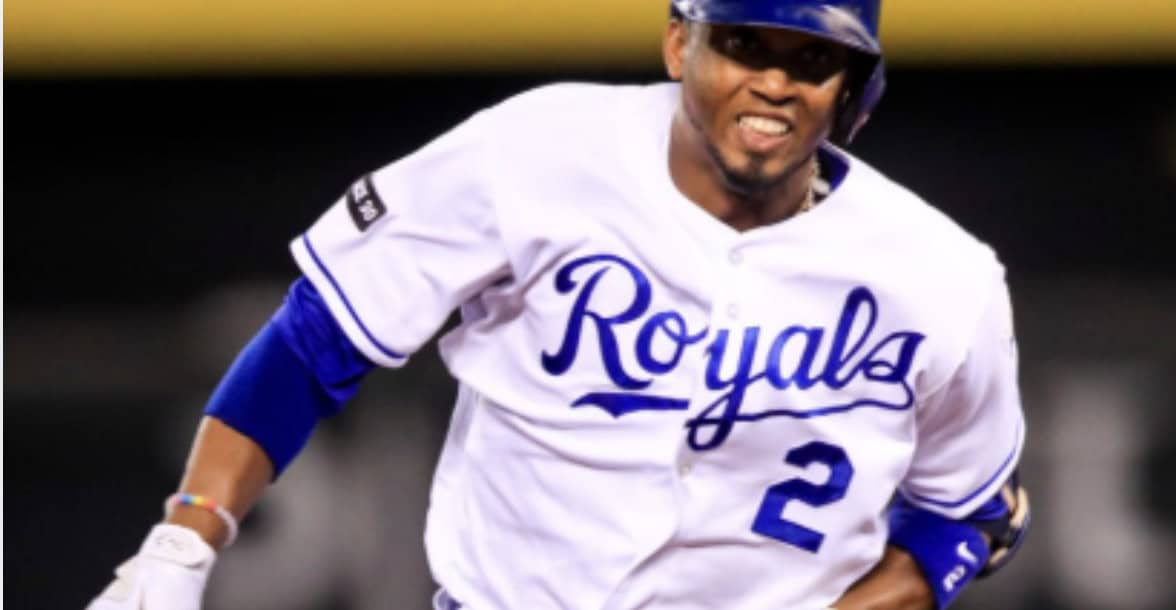
Nobody swung at the first pitch with more purpose than Alcides Escobar during the Royals’ magical 2015 championship run. The Venezuelan shortstop’s aggressive approach and clutch hitting sparked countless rallies, including his World Series-opening inside-the-park home run that set the tone for Kansas City’s title. His .293 postseason average and infectious energy proved that sometimes the most important statistics can’t be measured—they can only be felt in the electricity of a championship moment.
21. Lorenzo Cain – The Center Field Magician Who Turned Doubles into Outs

Lorenzo Cain didn’t just play center field—he patrolled it like a guardian angel with a glove. His seven seasons with Kansas City (2011-2017) featured spectacular defensive plays that left fans wondering if they’d witnessed something supernatural. Cain’s .289 career average as a Royal and his ability to cover ground that seemed impossible made him the perfect centerpiece for championship teams that relied on pitching, defense, and timely hitting.
| Lorenzo Cain — Career | Total |
|---|---|
| G | 1171 |
| AB | 4314 |
| H | 1220 |
| HR | 87 |
| RBI | 454 |
| SB | 190 |
| AVG | .283 |
| OBP | .343 |
| SLG | .407 |
| OPS | .750 |
| All-Star selections | 2 |
| Gold Gloves | 1 |
| World Series titles | 1 |
20. Mike Moustakas – The Third Baseman Who Finally Found His World Series Swing
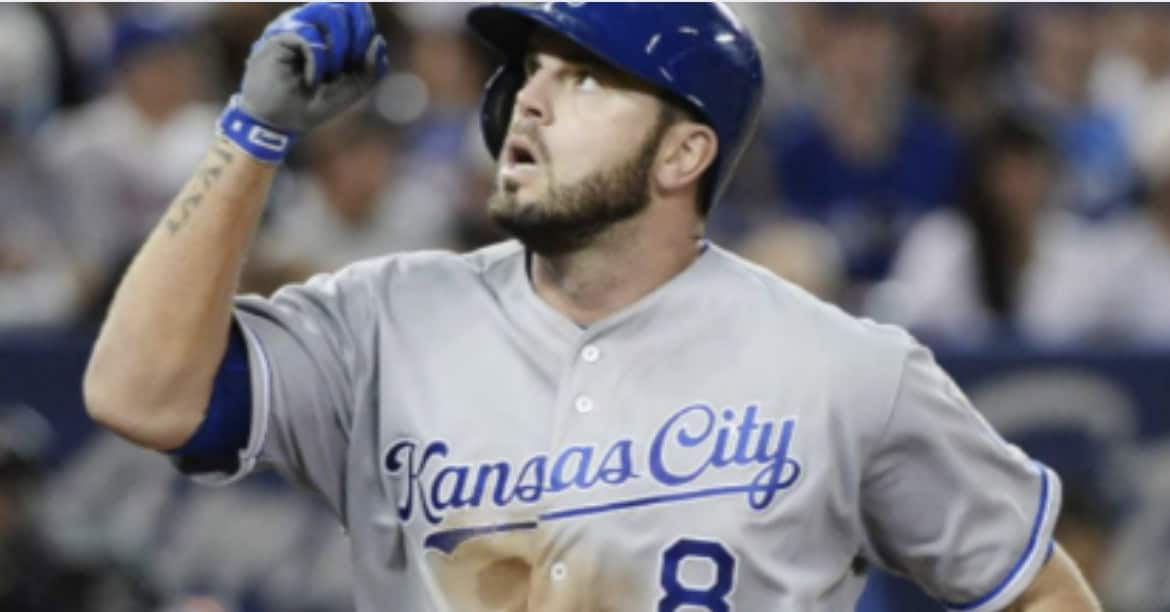
Mike Moustakas embodied the patient rebuild that defined modern Royals baseball, transforming from a struggling prospect into a championship cornerstone. His eight seasons in Kansas City culminated with clutch postseason performances that helped deliver the 2015 World Series title, including crucial RBIs when the pressure was highest. Moustakas proved that sometimes the best players aren’t the ones who arrive as superstars—they’re the ones who grow into greatness when their team needs them most.
19. Eric Hosmer – The First Baseman Behind Baseball’s Greatest Mad Dash
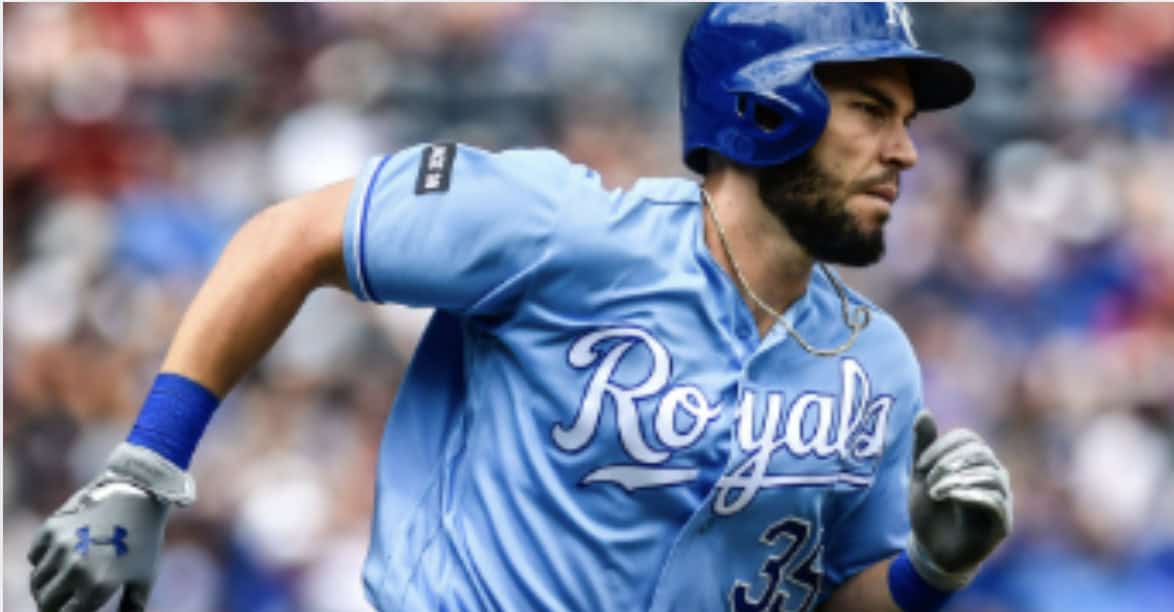
Eric Hosmer’s mad dash home in Game 5 of the 2015 World Series will forever be etched in Royals lore as the moment that changed everything. His seven seasons in Kansas City featured steady production (.284 average, 127 home runs) and the kind of clutch gene that championship teams require. Hosmer’s aggressive baserunning and timely hitting made him the perfect embodiment of the “never quit” attitude that defined the Royals’ championship runs in 2014 and 2015.
| Eric Hosmer — Career | Total |
|---|---|
| G | 1689 |
| AB | 6349 |
| H | 1753 |
| HR | 198 |
| RBI | 893 |
| SB | 76 |
| AVG | .276 |
| OBP | .335 |
| SLG | .427 |
| OPS | .762 |
| All-Star selections | 1 |
| Gold Gloves | 4 |
| Silver Sluggers | 1 |
| World Series titles | 1 |
18. Zack Greinke – The Cy Young Winner Who Conquered His Anxiety on the Mound
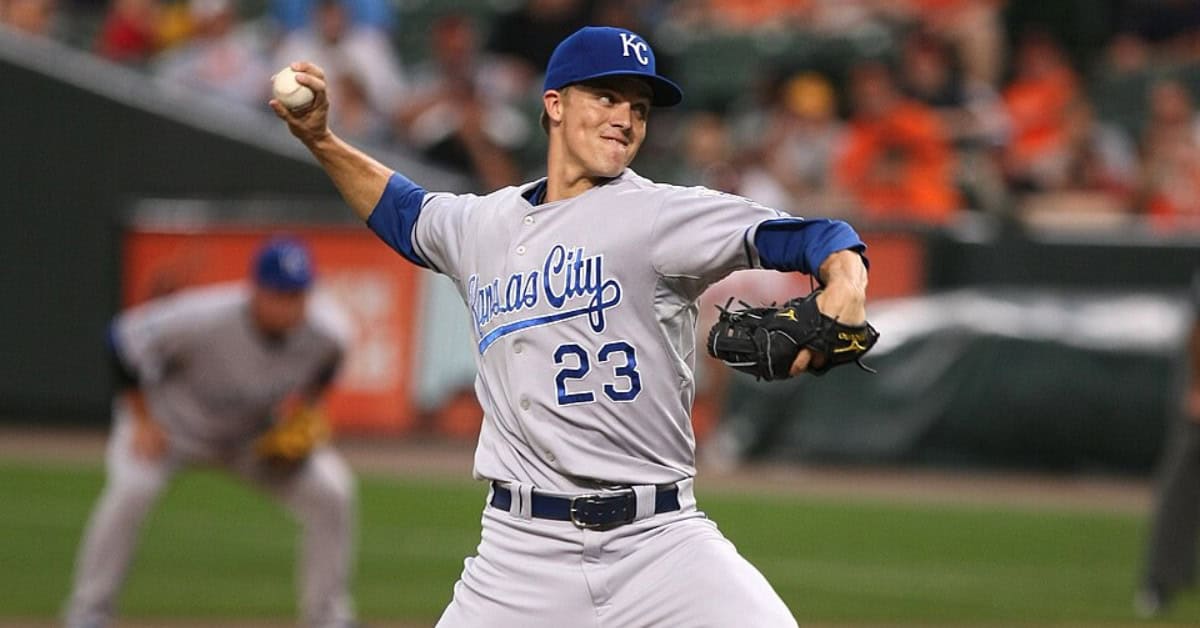
Zack Greinke’s 2009 Cy Young Award season remains one of the most dominant individual performances in Royals history, posting a 16-8 record with a microscopic 2.16 ERA. His journey from anxiety-ridden prospect to elite ace inspired countless fans who understood that greatness sometimes comes wrapped in vulnerability. Greinke’s pinpoint control and devastating slider made him must-see television during his Kansas City tenure, proving that small-market teams could still develop world-class talent.
17. Johnny Damon – The Long-Haired Leadoff Man Before Boston Broke Hearts
Before Johnny Damon became a Boston icon, he was Kansas City’s long-haired leadoff catalyst who brought energy and excitement to Kauffman Stadium. His six seasons with the Royals (1995-2000) featured a .292 average and the kind of aggressive baserunning that made every at-bat an adventure. Damon’s infectious smile and fearless style perfectly captured the spirit of 1990s baseball, when players still looked like rock stars and every game felt like a celebration.
| Johnny Damon — Career | Total |
|---|---|
| G | 2490 |
| AB | 9736 |
| H | 2769 |
| HR | 235 |
| RBI | 1139 |
| SB | 408 |
| AVG | .284 |
| OBP | .352 |
| SLG | .433 |
| OPS | .785 |
| All-Star selections | 2 |
| World Series titles | 2 |
16. Jeff Montgomery – The Closer Who Made the 90s Royals Respectable
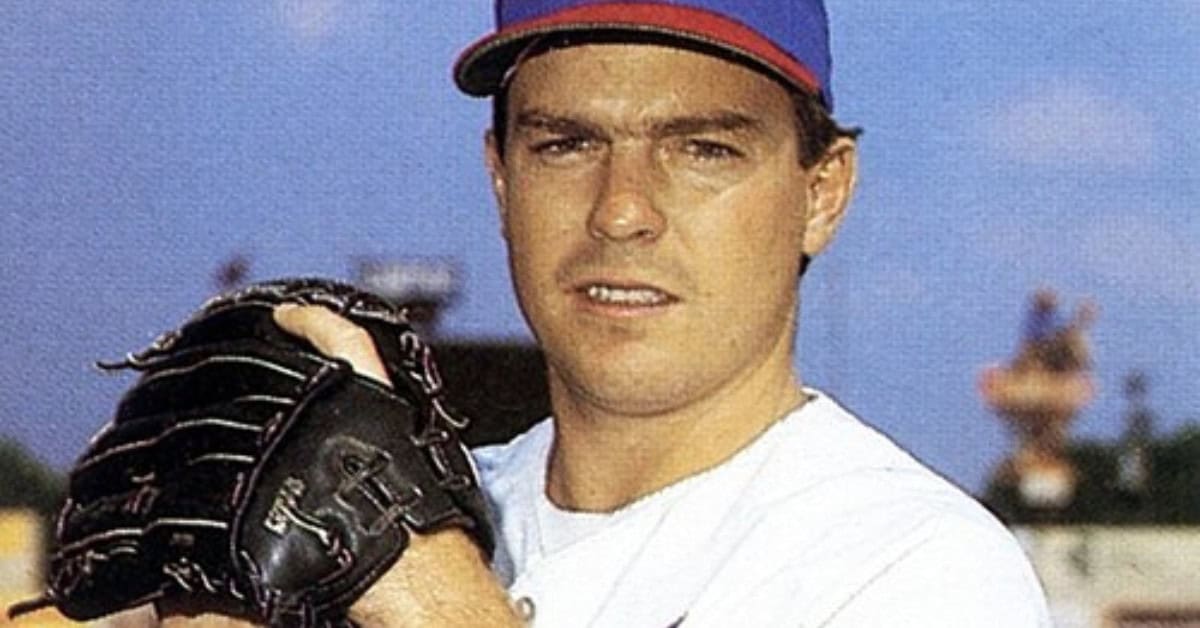
Jeff Montgomery’s 304 career saves remain a Royals franchise record, earned through a decade of excellence when Kansas City needed every victory it could get. His devastating slider and ice-cold composure made him one of the American League’s premier closers throughout the 1990s, posting a 3.27 ERA across 10 seasons. Montgomery proved that even during rebuilding years, individual excellence could provide hope and excitement for fans who refused to abandon their team through thick and thin.
| Jeff Montgomery — Career | Total |
|---|---|
| W | 46 |
| L | 52 |
| ERA | 3.27 |
| G | 700 |
| IP | 868.2 |
| SO | 733 |
| WHIP | 1.24 |
| SV | 304 |
| All-Star selections | 3 |
15. Larry Gura – The Crafty Lefty Who Outlasted All the Flame-Throwers
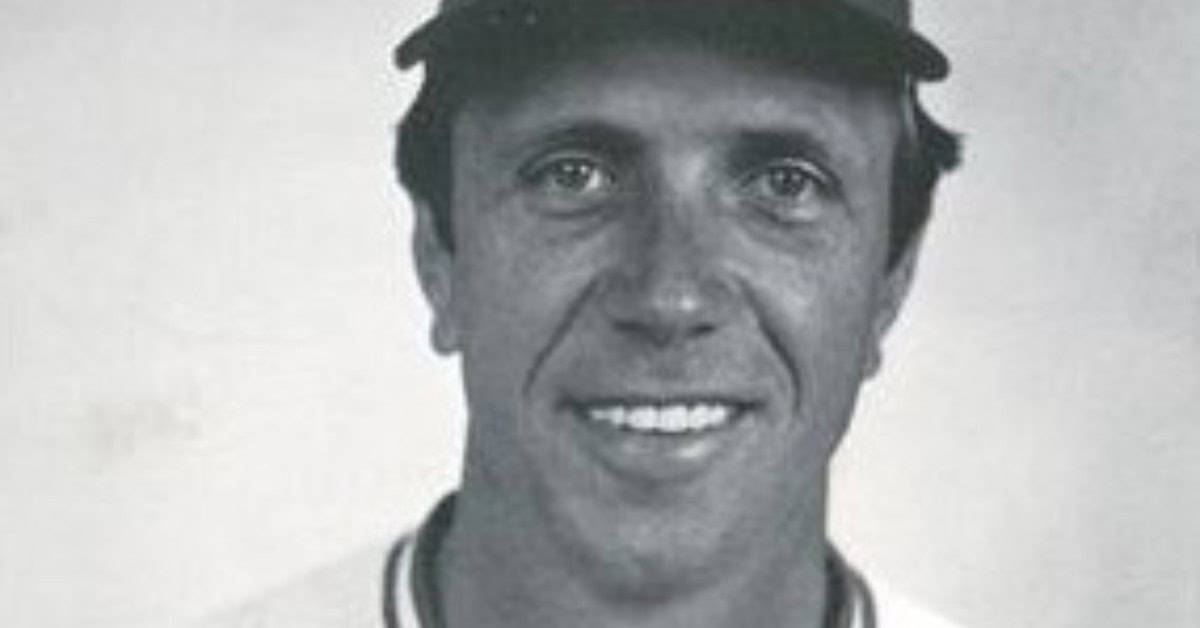
Larry Gura didn’t overpower hitters—he outsmarted them with guile, location, and an understanding of pitching that bordered on genius. His 11 seasons with Kansas City (1976-1985) produced a 111-78 record and consistent excellence that anchored championship-caliber rotations. Gura’s ability to change speeds and hit spots made him the perfect complement to harder-throwing teammates, proving that baseball success comes in many different packages, all of them requiring intelligence and determination.
| Larry Gura — Career | Total |
|---|---|
| W | 126 |
| L | 97 |
| ERA | 3.76 |
| G | 403 |
| IP | 2047.0 |
| SO | 802 |
| WHIP | 1.28 |
| SV | 14 |
| All-Star selections | 1 |
14. Cookie Rojas – The Venezuelan Infielder Who Made Kansas City Home
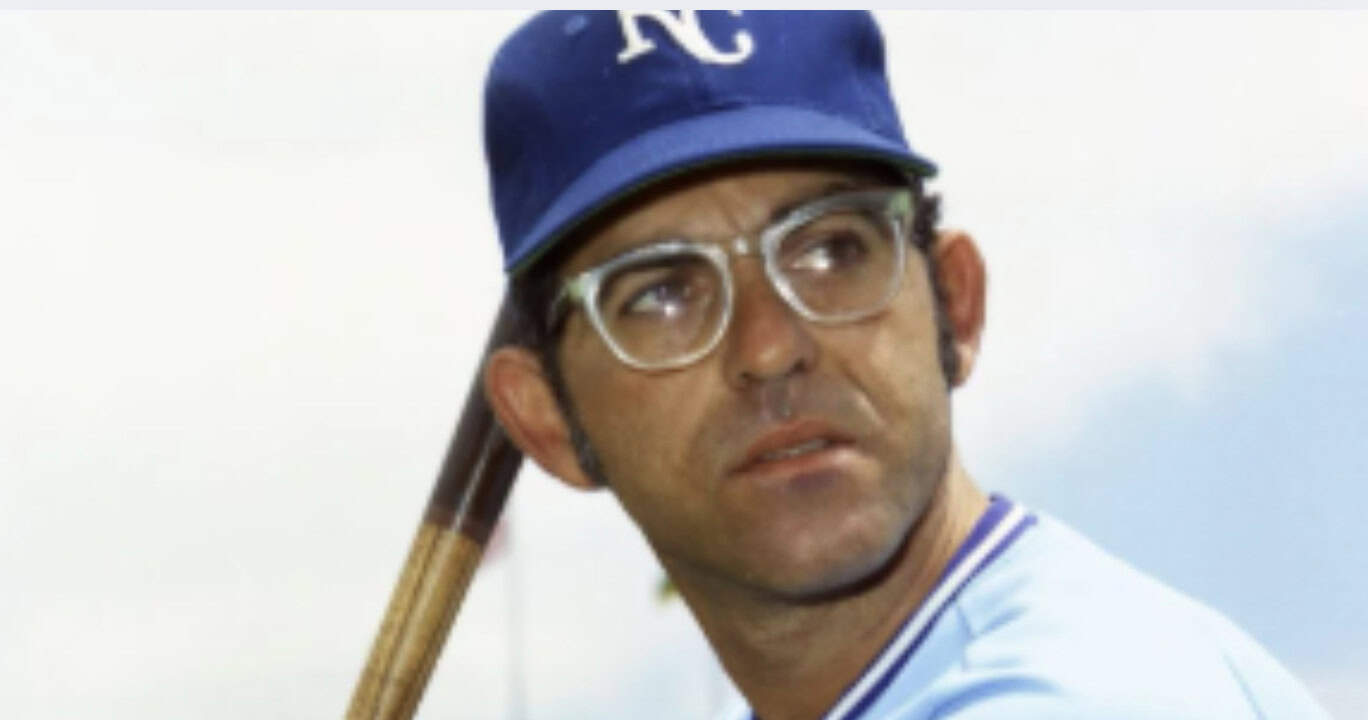
Cookie Rojas brought Venezuelan flair and infectious enthusiasm to the early Royals, becoming one of the franchise’s first beloved international stars. His eight seasons in Kansas City (1970-1977) featured versatile defense and clutch hitting that helped establish the winning culture that would define the organization. Rojas’s warm personality and professional approach made him a fan favorite who proved that baseball truly was America’s pastime—welcoming to all who played with heart and respect for the game.
13. Paul Splittorff – The Original Royal Who Pitched Through Three Decades

Paul Splittorff holds the distinction of being the first player drafted by the Kansas City Royals, and his 15-year career (1970-1984) embodied everything the franchise hoped to become. His 166-143 record and 3.81 ERA represented consistency and durability in an era when starting pitchers were expected to finish what they started. Splittorff’s loyalty to Kansas City and his role in establishing the franchise’s early identity made him a beloved figure who proved that hometown heroes could indeed become legends.
| Paul Splittorff — Career | Total |
|---|---|
| W | 166 |
| L | 143 |
| ERA | 3.81 |
| G | 429 |
| IP | 2554.2 |
| SO | 1057 |
| WHIP | 1.34 |
| SV | 1 |
12. Steve Busby – The No-Hit King Who Threw Fire Before His Arm Gave Out
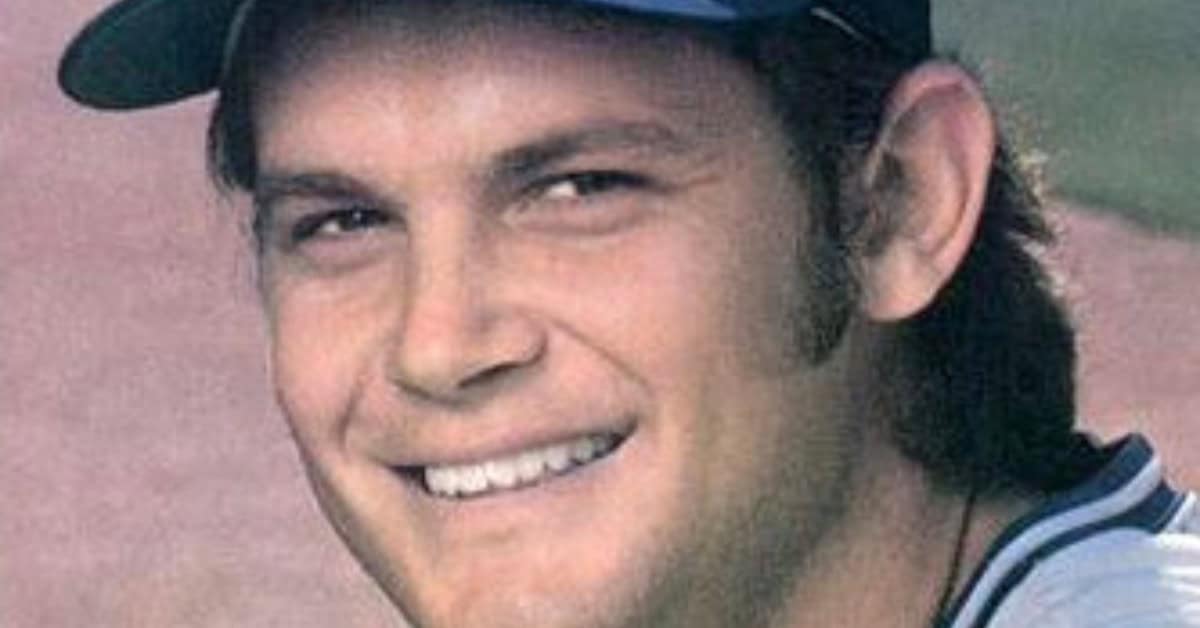
Steve Busby’s two no-hitters in 1973 and 1974 announced to the baseball world that Kansas City was serious about competing at the highest level. His blazing fastball and fearless approach made him one of the American League’s most dominant pitchers before arm injuries cut short a promising career. Busby’s 70-54 record and 3.72 ERA during his seven seasons represented pure potential realized, reminding fans that sometimes the brightest flames burn the shortest but leave the most lasting impressions.
| Steve Busby — Career | Total |
|---|---|
| W | 70 |
| L | 54 |
| ERA | 3.72 |
| G | 167 |
| IP | 1060.2 |
| SO | 659 |
| WHIP | 1.35 |
| SV | 0 |
| All-Star selections | 2 |
11. U.L. Washington – The Toothpick-Chewing Shortstop Who Sparked Championships
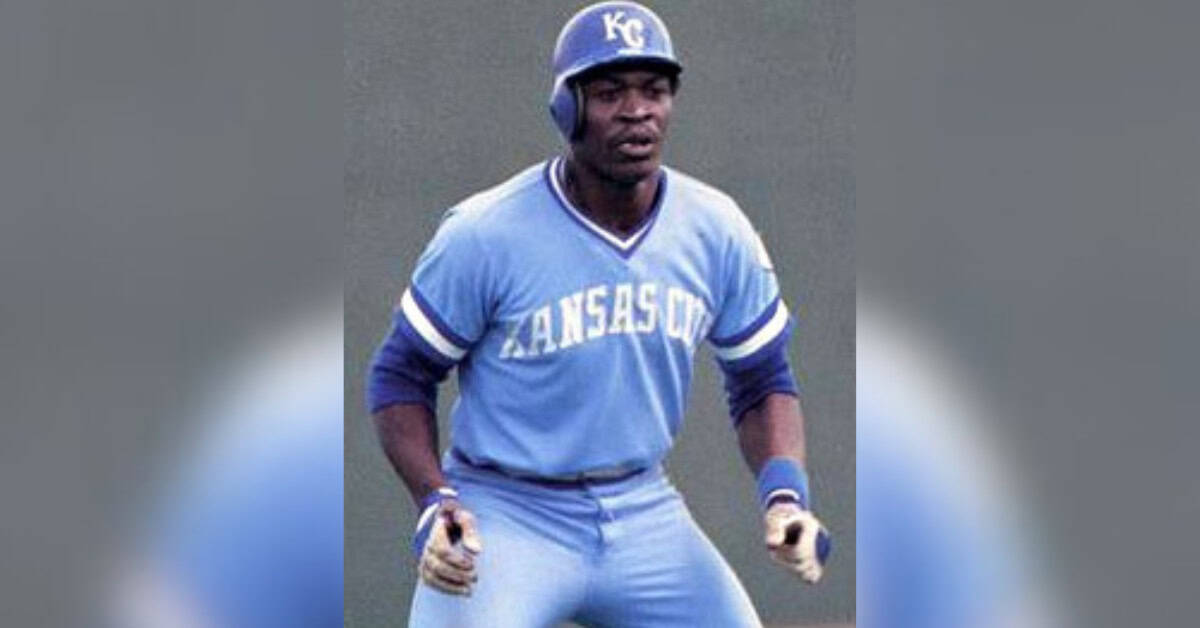
U.L. Washington’s trademark toothpick and switch-hitting prowess made him one of the most distinctive players of the Royals’ championship era. His nine seasons in Kansas City (1977-1984) featured clutch hitting and steady defense that provided the perfect complement to the team’s superstars. Washington’s .254 career average and ability to deliver in crucial moments proved that championship teams are built on role players who understand their importance, making every contribution count when October dreams are on the line.
10. Kevin Appier – The Sidewinding Ace Who Deserved Better Teams
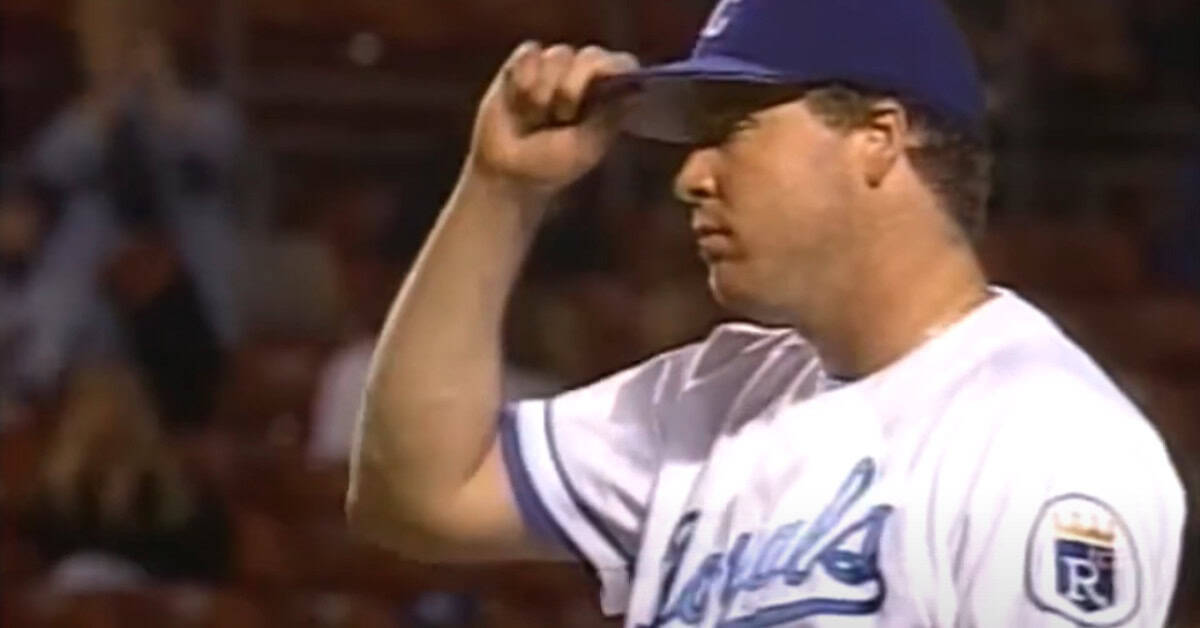
Kevin Appier’s devastating slider and unique delivery made him one of the most unhittable pitchers of the 1990s, even as he toiled for mediocre Royals teams that couldn’t provide adequate offensive support. His 115-92 record and 3.49 ERA across 13 Kansas City seasons represented individual excellence in the face of organizational struggles. Appier’s 1,458 strikeouts as a Royal showcased the kind of dominant stuff that deserved postseason stages, making him a beloved figure among fans who appreciated pure pitching artistry regardless of team success.
| Kevin Appier — Career | Total |
|---|---|
| W | 169 |
| L | 137 |
| ERA | 3.74 |
| G | 414 |
| IP | 2595.1 |
| SO | 1994 |
| WHIP | 1.29 |
| SV | 0 |
| All-Star selections | 1 |
| World Series titles | 1 |
9. Alex Gordon – The Home-Grown Hero Who Saved Game 1 with One Swing
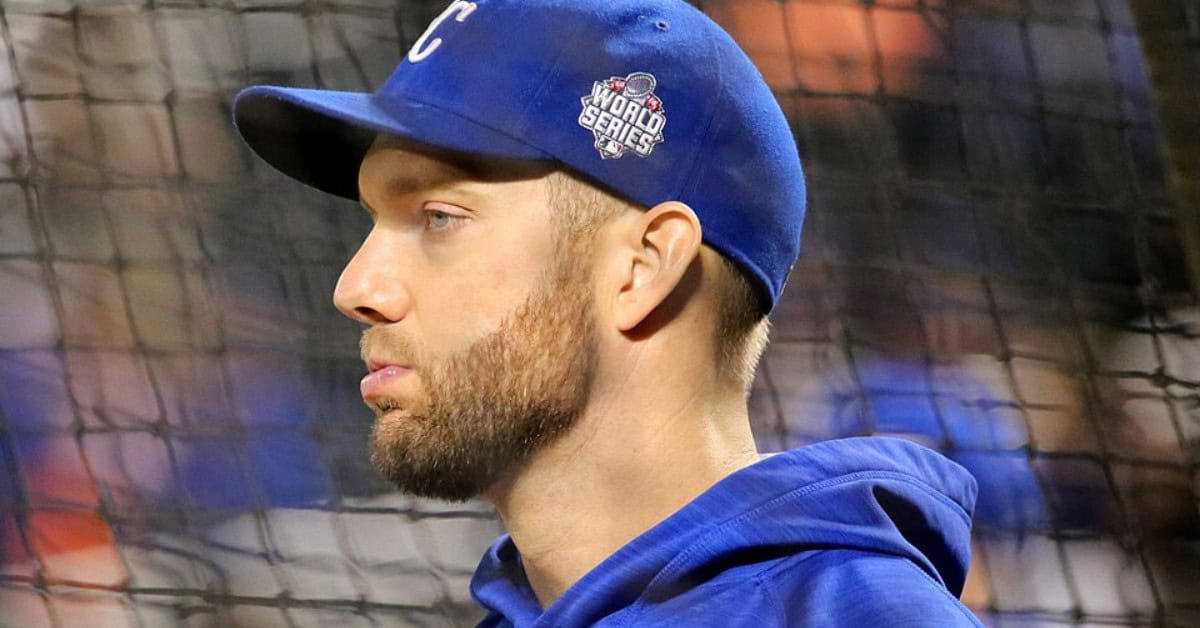
Alex Gordon’s game-tying home run in the ninth inning of Game 1 of the 2015 World Series represents everything beautiful about baseball—hope, redemption, and perfect timing. His 14 seasons in Kansas City featured Gold Glove defense, clutch hitting, and the kind of steady professionalism that championship organizations require. Gordon’s transformation from struggling infielder to elite outfielder proved that perseverance and adaptation could turn potential disappointments into franchise cornerstones, making him the perfect symbol of Royals resilience.
| Alex Gordon — Career | Total |
|---|---|
| G | 1753 |
| AB | 6391 |
| H | 1643 |
| HR | 190 |
| RBI | 749 |
| SB | 113 |
| AVG | .257 |
| OBP | .338 |
| SLG | .410 |
| OPS | .748 |
| All-Star selections | 3 |
| Gold Gloves | 8 |
| World Series titles | 1 |
8. Salvador Perez – The World Series MVP Who Caught Lightning in a Bottle
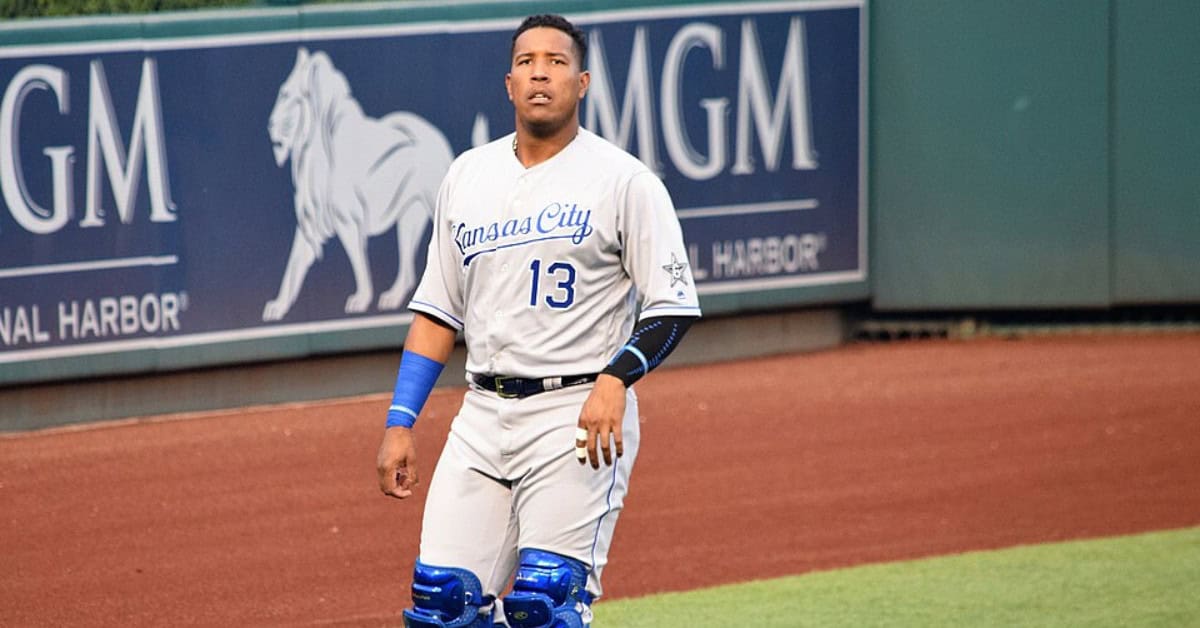
Salvador Perez’s infectious smile and clutch hitting made him the emotional heartbeat of Kansas City’s championship teams, culminating with World Series MVP honors in 2015. His defensive excellence behind the plate and ability to deliver in crucial moments (.364 average in the 2015 World Series) proved that catchers could indeed be the most valuable players on championship teams. Perez’s eight All-Star selections and unwavering loyalty to Kansas City have made him a modern-day Royal legend who embodies everything fans love about their franchise.
| Salvador Perez — Career | Total |
|---|---|
| G | 1818 |
| AB | 6907 |
| H | 1804 |
| HR | 319 |
| RBI | 1065 |
| SB | 6 |
| AVG | .261 |
| OBP | .299 |
| SLG | .452 |
| OPS | .751 |
| All-Star selections | 9 |
| Gold Gloves | 5 |
| Silver Sluggers | 5 |
| World Series titles | 1 |
7. Willie Wilson – The Speed Demon Who Stole Hearts and Bases
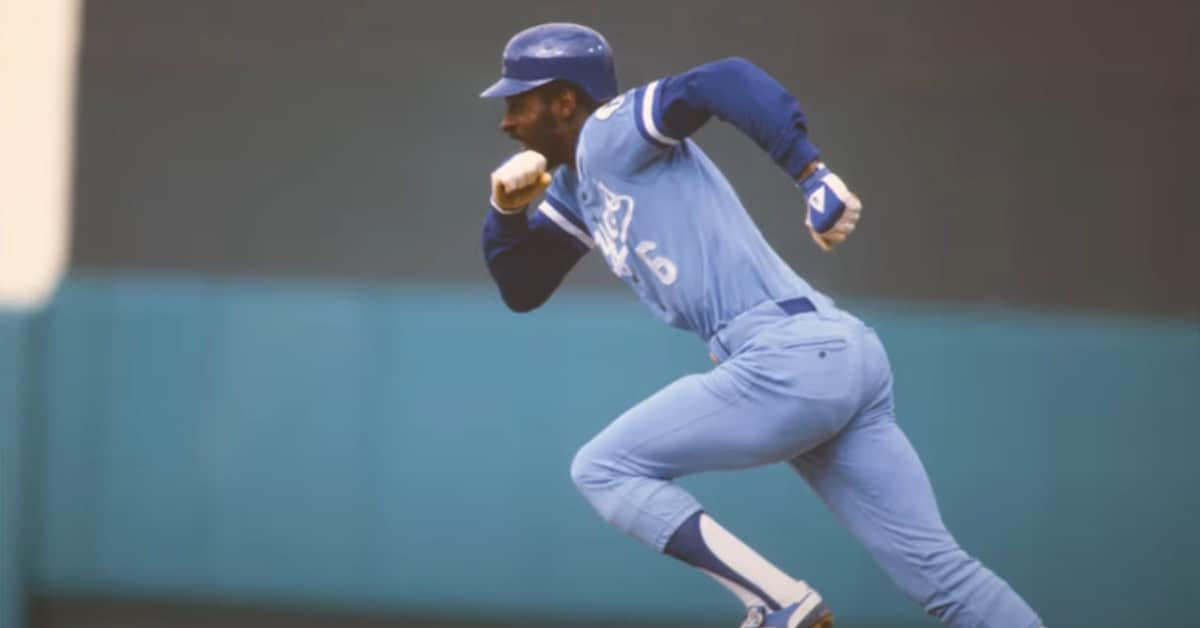
Willie Wilson’s blazing speed and switch-hitting ability made every at-bat an adventure during his 14 seasons in Kansas City (1976-1990). His 668 stolen bases as a Royal and .285 career average showcased the kind of dynamic athleticism that turned routine ground balls into infield hits and transformed the Royals into one of baseball’s most exciting teams. Wilson’s 1982 batting title (.332) and his role in two World Series appearances proved that speed kills—and thrills—in ways that power never could.
| Willie Wilson — Career | Total |
|---|---|
| G | 2154 |
| AB | 7731 |
| H | 2207 |
| HR | 41 |
| RBI | 585 |
| SB | 668 |
| AVG | .285 |
| OBP | .326 |
| SLG | .376 |
| OPS | .702 |
| All-Star selections | 2 |
| Gold Gloves | 1 |
| Silver Sluggers | 2 |
| World Series titles | 1 |
6. Dennis Leonard – The Workhorse Who Anchored a Championship Rotation
Dennis Leonard’s 144-106 record and 3.70 ERA across 12 seasons represented the kind of consistent excellence that championship teams require from their ace. His devastating curveball and competitive fire made him the anchor of the Royals’ rotations throughout the 1970s and early 1980s, including three 20-win seasons that established Kansas City as a legitimate contender. Leonard’s durability and clutch postseason performances proved that great pitchers rise to meet great moments, making him an essential piece of the franchise’s golden era.
5. Dan Quisenberry – The Submarine Closer Who Made Saves Look Easy

Dan Quisenberry’s submarine delivery and pinpoint control revolutionized the closer position while helping Kansas City win the 1985 World Series championship. His 238 saves as a Royal and microscopic 2.76 ERA made him one of the most dominant relievers in baseball history, earning five American League save titles. “Quiz” combined unhittable stuff with a quick wit and humble demeanor that made him beloved by teammates and fans alike, proving that heroes come in all shapes, sizes, and arm angles.
| Dan Quisenberry — Career | Total |
|---|---|
| W | 56 |
| L | 46 |
| ERA | 2.76 |
| G | 674 |
| IP | 1043.1 |
| SO | 379 |
| WHIP | 1.18 |
| SV | 244 |
| All-Star selections | 3 |
| World Series titles | 1 |
4. Bret Saberhagen – The Two-Time Cy Young Winner Who Owned October
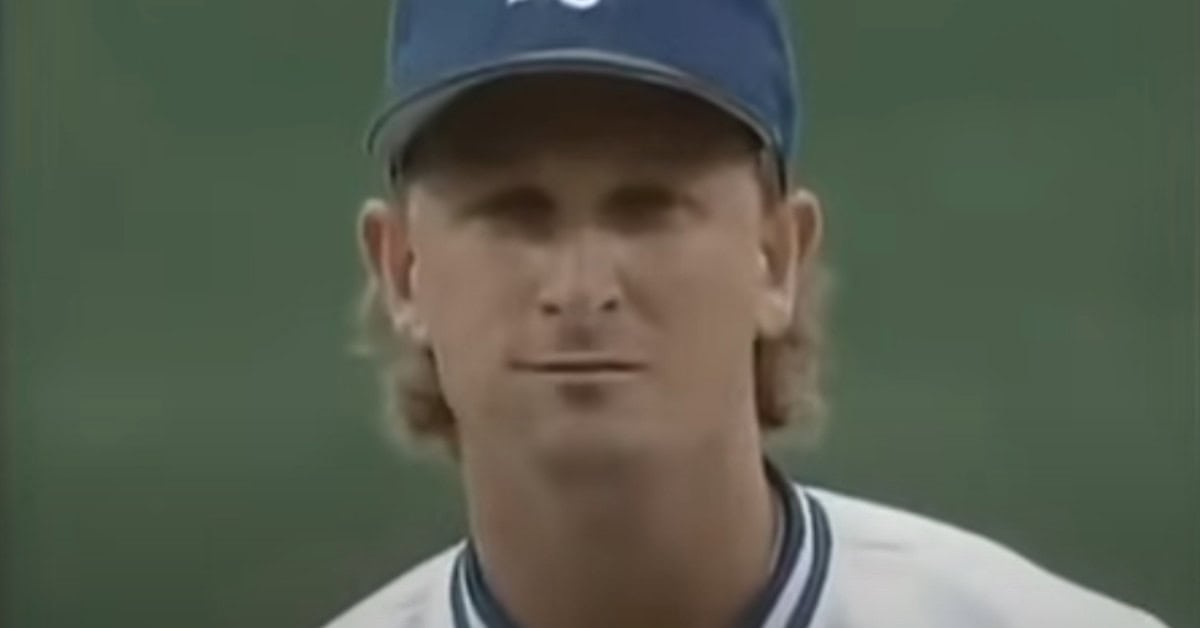
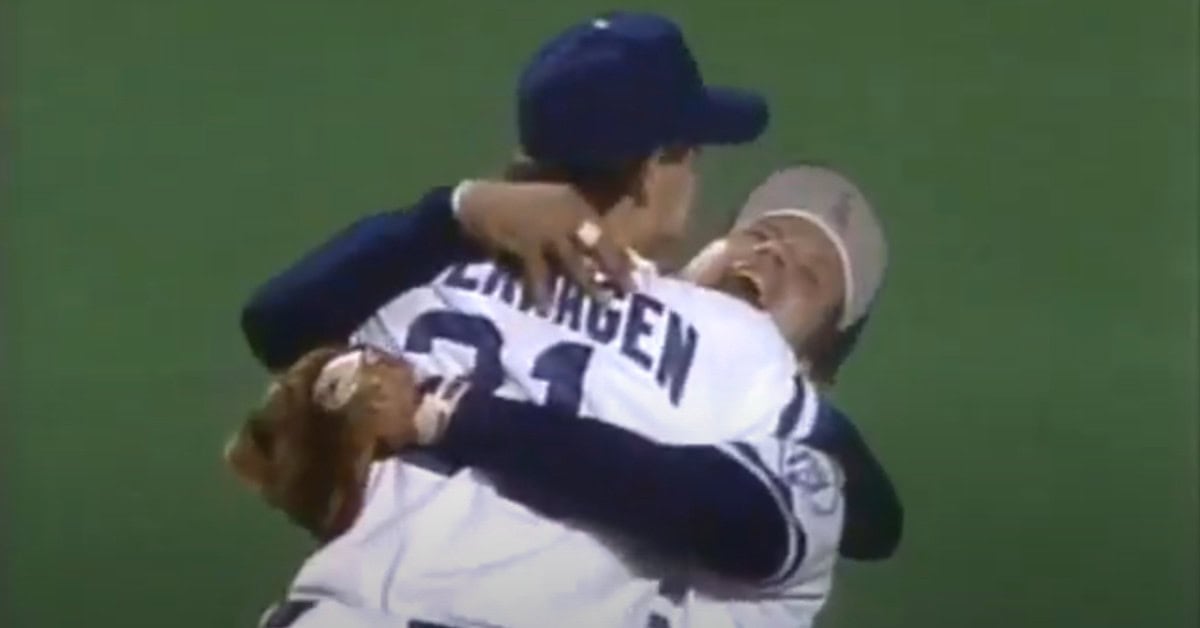
Bret Saberhagen’s two Cy Young Awards (1985, 1989) and World Series MVP performance in 1985 established him as one of the most dominant pitchers in Royals history. His 110-78 record and 3.21 ERA during eight Kansas City seasons featured the kind of postseason excellence that legends are built upon. Saberhagen’s perfect control and devastating changeup made him nearly unhittable when the stakes were highest, proving that great pitchers don’t just win games—they win championships and create memories that last forever.
| Bret Saberhagen — Career | Total |
|---|---|
| W | 167 |
| L | 117 |
| ERA | 3.34 |
| G | 399 |
| IP | 2562.2 |
| SO | 1715 |
| WHIP | 1.14 |
| SV | 1 |
| Cy Young | 2 |
| All-Star selections | 3 |
| Gold Gloves | 1 |
| World Series titles | 1 |
3. Hal McRae – The Designated Hitter Who Invented Professional Hitting
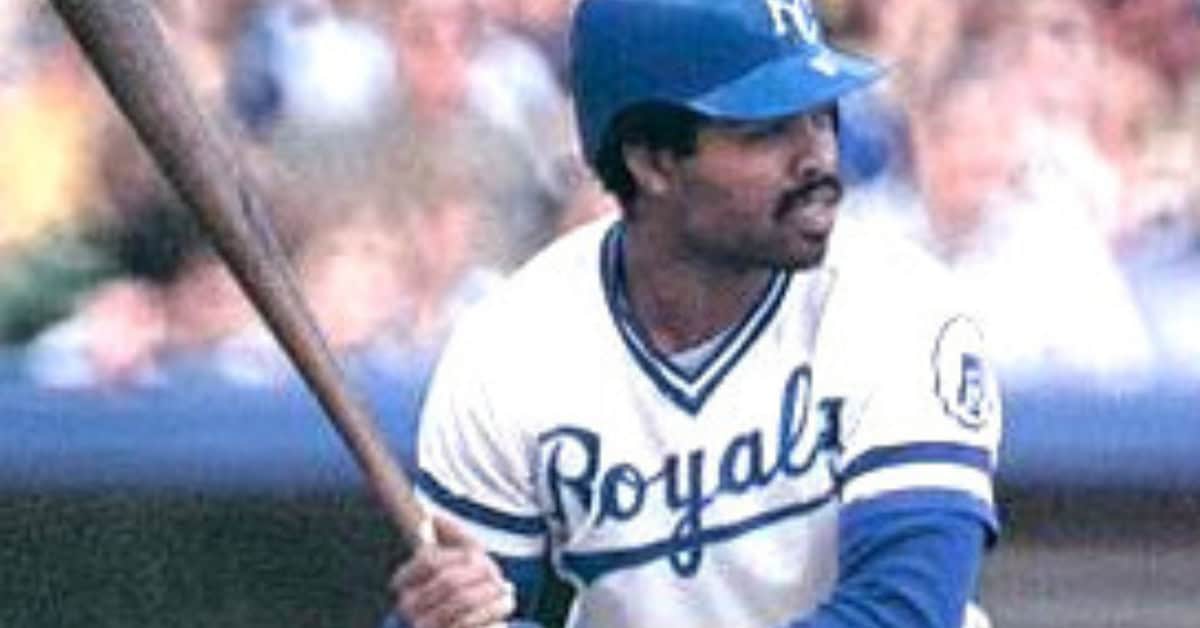
Hal McRae transformed the designated hitter position from afterthought to art form, posting a .293 career average with 169 home runs during his 15 seasons in Kansas City. His intense preparation and clutch hitting made him the perfect complement to George Brett, forming one of the most feared offensive duos in American League history. McRae’s three All-Star selections and role in multiple championship teams proved that professional hitters could indeed change the course of games, seasons, and franchise history through pure dedication to their craft.
2. Frank White – The Gold Glove Magician Who Made Second Base an Art Form
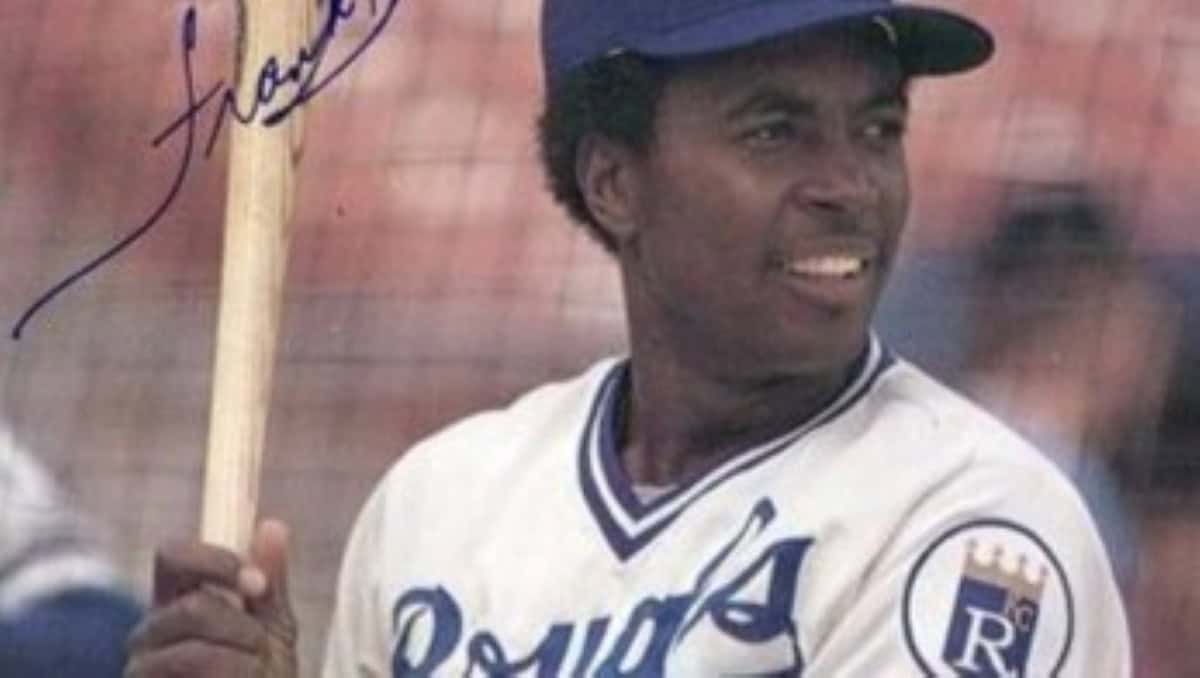
Frank White’s eight Gold Glove Awards and 18 seasons in Kansas City established him as the greatest defensive second baseman in franchise history and one of the best ever to play the position. His .255 career average and 160 home runs provided steady offensive production, but it was his magical glove work that turned routine ground balls into works of art. White’s acrobatic double plays and impossible diving catches became the standard by which all future Royals infielders would be measured, proving that defensive excellence could indeed make a player legendary.
| Frank White — Career | Total |
|---|---|
| G | 2324 |
| AB | 7859 |
| H | 2006 |
| HR | 160 |
| RBI | 886 |
| SB | 178 |
| AVG | .255 |
| OBP | .293 |
| SLG | .383 |
| OPS | .676 |
| All-Star selections | 5 |
| Gold Gloves | 8 |
| Silver Sluggers | 1 |
| World Series titles | 1 |
1. George Brett – The Pine Tar Prince Who Made .400 Feel Possible Again

George Brett’s .305 career average, 317 home runs, and three batting titles made him not just the greatest Royal ever, but one of baseball’s all-time legends. His 1980 season (.390 average) brought the magic of .400 within tantalizing reach, while his pine tar incident became part of baseball folklore. Brett’s 21-year career in Kansas City, culminating with the 1985 World Series championship, represented everything beautiful about baseball—passion, excellence, and unwavering loyalty to the city and fans who loved him unconditionally.
| George Brett — Career | Total |
|---|---|
| G | 2707 |
| AB | 10349 |
| H | 3154 |
| HR | 317 |
| RBI | 1596 |
| SB | 201 |
| AVG | .305 |
| OBP | .369 |
| SLG | .487 |
| OPS | .856 |
| MVP | 1 |
| All-Star selections | 13 |
| Gold Gloves | 1 |
| Silver Sluggers | 3 |
| World Series titles | 1 |