Last Updated: June 17th, 2026 by Matthew Brown
Before launch angles and exit velocity dominated baseball talk, Detroit was home to a different breed of baseball hero. From Mickey Lolich’s World Series magic to Sweet Lou’s silky smooth defense, these Tigers legends wrote their own chapters in baseball history without ever getting the call to Cooperstown. Let’s remember the players who made Tiger Stadium shake and Comerica Park roar.
Don't lose this article. Enter your email below, and I'll send it to you right now. Plus, we'll send you other unbelievable stories from baseball's past.
19. Mickey Lolich: The ’68 Series Hero Who Owned Gibson

In the 1968 World Series, Mickey Lolich did the unthinkable – he outdueled Bob Gibson in Game 7. Three complete-game victories in a single World Series remains one of baseball’s most remarkable achievements. The portly left-hander proved that you didn’t need to look like an athlete to become a Detroit legend.
18. Bill Freehan: The Iron Man Behind the Plate
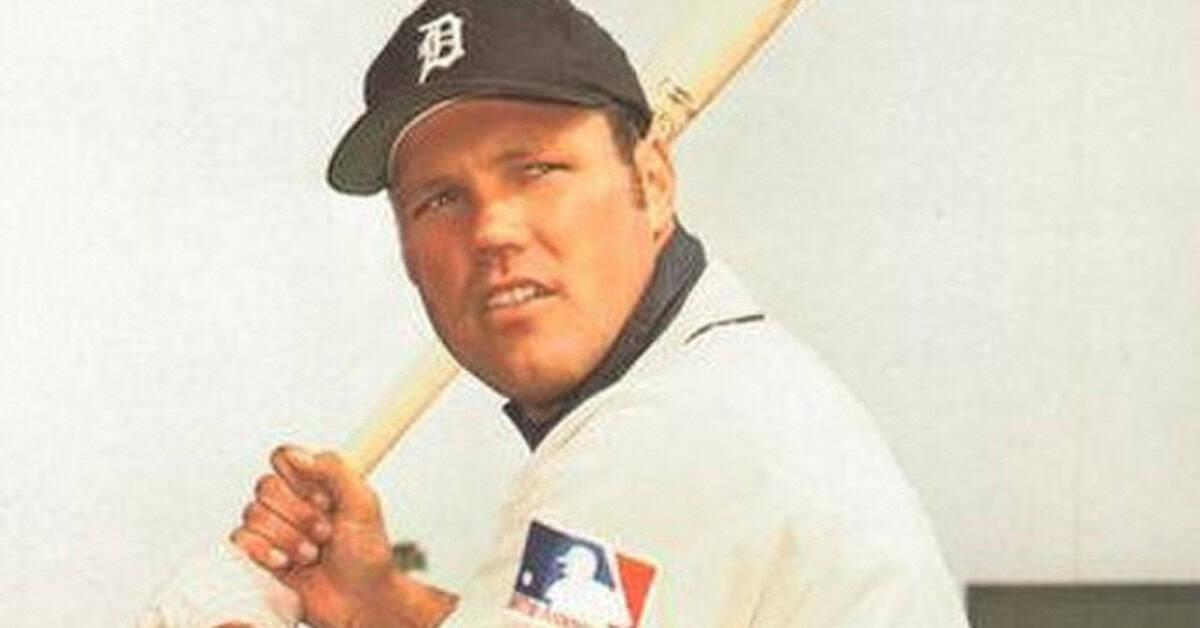
For 15 years, Bill Freehan was the rock upon which the Tigers’ success was built. His 11 All-Star selections and five straight Gold Gloves barely tell the story of his importance to those great Tigers teams. The image of him catching Willie Horton’s throw and tagging out Lou Brock in the ’68 Series remains one of Detroit’s most iconic baseball moments.
17. Willie Horton: Detroit’s Own Left Field Legend
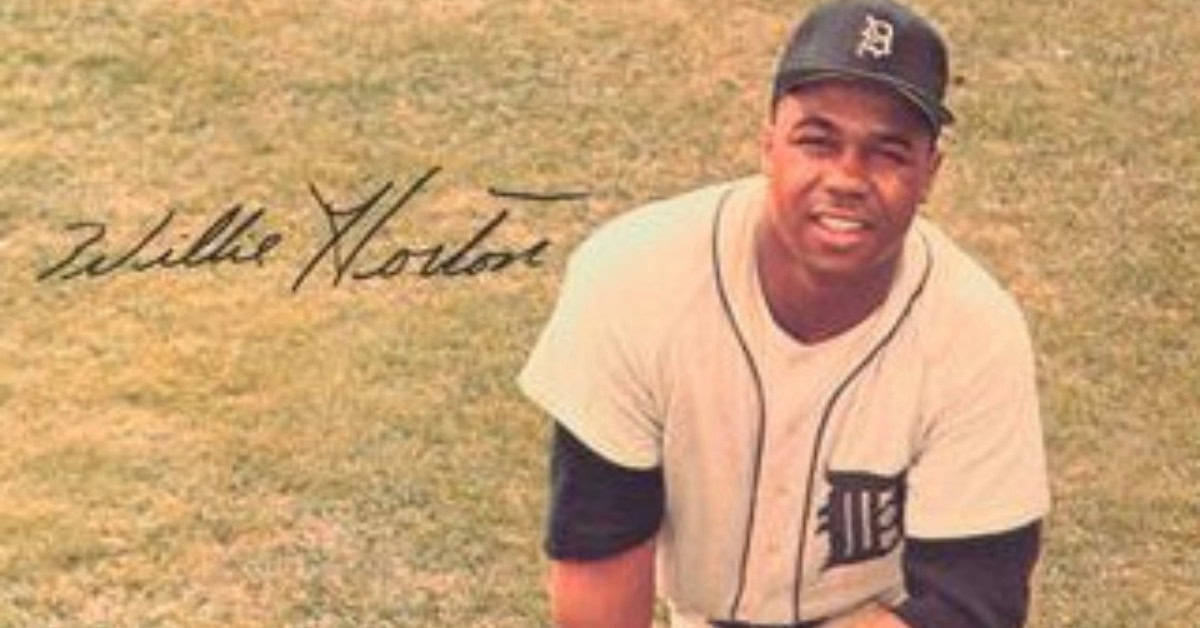
Before he was a Tigers legend, Willie Horton was a Detroit Northwestern High School star who made good. His perfect throw to nail Lou Brock in Game 5 of the ’68 Series changed baseball history, but it was his role in the 1967 Detroit riots, still in uniform, that showed his true importance to the city. His statue at Comerica Park stands as testament to a man who was more than just a ballplayer.
16. Cecil Fielder: Big Daddy’s Moonshots Over the Motor City
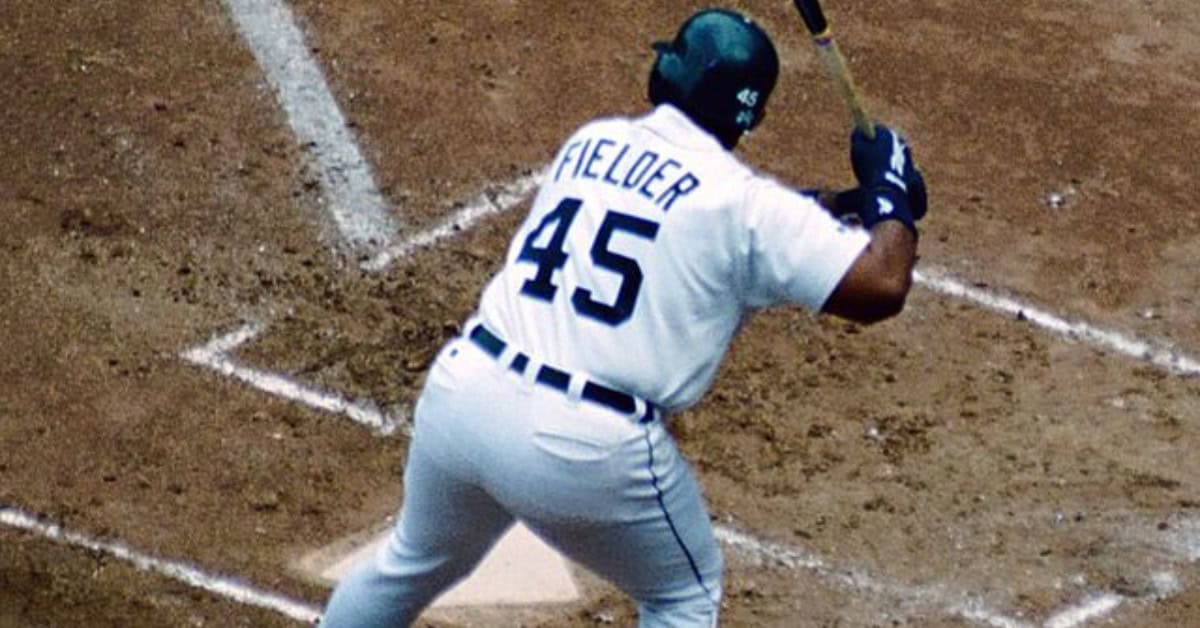
When Cecil Fielder returned from Japan in 1990, nobody expected him to become the first Tiger to hit 50 home runs since Hank Greenberg. Big Daddy’s mammoth shots didn’t just clear the fence – they threatened to leave Tiger Stadium entirely. The only thing bigger than his home runs was his smile, which lit up Detroit during some otherwise dark baseball years.
15. Prince Fielder: The Next Generation of Power
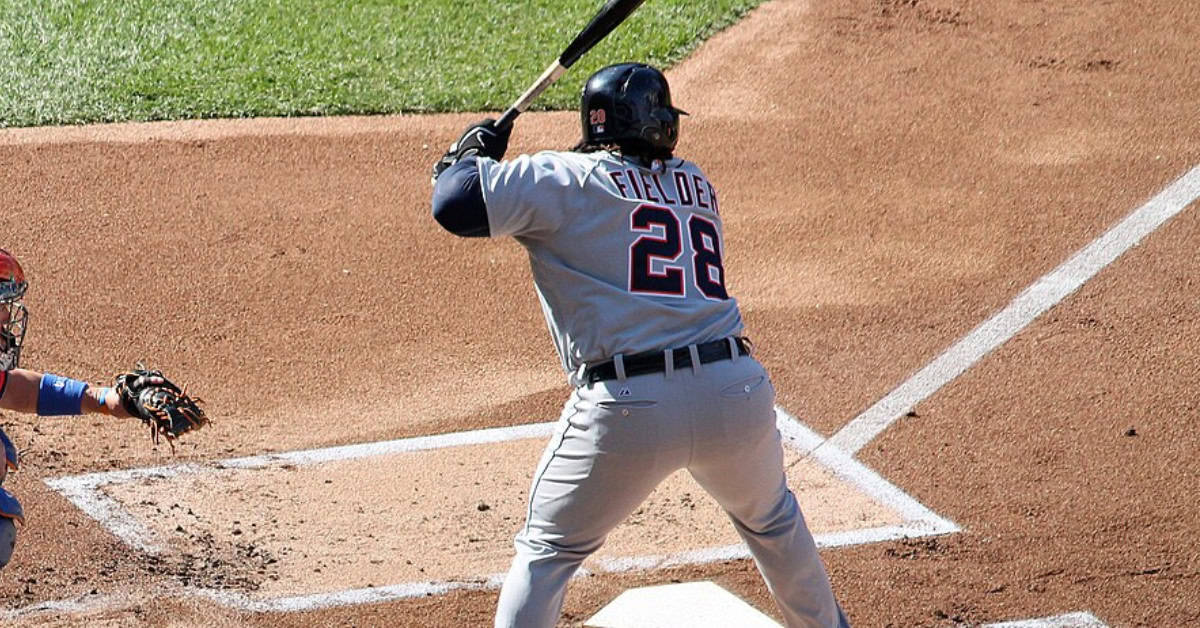
Like father, like son – Prince Fielder brought both power and joy to Detroit, just as Cecil had two decades earlier. His massive frame and even bigger personality made him an instant fan favorite, while his 2012 season helped carry the Tigers to the World Series. Those father-son batting practice sessions at Tiger Stadium came full circle when Prince donned the Old English D.
14. Lance Parrish: The Big Wheel Behind the Dish
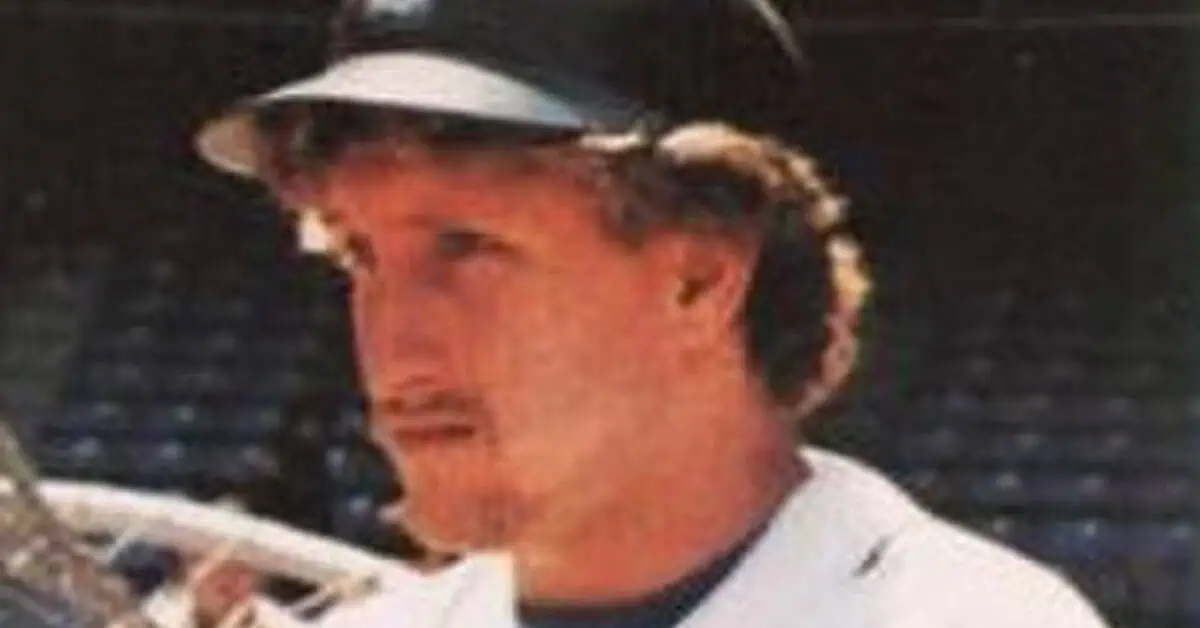
Built like a linebacker but nimble as a gymnast, Lance Parrish redefined what a catcher could be in the 1980s. His six Silver Sluggers and three Gold Gloves with Detroit proved you could excel at both sides of the plate. When he gunned down Rickey Henderson trying to steal in ’84, even the speedster had to tip his cap.
13. Lou Whitaker: Sweet Lou’s Smooth Symphony

For 19 seasons, Lou Whitaker made the difficult look routine at second base. His partnership with Alan Trammell produced more double plays than any duo in baseball history, yet somehow Sweet Lou still waits for Cooperstown’s call. The quiet excellence and smooth style made him the perfect complement to Trammell’s flash.
12. Darrell Evans: The Overlooked Power of the ’80s
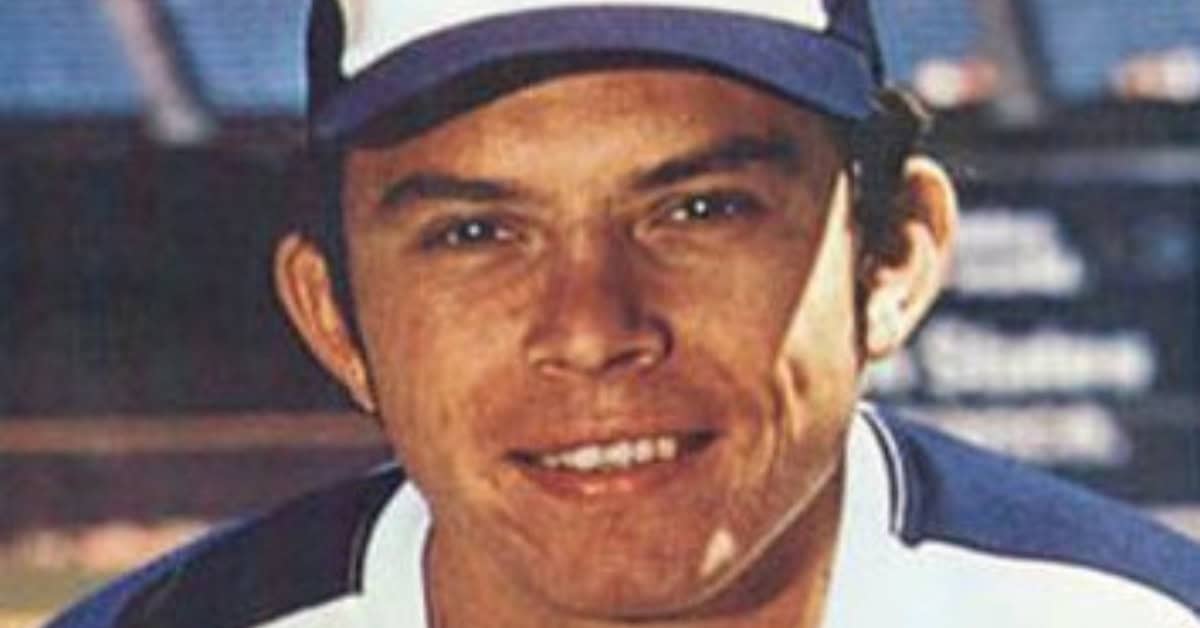
When Darrell Evans became the first 40-year-old to hit 30 home runs in 1987, he proved that age was just a number. His late-career renaissance in Detroit included becoming the oldest player to lead the American League in home runs. The left-handed power stroke was perfect for Tiger Stadium’s short porch in right field.
11. Kirk Gibson: The Limping Hero Who Could Still Crush
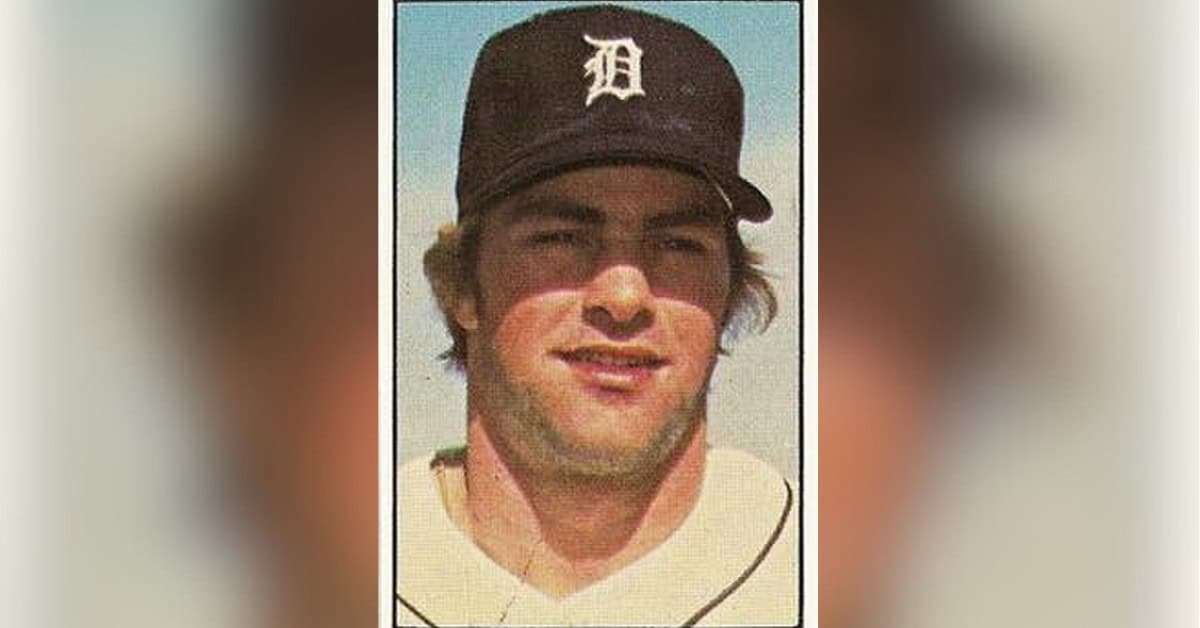
Before his famous World Series homer for the Dodgers, Kirk Gibson was Detroit’s emotional catalyst. His three-run homer off Goose Gossage in the 1984 Series clincher remains one of Tiger Stadium’s most electric moments. The former Michigan State wide receiver brought football intensity to the baseball diamond, and Detroit loved him for it.
10. John Hiller: The Comeback King of the Bullpen
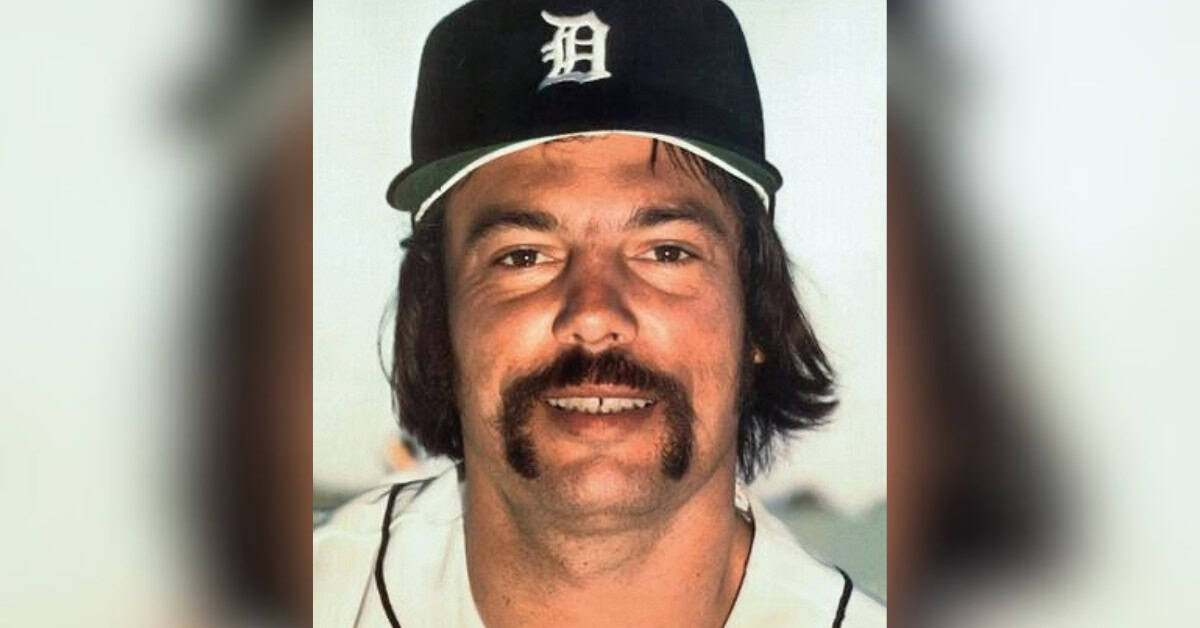
After suffering a heart attack at age 27, John Hiller didn’t just return to baseball – he revolutionized relief pitching. His 1973 season (38 saves, 1.44 ERA) set records and showed that closers could be more than one-inning specialists. The Canadian lefty’s comeback remains one of baseball’s most inspiring stories.
9. Dick McAuliffe: The Stance That Defied Physics
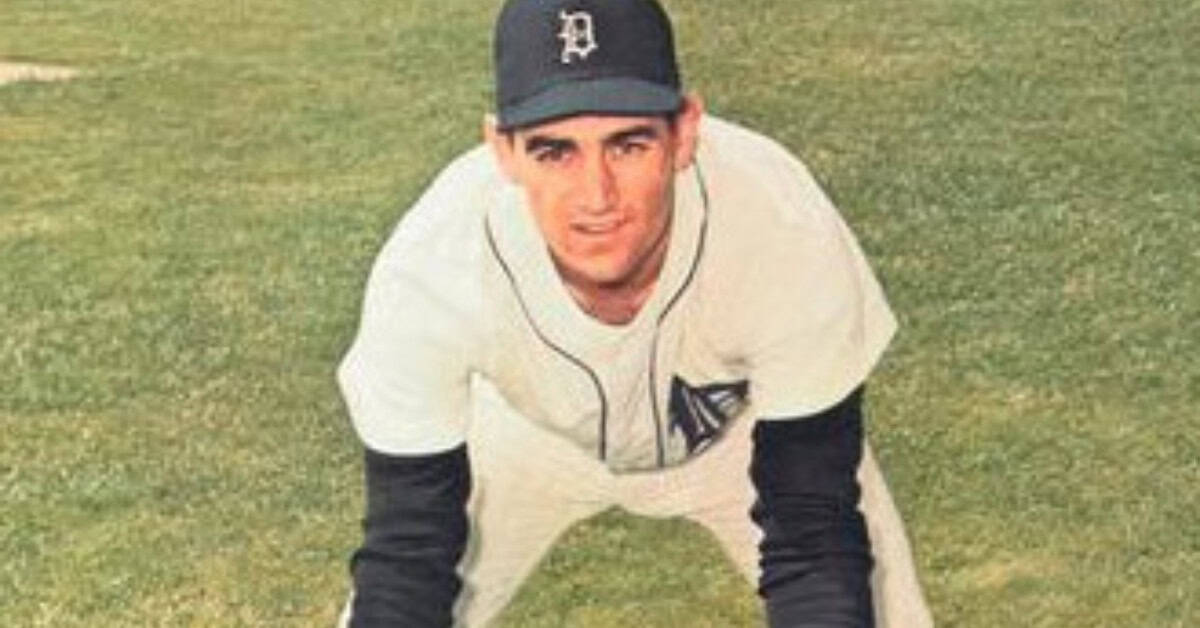
With a batting stance that looked like he was sitting in an invisible chair, Dick McAuliffe proved that unorthodox could be effective. His open stance and high kick became a Detroit trademark during the ’60s, while his leadership at shortstop and second base helped build the ’68 champions. Little League coaches cringed, but Tigers fans cheered.
8. Mickey Tettleton: The Switch-Hitting Fruit Loop Lover
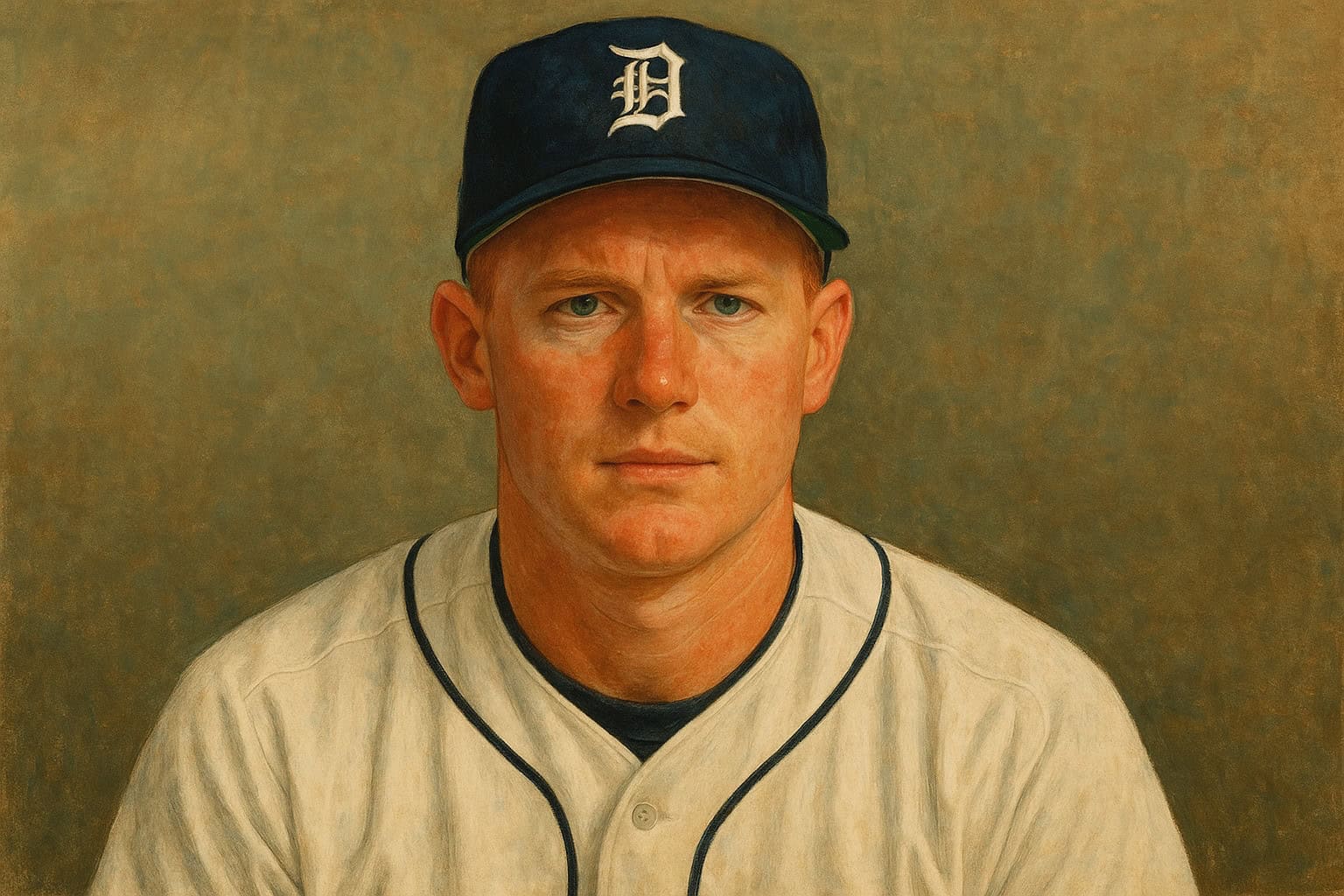
Famous for eating Fruit Loops before every game, Mickey Tettleton brought quirky power to Detroit’s lineup in the ’90s. His uppercut swing seemed designed for Tiger Stadium’s overhang, and his patience at the plate (he led the league in walks twice) made him the perfect complement to Cecil Fielder’s raw power. The breakfast of champions never tasted so good.
7. Travis Fryman: The Quiet Star of the ’90s

While others grabbed headlines, Travis Fryman quietly became one of the AL’s best third basemen. His five All-Star selections and steady defense provided stability during turbulent times in Detroit. The Mississippi native brought Southern stability to the hot corner, making the difficult plays look routine for eight solid seasons.
6. Frank Lary: The Yankee Killer of Tiger Stadium
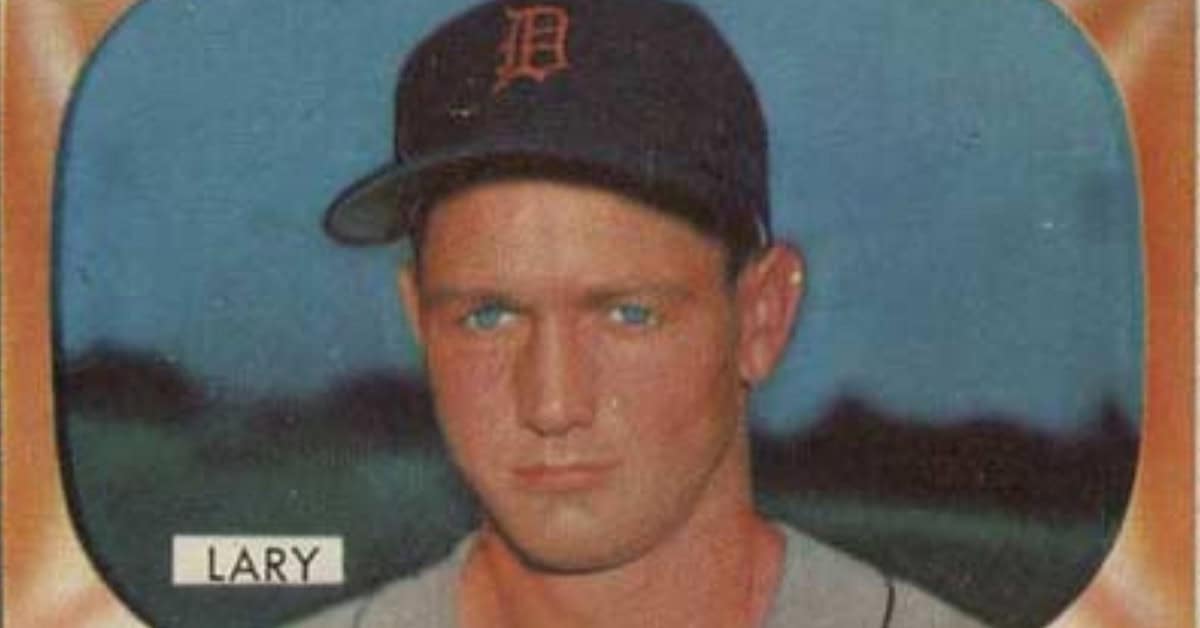
In an era when the Yankees dominated baseball, Frank Lary was their kryptonite. The “Yankee Killer” went 27-10 against New York from 1955-61, giving hope to every underdog in baseball. When he took the mound against the Bronx Bombers, all of Detroit believed that David could still beat Goliath.
5. Dean Chance: The One-Year Wonder of ’67

For one magical season in 1967, Dean Chance reminded Detroit what an ace looked like. His unique twisted delivery and devastating movement produced two no-hitters that August, including a perfect five innings in a rain-shortened game. Though his Tigers tenure was brief, it was unforgettable.
4. Ron LeFlore: From Jackson Prison to Tiger Stadium
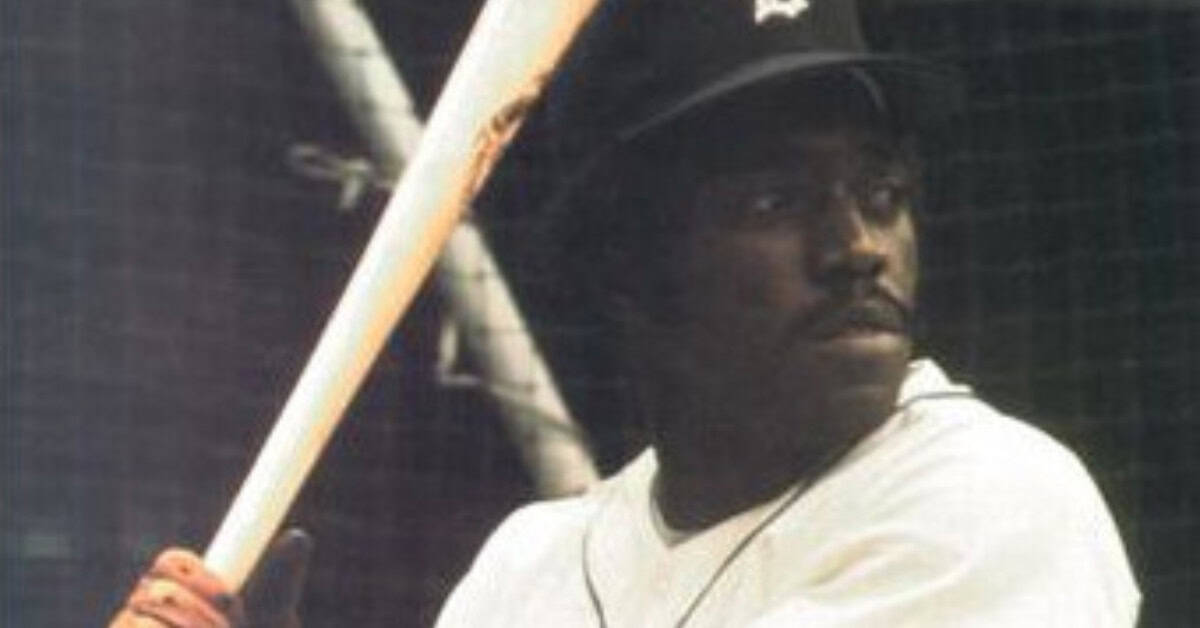
Ron LeFlore’s journey from Jackson State Prison to Tiger Stadium reads like a Hollywood script – which it eventually became. Discovered by Billy Martin during a prison baseball game, LeFlore turned his blazing speed into a successful MLB career. His 1976 season (78 stolen bases) showed what determination and second chances could achieve.
3. Jason Thompson: The Thunder Before Trammell
Before the ’84 Tigers brought championship glory back to Detroit, Jason Thompson gave fans a reason to believe. His mammoth home runs and three All-Star appearances in the late ’70s provided hope during rebuilding years. The big left-handed slugger made Tiger Stadium’s upper deck his personal target practice.
2. Dave Bergman: The Foul Ball Master of ’84
Dave Bergman’s 13-pitch at-bat against Roy Lee Jackson, ending in a walk-off homer against Toronto in 1984, remains one of Tiger Stadium’s most memorable moments. The defensive specialist turned clutch hitter epitomized those ’84 Tigers – not the most talented, but always the most prepared. His ability to foul off tough pitches became legendary in Detroit.
1. Aurelio Rodriguez: The Magic Man at Third Base
Before Brooks Robinson won all those Gold Gloves, many believed Aurelio Rodriguez had the best arm ever seen at third base. His defensive wizardry made him a fan favorite during the 1970s, with throws that seemed to defy physics. The Mexican native brought Latin flair to the hot corner, making routine plays look spectacular and impossible plays look routine.