

Last Updated: June 17th, 2026 by Matthew Brown
Remember when baseball wasn’t just about exit velocity and spin rates? Back when every player had a trick up their sleeve and every at-bat was a chess match? These weren’t just skills – they were baseball arts passed down through generations. Here’s what we’ve lost in the age of launch angles and robot umpires.
Don't lose this article. Enter your email below, and I'll send it to you right now. Plus, we'll send you other unbelievable stories from baseball's past.
The Complete Game (When 100 Pitches Was Just Getting Started)
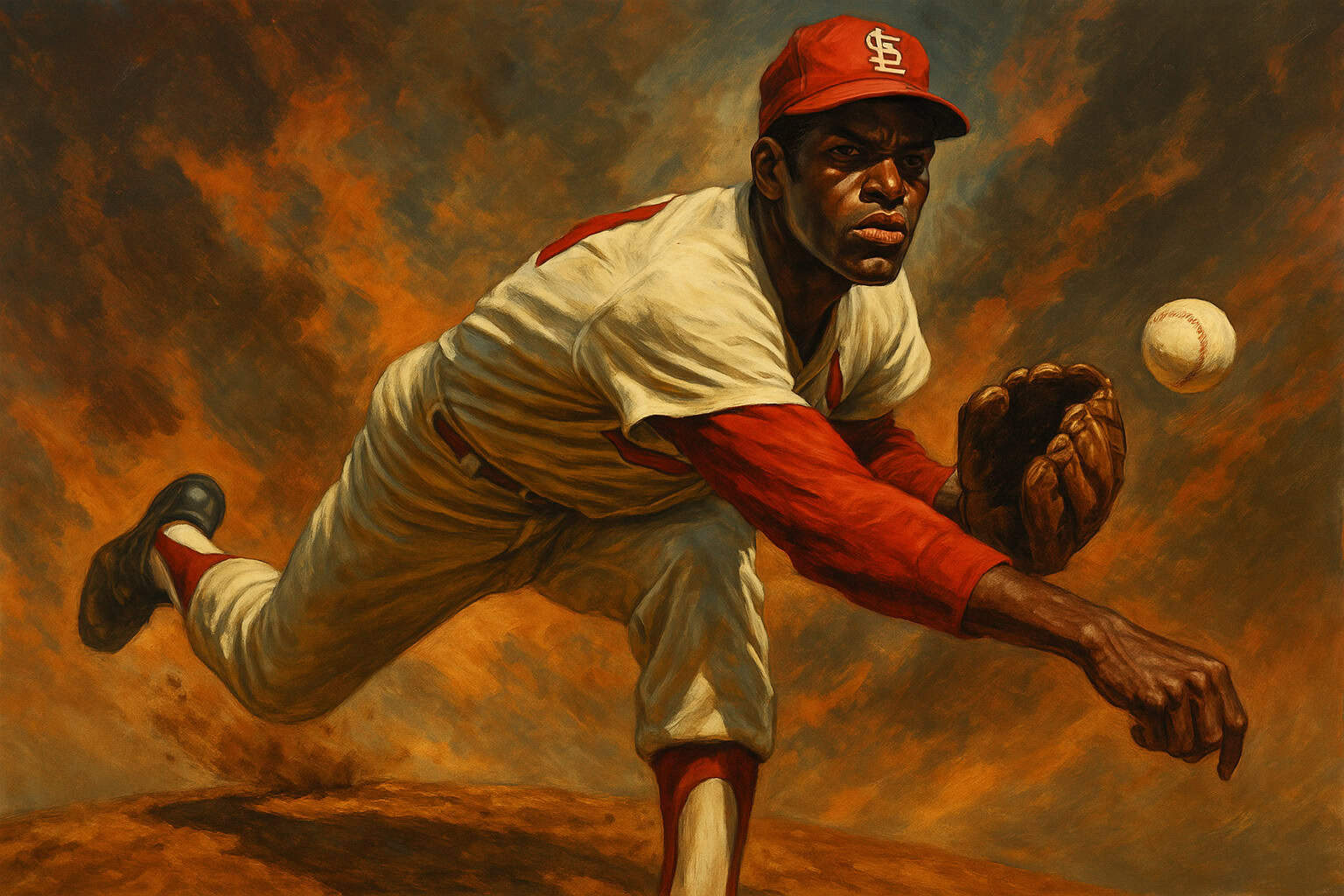
Back when pitch counts were just numbers on a baseball card, starters finished what they started. The bullpen phone would collect dust, while aces like Bob Gibson and Juan Marichal scoffed at the mere suggestion of coming out after six innings. These warriors would routinely throw 130, 140, even 150 pitches, getting stronger as the game went on.
Bunting For Base Hits (Not Just Moving Runners Over)

It was an art form that could demoralize a defense and change the momentum of a game. Players like Maury Wills and Brett Butler could drop a bunt anywhere they wanted, turning the 90-foot sprint to first base into psychological warfare. Since the retirement of Ichiro Suzuki, today’s defenders can breathe a little easier.
The Hidden Ball Trick (Baseball’s Lost Magic Act)
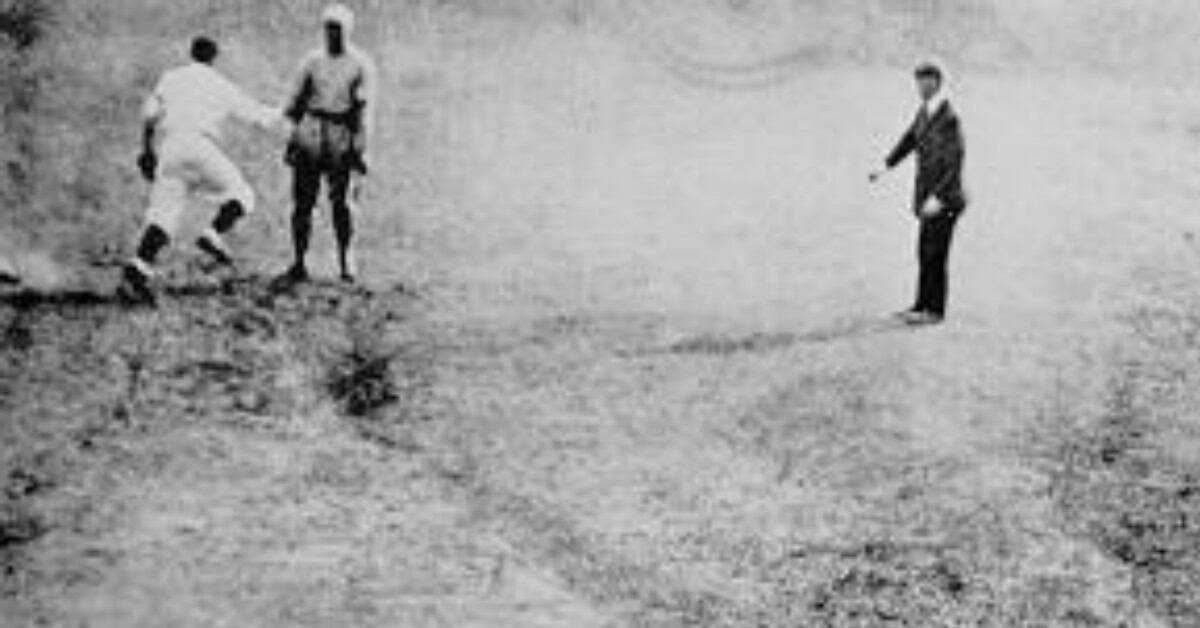
The ultimate gotcha moment in baseball – a piece of diamond deception that required perfect timing, acting skills, and a dash of evil genius. Infielders like Johnny Neun made careers out of catching runners napping, but today’s players seem to have forgotten this classic piece of baseball theater.
Switch-Hitting Just Because You Could

There was a time when every team had a few guys who could hit from both sides – not because analytics said they should, but because they grew up wanting to be Mickey Mantle. Kids would spend hours in the backyard practicing both swings, dreaming of being the next Pete Rose or Eddie Murray.
The Basket Catch (When Outfielders Had Style)
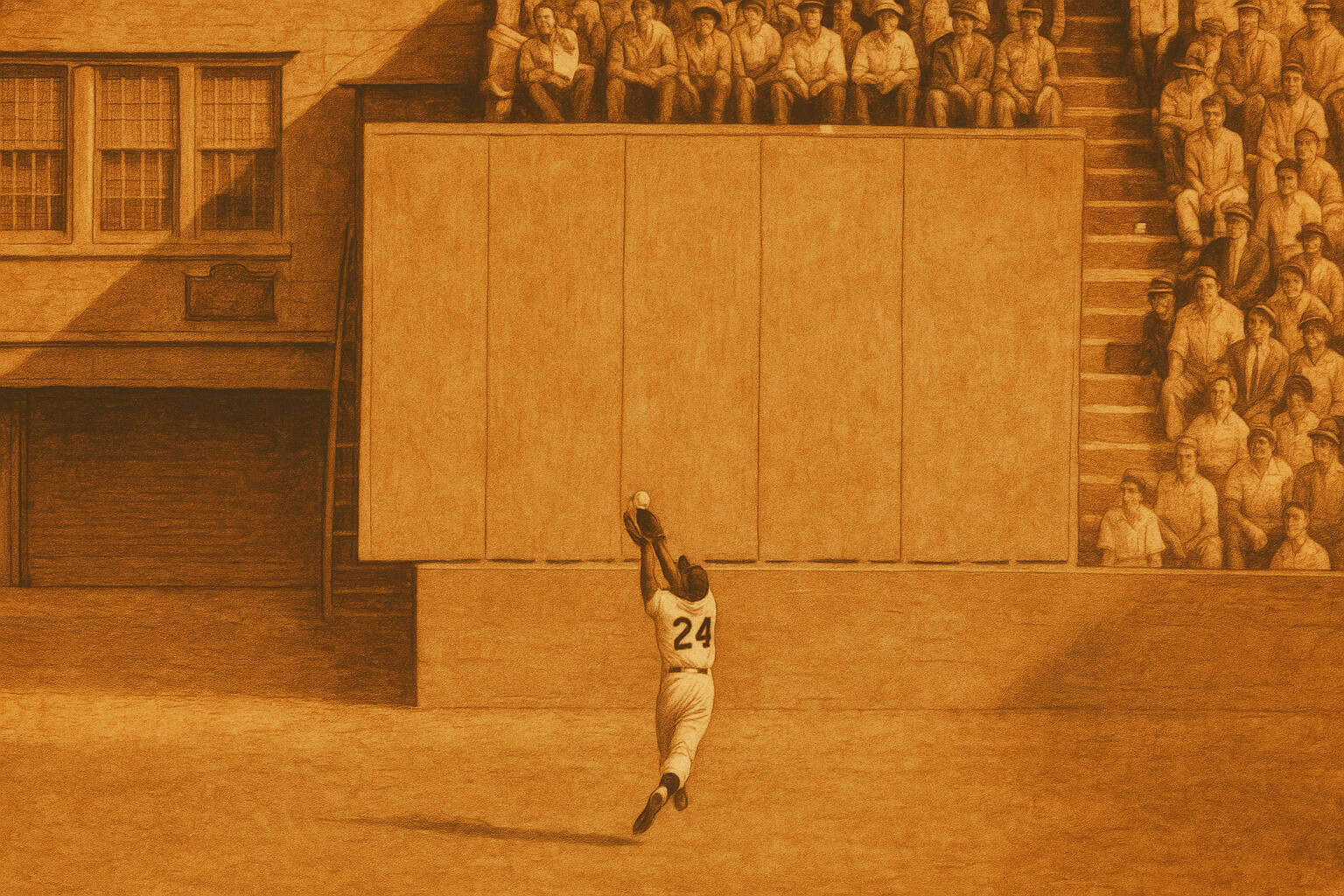
Willie Mays made it famous, but every outfielder worth their salt had their own version. That nonchalant, waist-high catch that said “I’ve got this” while giving fans a minor heart attack. Try it today and you’ll probably get sent back to Triple-A for “not taking the game seriously.”
Hitting Behind the Runner (A Lost Science)

Before launch angles ruled the world, hitters knew how to “hit it where they ain’t” – and where the runner was going. It was a chess move that kept infielders honest and drove managers crazy trying to position their defense. Now it’s all about pulling the ball in the air, strategy be damned.
The Four-Finger Changeup (Before Circle Changes Took Over)
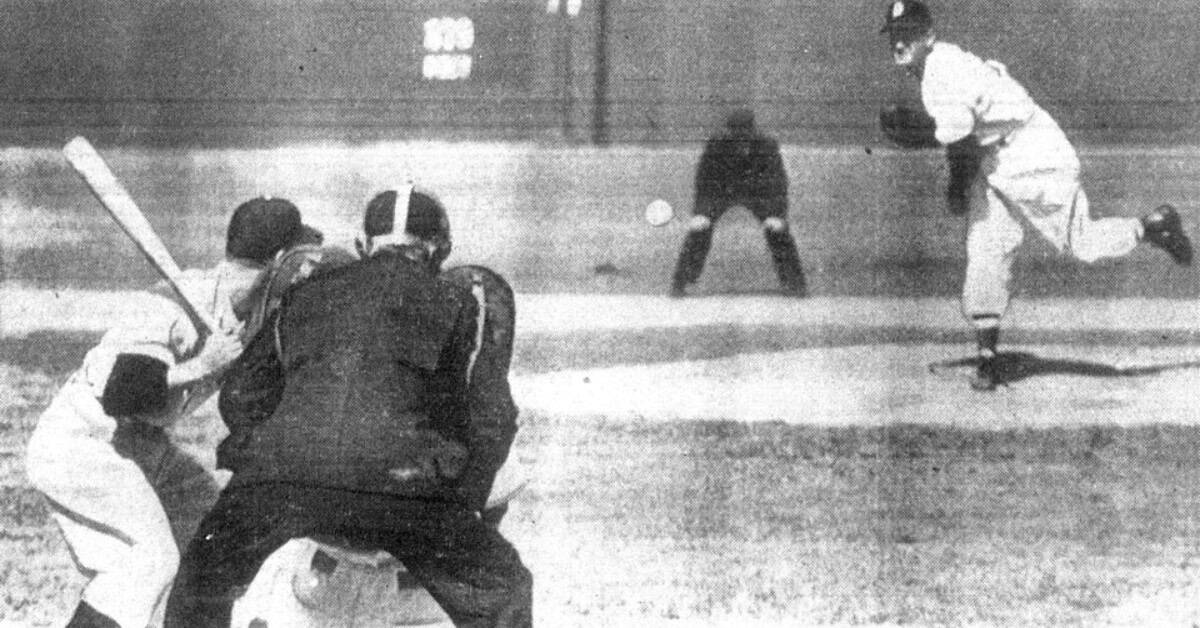
The old “dead fish” – a pitch that looked like a fastball but arrived like it was swimming upstream. Every crafty veteran had one, learned from some wise old coach who’d learned it from someone even older. Today’s circle change might be more effective, but it lacks the artistry of those old four-finger floaters.
The Eephus Pitch (Baseball’s Forgotten Curveball)

The ultimate “here it comes, try to hit it” pitch – a high, arcing lob that made batters look foolish and fans giggle. Rip Sewell made it famous, and others like Dave LaRoche kept it alive, but today’s radar gun obsession has killed off baseball’s most entertaining pitch.
The Suicide Squeeze (When Baseball Really Was Chess)
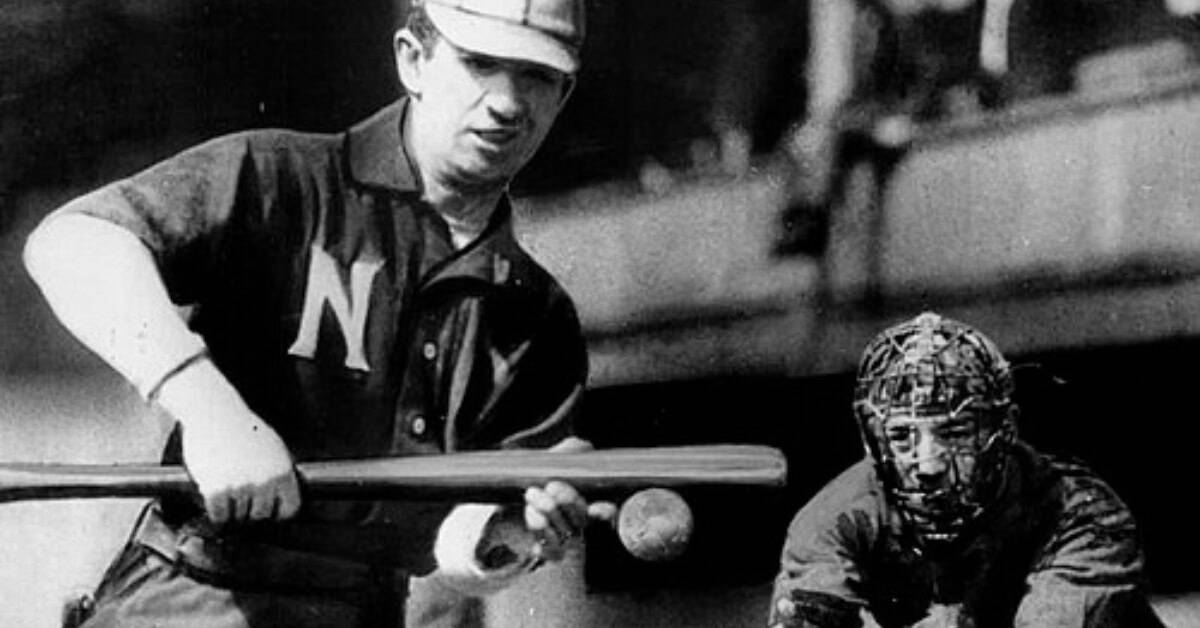
The ultimate risk-reward play – sending the runner before the pitch with instructions to the batter: “Don’t miss.” It was baseball at its most daring, a play that required perfect timing and nerves of steel. In today’s game of home runs or nothing, this kind of strategic gambling has all but disappeared.