
Last Updated: June 17th, 2026 by Matthew Brown
Before architects sanitized baseball with their symmetrical cookie-cutter stadiums, America’s ballparks were gloriously flawed cathedrals of quirk and character. Each venue demanded its own specialized skill set, turning players into part athlete, part architect, part meteorologist. When the wrecking balls finally came for these concrete and steel monuments, they took with them a century’s worth of hard-earned baseball wisdom.
Don't lose this article. Enter your email below, and I'll send it to you right now. Plus, we'll send you other unbelievable stories from baseball's past.
Mastering Ebbets Field’s Tricky Right Field Corner Bounces

Ebbets Field’s right field corner was a geometric nightmare where baseballs ricocheted off walls at angles that defied both physics and sanity. Right fielders spent hours studying the ballpark’s concrete personality, learning which spots would send a ball careening toward the foul line and which would kick it back toward center field like a pinball bumper. Carl Furillo became the master of this concrete chaos, turning wall shots into outs through pure architectural intuition that took years to develop.
Playing the Astrodome’s Speakers Like a Pinball Machine
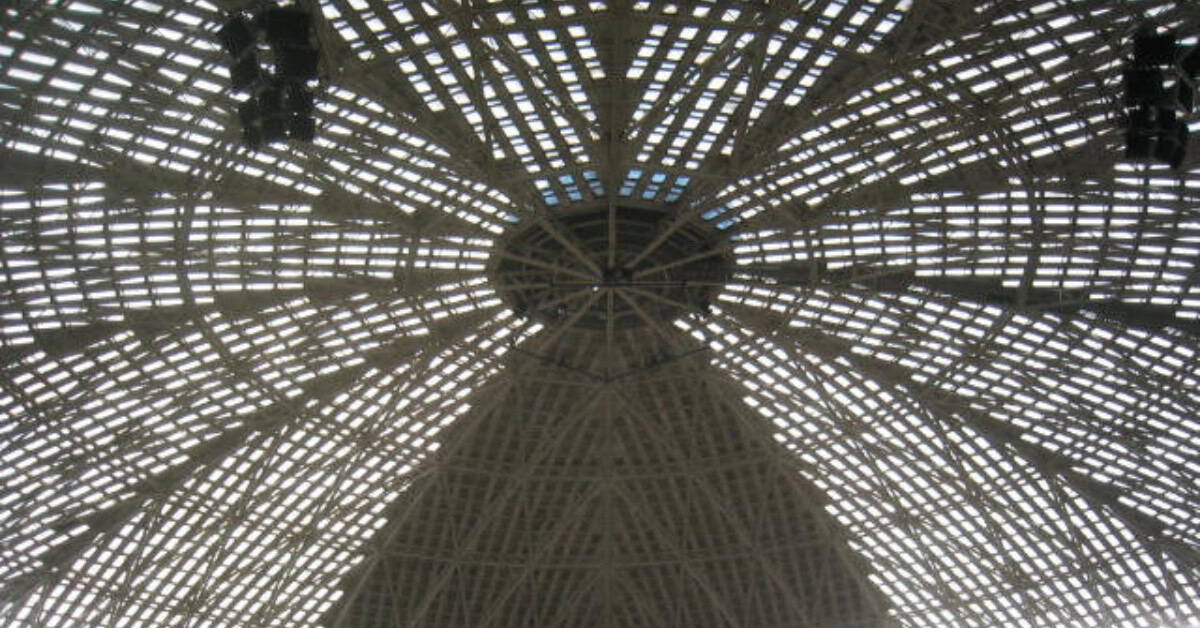
The Astrodome’s massive speaker system hung from the ceiling like a mechanical octopus, turning routine pop flies into adventures in applied physics. Fielders developed neck muscles from constantly looking up, tracking balls that might deflect off a speaker at any moment and send the play into complete chaos. Players learned to listen for the distinctive “ping” of ball meeting metal, a sound that meant all bets were off and the baseball gods were laughing at human attempts to predict where a fly ball might land.
Conquering Tiger Stadium’s 125-Foot Right Field Overhang
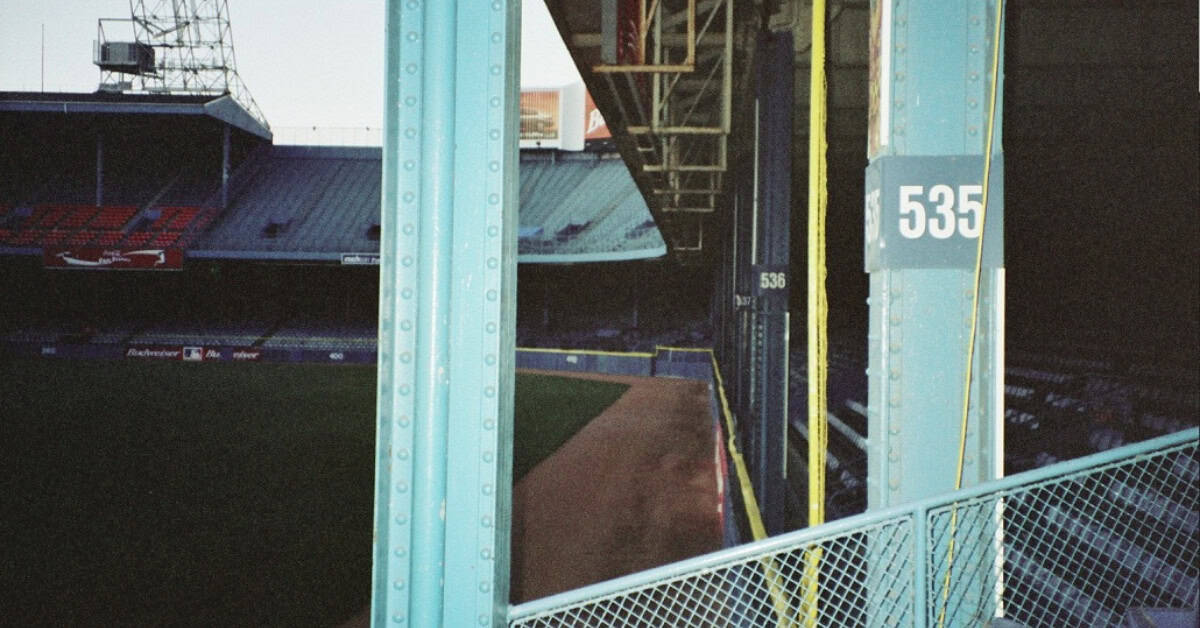
Tiger Stadium’s upper deck overhang turned routine fly balls into architectural roulette, where a ball might be caught for an out or deflect off the concrete for a ground-rule double depending on inches. Right fielders developed the spatial awareness of surgeons, learning to judge whether they had room to make a play or needed to duck for cover as baseballs ricocheted off the overhang like concrete hail. The overhang created its own microclimate of baseball chaos that required players to think in three dimensions while running at full speed.
Decoding Candlestick Park’s Swirling Cross-Winds Mid-Flight
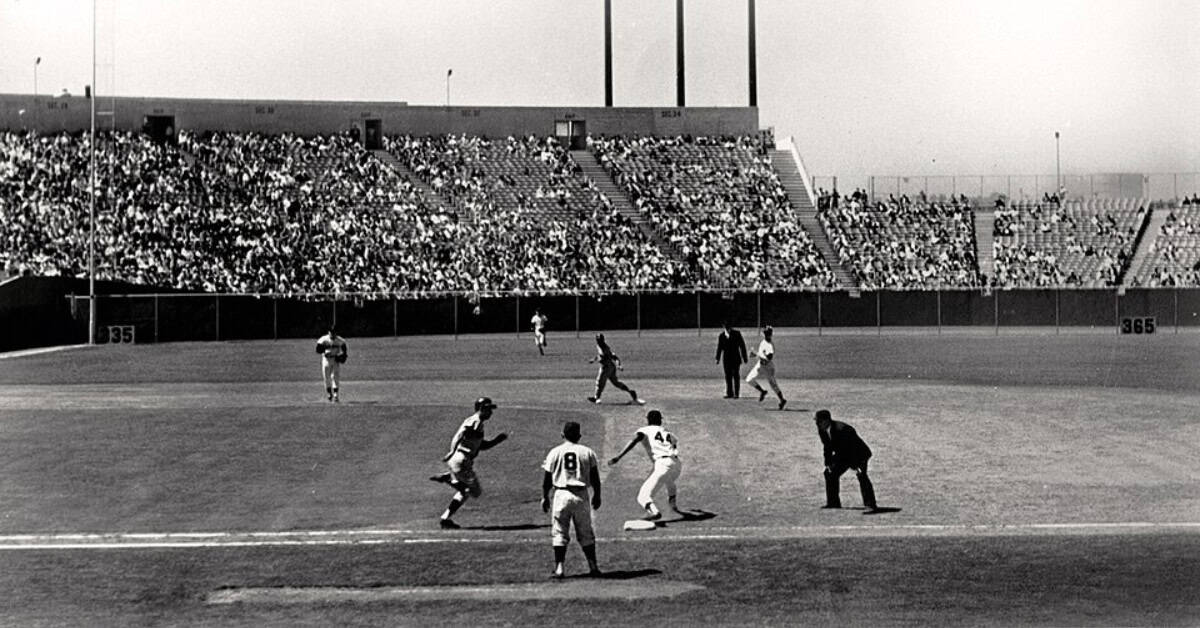
Candlestick Park’s location on San Francisco Bay created wind patterns that could turn a routine pop-up into a meteorological mystery tour, with baseballs changing direction mid-flight like they were remote-controlled. Outfielders became amateur meteorologists, reading wind flags, feeling air currents on their skin, and learning to anticipate how the bay breeze would grab a ball and fling it in unexpected directions. Players developed a sixth sense for Candlestick’s atmospheric moods, adjusting their positioning based on wind speed and direction like sailors navigating treacherous waters.
Working Around the Kingdome’s Deafening Concrete Echo Chamber
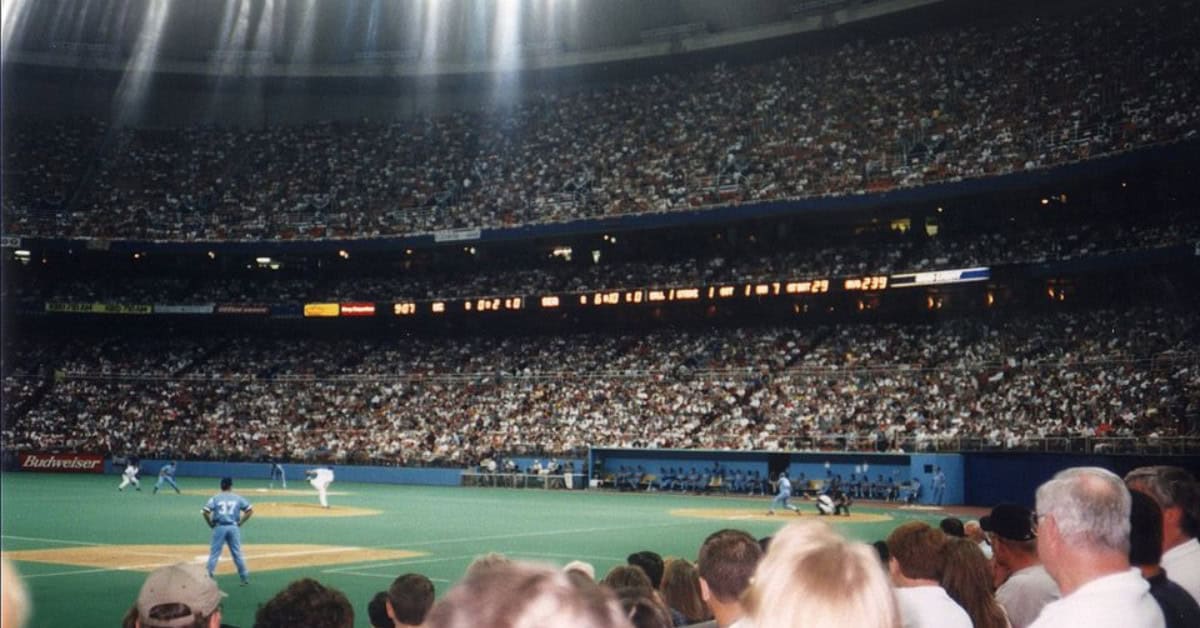
The Kingdome’s concrete dome amplified every sound into a thunderous echo that made communication between teammates nearly impossible during crucial plays. Infielders developed an elaborate system of hand signals and visual cues, learning to read lips and body language when verbal communication was drowned out by the stadium’s acoustic chaos. Players had to trust their instincts and peripheral vision more than their ears, creating a silent movie version of baseball where every gesture carried extra weight.
Handling Forbes Field’s Massive 457-Foot Left-Center Gap
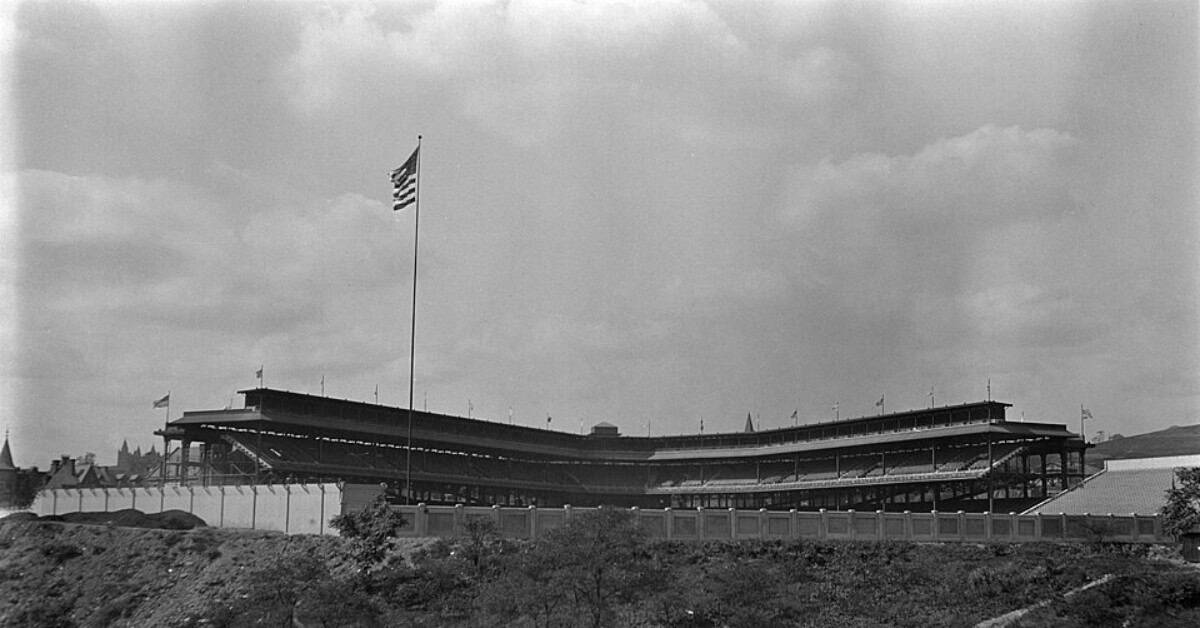
Forbes Field’s left-center gap was so vast that Roberto Clemente could have set up a small farm between the foul line and center field, requiring outfielders to cover territory that would challenge today’s all-terrain vehicles. Center fielders and left fielders developed an intricate dance of responsibility, learning to communicate across distances that required semaphore flags and smoke signals. The gap demanded players with the range of gazelles and the endurance of postal workers, turning routine singles into epic adventures in ground coverage.
Surviving Old Comiskey’s Exploding Scoreboard Distractions

Old Comiskey’s exploding scoreboard turned home runs into Fourth of July celebrations, complete with fireworks, flashing lights, and enough noise to wake the dead in nearby cemeteries. Visiting players had to develop the concentration of zen monks, learning to maintain focus while pinwheels spun, sirens wailed, and pyrotechnics exploded directly in their line of sight. The scoreboard’s theatrical chaos created a unique form of psychological warfare that required mental toughness beyond anything modern baseball demands.
Reading Three Rivers Stadium’s Artificial Turf Rocket Bounces

Three Rivers Stadium’s artificial turf turned ground balls into rocket ships, with baseballs bouncing higher and faster than anything nature intended, creating a pinball machine version of baseball that required lightning reflexes and supernatural anticipation. Infielders learned to play deeper than normal, reading the ball’s spin and speed to predict which grounders would skip over their gloves like flat stones on water. The synthetic surface created its own physics laboratory where players had to unlearn everything they knew about how baseballs should behave when they hit the ground.
Mastering the Metrodome’s Baggie Wall and Teflon Roof Chaos
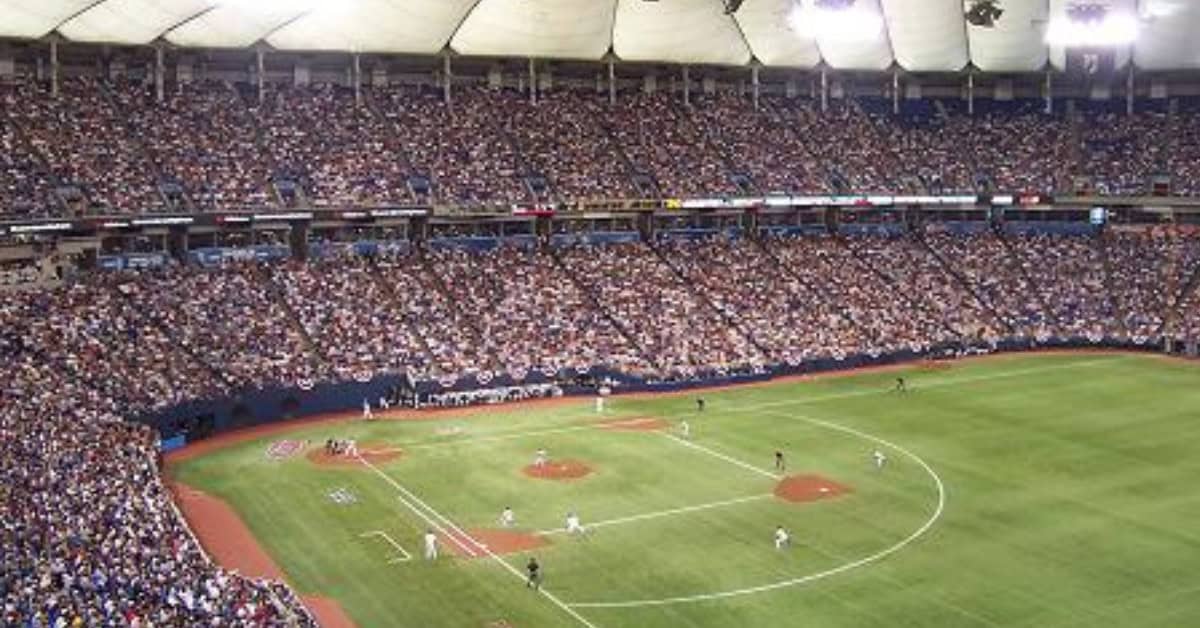
The Metrodome’s infamous “Baggie” wall in right field rippled like a bedsheet in a hurricane, while the white Teflon roof made fly balls disappear like magic tricks against the glaring backdrop. Right fielders developed the visual acuity of fighter pilots, learning to track baseballs against a ceiling that camouflaged them better than military stealth technology. Players had to master the art of playing wall bounces off a surface that moved like water, turning routine plays into exercises in fluid dynamics and optical illusion management that would challenge today’s most athletic defenders.
Navigating the Polo Grounds’ 483-Foot Center Field Death Valley
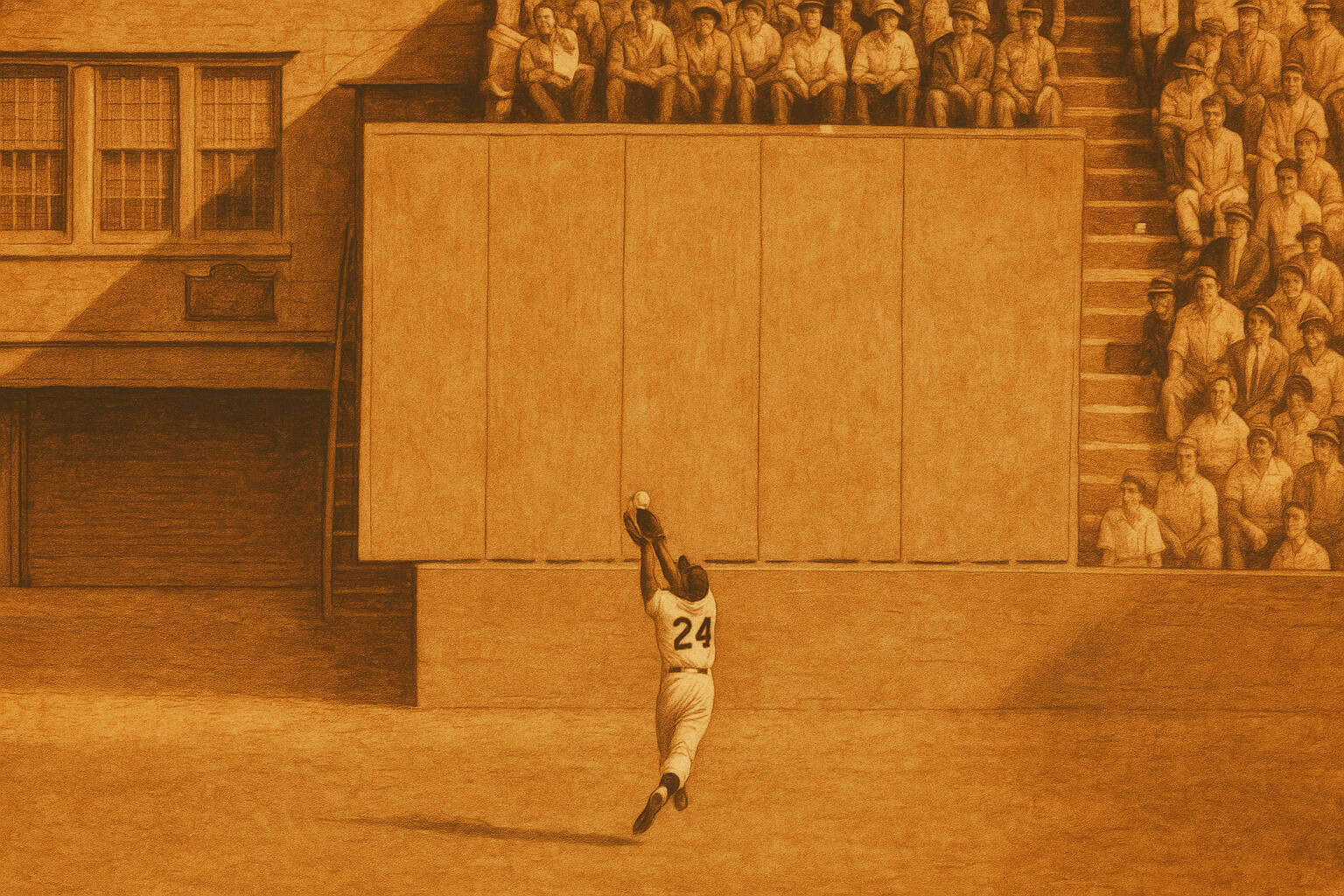
The Polo Grounds’ center field stretched so far that Willie Mays needed a GPS and a packed lunch to track down fly balls in that cavernous gap. Center fielders developed the stamina of marathon runners and the judgment of air traffic controllers, learning to read a ball’s trajectory from the crack of the bat and start running before physics caught up. Players who mastered this vast wasteland could cover ground that would make today’s outfielders weep, turning routine doubles into spectacular catches through sheer geographical determination.