

Last Updated: June 17th, 2026 by Michael Schatz
Before launch angles and exit velocities became household terms, there were sluggers who made pitchers’ knees buckle with pure, primal fear. These weren’t just home run hitters—they were psychological warfare specialists who turned at-bats into mental chess matches heavily stacked in their favor. From the Bambino’s called shots to Big Mac’s moon shots, these ten titans transformed baseball diamonds into their personal demolition sites.
Don't lose this article. Enter your email below, and I'll send it to you right now. Plus, we'll send you other unbelievable stories from baseball's past.
Babe Ruth: The Sultan of Swat Who Made Pitchers Tremble

The Bambino didn’t just hit home runs—he invented the modern concept of intimidation at the plate. With his distinctive uppercut swing and theatrical pointing gestures, Ruth turned every at-bat into theater, psychologically dominating pitchers before they even released the ball. His 714 career homers were just the statistical byproduct of a man who fundamentally changed how opposing teams approached the strike zone, knowing that one mistake pitch could land three rows deep in the bleachers.
Ted Williams: The Splendid Splinter’s Science of Fear

Williams possessed the most terrifying combination in baseball: perfect vision and scientific precision. His legendary eye allowed him to identify pitches with supernatural accuracy, making pitchers feel like they were throwing batting practice to a man with X-ray vision. The last player to hit .400 in a season, Williams turned the batter’s box into a laboratory where he dissected opposing pitchers with clinical efficiency, making even the best hurlers question their craft.
Willie Mays: The Say Hey Kid’s Explosive Power
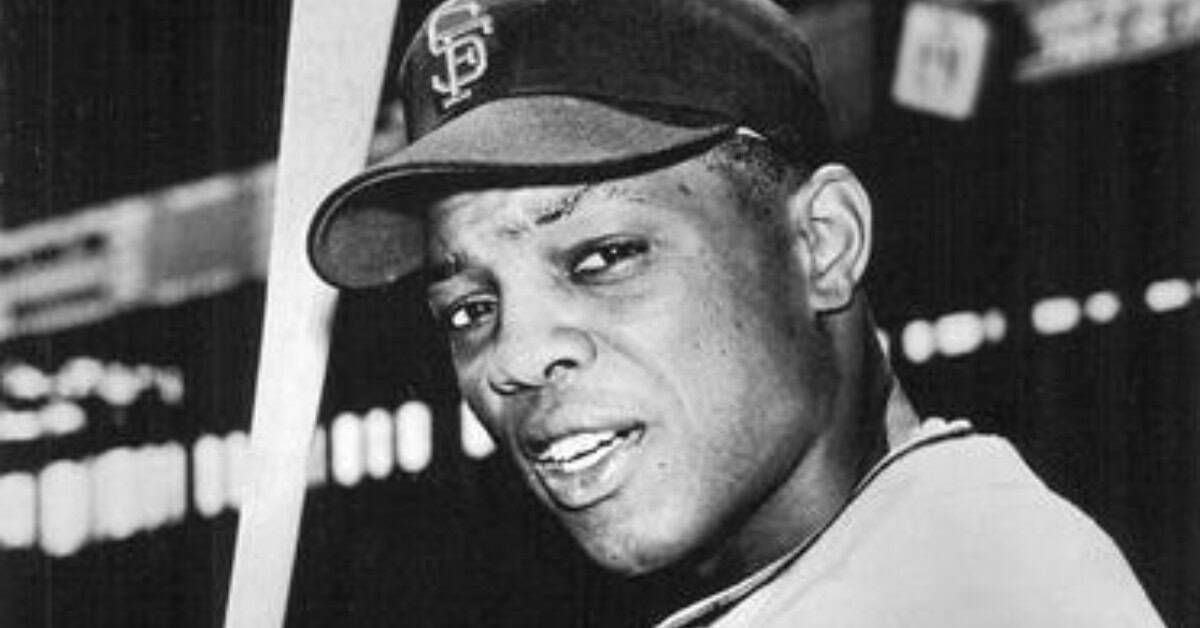
Mays combined raw power with an infectious enthusiasm that somehow made his dominance even more intimidating. His 660 career home runs came with a boyish grin that masked the terror he instilled in opposing pitchers, who knew they were facing not just a slugger, but a complete player who could beat them in countless ways. The Say Hey Kid’s explosive swing generated such torque that catchers could feel the wind displacement, while his mental approach made every pitch feel like a potential disaster waiting to happen.
Hank Aaron: Hammerin’ Hank’s Quiet Storm

Aaron’s intimidation factor stemmed from his relentless consistency; pitchers knew that facing him meant confronting inevitable doom, delivered with quiet dignity. His compact, picture-perfect swing generated 755 home runs with an efficiency that made opposing hurlers feel helpless, knowing they were facing a man who had turned home run hitting into a methodical art form. Unlike flashier sluggers, Aaron’s terror was psychological: the certainty that he would eventually make you pay, delivered with the calm precision of a master craftsman.
Mickey Mantle: The Commerce Comet’s Raw Terror
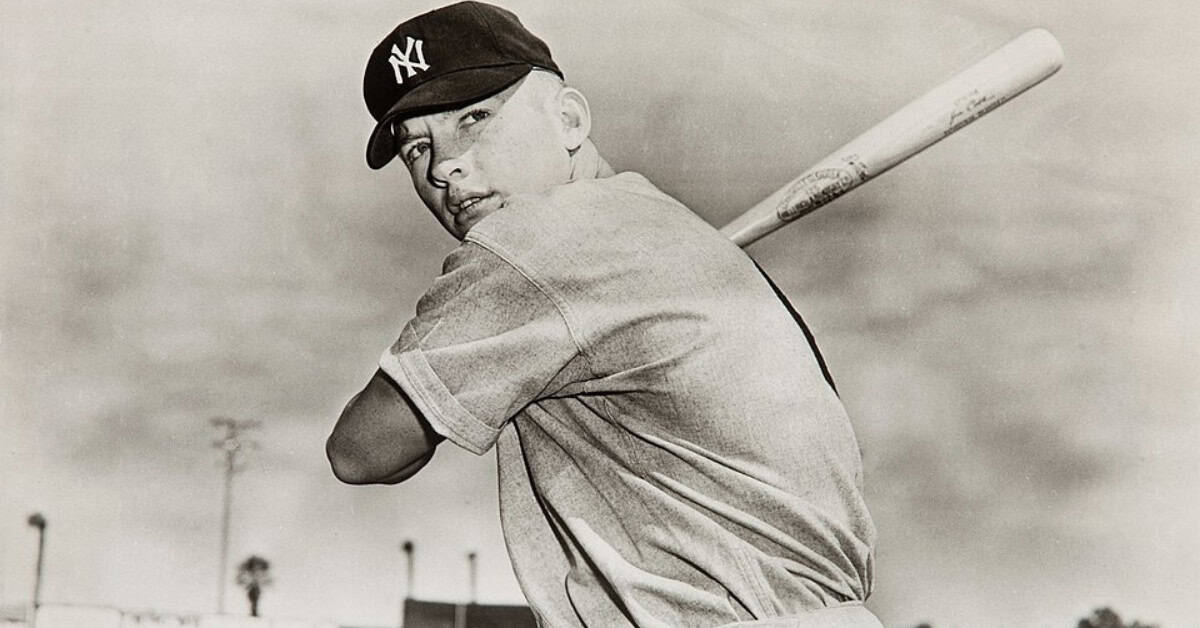
Mantle possessed the most physically intimidating combination of speed and power in baseball history, capable of hitting 500-foot bombs from either side of the plate. His switch-hitting ability meant pitchers couldn’t gain any strategic advantage, while his legendary tape-measure shots created an aura of supernatural strength that preceded him to every ballpark. Even playing on damaged knees, The Mick generated such raw power that opposing pitchers would literally flinch when he made solid contact, knowing they had just witnessed something that defied the laws of physics.
Frank Robinson: The Triple Crown Intimidator

Robinson brought a fierce competitive edge that transformed every at-bat into a personal vendetta, crowding the plate with an aggressive stance that dared pitchers to challenge him inside. His 586 career home runs were punctuated by an intensity that made opposing hurlers feel like they were throwing to a man with a personal grudge against their livelihood. The first player to win MVP awards in both leagues, Robinson’s intimidation came from his willingness to turn any slight—real or perceived—into motivation for another crushing home run that left pitchers questioning their career choices.
Willie McCovey: Stretch’s Tape-Measure Nightmares
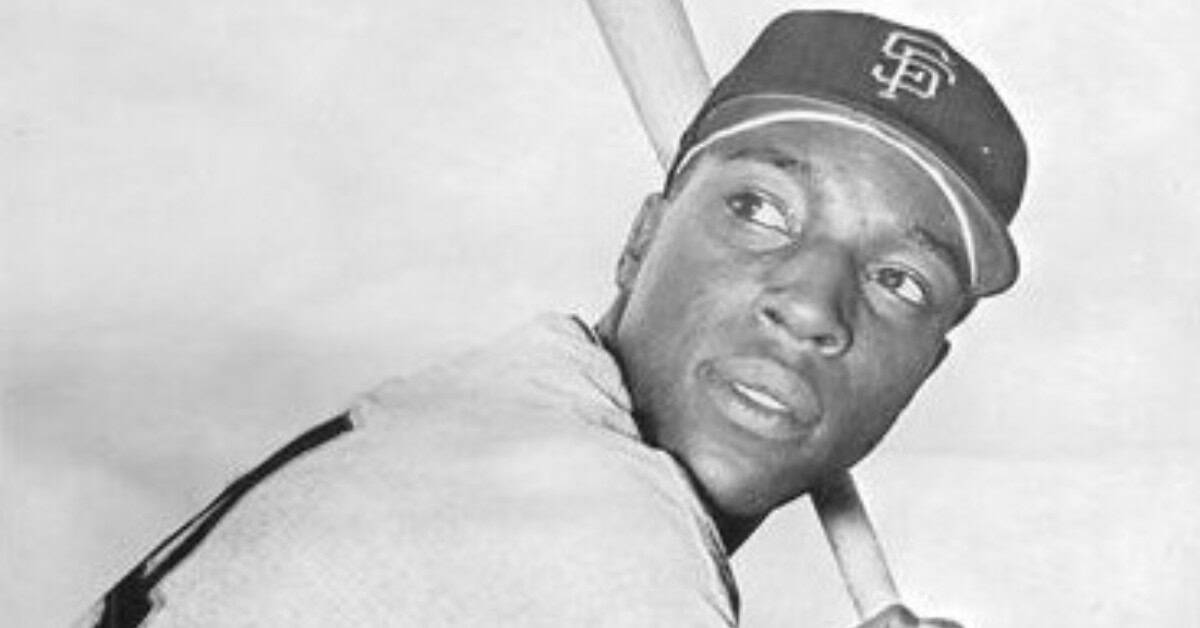
McCovey’s 6’4″ frame generated leverage that turned routine swings into architectural threats to stadium infrastructure, with his 521 career homers including some of the longest balls ever witnessed. His nickname “Stretch” referred to more than his height—it described the way he could extend his arms and generate power that seemed to violate basic physics, sending baseballs into orbit with a smooth, effortless swing. Pitchers facing McCovey knew they were dealing with a man whose home runs didn’t just clear fences—they redefined what was possible with a bat and ball, creating a psychological burden that made the strike zone feel impossibly small.
Harmon Killebrew: The Killer’s Silent Menace
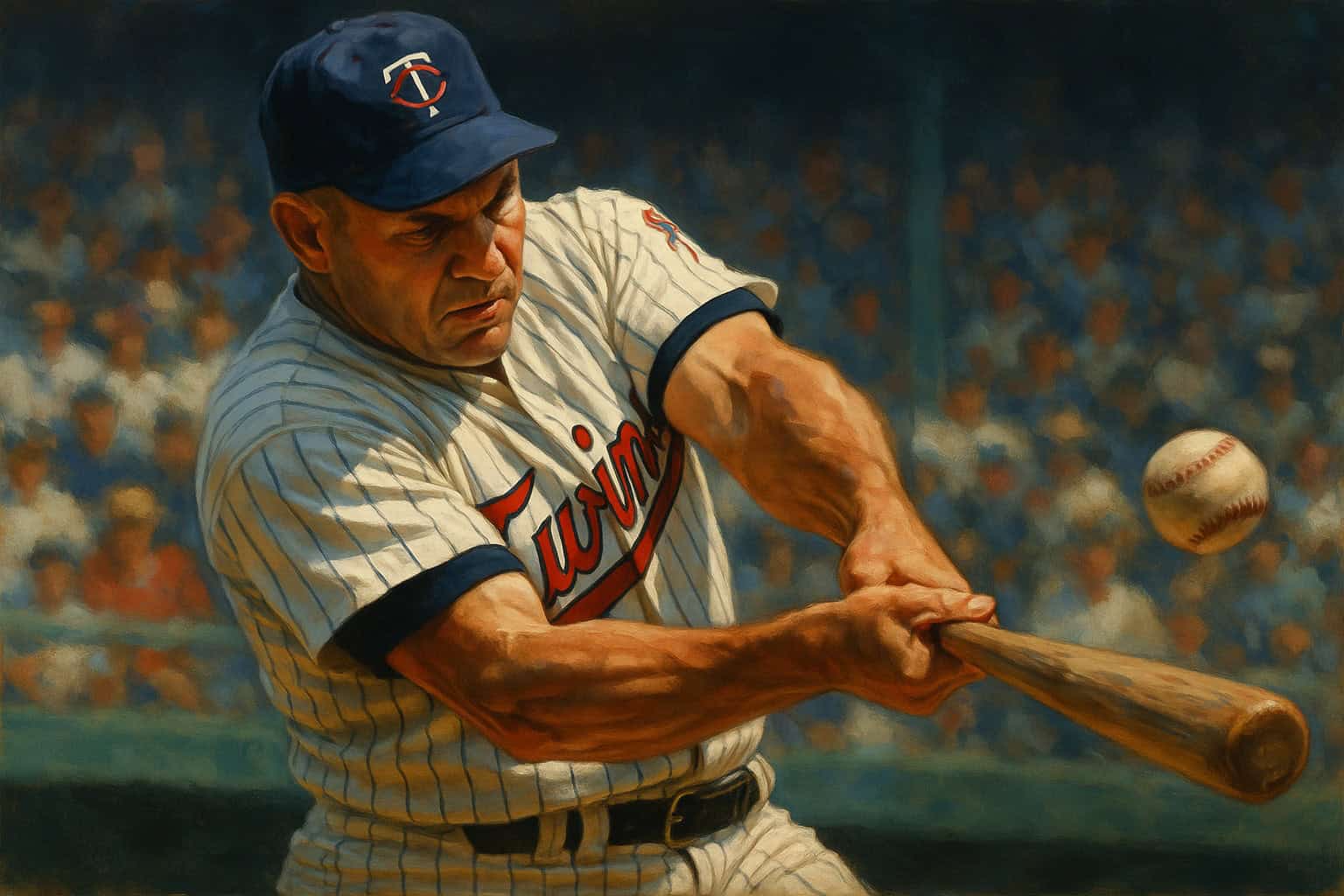
Killebrew’s nickname “The Killer” perfectly captured his ability to end games with one swing, accumulating 573 home runs with a quiet demeanor that made his power even more unsettling. His compact, no-nonsense approach generated some of the longest home runs in baseball history, including shots that literally left ballparks and became urban legends in their own right. Unlike flashier sluggers, Killebrew’s intimidation came from his workmanlike efficiency—pitchers knew they were facing a man who treated 450-foot home runs like routine business, delivering devastation with the calm professionalism of a master executioner.
Barry Bonds: The Home Run King’s Untouchable Peak

Bonds reached a level of intimidation that transcended the sport itself, with his record 762 home runs representing just the tip of an iceberg that included an otherworldly 2,558 career walks. His plate discipline became so legendary that pitchers would rather face the consequences of walking him than risk throwing him anything remotely hittable, turning entire at-bats into psychological surrenders. During his peak years, Bonds transformed the strike zone into his personal kingdom, where opposing pitchers became unwilling subjects forced to navigate an impossible choice between certain walks and probable home runs.
Mark McGwire: Big Mac’s Steroid-Era Dominance

McGwire’s 583 career home runs came with such explosive force that they seemed to bend the laws of physics, with his 1998 season creating a cultural phenomenon that transcended baseball itself. His massive frame and uppercut swing generated exit velocities that made opposing pitchers feel like they were throwing batting practice to a man wielding a rocket launcher instead of a bat. Big Mac’s intimidation factor reached its peak during the home run chase of ’98, when every at-bat carried the weight of history and the very real possibility that he might launch a baseball into a completely different zip code.