

Last Updated: June 17th, 2026 by Michael Schatz
Take a nostalgic trip back to the 1990s as we celebrate the greatest second basemen of the decade. From Roberto Alomar’s defensive wizardry to Craig Biggio’s incredible consistency, these players defined excellence at second base during an exciting era of baseball.
Don't lose this article. Enter your email below, and I'll send it to you right now. Plus, we'll send you other unbelievable stories from baseball's past.
1. Roberto Alomar: The Complete Package

Roberto Alomar dominated the 1990s with unmatched excellence, earning All-Star selections every year from 1990-1999. His remarkable .306 batting average, combined with 311 stolen bases and 10 consecutive Gold Gloves, made him the decade’s premier second baseman. Alomar’s smooth defensive style and consistent offensive production revolutionized the position, collecting an impressive 1,678 hits during this period.
2. Craig Biggio: The Converted Catcher

After transitioning from catcher to second base, Craig Biggio became an offensive powerhouse for the Houston Astros. Leading all second basemen with 319 stolen bases in the 90s and amassing 388 doubles, his durability was legendary with 1,512 games played. A seven-time All-Star with four Gold Gloves during the decade, Biggio’s versatility and consistency made him an invaluable asset.
3. Chuck Knoblauch: Speed and Skill
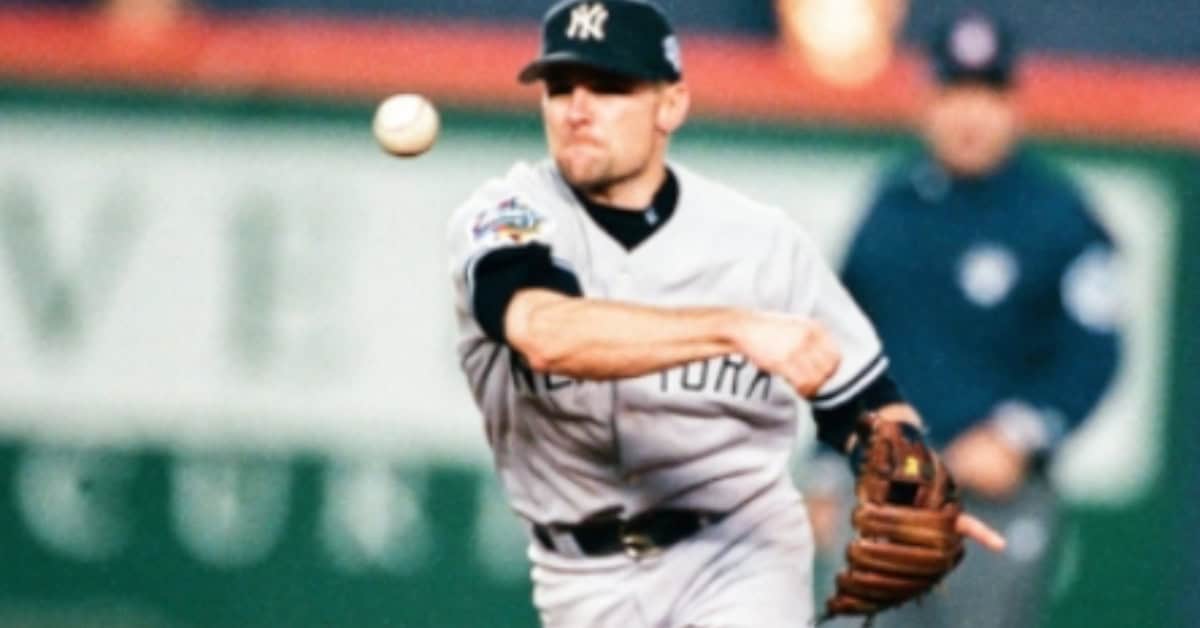
Chuck Knoblauch’s impact was immediate, winning Rookie of the Year in 1991. His impressive .304 batting average and 391 stolen bases led all second basemen in the 90s. His standout 1996 season showcased his peak performance with a .341 average and 140 runs scored. A four-time All-Star and Gold Glove winner, Knoblauch’s speed and consistency made him a formidable presence.
4. Ryne Sandberg: The Veteran Star

Despite entering the twilight of his career, Ryne Sandberg remained elite through the early 90s. Leading NL second basemen in home runs and RBIs in 1990, he continued making All-Star appearances from 1990-1993. His power-speed combination and defensive excellence earned him Gold Gloves in 1990 and 1991, proving his enduring impact on the game.
5. Carlos Baerga: Cleveland’s Hitting Machine
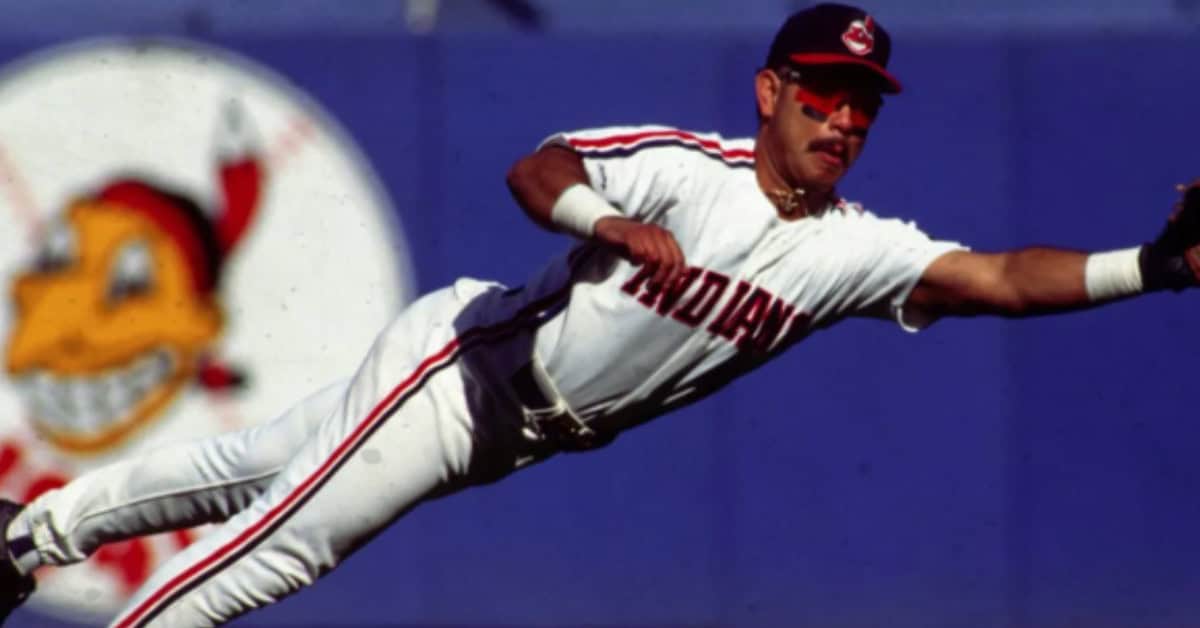
Carlos Baerga revolutionized offensive production at second base, becoming the first at his position to hit .300 with 200 hits, 20 home runs, and 100 RBIs in consecutive seasons (1992-1993). A three-time All-Star, he maintained a .299 average with 103 home runs and 565 RBIs between 1990 and 1996, setting new standards for power hitting at second base.
6. Lou Whitaker: Sweet Lou’s Final Act

Lou Whitaker continued his excellence into the 1990s, hitting .278 with 77 home runs in his final years. Making the All-Star team in 1990, his veteran presence and consistent performance anchored the Tigers’ infield until his retirement in 1995. His smooth fielding style and reliable bat made him a cornerstone of Detroit’s lineup.
7. Delino DeShields: Speed Demon
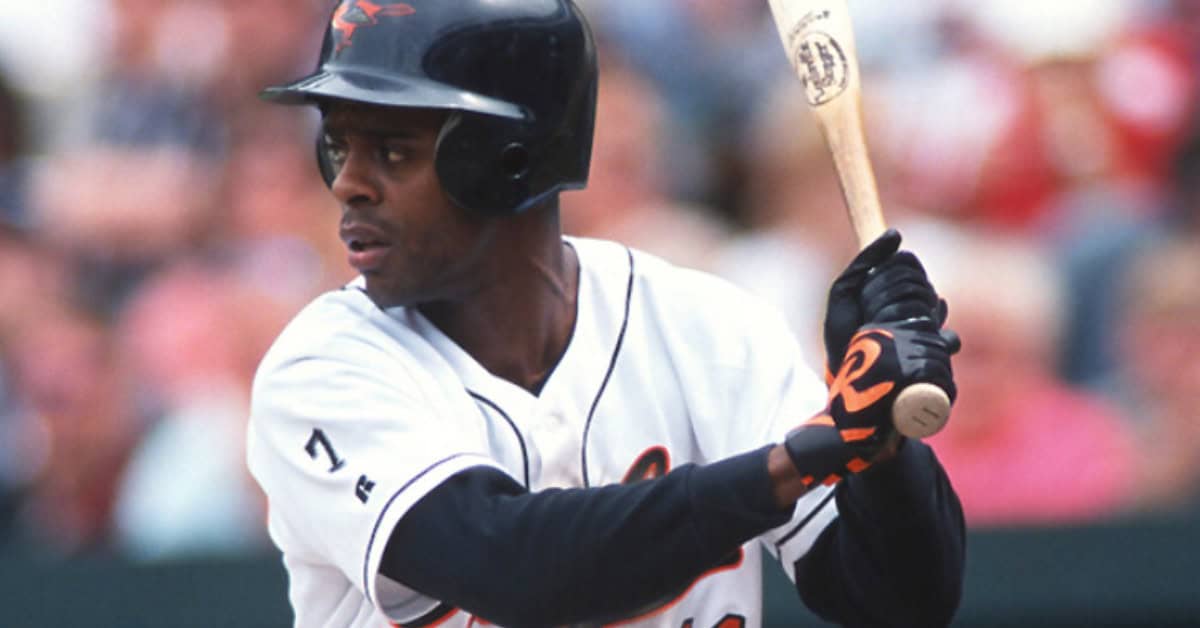
Delino DeShields dominated the basepaths with 393 stolen bases during the decade, leading all second basemen. His .277 batting average and 873 runs scored demonstrated his value as a leadoff hitter. DeShields’ combination of speed and defensive range made him one of the most dynamic second basemen of the era.
8. Bret Boone: Power Emerging
Bret Boone established himself as a reliable power threat during the 90s, hitting 108 home runs and showcasing excellent defense. His Gold Glove in 1998 highlighted his defensive prowess, while his developing power hitting abilities set the stage for even greater success in the following decade.
9. Mark Lemke: Atlanta’s Defensive Star
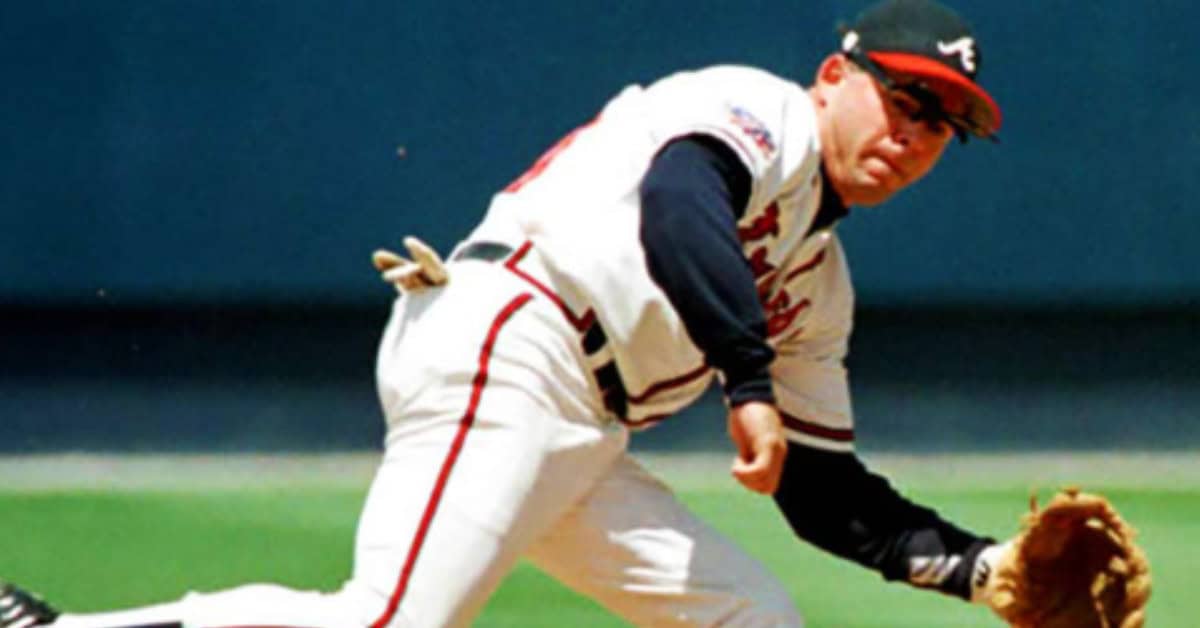
Mark Lemke’s defensive excellence helped anchor the Braves’ dominant run through the 90s. While not known for offensive fireworks, his .272 postseason batting average and clutch performances made him invaluable. His steady presence contributed to multiple pennants for Atlanta during their dynasty years.
10. Jeff Kent: Power Potential

Jeff Kent showed glimpses of his future dominance during the 90s, accumulating 130 home runs and 563 RBIs. His emergence as a power-hitting second baseman helped redefine the position’s offensive expectations, laying the groundwork for his MVP-caliber seasons to come in the 2000s.
11. Joey Cora: Seattle’s Spark Plug
Joey Cora’s scrappy play and consistent performance earned him a .277 batting average during the decade and an All-Star selection in 1997. His defensive reliability and smart baserunning made him a key contributor to the Mariners’ success in the mid-90s, proving that excellence comes in all sizes.