

Last Updated: June 17th, 2026 by Michael Schatz
Back when third base was truly the “hot corner” and players wore flannel uniforms that stuck to their backs in summer heat, these dozen men manned the position with grit, leather, and lumber. From Hall of Famers to steady contributors, they defined what it meant to guard the line during baseball’s golden decade.
Don't lose this article. Enter your email below, and I'll send it to you right now. Plus, we'll send you other unbelievable stories from baseball's past.
George Kell – The Sweet-Swinging Hall of Famer
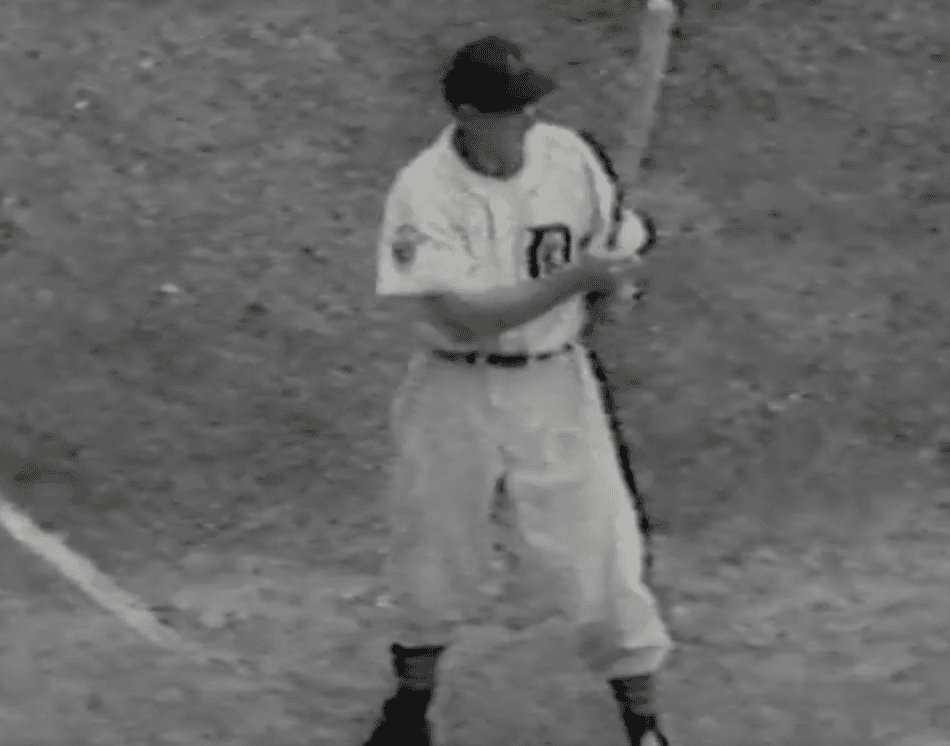
The Arkansas native with the silky swing captured the 1949 AL batting title by edging Ted Williams .3429 to .3427 – a margin so thin it came down to the final day of the season. Kell’s ten All-Star selections and .306 career average made him the gold standard at third base, combining defensive excellence with consistent hitting that earned him a rightful place in Cooperstown. His patient approach at the plate and sure hands in the field represented everything fans loved about 1940s baseball fundamentals.
Bob Elliott – The 1947 MVP Who Made Third Base Glamorous
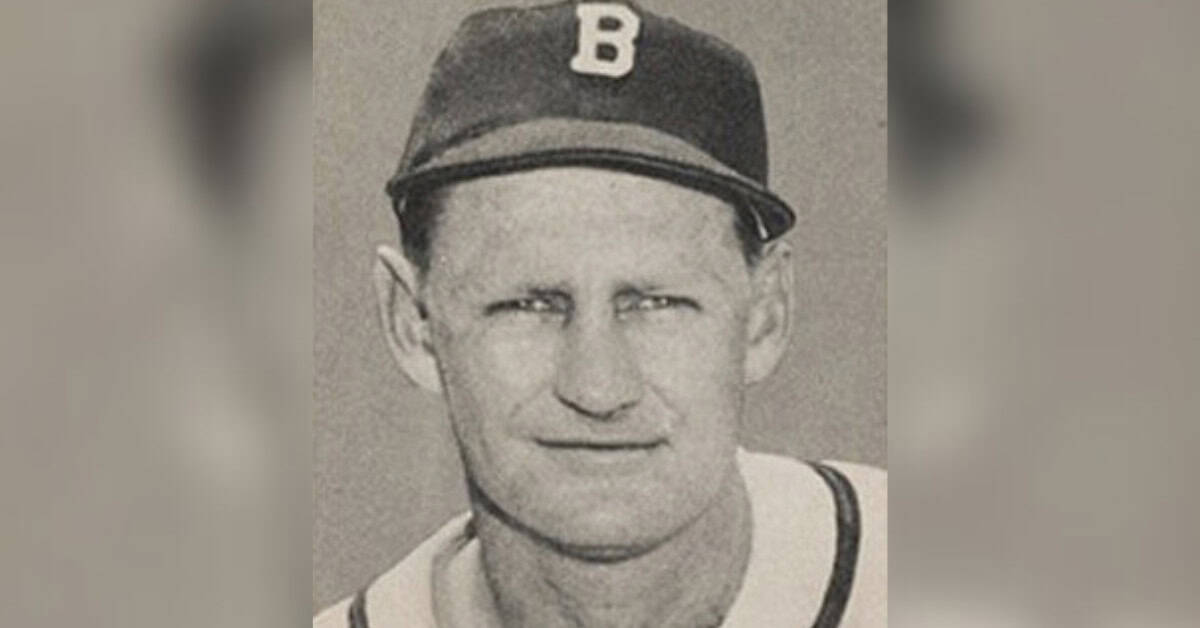
Elliott’s 1947 MVP season (.317 average, 22 homers, 113 RBIs) helped transform the Boston Braves from also-rans into contenders, leading them to their 1948 pennant. The San Francisco native was the decade’s premier power-hitting third baseman, retiring as the all-time leader in home runs and slugging percentage at the position. His clutch hitting and steady glove work made him the template for the modern third baseman, proving the position could be both defensive anchor and offensive catalyst.
Stan Hack – Chicago’s “Smiling Stan” and His Clutch Gene
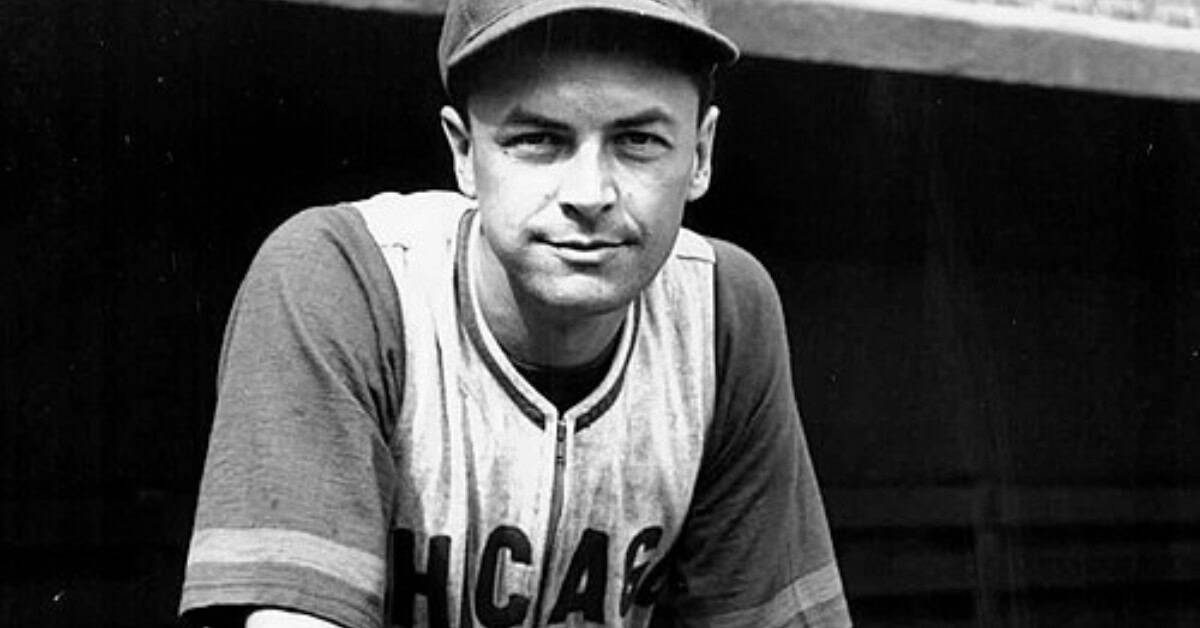
The perpetually grinning Cubs legend earned his nickname through genuine joy for the game, but his .342 World Series batting average across four Fall Classics was no laughing matter. Hack’s patient left-handed swing and table-setting skills made him the perfect leadoff man, while his steady defense anchored Chicago’s infield throughout the decade. His infectious optimism and clutch October performances embodied the spirit of Wrigley Field baseball, even when the Cubs came up short of championships.
Ken Keltner – The Man Who Stopped DiMaggio’s Streak

July 17, 1941, at Cleveland Stadium – Keltner made two spectacular backhanded stops on hard DiMaggio grounders, ending the Yankee Clipper’s 56-game hitting streak before 67,468 stunned fans. The Milwaukee native’s seven All-Star selections proved he was more than a footnote to history, as his powerful arm and quick reflexes made him the decade’s premier defensive third baseman. His clutch 1948 playoff homer against Boston helped Cleveland reach the World Series, cementing his legacy beyond that famous night against DiMaggio.
Whitey Kurowski – St. Louis’s Clutch October Hero
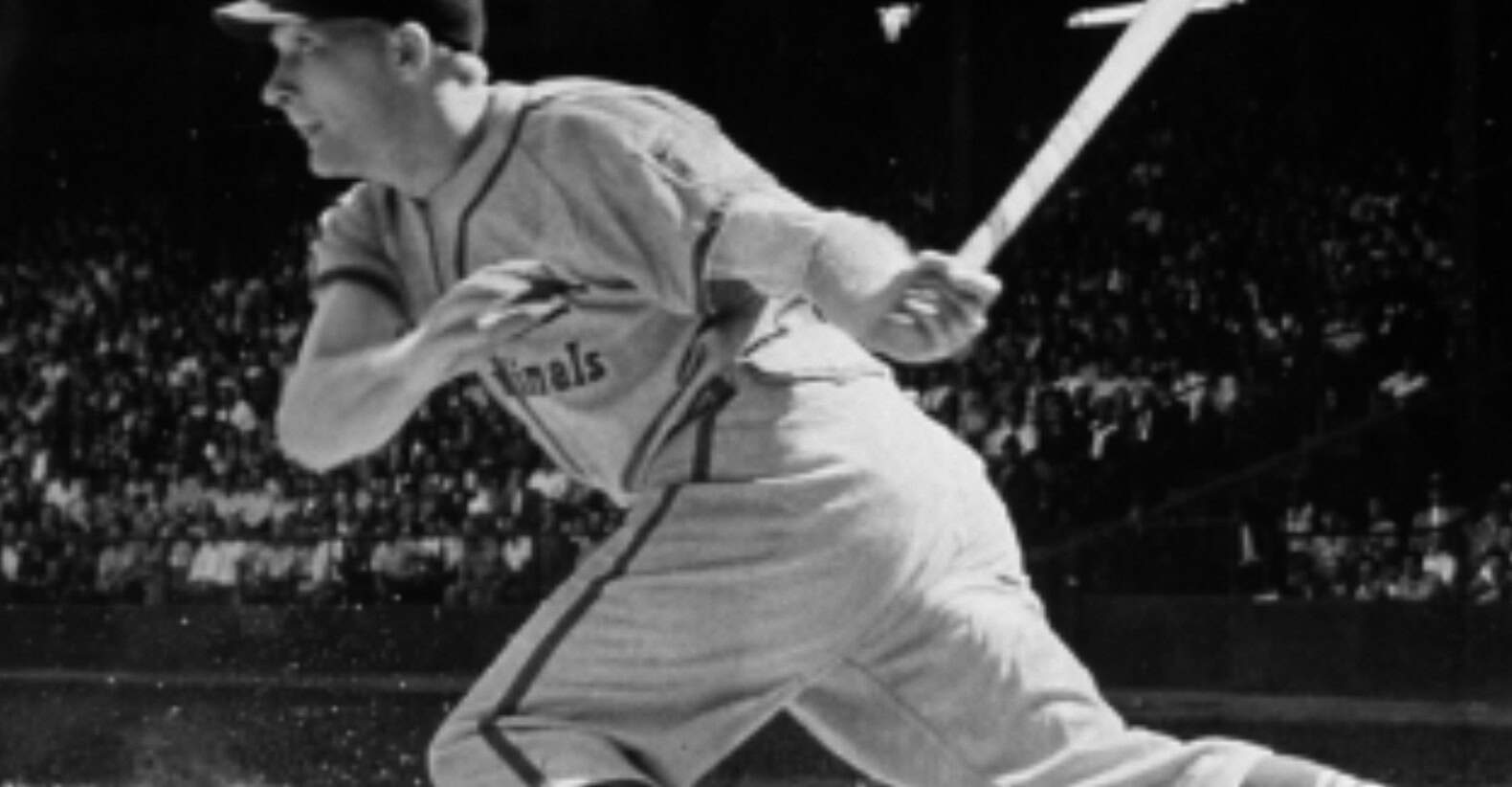
Despite a right arm four inches shorter than his left from a childhood accident, Kurowski delivered the biggest hit in Cardinals history – a ninth-inning, two-run homer in Game 5 of the 1942 World Series that clinched the championship against the Yankees. The son of Polish immigrants became St. Louis royalty through three World Series titles (1942, 1944, 1946) and clutch October performances that earned him folk hero status. His determination to overcome physical limitations while starring on baseball’s biggest stage embodied the gritty spirit of 1940s baseball.
Harlond Clift – The Power Pioneer Who Changed the Position
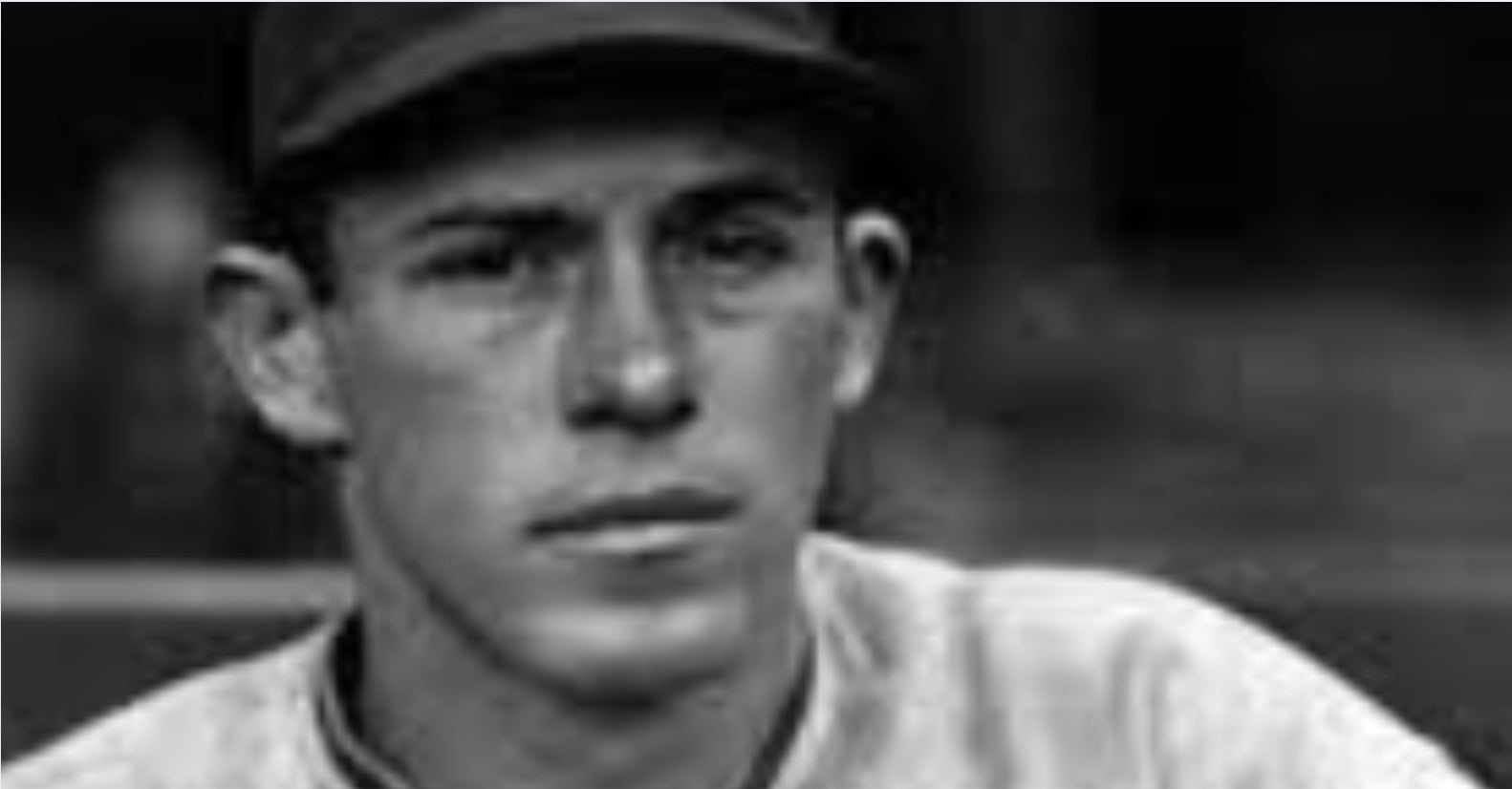
Before third basemen were expected to hit for power, Clift was launching balls over fences with regularity for the St. Louis Browns, becoming the first at his position to hit 30+ homers in a season (34 in 1938). His patient eye led the American League in walks twice, while his strong arm and sure hands provided steady defense despite playing for perpetually struggling Browns teams. Clift’s combination of power and plate discipline helped redefine expectations for third base production, paving the way for future sluggers at the hot corner.
Pinky Higgins – The Texas Slugger’s Three-Homer Magic
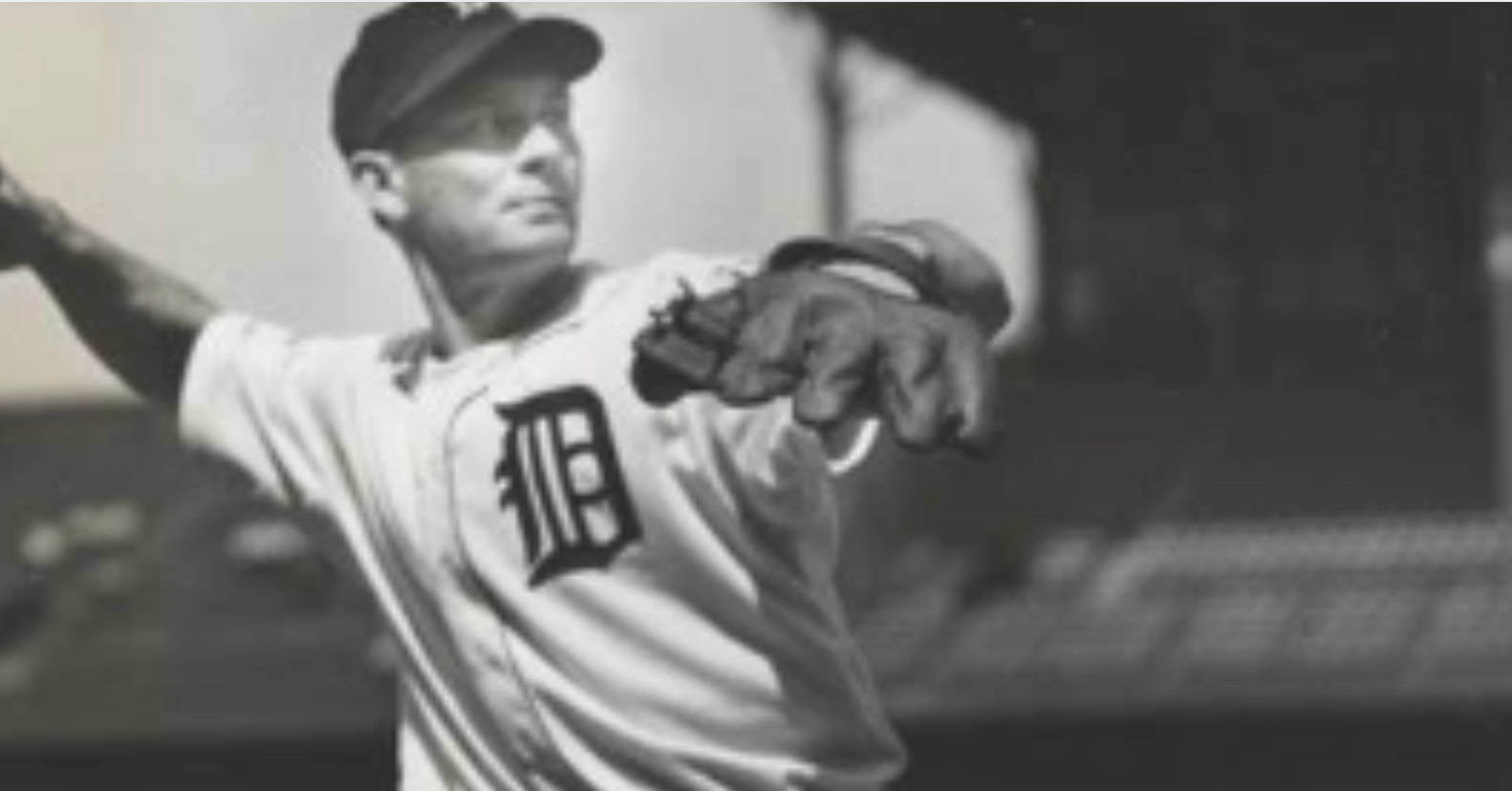
The red-headed Texan achieved a memorable feat on June 27, 1938, hitting three home runs in a single game against the Chicago White Sox while playing for Boston. Higgins’ powerful right-handed swing and clutch hitting made him a fan favorite at Fenway Park, where his aggressive approach perfectly suited the Green Monster’s dimensions. His steady glove work and leadership qualities eventually led to a successful managing career, but fans remembered him best for that magical three-homer afternoon that had Fenway buzzing for years.
Sid Gordon – The Giants’ Consistent Corner Man
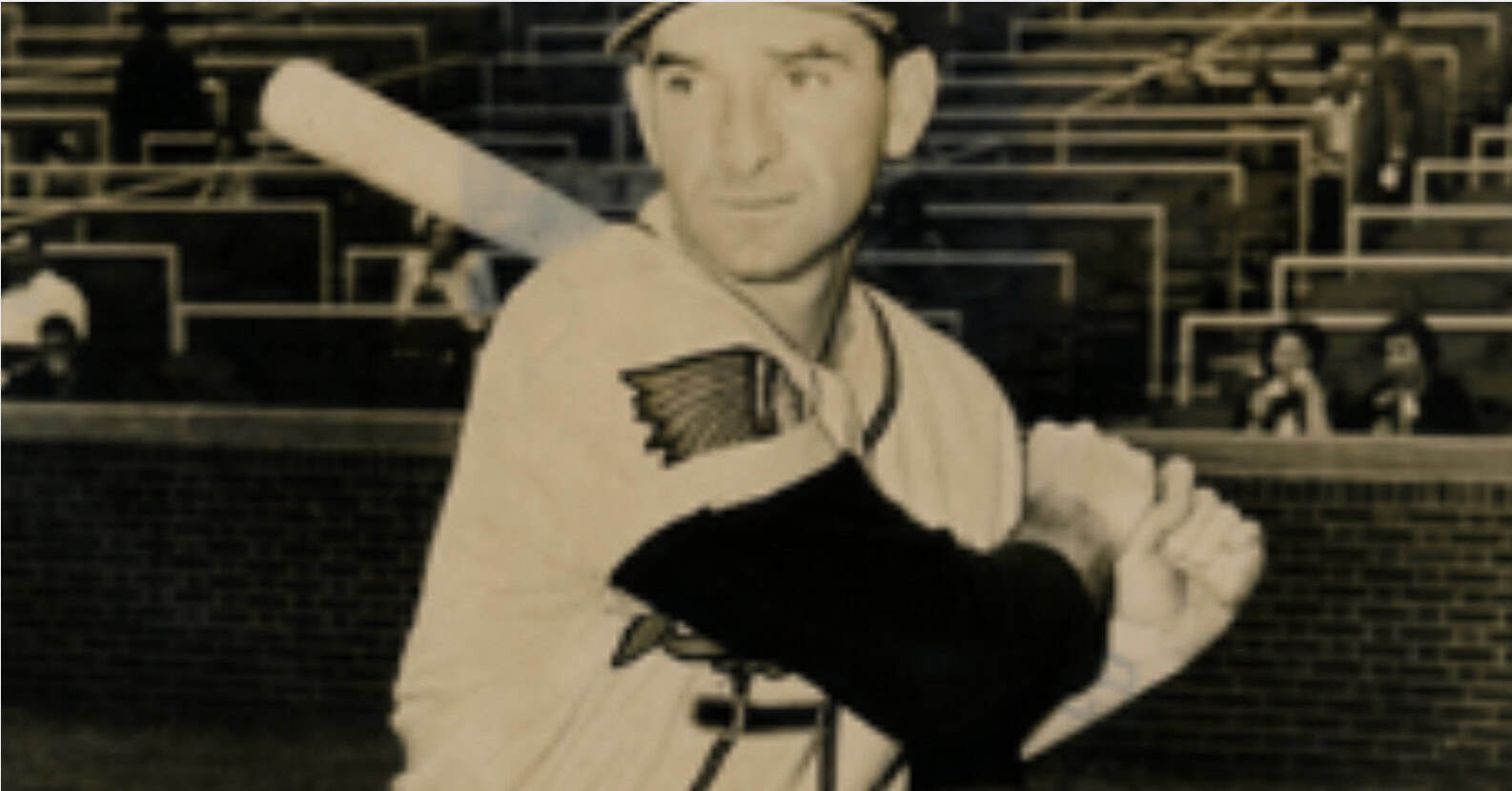
The Brooklyn native brought steady production to the Polo Grounds throughout the 1940s, combining solid defense with consistent offensive numbers that made him a reliable presence in the Giants’ lineup. Gordon’s patient approach and gap power made him particularly effective in the Polo Grounds’ unique dimensions, where his line drives found holes in the spacious outfield. His versatility allowed him to play both third base and outfield positions, providing manager Mel Ott with valuable flexibility while maintaining quality production wherever he was stationed.
Cookie Lavagetto – Brooklyn’s Beloved Clutch Performer
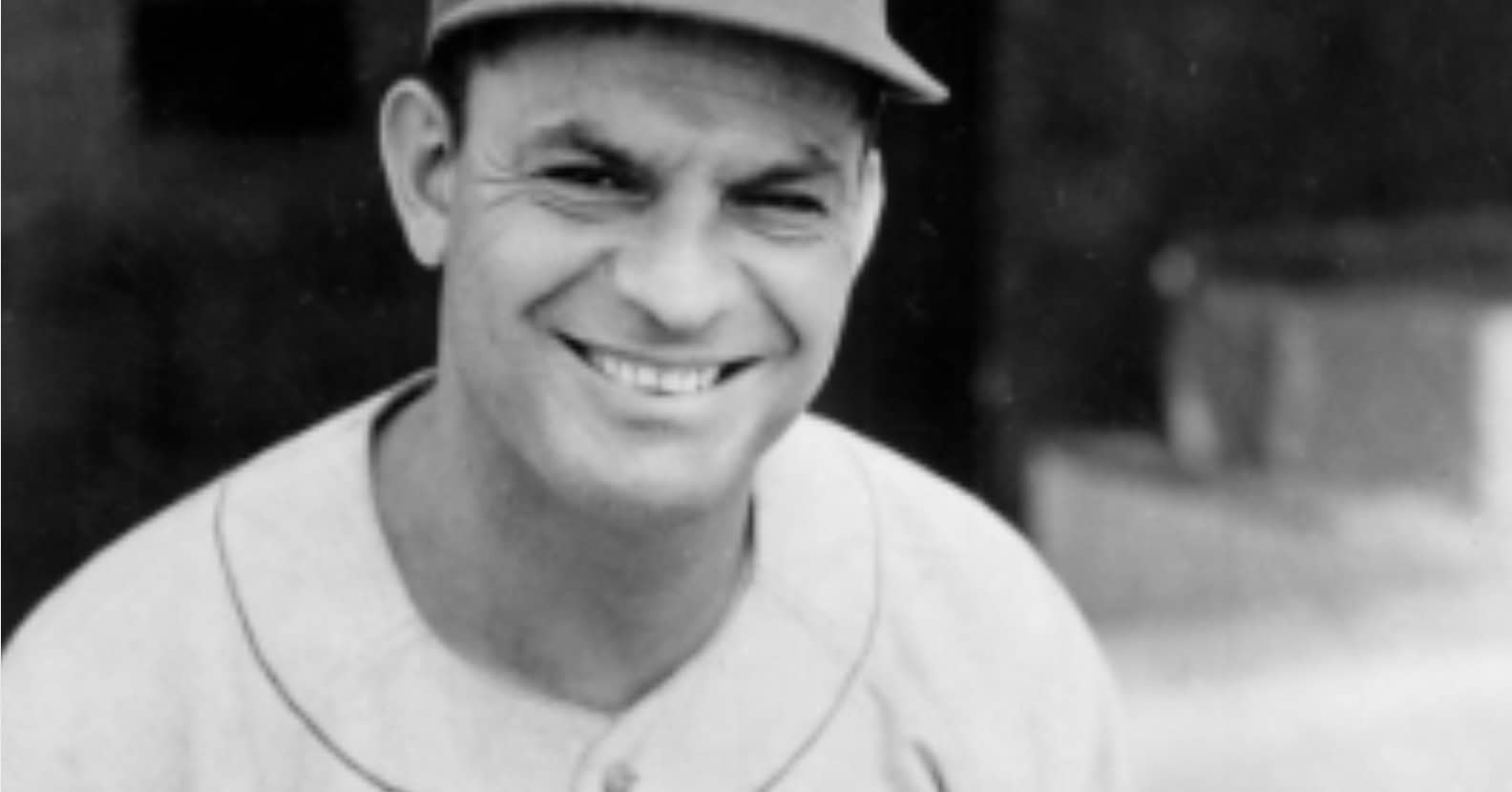
The Oakland native became a Brooklyn icon through his scrappy play and clutch hitting, most famously breaking up Bill Bevens’ no-hit bid in Game 4 of the 1947 World Series with a pinch-hit double that drove in two runs. Lavagetto’s gritty defensive play and timely hitting perfectly embodied the “Dem Bums” spirit that made the Dodgers beloved in Brooklyn, while his Italian heritage connected him deeply with the borough’s immigrant communities. His ability to deliver in pressure situations made him a fan favorite at Ebbets Field, where his name echoed through the intimate ballpark whenever he stepped to the plate.
Bob Dillinger – The Speedy Third Sacker’s Stolen Base Artistry

The fleet-footed Californian brought unprecedented speed to third base, leading the American League in stolen bases three consecutive years (1947-1949) while playing for the St. Louis Browns. Dillinger’s 34 steals in 1947 were remarkable for a third baseman in an era when base-stealing was largely forgotten, proving that the hot corner didn’t have to be manned by slow-footed sluggers. His quick reflexes and range made him an excellent defender despite his slight build, while his speed on the basepaths added a dynamic element that opposing pitchers constantly had to consider.
Eddie Yost – “The Walking Man” Who Worked Every Count
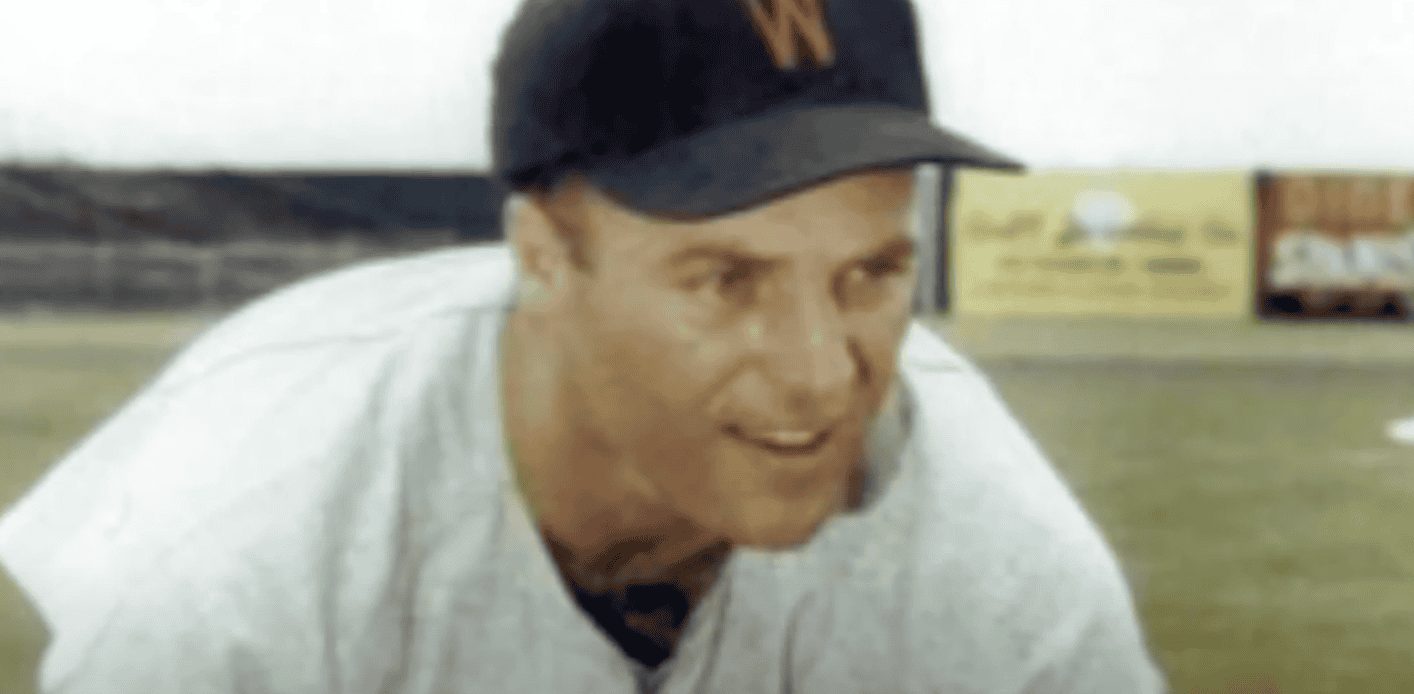
The Brooklyn-born Yost revolutionized the leadoff position from third base with his incredible patience, leading the American League in walks six times and finishing with 1,614 career free passes. His keen eye and disciplined approach made him the ultimate table-setter for the Washington Senators, consistently reaching base at a .400+ clip despite modest batting averages. Yost’s defensive reliability and leadership qualities made him a cornerstone player for Washington throughout the decade, while his ability to work deep counts and tire opposing pitchers provided invaluable benefits beyond traditional statistics.
Grady Hatton – The Steady Hand Through Baseball’s Transition
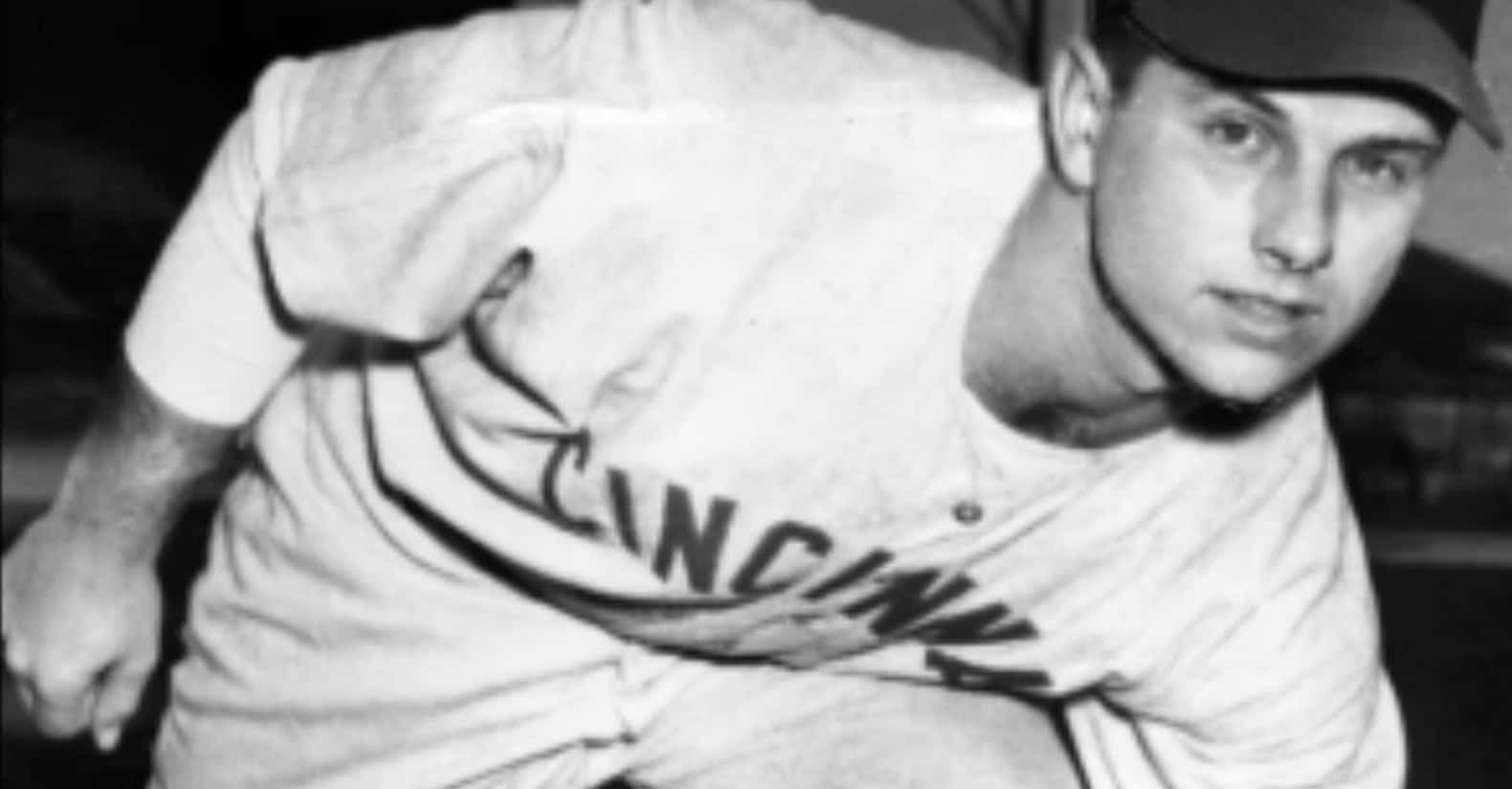
The Texas native provided steady, workmanlike production for the Cincinnati Reds throughout the decade’s end, representing the dependable third basemen who formed the backbone of their teams without fanfare or headlines. Hatton’s consistent defensive play and modest offensive contributions exemplified the role players who made baseball function, grinding through 150+ game seasons with quiet professionalism. His ability to handle routine plays and provide occasional clutch hits made him the type of player managers could count on, embodying the blue-collar work ethic that defined much of 1940s baseball before the game’s eventual transformation into big business.